




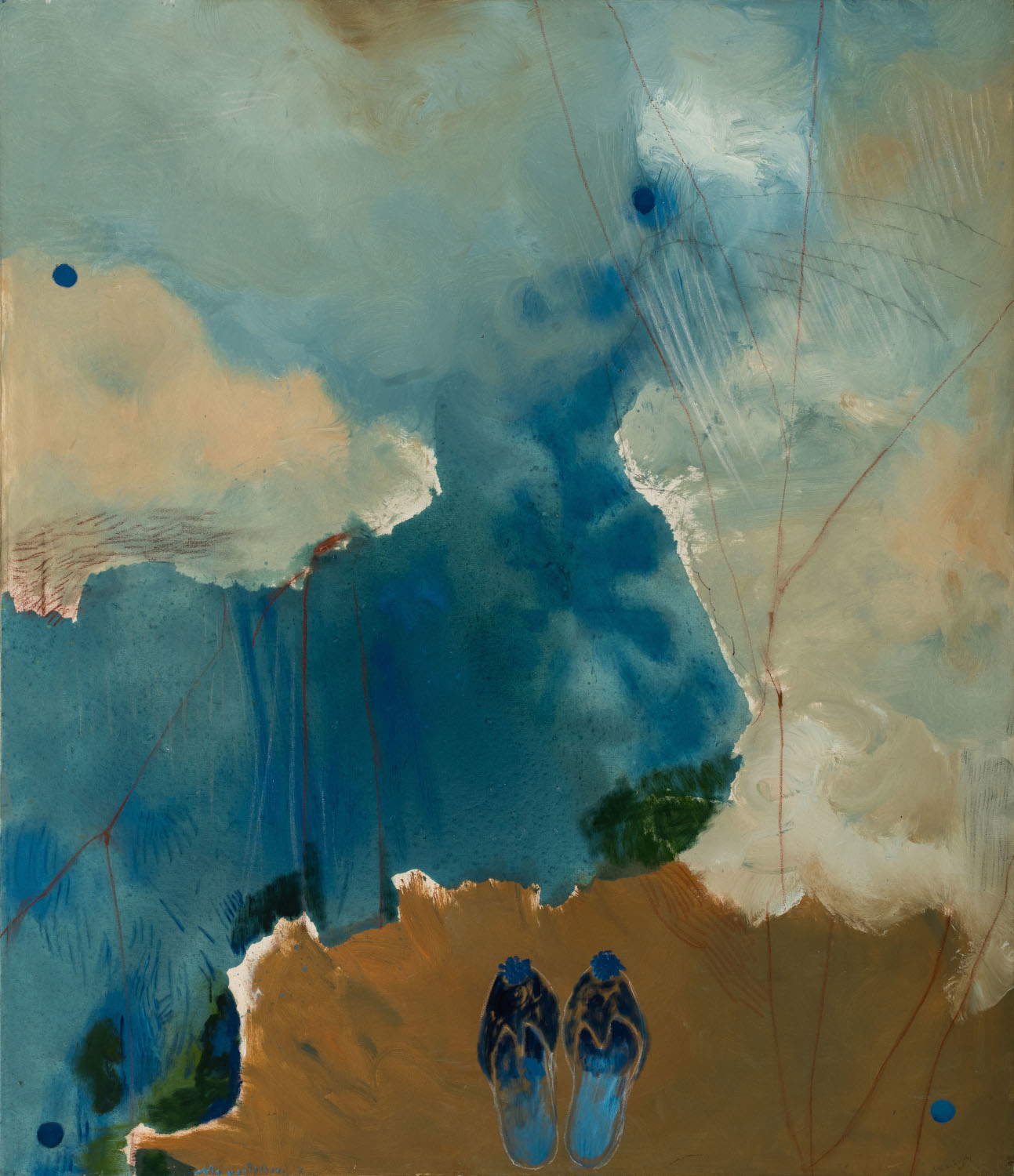
From September 30, 2026, to February 28, 2027, the Casino dei Principi at the Villa Torlonia Museums in Rome will host an exhibition featuring Elisa Montessori. This comprehensive exhibition traces the entire artistic career of Elisa Montessori, born in Genoa in 1931, whose artistic exploration began in the immediate postwar period. The exhibition project was conceived by the artist herself and curated in collaboration with Alessandra Mammì and Federica Pirani; it is sponsored by Roma Capitale, the Department of Culture, and the Capitoline Superintendence for Cultural Heritage, in collaboration with Galleria Monitor, with organization and museum services entrusted to Zètema Progetto Cultura.
Rather than following a traditional chronological order, the exhibition offers a narrative close to the idea of an autobiography, as Montessori herself defines it. The exhibition is, in fact, conceived by the artist as a sort of comprehensive self-portrait—a total work that unfolds throughout the galleries through reconstructions, installations, and key moments in her life and artistic practice. The works are grouped not necessarily by period, technique, or size, but based on more subtle connections. Language, art, science, and poetry thus become elements through which to relate seemingly disparate works and convey the complexity of the artist’s thought.
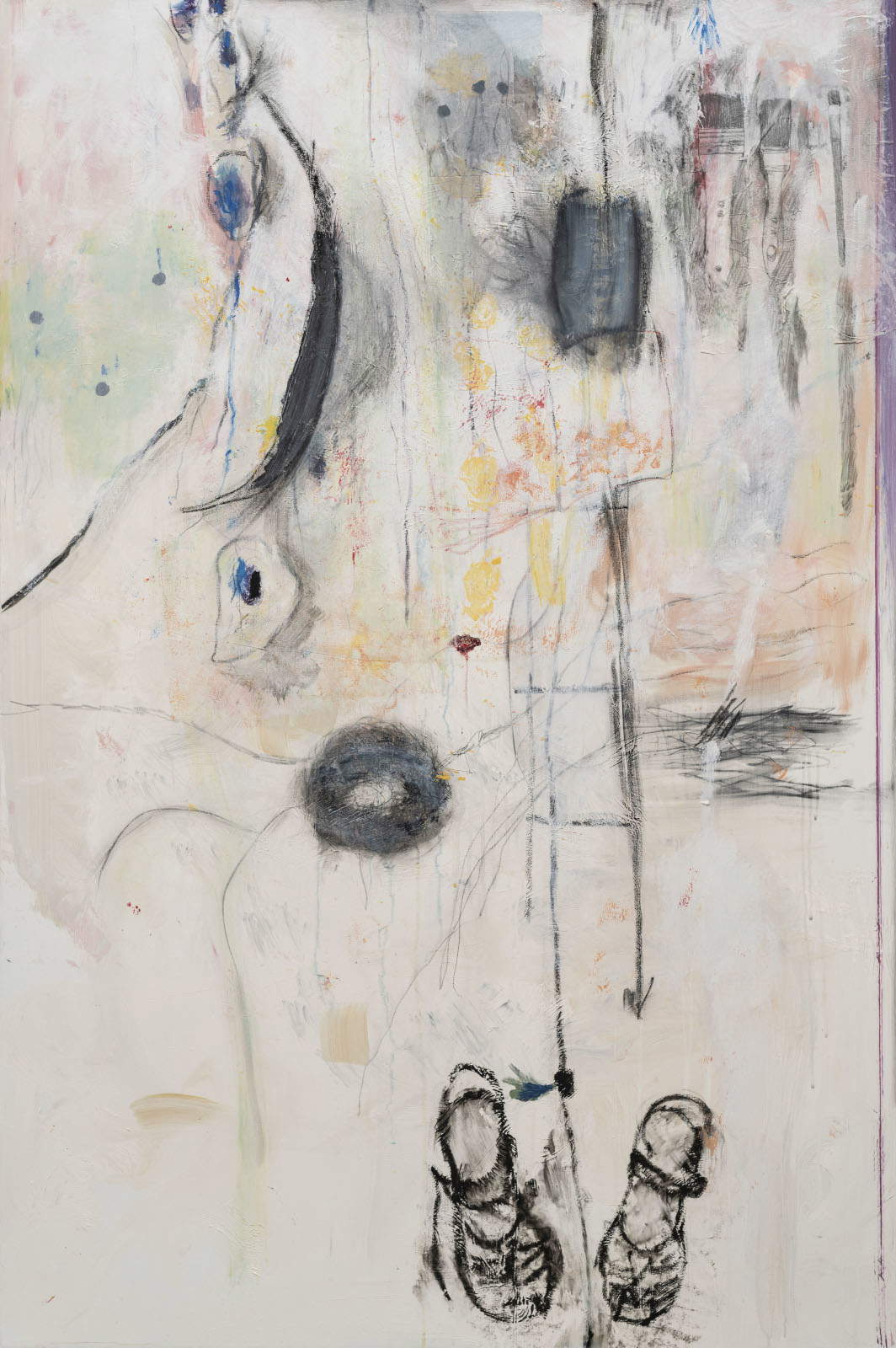
Over one hundred works are brought together, including oil paintings, drawings, and books, along with major loans from public and private collections. The exhibition will also feature several site-specific installations created specifically by the artist, which will establish a direct relationship between her work and the spaces of the Casino dei Principi. The exhibition will further be enriched by a selection of audiovisual materials dedicated to Montessori’s life and work: the 2004 documentary film *Montessori*, directed by Francesco Vaccaro and dedicated to the artist’s working method, will be screened, as well as the 2020 documentary *Elisa Montessori*, presented by Monitor and featuring an interview curated by Davide Ferri and directed by Mario Poeta. Also on the program is the 2025 video interview *Gli amici di Titina Maselli | Elisa Montessori*, produced by Federica Pirani and Claudio Crescentini on the occasion of the major retrospective exhibition dedicated to Titina Maselli in Rome.
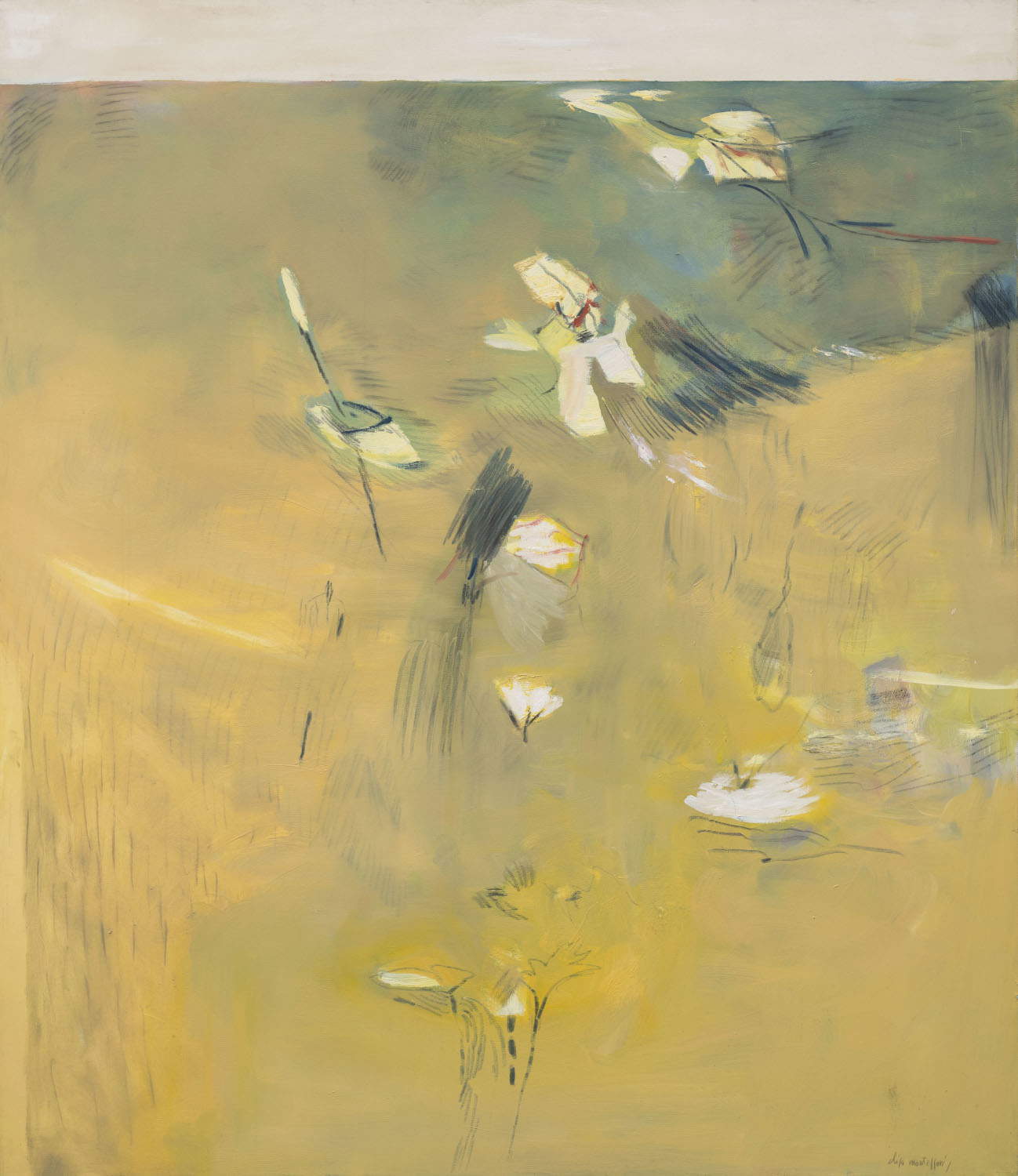
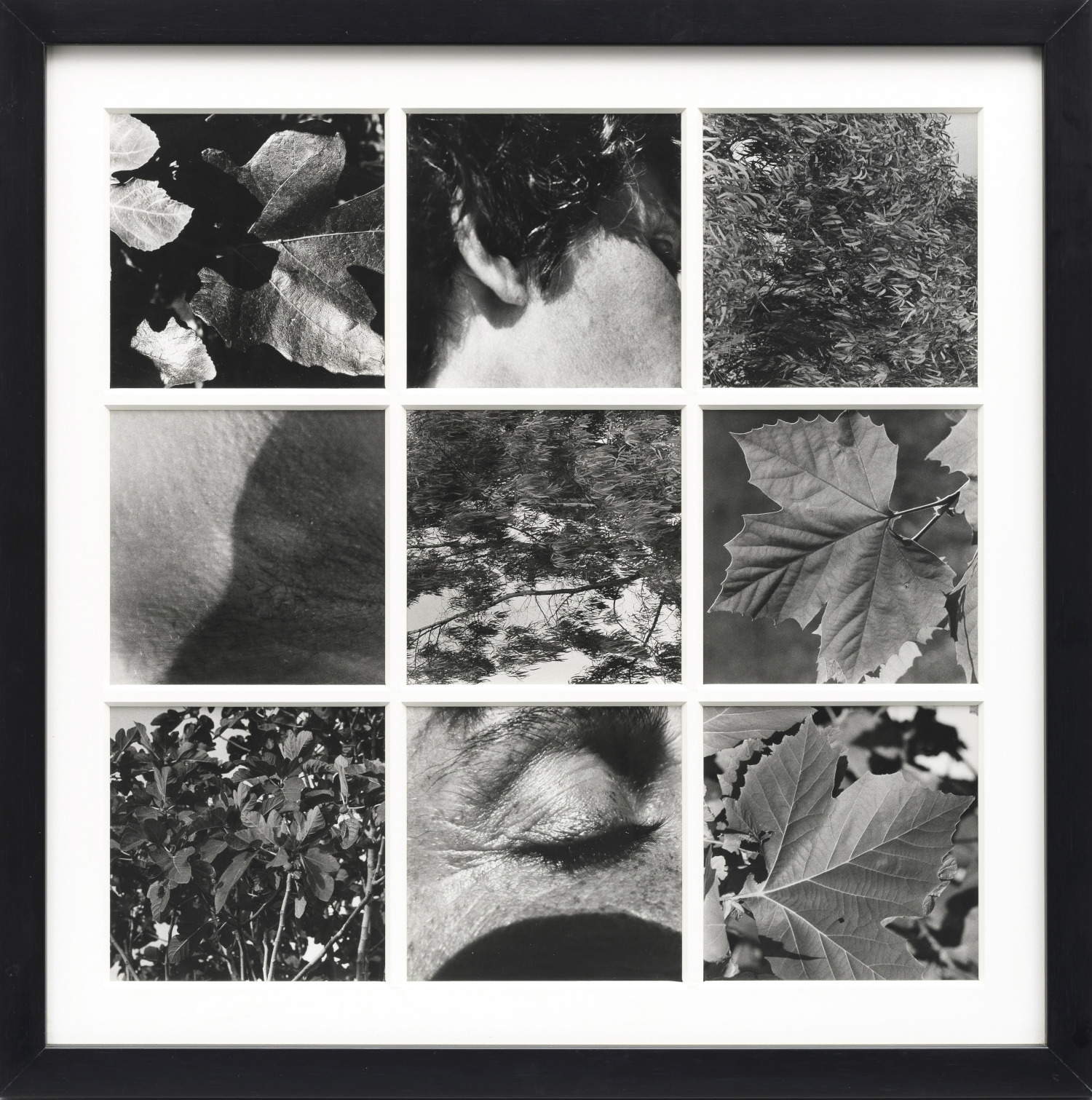
The exhibition takes visitors on a journey through an artistic body of work that began in Rome immediately after World War II and has evolved over the decades in constant dialogue with contemporary visual art. Despite her engagement with the diverse artistic languages of the late 20th century and the contemporary era, Montessori has maintained a strong autonomy of thought, language, and technique over time. Her artistic practice, in fact, stems from the intersection of different disciplines and interests. Literature, philosophy, Eastern culture, and scientific research coexist with continuous experimentation with materials and techniques. From ceramics to mosaics, from oil painting on canvas to the use of different types of paper and pigments, the artist has developed an extremely personal and versatile artistic language.
This openness to experimentation makes Elisa Montessori an artist capable of capturing the complexity of her time through a broad and eclectic body of work.
To coincide with the exhibition, Silvana Editoriale will publish the first scholarly catalog dedicated to Elisa Montessori. The volume will include an extensive biographical interview and contributions from scholars across various disciplines, designed to explore the cultural complexity of the artist’s work. The catalog will also include biographical and bibliographical appendices, as well as an extensive critical anthology, to serve as a reference tool for understanding and studying Elisa Montessori’s work.
Hours: Tuesday through Sunday from 9 a.m. to 7 p.m. Closed on Mondays.
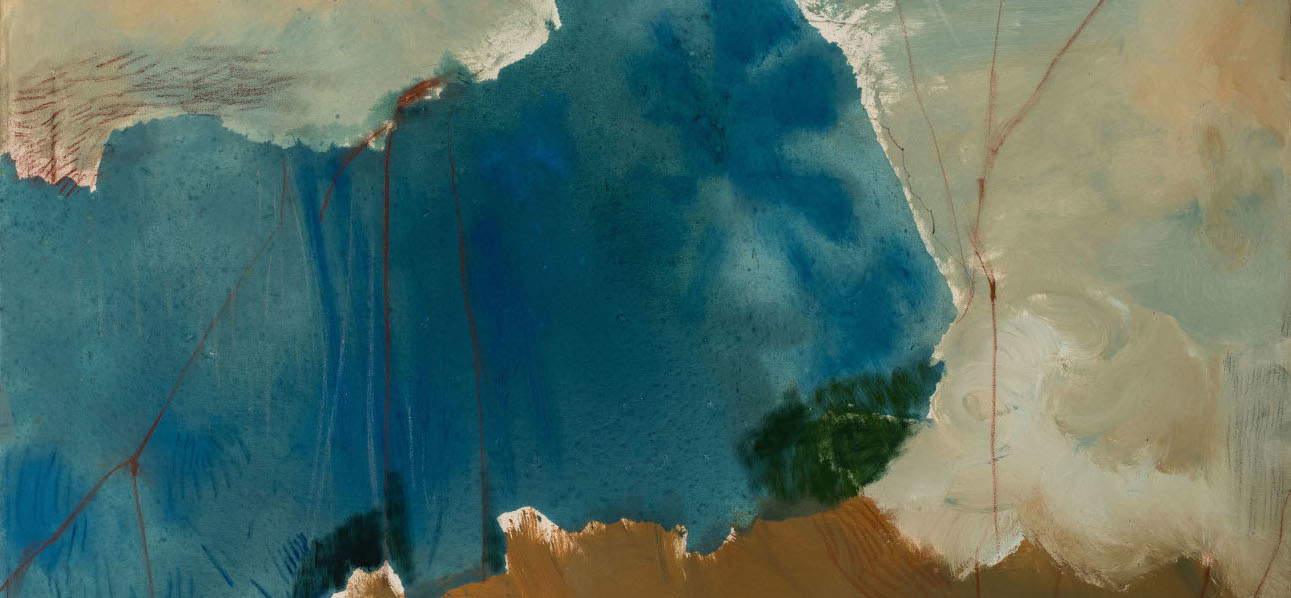 |
| A major exhibition in Rome dedicated to Elisa Montessori and her entire body of artistic work |

Warning: the translation into English of the original Italian article was created using automatic tools. We undertake to review all articles, but we do not guarantee the total absence of inaccuracies in the translation due to the program. You can find the original by clicking on the ITA button. If you find any mistake,please contact us.






















 IT
IT FR
FR DE
DE ES
ES CN
CN


