




by Redazione 07/09/2026



Categories: Exhibitions / Disclaimer
From September 16 to November 21, 2026, Tornabuoni Arte Roma will present a solo exhibition in Rome dedicated to Alberto Biasi, featuring more than twenty works spanning from the 1960s to his most recent pieces, as well as archival materials.


On September 16, 2026,Tornabuoni Arte Roma will kick off its new exhibition season with a solo exhibition dedicated to Alberto Biasi (Padua, 1937), one of the leading figuresof Arte Programmata. Open through November 21 at the gallery’s location at Via Bocca di Leone 88 in Rome, the exhibition traces over sixty years of the artist’s creative journey, from his early works of the 1960s to the installation pieces of the 1970s, up to his most recent works.

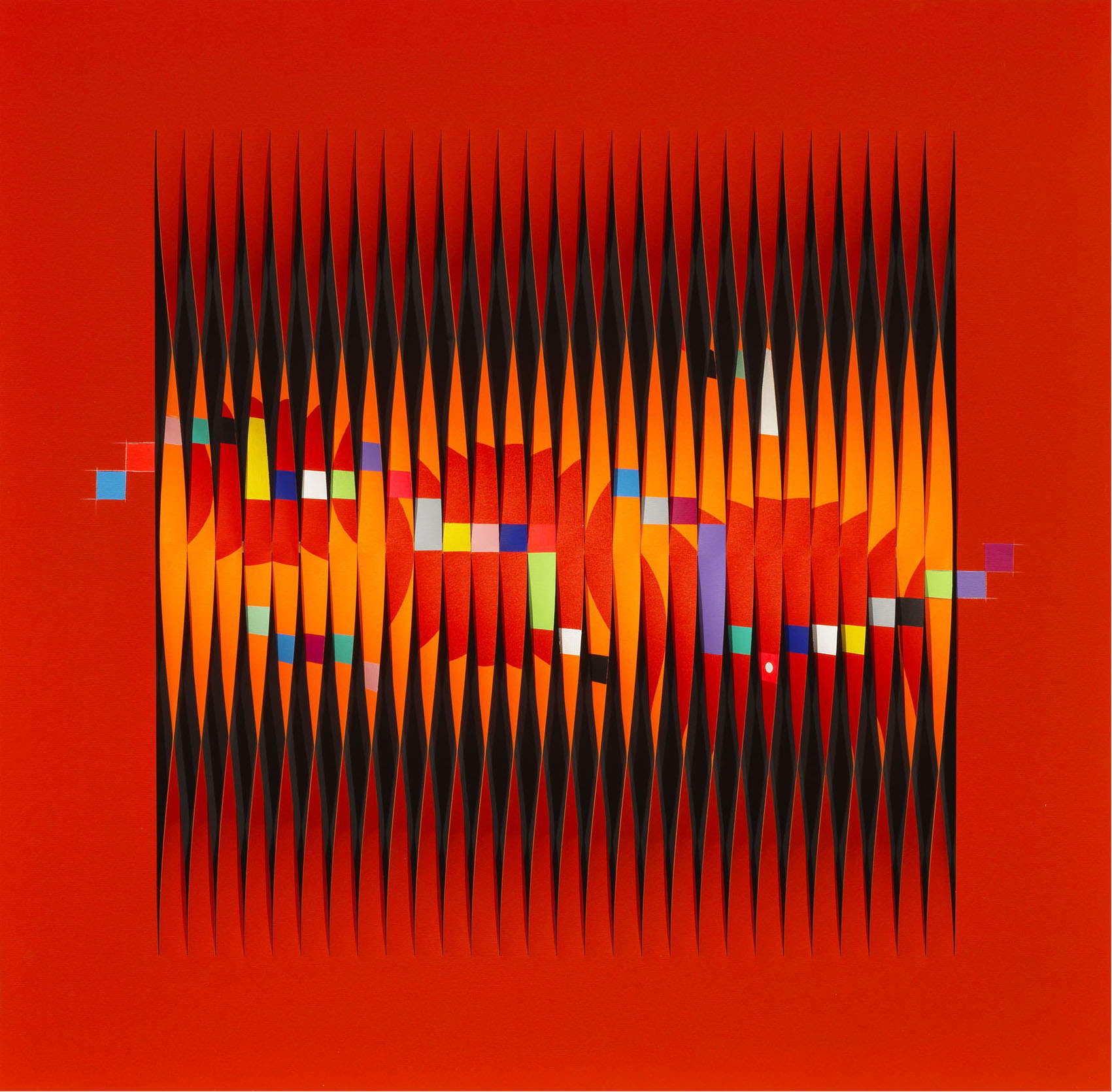
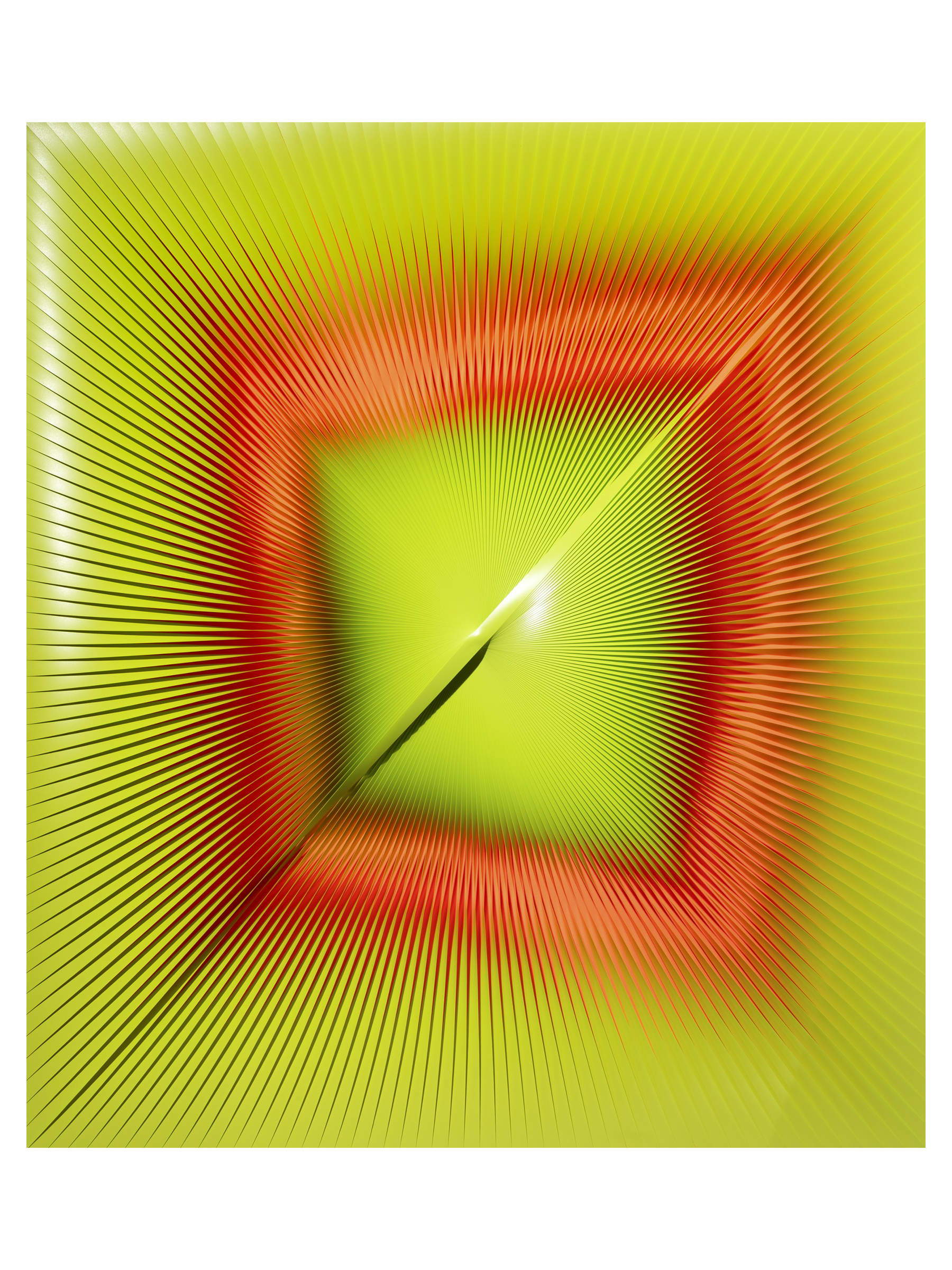
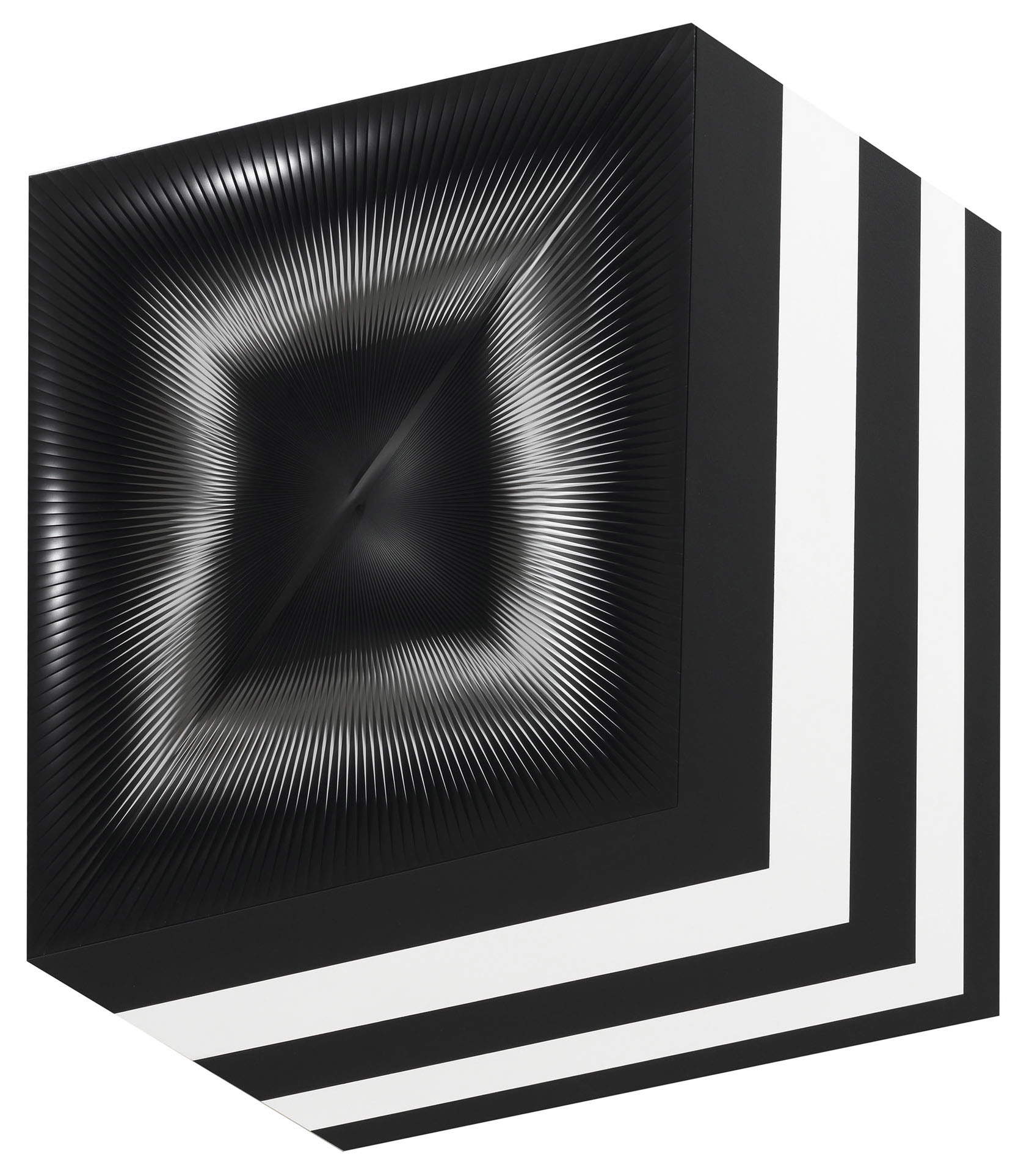
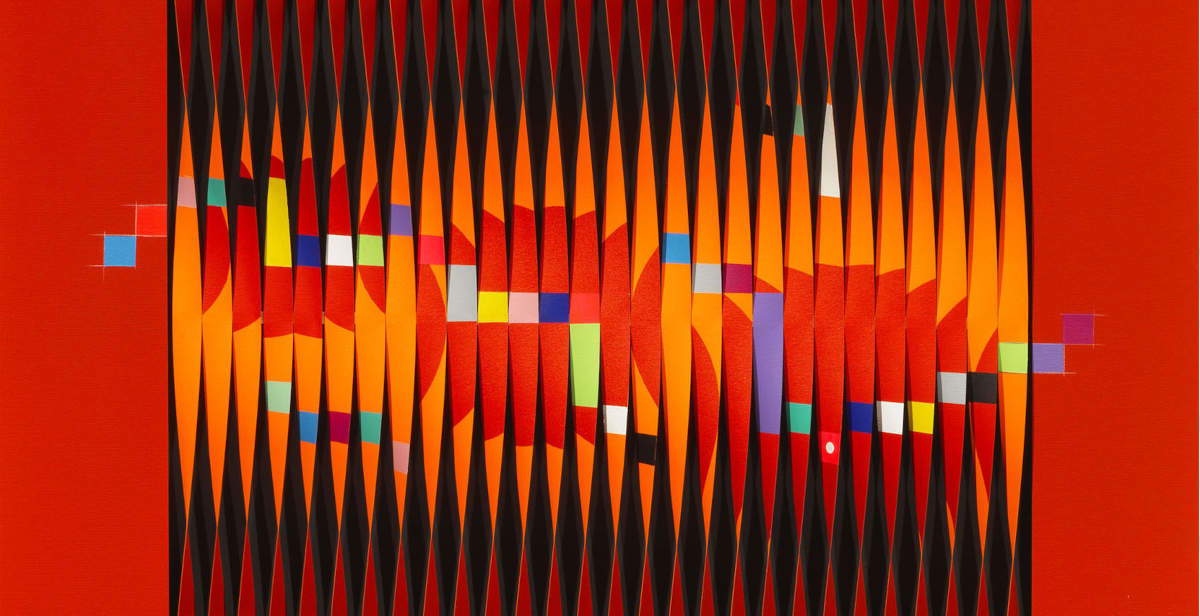
The exhibition focuses on movement, perception, and the interaction between the artwork and the viewer, explored through various materials and techniques to challenge the static nature of the image and engage the viewer in the construction of the visual experience. Over twenty works trace the main cycles of his production, from the “Trame” to the “Rilievi ottico-dinamici,” from the “Torsioni” to the “Light Prisms,” and on to the “Ambienti” and “Assemblaggi.”


The artist’s relationship with Rome dates back to 1960, when he participated in *Sculture tascabili, componibili, trasportabili, istantanee*(Pocket-sized, Modular, Transportable, Instant Sculptures), organized by Piero Manzoni at the Galleria Trastevere, directed by Topazia Alliata. In 1962, Gruppo N, of which he was a co-founder, participated in the historic “Arte Programmata,” promoted by Bruno Munari and Giorgio Soavi for Olivetti; the exhibition also made a stop at the Roman branch on Via del Tritone.


In the following years, Biasi exhibited at the Galleria L’Obelisco, run by Irene Brin and Gaspero del Corso, and participated in *Vitalità del negativo*, curated by Achille Bonito Oliva at the Palazzo delle Esposizioni. He also participated three times in the Rome Quadriennales, and his works were acquired by the Galleria Nazionale d’Arte Moderna, then directed by Palma Bucarelli. His artistic practice gained international recognition through the 32nd Venice Biennale and *The Responsive Eye* at the Museum of Modern Art in New York.
A selection of archival materials—including invitations, catalogs, photographs, and documents—reconstructs Biasi’s relationship with Rome and with some of the leading figures in Italian art of the second half of the 20th century. The exhibition concludes with a booklet featuring a previously unpublished interview with the artist, conducted specifically for this occasion.
Notes on the Artist
Alberto Biasi was born in Padua on June 2, 1937. After completing his classical studies and earning his high school diploma in art, he enrolled at the Venice Institute of Architecture in 1958 and, in 1962, in the Advanced Course in Industrial Design. Alongside his artistic work, he taught Drawing and Art History in public schools and, from the 1970s through 1988, Advertising Graphics at the Professional Institute of Padua.
His artistic career began in 1959 with the Ennea Group, an experience that led to the founding of the N Group together with Ennio Chiggio, Toni Costa, Edoardo Landi, and Manfredo Massironi. The group quickly established itself on the kinetic art scene, joined the New Tendencies movement, and participated in major exhibitions in Zagreb, Paris, and Venice. In 1962, Biasi took part in *Arte Programmata*, a traveling exhibition organized by Bruno Munari; in 1964, he participated in the 32nd Venice Biennale; and in 1965, he took part in *The Responsive Eye* at the Museum of Modern Art in New York.
After the dissolution of Gruppo N, Biasi continued his artistic exploration, focusing on the mechanisms of visual perception and the relationship between the artwork and the viewer. This led to the creation of his first *Trame* (Weaves), made by layering perforated paper, gauze, and metal mesh—from which the *Rilievi ottico-dinamici* (Optical-Dynamic Reliefs) and *Torsioni* (Twists) evolved, works designed to change in response to the viewer’s perspective.
Starting in the early 1960s, he also created the “Ambienti,” installations designed to engage the public and integrate with the exhibition space. These include the “Light Prisms,” based on beams of colored light driven by electric motors, and works such as “Eco” and the triptych “Io sono, tu sei, egli è,” which require the viewer’s participation. From the 1970s onward, he developed the “Politipi,” characterized by geometric shapes and shifting colors; from the 1990s, he introduced painterly elements and figurative references. Around 2000, he finally began creating the “Assemblaggi,” three-dimensional constructions resulting from the combination of canvases and laminated structures.
Throughout his long career, Biasi has participated in numerous Italian and international exhibitions, including the Venice Biennale, the Rome Quadriennale, and the São Paulo Biennial. His works are included in the collections of major institutions, including the Museum of Modern Art in New York, the National Gallery in Rome, the Centre Pompidou in Paris, the Peggy Guggenheim Collection in Venice, and the Hermitage in St. Petersburg.
 |
| Alberto Biasi: Over 60 Years of Research on Perception on Display in Rome |
Warning: the translation into English of the original Italian article was created using automatic tools. We undertake to review all articles, but we do not guarantee the total absence of inaccuracies in the translation due to the program. You can find the original by clicking on the ITA button. If you find any mistake,please contact us.