




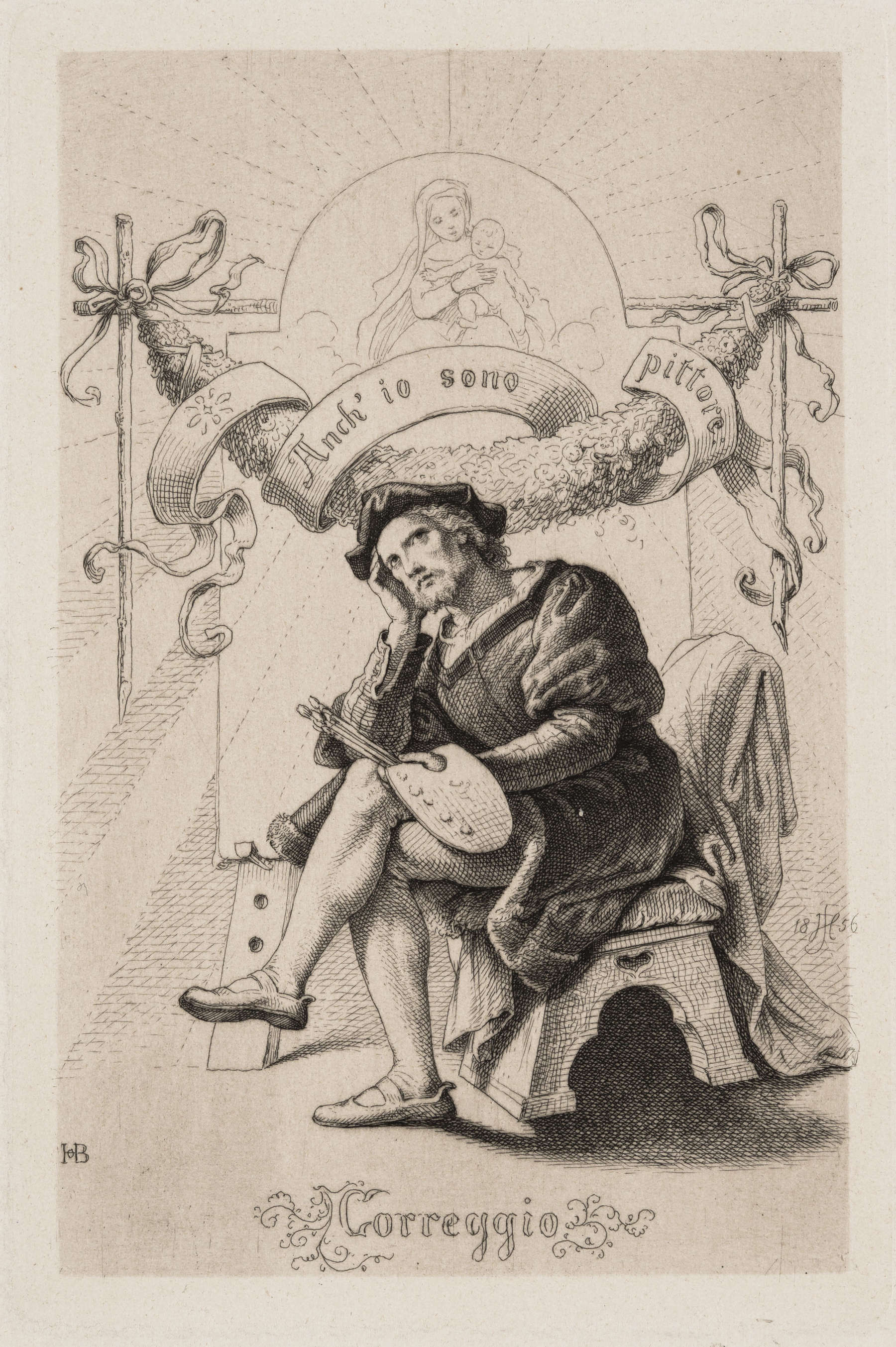
For five hundred years, the paintings of Antonio Allegri—who went down in history as Correggio, after his hometown—have continued to captivate viewers with the sensuality of their figures, the luminosity of their scenes, the brilliance of their colors, and the liveliness of their expressions. Yet, to the general public, his name is less well-known than those of Leonardo, Raphael, or Michelangelo—the other great figures of 16th-century Italian painting. It is precisely this gap between the artist’s historical significance and his recognition among the general public that serves as the starting point for *Correggio. *Berührend menschlich* is the first major retrospective dedicated to the painter’s entire body of work organized outside of Italy. The exhibition, scheduled at the Gemäldegalerie Alte Meister in Dresden from September 19, 2026, to January 10, 2027, brings together approximately 130 works and frames an interpretation of Correggio’s art around a specific theme: his ability to convey emotions through facial expressions, gestures, and the relationships between figures. The German title, *Berührend menschlich*, can be translated as “touching, human” and encapsulates the very idea of a style of painting in which even figures from the Christian tradition or ancient mythology are depicted through an immediately recognizable emotional dimension.
In this sense, Dresden is a particularly significant venue. The Gemäldegalerie Alte Meister houses four of Correggio’s major altarpieces, forming the world’s most important collection of the artist’s altar paintings. The presence of this collection allows visitors to directly trace some of the key stages in the evolution of his painting and serves as the starting point for the retrospective. The exhibition is divided into seven sections and includes approximately twenty paintings and an equal number of autograph drawings by Correggio, along with works by his contemporaries and by painters who carried on his legacy. Among them are Parmigianino, Peter Paul Rubens, Carlo Maratti, and Anton Raphael Mengs. This comparison highlights not only the various phases of Correggio’s work but also his influence on artists from different eras.
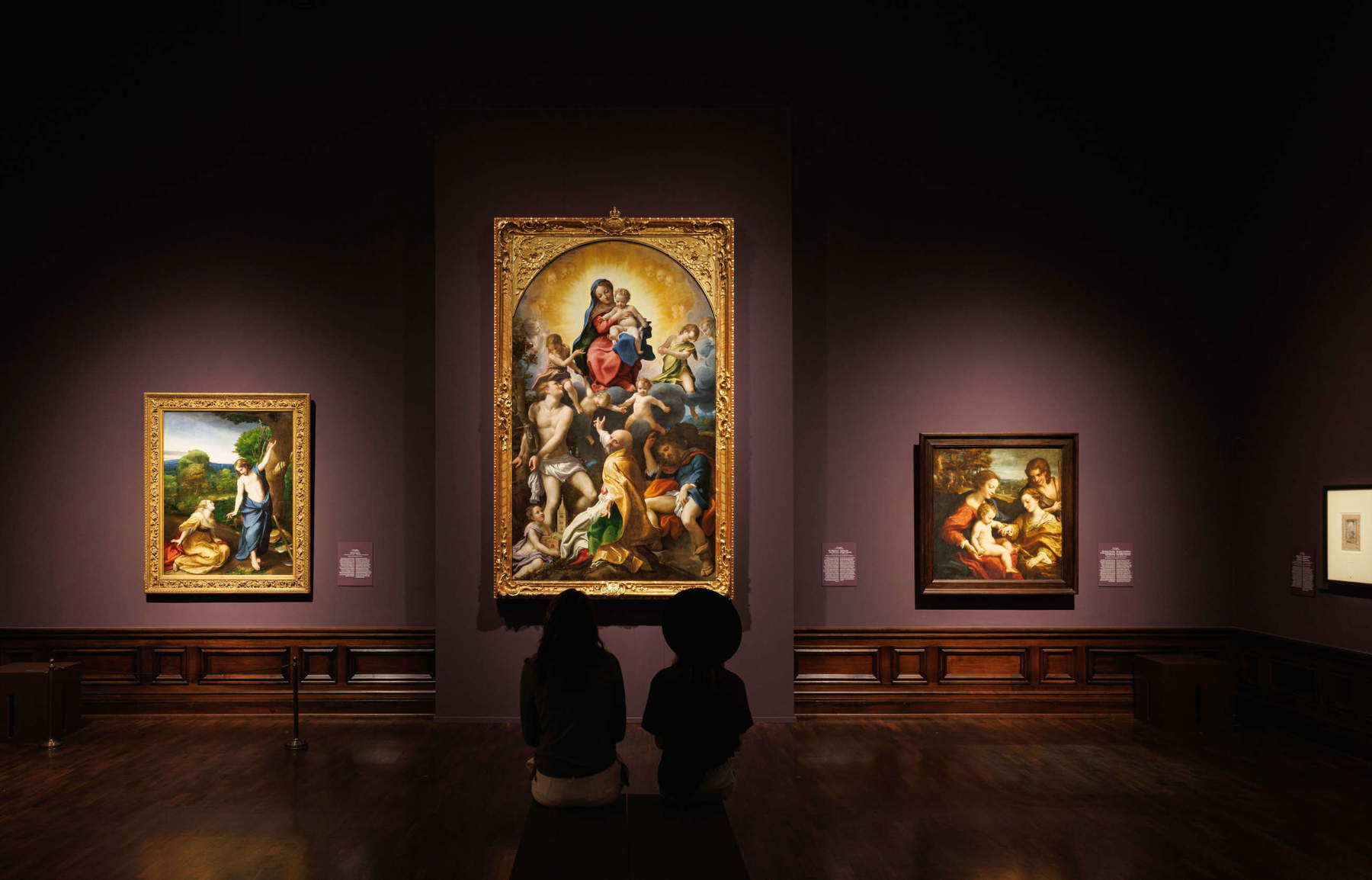
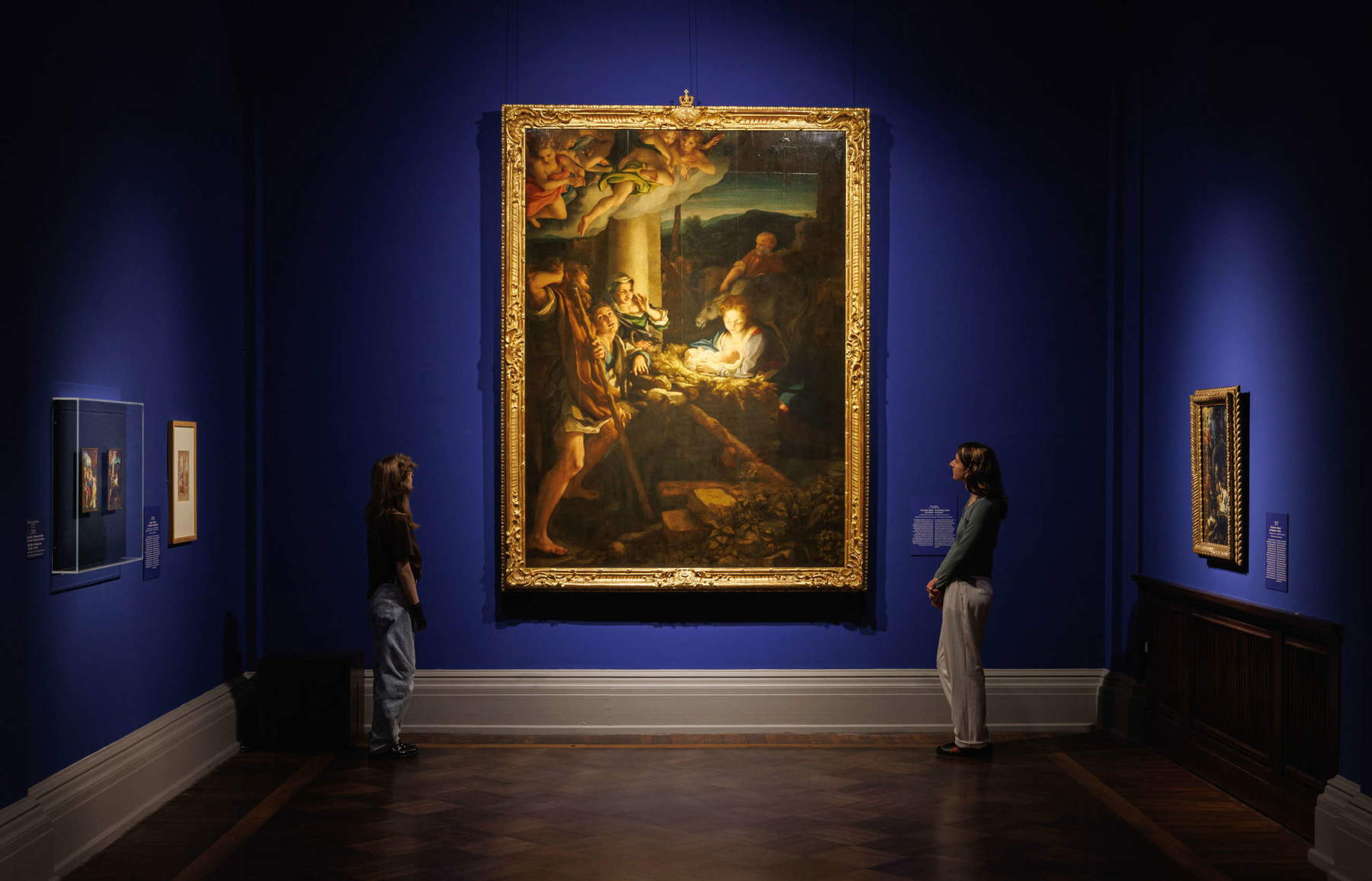
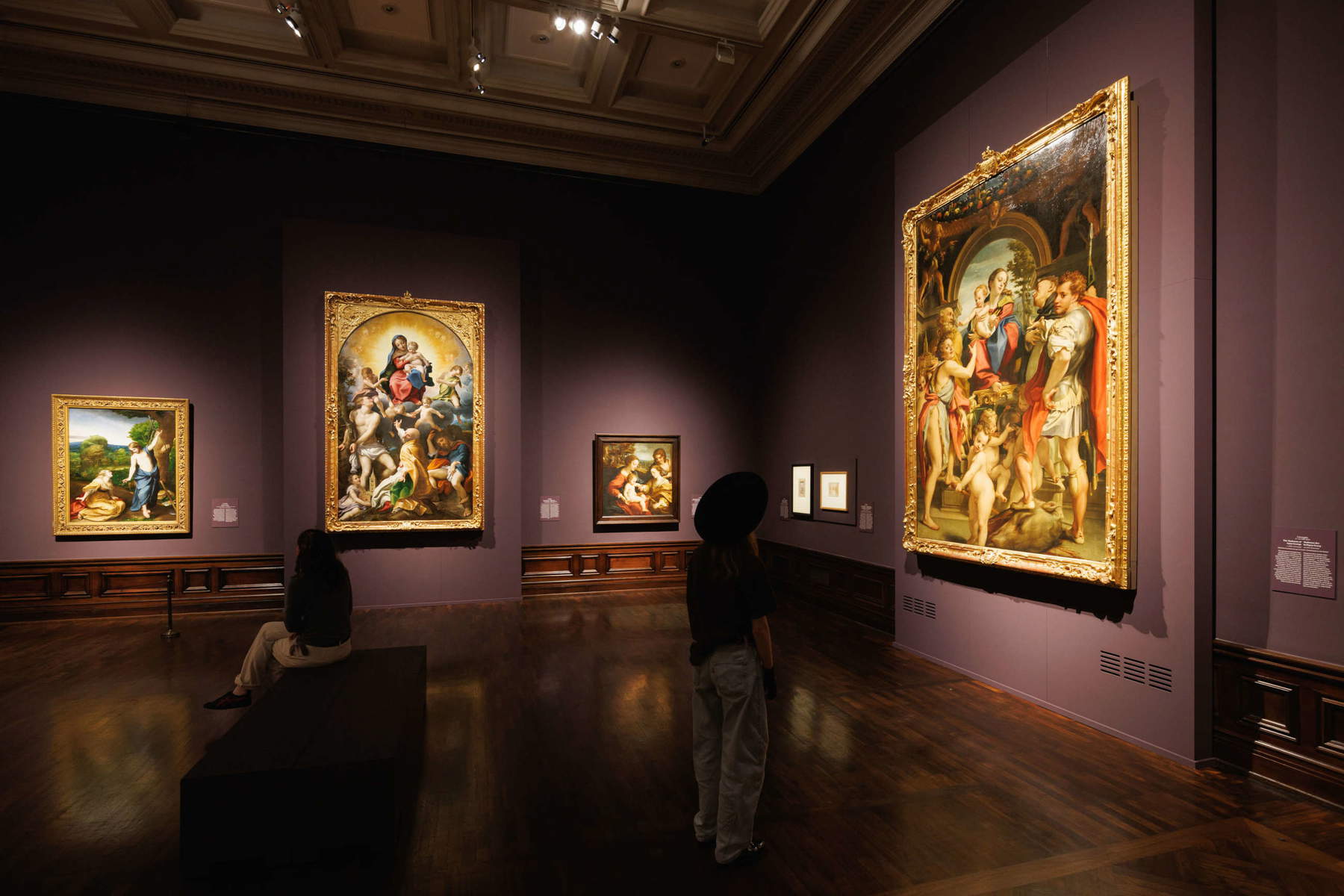
A significant portion of the exhibition is made possible by loans from major international collections. Works are arriving in Dresden from the Prado in Madrid, the National Gallery in London, the Galleria Borghese in Rome, the Uffizi in Florence, and the Kunsthistorisches Museum in Vienna. Two particularly significant works are coming from the Louvre: *Venus and Cupid with a Satyr*, dated around 1526–1528, and *The Mystical Marriage of Saint Catherine with Saint Sebastian*, painted around 1525–1527. This latter loan has a special feature: according to the Staatlichen Kunstsammlungen Dresden, the painting had never left the Louvre since it entered the Parisian museum’s collections, and its presence in Dresden therefore represents a rare event in the international circulation of Correggio’s works.
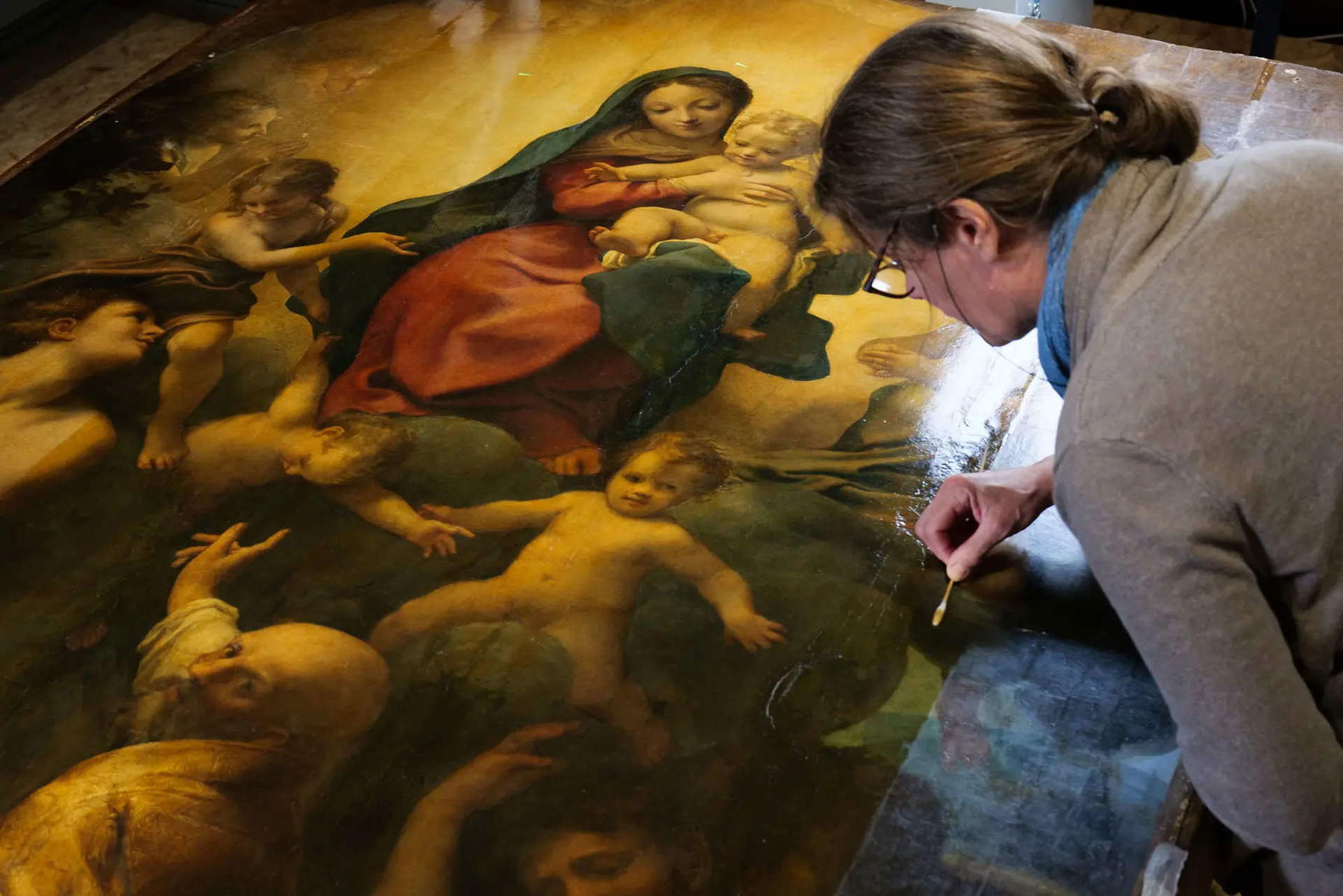
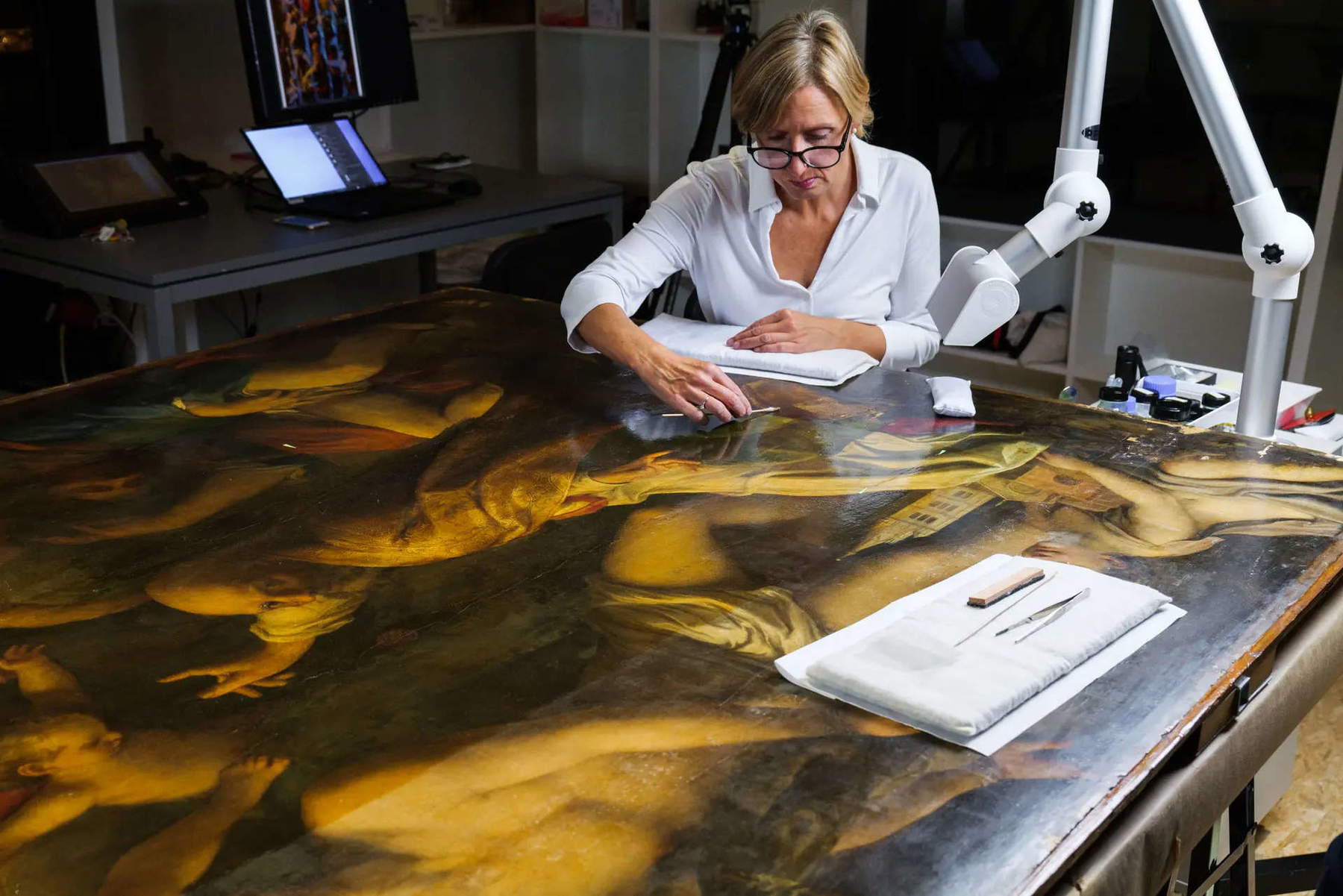
At the heart of the exhibition is also a work that allows visitors to directly explore one of the most important aspects of the artist’s painting: the relationship between color and light. This is the Madonna of Saint Sebastian, dated around 1524, which has been restored in recent years in the Gemäldegalerie Alte Meister’s workshop, which is open to the public. The restoration included a thorough examination of the work, stabilization, puttying, and pictorial reintegration; upon completion of the work, the panel once again reveals itself with greater brilliance of color. The exhibition devotes an entire section to the restoration process and investigations into the painting technique, thus complementing the presentation of the painting with documentation detailing the work required to preserve it and understand its material characteristics.
Another central focus of the exhibition is *The Night*, one of Correggio’s most famous works and one of the most important paintings in the Dresden collections. The large altarpiece, dated around 1528–1530, was considered in the 18th century to be the most important work in the city’s collection of paintings. Its inclusion in the retrospective allows for an exploration of how Correggio uses light and the contrast between illuminated and shadowed areas. “The Night” is , in fact, presented alongside other works in which the artist experiments with chiaroscuro effects, as well as paintings by other artists that attest to the widespread influence of his composition. The exhibition, therefore, does not merely isolate the masterpiece but places it within the history of its reception, showing how its use of light has continued to be observed and emulated.
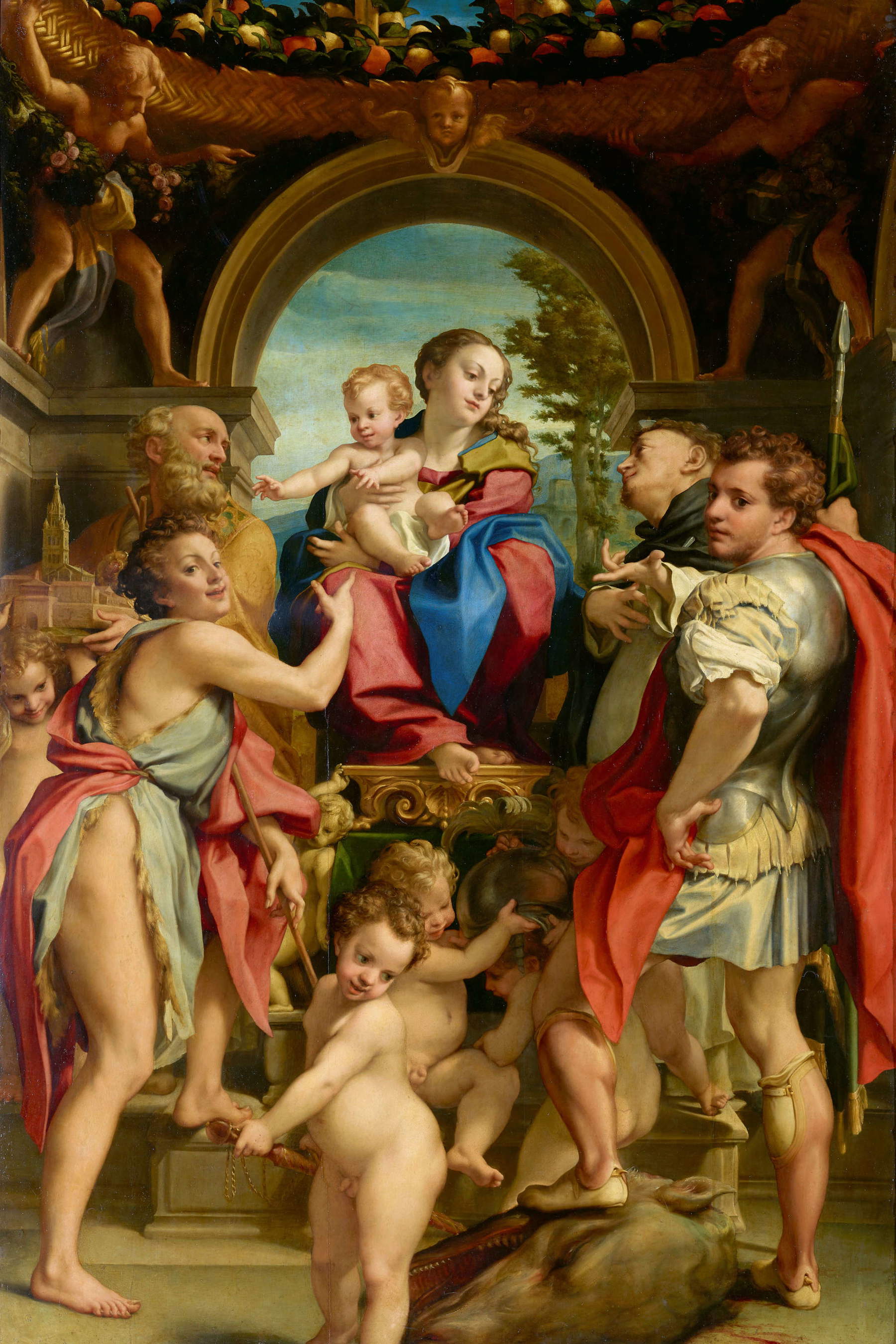
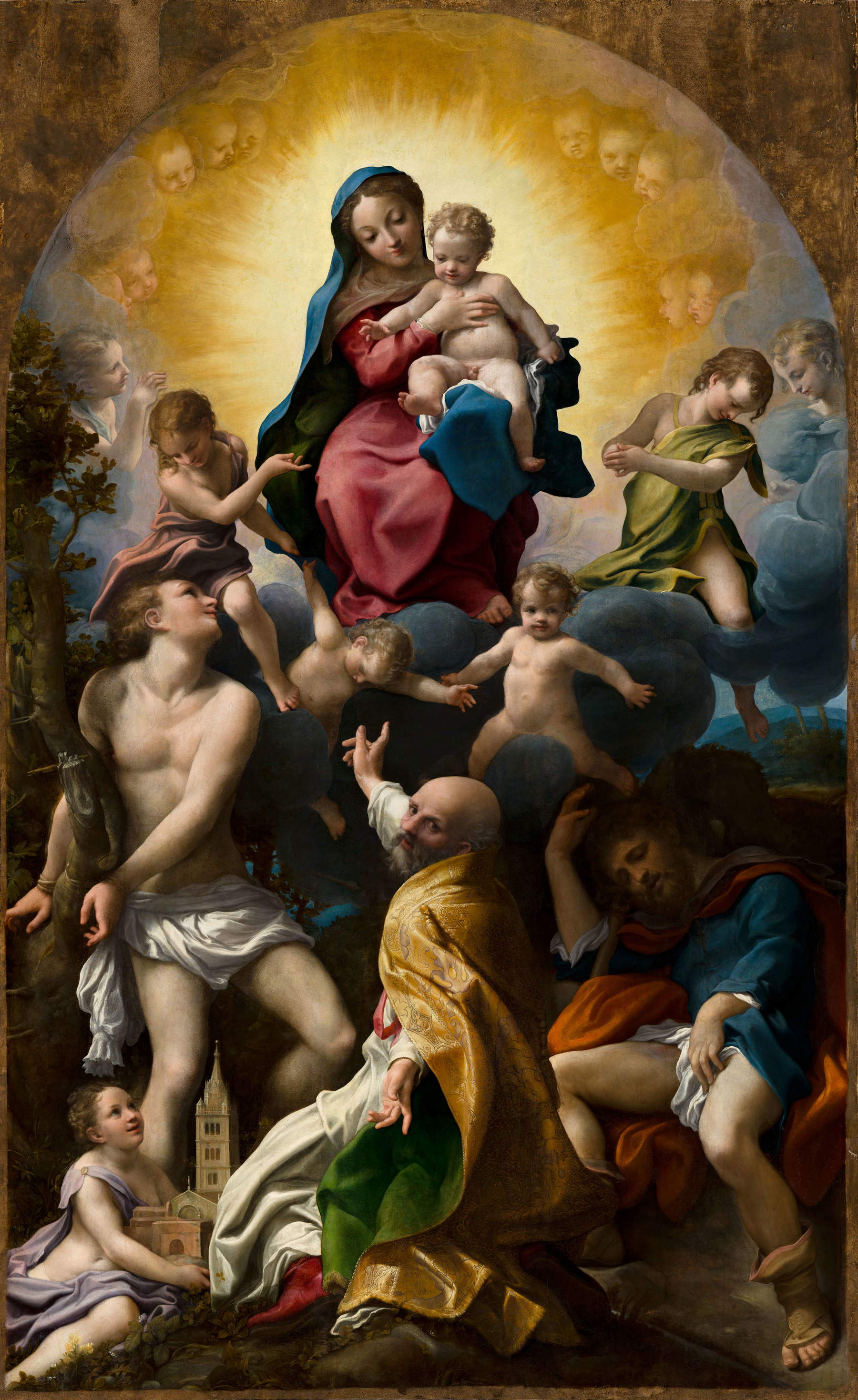
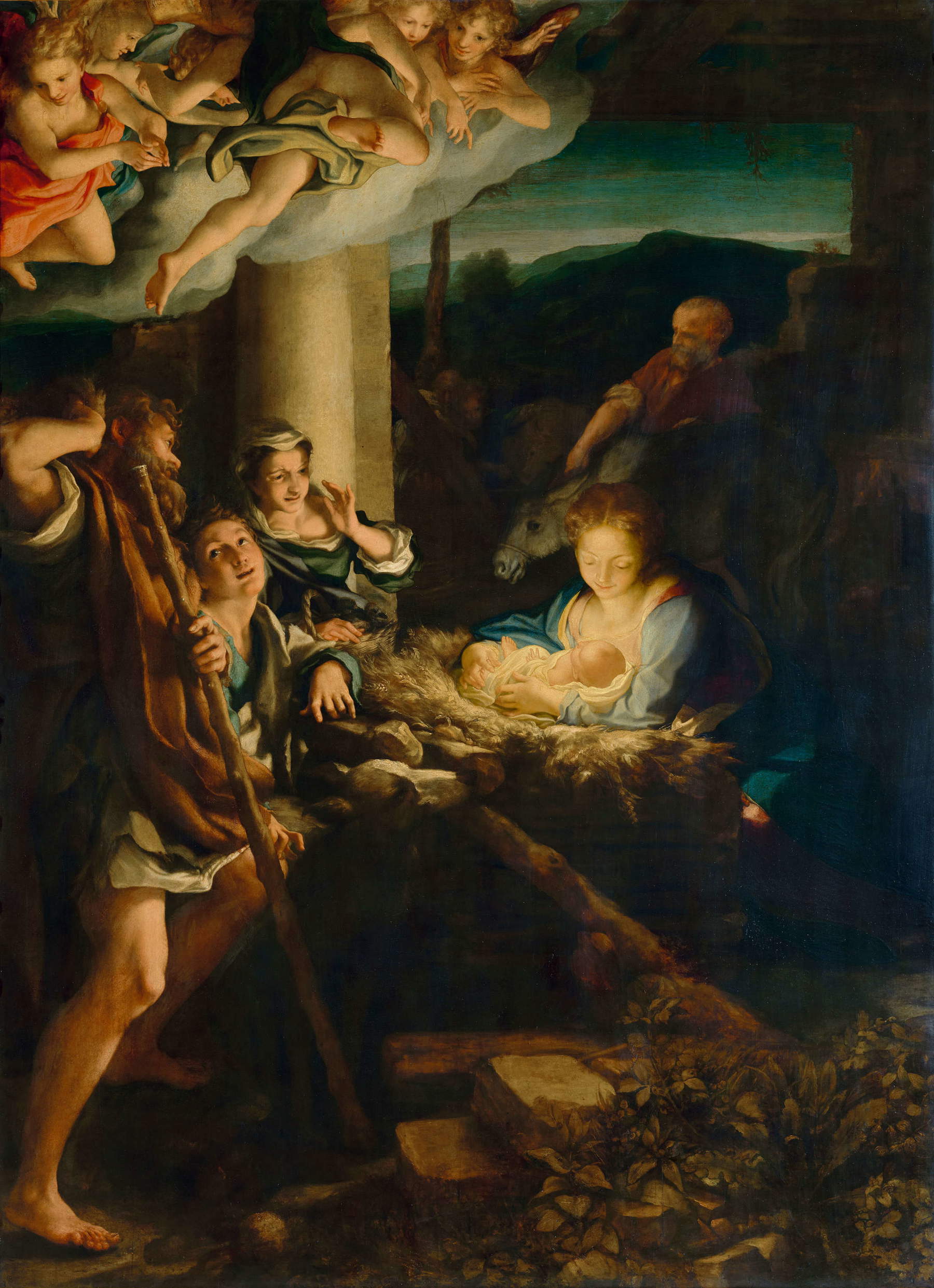
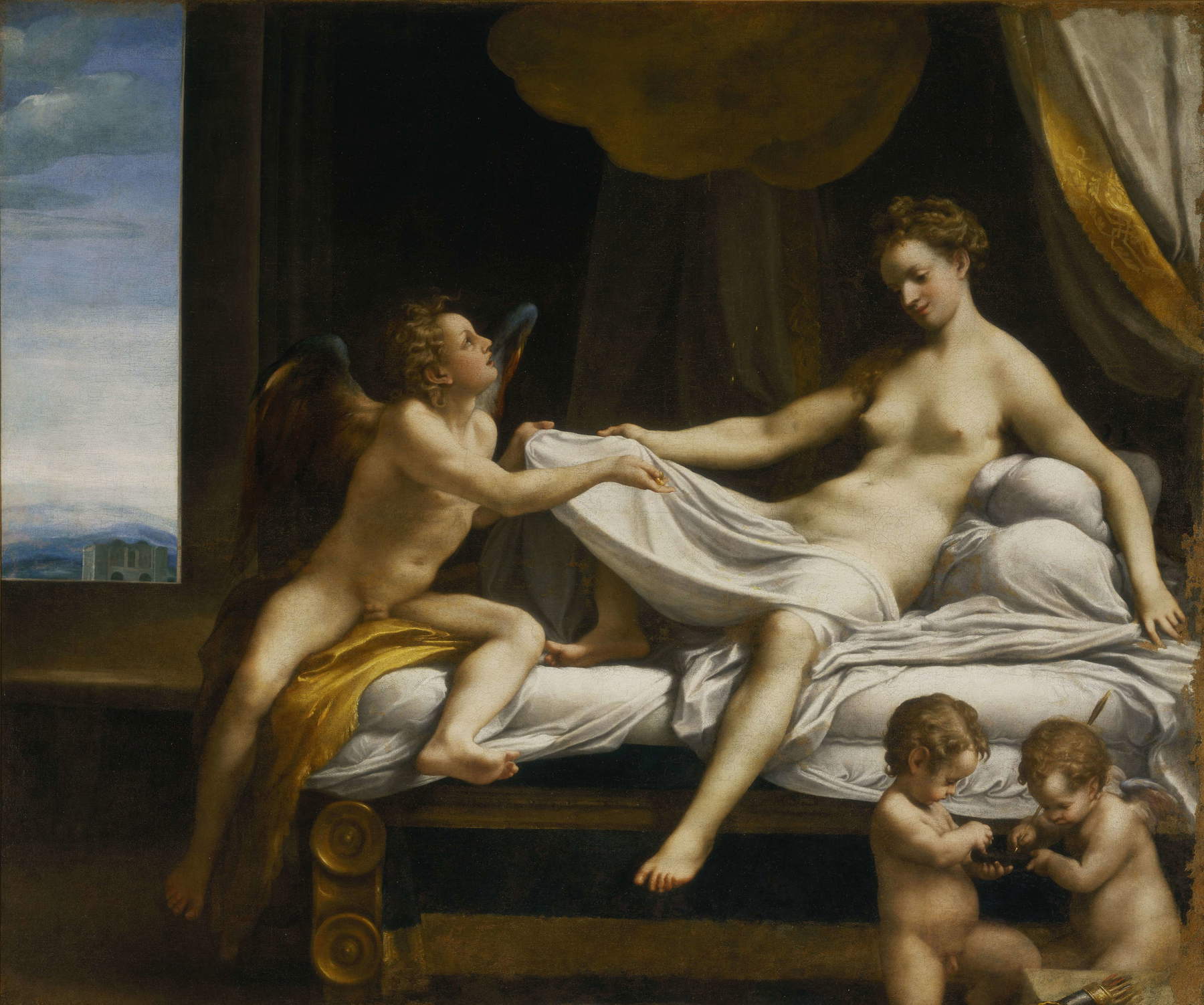
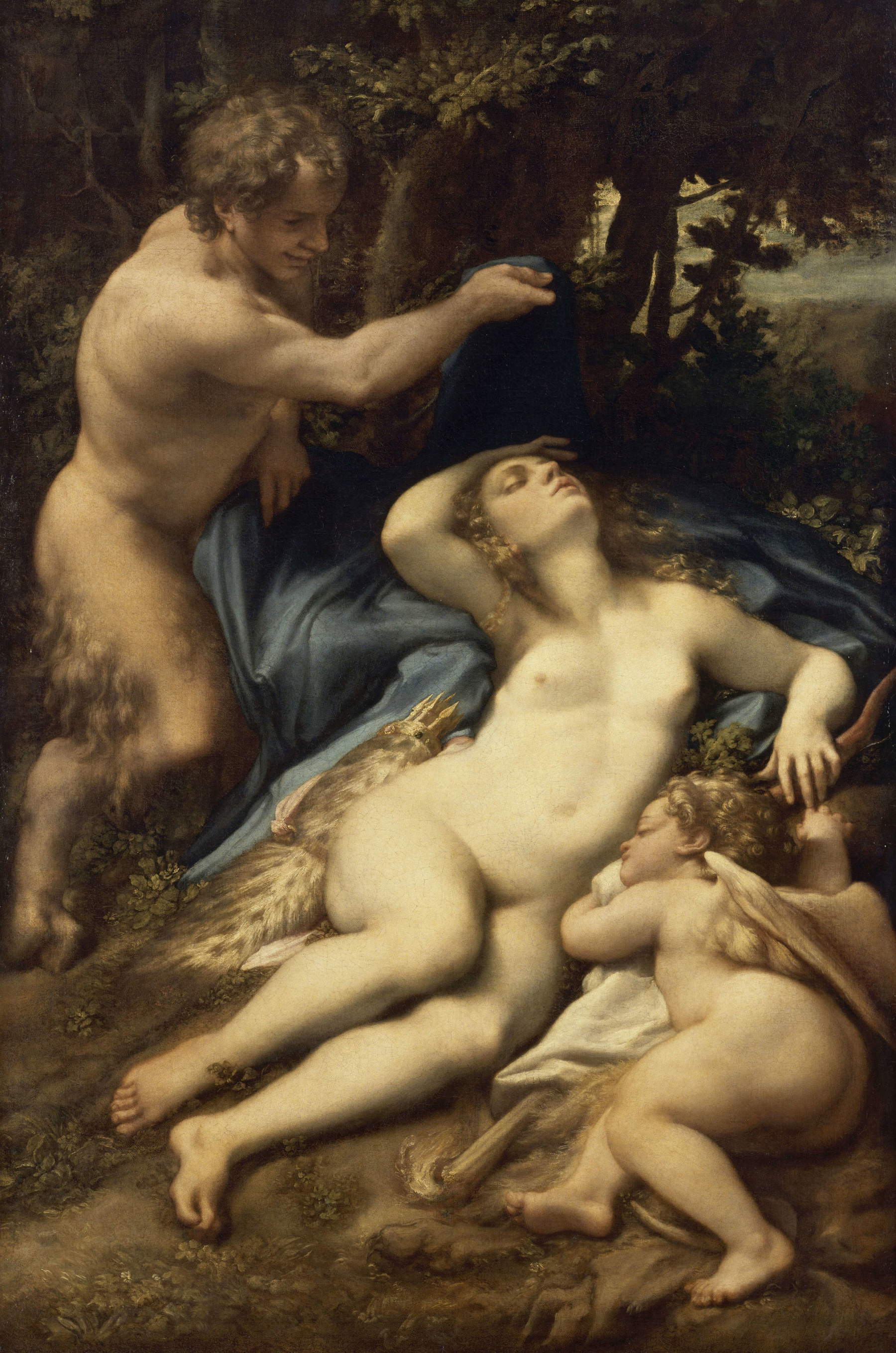
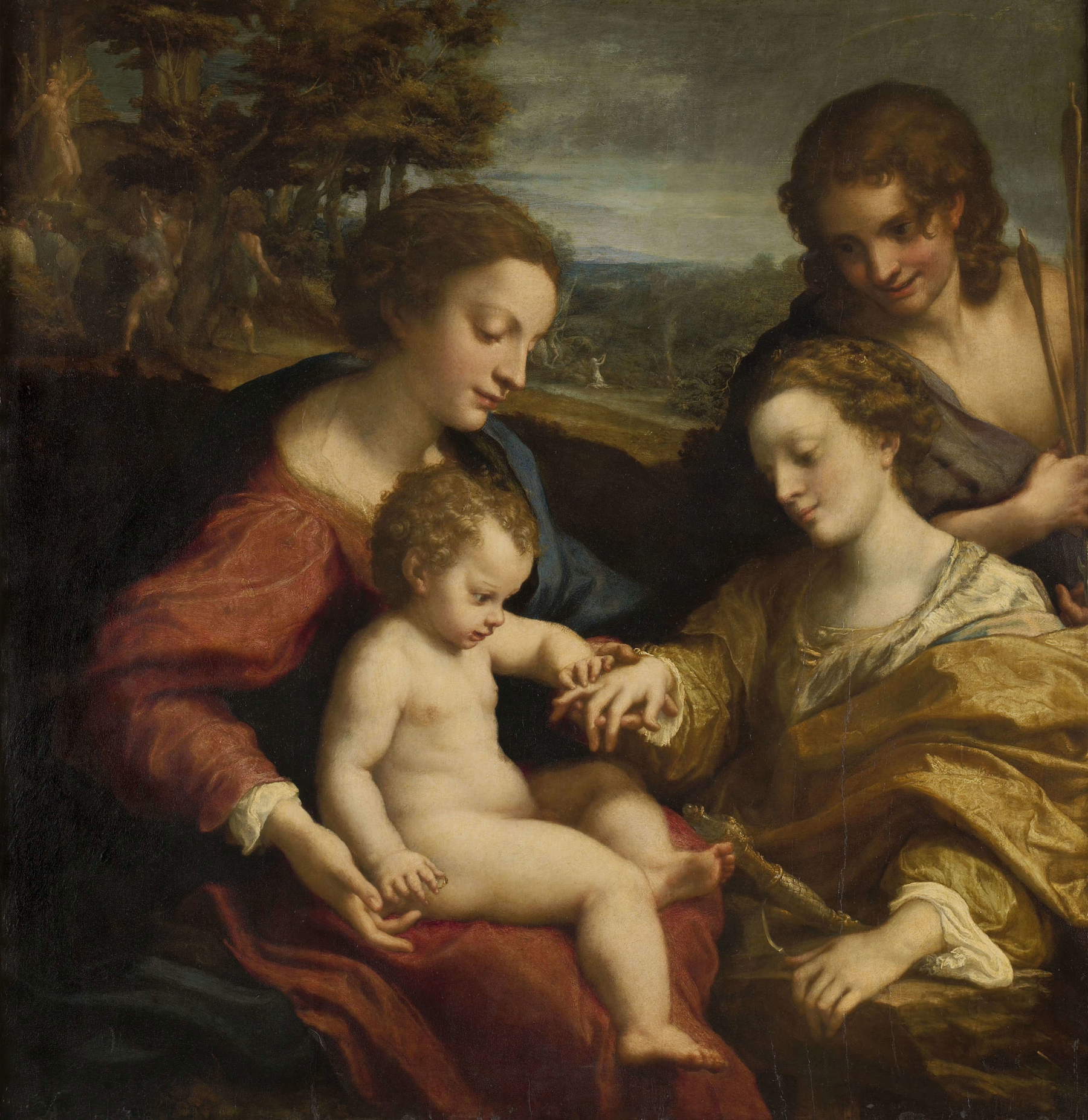
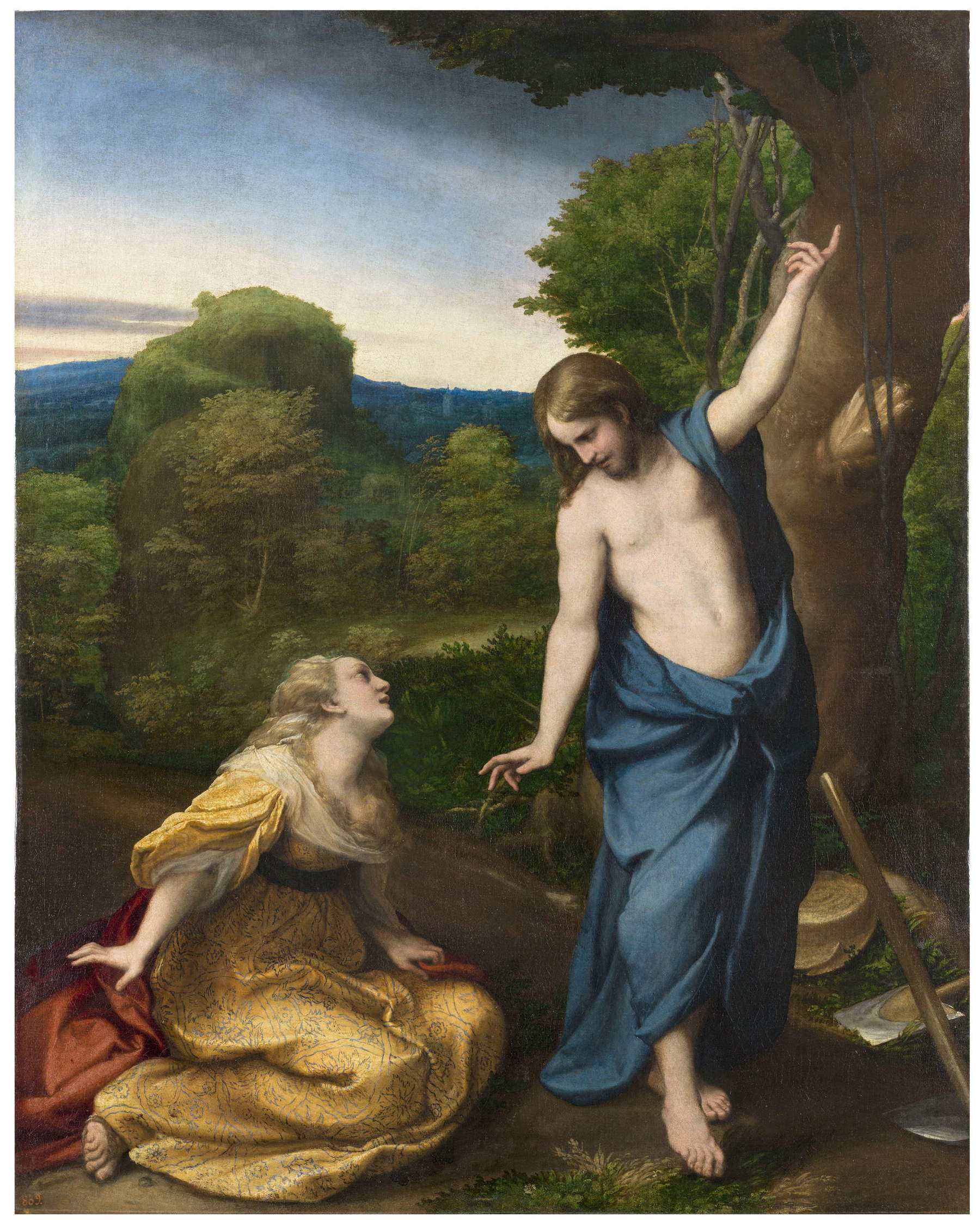
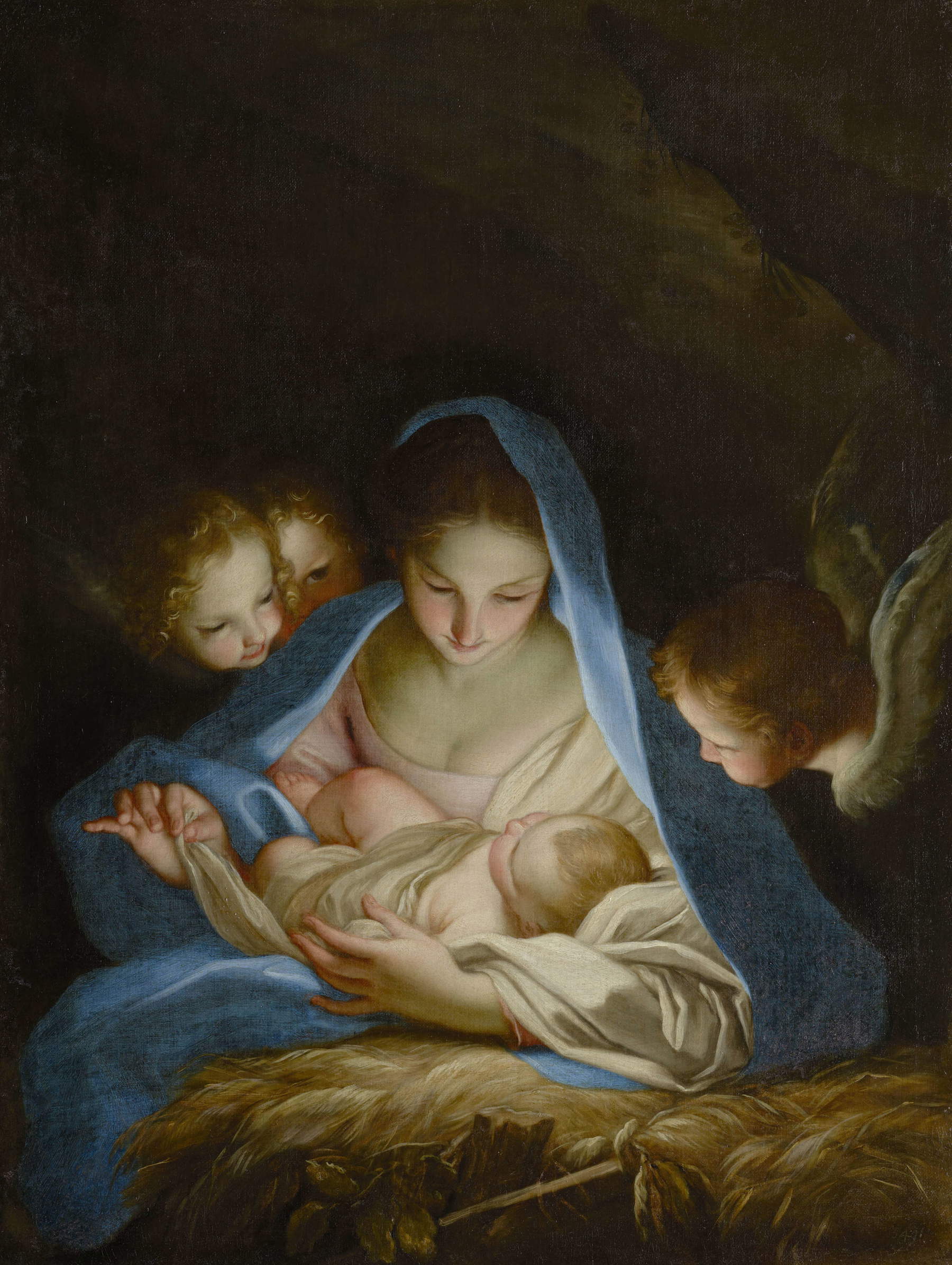
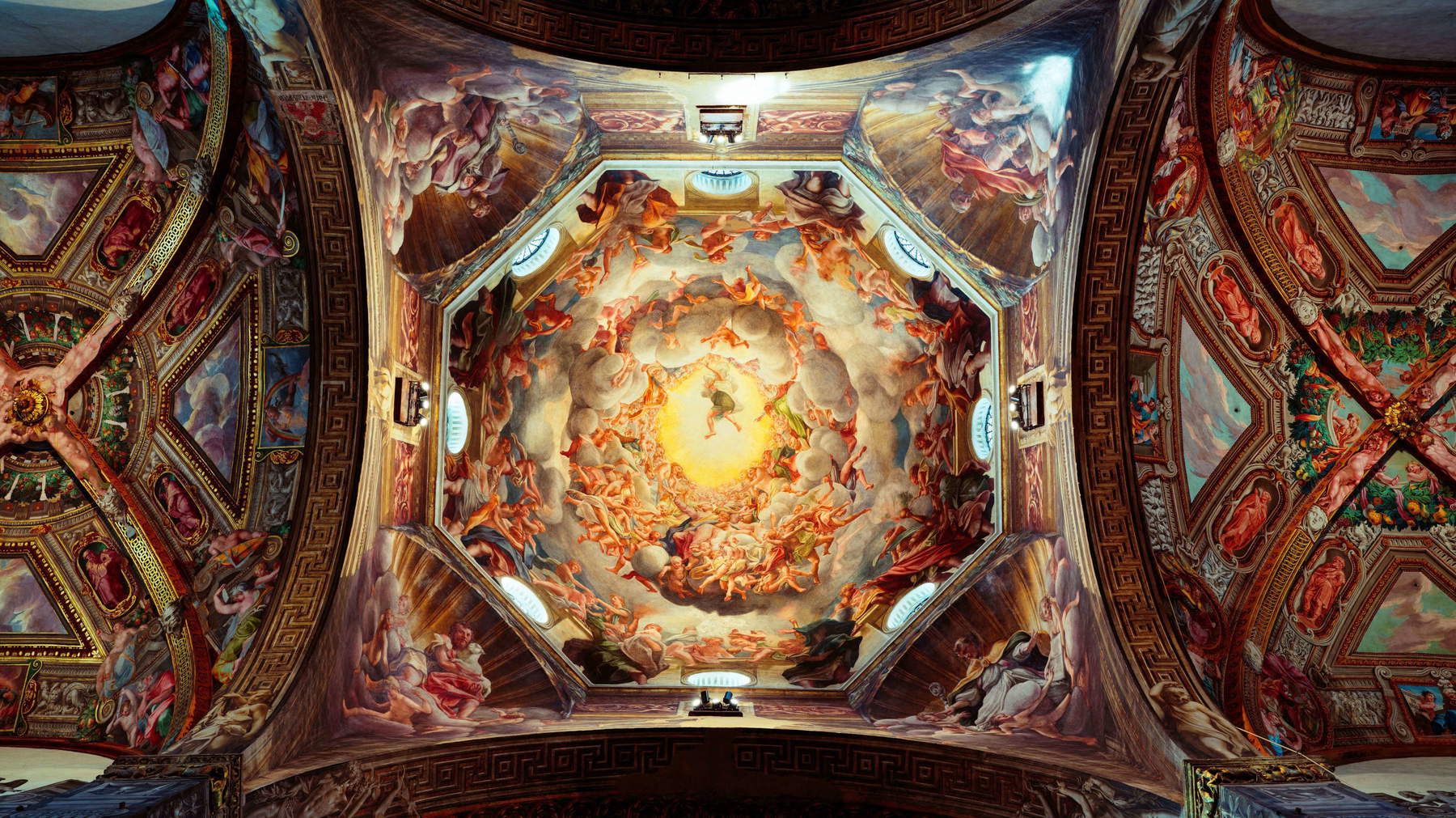
While the paintings allow us to reconstruct the various phases of Correggio’s artistic career, the frescoes he created in Parma pose a different challenge: they cannot be moved to an exhibition hall. In fact, a significant part of his work consists of the large-scale mural decorations created in the Emilian city, including those in the Church of St. John the Evangelist and the Cathedral of Santa Maria Assunta: To include this chapter of the artist’s work in the retrospective, the Staatliche Kunstsammlungen Dresden created a new photographic documentation of the frescoes using a drone, and the resulting images were subsequently assembled into a three-dimensional digital model. The result is projected within the exhibition and allows visitors to view the dome decorations from a close-up perspective which, according to the organizers, enables them to appreciate these works as never before within the context of the exhibition. The decision to digitally reconstruct the frescoes thus responds to a practical need: to bring into the retrospective works that, by their very nature, are inseparable from the places for which they were conceived. The 3D model makes it possible to present, alongside the portable paintings, that part of Correggio’s oeuvre which is permanently integrated into the architecture.
The Dresden retrospective thus explores various aspects of the artist’s work, from religious painting to mythology, from drawing to monumental decoration, from his exploration of color and light to the depiction of emotions. The central theme, however, remains the human dimension of his figures, which the exhibition considers one of the elements through which Correggio’s painting continues to speak to a contemporary audience: Correggio’s figures, in fact, are not presented solely in relation to the subjects they depict. Saints, figures from Christian tradition, and mythological deities are united, according to the exhibition’s concept, by facial expressions and body movements that make their feelings and reactions legible. Facial expressions and gestures thus become fundamental tools for establishing a connection between the figures and the viewer.
This is an aspect that runs through works that are very different from one another: the sensuality of his secular paintings, the emotional engagement of his religious scenes, the effects of light, and the dynamism of his compositions are all part of an artistic exploration that the Dresden exhibition aims to reconstruct through a direct comparison of autograph works, paintings by other artists, and technical documentation.
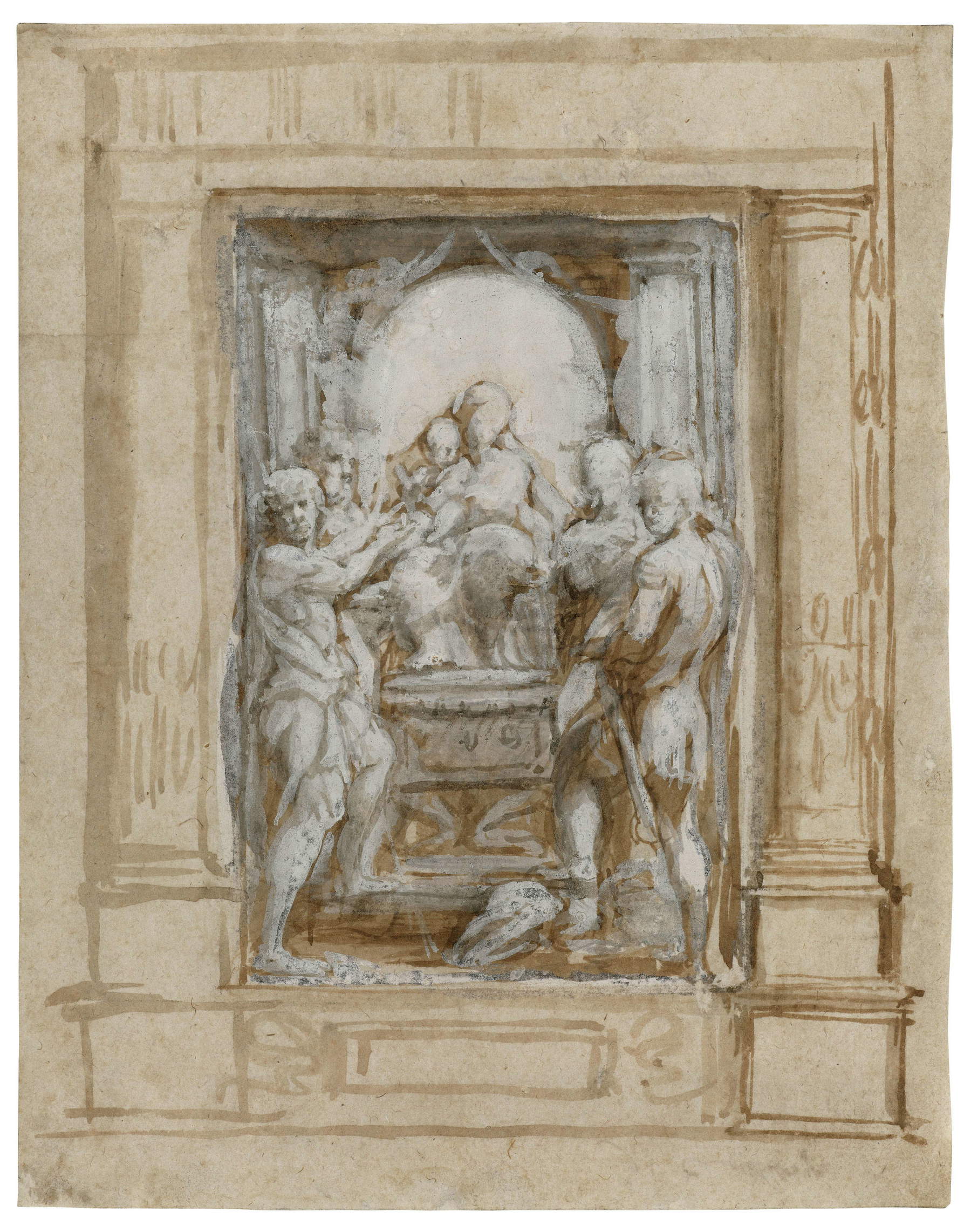
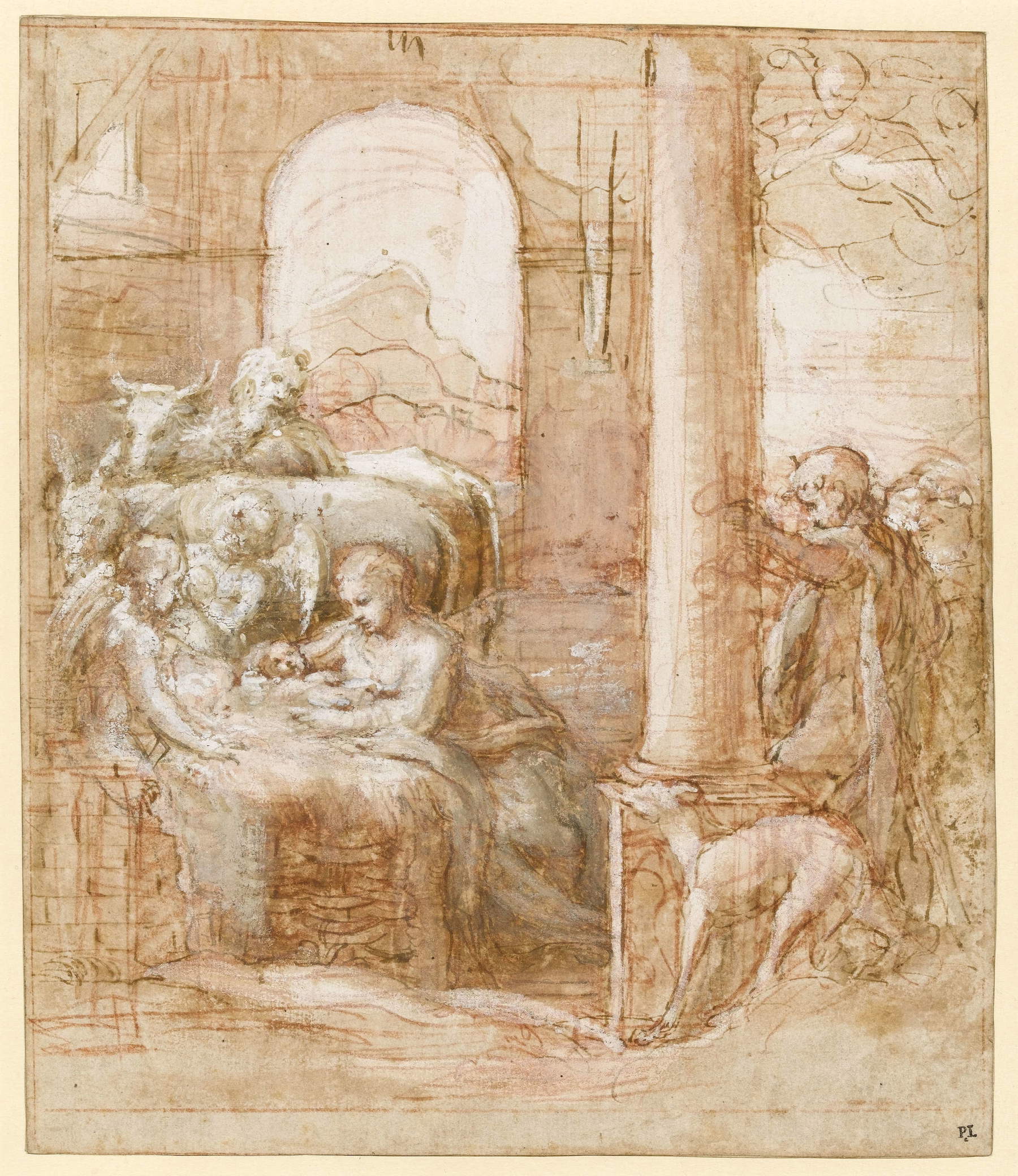
The inclusion of some twenty drawings by Correggio also helps to refocus attention on the preparatory phase of his work. Drawing, along with painting and fresco decoration, allows us to trace the process through which the artist’s ideas took shape. The comparison between these works and the paintings broadens our understanding of his work beyond the finished images.
The exhibition project also includes a program dedicated to education and public engagement. Guided tours and art talks are planned, as well as a lecture by David Ekserdjian, one of the leading international experts on Correggio, scheduled for September 21, 2026. The public will also be able to participate in an introductory workshop on oil painting, designed for those who wish to personally experiment with the technique, drawing inspiration from the artist’s works.
During the Advent season, the family program *Engel, Licht und Heilige Nacht*(Angel, Light, and Holy Night) will also take place, focusing on the themes of angels, light, and the Holy Night and tied to the presence in Dresden of Correggio’s great altarpiece. The retrospective is accompanied by a second project, which will be hosted starting September 20, 2026, in the Semper-Kabinett of the Gemäldegalerie Alte Meister. The exhibition *Fühlst du’s?* ( “Can You Feel It?”) is dedicated to the theme of emotions and presents feelings as a possible gateway to art. The project was curated in collaboration with students from the Universitätsschule Dresden and is aimed primarily at children and teenagers. The exhibition for younger audiences thus runs parallel to the major retrospective, keeping the theme of emotions—which characterizes the entire project dedicated to Correggio—at its core. Rounding out the exhibition is a catalog published by the Staatlichen Kunstsammlungen Dresden for Sandstein Kultur, available in German and English. The volume (ISBN 978-3-95498-934-8) is approximately 448 pages long. The museum edition is priced at 38 euros, while the price in bookstores is 50 euros.
|
| Correggio, the Painter of Emotions: The Largest Exhibition Outside Italy in Dresden |

Warning: the translation into English of the original Italian article was created using automatic tools. We undertake to review all articles, but we do not guarantee the total absence of inaccuracies in the translation due to the program. You can find the original by clicking on the ITA button. If you find any mistake,please contact us.

























 IT
IT FR
FR DE
DE ES
ES CN
CN


