




by Redazione 18/10/2026



Categories: Exhibitions / Disclaimer
Forty years after Edgardo Mannucci’s death, an exhibition held at two venues in Fabriano and Arcevia traces his artistic journey, from his early figurative works to his informal experiments with metals. The exhibition also features works by Burri, Prampolini, Pomodoro, and other artists.


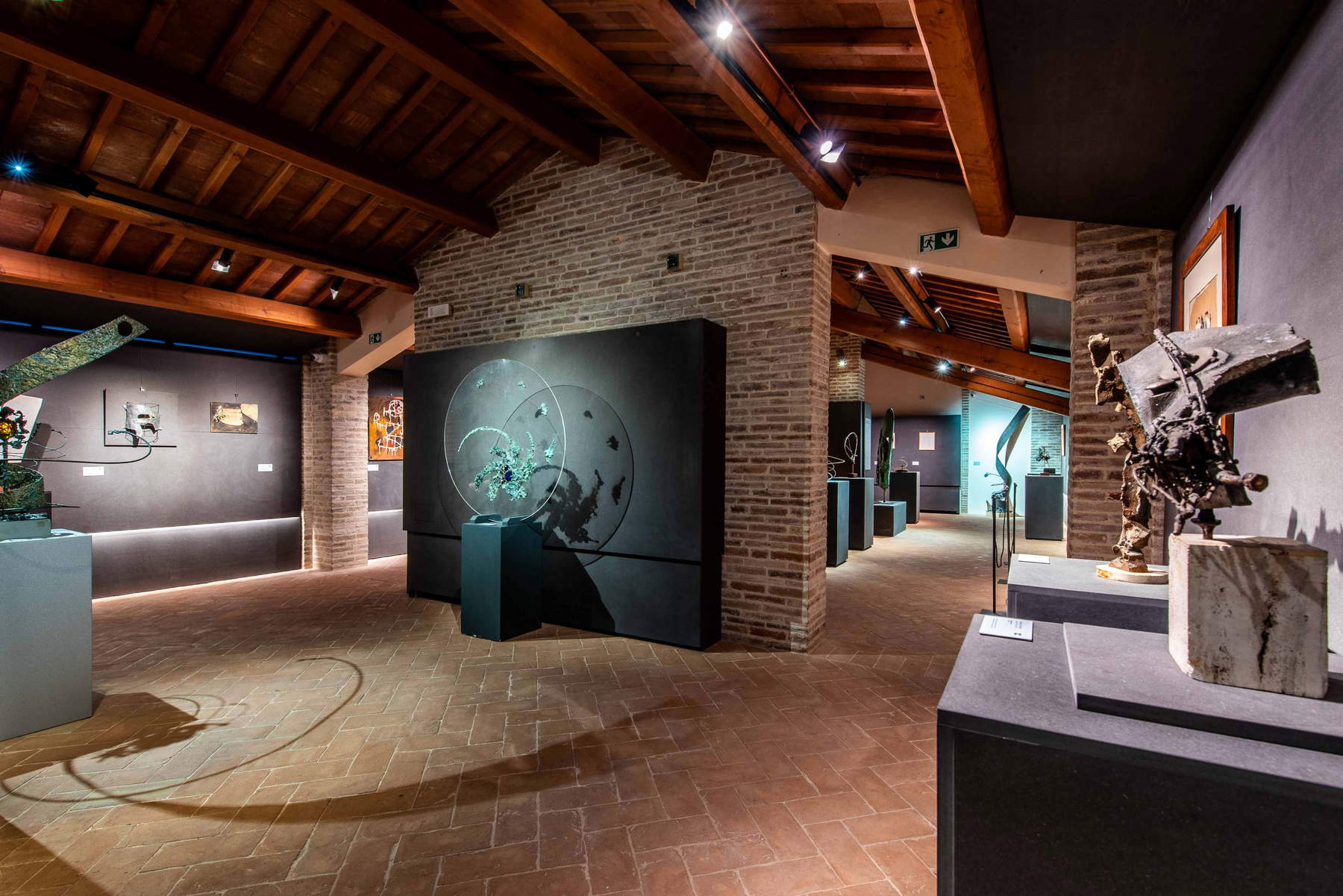
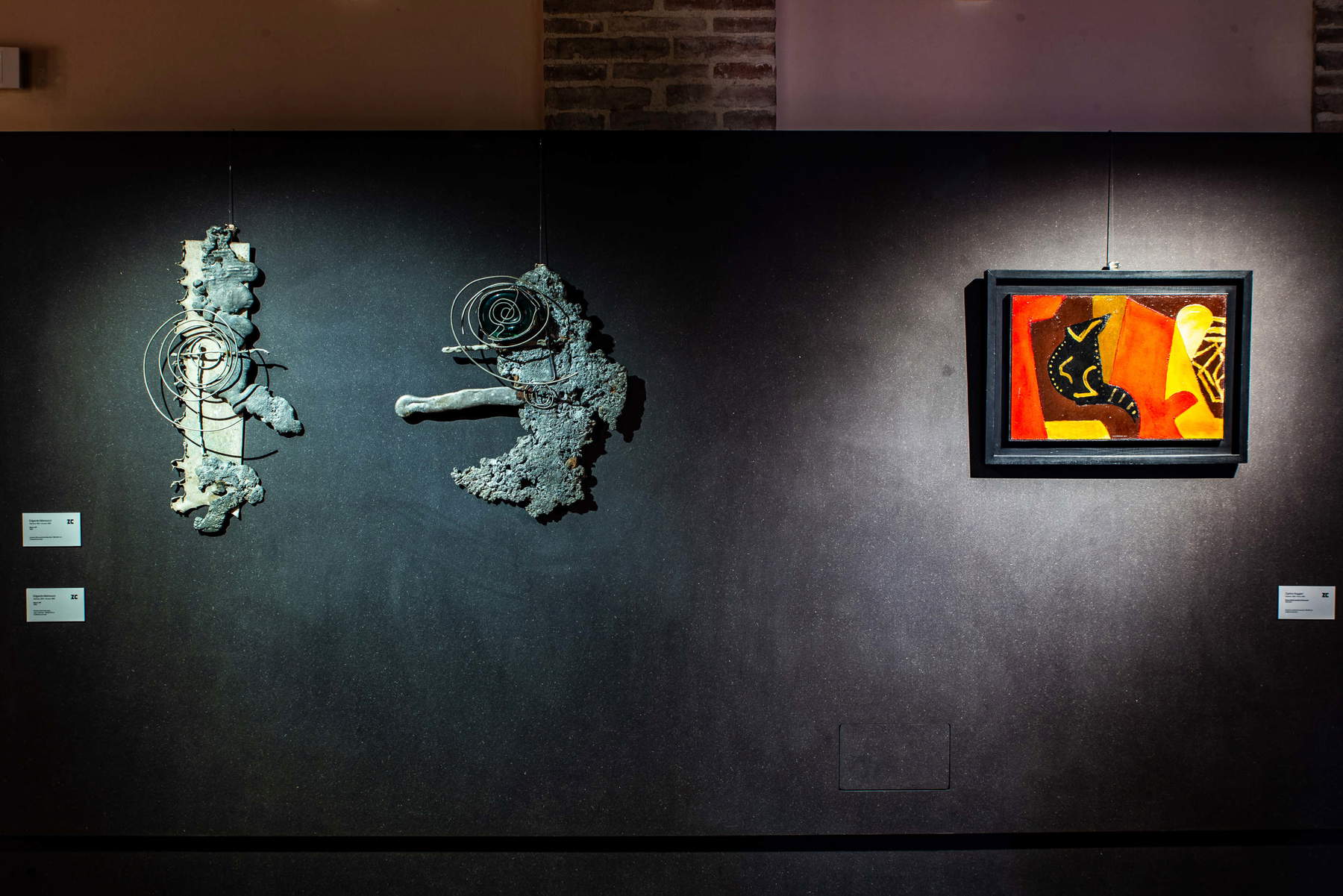
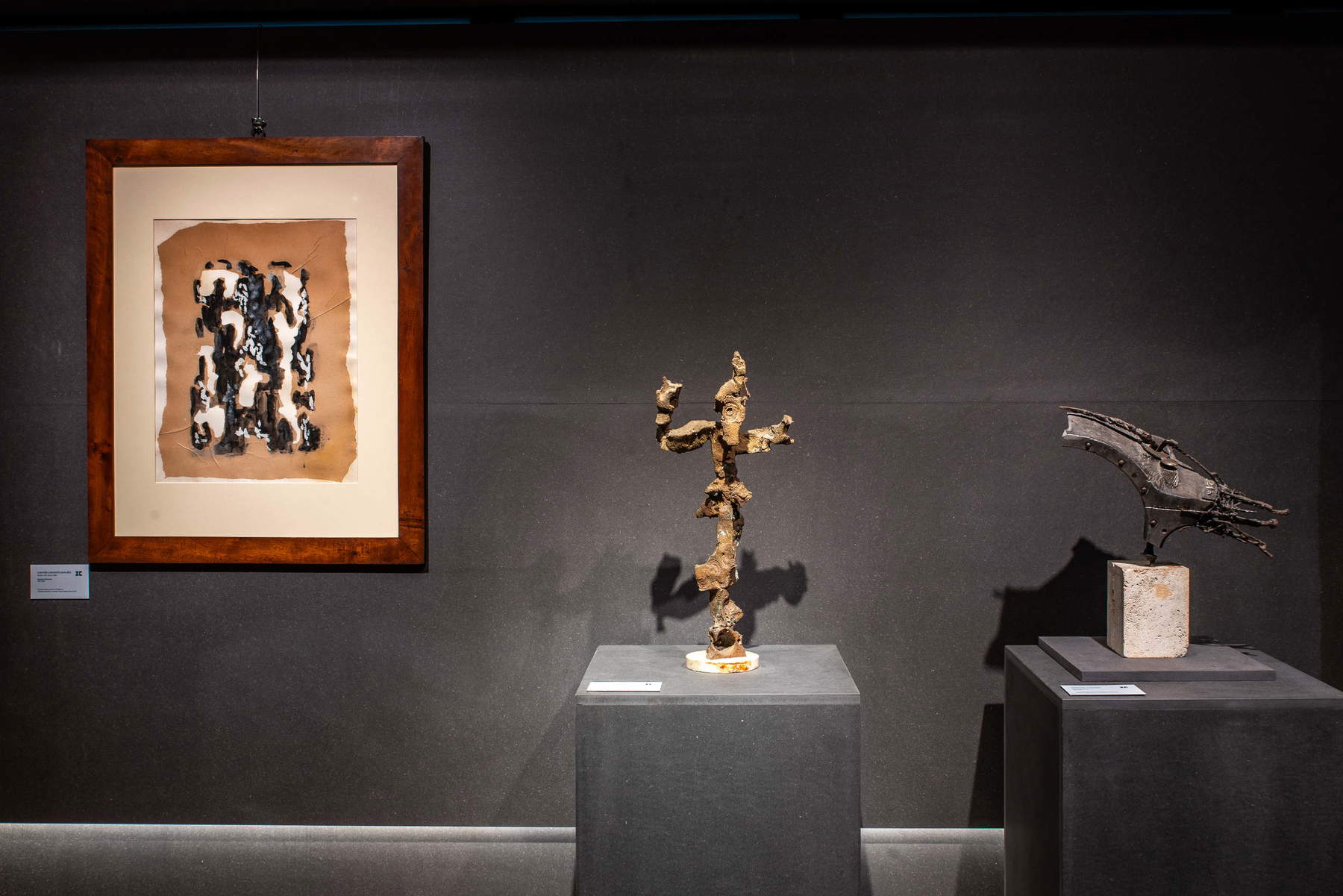
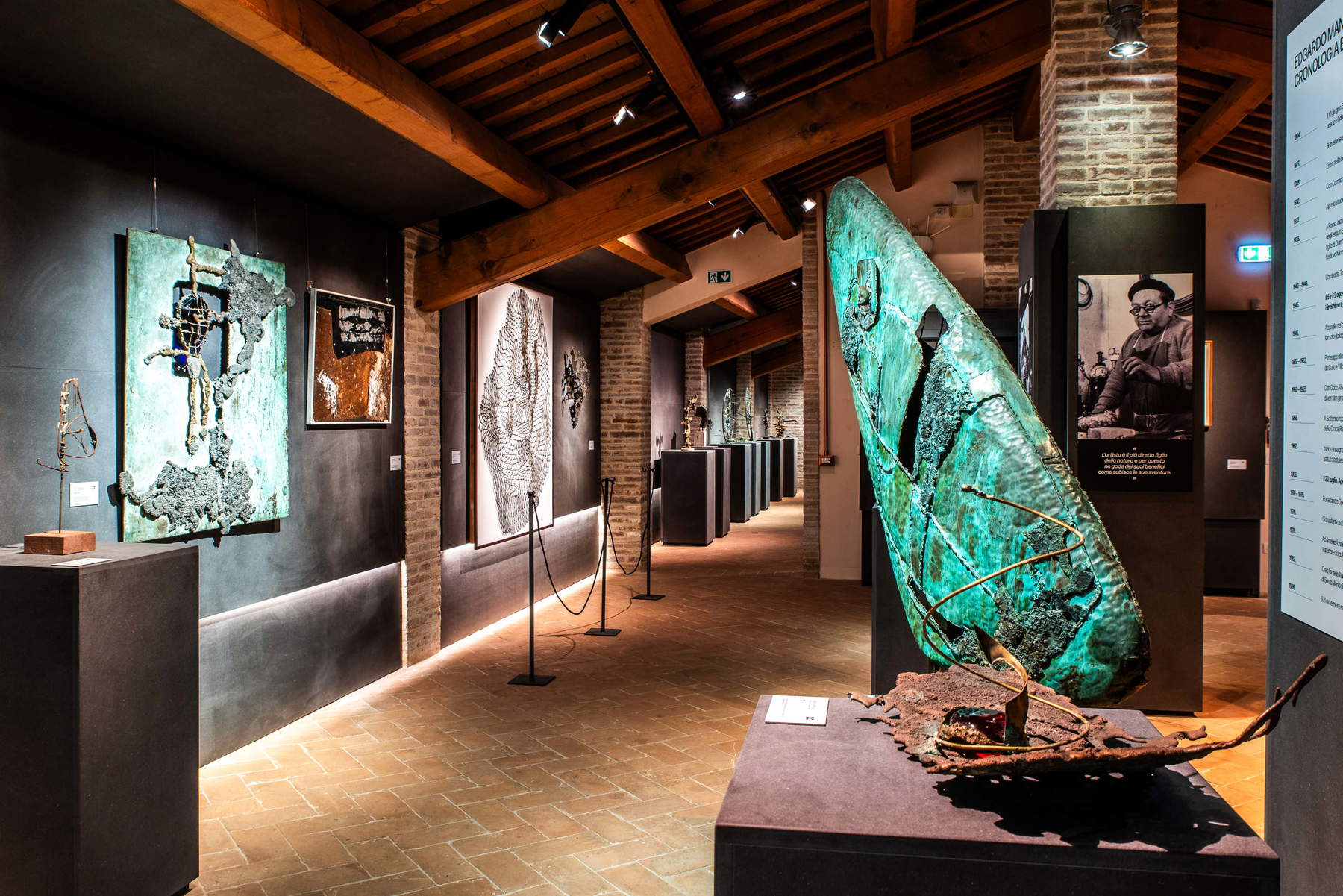
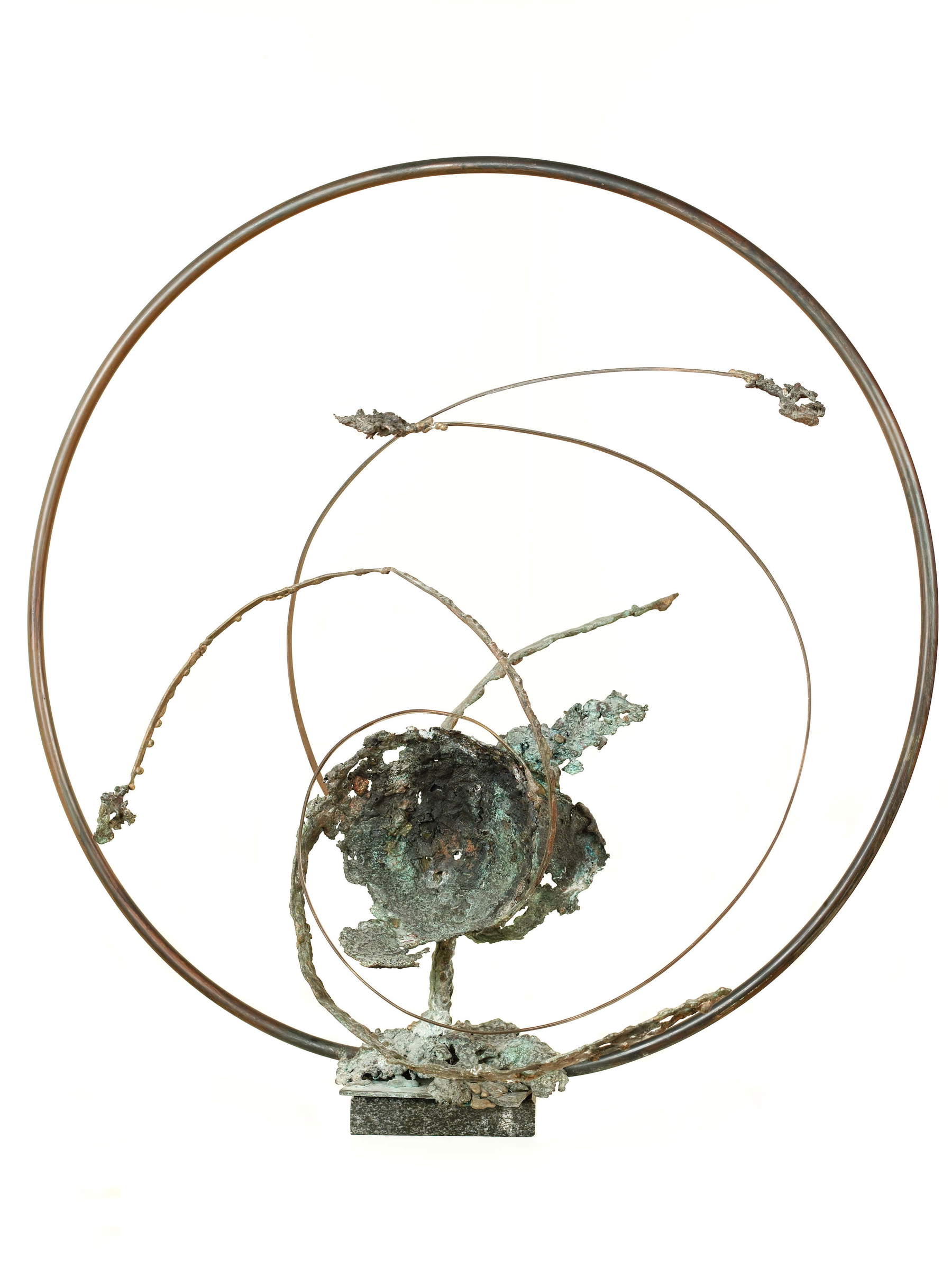
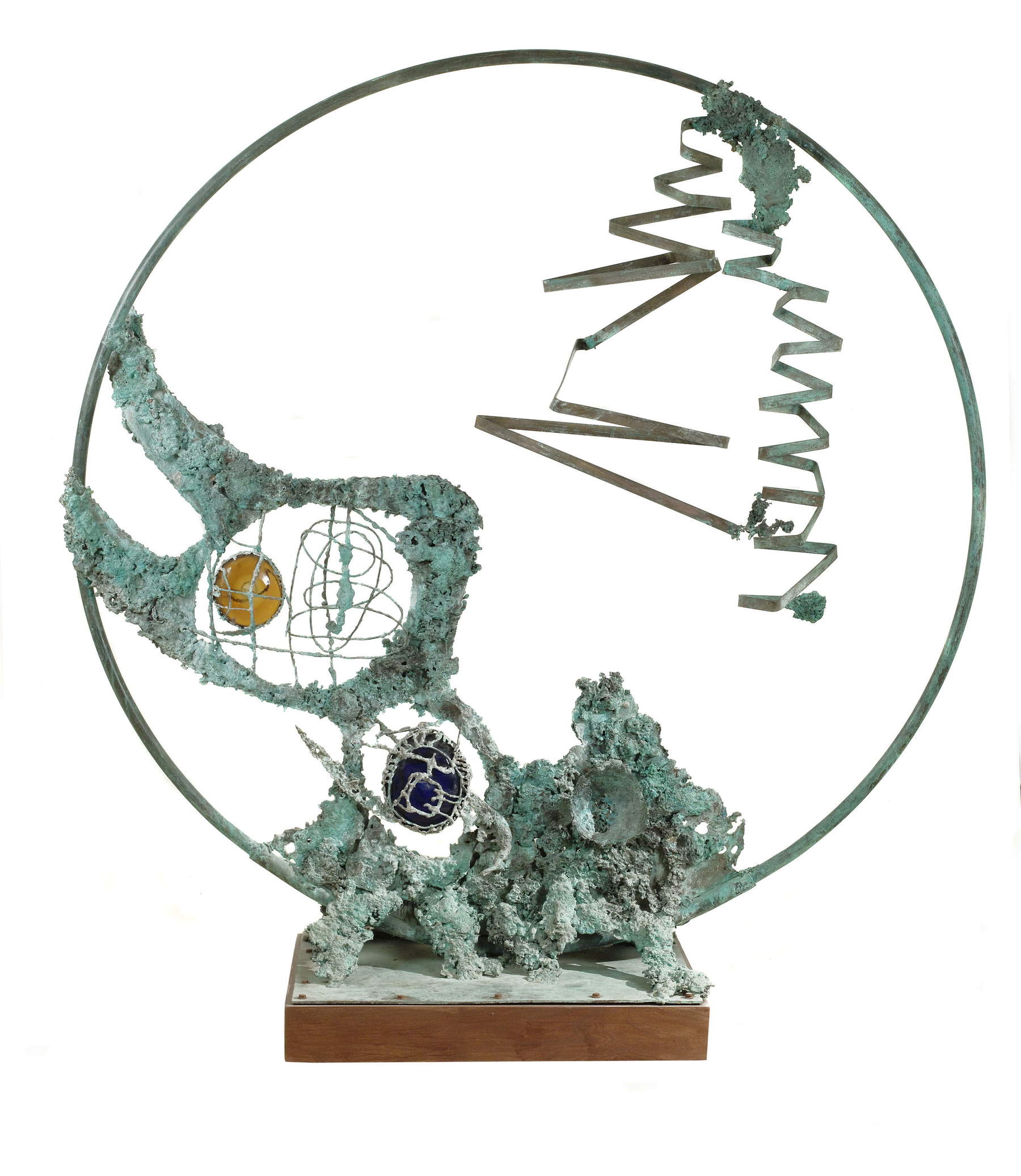
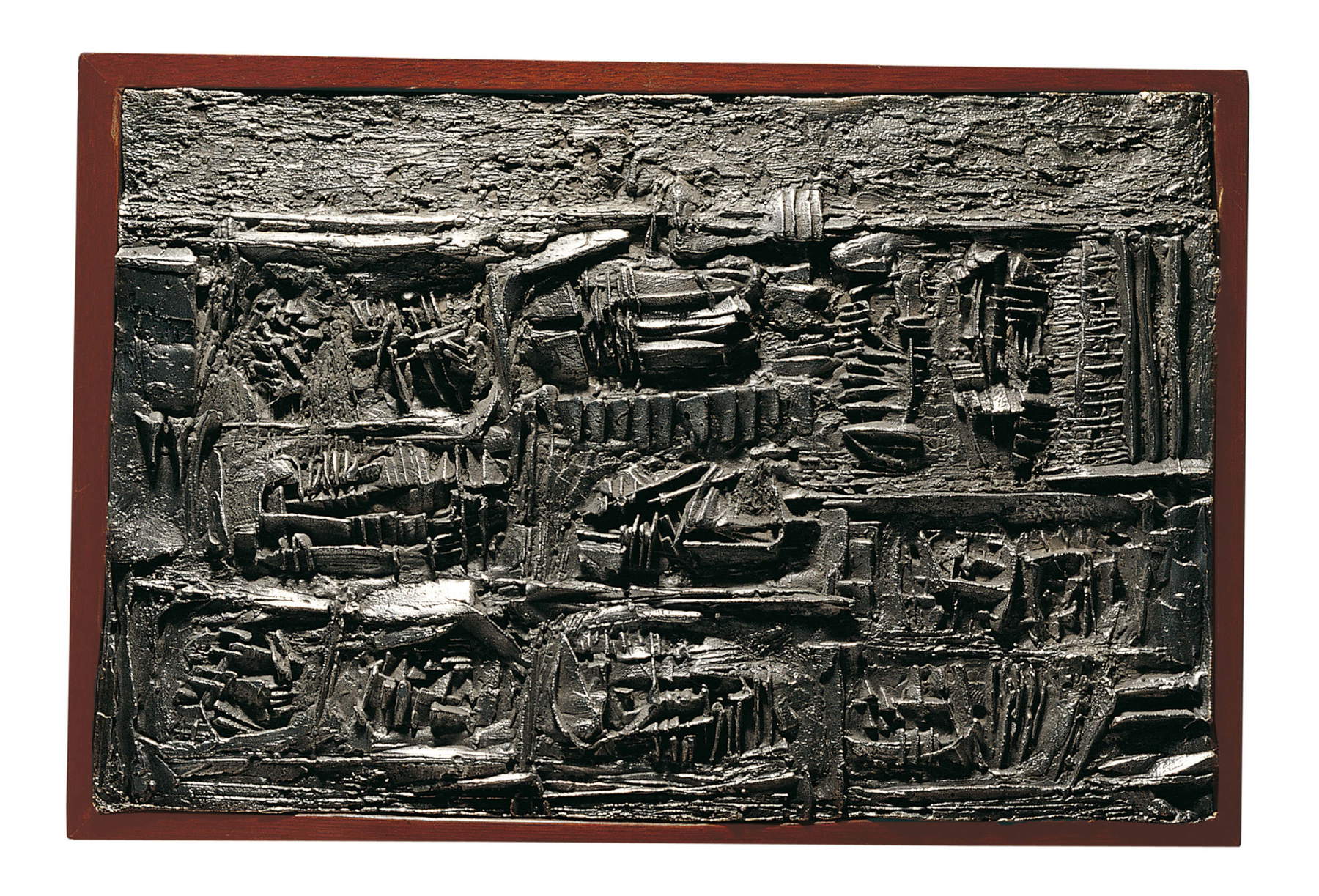
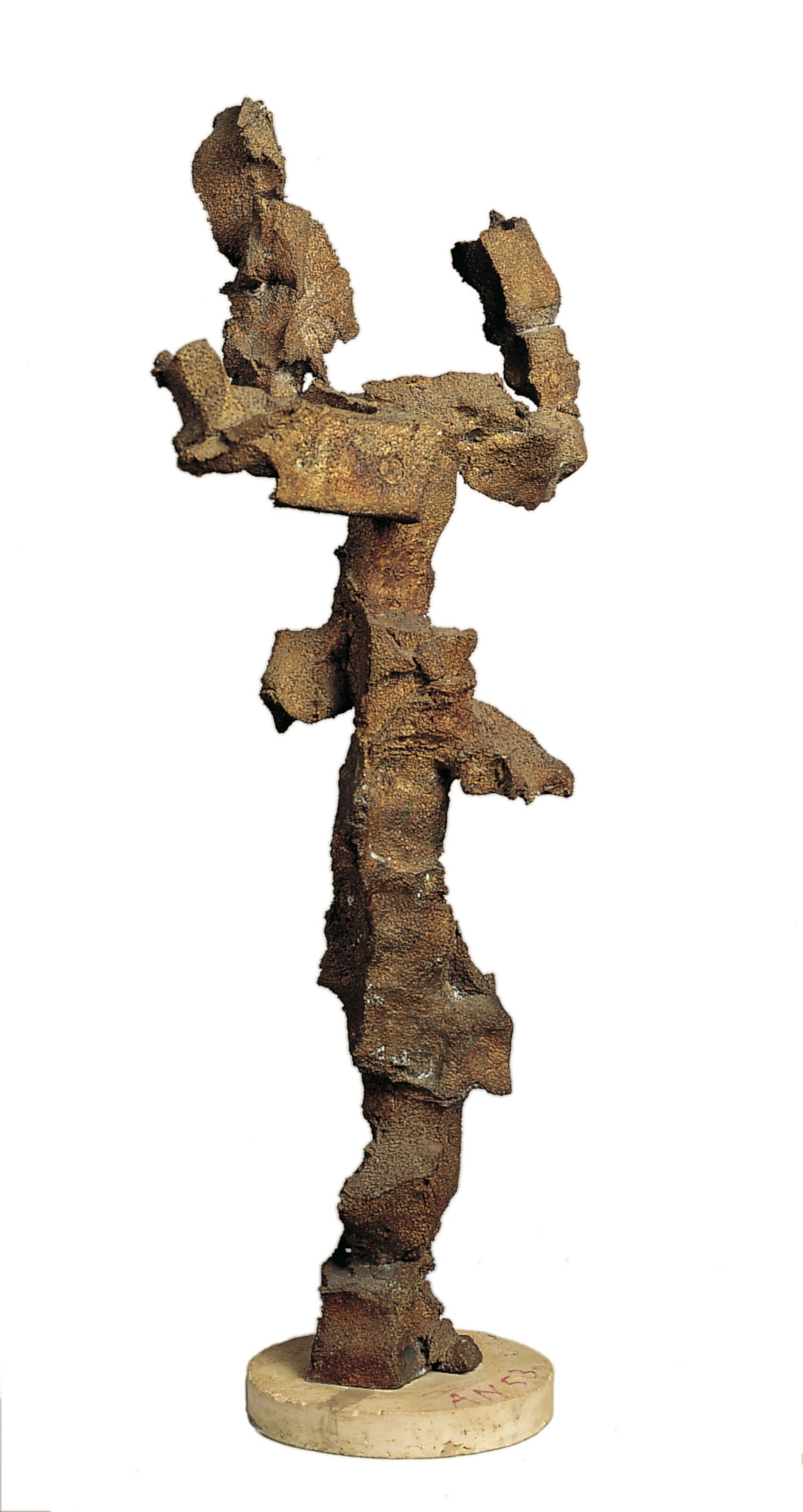
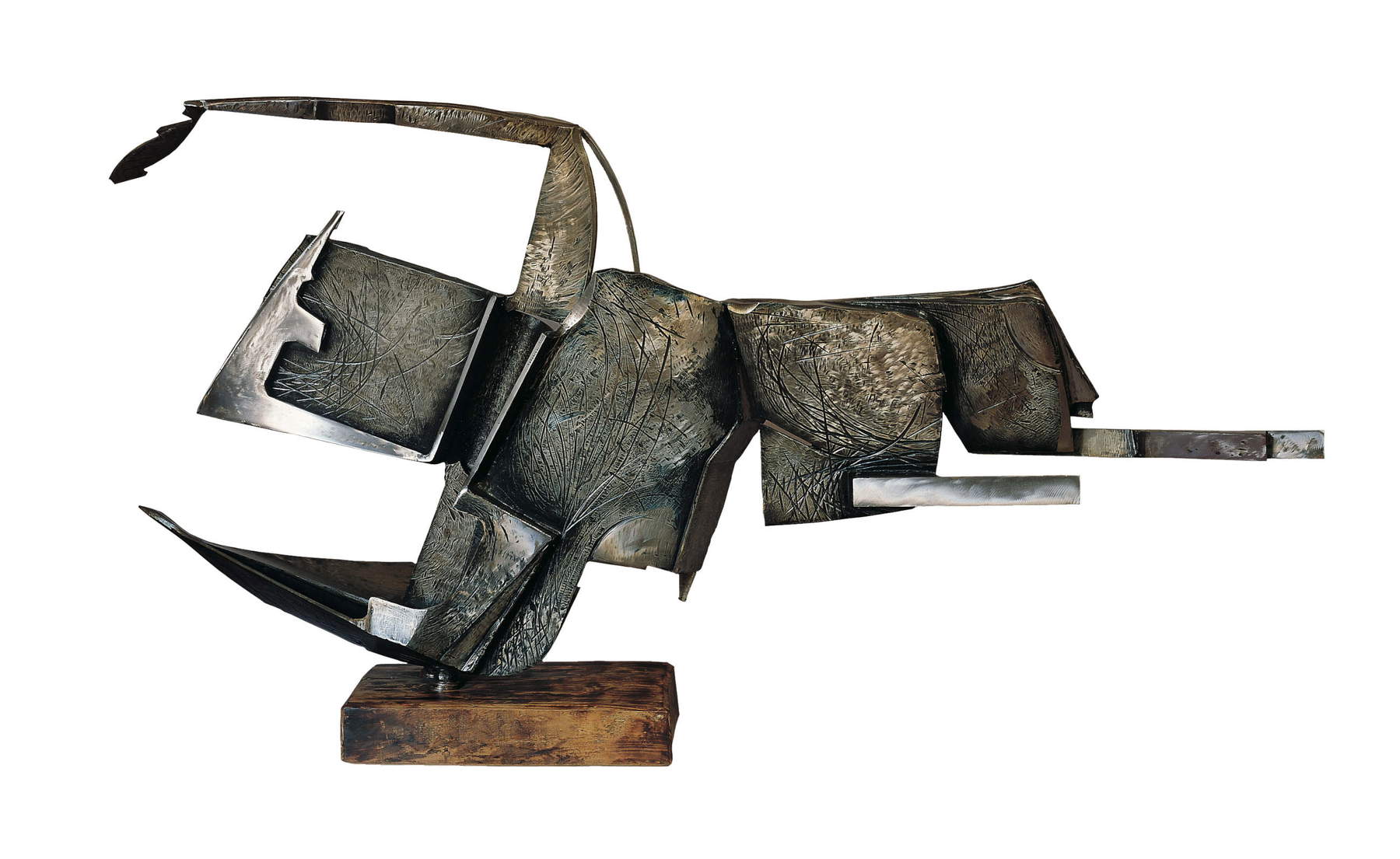
In the hands of Edgardo Mannucci (Fabriano, 1904 – Arcevia, 1986), iron, copper, brass, and bronze become tools for giving form to energy. After his figurative beginnings and engagement with the artistic movements of the first half of the 20th century, the sculptor from the Marche region developed a language in which the material opens up, fragments, and seems to release the forces it contains into space. The war, the atomic bomb, and the perception of modernity’s new destructive forces helped steer his artistic exploration toward non-figurative, dynamic, and experimental forms. It is this transition—along with the long artistic journey that preceded and followed it—that lies at the heart of the exhibition *Mannucci. Fire and Genesis, organized by the Fondazione Cassa di Risparmio di Fabriano e Cupramontana forty years after the artist’s death.


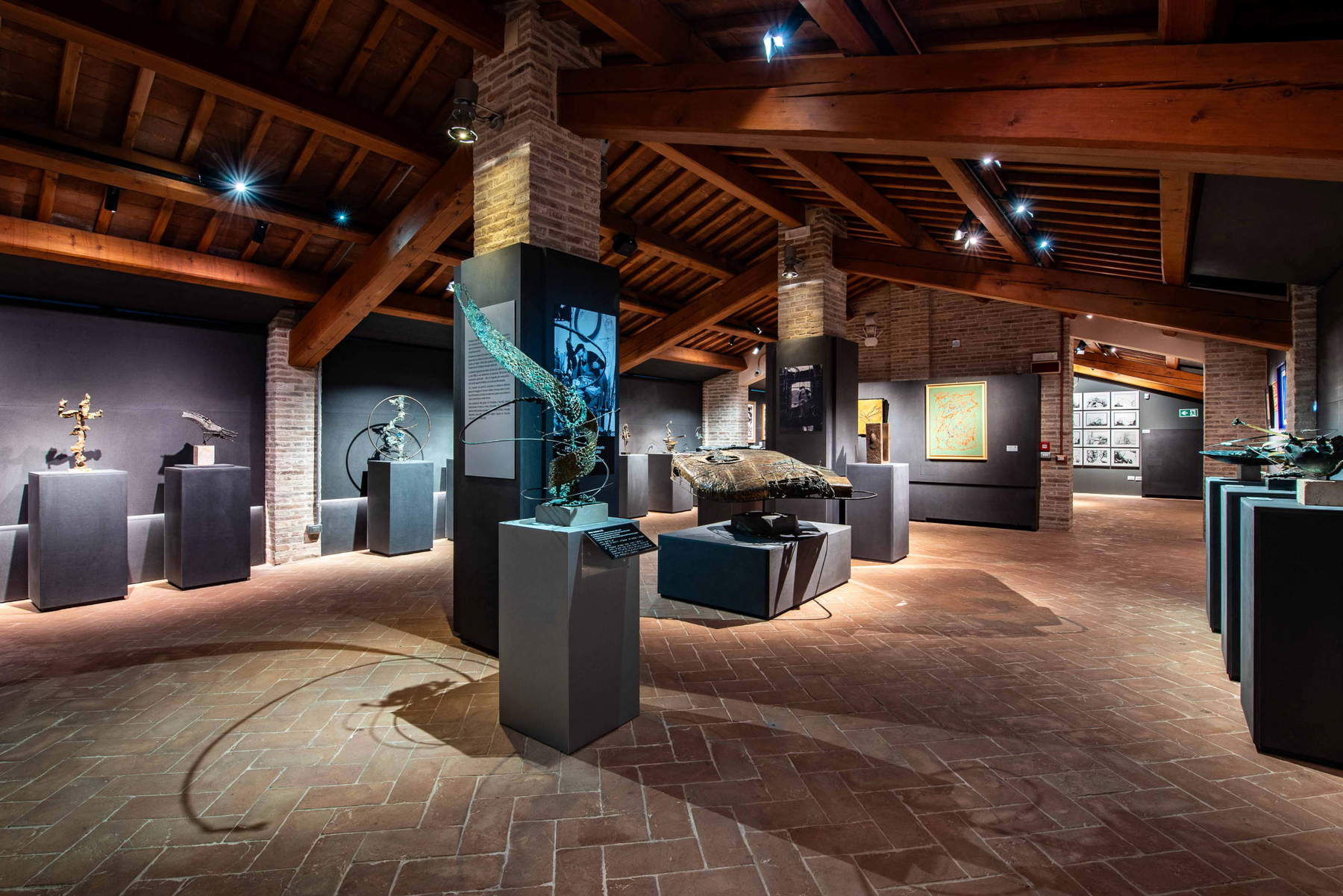
Curated by Fabio Marcelli, professor of modern art history at the University of Perugia, the exhibition runs from September 19, 2026, to January 10, 2027, at two venues in the Marche region, both in the province of Ancona: the Zona Conce Museum Complex in Fabriano and the San Francesco Cultural Center in Arcevia. The project traces Mannucci’s artistic journey from his training in Rome in the early postwar period through his post-Cubist phase in the late 1940s, up to his emergence as a leading figure in the Italian and international informal sculpture scene. Alongside his works, the exhibition creates a dialogue with paintings, drawings, and sculptures by numerous artists, reconstructing the relationships and artistic explorations that accompanied the transformation of his artistic language.


The title evokes the role of fire in metalworking and , more generally, the idea of the genesis of form through the transformation of matter. The exhibition identifies this relationship as the core of Mannucci’s artistic vision: an exploration that looks to the origins of creation and to the material’s potential to become form in space. Metal is not merely a technical medium, but the field through which the sculptor explores movement, energy, and plastic tension.


Born in Fabriano on June 10, 1904, and died in Arcevia on November 21, 1986, Mannucci was one of the leading figures in Italian sculpture of the second half of the 20th century, with a significant presence on the European scene as well. His preference for working with metals was also evident in his goldsmithing, a field in which the properties of materials and the possibilities of their transformation play a central role.
From Fabriano to Rome: His Training and Early Artistic Connections
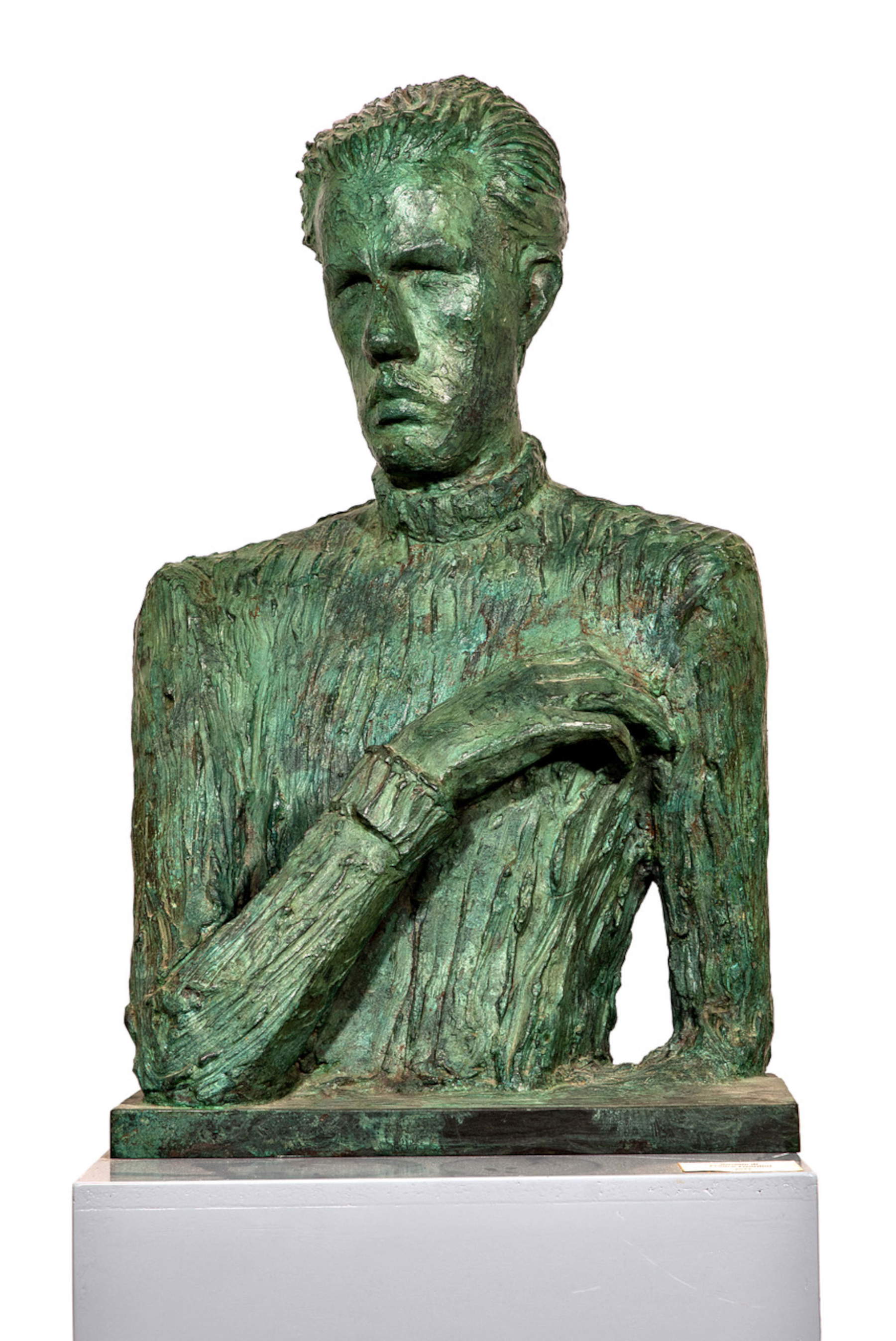
Before becoming one of the leading figures in informal sculpture, Mannucci trained in techniques related to working with and decorating plastic materials. He attended the vocational school for concrete work in Matelica and, in 1927, moved to Rome, where he began working with the sculptors Raffaele Zaccagnini, Arturo Dazzi, and Quirino Ruggeri. Ruggeri, who was also born in Fabriano in 1883 and died in Rome in 1955, played an important role in Mannucci’s training. Then, in 1930, Mannucci earned a diploma in sculptural decoration from the Museum of Industrial Arts. That same year, he joined Ruggeri’s studio, where Ruggeri directed him toward a period of training with Arturo Dazzi. His early artistic phase thus unfolded within the realm of figurative sculpture, as he engaged with models and artistic languages that would serve as the starting point for his subsequent artistic transformations.
In the early 1930s, he also frequented artistic and cultural circles associated with Futurism, coming into contact primarily with Giacomo Balla and Enrico Prampolini. With the latter, he established a relationship of friendship and collaboration. In 1931, he held his first solo exhibition, and the following year he met the painter Corrado Cagli, another pivotal figure in his artistic journey.
It was with Cagli that Mannucci founded, at Caffè Castellino, the group known as the Orientalists, inspired by the writer Massimo Bontempelli. Emilio Villa, an intellectual who would play a significant role in introducing the sculptor to the informal style, was also a member of the group. These relationships attest to the breadth of the cultural circles Mannucci frequented in interwar Rome, where artistic exploration intertwined with the dialogue between painting, sculpture, literature, and experimentation. In 1935 and 1939, he was selected for the second and third Rome Quadriennales , thereby consolidating his exhibition career. During those years, he also formed relationships with Afro and Mirko Basaldella, Pericle Fazzini, Libero de Libero, and Ezio Sclavi. In 1938, he was hired at the Art High School on Via Ripetta—then affiliated with the Academy of Fine Arts—where he taught until his retirement. His career was subsequently interrupted by the events of the war: after the armistice of September 8, 1943, he was captured in Crete and returned to Italy in 1944. The resumption of his artistic work coincided with a period of profound transformation, one that would radically alter his conception of sculpture.
Material Art After the War: The Transition to Informal Art
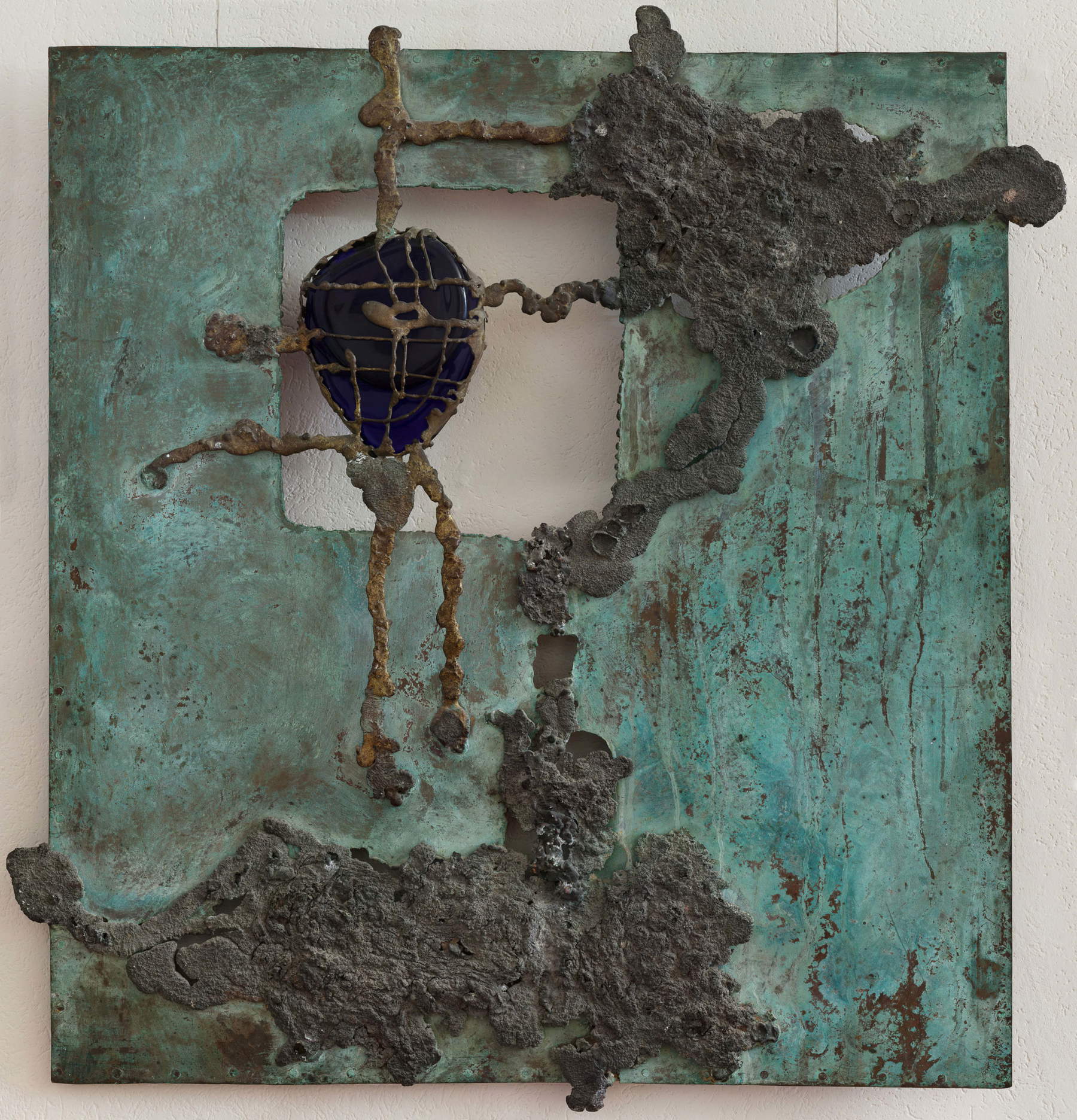
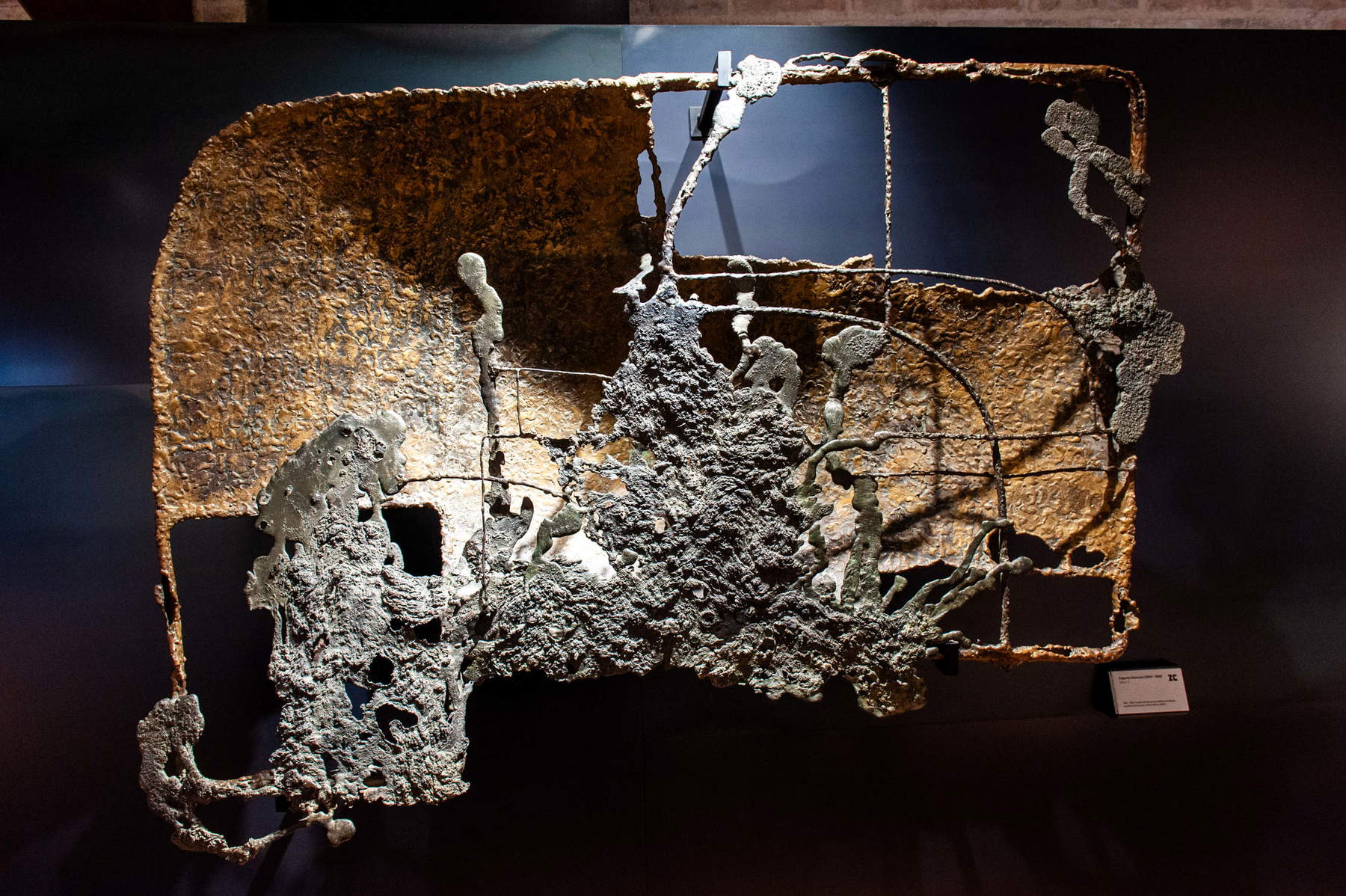
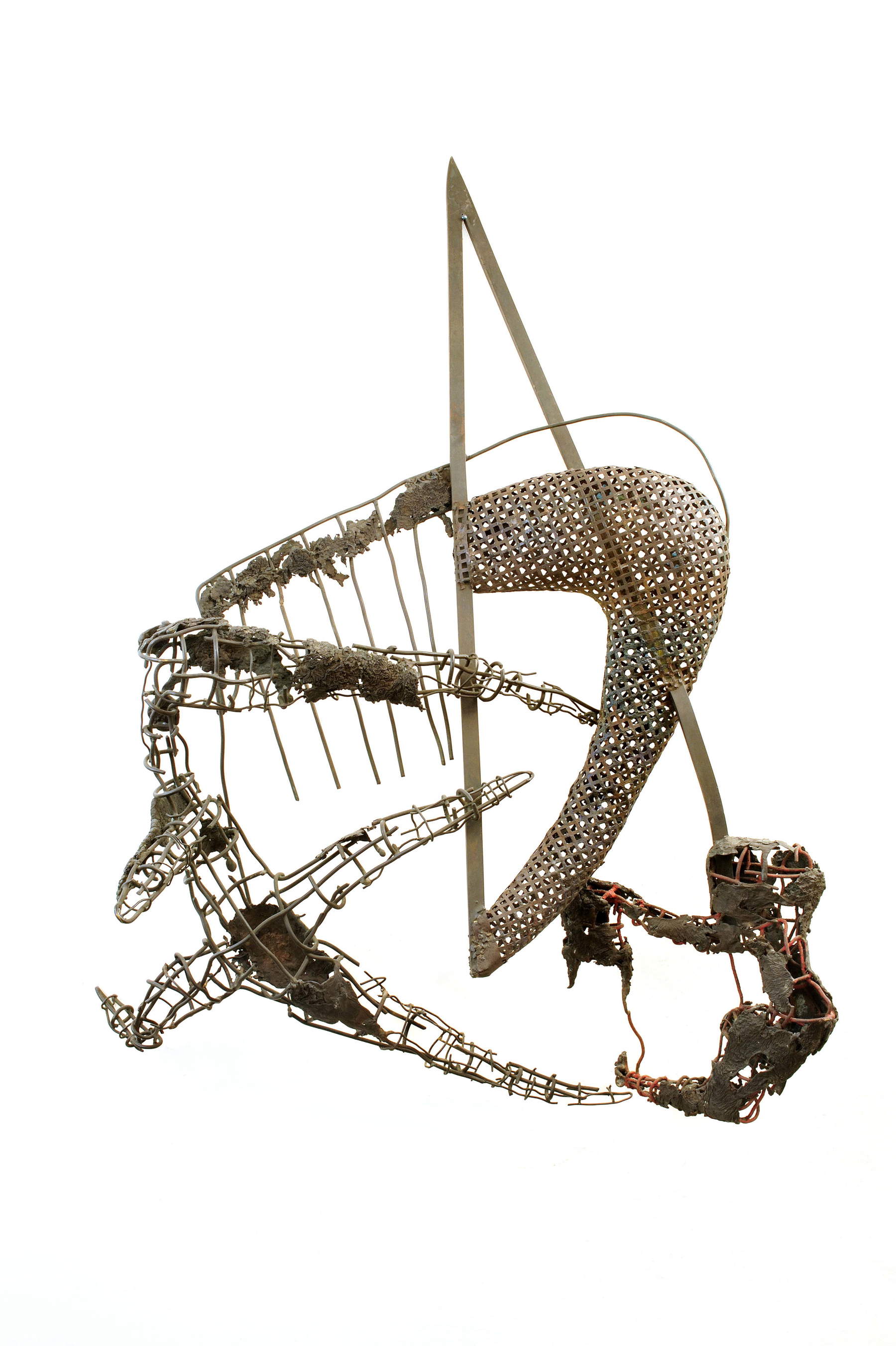
Upon his return to Italy, Mannucci gradually moved away from the figurative style that had characterized his early work, which was closely aligned with the artistic explorations of Ruggeri and Arturo Martini: between 1946 and 1947, he reached a new artistic maturity, developing non-figurative works in which dynamism and experimentation with materials took center stage. The transformation of his artistic language took place against the backdrop of the postwar period, marked by destruction, the violence of the conflict, and an awareness of technology’s new destructive capabilities. The atomic bomb made a profound impression on the artist: the energy released by the explosions and their catastrophic effects helped steer his artistic exploration toward a form capable of expressing contemporary reality without resorting to traditional figurative representation.
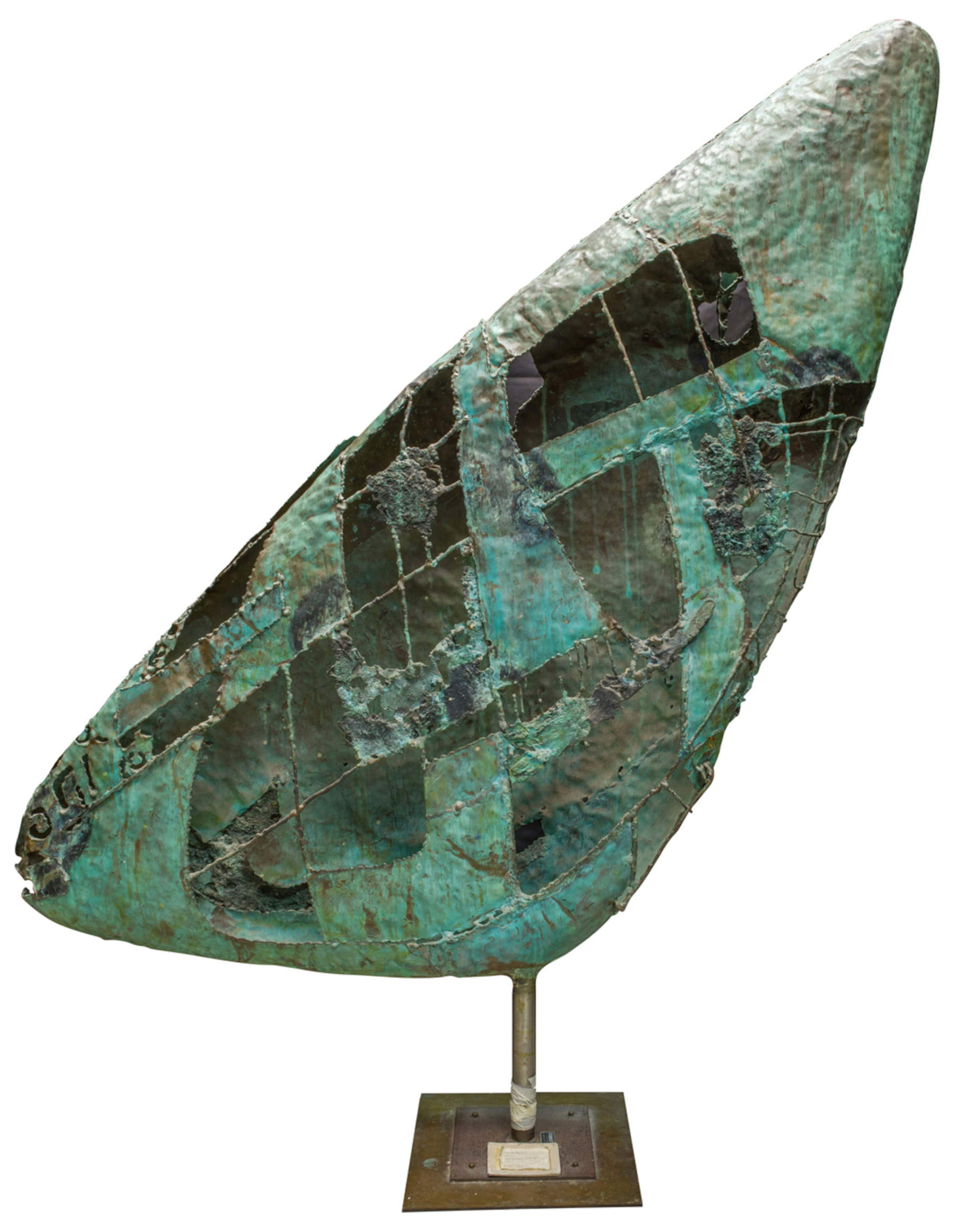
Mannucci gradually abandoned his usual materials and focused on iron, copper, brass, and bronze, often combining them with other elements, including glass. His works began to take shape through open structures and dynamic compositions, in which the material seems to acquire an internal tension. The goal was not to reproduce a recognizable subject, but to make movement visible, as if energy were imprisoned within the materials and could be released through sculptural creation.
During this phase, his relationship with Alberto Burri—who had just returned to Italy after being held as a prisoner of war in the United States—also developed: beginning in 1946, the two artists formed a friendship and artistic partnership that profoundly shaped their respective artistic paths. Their artistic exploration took place within a context in which materials—their physical texture and potential for transformation—became essential elements of artistic language. In the following years, Mannucci became involved with the Origine group, founded by Burri and Giuseppe Capogrossi, and in 1951 he participated in the sixth Rome Quadriennale—a significant milestone in his career—and in the exhibition *Abstract and Concrete Art in Italy*, organized at the National Gallery of Modern Art in Rome. During the same period, he created his first sculptures suspended in space, which also incorporated debris and burnt materials: these works reflect his interest in a form of sculpture that is not limited to compact mass and the stability of volume, but is constructed through elements that extend, articulate, and establish relationships with the surrounding space. The material retains its physical characteristics but is organized in such a way as to suggest a movement that transcends the static nature of the traditional object.
Mannucci’s experimentation also extended beyond sculpture intended for exhibitions. In the 1950s, he worked in film, creating sculptures and set designs for movies such as *Quo Vadis?* and *The Last Days of Pompeii*. At the same time, his exhibition activity extended beyond Italy’s borders, with recognition and opportunities for exchange in New York, Dallas, and Pittsburgh.
From Experimentation to the Circular Form
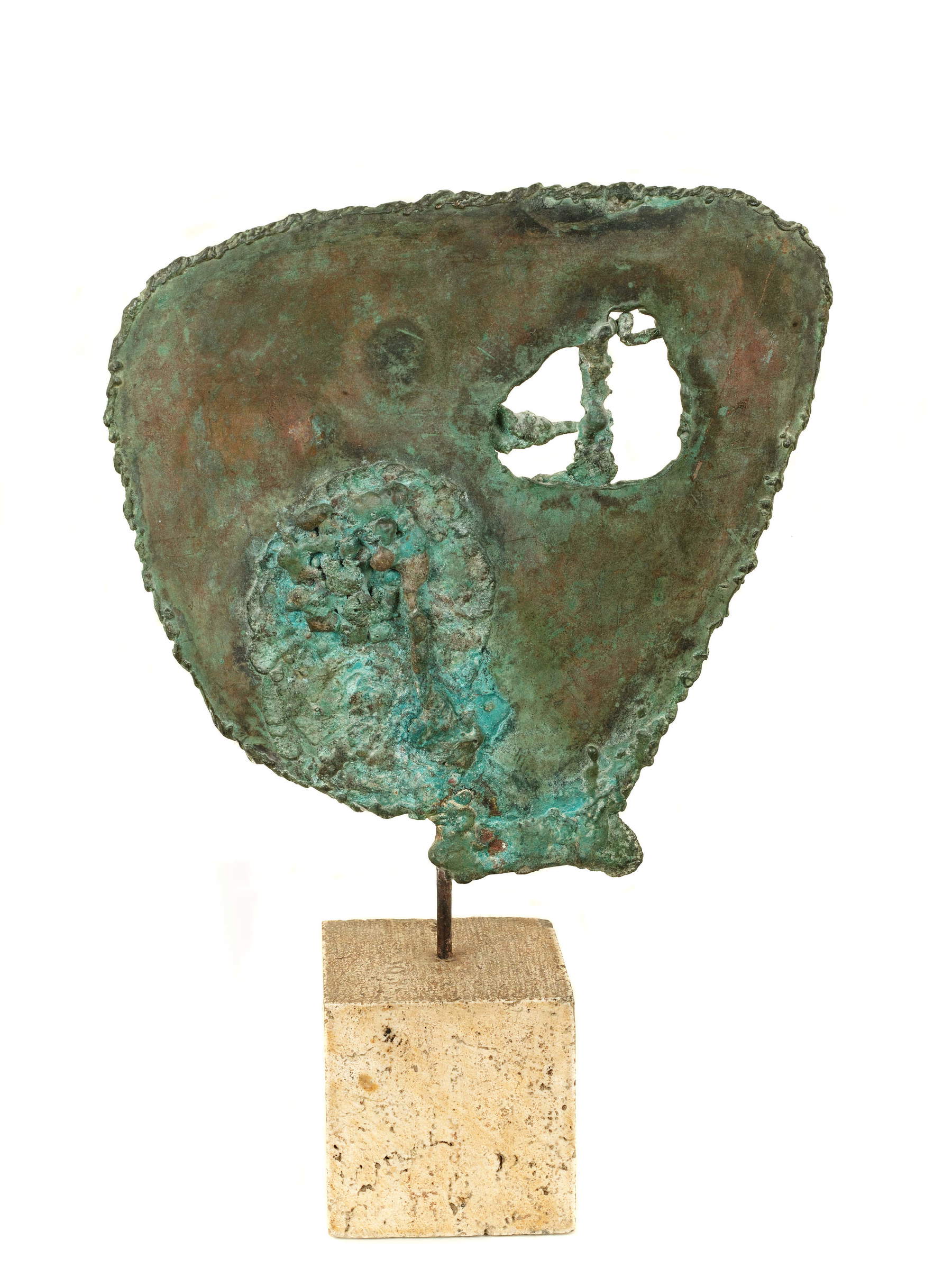
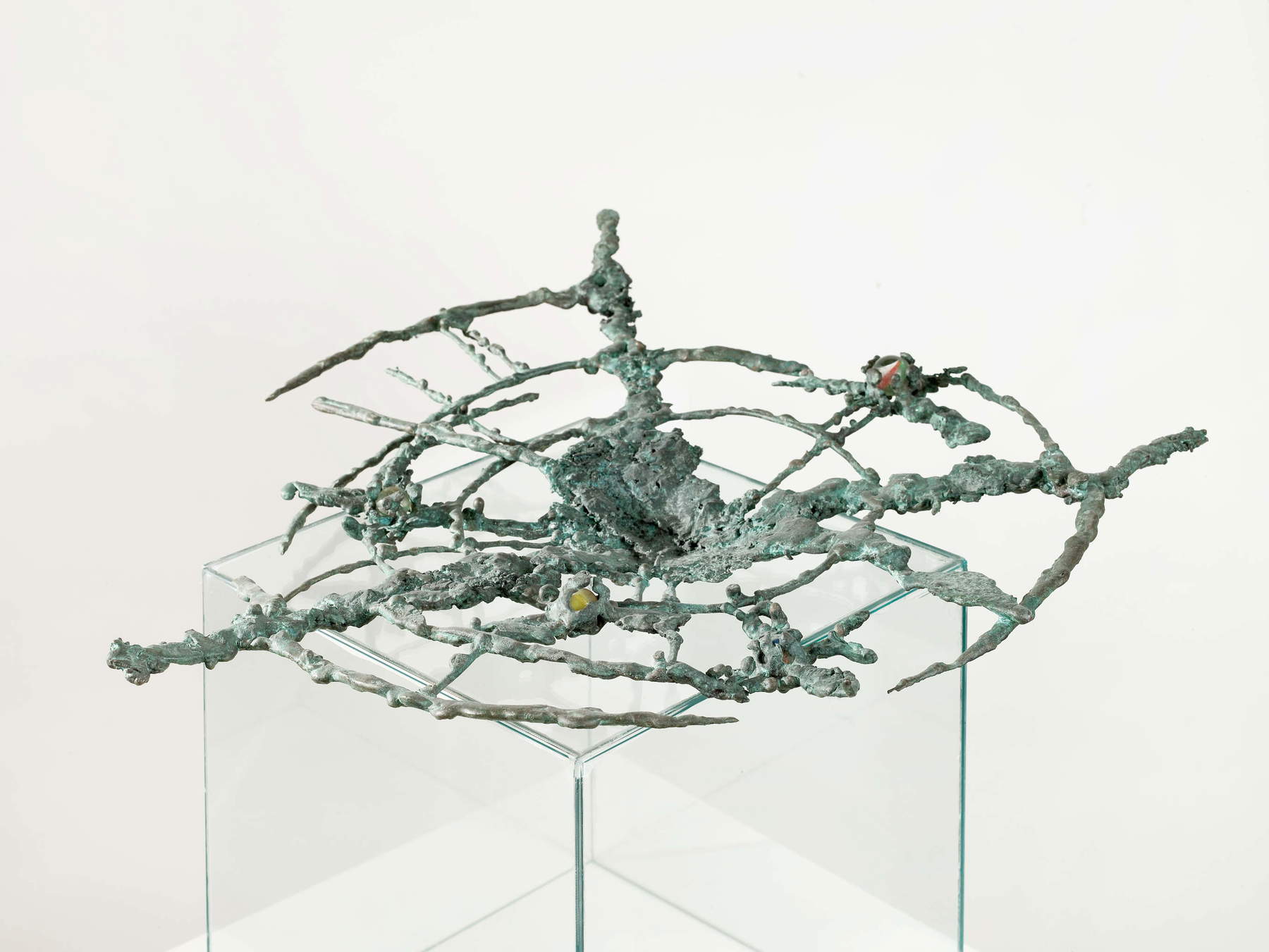
In the 1960s, Mannucci’s career reached its peak. In 1962, the Venice Biennale dedicated an entire hall to him , a recognition that solidified his position in the Italian and international art scenes. His artistic exploration continued to evolve through metalworking and the exploration of the expressive possibilities of form in space.
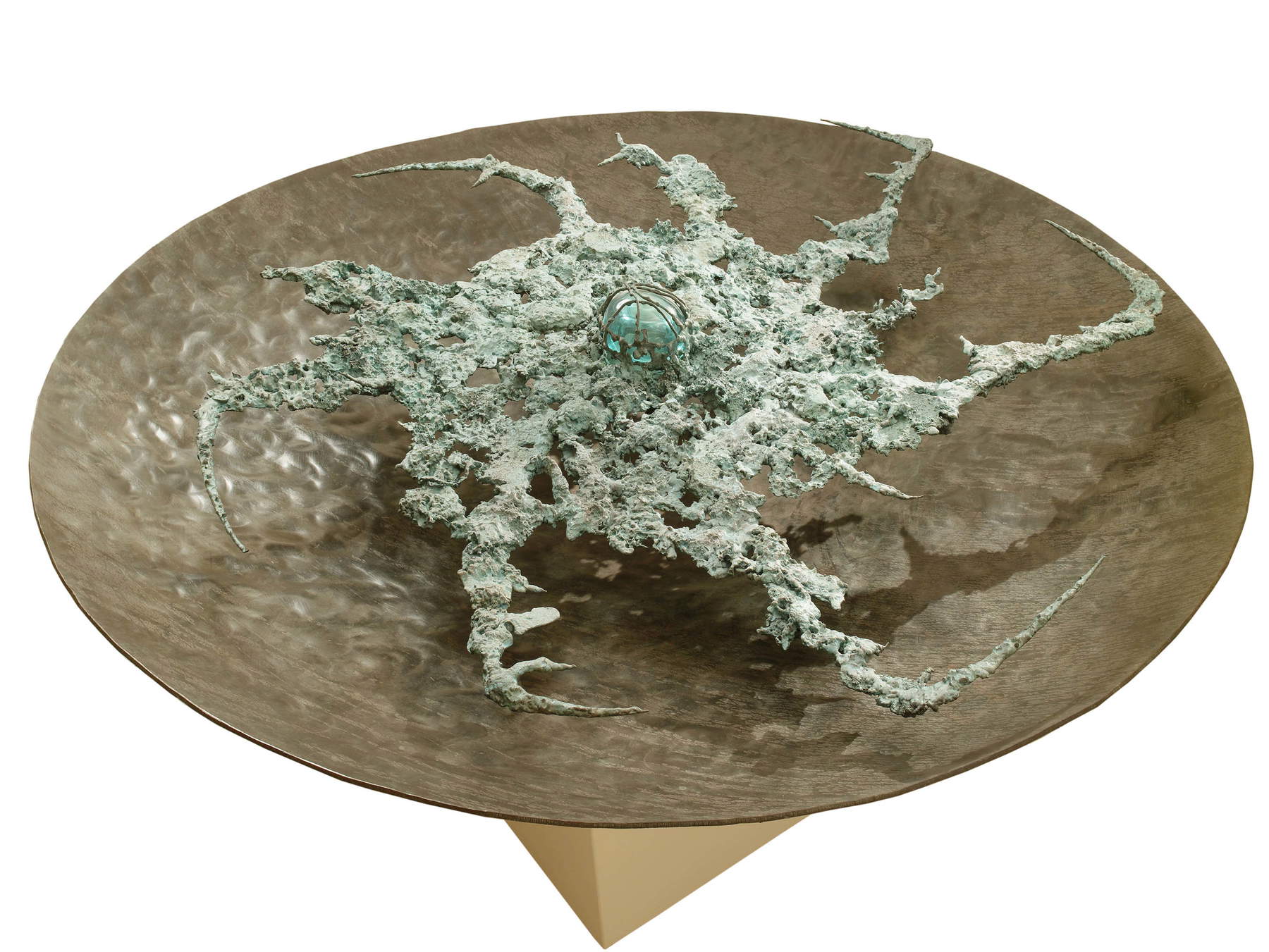
In the final years of his life, however, the sculptor’s artistic path took a new direction: the dynamic tension and open structures of his earlier phases were complemented by a return to a model of classicism and balance. Mannucci turned to the closed form of the circle, understood as a model of perfection and proportion.
This evolution demonstrates that his artistic exploration cannot be reduced solely to his Informal period. His relationship with matter and energy remained central, but was approached through different solutions, capable of shifting from fragmentation and movement to compact and regular forms: the exhibition in Fabriano and Arcevia aims to document his entire artistic journey, connecting the various phases of his work and the transformations that shaped its development.
Another chapter in his career was his involvement in Progetto Arcevia. Comunità Esistenziale, an initiative in which he participated alongside established and emerging artists between 1972 and 1977. The project was curated by Italo Bartoletti, Enrico Crispolti, Ico Parisi, and Pierre Restany and helped connect artistic research with a broader reflection on community and the possibilities for cultural intervention in the local area.
Mannucci continued to work in his studio in Arcevia, housed in the former church of San Francesco di Paola, where he had established his practice after his time in Rome. He continued to exhibit until the final years of his life and died in Arcevia on November 21, 1986. His home now houses the Edgardo Mannucci Archive, which is dedicated to the preservation and promotion of his work.
A Dialogue with the Artists of the Twentieth Century
Mannucci ’s artistic journey . “Fire and Genesis” does not merely trace the sculptor’s body of work chronologically. His works are placed in dialogue with paintings, drawings, and sculptures by numerous artists, in a comparison that draws upon the studies and insights of Enrico Crispolti, the art historian and critic who passed away in 2018.
The exhibition aims to pay tribute to Crispolti himself, who, throughout his research career, made a decisive contribution to the study of various artists from the Marche region, including—in addition to Mannucci—Luigi Bartolini, Quirino Ruggeri, Roberto Stelluti, and Giuseppe Uncini. The project also builds on a previous in-depth exploration dedicated to the sculptor: in 2005, thanks to Crispolti’s contribution, the Foundation organized the exhibition *Mannucci and the Novecento*. The Atomic and Cosmic Imagery, which, for the first time since the artist’s death, celebrated his life and works in his hometown.
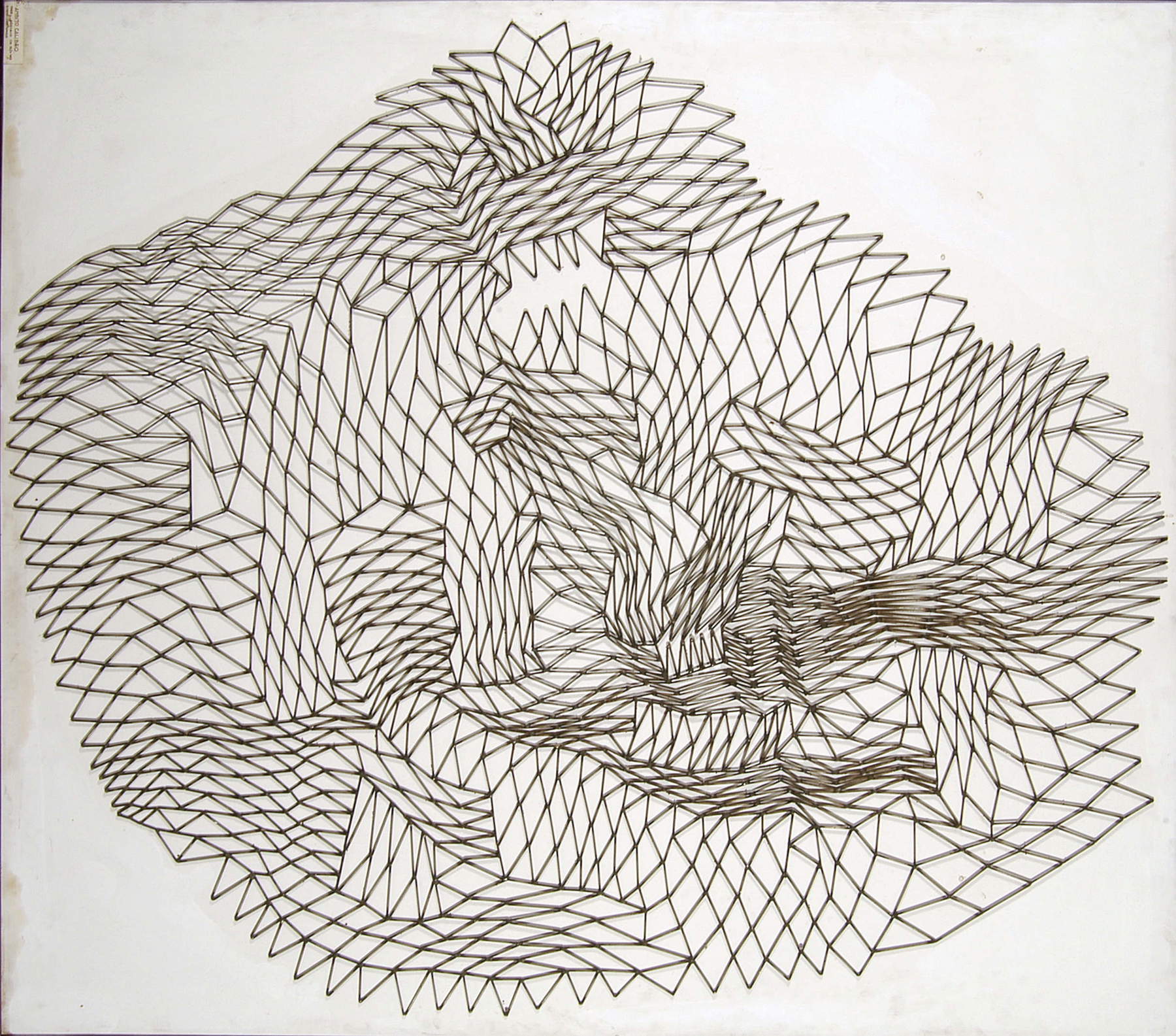
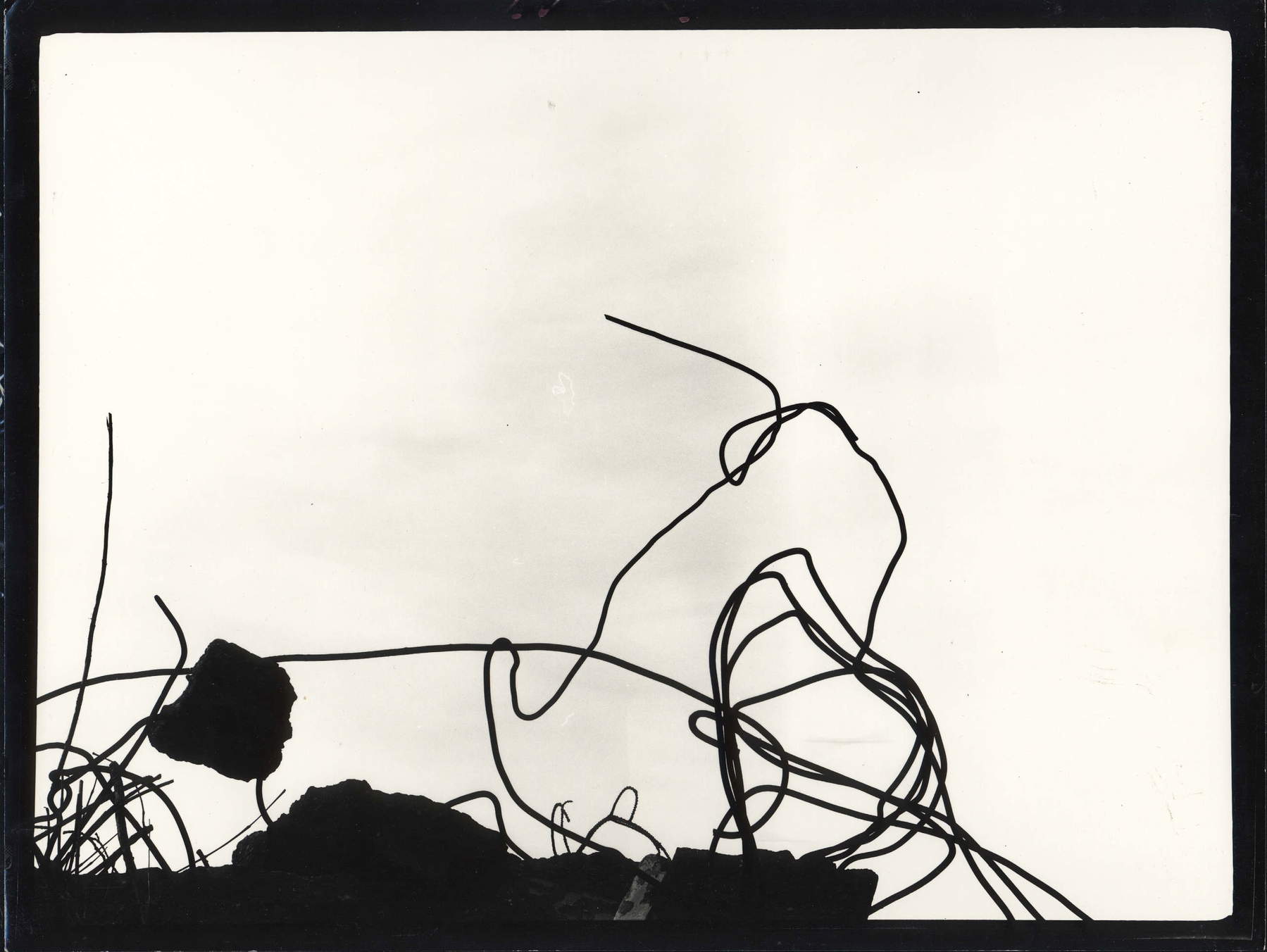
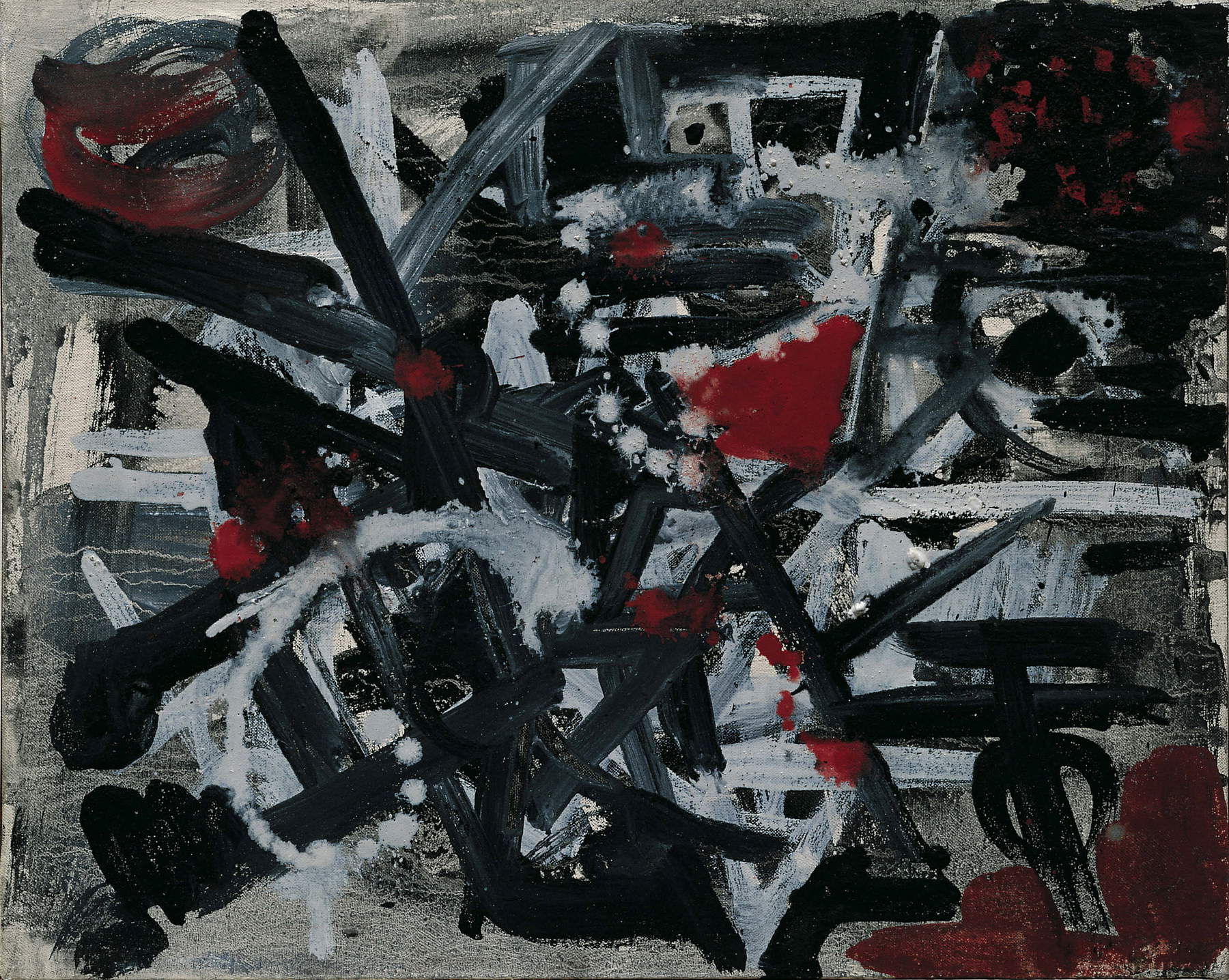
Twenty years after that initiative, the new project expands the exploration of Mannucci’s relationship with the artistic context of the 20th century. Among the featured artists are Aurelio Amendola, Mirko Basaldella, Alberto Burri, Corrado Cagli, Alik Cavaliere, Aurelio Ceccarelli, Mario Ceroli, Pietro Consagra, Ennio D’Incecco, Agenore Fabbri, Piero Dorazio, Ignazio Gadaleta, Mario Giacomelli, Renato Guttuso, Leoncillo Leonardi, Gino Marotta, Luciano Minguzzi, Nuvolo, Arnaldo Pomodoro, Enrico Prampolini, Daniel Spoerri, Roberto Stelluti, Valeriano Trubbiani, Giulio Turcato, Giuseppe Uncini, Emilio Vedova, and Antonella Zazzera.
The diversity of the artists involved allows Mannucci’s artistic exploration to be situated within a network of experiences spanning painting, sculpture, and experimentation with materials. The exhibition’s narrative does not focus solely on formal affinities but also explores the cultural relationships that shaped his artistic formation and development, revealing the complexity of a journey shaped by encounters, collaborations, and engagements with the artistic movements of his time.
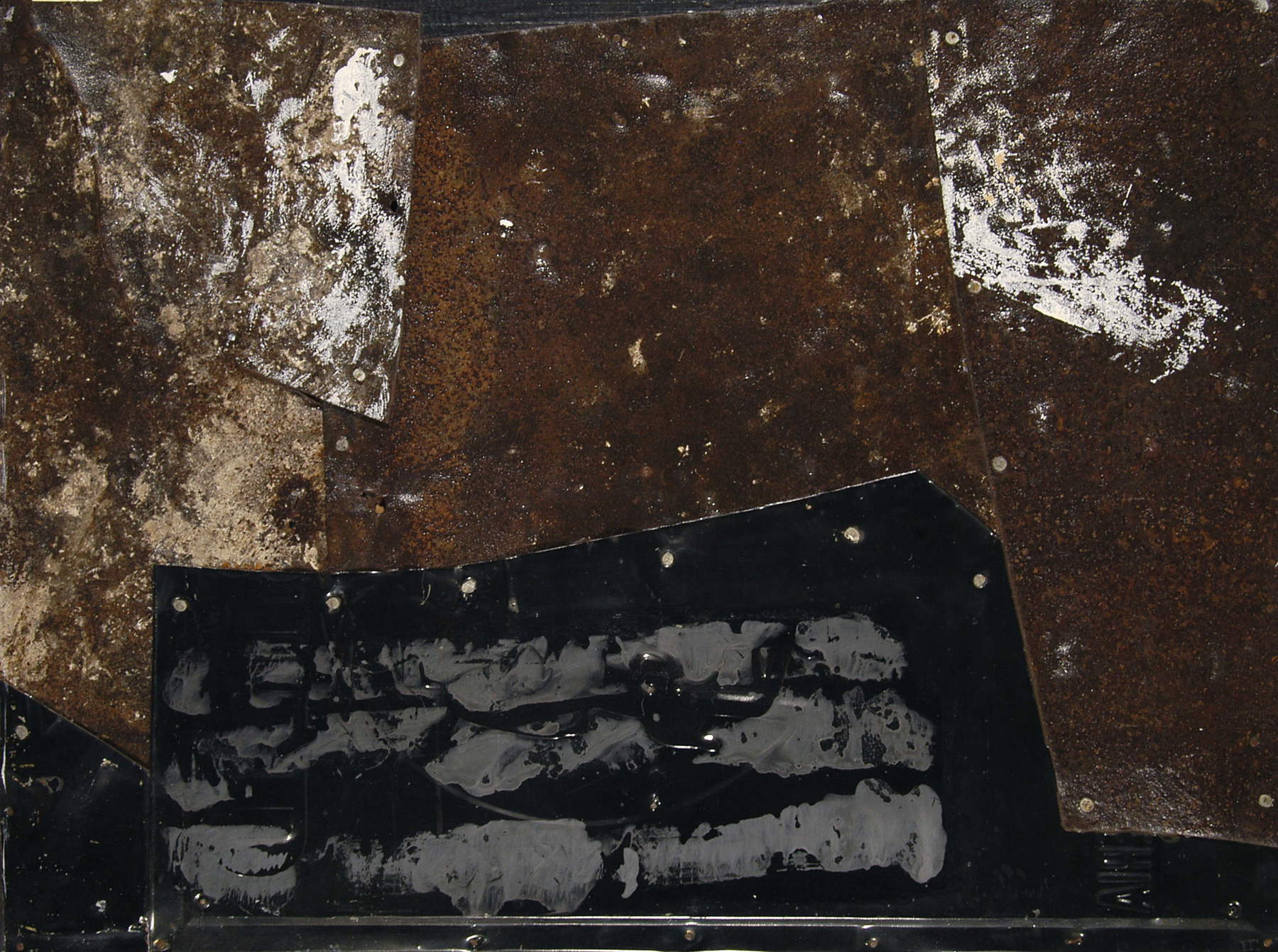
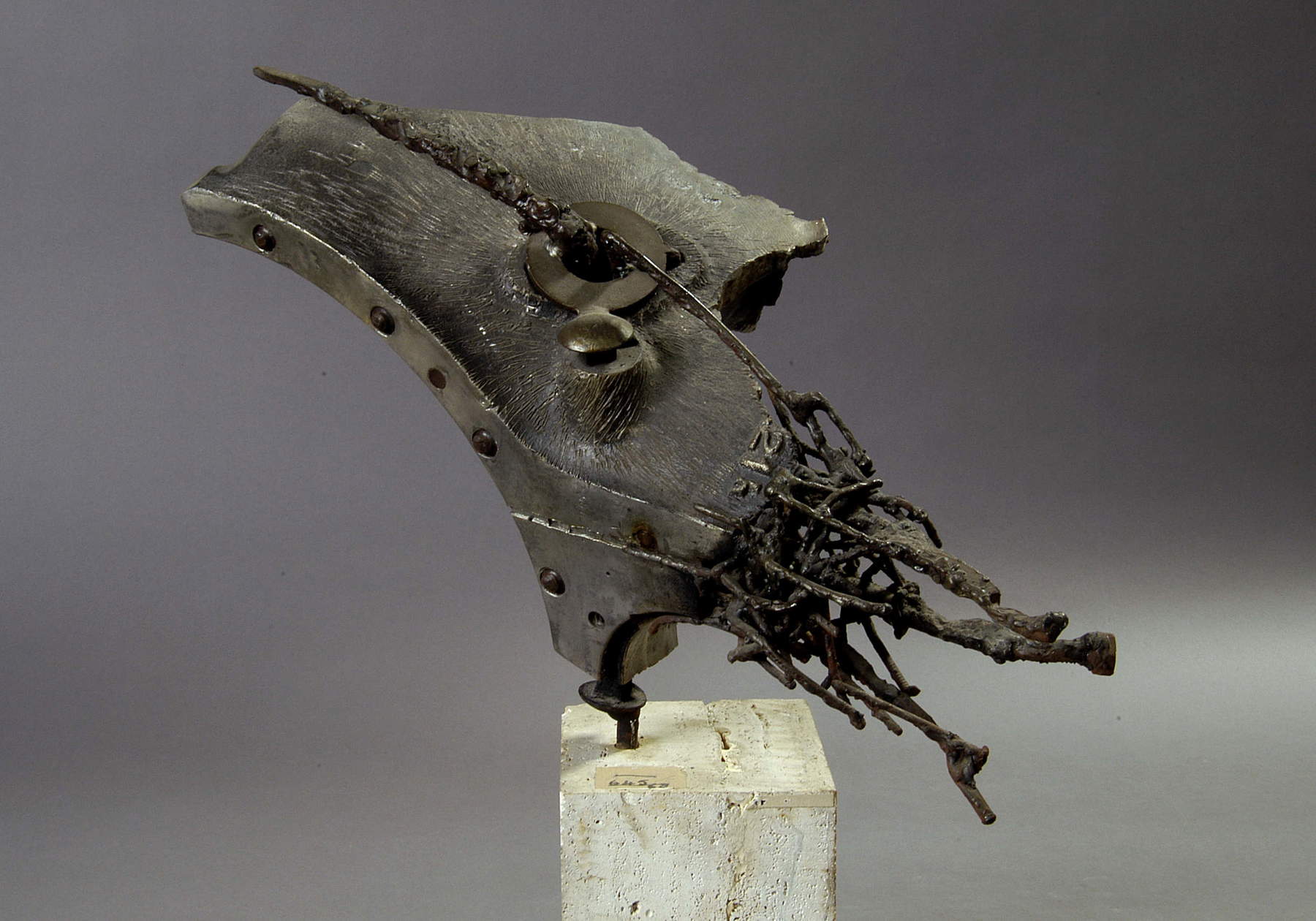
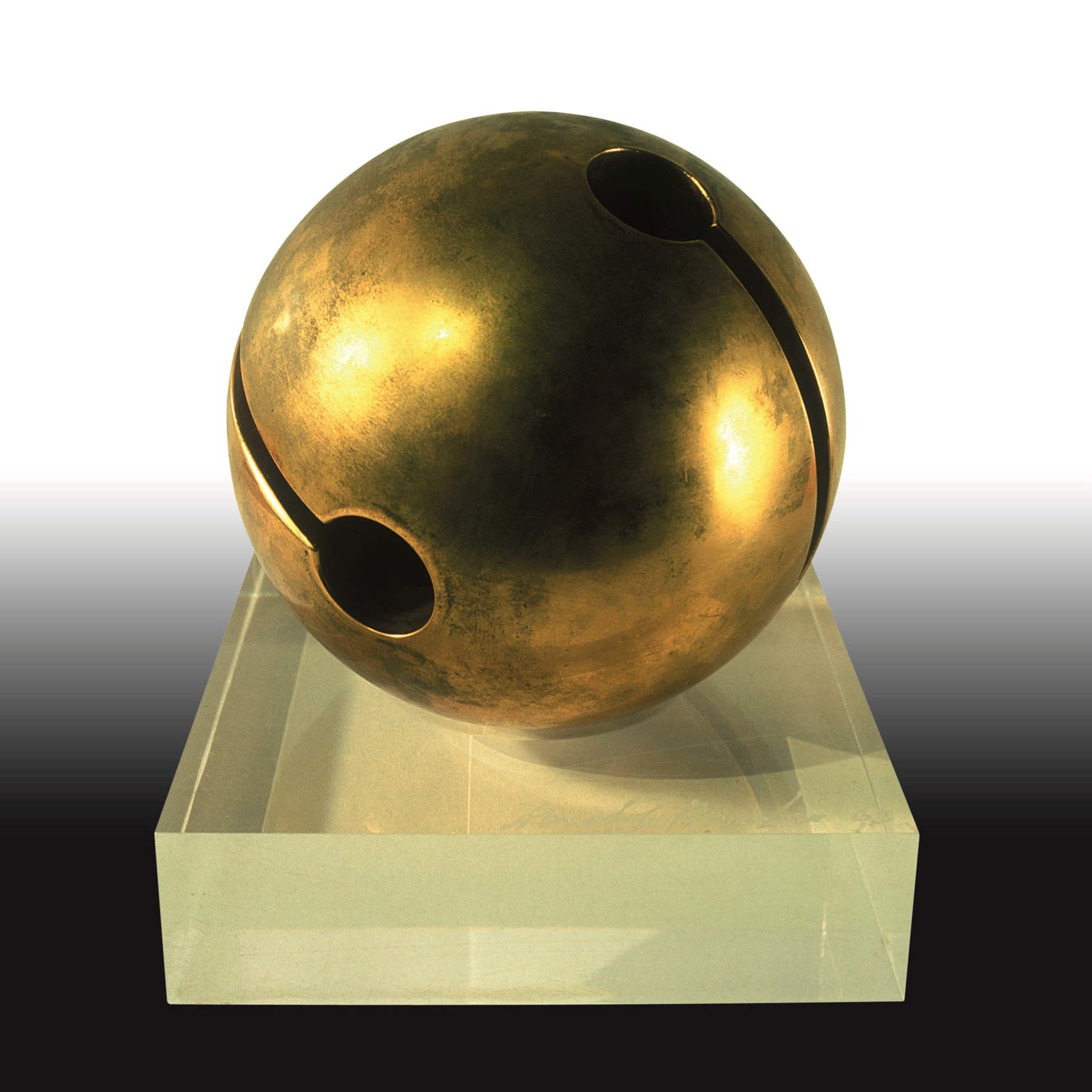
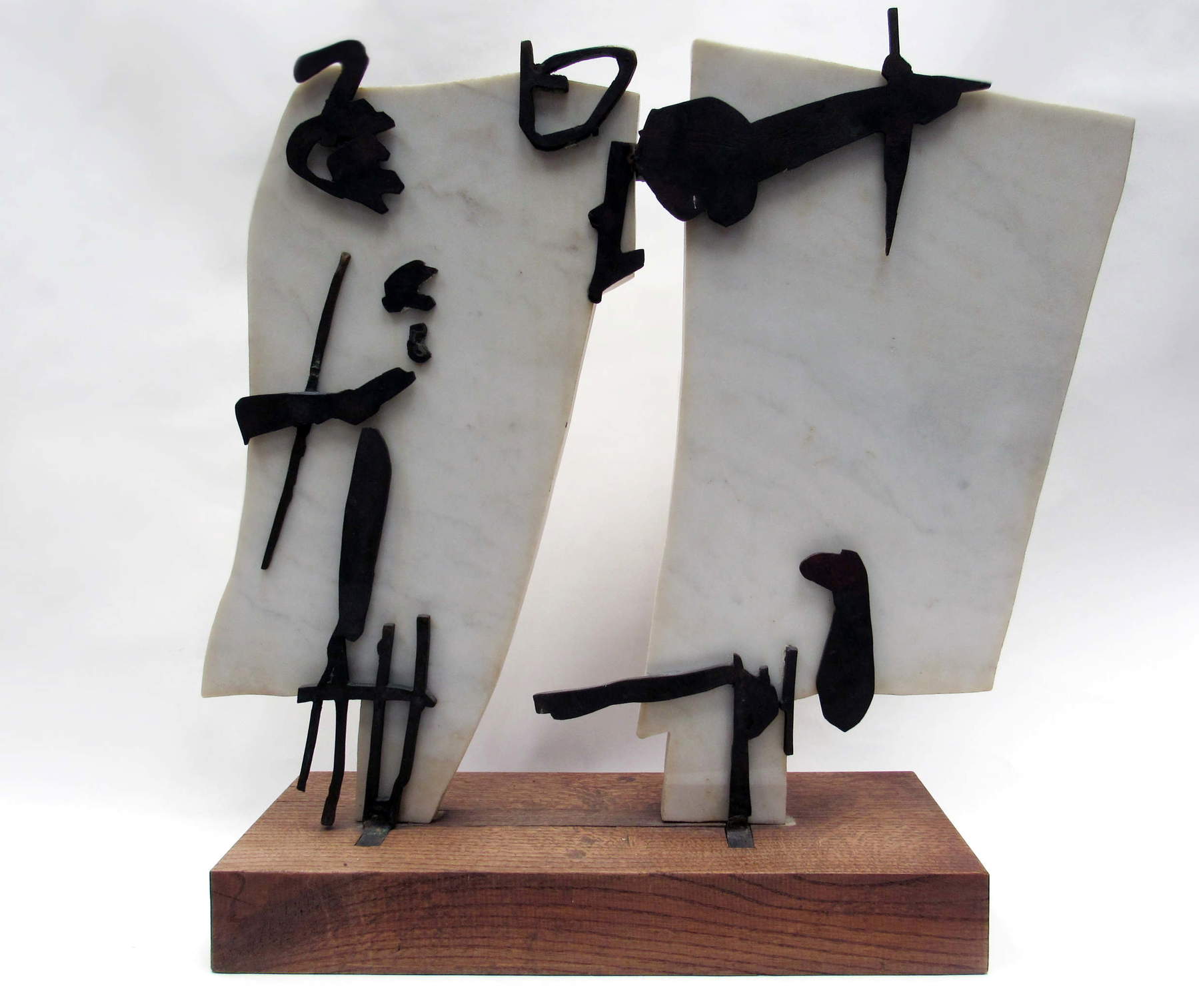
Fabriano and Arcevia, Places of Memory
The decision to hold the exhibition at two venues stems from Mannucci’s connection to the Marche region: Fabriano, the city where he was born, and Arcevia, where he spent the final years of his life and where he died, represent the two poles of an artistic journey that had its roots in the region and found a place of continuity there. Moreover, over the past thirty years, the Fondazione Cassa di Risparmio di Fabriano e Cupramontana has devoted particular attention to preserving the sculptor’s legacy by developing a policy of acquiring his works. The collection is on display at Zona Conce, which also houses the permanent exhibition dedicated to Mannucci. The new exhibition is part of this effort to preserve and promote his legacy, broadening the perspective through a comparison with other leading figures in 20th-century art.
In Arcevia, in agreement with the municipality, the Foundation contributed to the creation of a new exhibition layout for the Ruggeri–Mannucci–Bruno d’Arcevia Gallery of Modern Art, housed in the San Francesco Cultural Center, and also provided a catalog of the works. The project thus ties into an initiative that concerns not only the temporary exhibition but also the promotion of the collection and the opportunity to view and study the works preserved in the region.
Additionally, joint initiatives are planned withthe Edgardo Mannucci Archive in Arcevia, the Edgardo Mannucci Art High School in Ancona, and the City of Ancona, which will be the Italian Capital of Culture in 2028. The aim is to expand the exhibition project into a program of study and cultural promotion involving institutions, schools, and organizations dedicated to preserving the artist’s legacy.
Accessibility and Educational Activities
Special attention is givento accessibility. The Omero State Tactile Museum in Ancona, which is lending two works for the exhibition and serving as a technical partner, has collaborated with the Foundation to create an audio-tactile tour dedicated to the sensory exploration of a selection of works from Mannucci’s permanent collection. The tour features adapted content and captions in Braille, with the aim of making the works accessible through means other than visual observation alone.
The educational aspect is an integral part of the project. Workshops are planned for elementary and secondary schools, with a particular focus on art high schools, as well as professional development courses for art history teachers in Italian upper secondary schools. The intention is to use the exhibition as a starting point for exploring 20th-century sculpture, the transformations in artistic language, and the expressive possibilities of materials.
The Foundation will also support initiatives to promote the Edgardo Mannucci International Sculpture Prize, sponsored by the Rotary Club Altavallesina-Grottefrasassi in collaboration with the Municipality of Arcevia. The prize serves as a further link between the sculptor’s legacy and the promotion of contemporary sculptural research.
|
| Edgardo Mannucci, Fire and the Energy of Matter: An Exhibition in the Marche Region Traces His Research |
Warning: the translation into English of the original Italian article was created using automatic tools. We undertake to review all articles, but we do not guarantee the total absence of inaccuracies in the translation due to the program. You can find the original by clicking on the ITA button. If you find any mistake,please contact us.