





Guido Harari ’s new exhibition at the Arturo Ghergo Museum in Montefano, in the province of Macerata, is dedicated to the representation of the female figure. Titled “Muses, Sirens, and Strange Angels. Guido Harari’s Mythology of the Female Figure, the exhibition will be open from October 3, 2026, to January 10, 2027, and is curated by the photographer himself.
The exhibition accompanies the awarding of the Arturo Ghergo Lifetime Achievement Award to Harari and creates an ideal dialogue between two leading figures in Italian photography, united by the central role they assign to portraiture and their ability to construct, through the lens, a precise public image of their subjects.
At the heart of the exhibition is Harari’s relationship with women, explored through photographs depicting artists, actresses, musicians, writers, scientists, and athletes, as well as women who are not in the public eye. A gallery of very diverse faces, in which the portrait becomes a tool for exploring their character, identity, and the way they present themselves to others.
Harari’s career is deeply intertwined with music. His early photographs, published primarily in music magazines, helped shape the visual imagination of several generations. Some of the greatest figures in international and Italian music have posed for her lens, from Bob Dylan to Leonard Cohen, Patti Smith, Joni Mitchell, Lou Reed, and Tom Waits, to Fabrizio De André, Paolo Conte, and Giorgio Gaber.
But the value of these photographs does not lie solely in their aesthetic composition. What determines the power of a portrait is above all the relationship that develops between the photographer and the subject: an encounter that can alter both the subject’s perception and that of the viewer. It is precisely this idea that gives shape to the exhibition’s title. The women photographed by Harari can take on the role of “muses,” but also that of “sirens,” capable of exerting charm and, at the same time, of challenging their surroundings. Others become “strange angels”—presences in which vulnerability and strength, the public sphere and personal identity coexist.
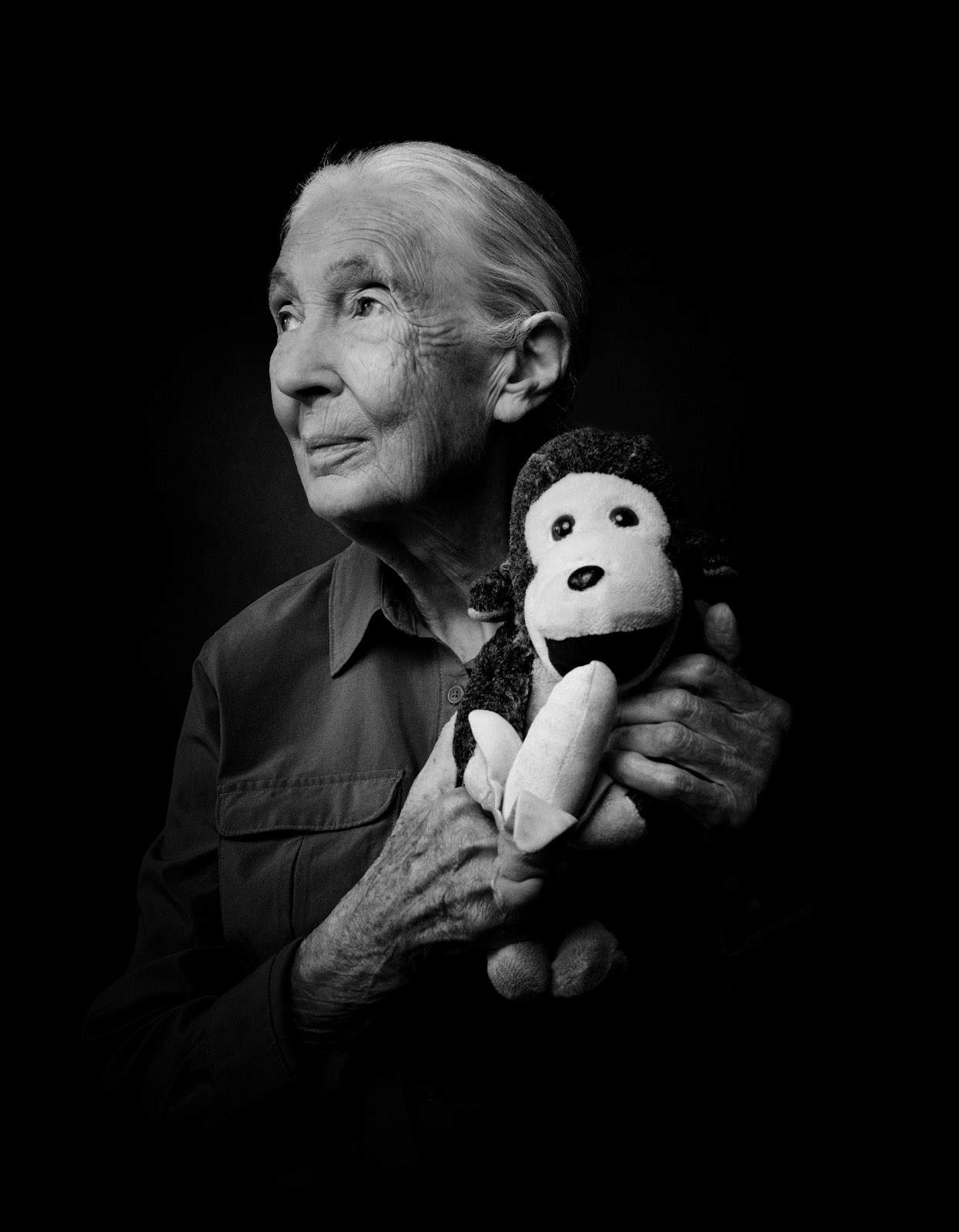
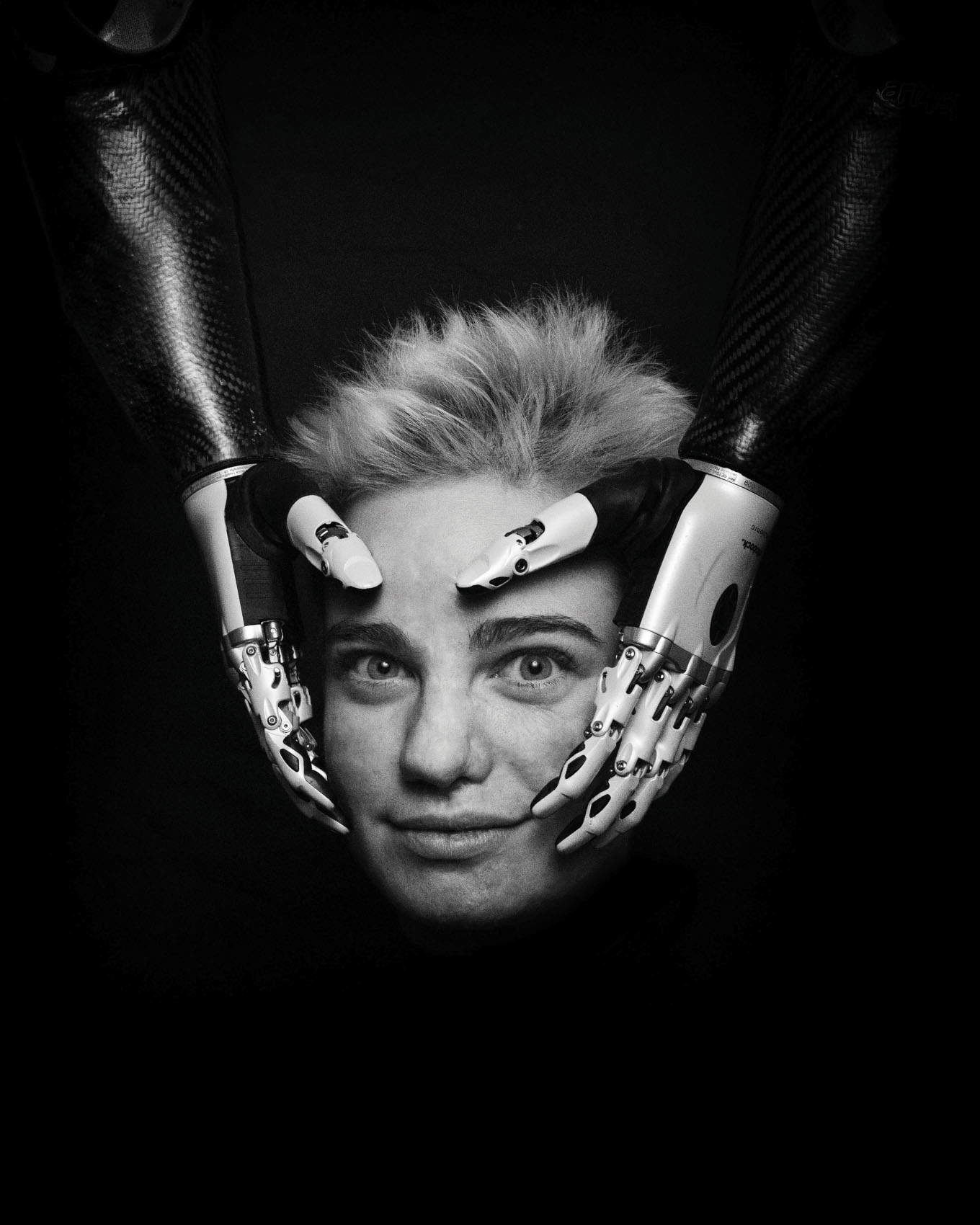
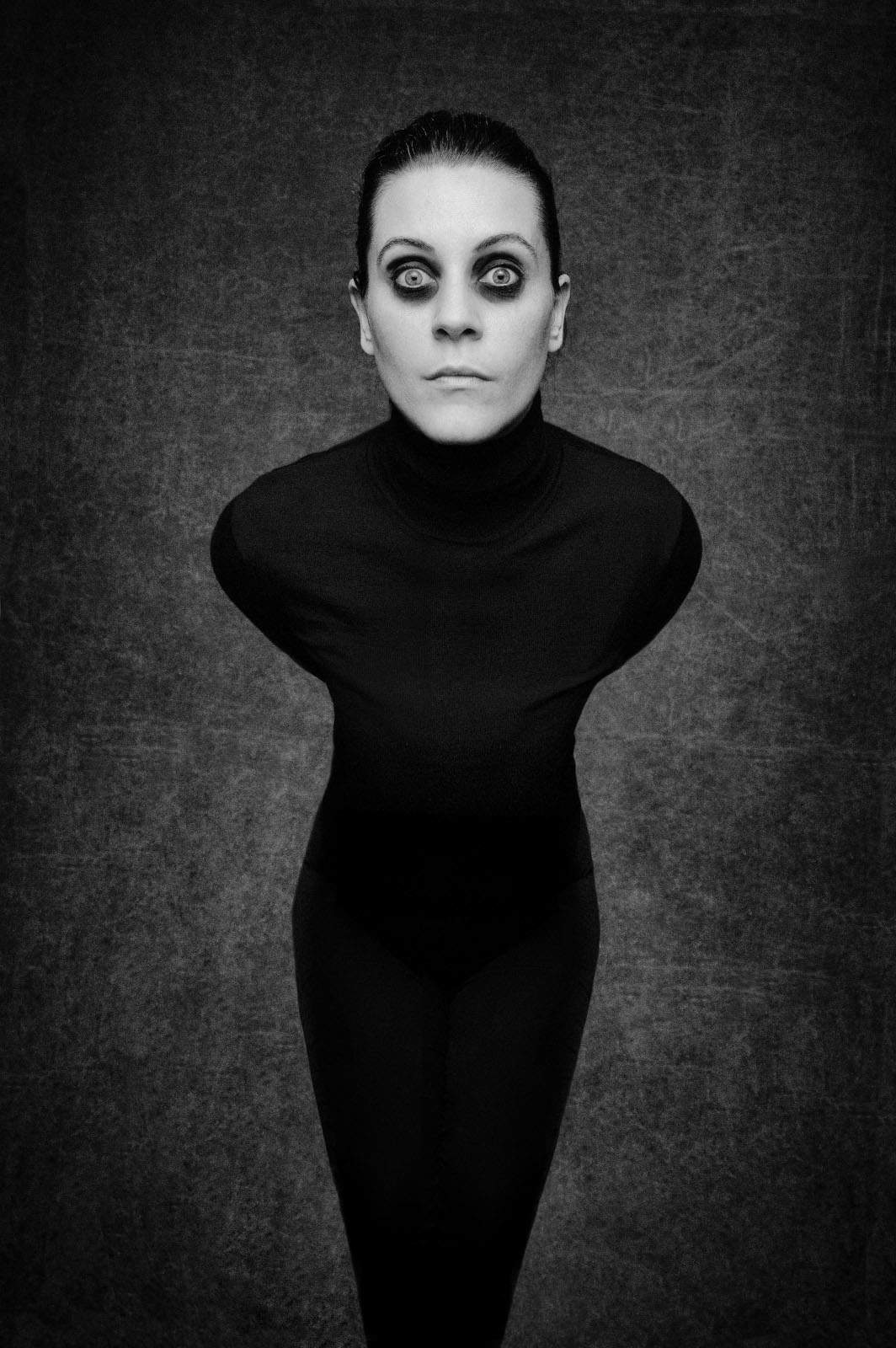
Over the years, Harari’s work has gradually moved beyond the boundaries of music photography. His practice has expanded into film, literature, art, sports, and science, following a path in which the subject’s celebrity has become increasingly less important. This transformation has led the photographer to question the very concept of the star portrait. The focus shifts from the construction of a public image to the person standing before the lens—with their story, their individuality, and their ability to participate in the creation of the portrait.
A particularly significant example is *Ritratti sospesi* (*Suspended Portraits*), a project dedicated to people facing situations of vulnerability, illness, or disability. In this case, the photograph emerges from a process of listening and mutual understanding and directly involves the subject in defining their own image. The portrait thus ceases to be a promotional tool and becomes a space for encounter: a form of recognition and a testimony to the person photographed, built through a relationship rather than through mere observation.
The exhibition in Montefano also aims to trace the evolution of Harari’s photographic language. The more elaborate and theatrical images from his years immersed in rock culture are gradually replaced by a greater sense of simplicity.

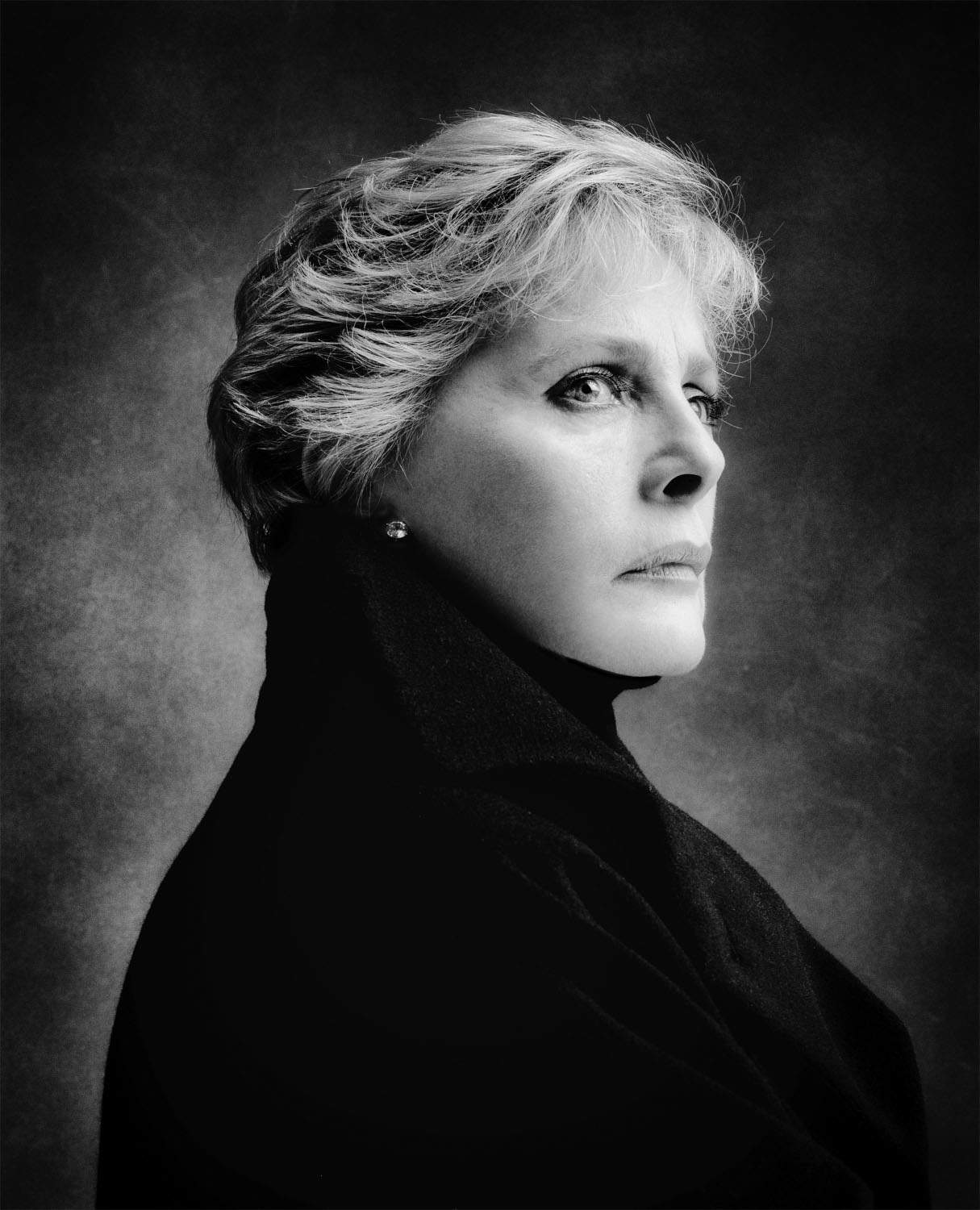
The surrounding elements are reduced, leaving more and more space for the face and the gaze. It is a process of subtraction that reflects the transformation of the artist’s practice: less focus on constructing the star and more interest in what emerges from the person. Through this lens, the exhibition not only presents a selection of famous portraits of women but also traces the evolution of a photographic vision that, over the decades, has progressively placed not the public figure but the individual at the center of the image.
“The feminine has always been a fundamental component of Harari’s work,” states Claudio Domini, artistic director of the Arturo Ghergo Prize and author of the texts accompanying the exhibition. “His muses are not secondary figures, but independent and free subjects, placed at the center of the scene, capable of inspiring, challenging, and sometimes questioning the viewer.”
The exhibition is open on Saturdays and Sundays from 10 a.m. to 12:30 p.m. and from 5 p.m. to 7 p.m. On all other days, visits are by reservation only.
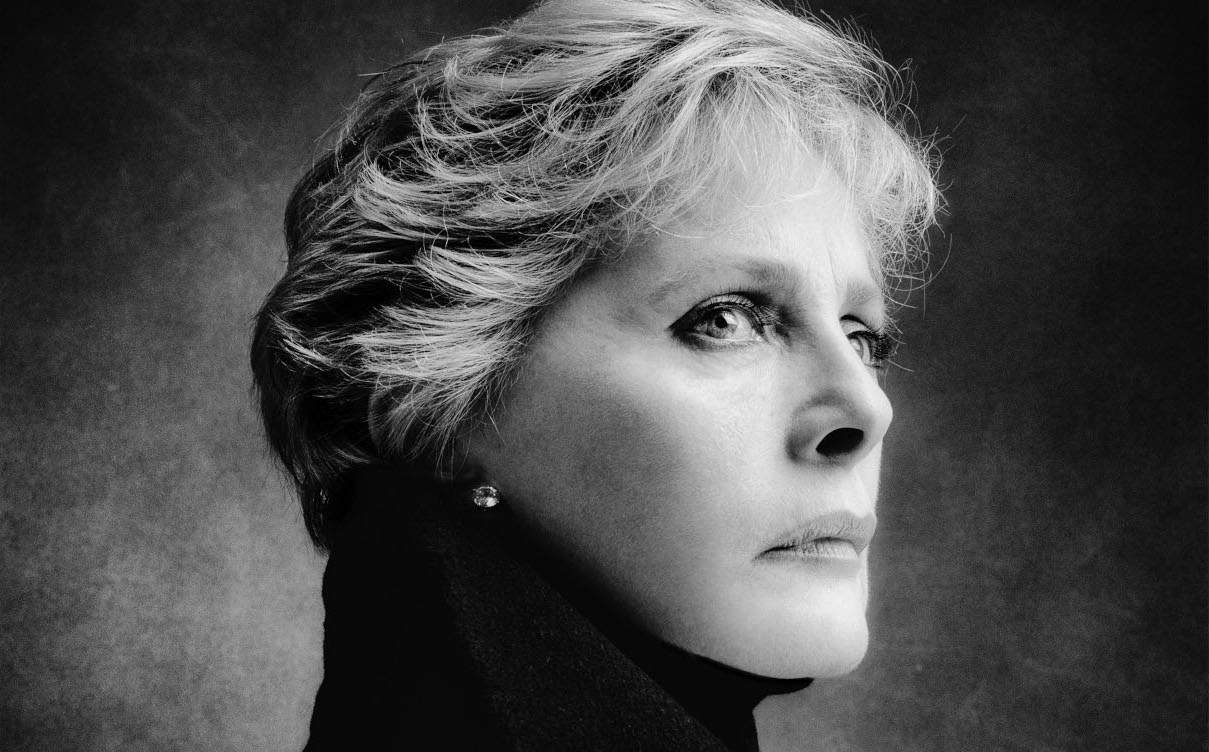 |
| Guido Harari, The Faces of Women: His Female Mythology on Display in Montefano |

Warning: the translation into English of the original Italian article was created using automatic tools. We undertake to review all articles, but we do not guarantee the total absence of inaccuracies in the translation due to the program. You can find the original by clicking on the ITA button. If you find any mistake,please contact us.



























 IT
IT FR
FR DE
DE ES
ES CN
CN


