





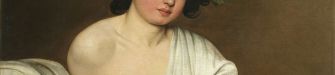
From October 3, 2026 , to January 17, 2027 , Palazzo Pallavicini in Bologna will host *A Masterpiece of the Day: From Dawn to Dusk in the Nineteenth Century—A Journey Through Painted Time*, an exhibition curated by Francesca Sinigaglia and produced by Vertigo Syndrome. The exhibition brings together over one hundred 19th-century European paintings, offering an unusual way of interpreting them: the works are not organized by artistic schools, styles, or nationalities, but according to the hours of the day, with a route that takes visitors from dawn through to night.
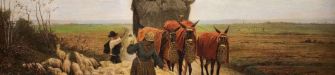
The exhibition is divided into twelve sections, each corresponding to a two-hour interval—six dedicated to daytime hours and six to nighttime hours. The idea behind the project draws inspiration from one of the defining transformations of the 19th century: the passage of daily time becomes the central theme of painting. Having moved away from grand historical and mythological themes, artists focused on everyday life, observing the effects of light, daily activities, work in the fields, and the gradual development of the modern city.
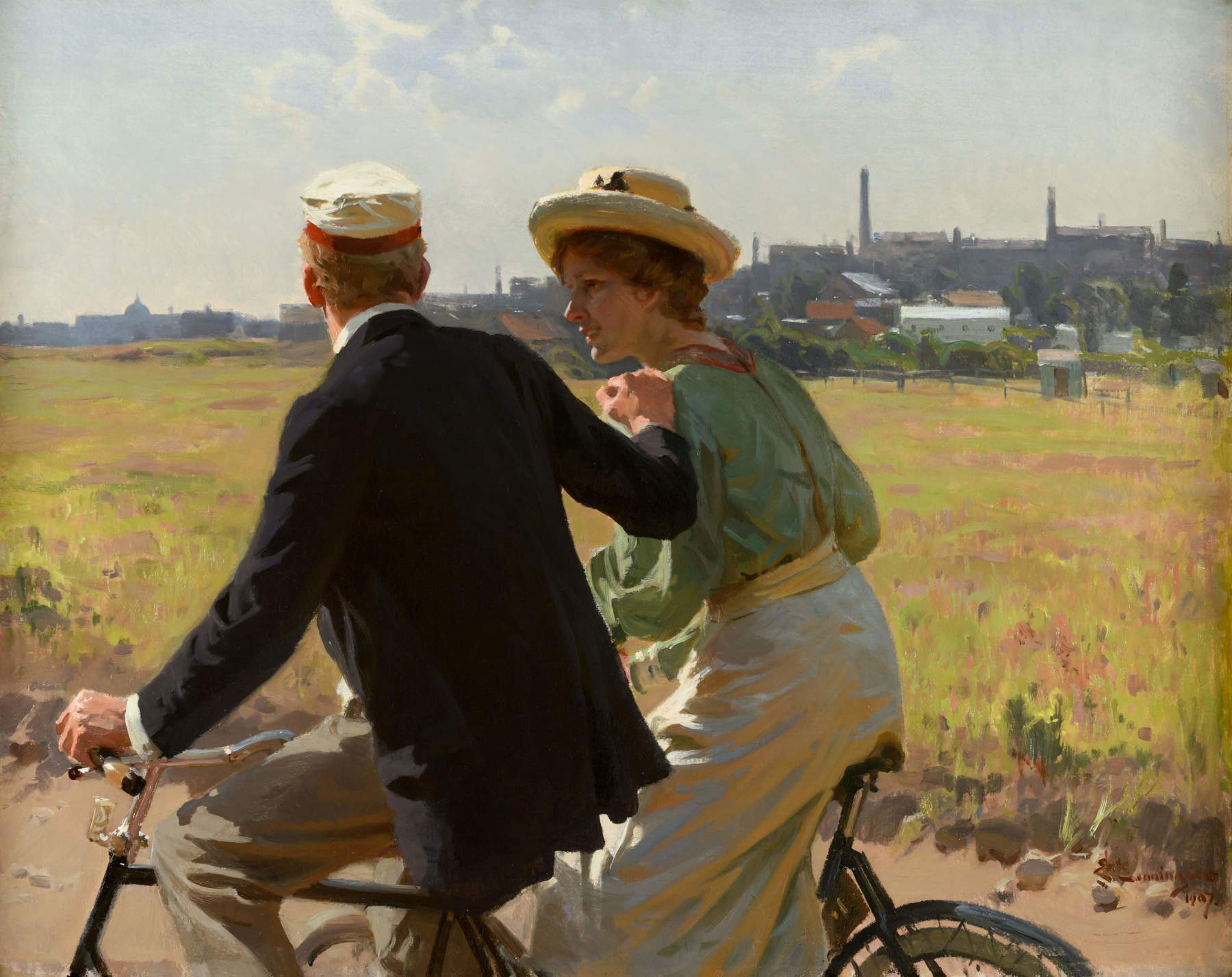
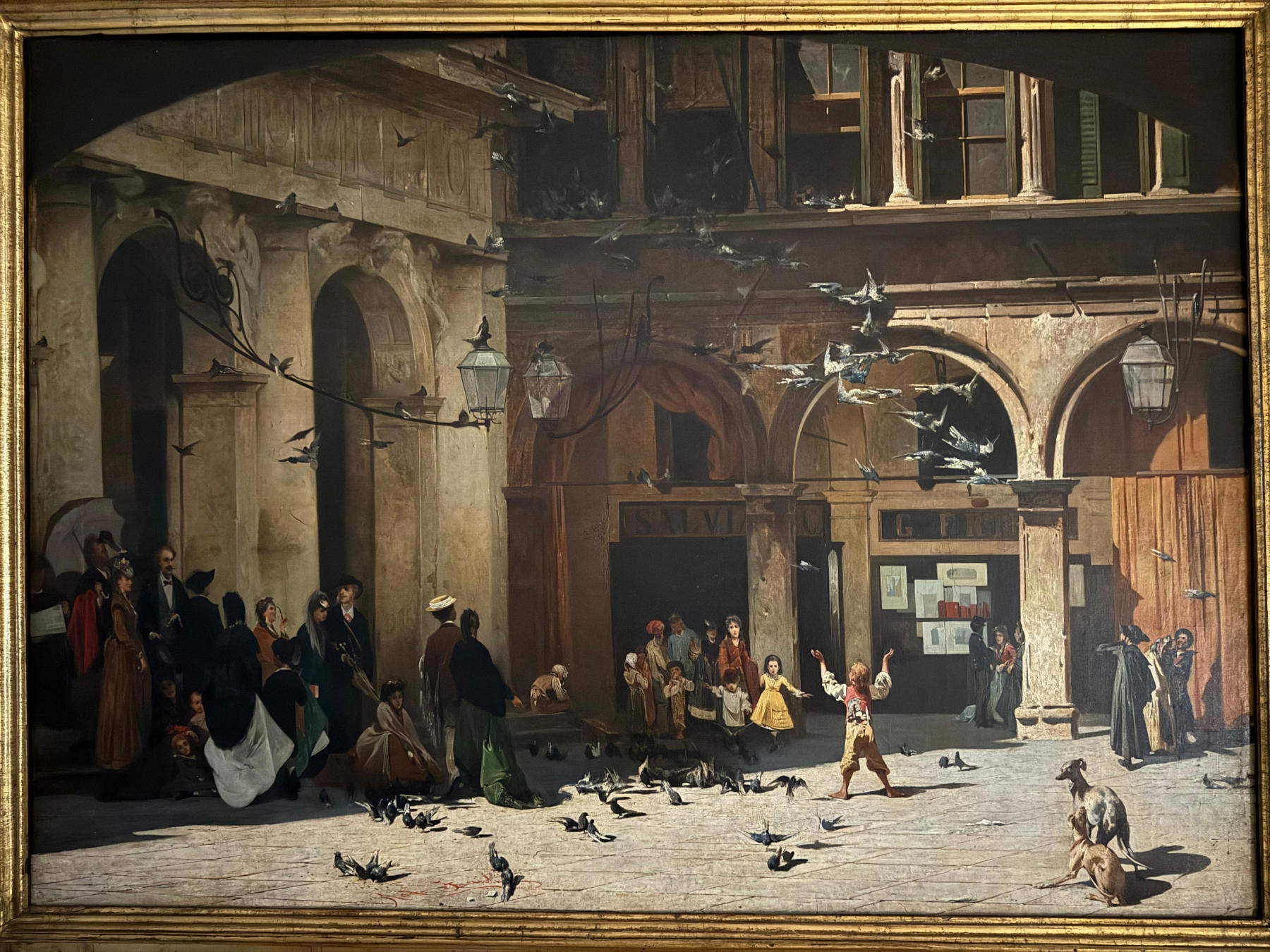
The works on loan come from Italian and European public museums, including the Louvre, as well as from private collections rarely accessible to the public, which also include works by Monet and Renoir.
The exhibition opens with the early morning hours, depicted through the landscapes and ethereal atmospheres of Antonio Fontanesi, Luigi Bertelli, and Augusto Majani. Next are scenes of bourgeois breakfasts painted by Antonio Mancini and Alessandro Scorzoni. The morning continues with depictions of washerwomen and peasants by Francesco Paolo Michetti and Giuseppe Pellizza da Volpedo, while urban modernity finds expression in the industrial London depicted by Giovanni Boldini.
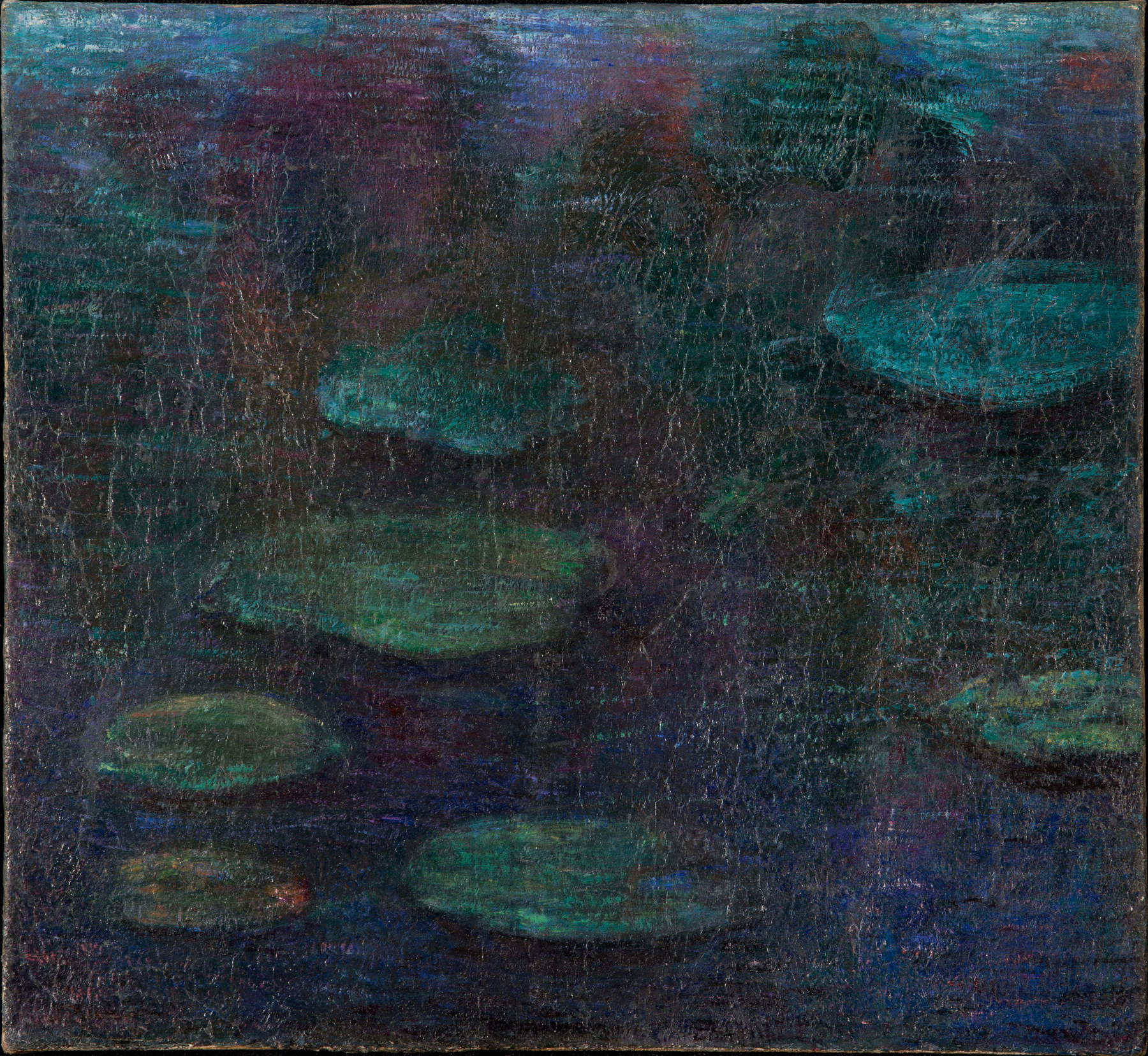
In the rooms dedicated to midday, Renoir’s view of Douarnenez Bay is on display, characterized by the intense light of the midday hours. The afternoon gives way to scenes of children at play painted by Gaetano Chierici, while the sunset is evoked by the landscapes of Nino Costa and Mario de Maria. The evening culminates with Monet’s *Water Lilies at Night* , followed by John Atkinson Grimshaw’s moonlit visions and Natale Attanasio’s works of social critique, before the exhibition concludes with a section dedicated to dreams and memory.
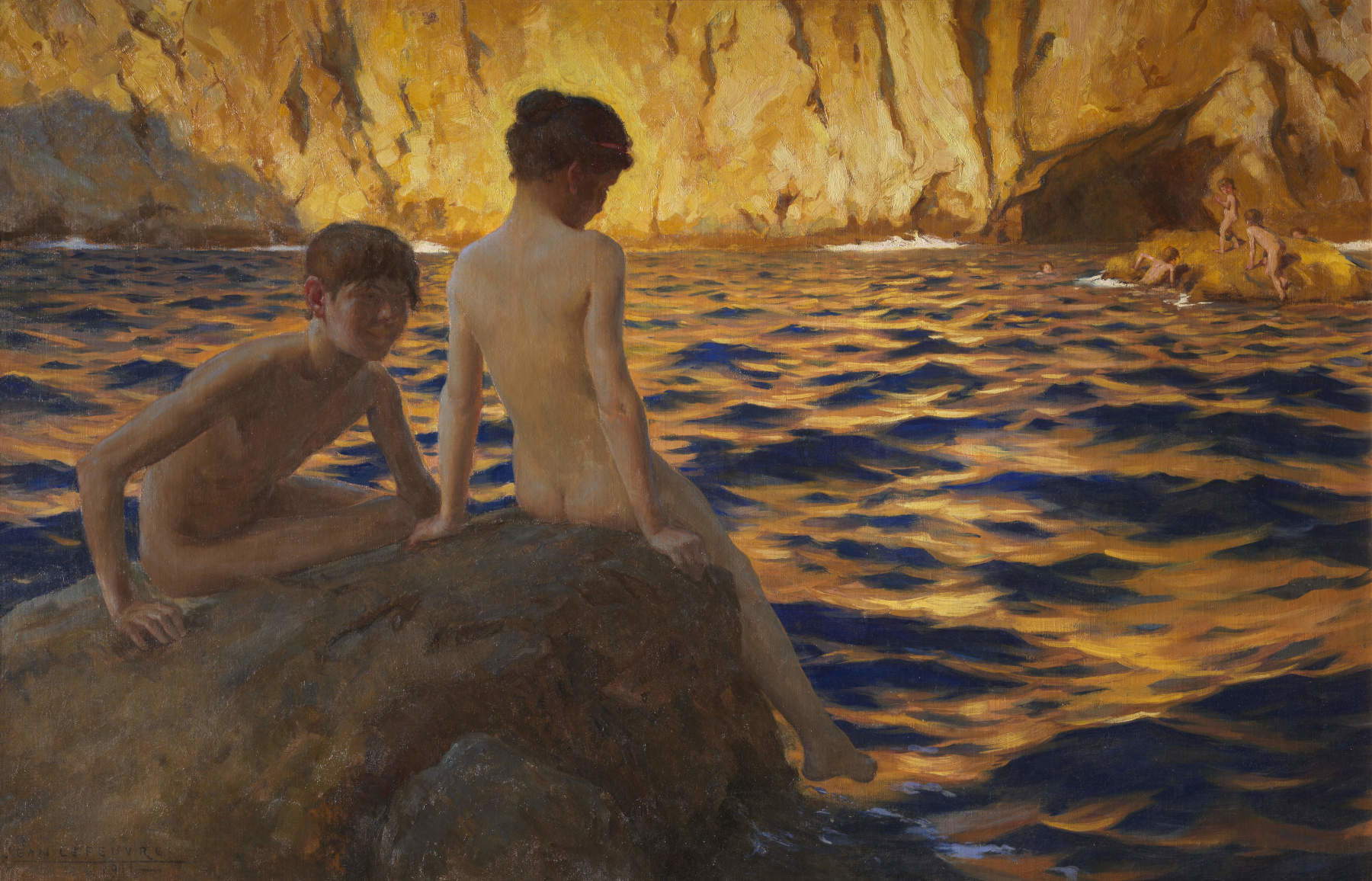
Alongside the paintings, the exhibition incorporates a sensory experience created through historical scents and ambient sounds that change from one room to another as the hours pass, from the freshness of dawn to the humidity of night. Rounding out the exhibition is a selection of literary texts: verses by Gabriele D’Annunzio accompany the sections dedicated to the morning, while those on dusk are set to the words of Giacomo Leopardi.
The exhibition is accompanied by a monographic catalog published by Moebius Books, which explores the theme of the day in the 19th century from various perspectives, including art, literature, the city, fashion, and women’s history. The essays are by Marco Bazzocchi, Maria Beatrice Bettazzi, Vincenza Maugeri, and Maria Giuseppina Muzzarelli, while the artwork descriptions are curated by Francesca Sinigaglia, Federico Troletti, and Cinzia Virno.
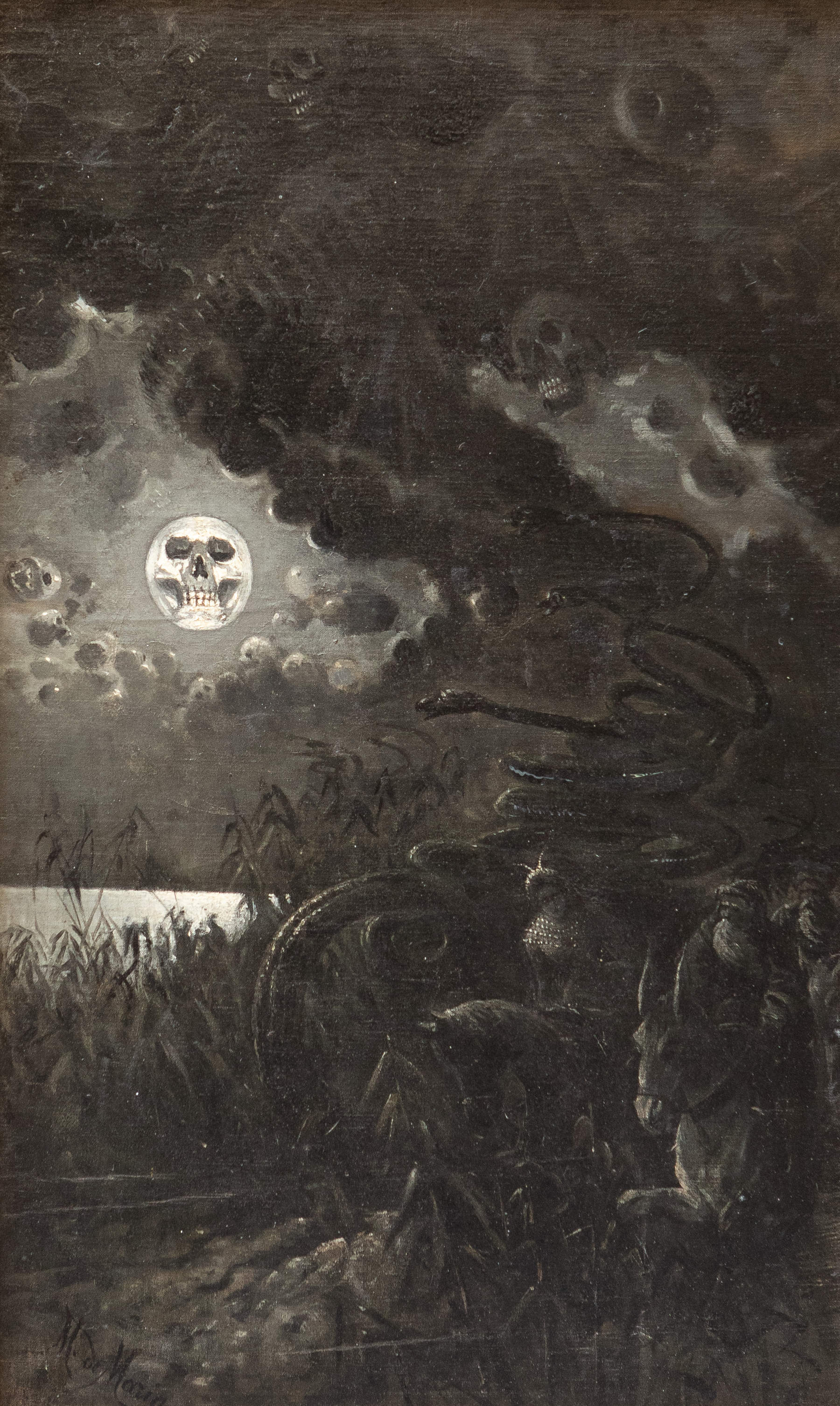
An art historian and director of the Museo Ottocento in Bologna, Francesca Sinigaglia has curated an exhibition that brings together universally renowned artists with those who are less well-known today, placing the latter alongside the great masters of 19th-century European painting. For this exhibition as well, Vertigo Syndrome is maintaining the policy already adopted in previous exhibitions: visitors who, upon completing the tour, find the experience unsatisfactory may request a full refund of their ticket price without having to provide a reason.
Hours: Tuesday through Sunday from 10:00 a.m. to 7:30 p.m. (last admission one hour before closing); closed Mondays
Admission:
Full price: 16.00 euros
Reduced: 14.00 euros
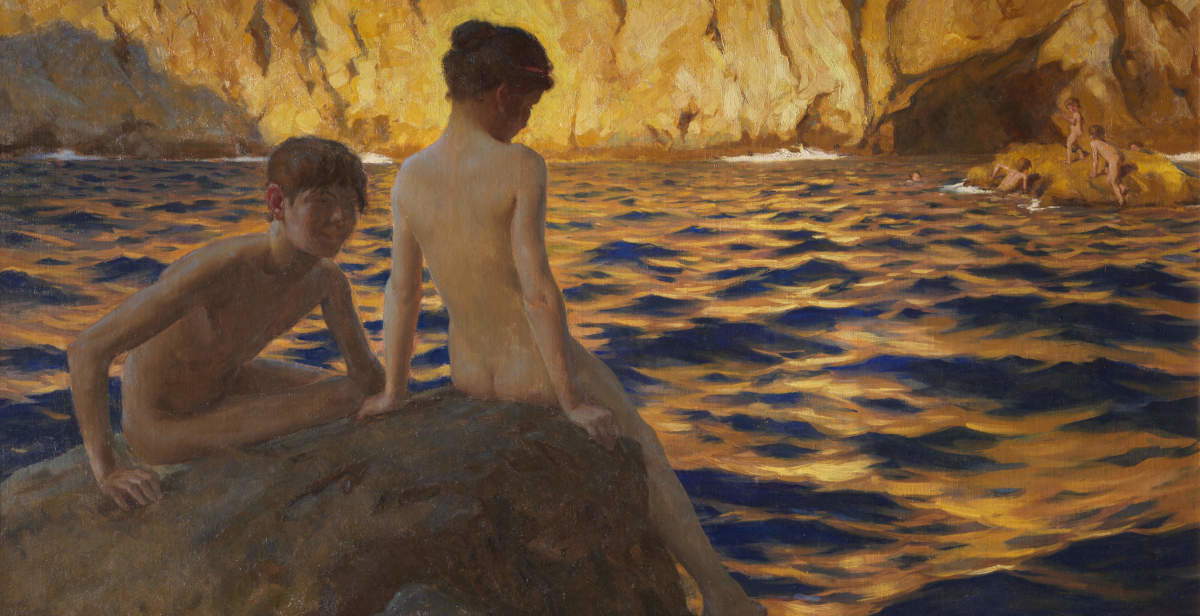 |
| In Bologna, the 19th century is brought to life through the hours of the day in over one hundred paintings |

Warning: the translation into English of the original Italian article was created using automatic tools. We undertake to review all articles, but we do not guarantee the total absence of inaccuracies in the translation due to the program. You can find the original by clicking on the ITA button. If you find any mistake,please contact us.




















 IT
IT FR
FR DE
DE ES
ES CN
CN


