





In Castelnuovo Magra (La Spezia), a photography exhibition chronicles the Basaglia Reform and the history of Italian mental hospitals up to 1978: Through October 18, 2026, the Tower of the Bishops’ Castle of Luni, in the historic center of Castelnuovo Magra, is hosting the photography exhibition *La liberazione possibile*. *The Mental Hospital, Franco Basaglia, and Us* is an exhibition project that addresses one of the most significant chapters in the social and civil history of contemporary Italy. Through a selection of images by some of the most important Italian photographers of the 20th century, the exhibition documents life inside mental hospitals before the 1978 psychiatric reform and traces the process that led to the attainment of rights, dignity, and freedom for people admitted to psychiatric hospitals.
The exhibition offers a journey through the country’s collective memory, addressing the theme of mental illness and its representation through the language of documentary photography. The exhibition focuses on the years leading up to the passage of Law 180 of 1978, the so-called Basaglia Law, which marked a radical turning point in the organizationof Italian psychiatric care, mandating the gradual closure of mental asylums and the launch of a new model of care based on respect for the individual and their rights.
The exhibition is curated by the Archivi della Resistenza in collaboration with Tatiana Agliani and brings together images by seven photographers who , with different sensibilities and approaches, documented the reality of Italian psychiatric institutions at a crucial moment in their history. On display are works by Gianni Berengo Gardin, Carla Cerati, Luciano D’Alessandro, Uliano Lucas, Paola Mattioli, Emilio Tremolada, and Enzo Umbaca—photographers who have made a decisive contribution to shaping the visual memory of the transformation of Italian psychiatry.
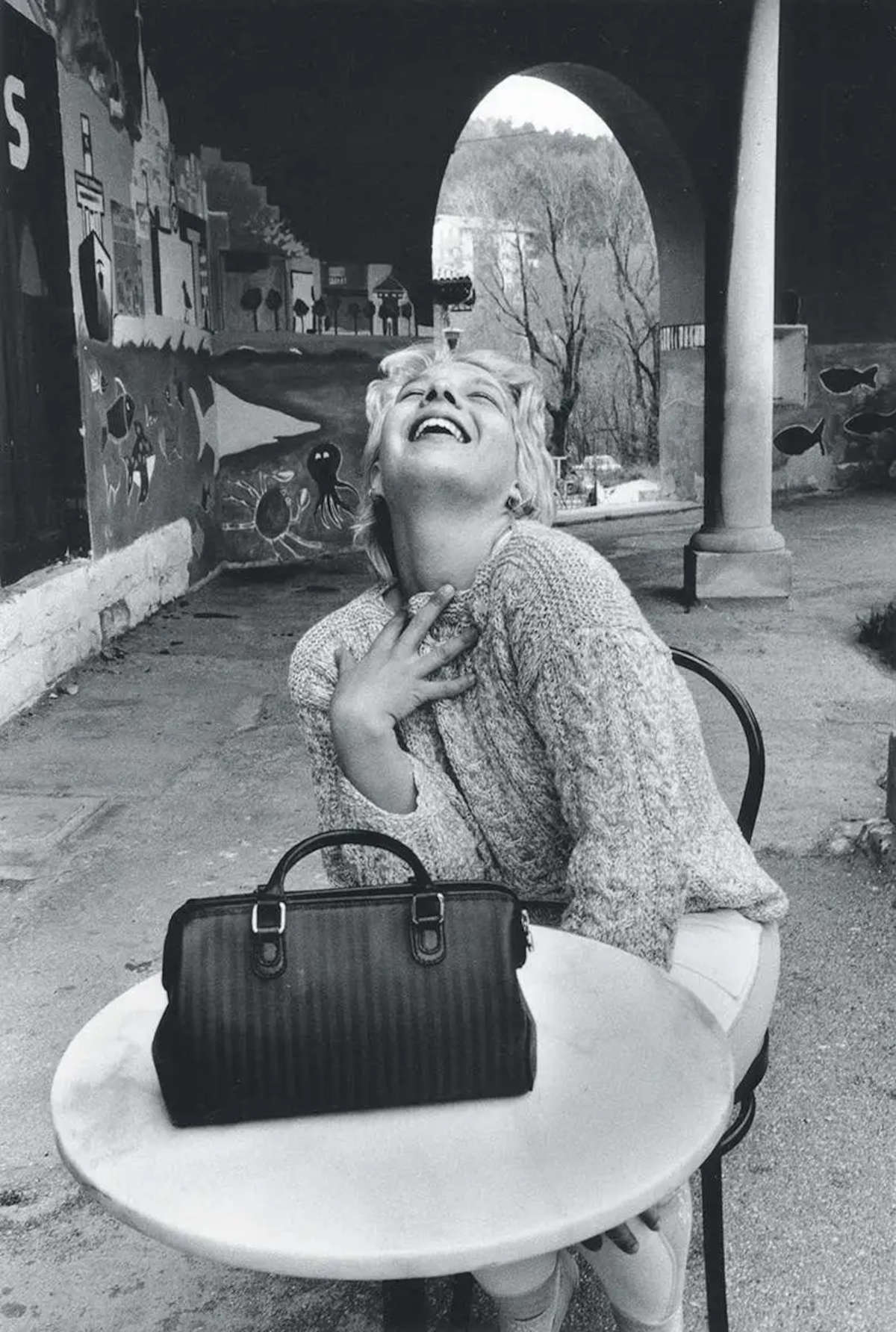
The selected photographs represent a historical record of extraordinary importance. Through these images, the conditions of those institutionalized in mental hospitals prior to the 1978 reform come to light, documenting the spaces, daily life, relationships, and practices that characterized Italian psychiatric hospitals. At the same time, the images recount the cultural and political change that accompanied the era of reforms promoted by Franco Basaglia, helping to raise public awareness of the need to move beyond a system based on isolation and segregation.
The project does not merely reconstruct a historical episode that has now come to an end, but invites reflection on the significance of the achievement of civil rights and on the role that photography has played in bringing to light realities that were previously little known or deliberately concealed. The photographers featured in the exhibition belong to the great tradition of Italian photojournalism and social photography, which, between the 1960s and 1970s, helped bring to the public’s attention issues related to living conditions in total institutions, social inequalities, and societal transformations.
In this context, the exhibition’s title, *La liberazione possibile* (Possible Liberation), evokes the process of emancipation that accompanied the reform of Italian psychiatry. The reference to Franco Basaglia underscores the central role played by the Venetian psychiatrist in promoting a new conception of mental health, based on the recognition of the individual and the abolition of the asylum system. The exhibition thus connects the past with the present, offering a reflection that encompasses not only the history of medicine but also that of Italian society and the affirmation of fundamental rights.
The exhibition will remain open until October 18, 2026, with hours varying by season. In July and August, it will be open Tuesday through Thursday from 5:30 p.m. to 8:30 p.m., while Friday through Sunday it will be open from 10:30 a.m. to 12:30 p.m. and from 5:30 p.m. to 8:30 p.m. In September and October, it will be open on Saturdays and Sundays from 10:30 a.m. to 12:30 p.m. and from 3:30 p.m. to 7:30 p.m. Admission is 8 euros for full price and 5 euros for reduced price. Purchasing a ticket also entitles you to a discount on admission to the Audiovisual Museum of the Resistance in Fosdinovo.
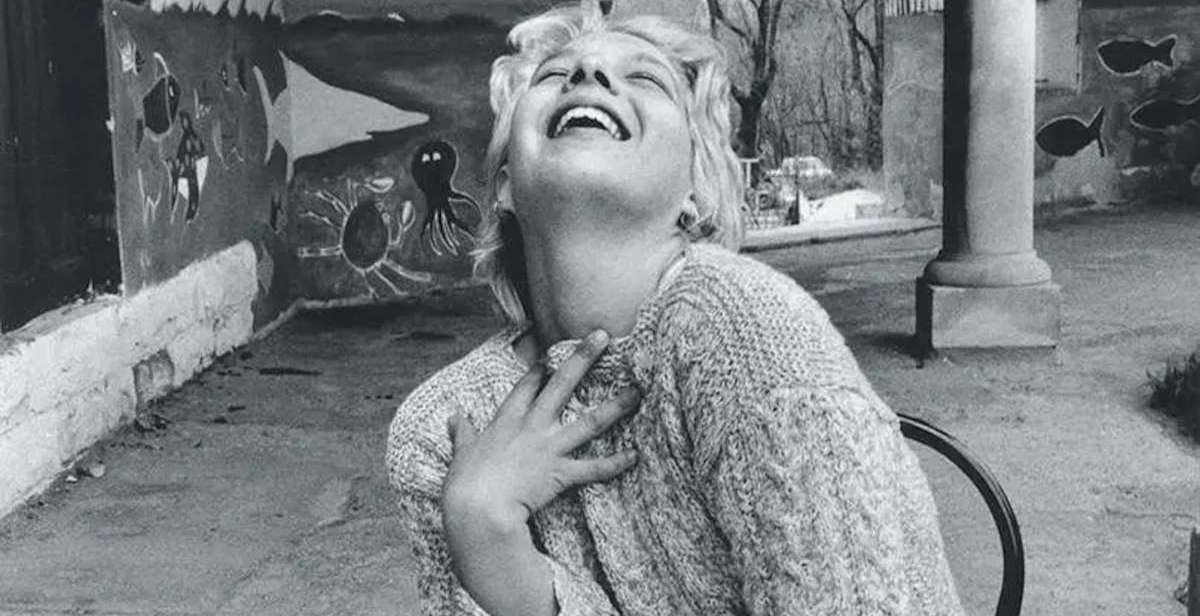 |
| In Castelnuovo Magra, an exhibition chronicles Basaglia’s revolution and the end of mental hospitals |

Warning: the translation into English of the original Italian article was created using automatic tools. We undertake to review all articles, but we do not guarantee the total absence of inaccuracies in the translation due to the program. You can find the original by clicking on the ITA button. If you find any mistake,please contact us.

























 IT
IT FR
FR DE
DE ES
ES CN
CN


