




by Redazione 05/09/2026



Categories: Exhibitions / Disclaimer
From September 27, 2026, to January 6, 2027, the Museum of the History of Psychiatry in Reggio Emilia will host “Manicomi italici,” a photography project by Silvia Camporesi and Luca Marianaccio that emerged from research on former psychiatric institutions in Italy.

From September 27, 2026, to January 6, 2027, the Museum of the History of Psychiatry in Reggio Emilia will host *Manicomi italici*, a photography project by Silvia Camporesi and Luca Marianaccio that emerged from research on former psychiatric institutions in Italy. The exhibition presents to the public for the first time a selection of the work created through the “Strategia Fotografia 2025” initiative. The project, sponsored by the Civic Museums of the City of Reggio Emilia in collaboration with AUSL RE, brings to the Museum of the History of Psychiatry a photographic exploration of the fate of former mental hospitals following the closure of psychiatric hospitals mandated by the Basaglia Law. The opening is scheduled for Sunday, September 27, at 4:30 p.m., as part of Mental Health Week organized by the Reggio Emilia Local Health Authority (AUSL) – IRCCS. The presentation will feature the artists Silvia Camporesi and Luca Marianaccio, curator Cesare Pomarici, and representatives from the institutions.

*Manicomi italici* stems from a survey conducted by Camporesi and Marianaccio throughout Italy. The research examined psychiatric facilities that have since been abandoned or transformed through restoration and repurposing projects, documenting at least one site in each Italian region. The result is a mosaic of highly diverse architectural styles and landscapes. The photographed buildings include ancient convents, noble villas, fortresses, agricultural colonies, and large monumental complexes, all of which share the common history of having served as sites for psychiatric confinement.


Following the closure of psychiatric hospitals mandated by the Basaglia Law, these spaces took different paths. Some have remained abandoned; others have been renovated and repurposed; in other cases, the passage of time has left deep traces, transforming them into true “architectures of memory.” This photographic research thus aims to highlight a still-unresolved presence across Italy. Former mental hospitals continue to be part of the urban and peri-urban landscape, yet their historical and social legacy does not seem to have been fully assimilated.
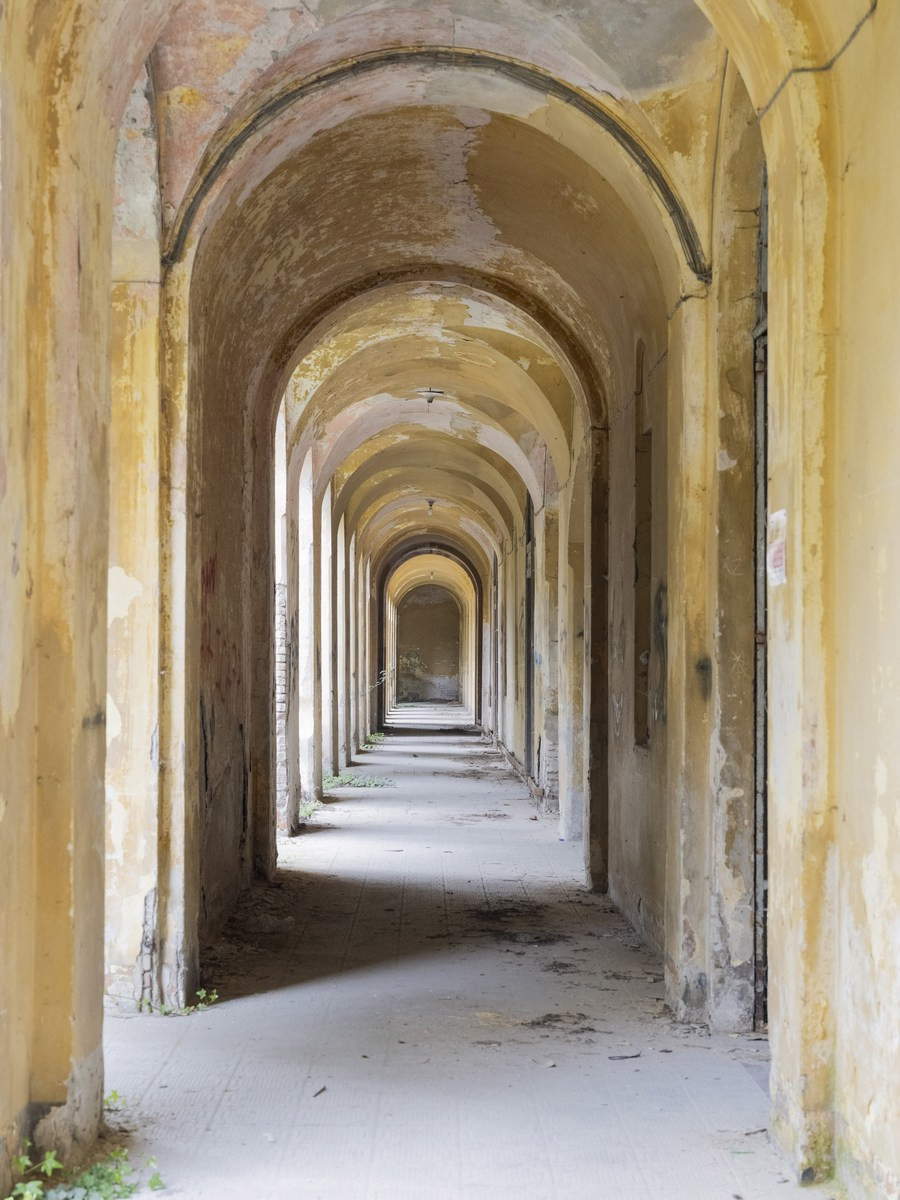
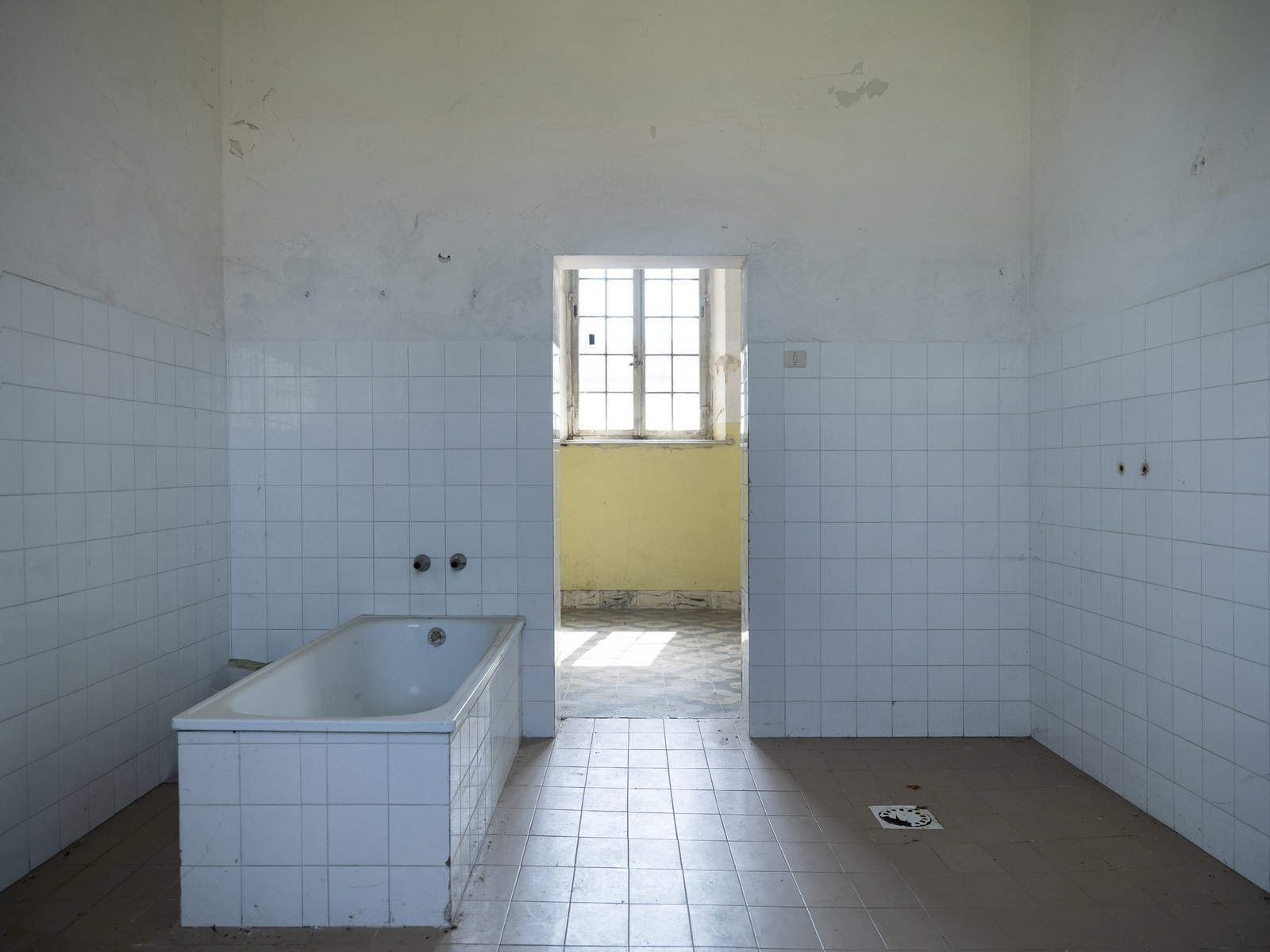
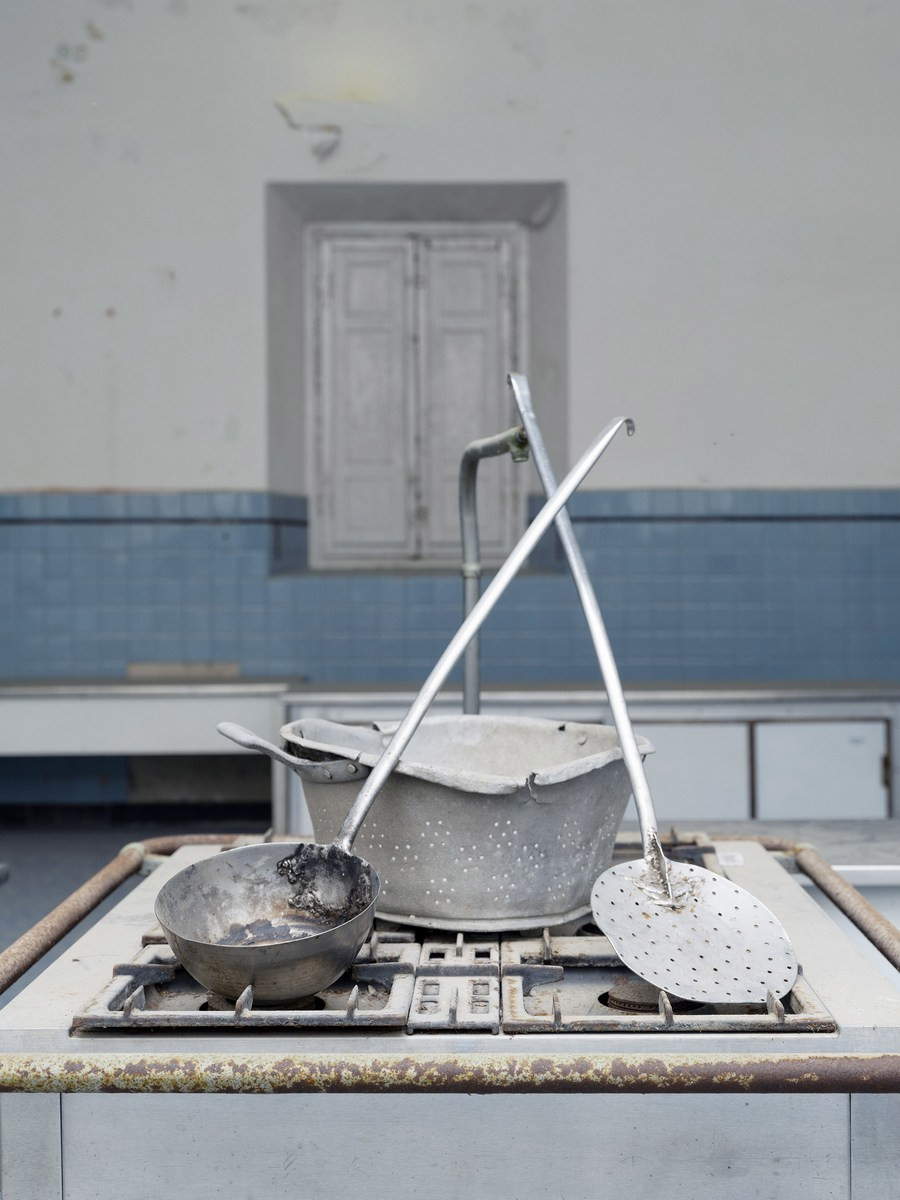
Twenty photographs were selected for the exhibition in Reggio Emilia, ten by each artist. The images were chosen from a collection of over one hundred photographs produced during the national research project.
The exhibition thus represents the first public presentation of a broader project, which takes a second form in the book *Manicomi italici*, published in 2026 by Quodlibet and scheduled to be unveiled during the exhibition’s run. The book includes an introductory essay by Cesare Pomarici, interviews with the two photographers conducted by Amelia Rusticali, and a contribution by psychiatrist Paolo Milone, as well as an extensive collection of images that captures the national scope of the investigation.
“The project,” writes Cesare Pomarici, “documents a representative selection of these complexes, capturing their physical presence, architecture, and relationship with the surrounding landscape. The images go beyond mere documentation: they interrogate the space, reveal the changes in its use following its closure, and bring to the surface a collective memory that remains unresolved. In the background lies the issue that Franco Basaglia and his collaborators brought to light—and which remains highly relevant today: mental health as a social, cultural, and community issue.”
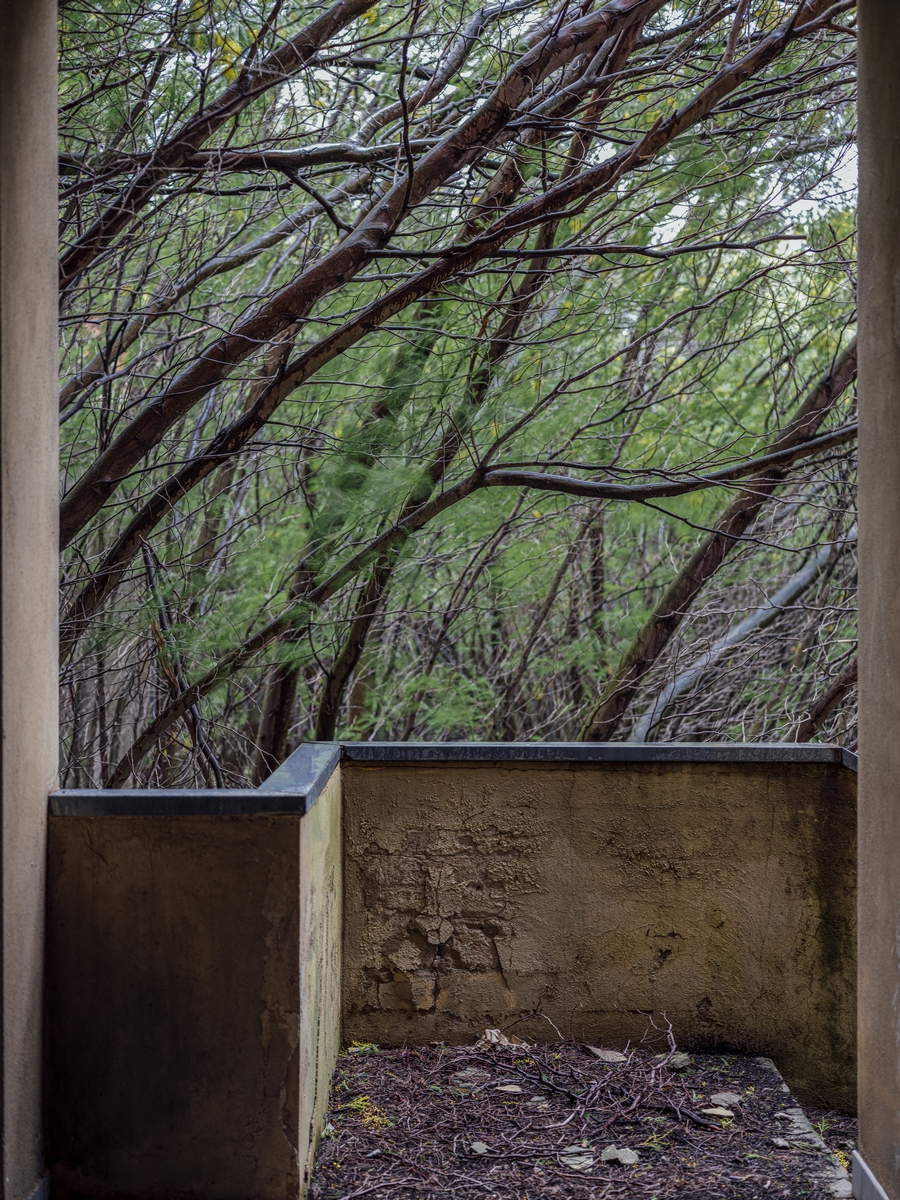
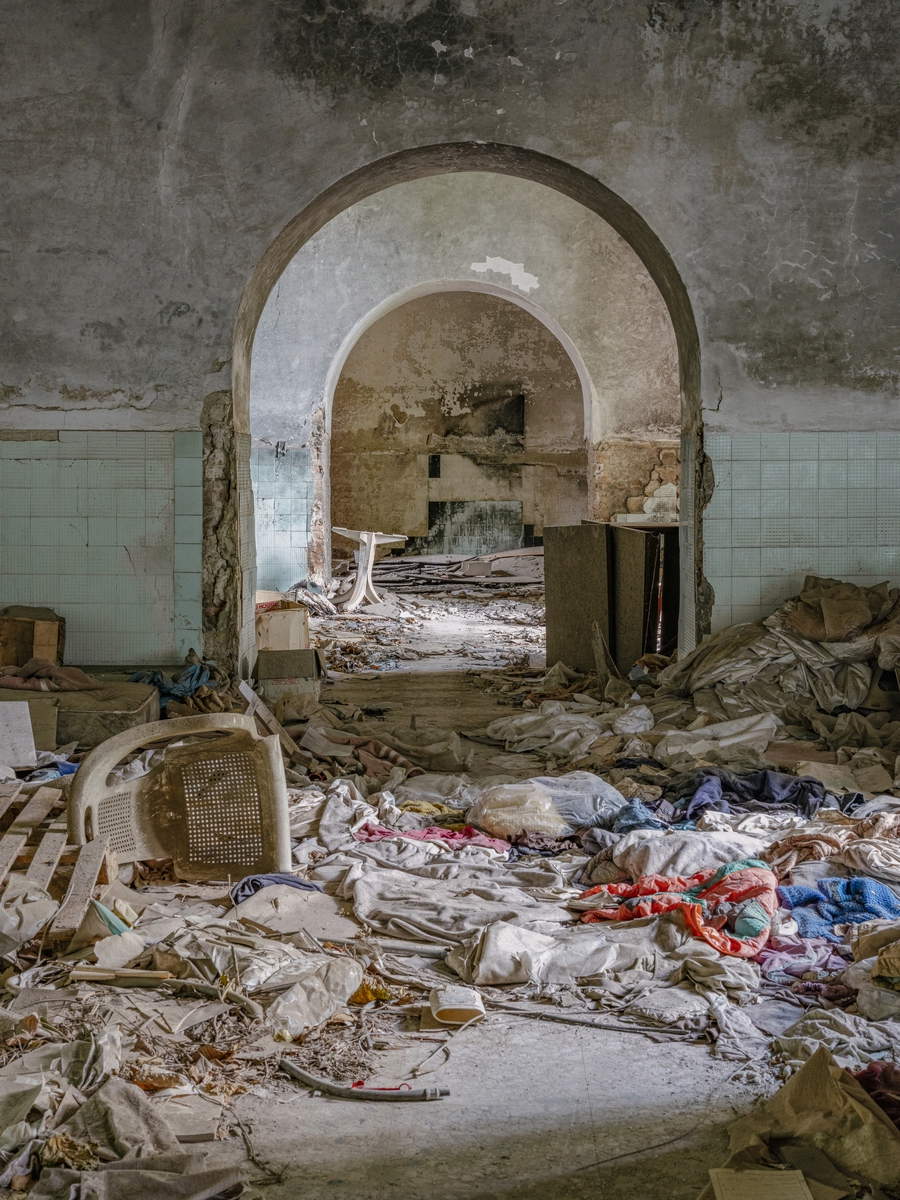
By comparing abandoned sites, restored buildings, and repurposed structures, *Manicomi italici* examines what remains of a pivotal era in the history of Italian psychiatry. The photographs, therefore, do more than simply document the architecture of the former mental hospitals; they construct a visual map of transformations still underway. The heritage depicted by the artists illustrates the transition from an original function that is now obsolete to new possible destinies, ranging from preservation to abandonment and reuse.
The project was carried out as part of “Strategia Fotografia 2025,” a public call for proposals promoted by the General Directorate for Contemporary Creativity of the Ministry of Culture and dedicated to selecting proposals for the acquisition, commissioning, and promotion of Italian photography and photographic heritage.
At the end of the exhibition, the twenty photographs presented at the Museum of the History of Psychiatry will become part of the permanent collections of the Civic Museums of Reggio Emilia.
“Manicomi italici” will be on view at the Museum of the History of Psychiatry in Reggio Emilia from September 27, 2026, to January 6, 2027. The exhibition is open on Saturdays and Sundays from 3:00 p.m. to 6:00 p.m. Admission is free.
|
| In Reggio Emilia, photography tells the story of former psychiatric hospitals |
Warning: the translation into English of the original Italian article was created using automatic tools. We undertake to review all articles, but we do not guarantee the total absence of inaccuracies in the translation due to the program. You can find the original by clicking on the ITA button. If you find any mistake,please contact us.