



by Redazione 31/08/2026



Categories: Exhibitions / Disclaimer
The Luigi Pecci Center for Contemporary Art in Prato presents “Lorenza Longhi: Villa Delizia,” the Lombard artist’s first solo exhibition at an Italian institution. The exhibition explores the relationship between desire, consumption, and objects in contemporary society.

From September 19, 2026, to January 10, 2027, the Luigi Pecci Center for Contemporary Art in Prato is dedicating the exhibition *Villa Delizia*, curated by Michele Bertolino, to Lorenza Longhi (Lecco, 1991) the exhibition *Villa Delizia*, curated by Michele Bertolino, the artist’s first solo exhibition at an Italian institution. The project continues the Pecci Center’s ongoing effort to explore the work of Italian artists who occupy a significant position in the national and international art scene.
Longhi’s practice explores the construction of desire and the circulation of objects in contemporary society, focusing in particular on the mechanisms through which goods are presented, desired, and consumed. The artist observes everyday life and uses elements linked to the world of consumerism—from designer furniture to fabrics and trimmings—to challenge the codes that govern our relationship with objects.
Elements such as ornamentation, kitsch, and glamour recur in Lorenza Longhi’s works, serving to bring to the surface the aesthetic codes shared by society. These languages, however, are subjected to a process of ambiguity: what appears attractive and desirable is simultaneously called into question.


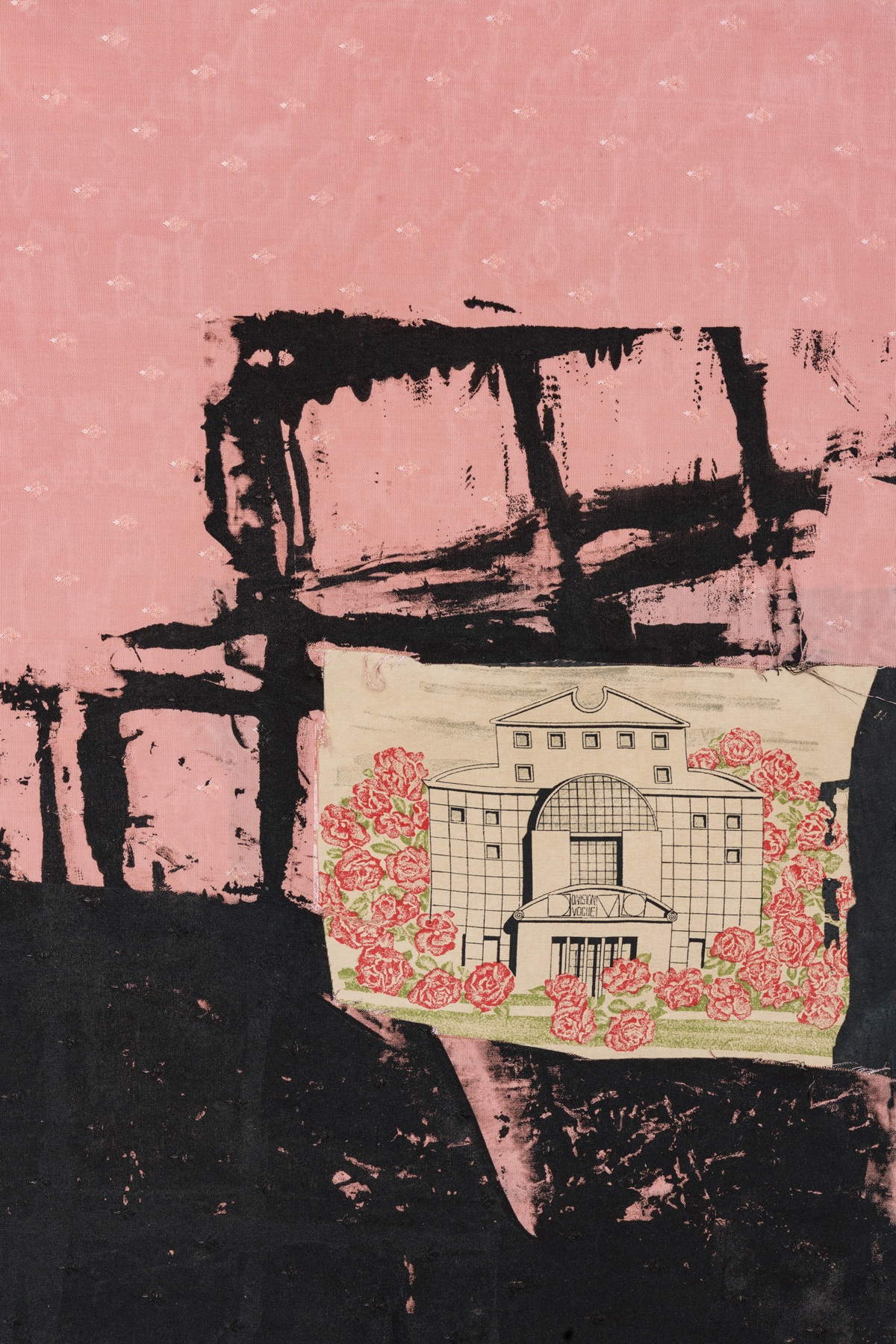
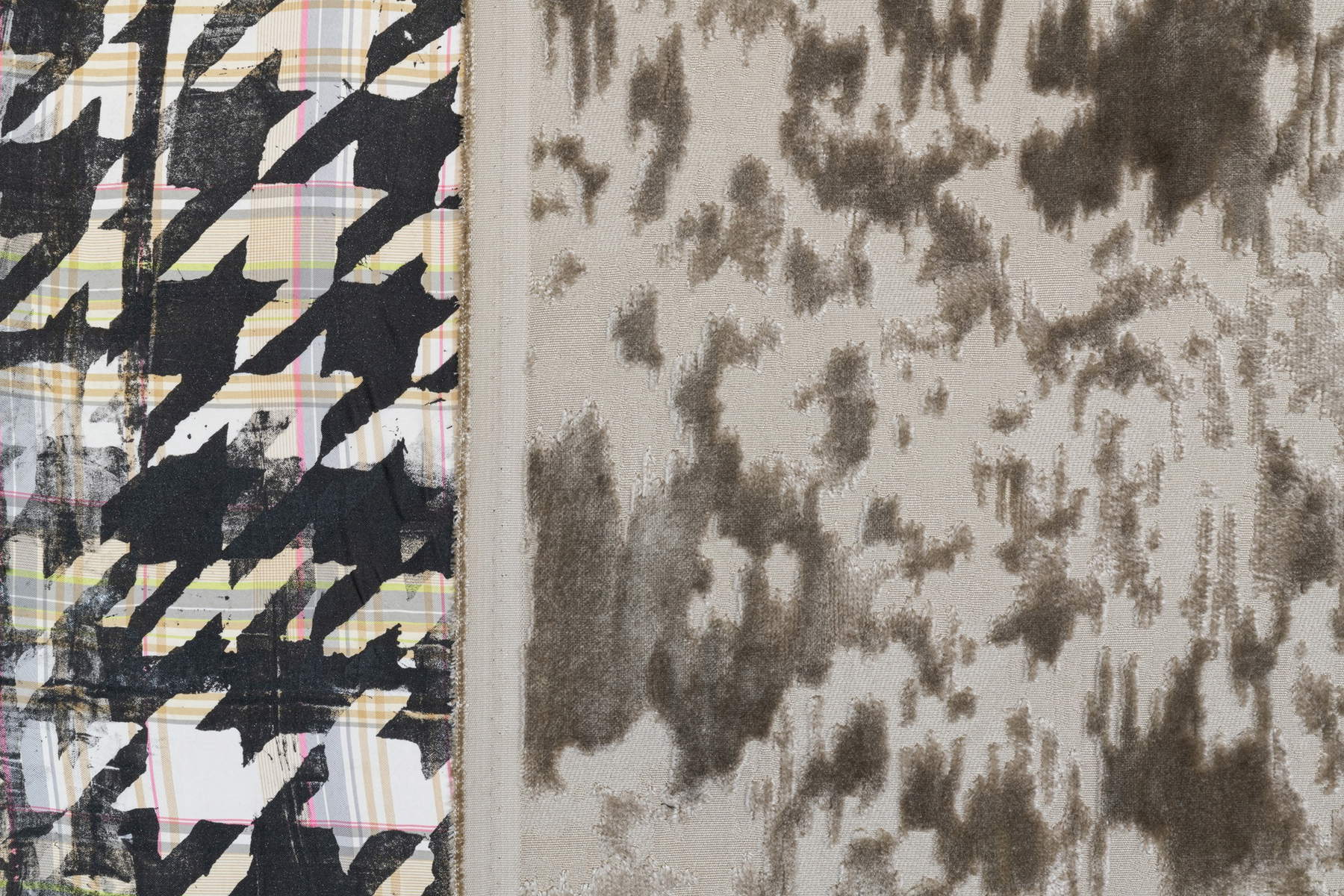
The goal is to make visible the forms through which desire is constructed, while simultaneously creating a space for awareness in which the public can reflect on the mechanisms of consumption and taste. DIY plays an important role in the artist’s practice. Longhi combines found and reclaimed materials and experiments with a unique form of screen printing without a stencil, using stencils and reclaimed fragments directly on the printing surface. The reuse of materials thus allows even errors, accidents, and unexpected variations to be valued, transforming them into an integral part of the work. Failure therefore takes on a specific value: it becomes a form of resistance to the rhetoric of efficiency and perfection that characterizes contemporary society.
Heldin the Nio Wing with the support of Cellerese, the exhibition directly engages with the architecture of the Pecci Center, transforming the exhibition space into an immersive environment. Longhi works with the circular skylights, reupholsters the institution’s historic sofas, and incorporates some of the display solutions conceived by Formafantasma for the Pecci Center’s permanent collection. Trim, seating, cushions, a portal, and several window decals contribute to the creation of an environment that does more than simply house the artworks; it becomes an integral part of the project. The exhibition design thus draws attention to the exhibition strategies themselves and to the way in which the organization of a space can influence and guide the visitor’s gaze. Architecture is thereby transformed into a tool through which to reflect on the perception of art and on the ways in which objects are presented to the public.
For the exhibition, Lorenza Longhi also created several large canvases, all produced specifically for the occasion. For these works, the artist selected fabrics from manufacturers and companies in the Prato area, including Cangioli 1859 and Tessilfibre. Longhi treated these materials using screen printing and flocking techniques, carried out in collaboration with Floccatura Balmar. The fabrics are stripped of their original function and recontextualized within the artwork. Through this process, materials associated with industrial production and consumption become elements of compositions of great formal refinement.
However, this transformation also serves to reveal the economic, symbolic, and cultural dynamics that underpin contemporary production. The recontextualization of the materials thus takes on a critical function, bringing to light aspects that normally remain hidden behind the everyday use of objects.
The exhibition is accompanied by a publication issued by Mousse Publishing, conceived by the artist as a full-fledged catalog of the works on display. Titled *Opera d’arte nella Villa Delizia*, the volume brings together essays dedicated to Longhi’s work by fashion historian and curator Marta Franceschini, curator Alice Motard, art historian Giorgio Motisi, and curator Michele Bertolino. Through original texts and diverse critical perspectives, the book broadens the interpretation of the works on display and explores the themes that run through the artist’s practice: from consumption to aesthetics, from ornamentation to industrial production, and finally to the relationship between objects, desire, and the exhibition space.
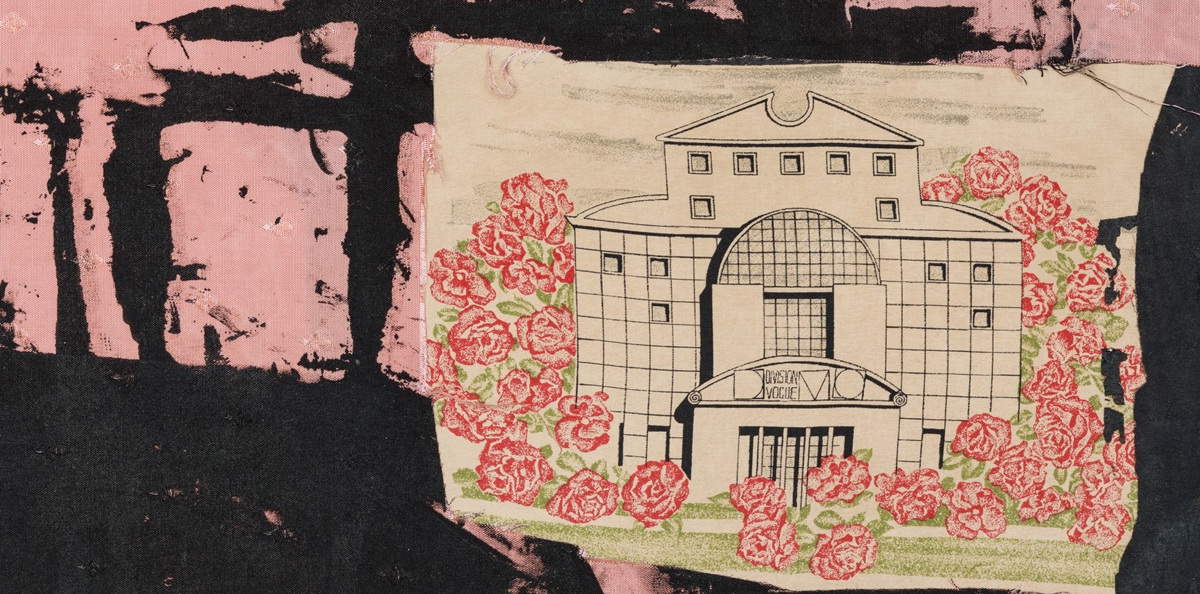 |
| Lorenza Longhi at the Pecci Center in Prato with *Villa Delizia*, her first solo exhibition at an Italian institution |
Warning: the translation into English of the original Italian article was created using automatic tools. We undertake to review all articles, but we do not guarantee the total absence of inaccuracies in the translation due to the program. You can find the original by clicking on the ITA button. If you find any mistake,please contact us.