



by Redazione 28/10/2026


Categories: Exhibitions / Disclaimer
More than one hundred works trace the history of the Medici collection at the time of Lorenzo the Magnificent’s death in 1492. Masterpieces that were once part of the collection of the ruler of Florence will arrive at the Pitti Palace from the Uffizi, the National Gallery in London, the Louvre, and other international institutions.

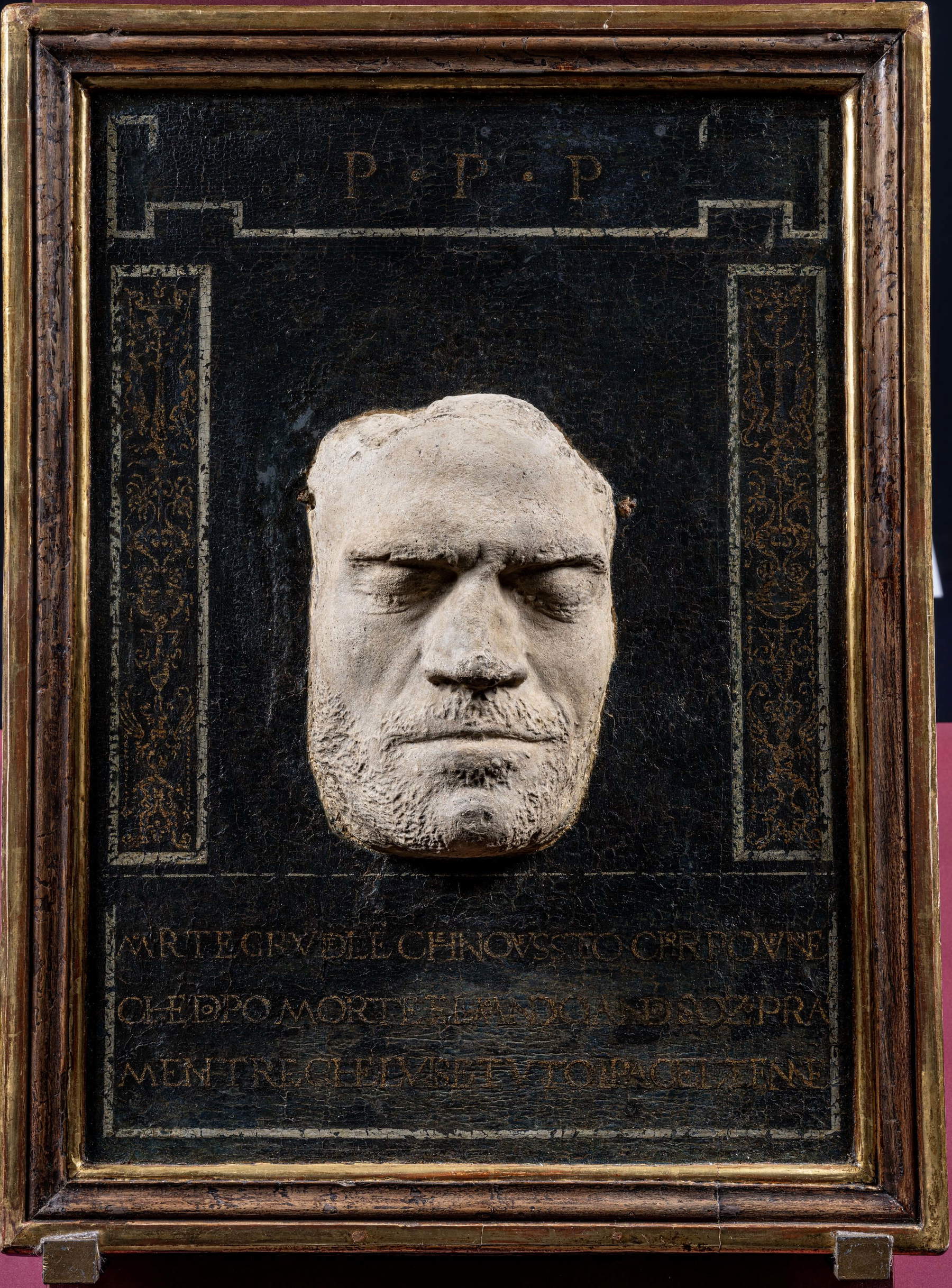
The collection of Lorenzo the Magnificent (Florence, 1449 – 1492) was much more than a collection of paintings and sculptures: among the works and objects preserved in the Medici residence on Via Larga in Florence were gems, cameos, coins, vases, manuscripts, maps, and items of every kind. A diverse collection, in which artistic interests, intellectual curiosities, and a passion for collecting coexisted, and which offers a close-up view of the relationship between culture and power in 15th-century Florence. The exhibition *Magnifico 1492*, scheduled from December 3, 2026, to March 1, 2027, in the Grand Ducal Treasury on the ground floor of Palazzo Pitti in Florence, will reconstruct the composition and layout of this collection within the family residence.


The Uffizi Galleries’ project is based on the collection as it was described and inventoried in 1492, the year of Lorenzo de’ Medici’s death, and will bring together over one hundred works from Italian and foreign museums. The exhibition will not merely present a selection of artifacts that belonged to “il Magnifico,” but aims to reconstruct the collection as a whole, clarifying the placement of the objects within the rooms of the former Medici residence, now known as the Palazzo Medici Riccardi, and exploring the historical, artistic, and philosophical-theological reasons that guided the family’s collecting choices.


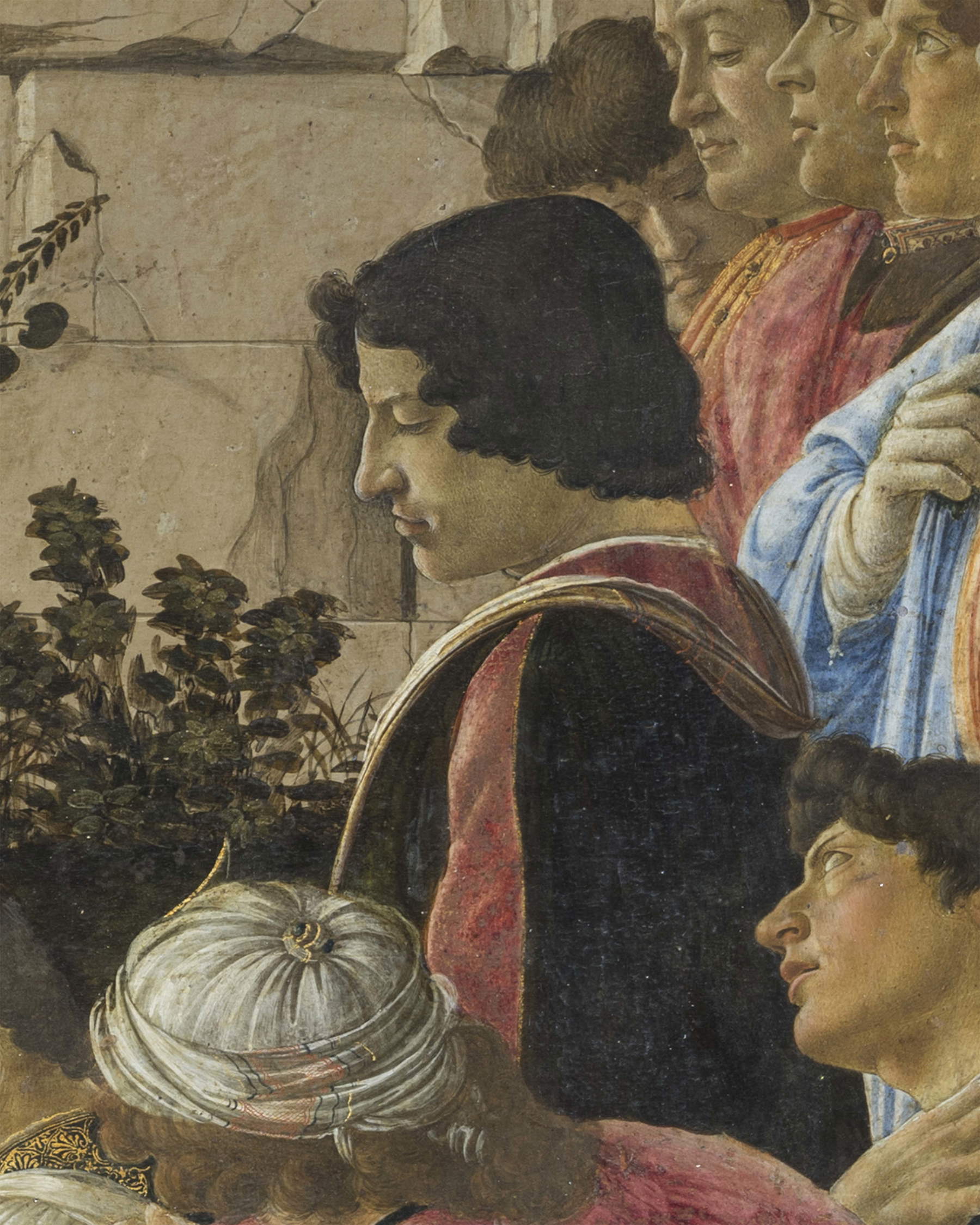
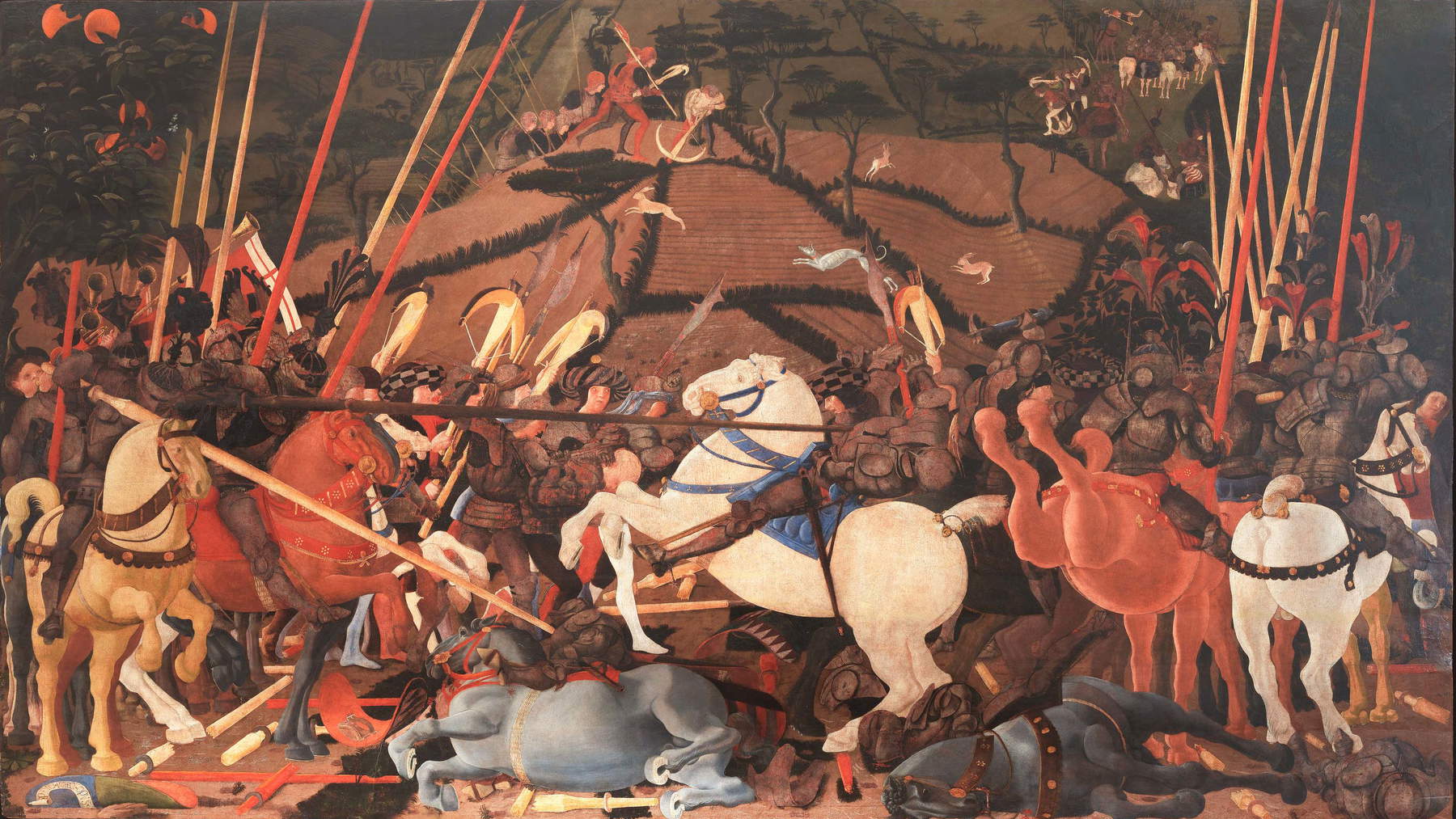
Among the announced loans, one reunion stands out, allowing visitors to view together three paintings currently housed in three different European institutions: Paolo Uccello’s Battle of San Romano, in the versions held at the Uffizi Galleries in Florence, the National Gallery in London, and the Louvre in Paris. The exhibition will bring the trilogy together, temporarily reuniting a set that once belonged to the Medici residence and is now divided among Florence, London, and Paris.
The three panels depict episodes from the battle fought in 1432 between the Florentines and the Sienese: their reunion will allow visitors to view in the same place works that were separated by the dispersal of the collections, restoring—at least temporarily—a comprehensive view of the cycle. The Uffizi’s press release highlights this reunion as one of the exhibition’s exceptional highlights, which will bring works linked to the history of the Magnifico’s collection back to Palazzo Pitti.
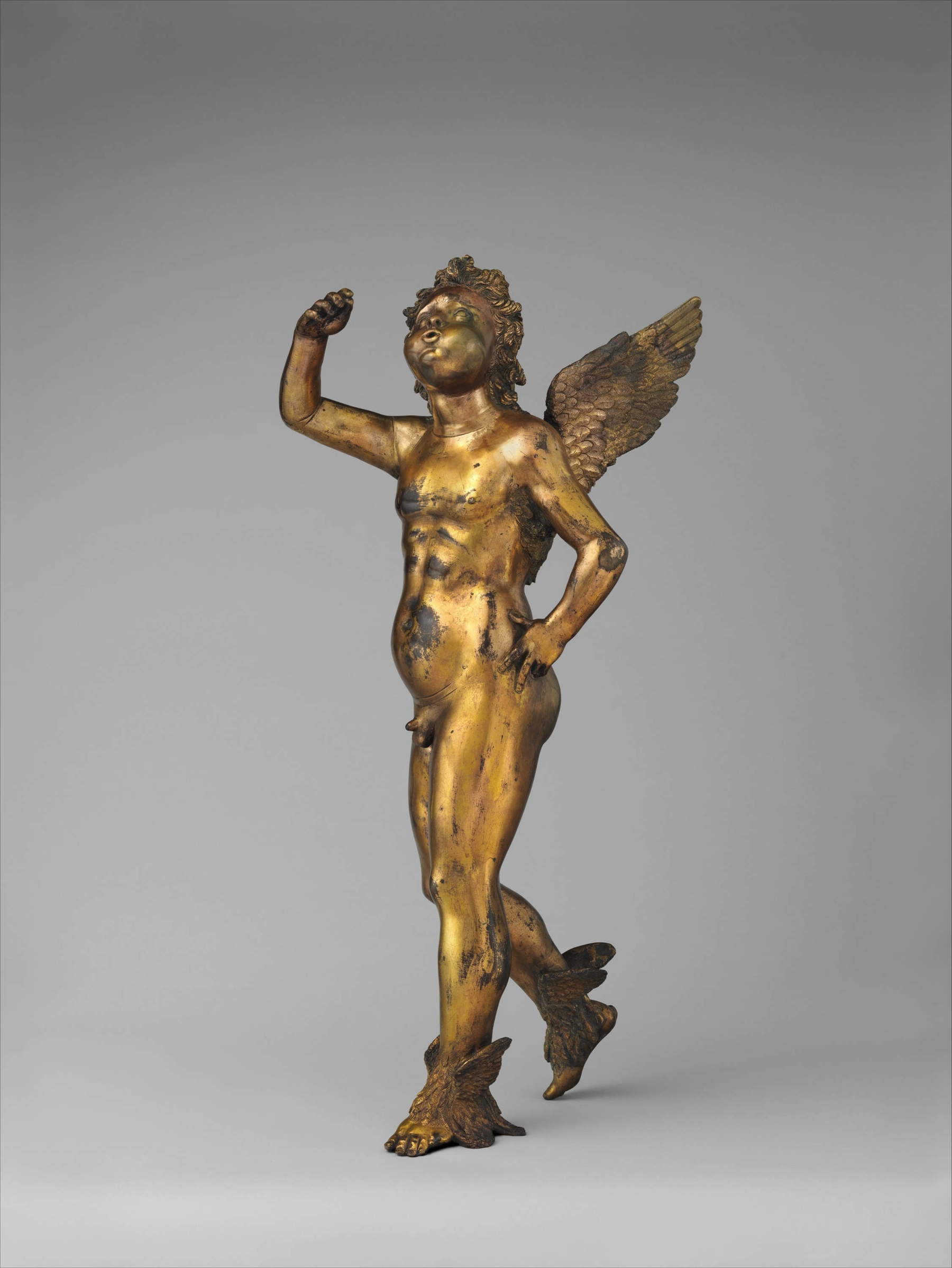
Another significant loan will be Donatello’s *Spiritello* , a gilded copper sculpture currently housed at the Metropolitan Museum of Art in New York. The work was originally placed in the fountain of the courtyard at Lorenzo’s residence in Palazzo Medici: its temporary return to Florence will thus allow the sculpture to be reconnected not only to its creator but also to one of the settings for which it was originally intended.
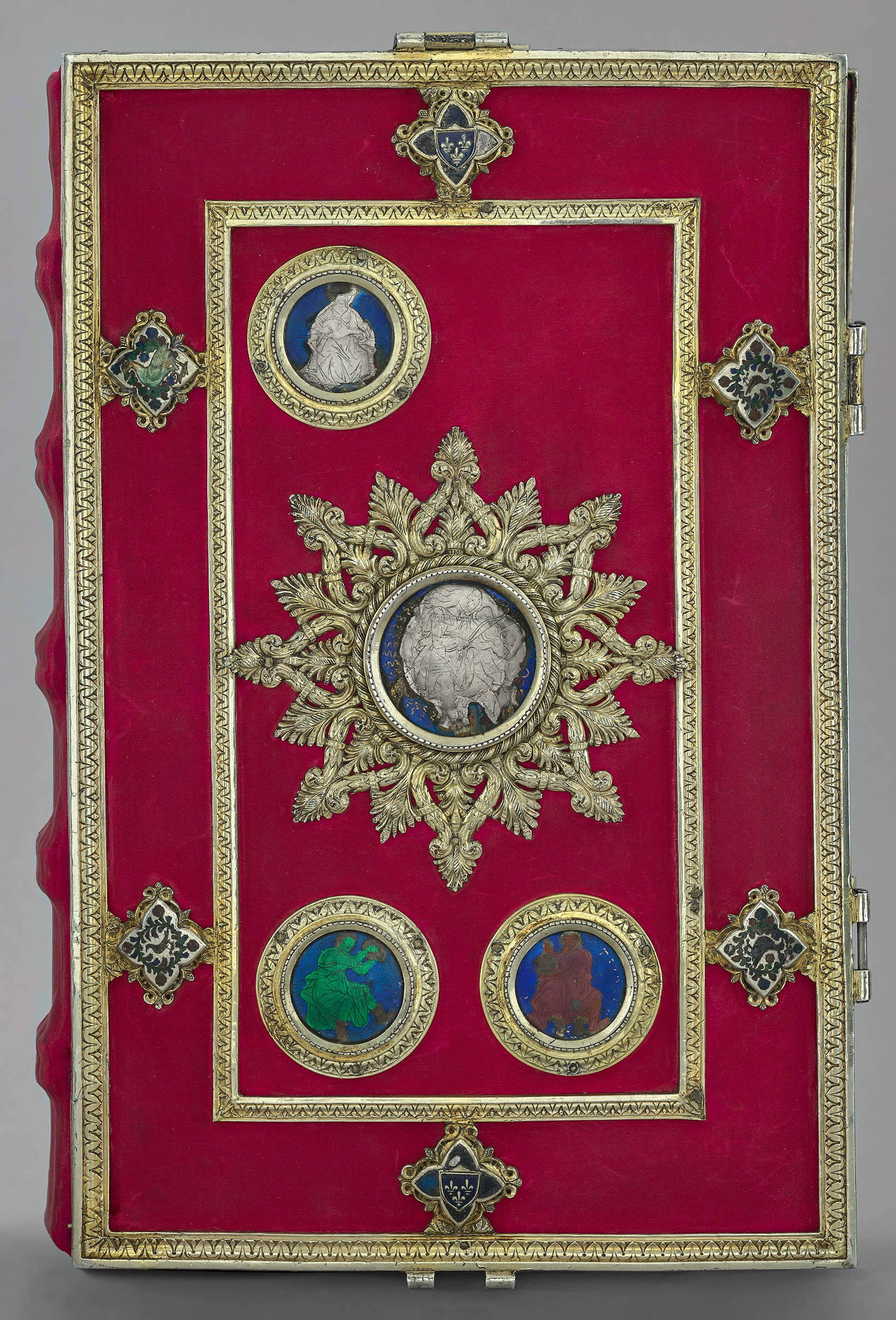
From sculpture to miniatures, the exhibition will also feature a manuscript by Francesco Petrarca containing the *Trionfi*, on loan from the National Library of Paris. According to the organizers, Lorenzo had it made specifically for himself, commissioning its decoration with miniatures and its binding with special craftsmanship, and kept it in his own study. The manuscript thus documents another aspect of Medici collecting, in which the collection of works and objects also included precious books, selected and commissioned for their owner’s personal library.
Paintings and sculptures will represent only part of the exhibition: vases, gems, cameos, coins, manuscripts, and maps will help convey the diversity of the collection and offer a glimpse into the interests that characterized the Medici family. The exhibition aims to go beyond the traditional image of Lorenzo as a patron of the arts by placing the collected objects within the context in which they were gathered and preserved.
The stated goal is also to explore the political significance of the Medici’s choices. “The exhibition,” says Simone Verde, director of the Uffizi Galleries, “offers an opportunity to reflect on the collecting practices of the early Medici up to Lorenzo the Magnificent, drawing on previously unpublished scholarly research. The goal is to explain the significance of their collecting choices in light of the political agenda that drove the Medici dynasty: to consolidate and extend the power and influence of their lineage throughout Italy and even beyond the peninsula’s borders.”
The collection is thus presented as a key to understanding not only the Magnificent’s artistic preferences but also the role that cultural heritage could play in the dynasty’s strategies. According to the organizers, this reconstruction is based on scientific and curatorial research that has also led to new discoveries in the fields of art history and history.
Lorenzo di Piero de’ Medici, known to history as Lorenzo the Magnificent, is the most famous member of the family that ruled Florence and Tuscany between the 15th and 17th centuries. A skilled politician and patron of the arts, he was associated with some of the leading intellectuals of his time, including Angelo Poliziano, Marsilio Ficino, and Giovanni Pico della Mirandola, as well as artists such as Sandro Botticelli and Michelangelo. His role in supporting the arts helped make his name one of the most recognizable symbols in the history of Renaissance patronage.
The exhibition will be on view at Palazzo Pitti from December 3, 2026, to March 1, 2027, Tuesday through Sunday, from 8:15 a.m. to 6:30 p.m., with last admission at 5:30 p.m. Tickets will be available for booking on the Uffizi Galleries website starting November 2, 2026.
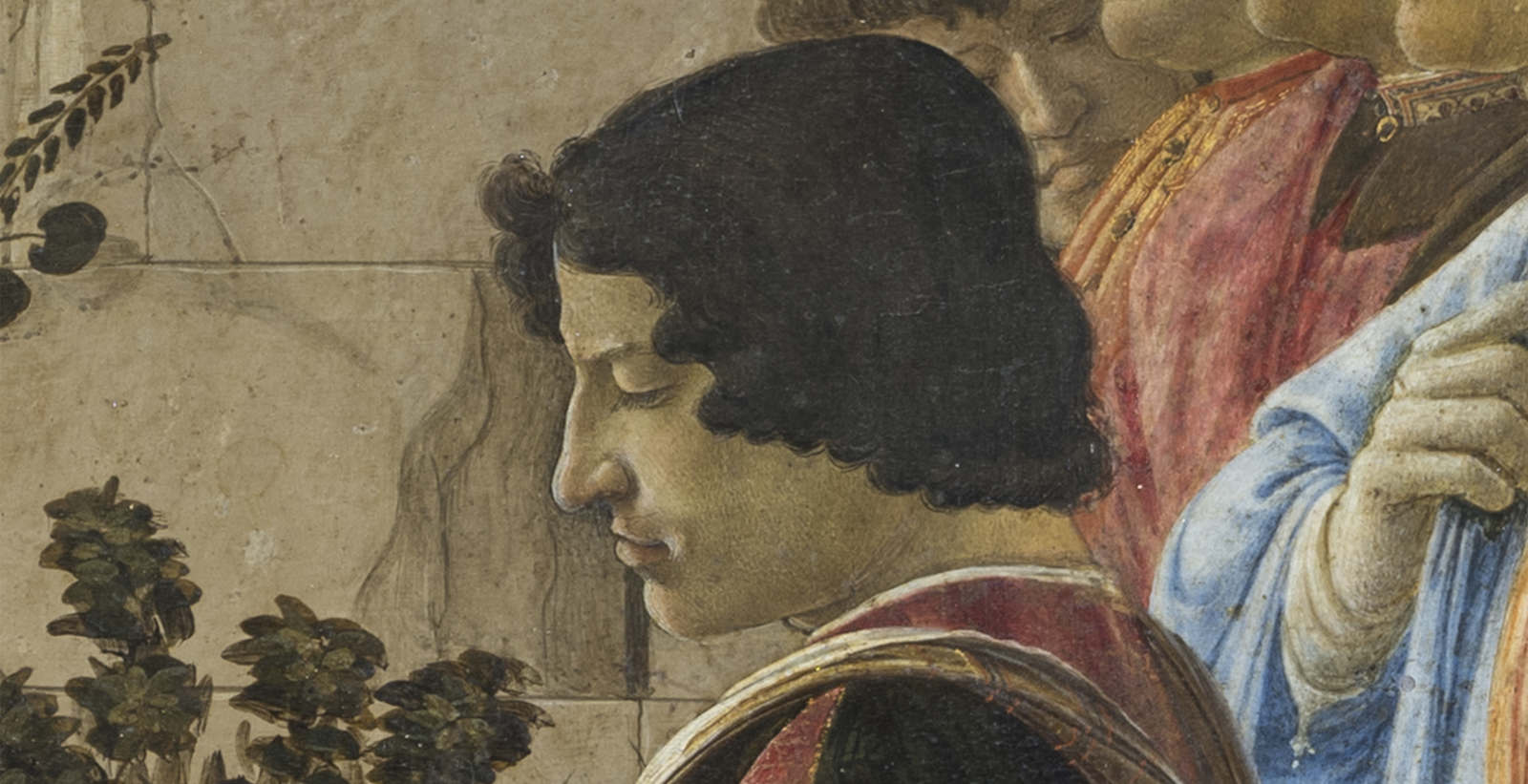 |
| Lorenzo the Magnificent's collection comes to life again in an exhibition in Florence |
Warning: the translation into English of the original Italian article was created using automatic tools. We undertake to review all articles, but we do not guarantee the total absence of inaccuracies in the translation due to the program. You can find the original by clicking on the ITA button. If you find any mistake,please contact us.