





From November 6, 2026, to March 14, 2027,the Orangerie at the Royal Palace of Monza will present an exhibition dedicated to Luigi Conconi (1852–1917), an artist who was among the leading figures of the Milanese art scene at the turn of the 20th century and a prominent exponent of the Scapigliatura movement. Curated by Simona Bartolena, the exhibition brings together more than 80 works—including paintings, drawings, and engravings—from public and private collections, with the aim of retracing the career of an artist who has long remained on the margins of major exhibition circuits.
Produced and organized by ViDi cultural in collaboration with the Consorzio Villa Reale e Parco di Monza, the exhibition aims to refocus attention on Conconi’s body of work a century after the last monographic exhibition dedicated to his painting.
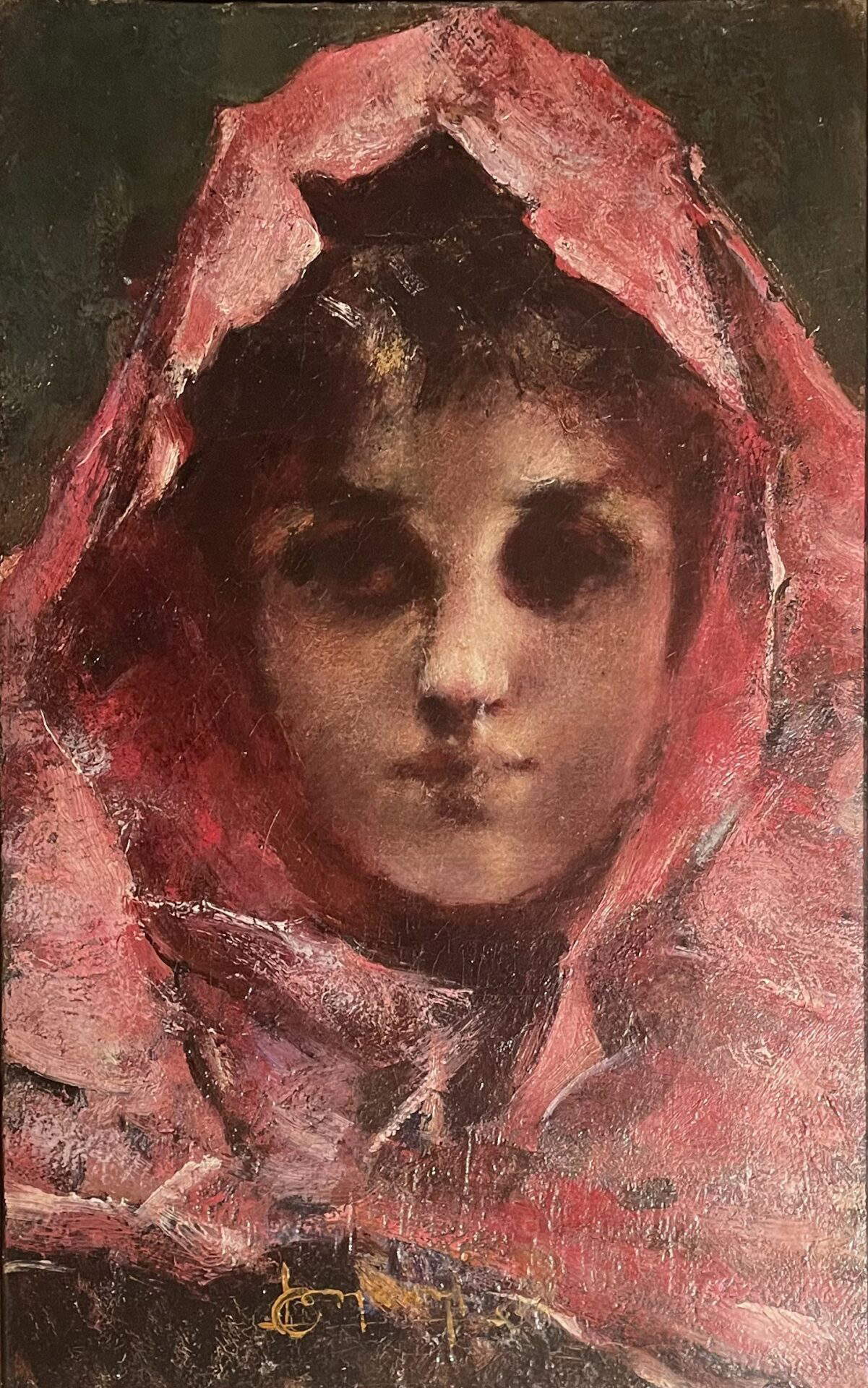
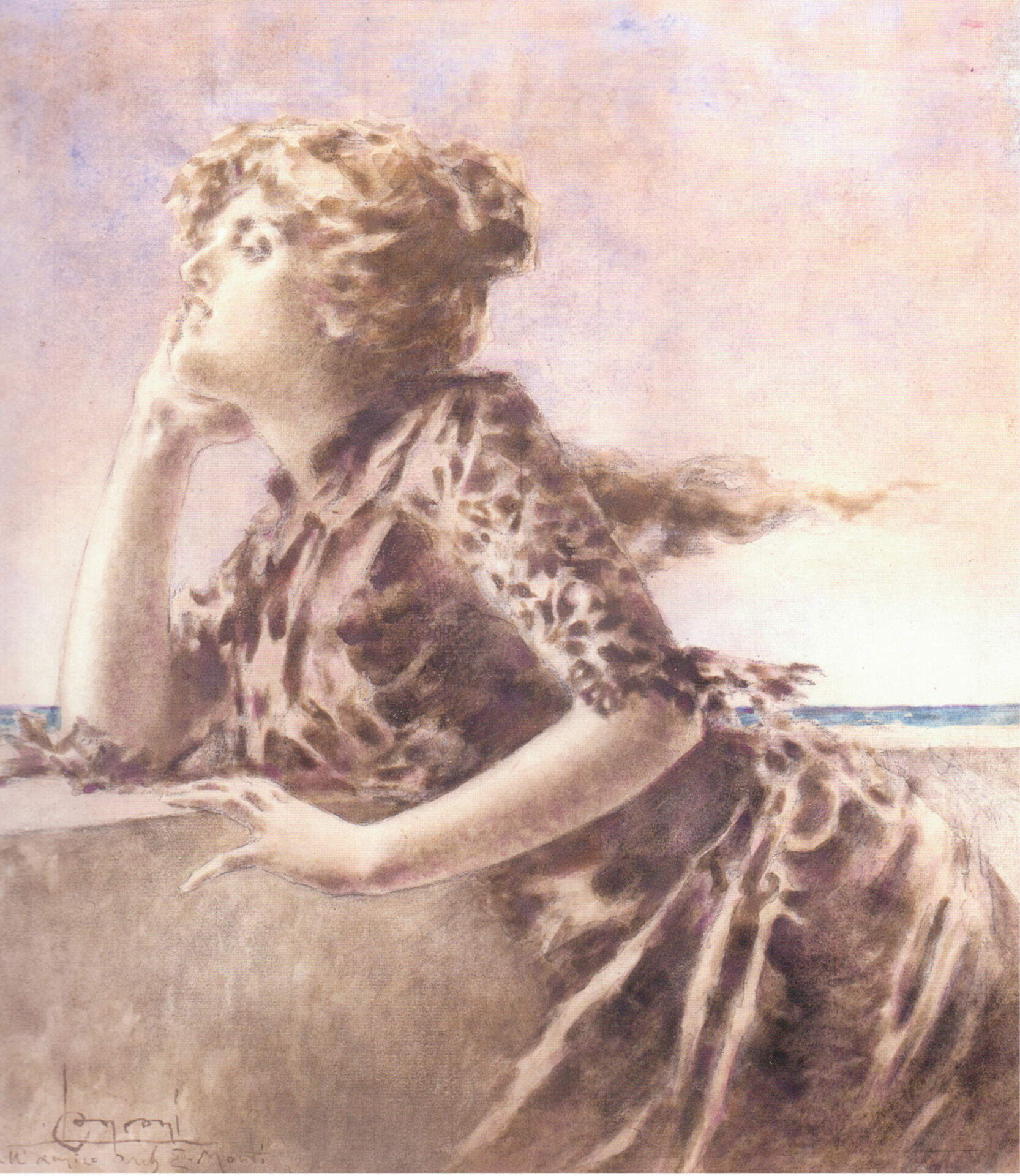
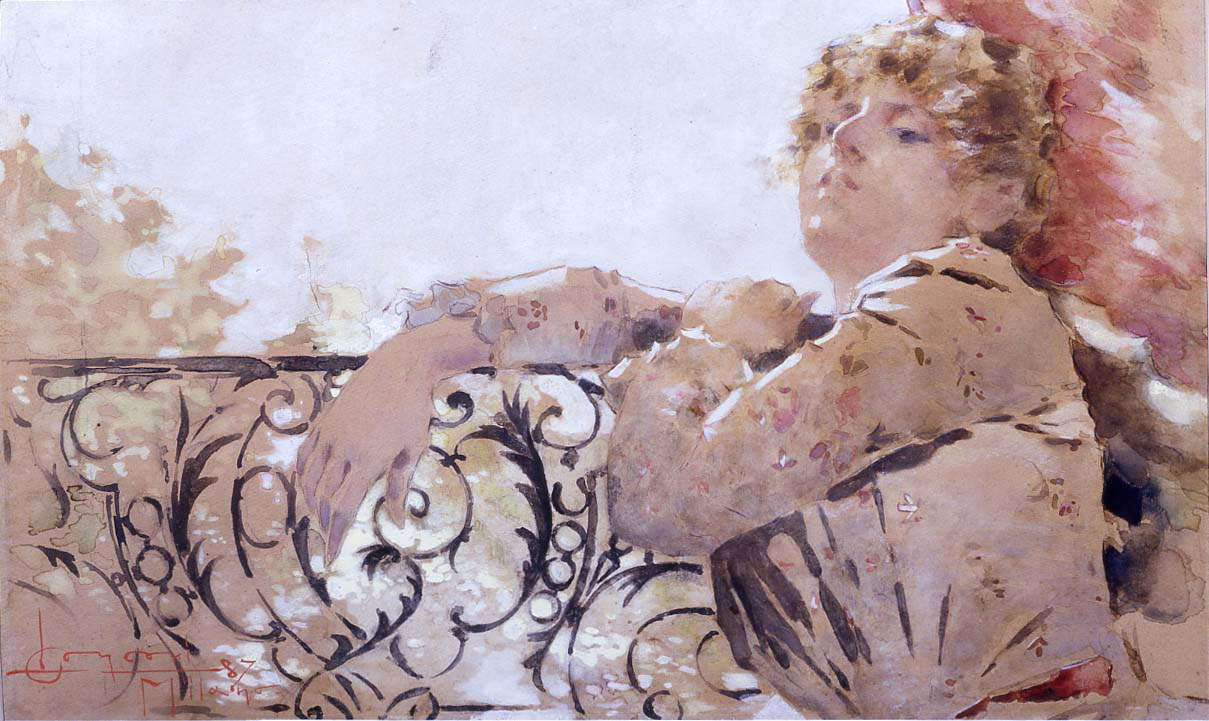
Originating in Milan in the second half of the nineteenth century as a literary movement before expanding into the visual arts, the Scapigliatura represented a new way of looking at reality, challenging conventions and engaging with the changes brought about by modernity. It was within this context that Conconi’s artistic exploration took shape; he was an artist capable of interpreting the Scapigliatura spirit through refined and unconventional painting, characterized by a focus on the effects of light, intimate atmospheres, and the psychological dimension of his subjects.
The exhibition features not only Conconi’s works but also those of the three founders of the Scapigliatura movement—Tranquillo Cremona, Daniele Ranzoni, and Giuseppe Grandi, as well as works by other artists linked to the Milanese art scene of the time, including Vespasiano Bignami, Paolo Troubetzkoy, and Gaetano Previati, with whom Conconi shared a studio.
Trained at the Brera Academy, Conconi soon became involved in Milan’s artistic and literary circles, forging relationships with figures such as Cremona, Ranzoni, and Arrigo Boito. His painting is distinguished by a free and vibrant brushstroke, capable of dissolving contours and emphasizing visual impression, in an evolution that accompanies the transition from the “Scapigliati” period to Symbolist and Art Nouveau influences.
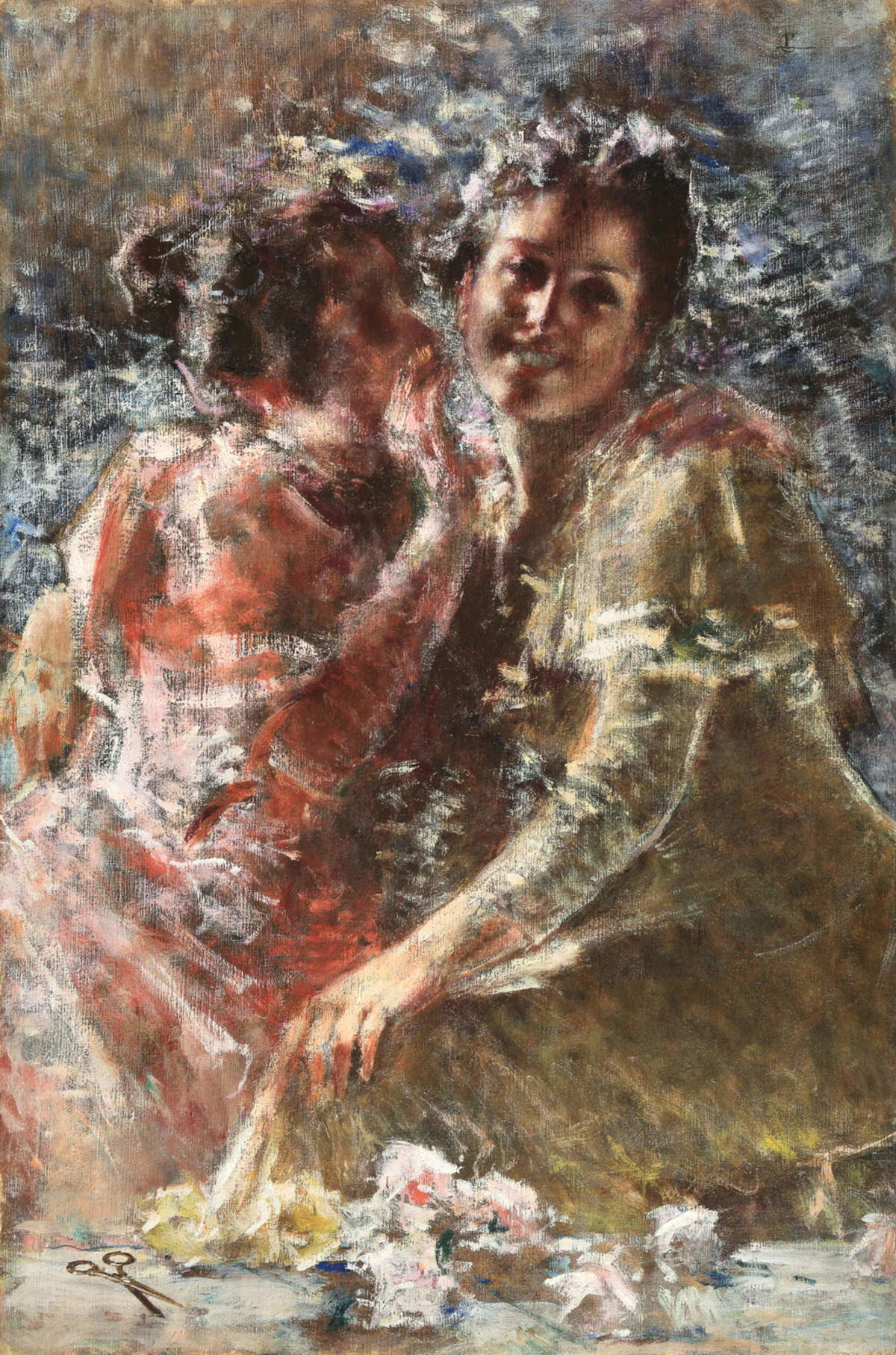
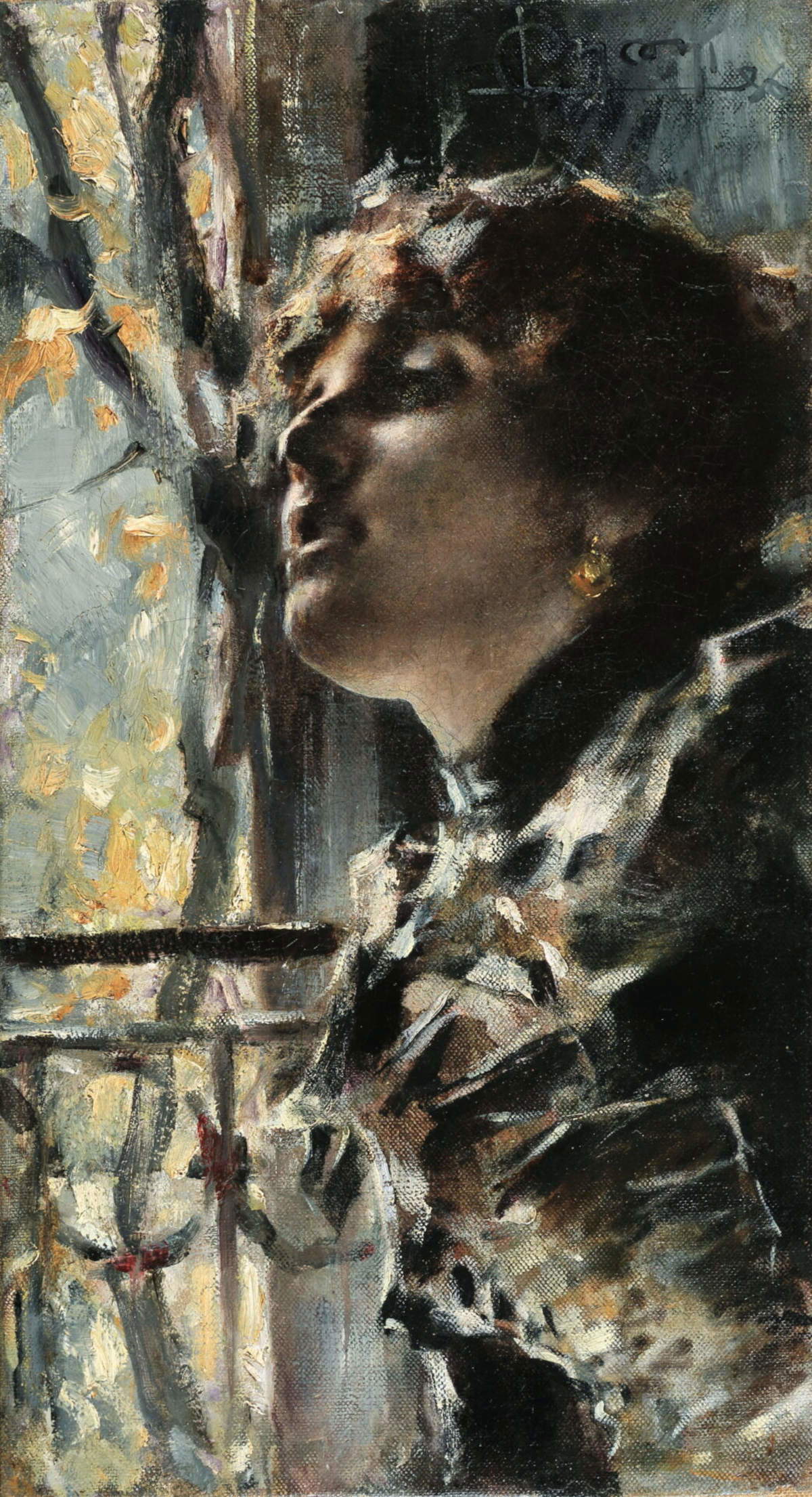
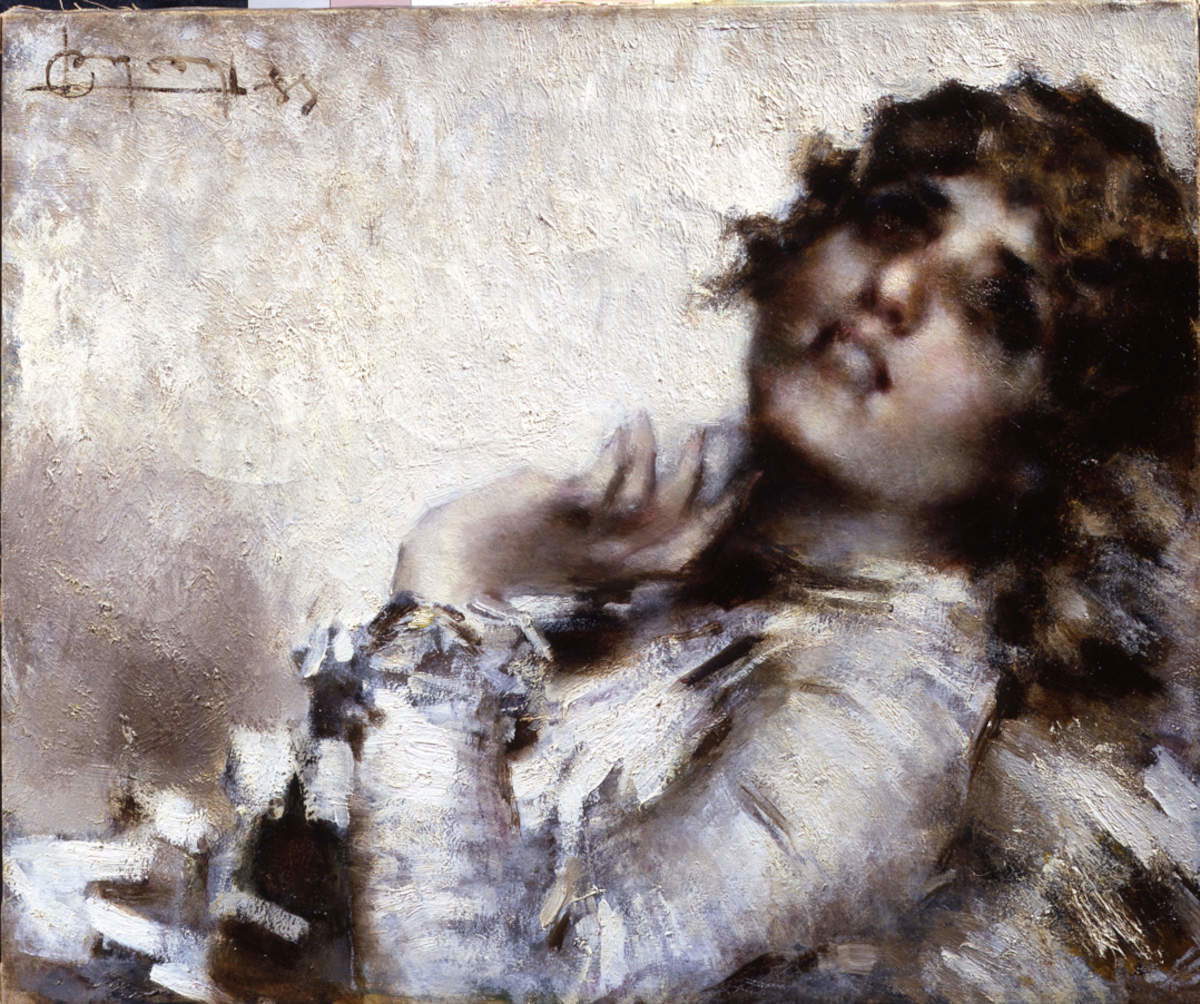
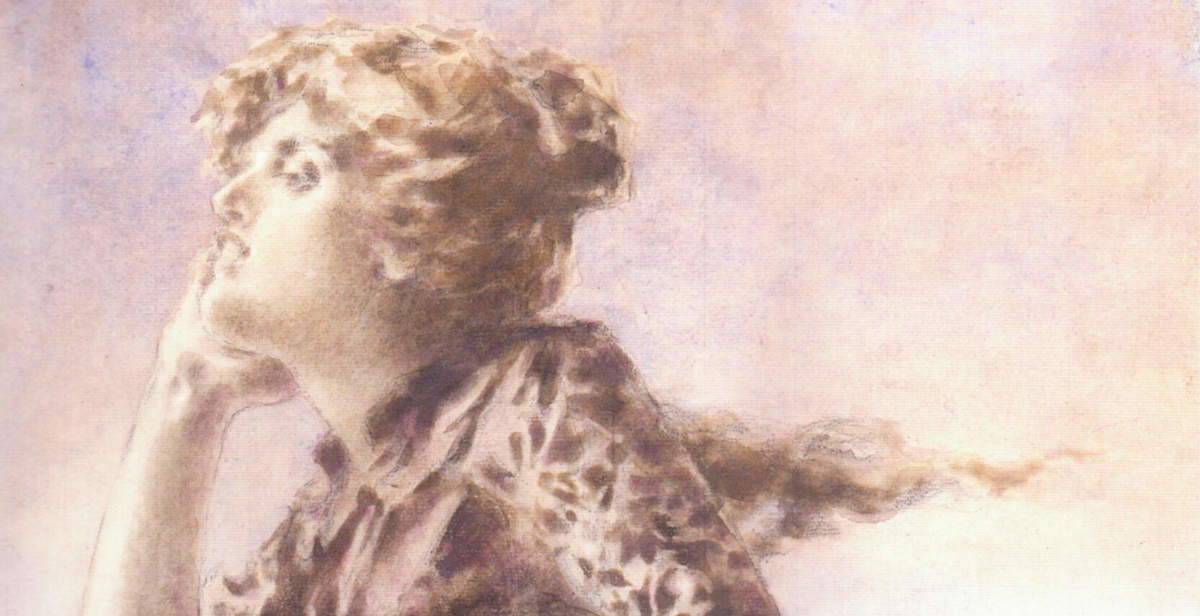
Among the recurring themes in his work is the female figure, often explored through a suspended and introspective sensibility; however, the artist also engaged with scenes of a macabre and mysterious nature and with settings inspired by the Middle Ages. While maintaining a strong connection to the “Scapigliati” movement, Conconi looked to the most innovative European artistic movements, particularly Symbolist experiments.
His work was not limited to painting. Consistent with the idea of cross-pollination between the arts, he also devoted himself to intaglio printmaking, which he considered an integral part of his artistic practice, and developed a significant body of work as an illustrator, collaborating with magazines and publishing houses and contributing to the renewal of Italian graphic design. Also noteworthy was his interest in architecture, a discipline to which he devoted numerous reflections, even though he had few opportunities to transform his ideas into realized projects. The catalog is published by Ponte43 for ViDi cultural editions.
 |
| Luigi Conconi and the Scapigliatura Movement: Over 80 Works on Display at the Reggia di Monza |

Warning: the translation into English of the original Italian article was created using automatic tools. We undertake to review all articles, but we do not guarantee the total absence of inaccuracies in the translation due to the program. You can find the original by clicking on the ITA button. If you find any mistake,please contact us.




























 IT
IT FR
FR DE
DE ES
ES CN
CN


