





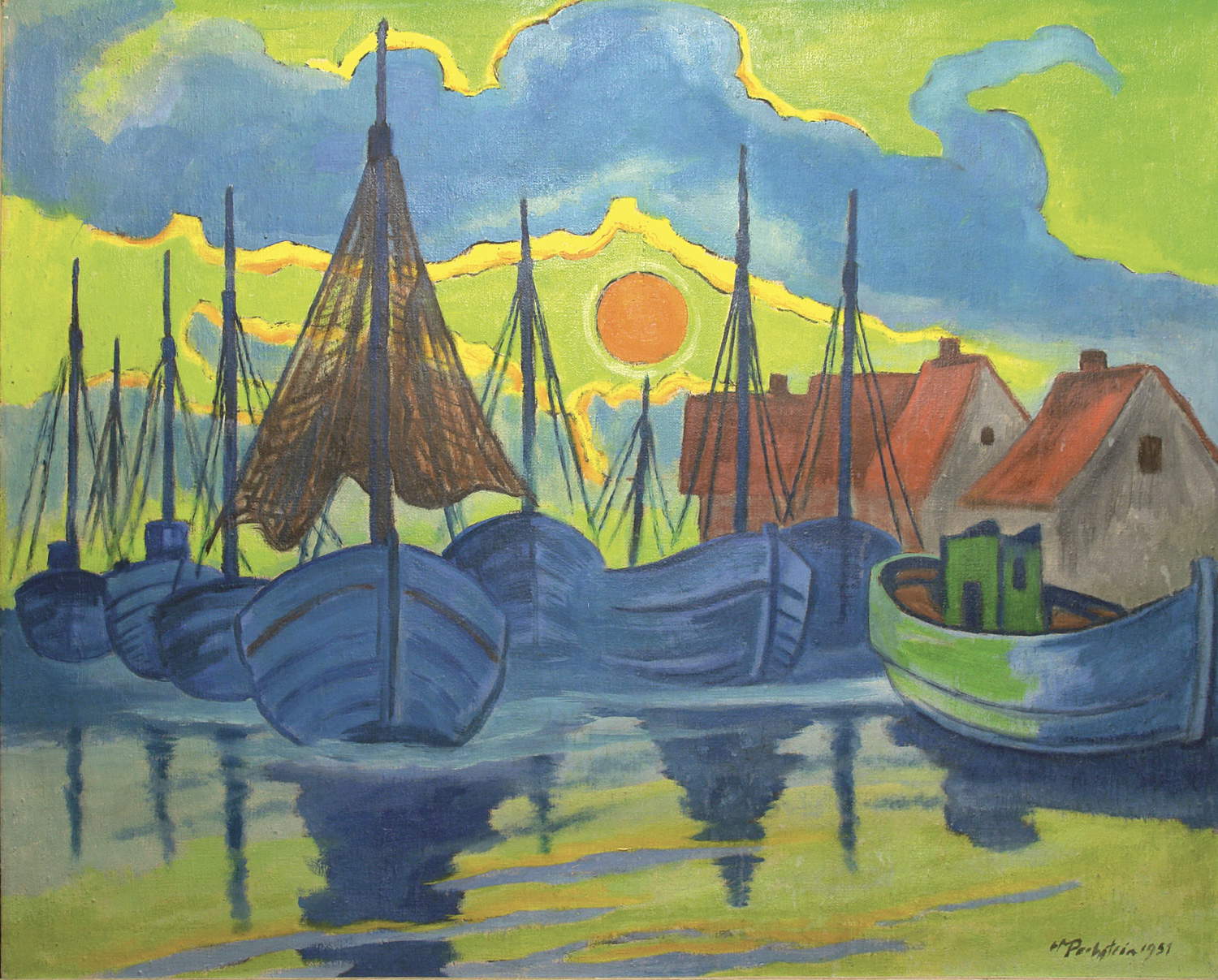
From October 24, 2026, to March 14, 2027, Palazzo Zabarella in Padua will host “Max Pechstein: Expressionism of the Soul, ” a major retrospective exhibition dedicated to one of the leading figuresof German Expressionism. The exhibition traces over fifty years of the artist’s career, bringing together more than 120 works —including paintings, drawings, watercolors, photographs, sketches, and personal items—that chronicle his life and creative journey. Organized by Palazzo Zabarella, the Institut für Kulturaustausch, Kunstsammlungen Zwickau – Max-Pechstein-Museum, the Max Pechstein Foundation, and the Pechstein family, the exhibition is sponsored by the Bano Foundation, in collaboration with the City of Padua – Department of Culture.
The exhibition aims to highlight one of the fundamental themes of Pechstein’s work: the search for a balance between humanity and nature. His paintings express a desire to escape the hustle and bustle of the city in order to rediscover an authentic connection with the landscape, transforming forests, coastlines, and exotic settings into symbols of freedom, spirituality, and harmony. This connection to nature runs through his entire career and remained central until the final years of his life, becoming the central theme of a body of work that still appears surprisingly relevant today.
In addition to offering a broad overview of Max Pechstein’s body of work, the exhibition invites visitors to reflect on the relevance of his message today. The quest for a balanced relationship between humanity and nature takes on even greater significance today in the face of major contemporary challenges. Through more than 120 works, the exhibition aims to convey the full expressive power of an artist who helped shape the face of European Expressionism and who continues to offer a profound reflection on the connection between human beings, the landscape, and their time.
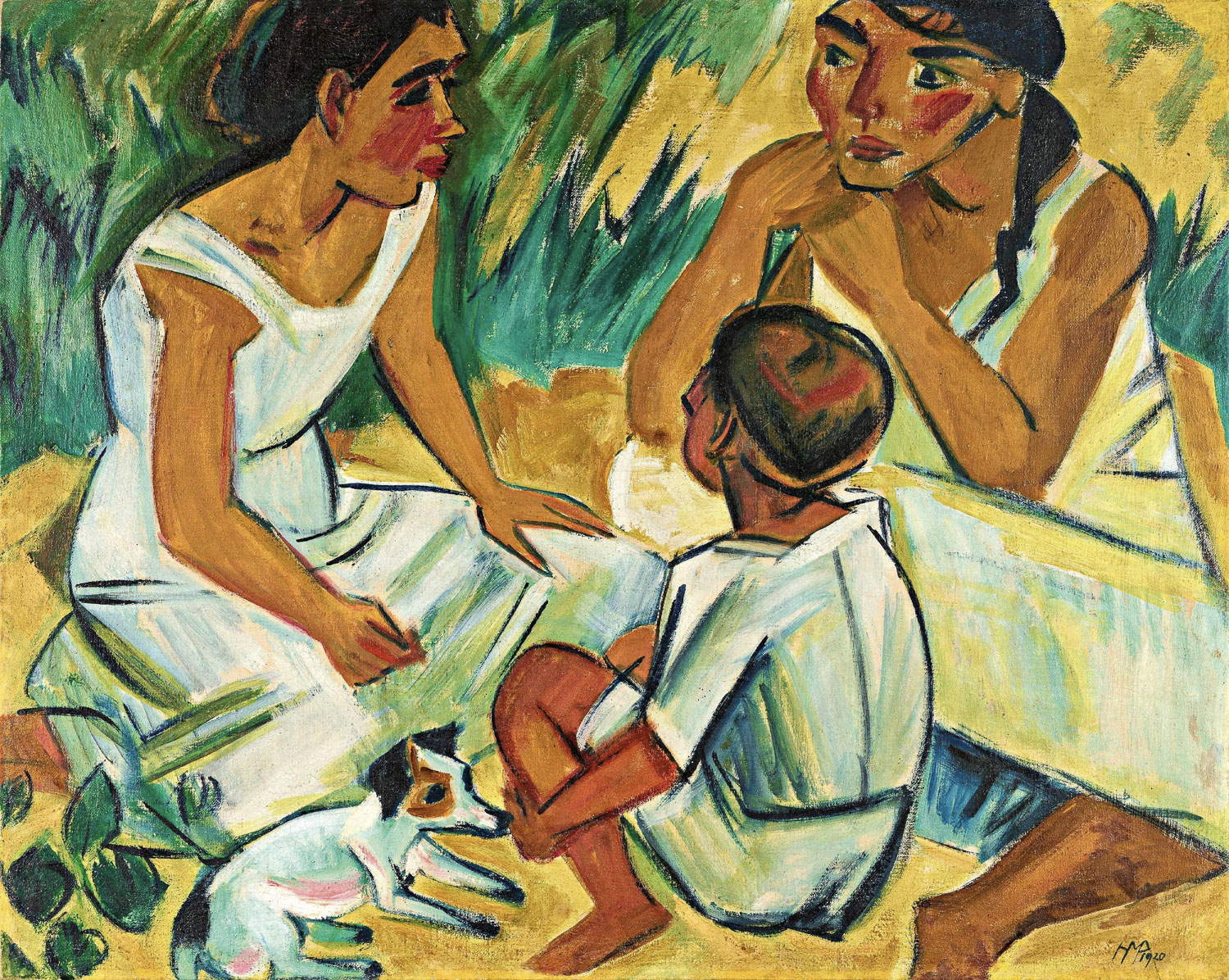
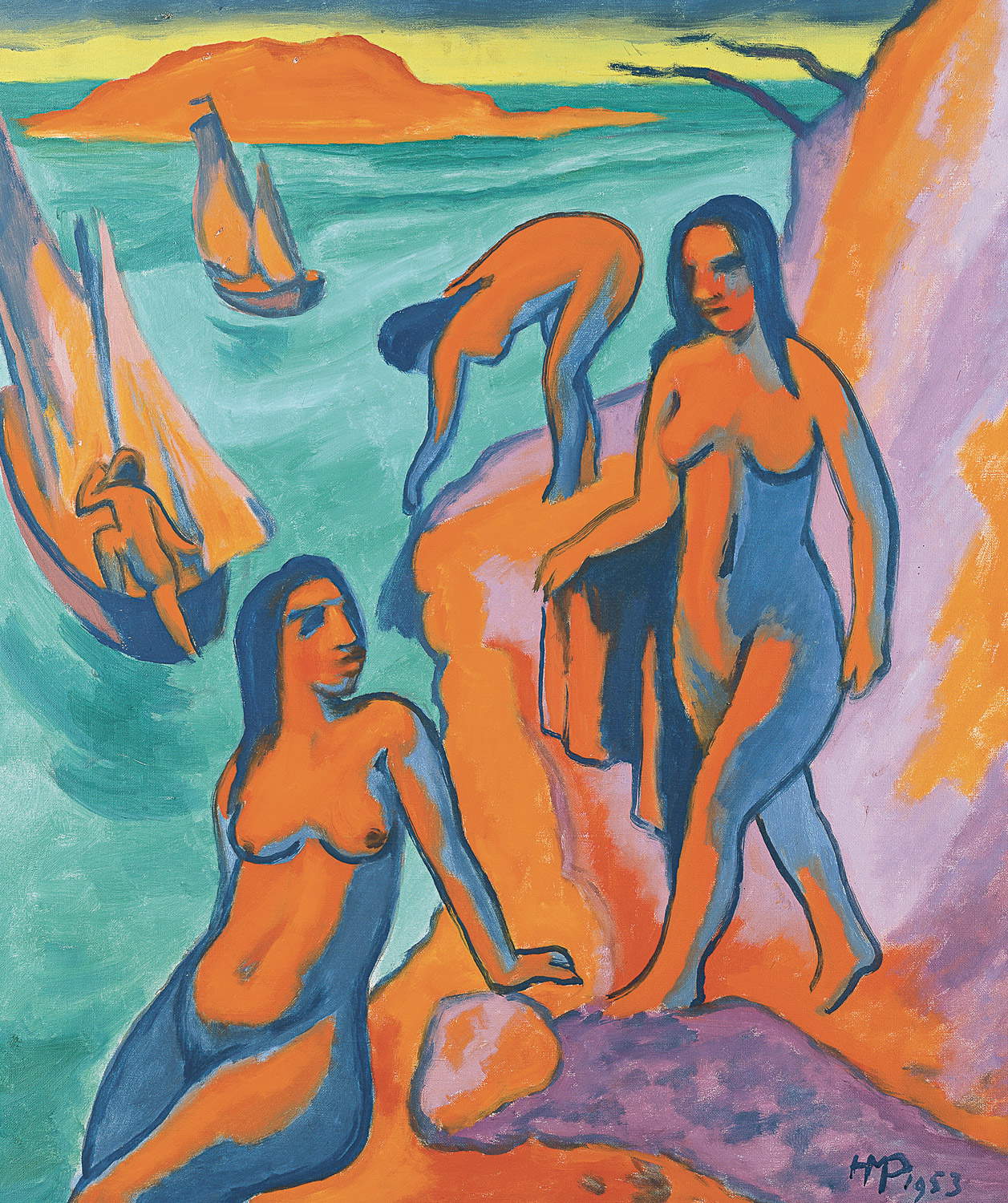
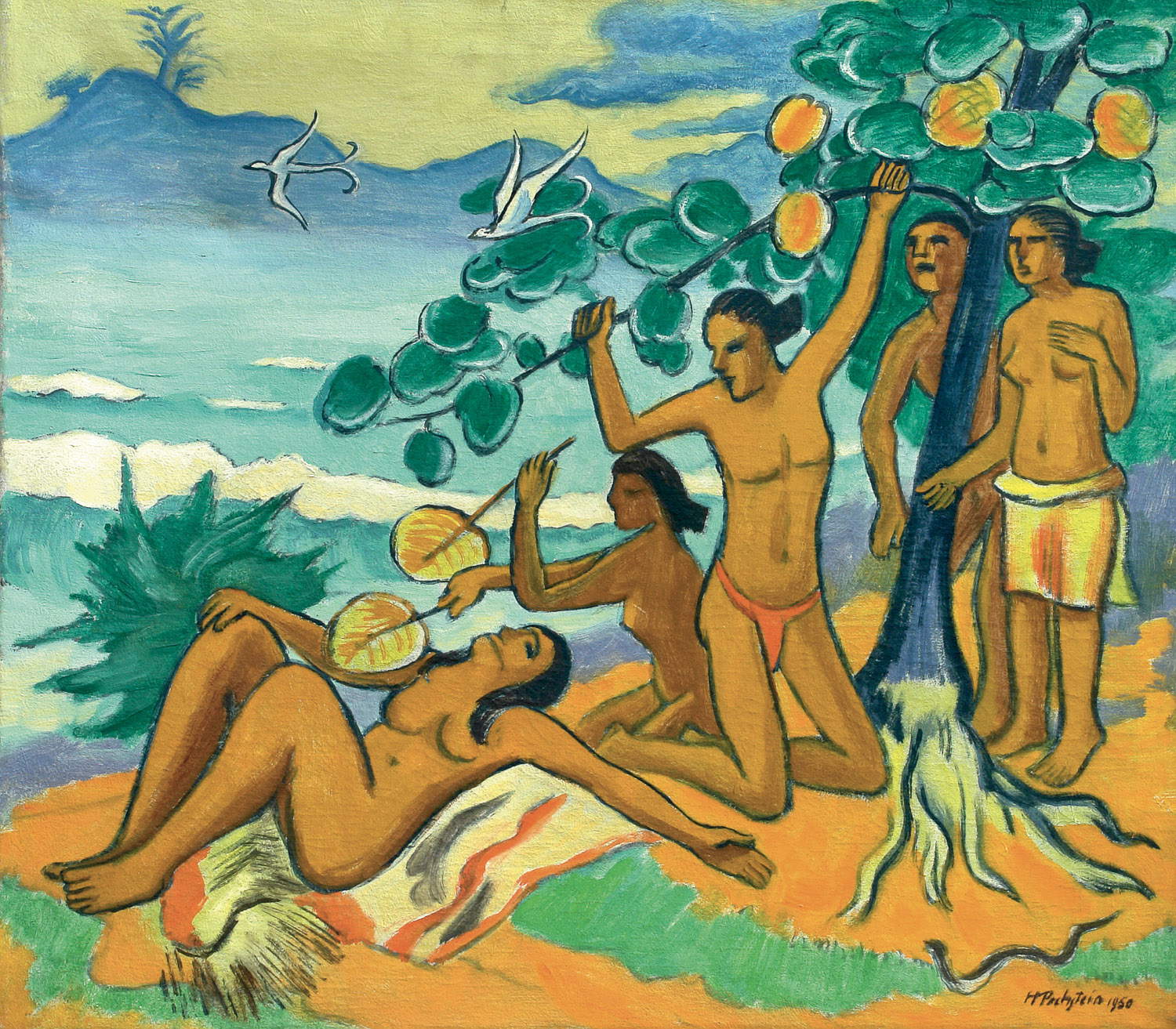
Born in Zwickau in 1881, Max Pechstein was one of the leading figures of the Die Brücke group, a movement that helped revolutionize the artistic language of the 20th century by breaking with academic tradition and paving the way for Expressionism. After studying in Dresden, Pechstein joined the famous artistic group and embarked on an intense period of exploration that took him throughout Europe. During his stays in Italy and especially in Paris, he encountered the works of Paul Cézanne, Henri Matisse, and Paul Gauguin—artists who profoundly influenced his artistic vision. In 1908, he moved to Berlin, where he quickly established himself as one of the most important figures of German Expressionism. In the years that followed, he continued to travel, finding inspiration in the landscapes of the Baltic Sea and the South Seas—places that would leave an indelible mark on his artistic output.
Pechstein’s career was profoundly shaped by the historical events of the 20th century. After being appointed to the chair of painting at the Berlin Academy of Arts in 1923, he was persecuted during the Nazi regime as a practitioner of “degenerate art,” losing his academic position and facing severe restrictions on his artistic activities. With the end of World War II, he was reinstated to his position and actively contributed to the reconstruction of German cultural life, once again gaining recognition for his artistic merit.
|
| Max Pechstein Exhibition at Palazzo Zabarella: Over 120 Works by the German Expressionist Artist on Display in Padua |

Warning: the translation into English of the original Italian article was created using automatic tools. We undertake to review all articles, but we do not guarantee the total absence of inaccuracies in the translation due to the program. You can find the original by clicking on the ITA button. If you find any mistake,please contact us.





























 IT
IT FR
FR DE
DE ES
ES CN
CN


