




by Redazione 23/07/2026



Categories: Exhibitions / Disclaimer
From September 18 to October 25, 2026, the Bagatti Valsecchi Museum in Milan will host over thirty works by Bertozzi & Casoni, which will be the focus of an exhibition that brings contemporary art into dialogue with the historic interiors of the famous Milanese house-museum.

From September 18 to October 25, 2026, the Bagatti Valsecchi Museum in Milan presents *Bertozzi & Casoni: Eternal and Fragile Presences*, an exhibition curated by Alberto Mattia Martini and organized in collaboration with the Giovanni Bonelli Gallery. The exhibition offers a unique juxtaposition between the artistic work of Bertozzi & Casoni and the historically rich spaces of the house-museum. The residence, conceived in the 19th century by brothers Fausto and Giuseppe Bagatti Valsecchi as a refined reinterpretation of the Renaissance home, serves as the setting for an encounter between past and present: the contemporary works engage with historical furnishings, collections, and artifacts, offering new perspectives on the themes of preservation, memory, and the transience of existence.
The hyperrealistic sculptures by Bertozzi & Casoni blend into the museum’s spaces with surprising naturalness, establishing a dialogue that invites reflection on the relationship between authenticity and reinterpretation, between permanence and transformation. Through ceramics—a material that is both durable and delicate—the artists address issues related to the passage of time and the fragility of the human condition, offering a contemporary reinterpretation of the historical heritage preserved by the house-museum.


The exhibition features over thirty works, about ten of which were created specifically for this occasion. The new site-specific works engage directly with the museum’s spaces. The pieces are distinguished by a refined hyperrealist style that combines extraordinary technical precision with intense evocative power. Through everyday objects, natural elements, and compositions that evoke the theme of vanitas, Bertozzi & Casoni reflect on the relationship between abundance and consumption, preservation and deterioration, beauty and decay, offering a contemporary interpretation of themes deeply rooted in artistic tradition.
The dialogue with the museum’s spaces highlights unexpected affinities between the desire to preserve the past—which characterizes Casa Bagatti Valsecchi—and the reflection on change that runs through the entire body of work by the two artists. From this comparison emerges a shared tension between the desire to make what belongs to memory eternal and the awareness of the inevitable passage of time.
Ceramics thus take on a strong symbolic value: fragile by nature, yet capable of spanning the centuries, they become a metaphor for the contradictions of the present and the complex relationship between memory, identity, and change. The exhibition invites the public on a journey of observation and discovery that weaves together different eras and artistic languages, reaffirming art’s role as a privileged tool for reflecting on time and the human condition.
Accompanying the exhibition will be a catalog published by Moebius, featuring scholarly essays by curator Alberto Mattia Martini and Aurora Ghezzi, Collection Manager at the Bagatti Valsecchi Museum.
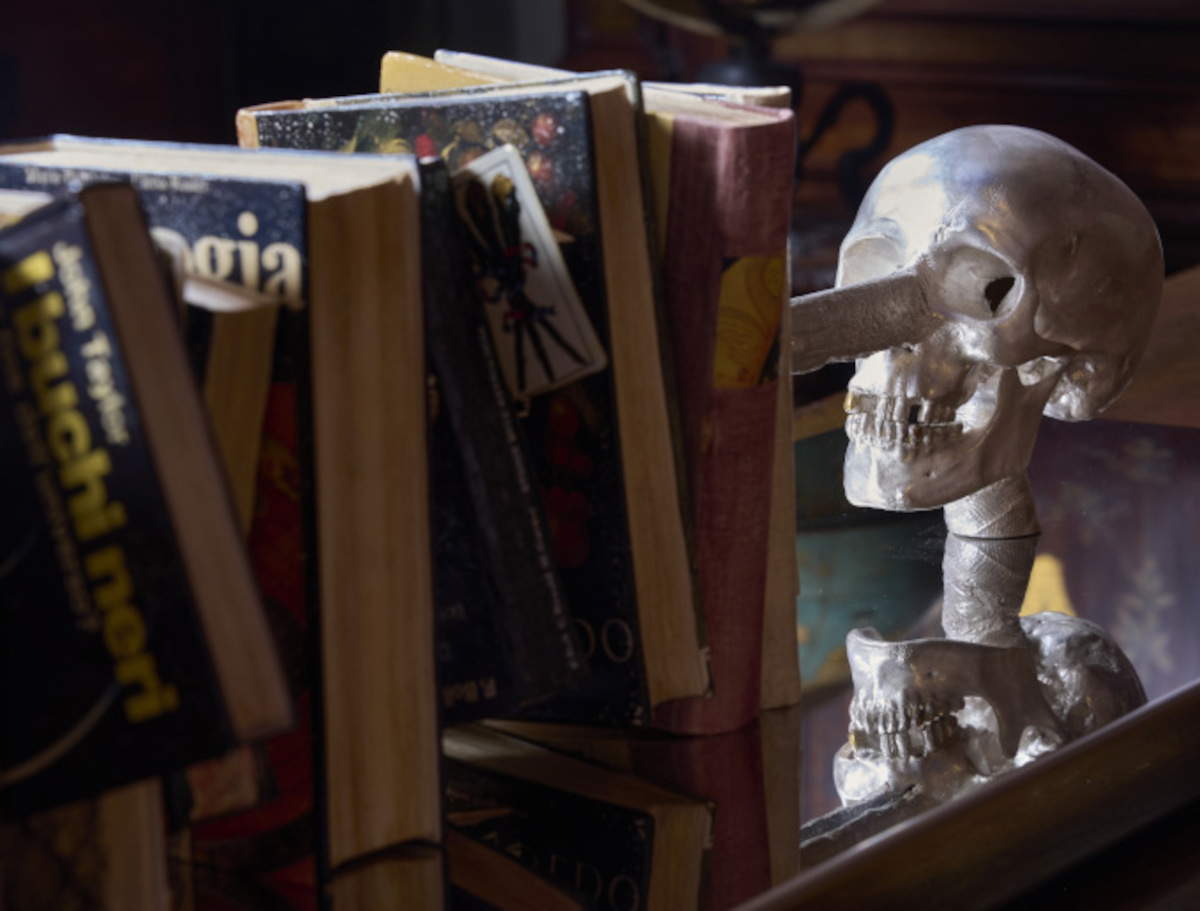
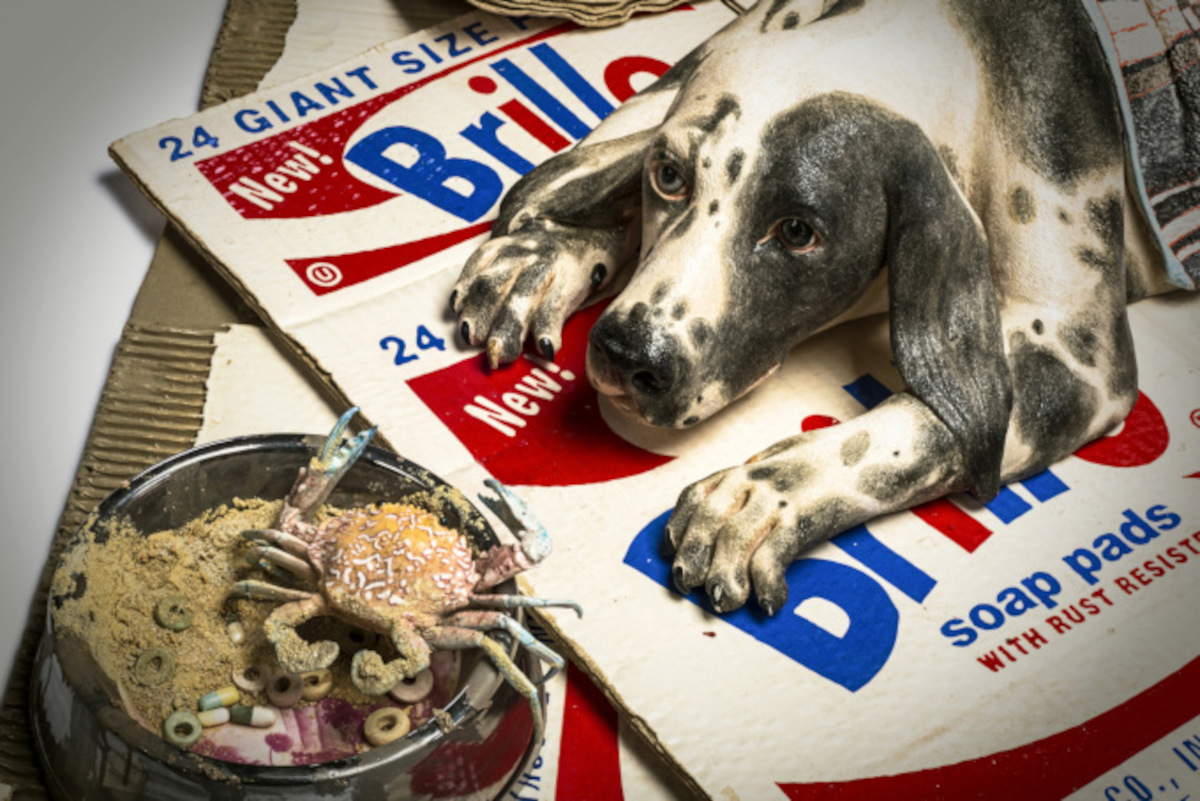
“When Pietro Toesca entered Casa Bagatti Valsecchi in the early 20th century,” explains Antonio D’Amico, Director of the Bagatti Valsecchi Museum, “he was struck by the fact that every object in the house was treated with equal importance—from tableware to suits of armor, right down to the Renaissance paintings, which held no privileged status over the rest. The house and the antique objects were experienced exactly as they had been during the Renaissance. Bertozzi and Casoni at the Bagatti Valsecchi Museum reinforce this approach of the brothers Fausto and Giuseppe, as the integration of the artistic duo’s ceramics is not forced. Their hyperrealistic works do not demand to be isolated on a pedestal but choose to “inhabit” the home, among the furnishings and armor. They become living objects amidst the Renaissance artifacts. In this visual short circuit, the history of the two Milanese barons’ collecting and contemporary ceramics merge into the same everyday normality, demonstrating that the true essence of the house—and thus of the Bagatti Valsecchi Museum—is not to preserve history, but to continue to bring it to life.”
“With *Eternal and Fragile Presences*, we envisioned an encounter between the Bagatti Valsecchi Museum’s mission to preserve and pass on memory, art, and beauty, and the artistic exploration of Bertozzi & Casoni, which reflects on the relationship between eternity and fragility, on time, on transformation, and on the transience of things,”, states the exhibition’s curator, Alberto Mattia Martini. “Their artistic practice, in fact, operates within a paradoxical tension: to immortalize, through ceramics, the ephemeral dimension of vanitas. The exhibition takes shape precisely at the intersection of these two tensions: the desire for permanence that animates every collection and the awareness that everything is, inevitably, destined to change—dimensions that have always defined our relationship with time and memory.”
|
| Milan: Over 30 works by Bertozzi & Casoni on display at the Bagatti Valsecchi Museum, in dialogue with the house-museum |
Warning: the translation into English of the original Italian article was created using automatic tools. We undertake to review all articles, but we do not guarantee the total absence of inaccuracies in the translation due to the program. You can find the original by clicking on the ITA button. If you find any mistake,please contact us.