



by Redazione 23/07/2026



Categories: Exhibitions / Disclaimer
From September 12 to December 13, 2026, the Modigliana Municipal Art Gallery is dedicating an exhibition to Silvestro Lega on the bicentennial of his birth. More than forty works explore the connection between the master of the Macchiaioli, the Risorgimento, and the renewal of Italian painting.

On the bicentennial of Silvestro Lega ’s birth (Modigliana, 1826 – Florence, 1895), the town of Modigliana (Forlì-Cesena) pays tribute to its most illustrious citizen with a major exhibition that traces the artistic and personal journey of the Macchiaioli master, focusing on the relationship between his painterly exploration and the ideals of the Risorgimento. From September 12 to December 13, 2026, the Pinacoteca Comunale in Palazzo Pretorio will host “Silvestro Lega. “The Cause of the Fatherland, the Cause of Art,” an exhibition curated by Gianfranco Brunelli and Elisabetta Matteucci, offers a reinterpretation of the artist’s work in light of the connection between civic engagement and artistic innovation. The exhibition is sponsored by the Municipality of Modigliana with the patronage and financial support of the Emilia-Romagna Region, the backing of the Fondazione Cassa dei Risparmi di Forlì, and in collaboration with the Accademia degli Incamminati. The exhibition also stems from a collaboration with the Matteucci Institute in Viareggio and brings together over forty works from public and private collections, offering an exhibition dedicated to one of the most significant figures in 19th-century Italian painting.
The initiative is one of the main events marking the 200th anniversary of the birth of Silvestro Lega, who was born in Modigliana in 1826 and went on to become one of the leading figures of the figurative revolution spearheaded by the Macchiaioli group. The exhibition aims to explore a specific theme in his life and artistic career: the relationship between the “cause of the Fatherland” and the “cause of Art,” two dimensions that, according to the curators, served as the central thread running through the painter’s entire life.


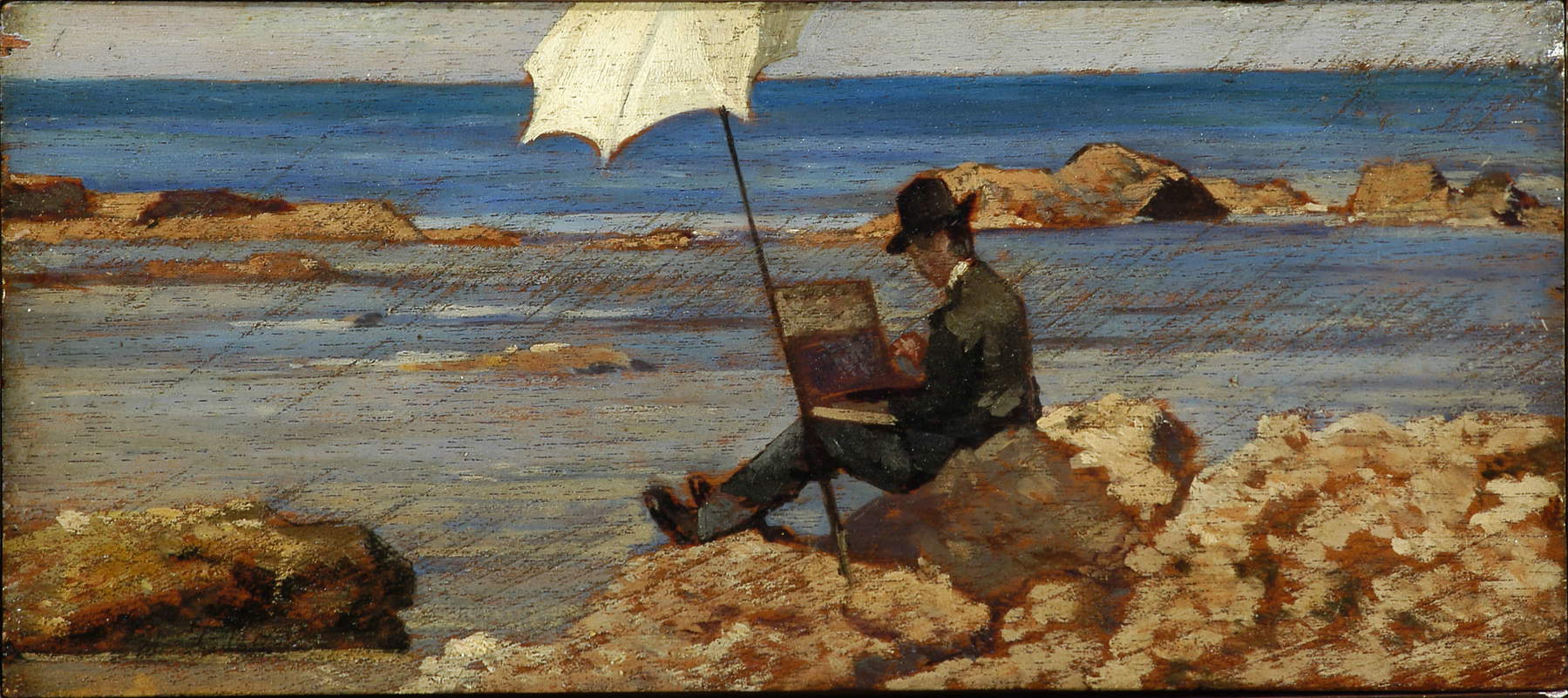
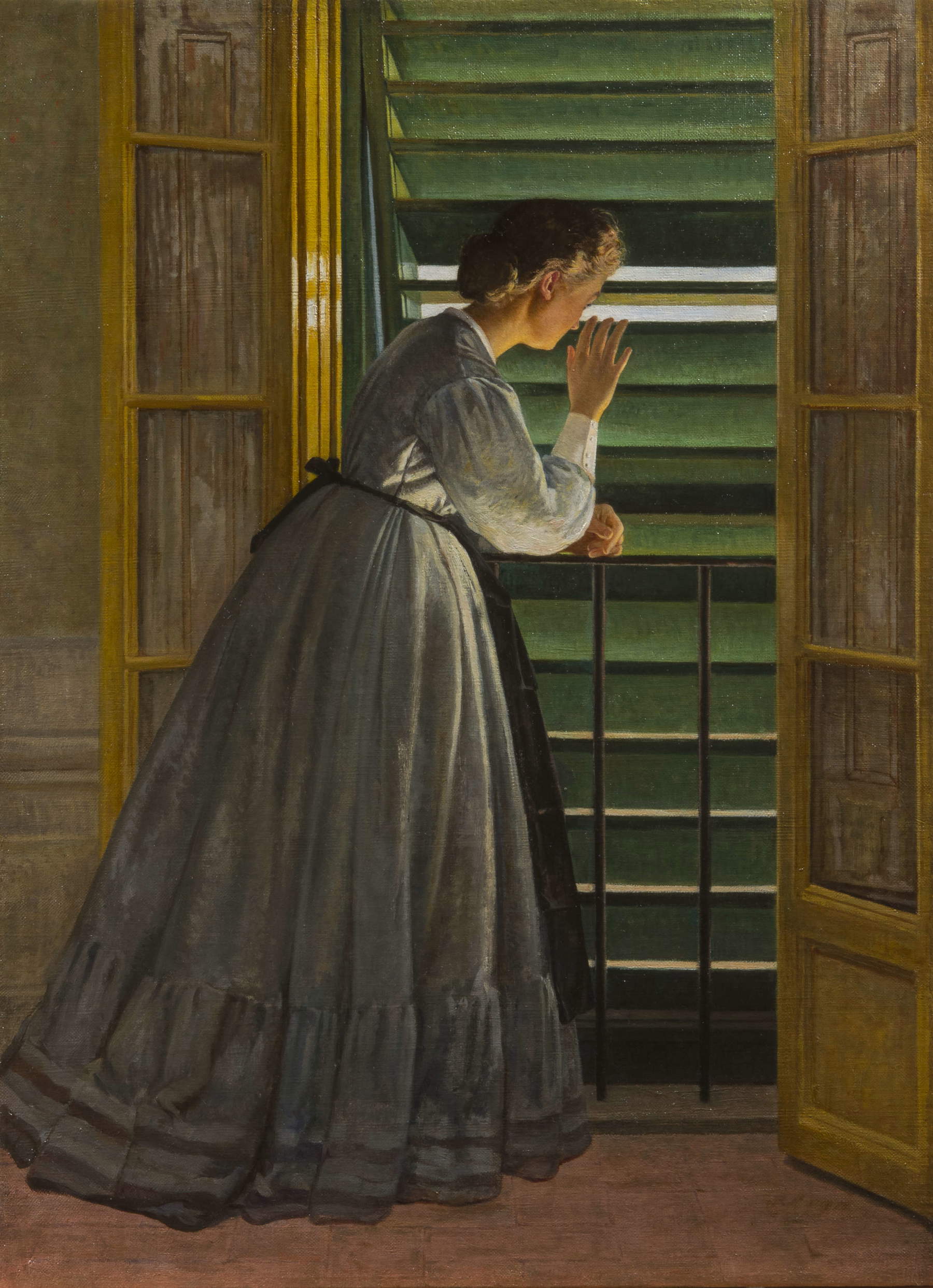
The curatorial project is led by Gianfranco Brunelli, director of major exhibitions at the Museo Civico San Domenico in Forlì, and Elisabetta Matteucci, head of scientific coordination at the Istituto Matteucci in Viareggio, two scholars who approach the figure of Lega from a perspective that intertwines art history and the history of the Risorgimento. The exhibition offers a reinterpretation of the Romagna-born painter’s work, highlighting how his artistic exploration developed in parallel with the patriotic ideals that characterized an entire generation of Italian artists and intellectuals. Silvestro Lega, after all, was not only one of the leading figures of the Macchiaioli movement but also a man directly involved in the events of 1848. He personally participated in the Risorgimento uprisings and shared with many of his contemporaries the conviction that political and artistic renewal were complementary aspects of a single process of transformation of Italian society.
This dual tension also found expression in his painting. The search for “truth,” destined to become one of the fundamental principles of the Macchiaioli aesthetic, was not merely a stylistic choice but also a cultural and moral stance that contributed to the renewal of Italian art in the second half of the nineteenth century. The exhibition itinerary will guide visitors through the various phases of Lega’s artistic career, with the aim of reconstructing the evolution of his pictorial language and the gradual consolidation of his artistic personality. The itinerary will begin with works dedicated to the wars of independence and the leading figures of the Italian Risorgimento, documenting the painter’s direct involvement in the events that led to national unification. Among the figures depicted in the works are symbolic figures of the Risorgimento movement, such as Giuseppe Garibaldi, Giuseppe Mazzini, and Don Giovanni Verità—a key figure in the history of Romagna and a figure deeply connected to the region’s patriotic struggles.
From this first section, the exhibition will move on to the Piagentina period, one of the high points of Lega’s output and of the entire Macchiaioli movement. It was precisely during the years he spent in the Florentine countryside that the painter created some of his most famous works, characterized by a new relationship with light, the landscape, and the depiction of daily life, achieving results that establish him as one of the leading figures in 19th-century Italian painting. The exhibition will also feature paintings from the final phase of his career.
The curators’ stated goal is to present a comprehensive portrait of Silvestro Lega, highlighting the artist’s ability to combine civic engagement, artistic innovation, and a profound human sensitivity. According to Gianfranco Brunelli, the choice of theme provides a precise lens through which to interpret the painter’s figure: “Many exhibitions on Silvestro Lega have been held, and many more will follow; each one is defined by its own particular focus,” he explains. “On the bicentennial of the Modigliana-born painter’s birth, we have sought to focus on the relationship—fundamental to an entire generation, that of the Macchiaioli—between the cause of art and the cause of the homeland. This is a necessarily partial choice, one that concerns Silvestro Lega’s personal and political journey.” Brunelli also emphasizes how, during a brief but decisive period in Italian history—spanning from 1848 to the 1860s, that is, between the painter’s purist training and the full emergence of the Macchiaioli revolution—these two dimensions were closely intertwined.
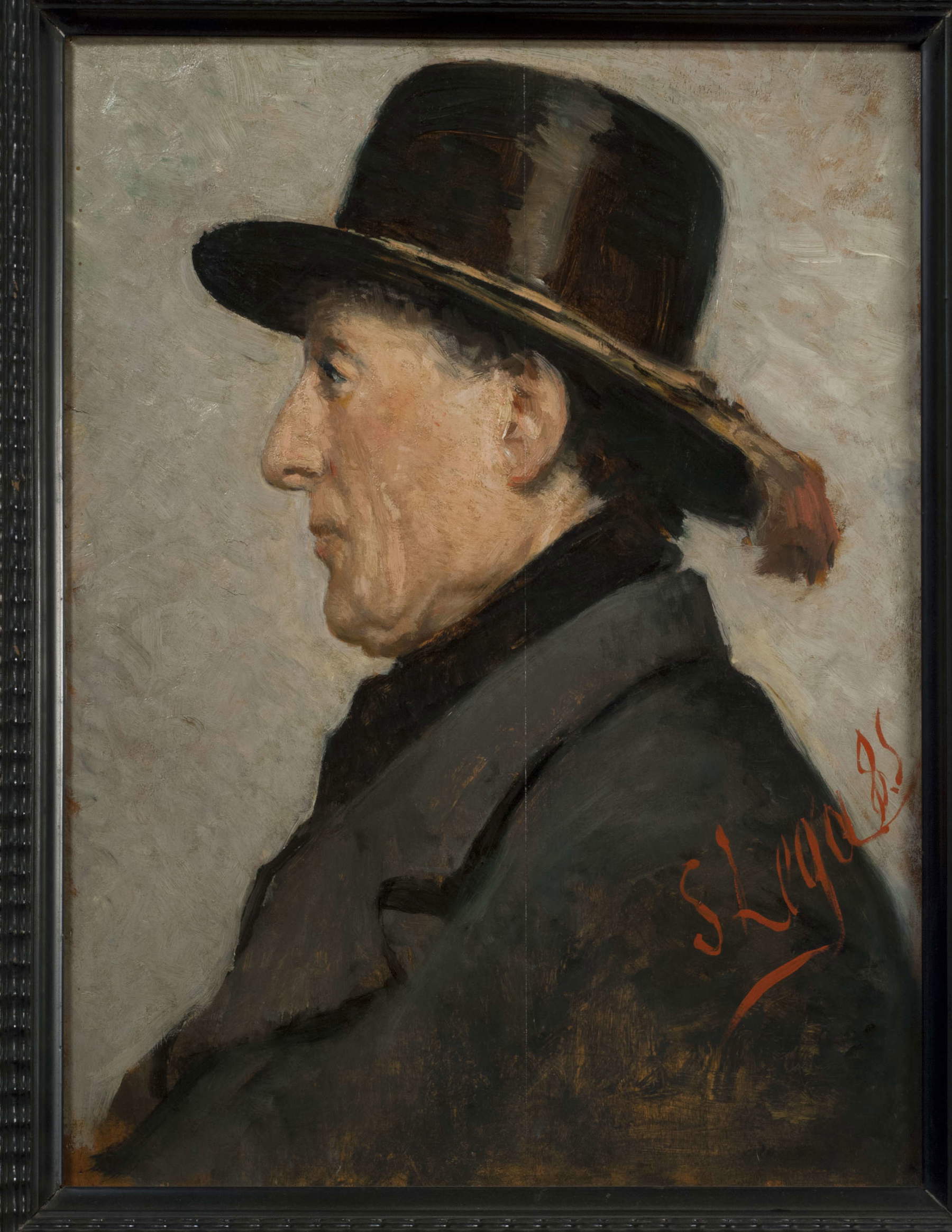
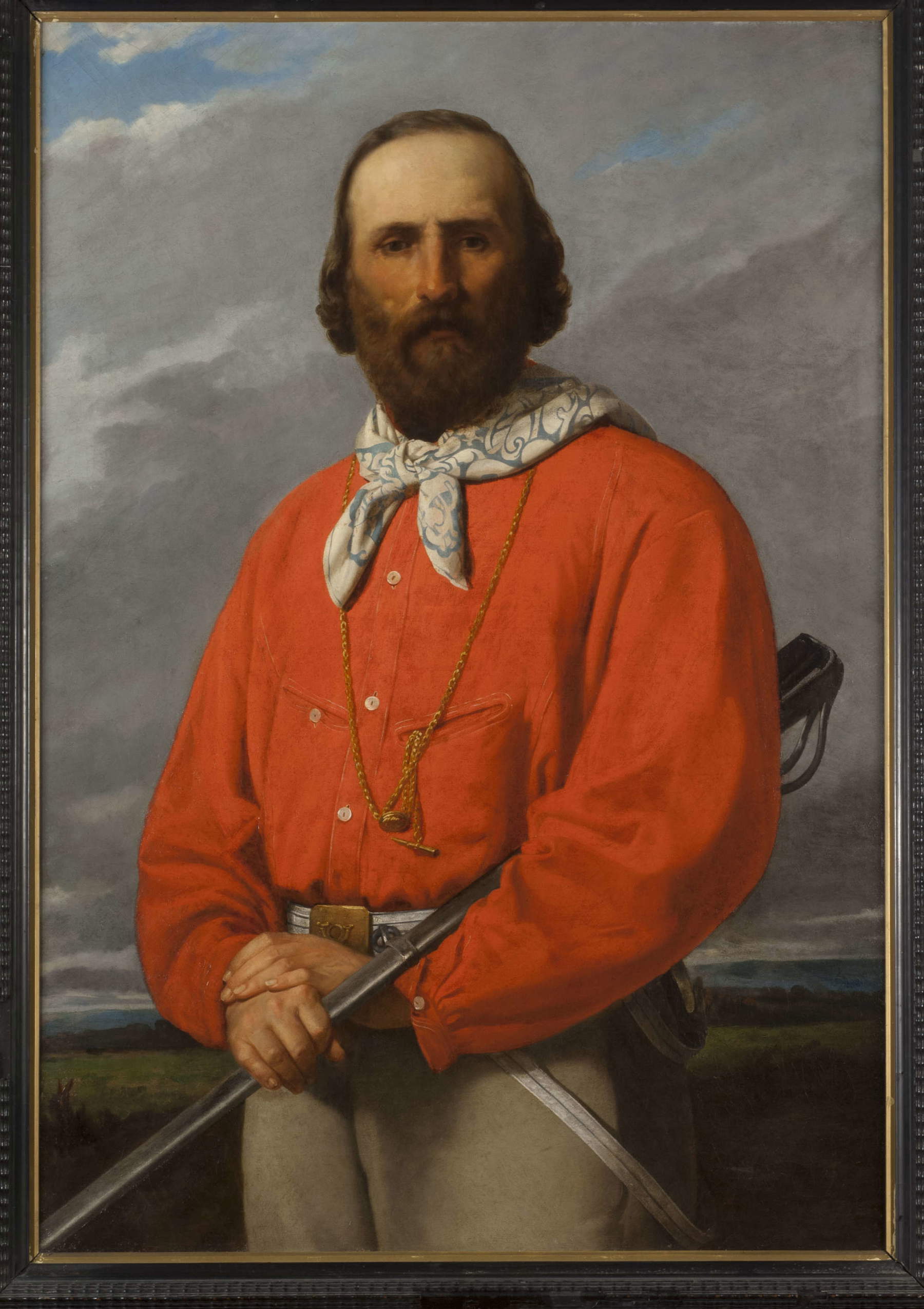
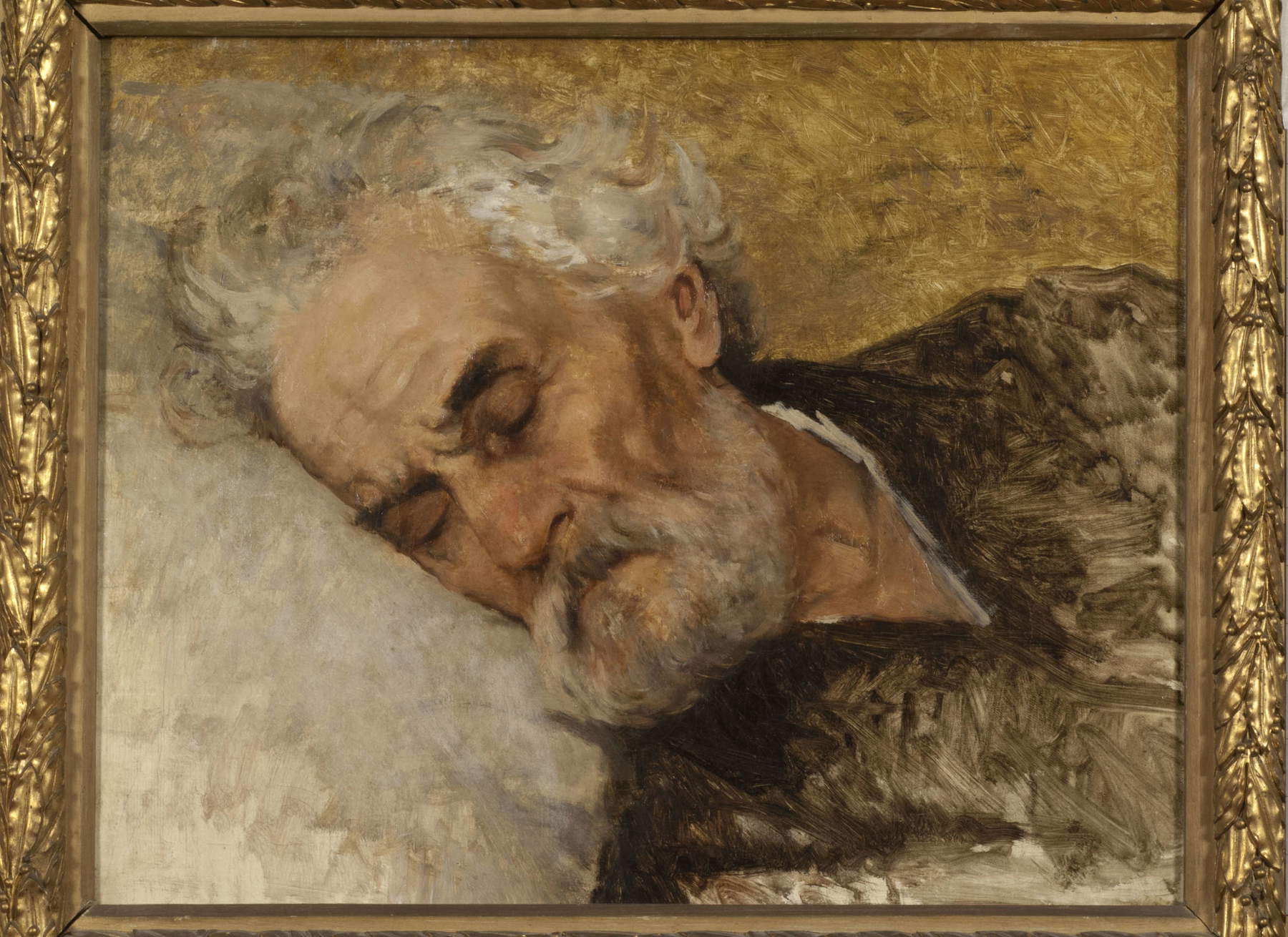
The exhibition is part of a broader initiative to promote cultural heritage launched in recent years by the Municipality of Modigliana, which has progressively restored Silvestro Lega to a central role, recognizing him not only as a key figure in the town’s cultural history, but also as one of the leading figures in 19th-century Italian painting.
The bicentennial thus marks a new chapter in this project of rediscovery, intended to further strengthen the bond between the local area and one of the artists who has contributed most significantly to defining Modigliana’s cultural identity.
Furthermore, on the occasion of the exhibition, visitors will be able to round out their tour with works by Silvestro Lega housed in the permanent collection of the Municipal Art Gallery. This collection is already one of the museum’s main attractions and will allow visitors to deepen their understanding of the artist through a dialogue between the works permanently housed at Palazzo Pretorio and the loans brought together for the exhibition.
“This exhibition,” says Giancarlo Jader Dardi, mayor of Modigliana, “is part of a broader cultural initiative that, through projects conceived and implemented over the past year, aims to establish Modigliana as a hub for the study and promotion of Silvestro Lega’s work, strengthening the connection between its artistic heritage, the landscape that inspired him, and the community’s identity.”
“The exhibition,” adds Gessica Allegni, councilor for culture of the Emilia-Romagna Region, “is a heartfelt and well-deserved tribute to a great painter from our region, Silvestro Lega. The bicentennial of his birth is an important opportunity to rediscover the relevance of his work today: as one of the leading figures of the Macchiaioli movement, Lega helped to innovate Italian painting by depicting his era with a keen eye for reality. The forty paintings on display allow us to retrace his artistic journey, which is deeply linked to the Risorgimento—in which Lega played a leading role—and to his homeland. “This exhibition was made possible thanks to the efforts of many—starting with the Municipality of Modigliana and the numerous organizations that provided contributions, ideas, and works—who sought not only to pay tribute to the painter but also to focus attention on a specific and timely theme: the connection between art and history.”
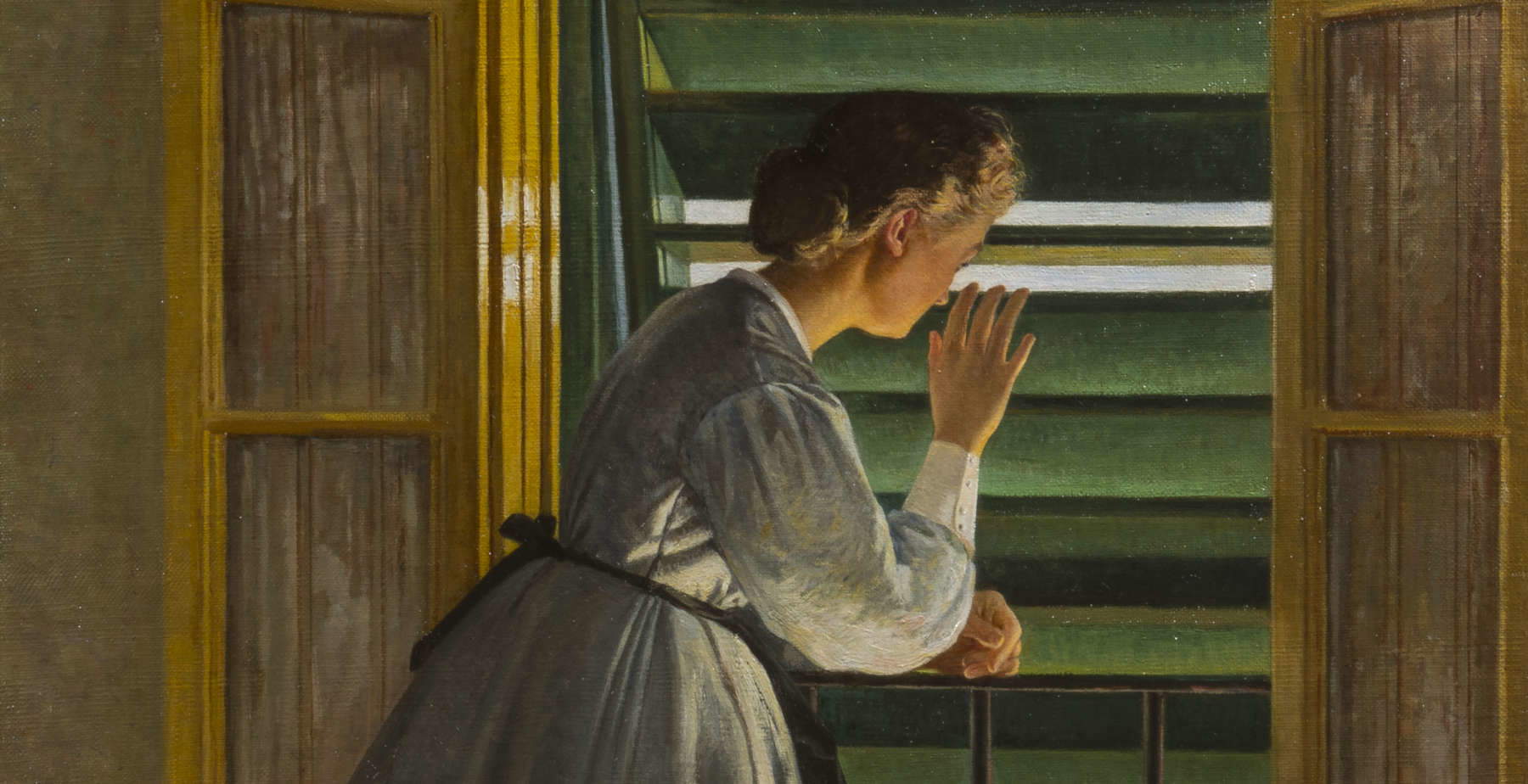 |
| Modigliana is celebrating the bicentennial of Silvestro Lega with an exhibition on the Macchiaioli master |
Warning: the translation into English of the original Italian article was created using automatic tools. We undertake to review all articles, but we do not guarantee the total absence of inaccuracies in the translation due to the program. You can find the original by clicking on the ITA button. If you find any mistake,please contact us.