


by Redazione 19/10/2026


Categories: Exhibitions / Disclaimer
From October 17, 2026, to January 17, 2027, the MAR in Ravenna is hosting a major exhibition dedicated to Nicola Samorì. In *Supremalia*, his works engage in a dialogue with Canova’s plaster casts, Byzantine mosaics, and the city’s artistic tradition.


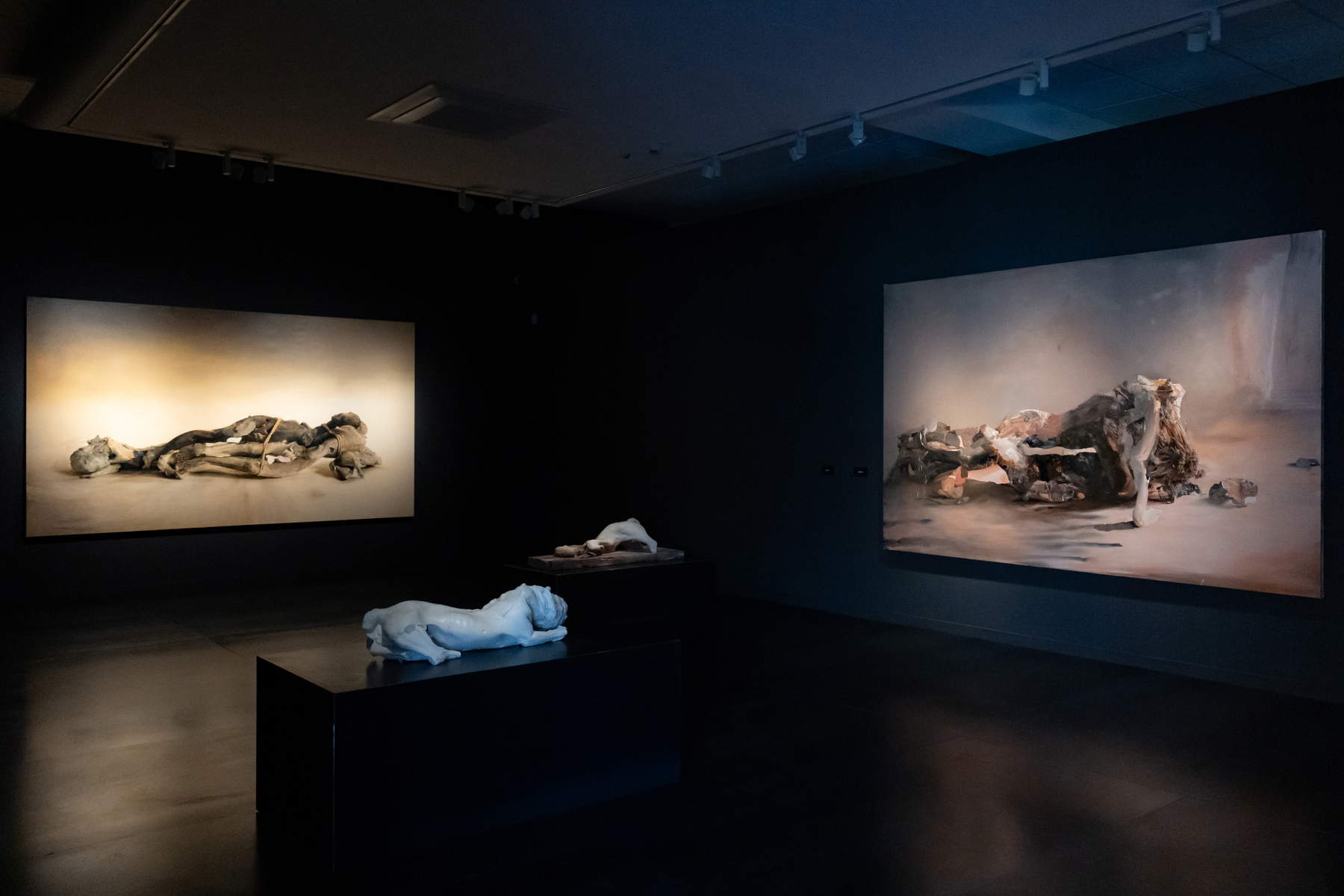
Nicola Samorì returns to Ravenna with *Supremalia*, a solo exhibition that, from October 17, 2026, to January 17, 2027, brings the works of one of the most influential Italian artists on the international contemporary scene to the MAR—Ravenna City Art Museum. Curated by Denis Isaia, the exhibition was conceived specifically for the museum and Ravenna’s historical and artistic heritage, connecting Samorì’s artistic exploration with the great European figurative tradition.
For the artist from Romagna, who lives and works in Bagnacavallo, this event represents much more than a new exhibition: it is a return to the city where he took his first steps as an artist. As a young man, Samorì found important sources of inspiration in Byzantine mosaics, the marble of the basilicas, and the casts in the Academy of Fine Arts’ plaster cast gallery—sources that fueled an artistic imagination which, over the years, has engaged with the great masters of the past.
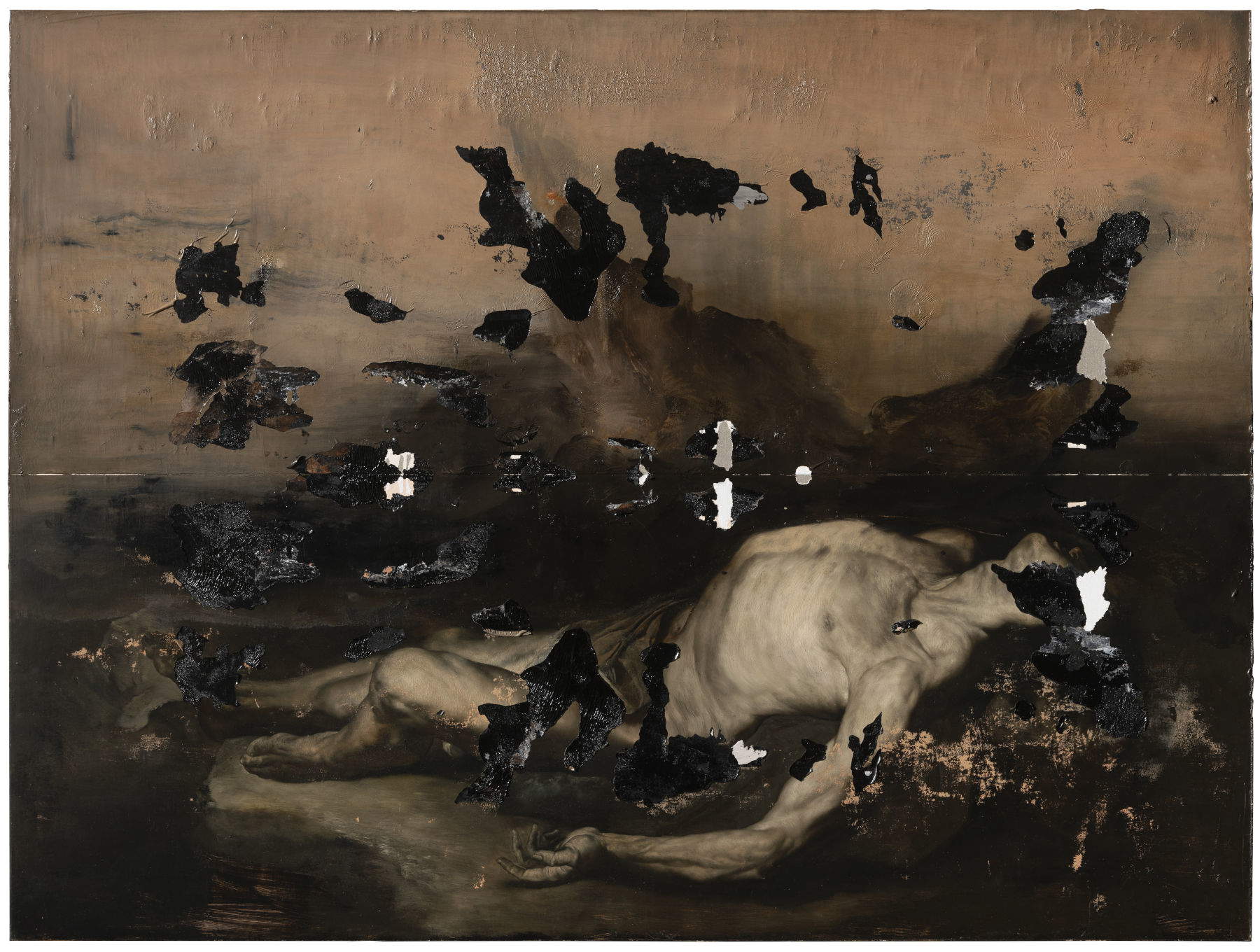
His career subsequently led him to exhibit in international museums and institutions, where he distinguished himself through a personal artistic language that reinterprets art history through interventions on materials, painterly surfaces, and forms. His works have been placed in dialogue with masterpieces such as Raphael’s cartoon for *The School of Athens*, housed at the Pinacoteca Ambrosiana, and Bruegel’s *The Parable of the Blind*, held at the Capodimonte Museum and Royal Park. With *Supremalia*, this artistic exploration returns to engage with the cultural roots that have helped define it.


The exhibition’s title stems from the combination of two terms: the prefix “super,” which refers to what lies above and represents the highest degree of something, and the word “malia,” linked to enchantment, charm, and the ability to captivate the gaze. Supremalia thus expresses the idea of attraction brought to its utmost intensity, in which the visual experience becomes an encounter with images that captivate and engage the viewer.
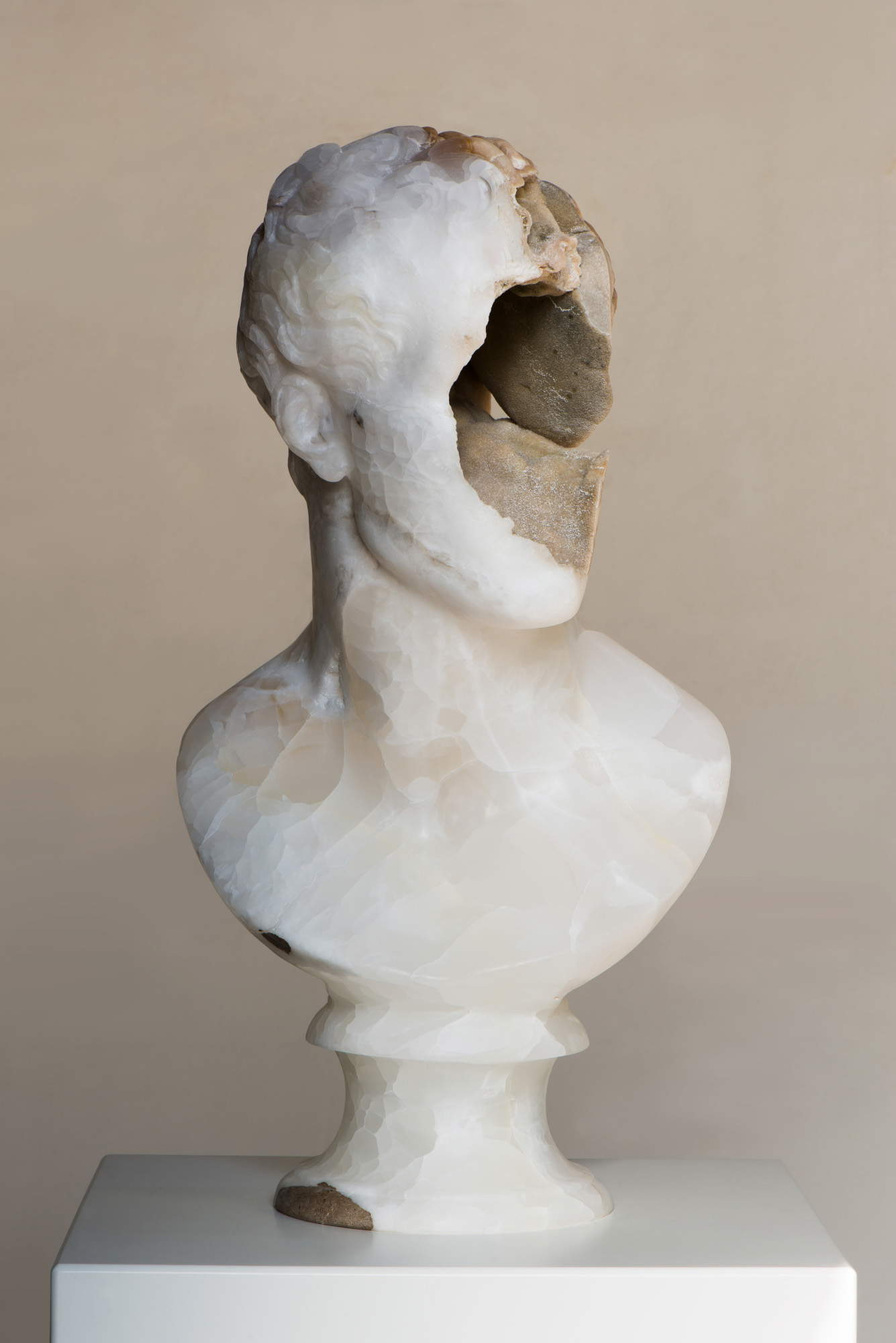
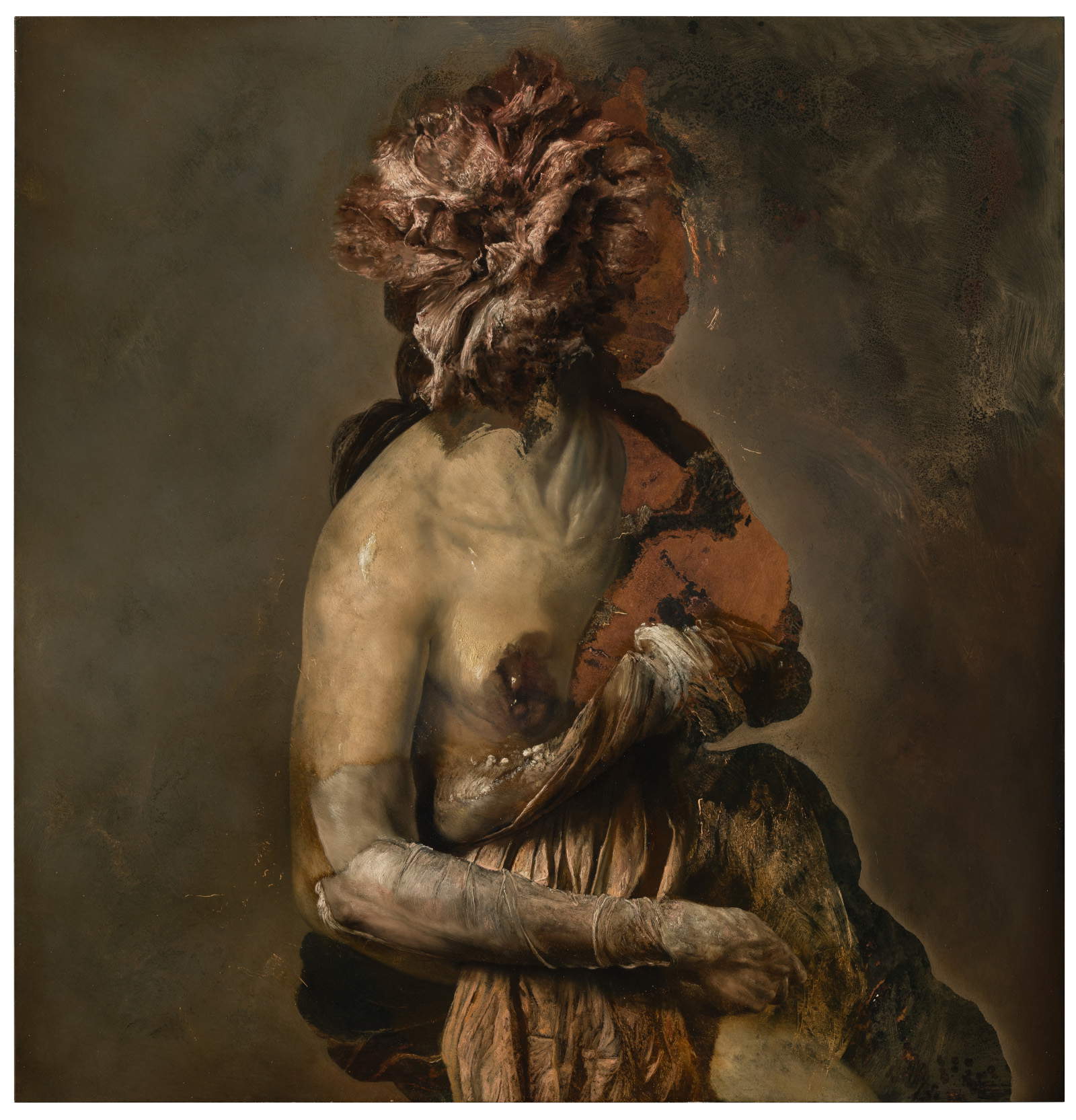
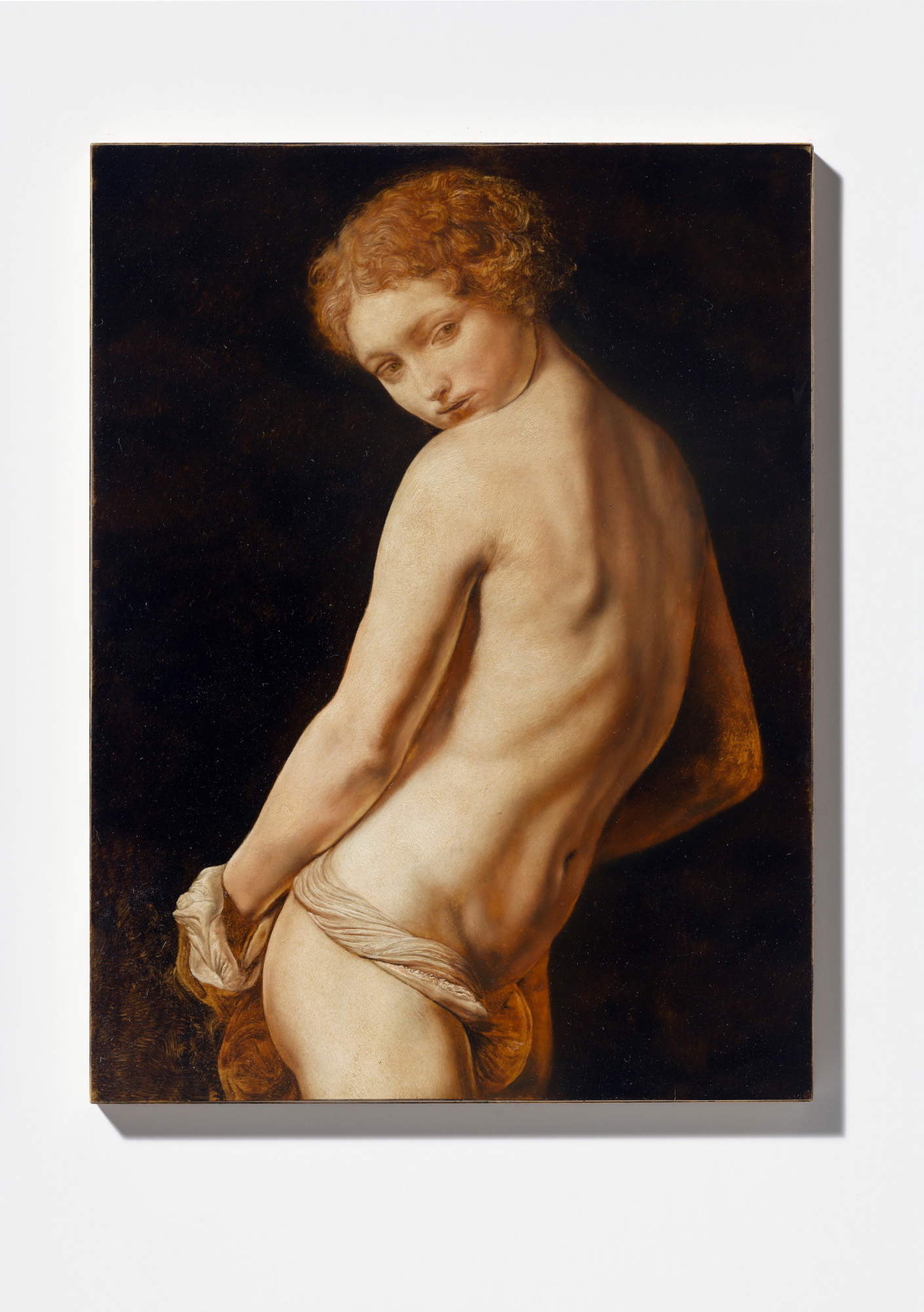
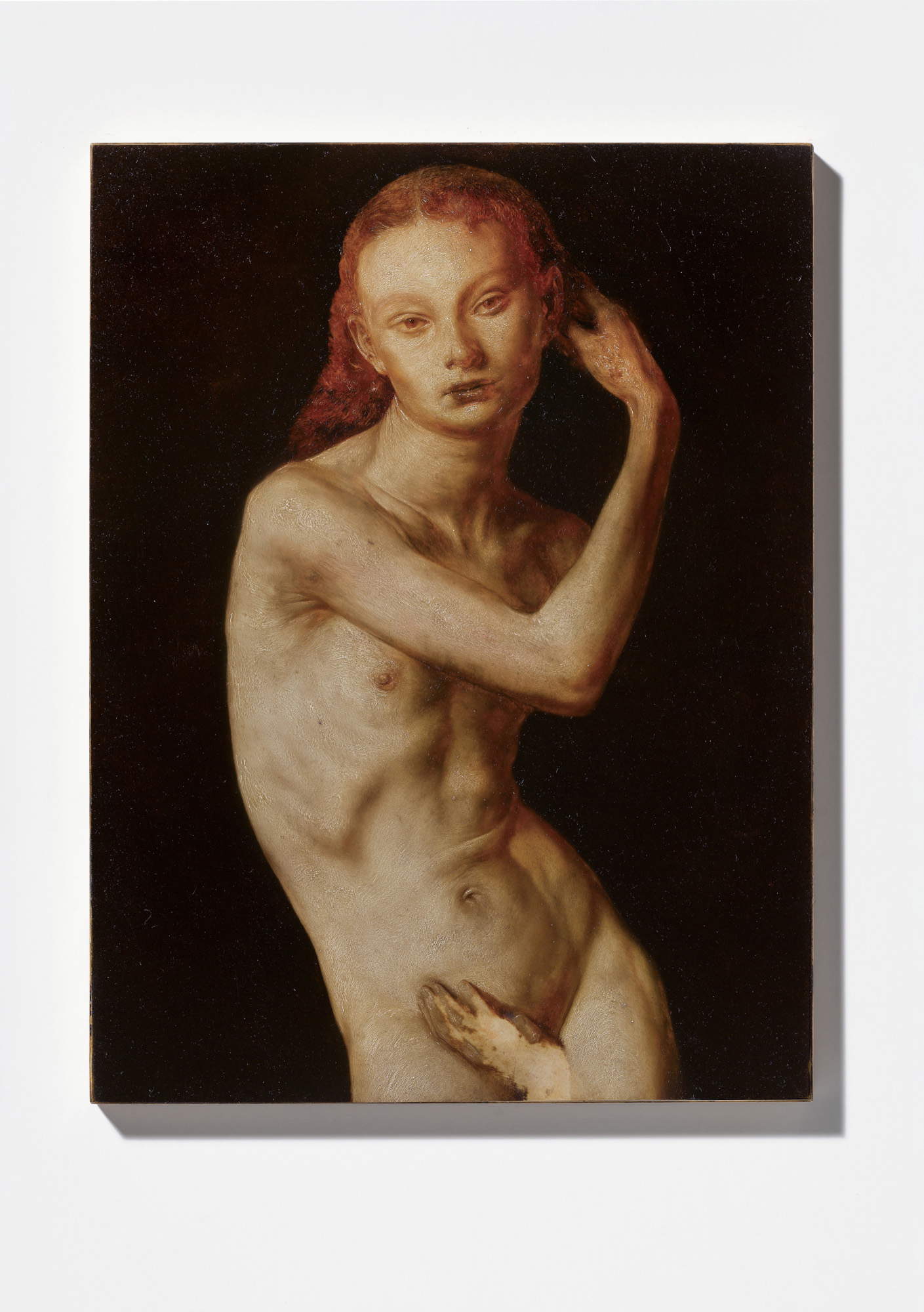
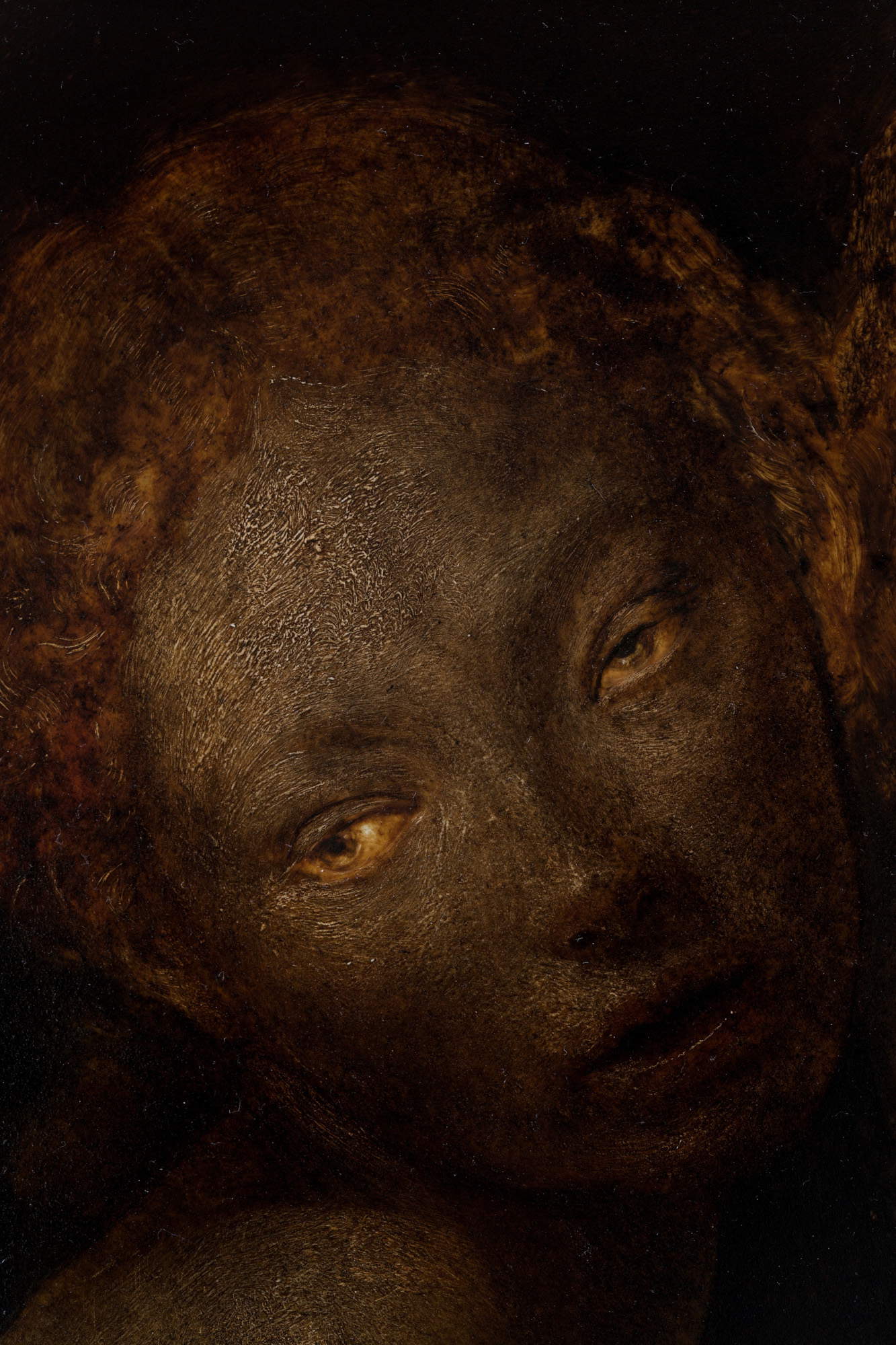
The exhibition project focuses on material, light, and transformation—elements that characterize both Samorì’s artistic practice and Ravenna’s artistic identity. His works engage with Canova’s plaster casts preserved in the Gipsoteca of the Academy of Fine Arts and with the marbles of the Basilica of San Vitale, creating a journey in which the contemporary does not merely confront the past but reinterprets it through new perspectives.
The connection with Ravenna also has its roots in the artist’s earliest exhibition experiences. In 1998, while still very young, Samorì presented his first solo exhibition here, held in the gardens of the Palazzo della Provincia. Other exhibitions followed, including those at the Church of San Domenico in 2001 and at Santa Maria delle Croci in 2002, which marked the early stages of his career.
Today, his return to the MAR renews this relationship through works—some of which have never been shown before—that convey his connection to the city without resorting to explanatory or didactic references. The monumentality of the marbles of San Vitale, the evocative power of the mosaics, and Ravenna’s figurative tradition resurface in his work as profound presences. Just as in a mosaic, where the image takes shape through the arrangement of individual tiles, Samorì’s work also proceeds through the layering, modification, and recomposition of the material. The result is a body of work that preserves traces of artistic memory while reinterpreting them through a fully contemporary language.
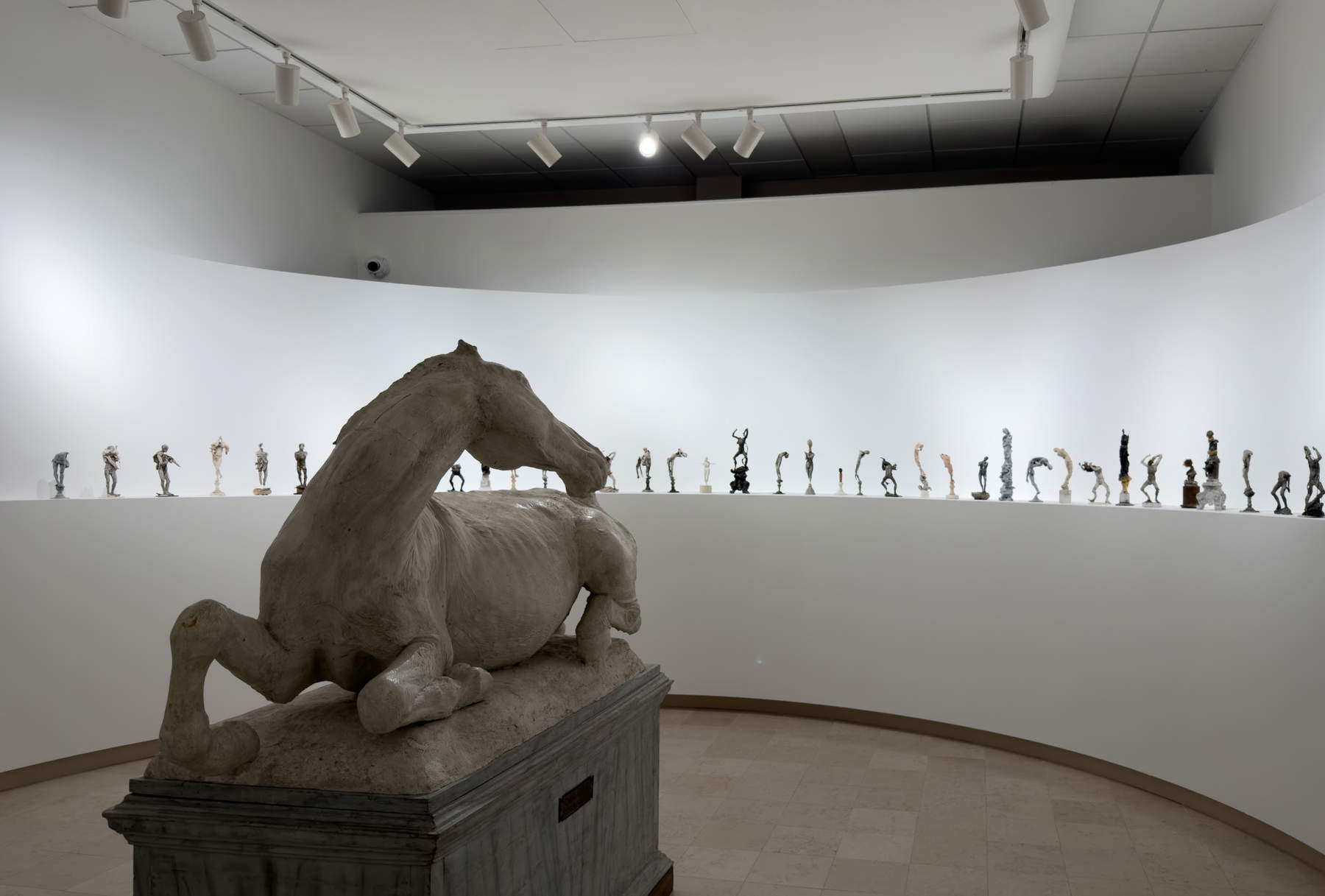
One of the central themes of the exhibition is the dialogue with the Gipsoteca’s collection of plaster casts, with particular attention to two works by Antonio Canova: *The Dying Horse * and*The Sleeping Endymion*. The dialogue between Samorì and the great Neoclassical sculptor unfolds through forms, postures, and the qualities of the material, revealing unexpected connections between two distinct artistic eras. Among the numerous equestrian depictions created by Canova—some of which are monumental—the cast of the Dying Horse housed at the MAR is a lesser-known work, yet one of particular interest due to the complexity of its execution and its value as a study. The sculptor created it as a study, modeling the body of the recumbent animal and experimenting with different postural arrangements. Compared to other works by Canova, the cast departs from the customary formal elegance and smoothness of surfaces that characterize his oeuvre. In their place emerge an intense physical presence, a concrete monumentality, and a material sensuality far removed from idealization. It is precisely these qualities that have long aroused Samorì’s interest.
The comparison with the models and small prototypes that the contemporary artist uses to study the movement of figures makes this dialogue particularly significant. The explorations of the two artists converge in the realm of artistic practice, in an exchange that spans time and connects bodies, surfaces, and the figurative tradition.
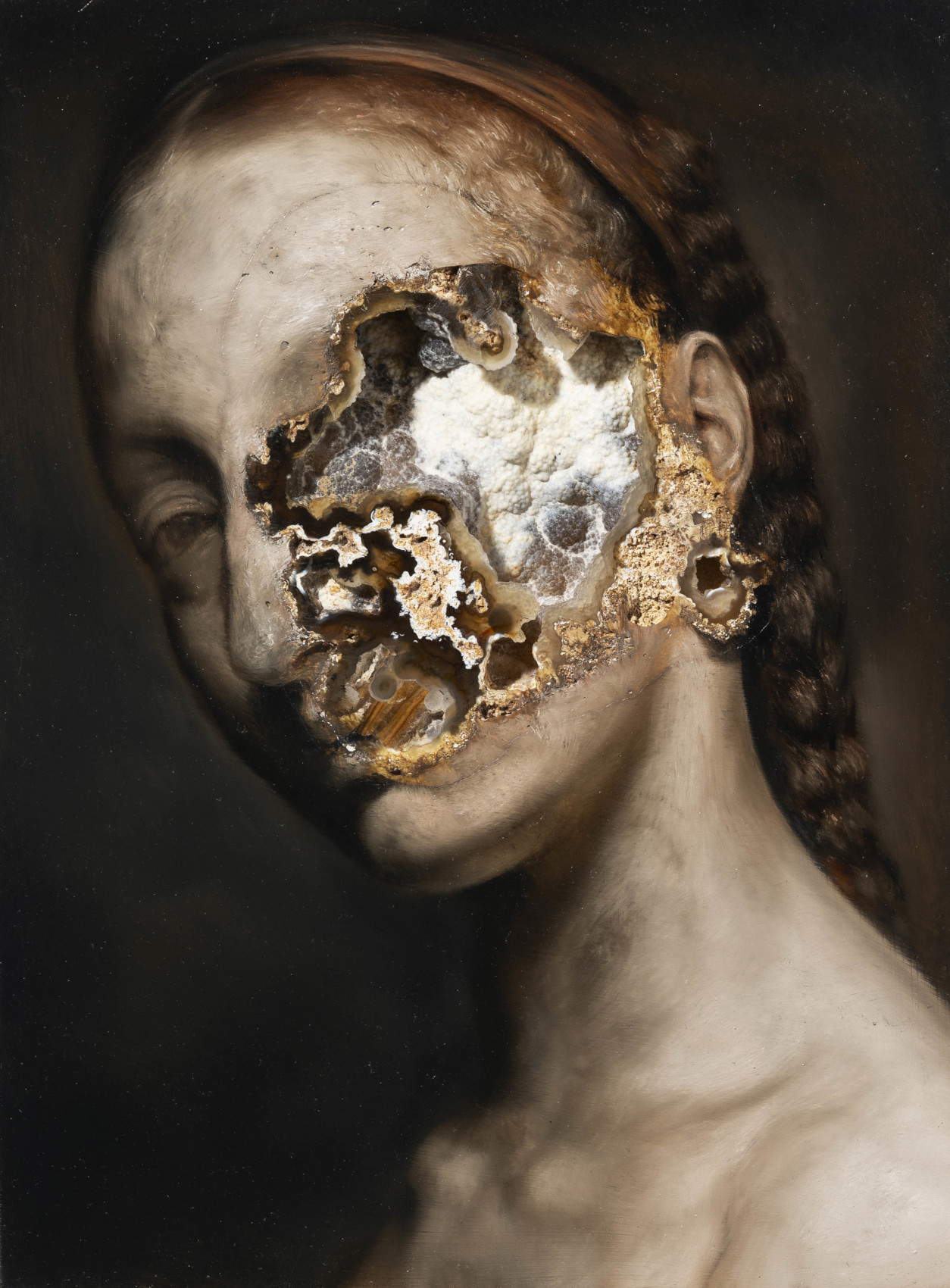
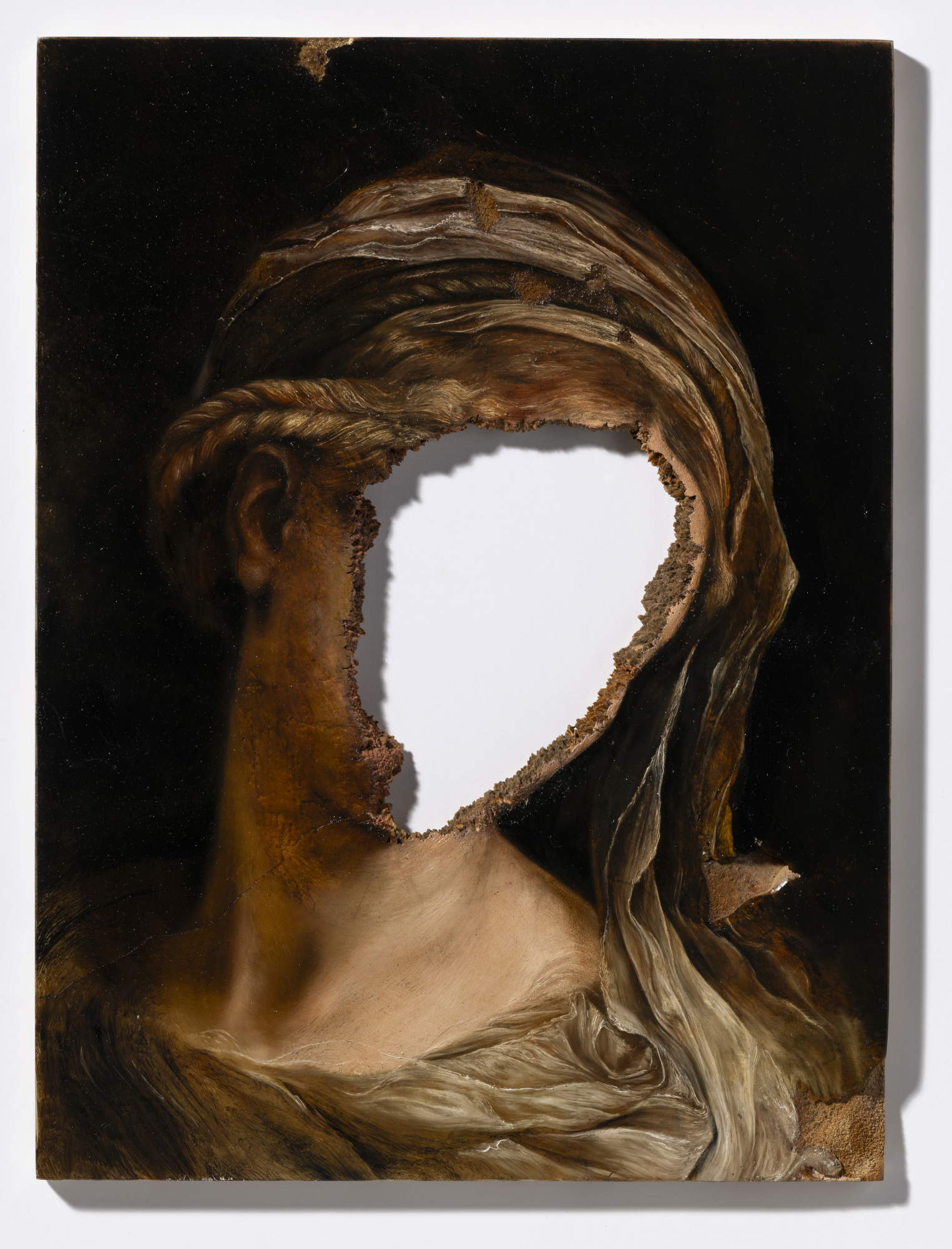
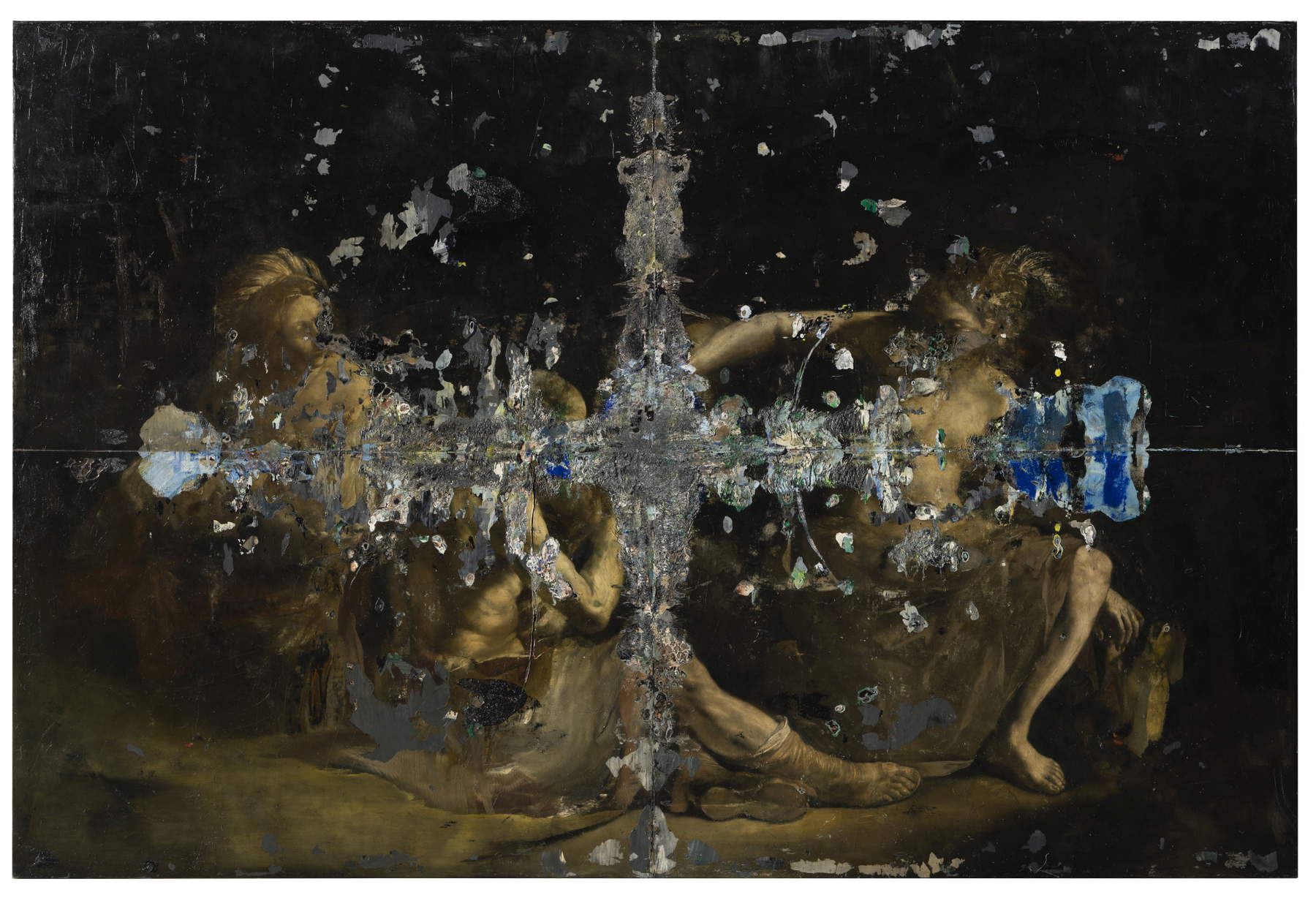
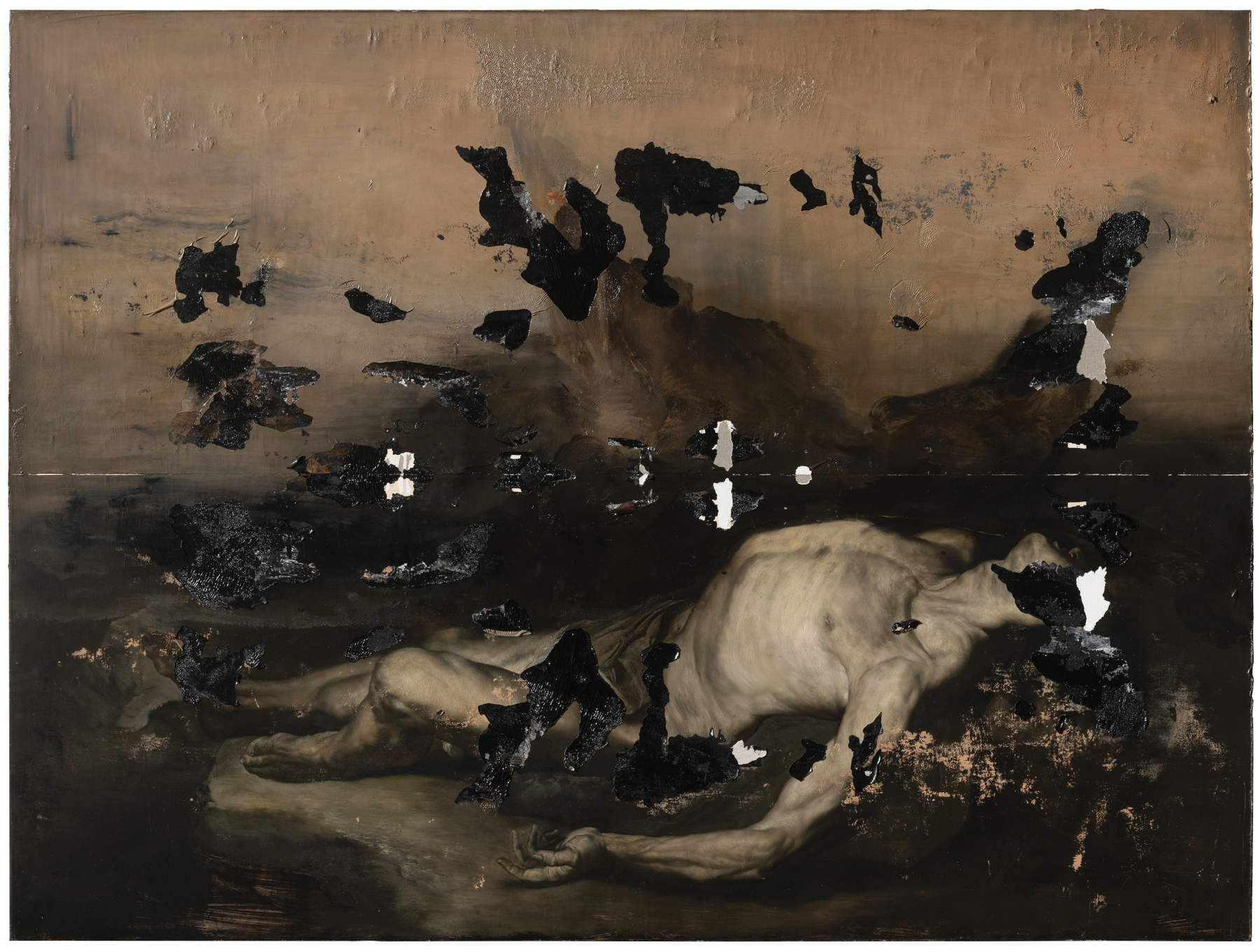
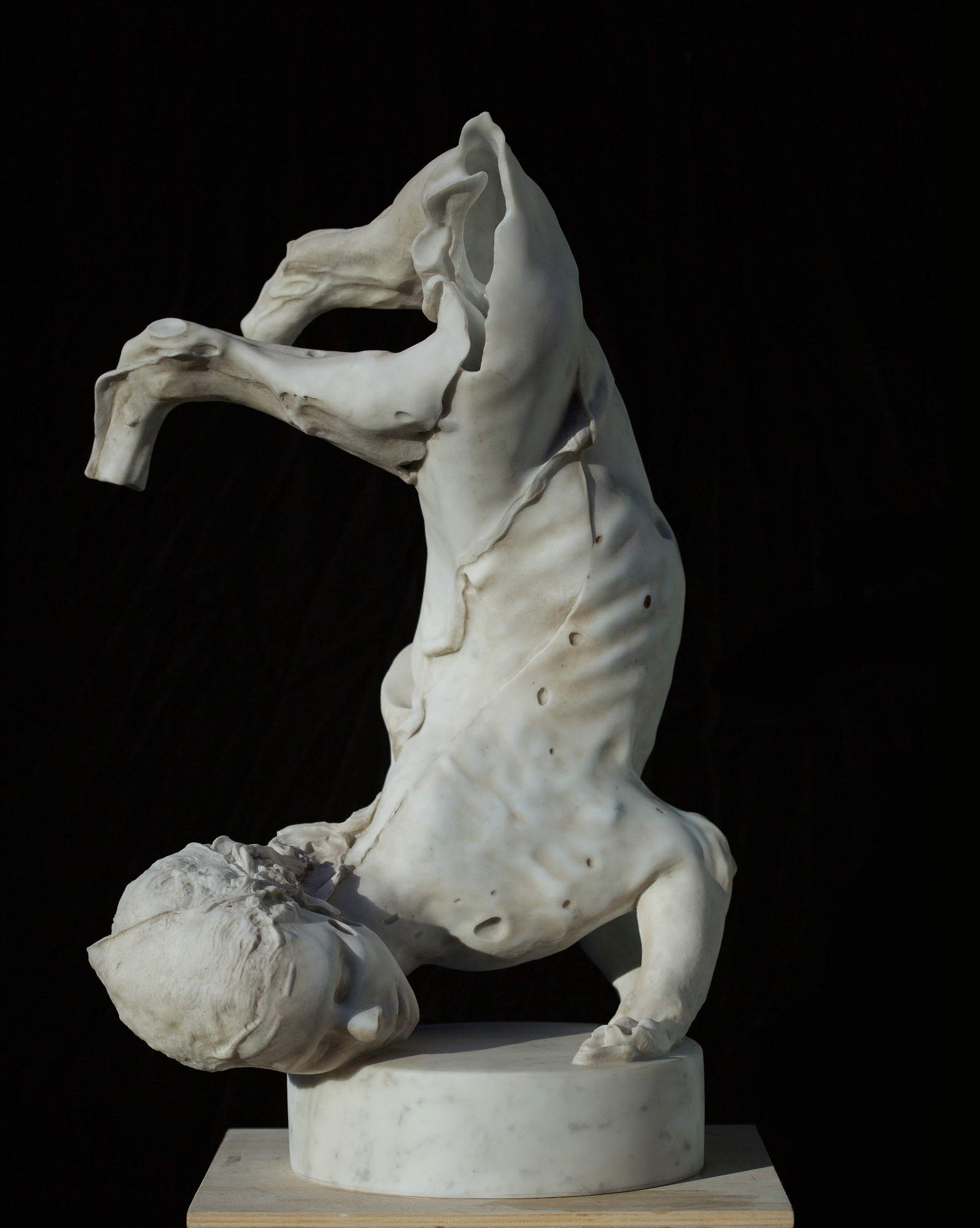
The exhibition opens with a tribute to Canova, whose *Dying Horse* serves as one of the key focal points of the entire itinerary, and the sculptor is featured again in the exhibition’s concluding section. Here, the plaster castof the Sleeping Endymion marks the transition from the last gallery to the loggia housing the plaster cast gallery, creating a sense of continuity between the museum’s galleries and the historical collection. In this space, Samorì’s works continue the dialogue with classical models through a reflection on the body, pictorial matter, and the persistence of tradition. The exhibition itinerary thus highlights some of the fundamental tensions in his artistic practice: memory and metamorphosis, permanence and transformation, adherence to the canon and the breaking of forms.
Conceived by the artist together with curator Denis Isaia, the exhibition project benefits from the collaboration of architect Emiliano Leoni and the MAR staff. The spaces on the museum’s first floor have been redesigned to foster a dialogue between the works and the architecture, highlighting the visual and conceptual relationships that run throughout the entire exhibition.
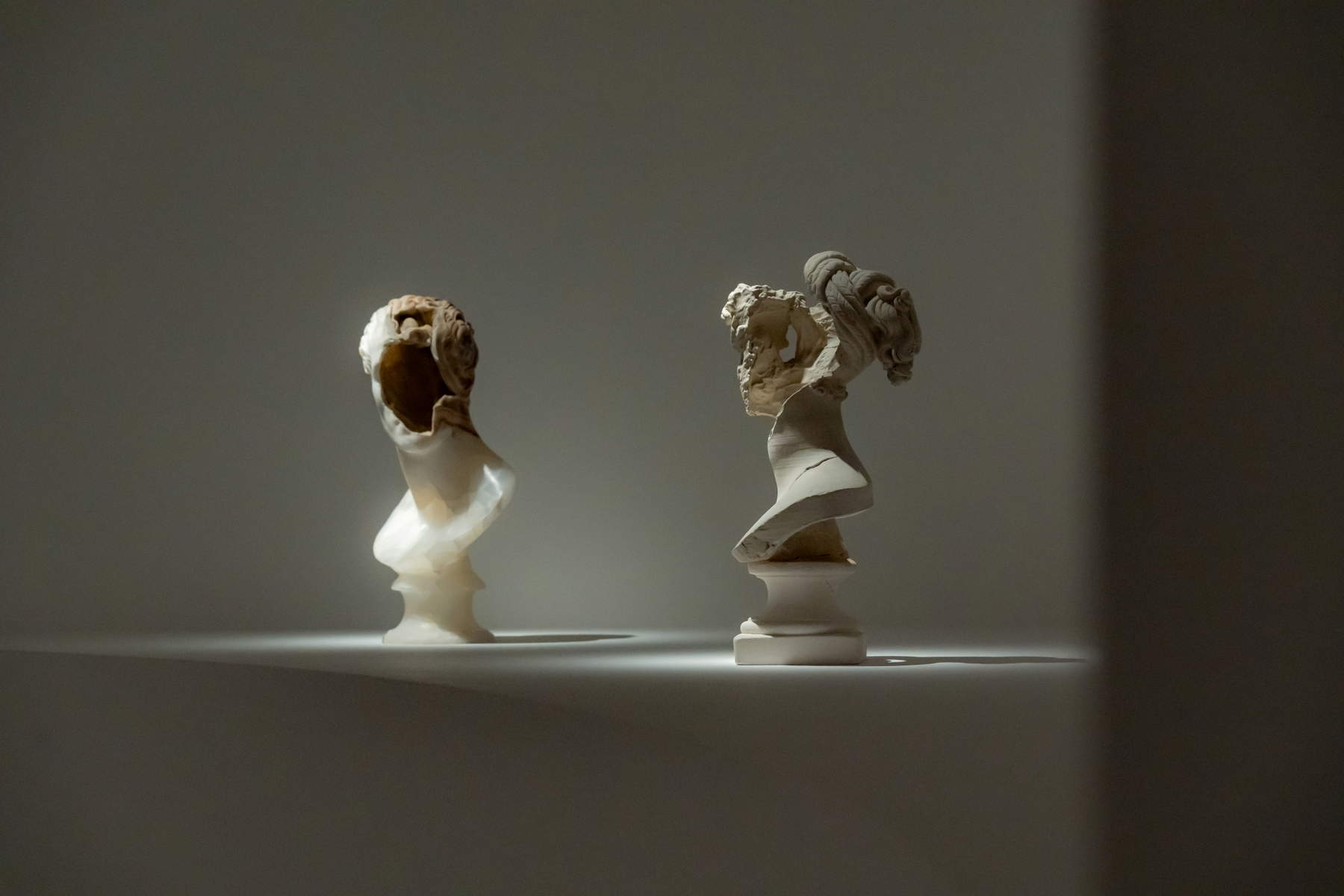
To coincide with the exhibition, Moebius Books in Milan published the catalog *Nicola Samorì Supremalia*, which features texts by Denis Isaia and Giovanni Gardini, accompanied by a selection of short critical essays dating from 1998 to 2005.
The opening of the exhibition is also part of the renovation process of the Plaster Cast Gallery at the Academy of Fine Arts in Ravenna, which is undergoing a major redesign scheduled for completion by the end of 2026. The project is supported by the Emilia-Romagna Region as part of the 2026 Museum Plans.
The exhibition thus also offers an opportunity to rediscover one of the most significant collections in Ravenna’s museum heritage, placing it in dialogue with the work of a contemporary artist of international renown. Through a dialogue between Samorì’s works, classical models, and the city’s artistic legacy, *Supremalia* creates an experience in which art history does not remain static but continues to transform and generate new interpretations.
Supremalia is open to the public Tuesday through Saturday from 9 a.m. to 6 p.m.; Sundays and holidays from 10 a.m. to 7 p.m. Closed Mondays.
 |
| Nicola Samorì Returns to Ravenna: At the MAR, Beauty Transforms and Engages in Dialogue with the Great Masters of the Past |
Warning: the translation into English of the original Italian article was created using automatic tools. We undertake to review all articles, but we do not guarantee the total absence of inaccuracies in the translation due to the program. You can find the original by clicking on the ITA button. If you find any mistake,please contact us.