







From October 17, 2026, to January 17, 2027, the MAR – Art Museum of the City of Ravenna will host “Nicola Samorì. Supremalia,” a solo exhibition dedicated to the artist from Romagna and curated by Denis Isaia. The project, organized by the City of Ravenna and the MAR, marks a return to his roots for Samorì, who began to develop his artistic vision in this city by observing the Byzantine mosaics, the marble works in the basilicas, and the plaster casts preserved in the Gipsoteca of the Academy of Fine Arts.
The exhibition is conceived as an itinerary designed specifically for the spaces of the Ravenna museum, connecting Samorì’s contemporary artistic exploration with the great Italian and European figurative tradition. The artist’s works will engage in a dialogue with Antonio Canova’s plaster casts from the Gipsoteca of the Academy of Fine Arts in Ravenna, with the marbles of San Vitale, and with a culture of material, light, and transformation that characterizes the city’s history.
Nicola Samorì, born in Forlì in 1977 and currently residing in Bagnacavallo, has over the years developed a body of work centered on the relationship with the past, the manipulation of materials, and the continuous transformation of the image. His exhibition career has taken him to international museums and institutions, where his works have been displayed alongside masterpieces of art history, such as Raphael’s cartoon for *The School of Athens*, housed at the Pinacoteca Ambrosiana, and Pieter Bruegel’s *The Parable of the Blind*, at the Capodimonte Museum and Royal Park.
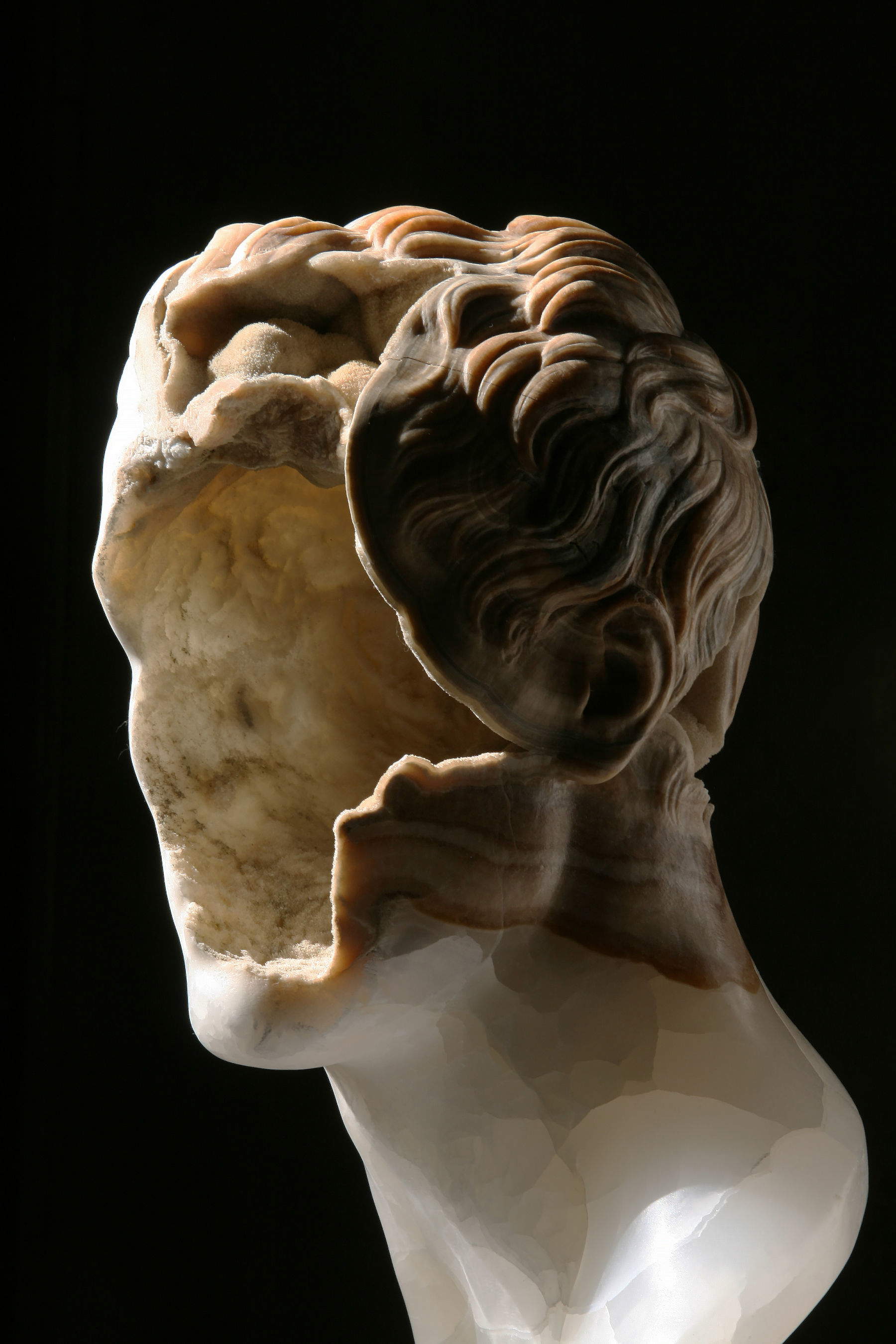
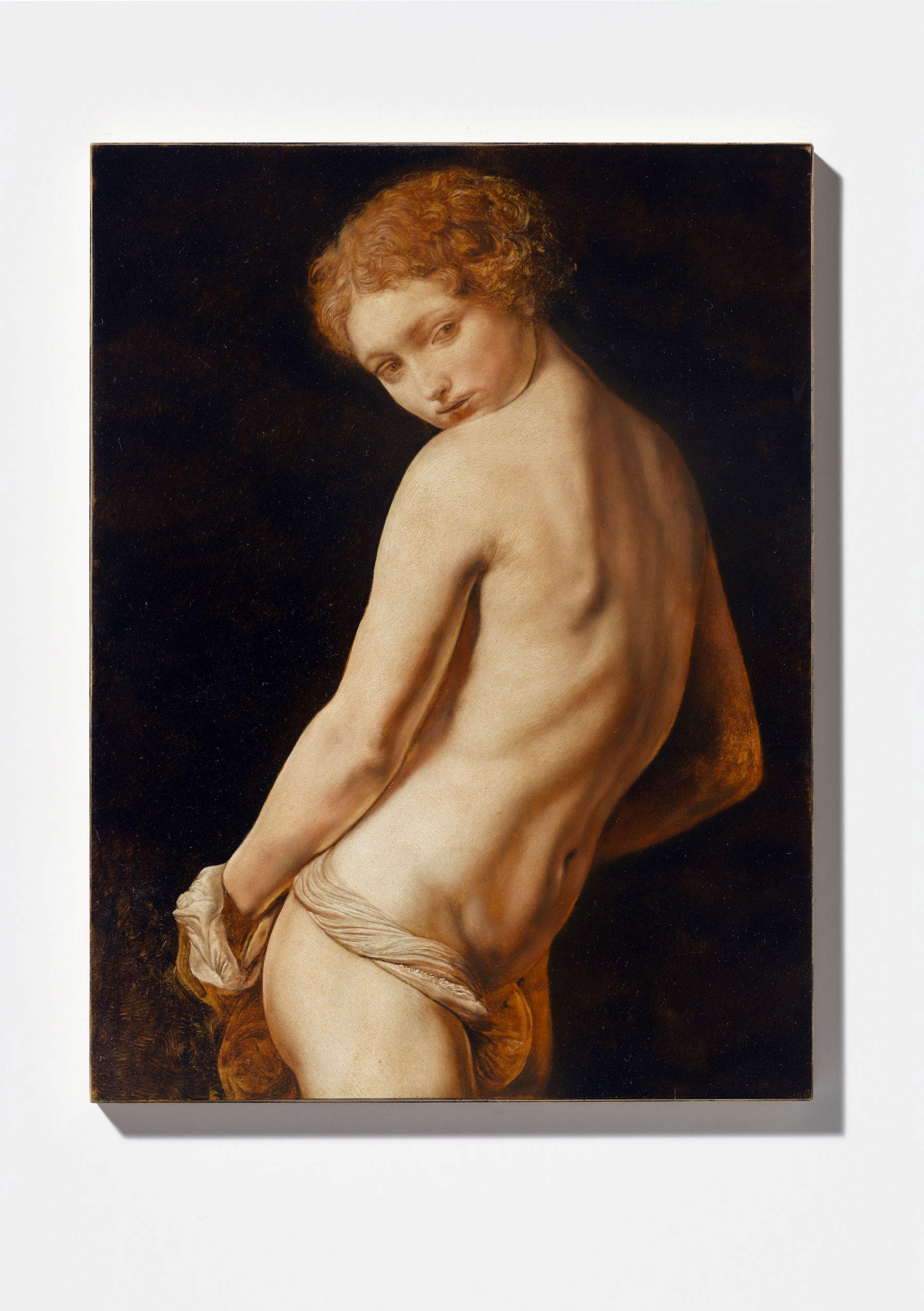
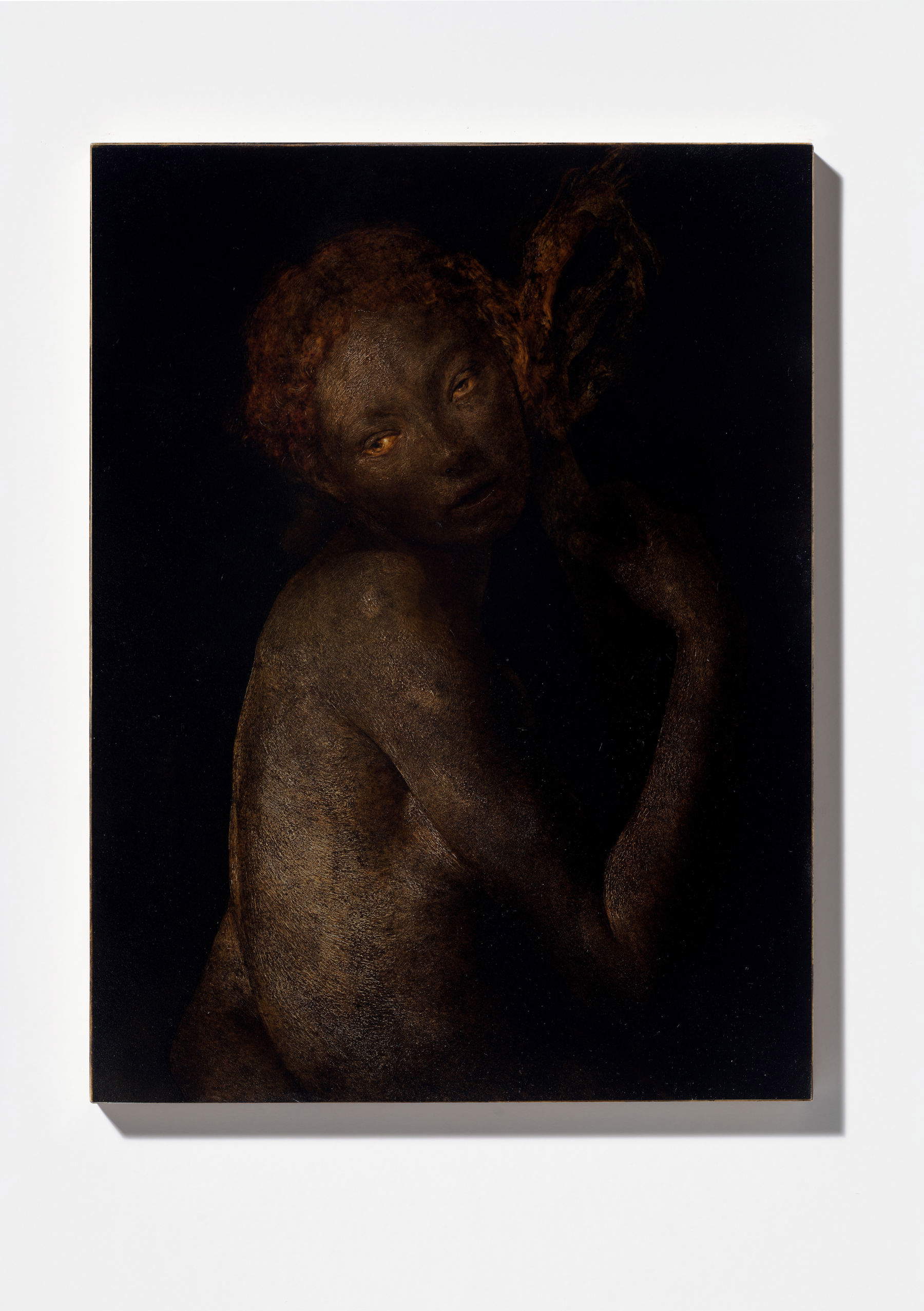
The exhibition’s title, *Supremalia*, is a neologism composed of the prefix “super”—meaning that which lies beyond, at the highest degree—and the term “malia,” evoking charm, enchantment, and the power to captivate the gaze. The title thus encapsulates the idea of seduction brought to its utmost intensity, in which the visual experience arises from the encounter between attraction and desire.
For Samorì, the project also holds personal significance. It was in Ravenna that the artist presented his first solo exhibition in 1998, held in the gardens of the Palazzo della Provincia. That exhibition was followed by others during his early years, including shows at the Church of San Domenico in 2001 and at Santa Maria delle Croci in 2002.
The connection to Ravenna emerges in the works through an exploration rooted in materiality and processes of transformation. Just as mosaics construct images by arranging tiles, Samorì works through overlays, layering, and recompositions, producing figures that retain traces of historical memory without sacrificing a contemporary dimension. The monumentality of the marbles of San Vitale and Ravenna’s figurative tradition thus become elements that run through his artistic exploration.
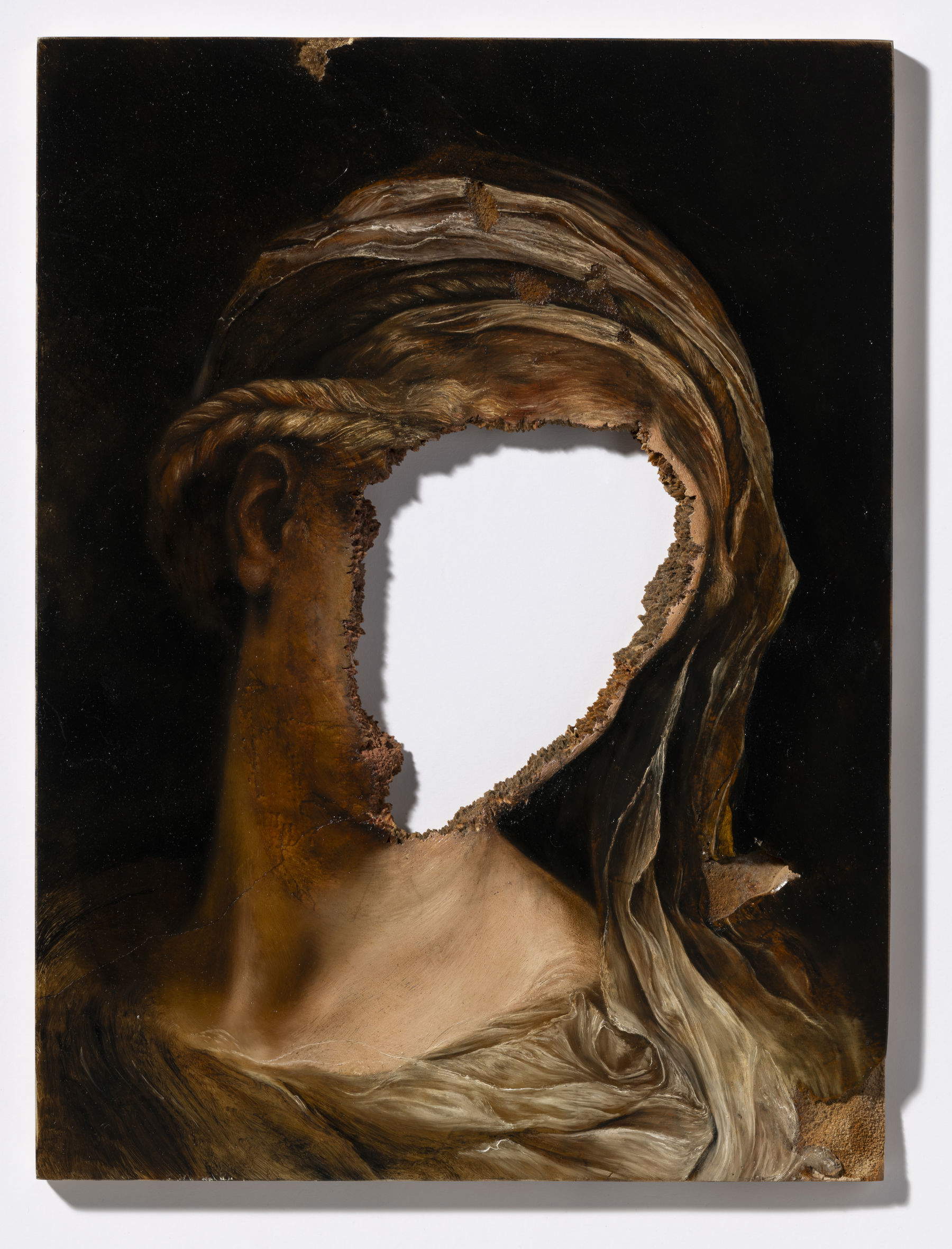
One of the exhibition’s central themes will be a comparison with the plaster cast collection of the Academy of Fine Arts and with two works by Canova: the cast of *The Dying Horse * and*The Sleeping Endymion*. The dialogue with the former—a work less well-known than the sculptor’s other monumental pieces but characterized by a complex exploration of posture and physical presence—draws a connection between the two artists’ anatomical and material studies. Alongside the cast of the horse, several small models used by Samorì to analyze the dynamics of the figures will be presented, creating a comparison between study practices from different eras.
The exhibition begins with a comparison between a fragmentary head by Samorì and a sculpture by Canova from the Museo Gypsotheca Antonio Canova in Possagno, which bears the scars of wartime bombings. Canova’s work will thus accompany the entire tour: the *Dying Horse* will be one of the exhibition’s central focal points, while the plaster castof the *Sleeping Endymion* will conclude the tour, ideally linking back to the loggia that houses the plaster cast gallery.
Through this dialogue, several recurring themes in Samorì’s work emerge: the tension between preservation and transformation, the relationship with the body and the wound, the engagement with the classical canon, and the possibility of reinterpreting it through a contemporary language. The exhibition thus highlights an ongoing relationship between memory and metamorphosis, permanence and alteration.
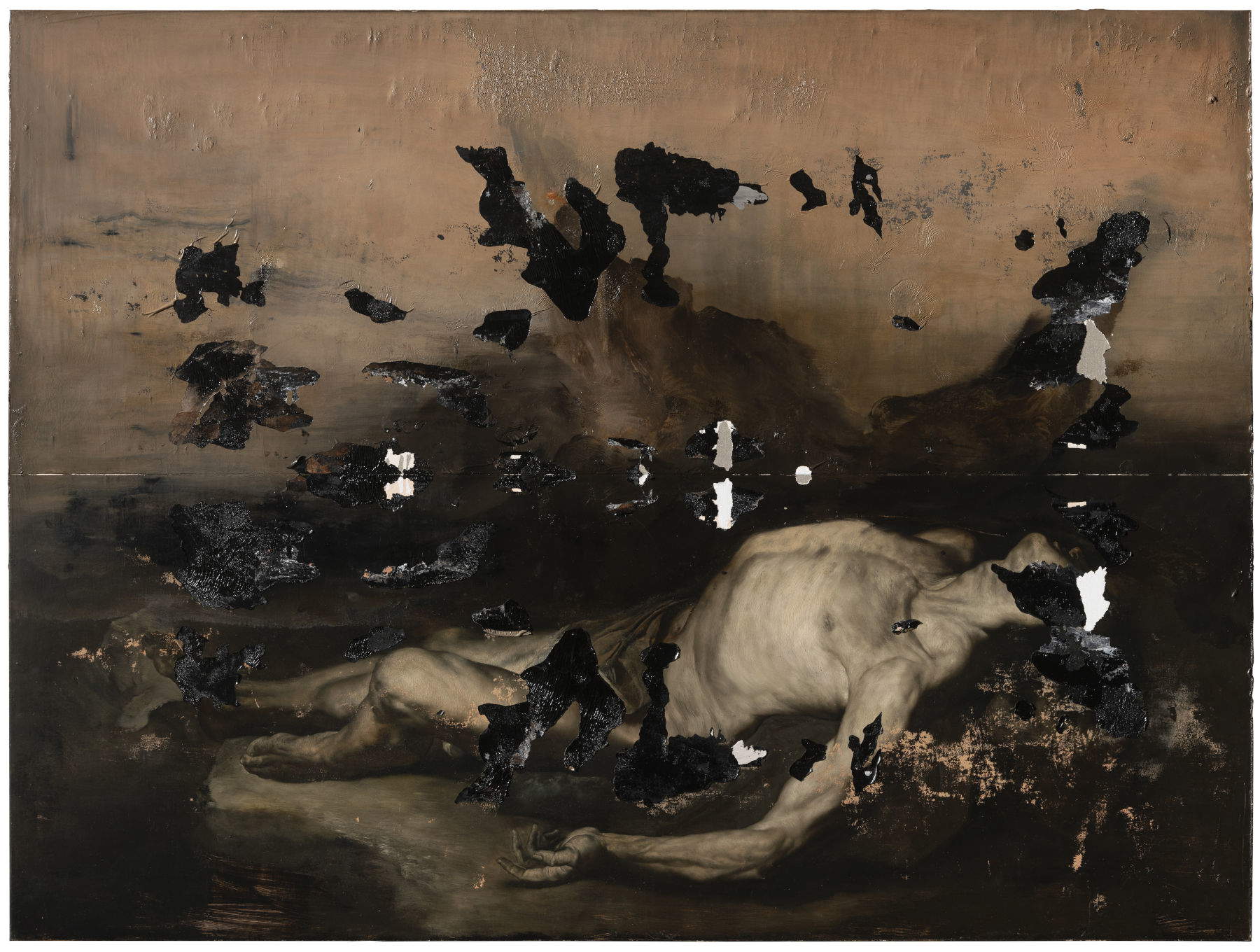
The exhibition project was conceived by the artist together with curator Denis Isaia and realized in collaboration with architect Emiliano Leoni and the MAR staff. The spaces on the museum’s first floor were designed to highlight the relationship between contemporary works and historical collections, creating a cohesive itinerary in which Canova’s presence accompanies visitors from the beginning to the end of their visit.
The exhibition’s opening will also coincide with the redesign of the Plaster Cast Gallery at the Academy of Fine Arts in Ravenna, made possible thanks to a grant from the Emilia-Romagna Region as part of the 2026 Museum Plans. This project will offer the opportunity to rediscover one of the museum’s most significant collections, presented in relation to the work of one of the most prominent Italian contemporary artists on the international scene. The exhibition will open on October 16, 2026, at 6:00 p.m. The MAR will be open Tuesday through Saturday from 9:00 a.m. to 6:00 p.m., and on Sundays and holidays from 10:00 a.m. to 7:00 p.m.; it is closed on Mondays. The ticket office will close half an hour before the museum closes.
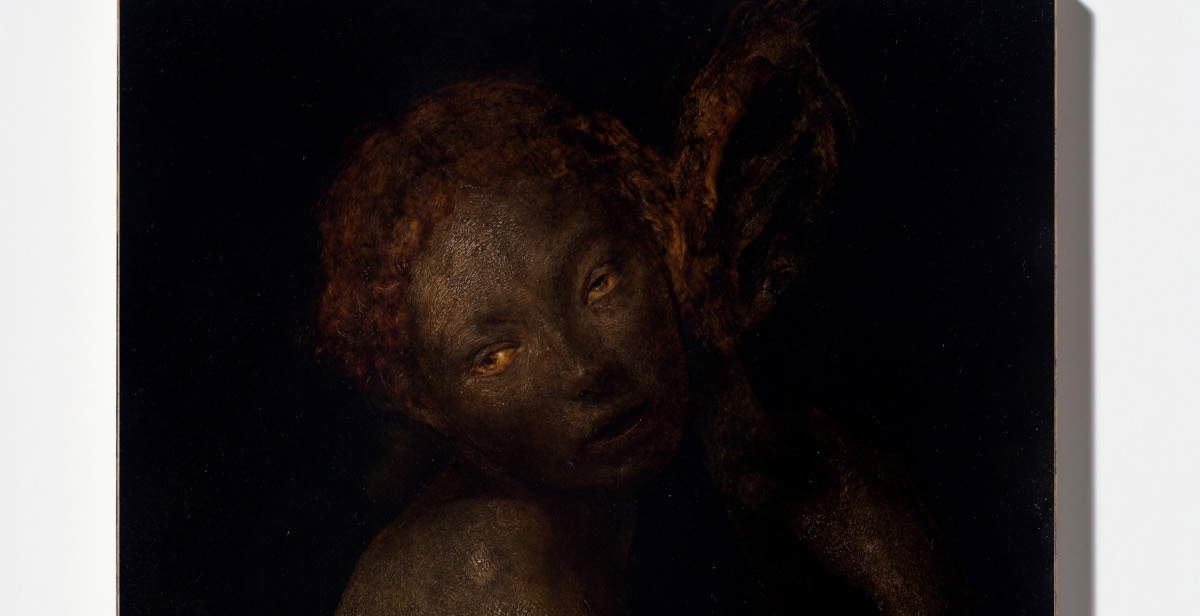 |
| Nicola Samorì returns to Ravenna with “Supremalia,” a dialogue with Canova and art history |

Warning: the translation into English of the original Italian article was created using automatic tools. We undertake to review all articles, but we do not guarantee the total absence of inaccuracies in the translation due to the program. You can find the original by clicking on the ITA button. If you find any mistake,please contact us.













 IT
IT FR
FR DE
DE ES
ES CN
CN