




by Redazione 23/08/2026



Categories: Exhibitions / Disclaimer
From September 18, 2026, to January 31, 2027, the Albertina Museum in Vienna is presenting a major exhibition that draws parallels between Pablo Picasso and Francis Bacon, two of the most important figures in 20th-century figurative painting.
From September 18, 2026, to January 31, 2027,the Albertina Museum in Vienna presents PICASSO – BACON. What It Feels Like to Be Human, a major exhibition that brings together Pablo Picasso and Francis Bacon, two of the most important figures in 20th-century figurative painting. Through approximately 70 works from international museums and private collections, the exhibition explores how both artists depicted the human condition—embodying pain, desire, vulnerability, and transformation.
The exhibition offers a unique and intense dialogue between Pablo Picasso and Francis Bacon—two artists who appear worlds apart but are united by a radical conception of the human figure. Both placed the human being at the center of their artistic exploration, transforming the body and the face into tools for expressing the anxieties of modern existence.
For Francis Bacon, Picasso was a fundamental influence. It was also through observing Picasso’s work that Bacon decided to devote himself to painting, and throughout his career, he continued to engage with the legacy of the great Spanish master. In a sense, Bacon aspired to become, in the second half of the twentieth century, what Picasso had been in the first half of the century: an interpreter and chronicler of the human being, of their contradictions and inner turmoil. The comparison between the two artists thus also becomes a comparison between two eras. Picasso had revolutionized the language of modern painting, while Bacon took up part of that legacy to develop it through an even more dramatic and restless vision of the human figure.


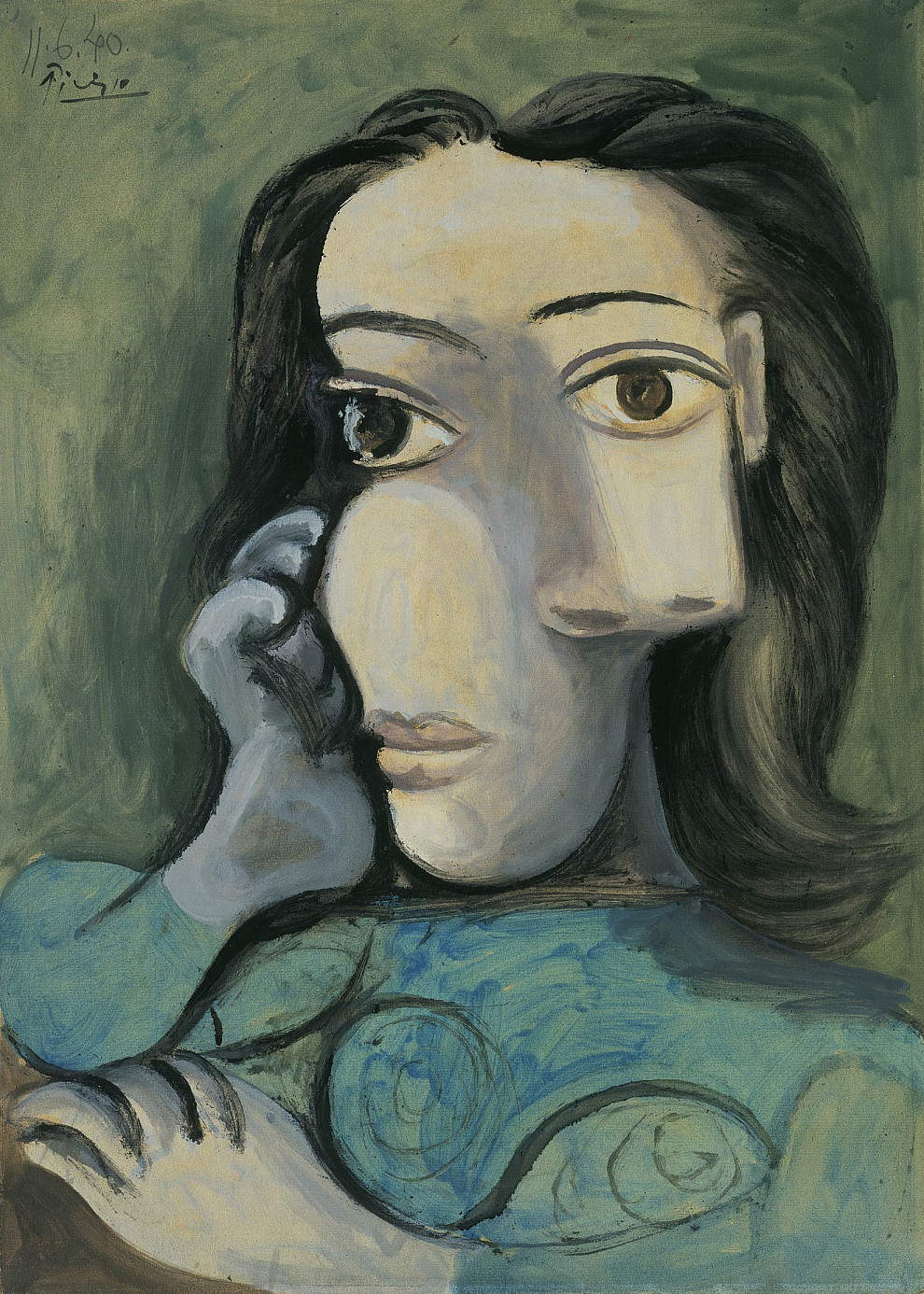
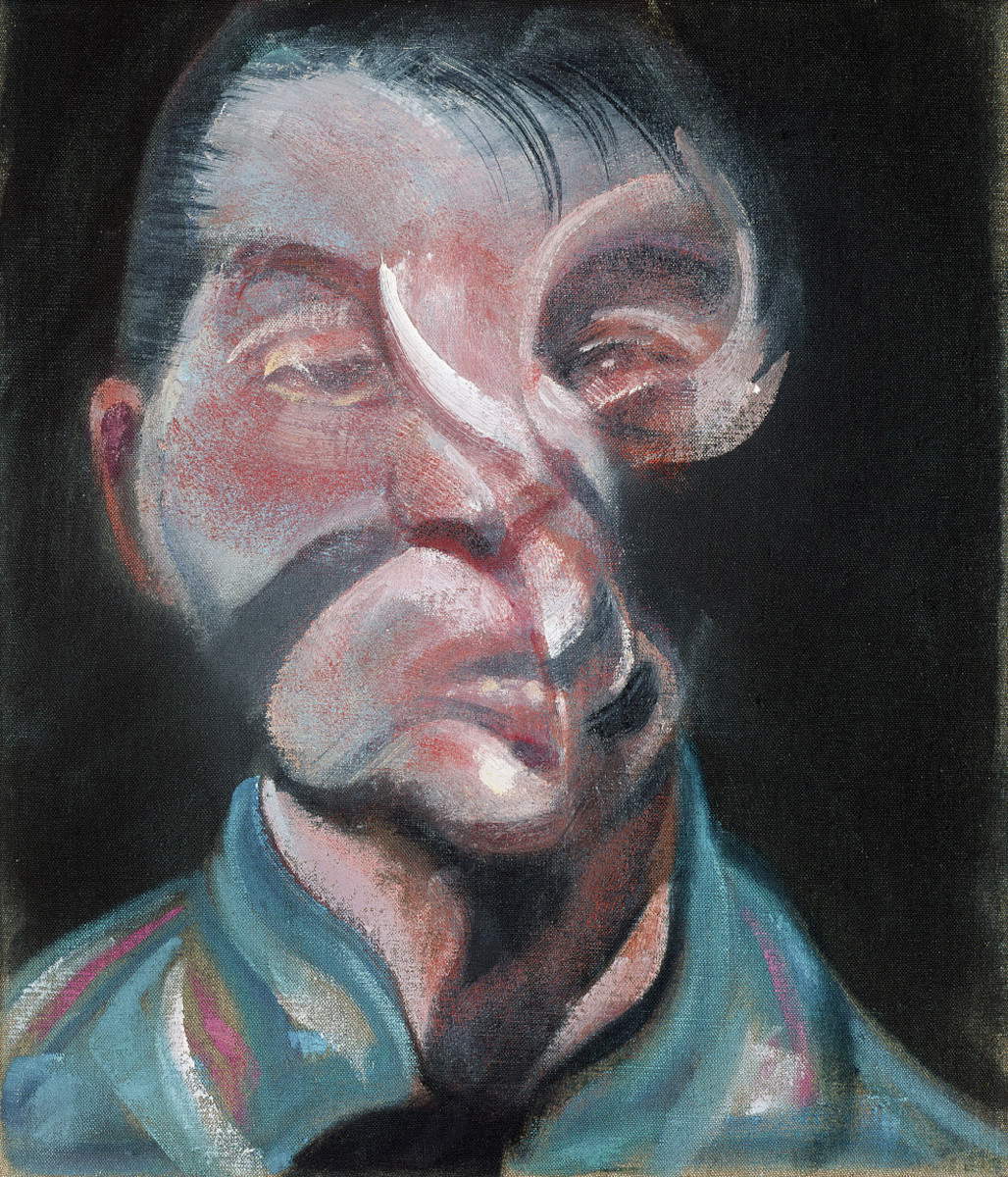
The primary point of convergence between Picasso and Bacon is the human figure, which both artists subject to a process of fragmentation, deformation, and reconstruction. Bodies and faces are deconstructed and reinvented, losing their traditional representational function to become expressions of moods and existential conditions.
Through images that are often raw and unsettling, the two artists address universal themes such as pain, desire, fear, and vulnerability, presenting an image of humanity stripped of idealization. Their figures thus seem to transform into a mirror of modernity: a disturbing and ruthless image that challenges certainties about identity and human nature.
The exhibition also highlights some of the recurring themes in the two artists’ work. Crucifixions, screams, bullfights, nudes, and images related to Eros become opportunities to reflect on the drama of existence. Although they use profoundly different artistic languages, Picasso and Bacon share a desire to go beyond the simple representation of the body. The figure, in fact, becomes the site where psychological tensions, impulses, suffering, and desires manifest. The result is a style of painting that does not necessarily seek beauty, but rather aims to reveal what lies hidden beneath the surface of the human being.
The exhibition brings together approximately 70 key works from major international museums and private collections. The direct dialogue between the paintings allows visitors to observe similarities, differences, and mutual resonances, while also offering the opportunity to better understand the influence Picasso exerted on the generation of artists who followed him.
A particularly interesting aspect concerns the relationship between the two: Picasso was not directly influenced by Bacon, but he closely followed the British painter’s career. Bacon, on the other hand, considered Picasso a decisive role model and a benchmark against which to measure himself throughout his life.
The exhibition aims to prompt reflection on 20th-century figurative painting through the lens of these two extraordinary artistic figures, demonstrating how, using different means, both sought to answer the same question: What does it mean to be human?
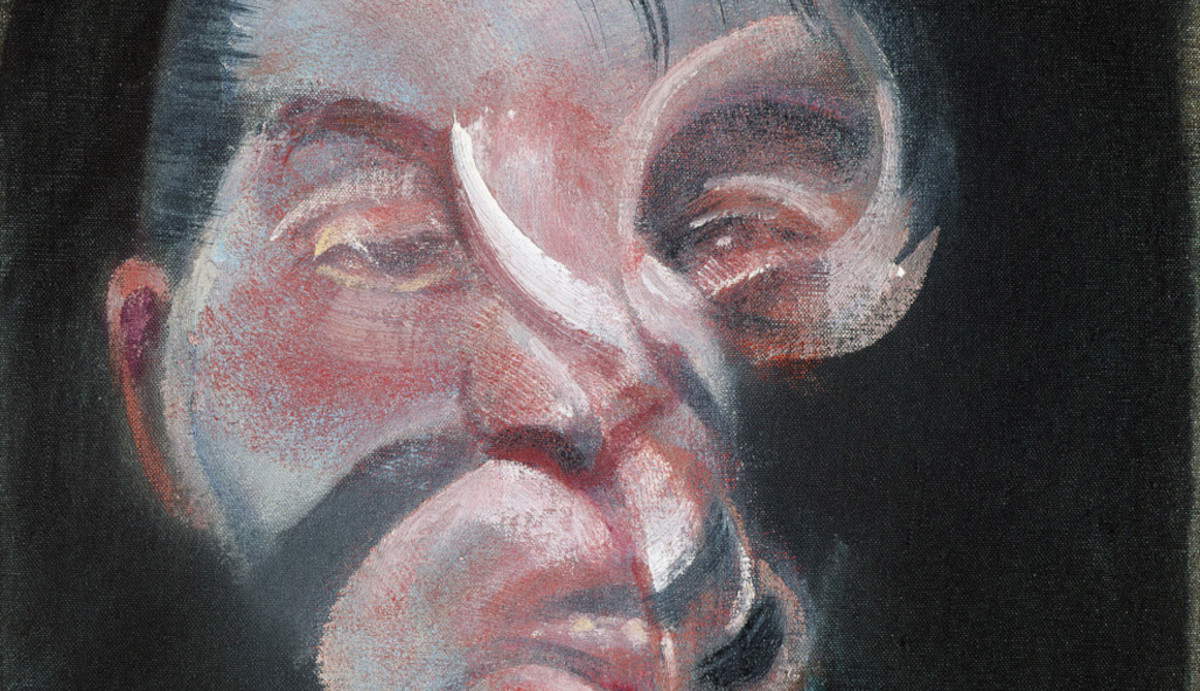 |
| Picasso and Bacon: A Comparison of Two Great Figures of 20th-Century Painting at the Albertina in Vienna |
Warning: the translation into English of the original Italian article was created using automatic tools. We undertake to review all articles, but we do not guarantee the total absence of inaccuracies in the translation due to the program. You can find the original by clicking on the ITA button. If you find any mistake,please contact us.