




by Redazione 23/07/2026



Categories: Exhibitions / Disclaimer
From October 9, 2026, to February 7, 2027, Rome will host the first major exhibition entirely dedicated to Jacopo da Pontormo. The exhibition will bring together masterpieces and works on paper from leading Italian and international museums.

It will be the first major solo exhibition ever dedicated to Jacopo da Pontormo ( Pontorme di Empoli, 1494 – Florence, 1557). From October 9, 2026, to February 7, 2027, the Scuderie del Quirinale in Rome will host a major exhibition dedicated to the Tuscan master, a central figure of 16th-century Florence and a key artist of the period marking the transition from the High Renaissance to Mannerism. Curated by Cristina Acidini, one of the leading scholars of the Florentine Renaissance, the exhibition is the result of a collaboration between Ales – Scuderie del Quirinale and the Uffizi Galleries, with production carried out in partnership with Electa. Assisting the curator is a scientific committee composed of Elena Capretti, Philippe Costamagna, Bruce Edelstein, and Carlo Falciani—scholars who have dedicated years of research to the artist’s work.
The exhibition represents a particularly significant event in the history of Pontormo studies. Although considered one of the foremost figures in 16th-century Italian painting, the artist had in fact never been the focus of a major exhibition entirely dedicated to his work. Born in Pontorme, near Empoli, in 1494 and died in Florence in 1557, Jacopo Carucci—universally known as Pontormo after his hometown—is considered one of the most original and innovative interpreters of the figurative culture of his time. His artistic development, which took place within Medici-era Florence, contributed decisively to the transformation of the Renaissance artistic language, paving the way for the sensibility that art history would later define as Mannerist.


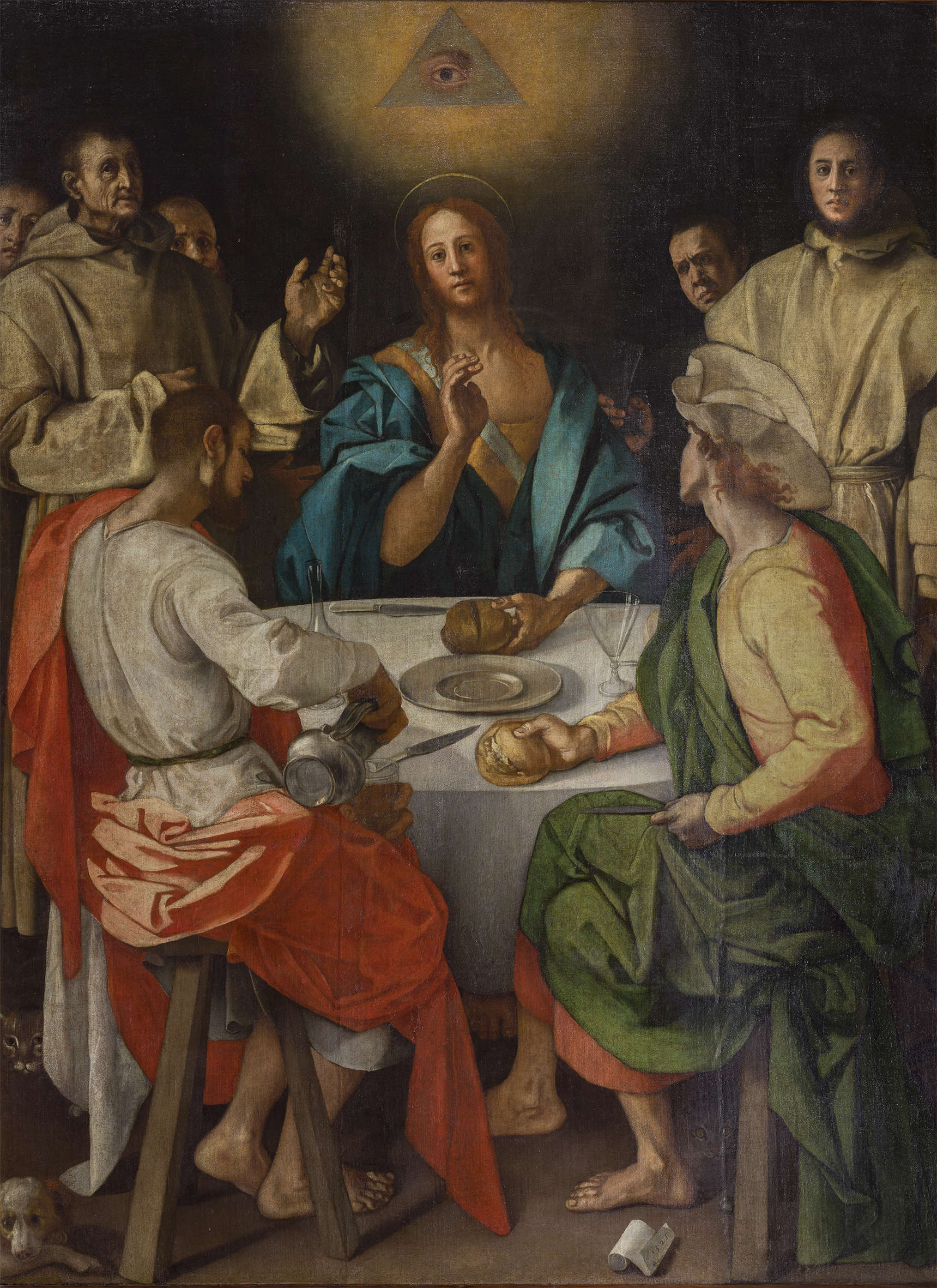
His painting, characterized by profound creative freedom, constant experimentation with composition, and a personal use of color and space, reinterpreted classical models with an entirely new approach, making him one of the most influential artists of the sixteenth century. It was precisely this ability to transcend the conventions of the mature Renaissance that made Pontormo a figure particularly beloved by 20th-century culture as well. His work has exerted a powerful fascination on contemporary artists, filmmakers, and intellectuals—from Pier Paolo Pasolini to Bill Viola—who have recognized an extraordinary expressive modernity in his painting.
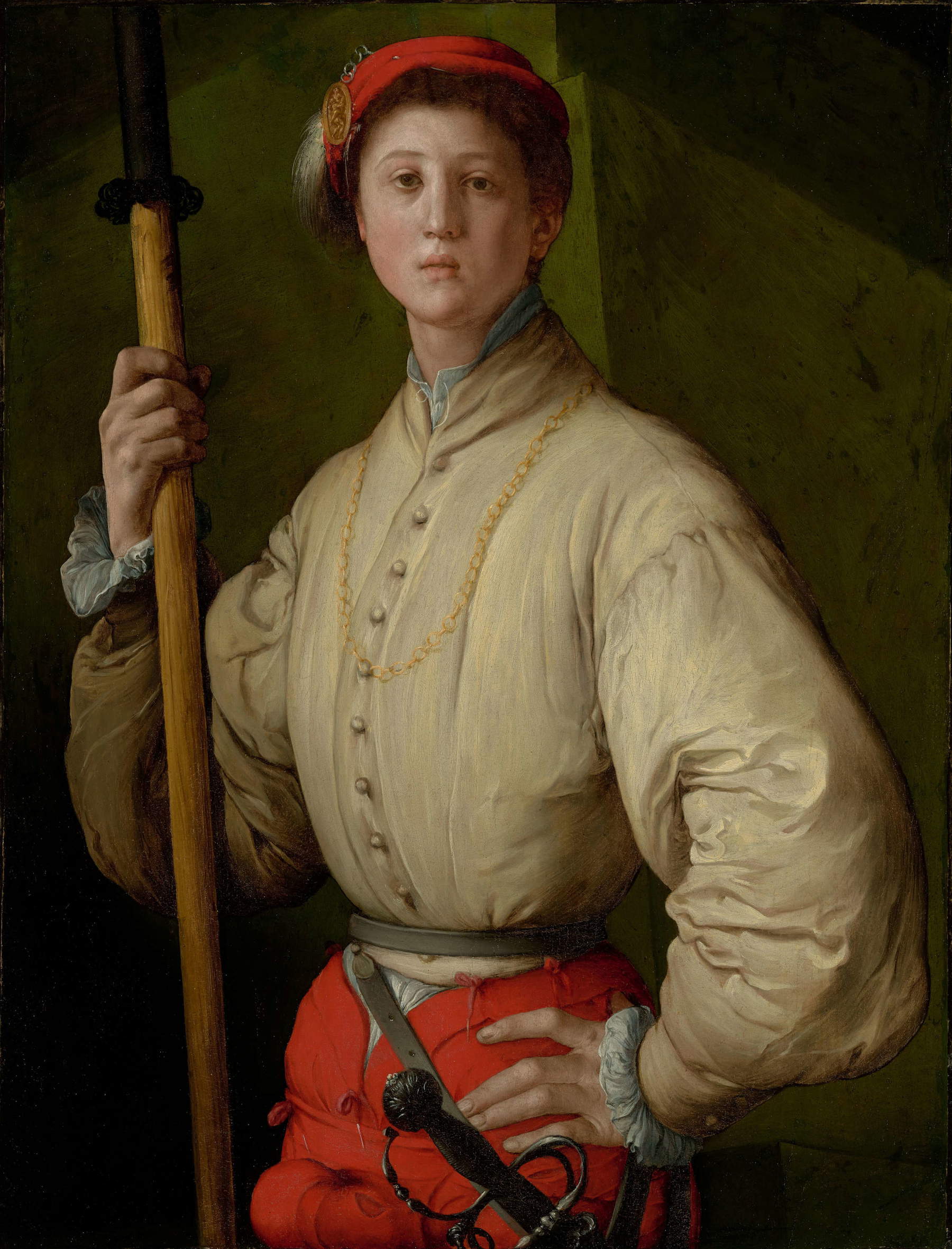
At the same time, his paintings have become among the most sought-after by international collectors, while the power of his images and the uniqueness of his artistic personality have helped make him one of the most popular artists among the general public.
The exhibition in Rome will offer the opportunity to see some of the artist’s major masterpieces brought together alongside a vast selection of works on paper, allowing visitors to closely follow the evolution of his artistic exploration throughout his career. The exhibition layout will be organized primarily in chronological order, though it will also include thematic sections designed to highlight specific aspects of the artist’s body of work and his figurative language. Works from the Uffizi Galleries, which house one of the most significant collections of Pontormo’s works, will play a central role. These will be complemented by exceptional loans from some of the leading Italian and international museums.
Among the participating museums are the Galleria dell’Accademia and the Bargello Museums in Florence, the Istituto Centrale per la Grafica in Rome, the Louvre in Paris, the National Gallery in London, the British Museum, the Metropolitan Museum of Art in New York, the National Gallery of Art in Washington, the Art Institute of Chicago, and the Getty Museum in Los Angeles, as well as other international collections. The inclusion of works from institutions across Europe and the United States will make it possible to present a particularly comprehensive overview of Pontormo’s oeuvre, bringing together paintings and drawings currently housed in locations that are normally very far apart.
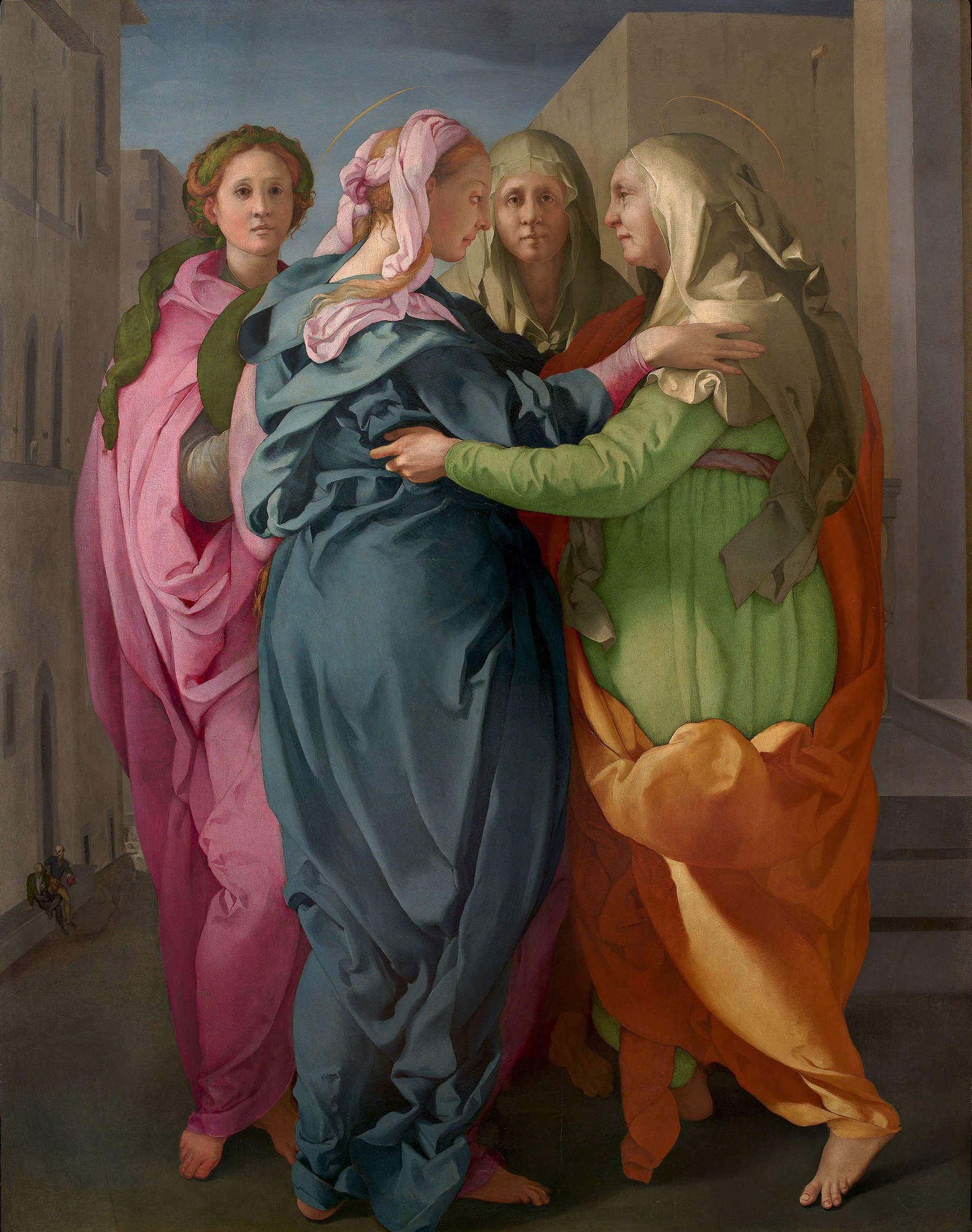
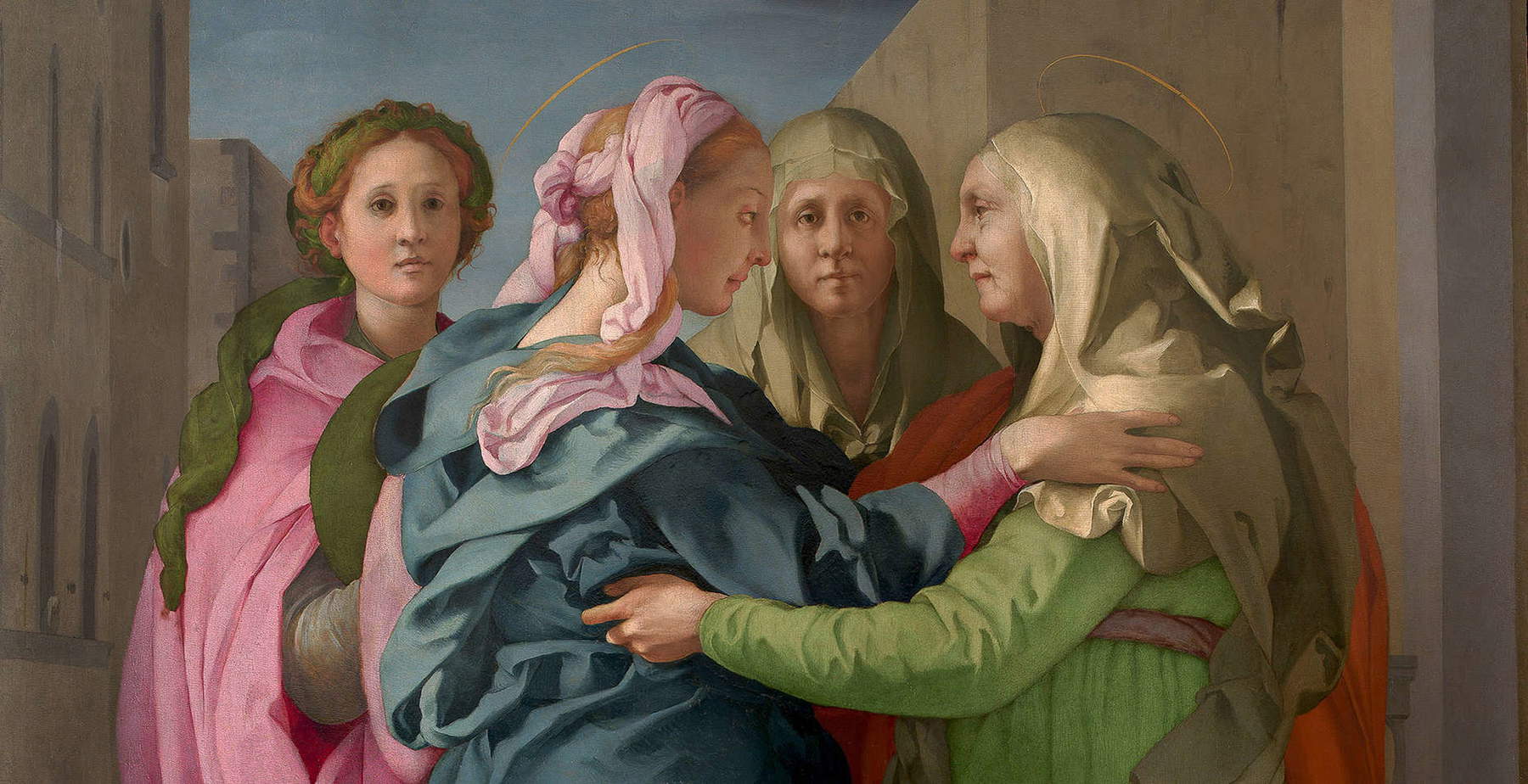
Symbolically opening the exhibition will be what is generally considered the artist’s most famous masterpiece: the Visitation from the Church of St. Michael the Archangel in Carmignano, in the Prato area. The arrival of this panel at the Scuderie del Quirinale is one of the most eagerly anticipated moments of the exhibition, as it will allow visitors to admire up close one of the absolute pinnacles of 16th-century Italian painting and one of the most iconic images in Pontormo’s entire body of work.
Alongside the paintings, special emphasis will be placed on the graphic works. The exhibition will feature a rich selection of drawings that will allow visitors to delve deeper into the artist’s creative process and trace the stages of his design development, offering the public a more comprehensive view of his work. The focus on works on paper is one of the defining elements of the curatorial project, as drawing is a fundamental tool for understanding Pontormo’s working method and the evolution of his stylistic exploration.
By comparing paintings with graphic works, visitors will be able to observe up close how the artist developed his compositional ideas, experimented with new formal solutions, and cultivated that constant drive toward innovation that characterizes his entire body of work.
The exhibition is organized by Ales – Scuderie del Quirinale in partnership with the Uffizi Galleries and is one of the major exhibitions dedicated to Renaissance art scheduled to take place in Italy in 2026. Accompanying the exhibition will be a catalog published by Electa, conceived as an up-to-date and rigorous scholarly resource. The volume aims to offer a new point of reference for understanding Pontormo’s work, situating it within the historical and cultural context of sixteenth-century Florence and analyzing its role in painting between the High Renaissance and Mannerism. The catalog’s objective will be to bring together the most recent findings in art history research, providing scholars and the public with an up-to-date overview of the artist, his body of work, and the cultural context in which he operated.
 |
| Pontormo on Display in Rome: The First Major Retrospective at the Scuderie del Quirinale |
Warning: the translation into English of the original Italian article was created using automatic tools. We undertake to review all articles, but we do not guarantee the total absence of inaccuracies in the translation due to the program. You can find the original by clicking on the ITA button. If you find any mistake,please contact us.