





An elegant and provocative artist who challenged the conventions of his time and questioned the very boundaries of art. James McNeill Whistler (Lowell, 1834 – London, 1903) is the focus of “Whistler: Dandy and Disruptor,” an exhibition that the Van Gogh Museum in Amsterdam will host from October 16, 2026, to January 10, 2027. This is the first retrospective in the Netherlands dedicated to the painter and printmaker, a leading figure of the 19th-century avant-garde and a pioneer of an artistic movement that would help pave the way for modernity.
An aesthete, dandy, and enfant terrible, Whistler maintained that art, just like music, should above all evoke emotions and suggest atmospheres, without necessarily being subordinate to narrative or the representation of reality. This innovative concept profoundly influenced the development of modern art and is evident both in his paintings and in the numerous engravings and drawings he created during his stays in cities such as Paris, Amsterdam, and Venice.
Whistler’s independent personality and his aesthetic convictions often brought him into conflict with critics, clients, and patrons. His original style sometimes seemed excessively daring even to avant-garde artists themselves, at a time when academic rules continued to exert a strong influence. Behind the apparent immediacy of his works lay, moreover, a long and meticulous process: Whistler could devote months, and even years, to the creation of a single painting.
His revolutionary spirit was also recognized by the English art historian Roger Fry, who described him as a figure constantly ready to challenge the established order, leading new generations against the traditionalism and self-satisfaction of the academic world.
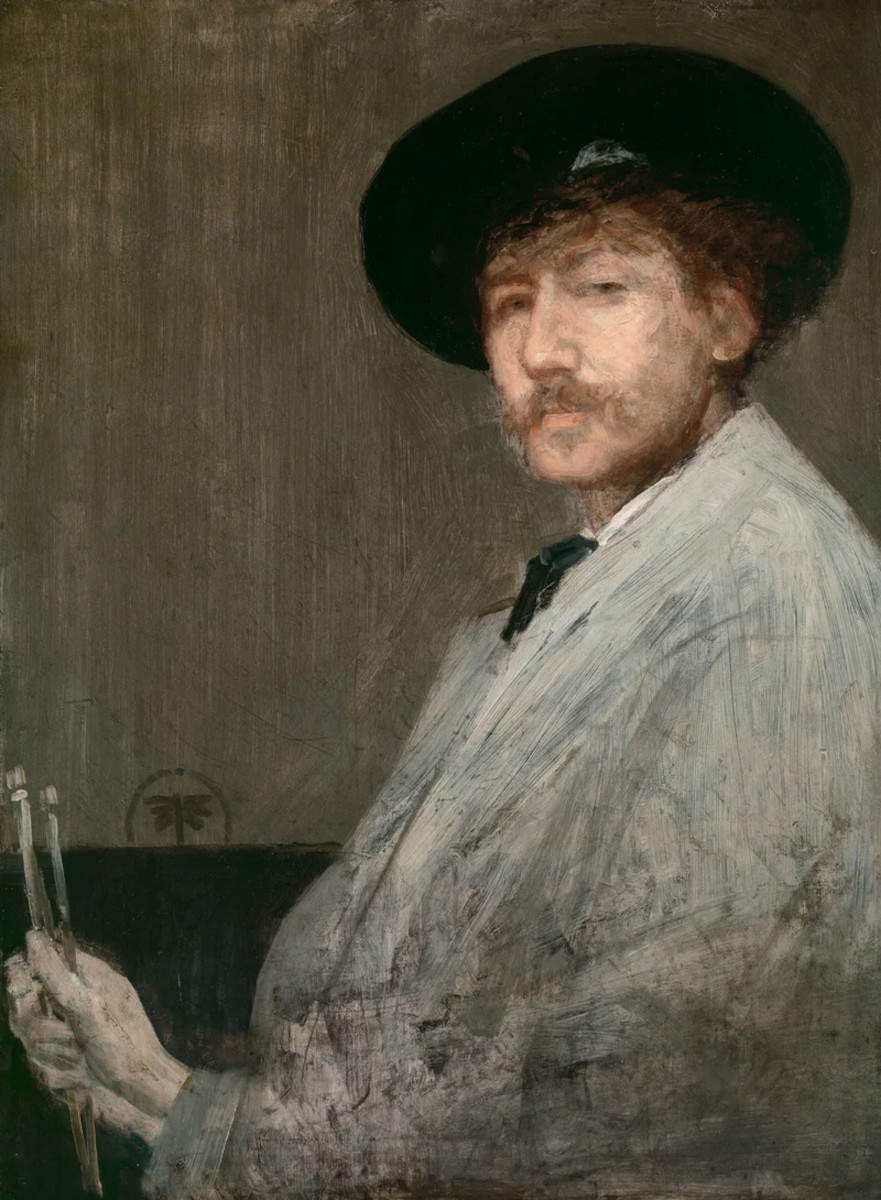
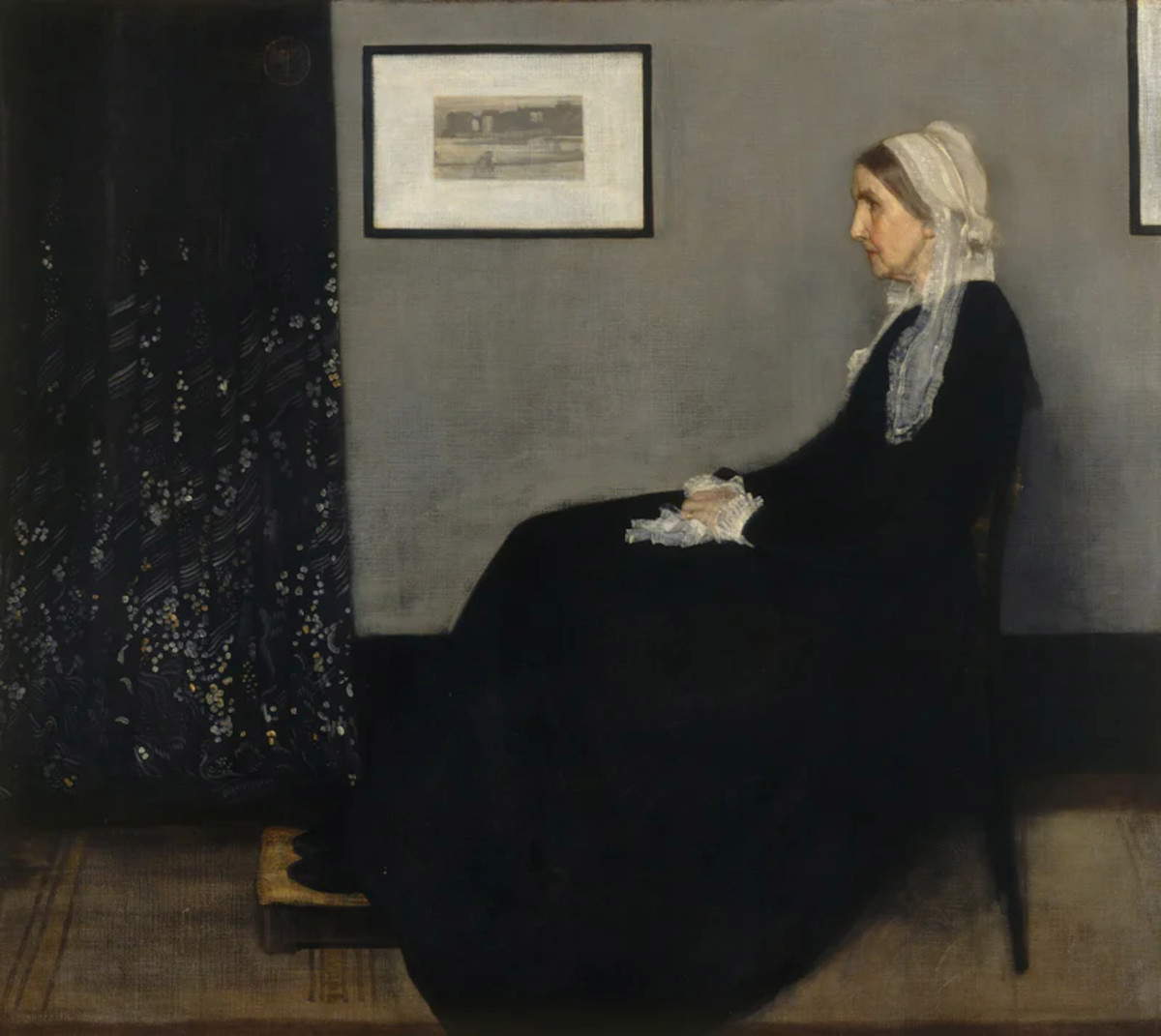
The exhibition also explores the intellectual connection between Whistler and Vincent van Gogh, who held a deep admiration for the American painter and mentioned his prints in several letters. Van Gogh, in fact, counted him among the artists whom he and his brother Theo had admired throughout their lives. The two shared an interest in Japanese aesthetics and a desire to explore new expressive possibilities, transcending the limits imposed by tradition. A comparison of their artistic explorations thus highlights their shared affinities and sensibilities, despite the diversity of their respective artistic paths. Among the works by Whistler that made a strong impression on Van Gogh is the famous portrait of the artist’s mother. In a letter addressed to his sister Willemien, the Dutch painter referred specifically to this painting, recognizing in it an image capable of evoking his own memories of his mother and resonating with the Dutch painting tradition.
“Whistler: Dandy and Disruptor” was organized in collaboration with Tate Britain in London, where the exhibition dedicated to James McNeill Whistler ran from May 21 to September 27, 2026, and was met with widespread critical acclaim.
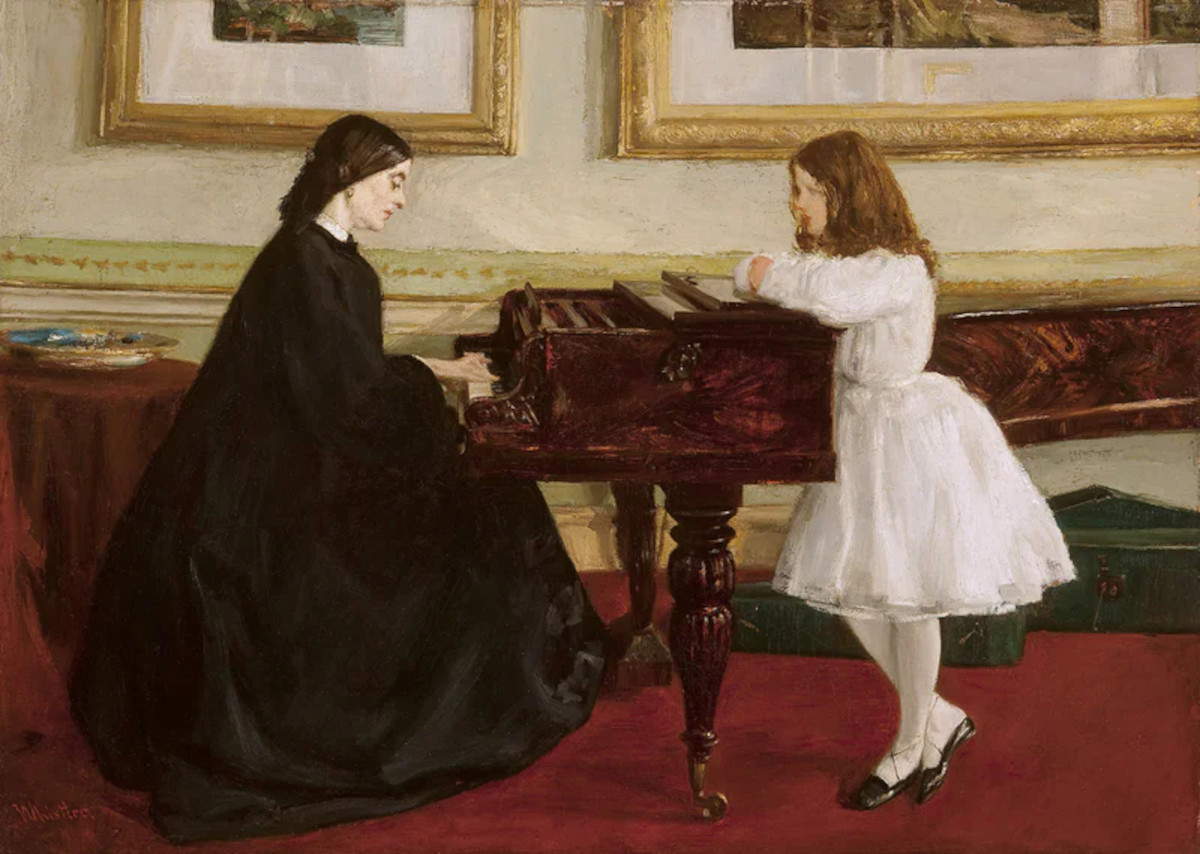
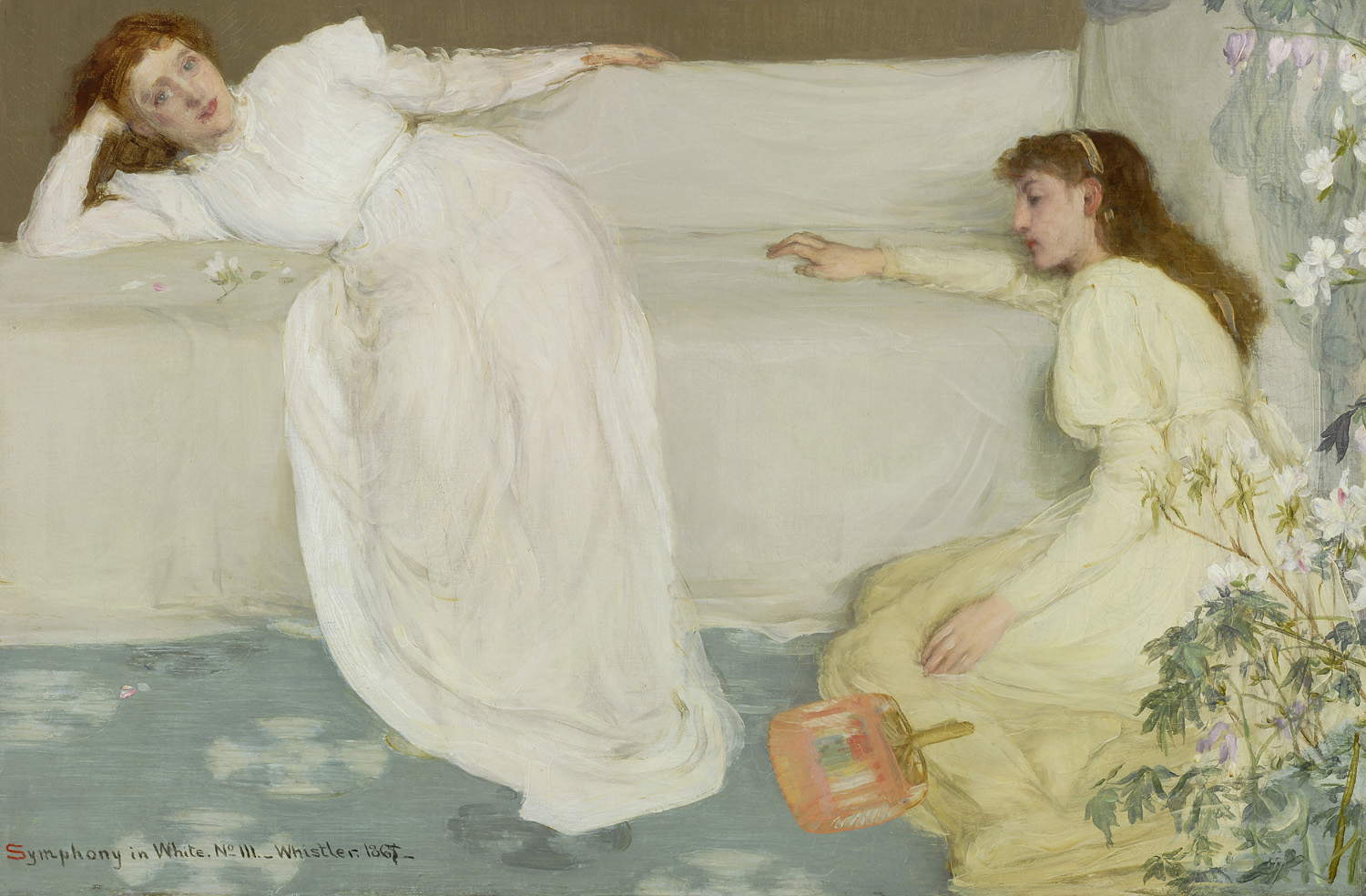
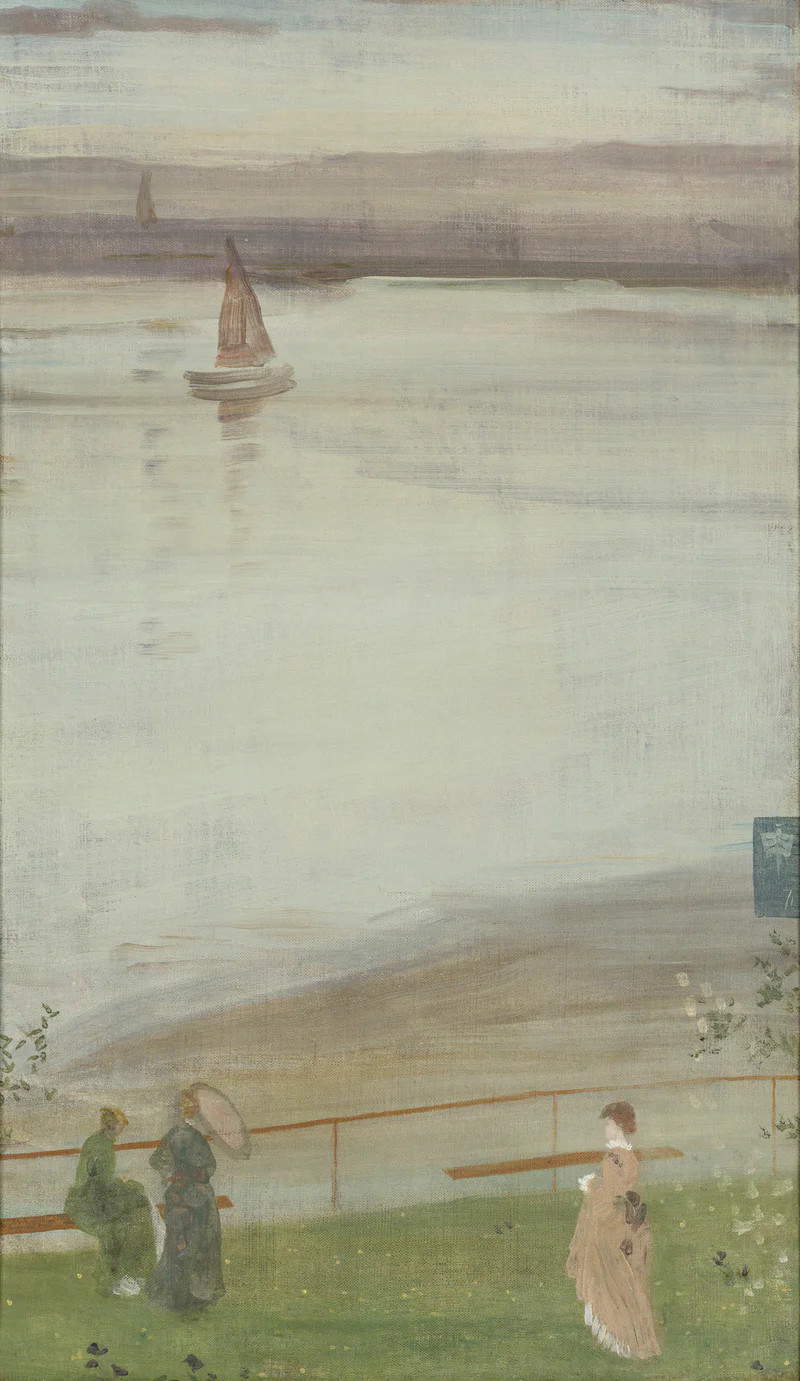
In Amsterdam, the exhibition offers the opportunity to rediscover the work of an artist who successfully combined formal refinement, experimentation, and a nonconformist spirit, helping to transform the way painting was understood and the role of the artist in society.
This journey of rediscovery is further enriched by *Whistler. Loving the Netherlands*, an exhibition hosted by the Mesdag Collection in The Hague from October 16, 2026, to January 10, 2027. The project focuses in particular on Whistler’s stays in the Netherlands and the works he created during his visits. The two exhibitions offer complementary perspectives on his work: on the one hand, the retrospective at the Van Gogh Museum aims to trace Whistler’s personality and artistic innovation; on the other hand, the exhibition at the Mesdag Collection in The Hague aims to explore his relationship with the Dutch landscape and the role it played in his creative experience.
|
| Whistler: Dandy and Rebel—The First Dutch Retrospective on the Painter at the Van Gogh Museum in Amsterdam |

Warning: the translation into English of the original Italian article was created using automatic tools. We undertake to review all articles, but we do not guarantee the total absence of inaccuracies in the translation due to the program. You can find the original by clicking on the ITA button. If you find any mistake,please contact us.























 IT
IT FR
FR DE
DE ES
ES CN
CN


