



by Redazione 06/11/2026


Categories: Exhibitions / Disclaimer
The Met has announced “extraORDINARY: Fashion and the Poetics of the Everyday,” the exhibition that will accompany the 2027 Met Gala. The focus will be on everyday clothing—jeans, down jackets, paper, and plastic—as seen through the lens of designers’ work. Among the pieces announced are the famous Calvin Klein jeans worn by Brooke Shields in the 1980s ad campaign.

A pair of jeans, a white shirt, a sweatshirt. These are items that almost everyone has in their closet and that we usually don’t give a second thought to. For Andrew Bolton, curator in charge of the Costume Institute at the Metropolitan Museum of Art in New York, however, they are objects steeped in meaning. “The ordinary is never as simple as it seems,” he explains. “A pair of jeans, a white shirt, or a sweatshirt can hold the traces of a life: the habits, memories, and affections that make something our own.” This idea gave rise to “extraORDINARY: Fashion and the Poetics of the Everyday,” the exhibition the Met announced on November 5 as the Costume Institute’s spring 2027 exhibition. It will be on view at the Met on Fifth Avenue from May 9, 2027, to January 9, 2028, with previews for museum members on May 4, 6, 7, and 8. As is customary each year, the opening will be preceded by the Met Gala, the Costume Institute’s fundraising event, scheduled for Monday, May 3, 2027. Details of the event will be announced at a later date.


The exhibition, sponsored by Instagram and Moncler with additional support from Condé Nast, will bring together works from the Costume Institute’s collection, major loans, and new acquisitions to explore how designers reimagine familiar garments, everyday objects, and common materials through craftsmanship, tailored construction, experimentation with materials, andconceptual irony. The point, according to the museum, is that these objects do not lose their history when they are transformed: their former functions, uses, and associations continue to be part of the meaning of the new garments. From jeans to T-shirts to down jackets, from paper to plastic to metal, the exhibition aims to reveal the unexpected possibilities hidden in everyday objects—and also how the way we wear them, style them, and care for them changes their value over time.


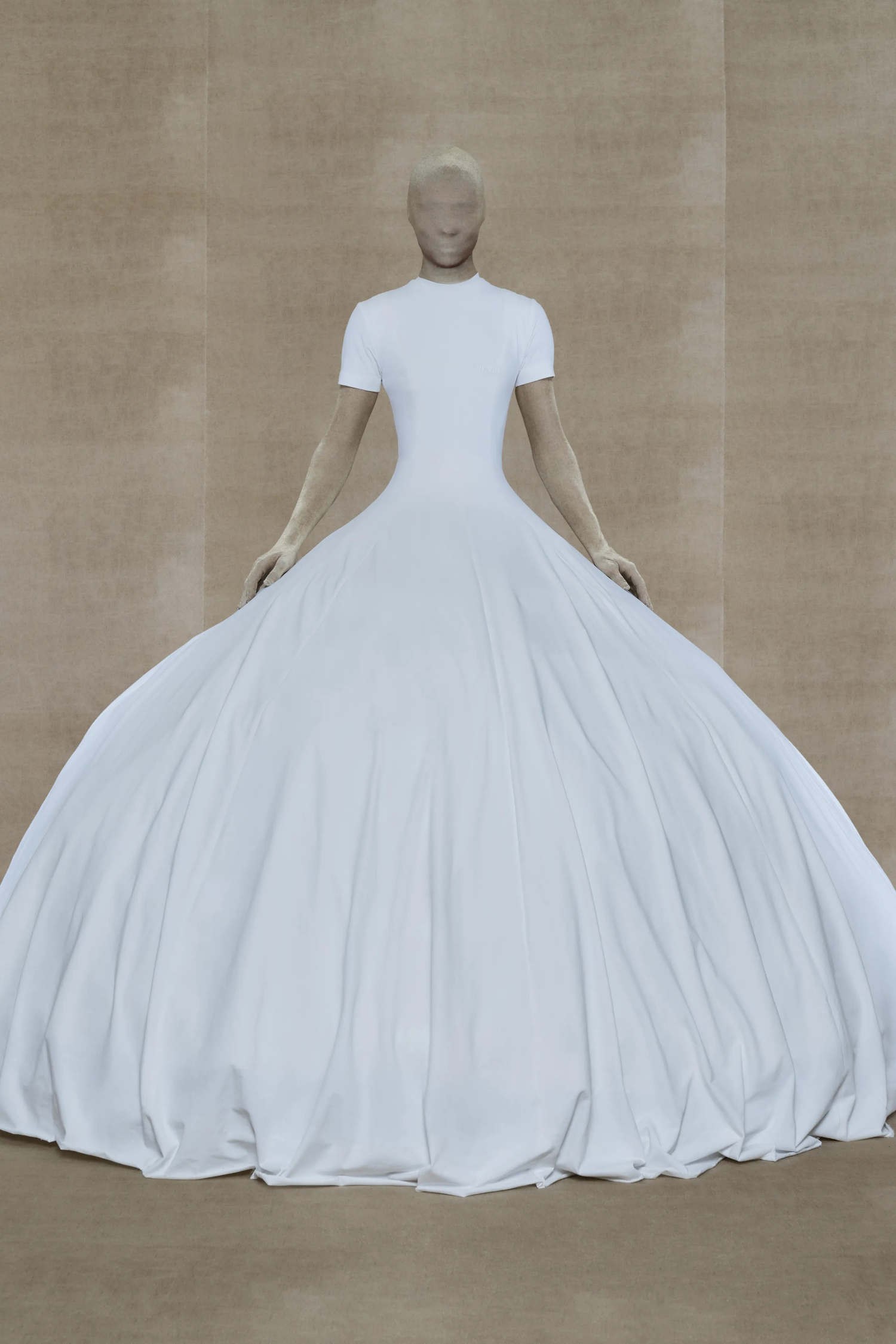
“Fashion offers an immediate and engaging way of looking at the world,” commented Max Hollein, director and CEO of the Met. By bringing together works inspired by clothing, objects, and materials from everyday life, he added, the exhibition invites visitors to discover the creativity and ingenuity present in what we encounter every day, as well as the relationship between fashion, art, and everyday experience.

“extraORDINARY” continues a conversation already begun by the Costume Institute’s current exhibition, “Costume Art,” which places the clothed body at the center of the aesthetic experience. For the museum, fashion’s intimate connection to the body is what makes it an art form: clothes are worn and lived in; they help define our identity and the way we interact with others. In the new exhibition, this reflection shifts to everyday life, exploring how design can reignite our attention to familiar objects and how their meaning grows through use and care.
The exhibition will open with a room dedicated to a selection of pieces from Jun Takahashi ’s Fall/Winter 2024–25 collection for Undercover. The collection was partly inspired by *Perfect Days*, Wim Wenders’ 2023 film, and the fashion show was accompanied by a poem written and read by Wenders himself about the daily life of a working mother. Takahashi combines and layers familiar garments in ways that make them difficult to recognize, giving material form to the identities and responsibilities that accumulate in a person’s life. The aim of the room is to connect creative construction to the concrete experience of getting dressed every morning.
The heart of the exhibition is divided into two sections, “Familiar Forms” and “Common Matter,” built around targeted comparisons between types of garments, materials, and found objects. One theme recurs in both: recycling, upcycling, and reuse. According to the curators, these practices serve to prompt reflection on how previous uses remain visible in new creations, how the value of things changes, and the responsibilities that accompany the production, use, and disposal of clothing.
“Familiar Forms” examines how designers reinvent archetypal garments: jeans, T-shirts, hoodies, biker jackets, trench coats, and down jackets. Created for work, leisure, or protection, these garments constitute a shared vocabulary of everyday clothing. Grouped by type, they will demonstrate how changes in scale, proportions, materials, construction, and context can challenge the conventions that make them recognizable. The comparison between the groups will also illustrate how practical garments become expressions of identity, belonging, and dissent, and how designers work with meanings already constructed by those who wear them. Among the announced examples are a pair of jeans from the 2022–23 collection by Matthieu Blazy for Bottega Veneta, a shirt from 2006 by Gianfranco Ferré, a flannel shirt from 1993 by Marc Jacobs for Perry Ellis, a 2011–12 biker jacket by Junya Watanabe, a 2022 suit by Jonathan Anderson for Loewe, and a 2019–20 suit by Moncler 1 Pierpaolo Piccioli.
“Common Matter,” on the other hand, focuses on common materials and recognizable objects used to make clothing. Three central sections, dedicated to paper, plastic, and metal, will demonstrate how the physical properties and everyday uses of these materials become creative resources through folding, cutting, joining, and assembling. Along the perimeter, three sections dedicated to everyday objects, everyday ornamentation, and everyday clothing will present works that incorporate cutlery, broken porcelain, and buttons. Among the pieces in this section are a 1992 dress by Rei Kawakubo for Comme des Garçons, a 1992–93 suit by Martin Margiela, a 2003 jacket by Helmut Lang, a 1998–99 suit by Issey Miyake, and a 2027 dress by Glenn Martens for Maison Margiela.
The exhibition concludes with Kunihiko Morinaga and his brand Anrealage, featuring pieces from the Spring/Summer 2009, Fall/Winter 2009–10, Fall/Winter 2020–21, and Spring/Summer 2021 collections. Here, shirts, coats, and other familiar shapes are constructed not for a human body but for cubes, spheres, and pyramids, thus taking on unexpected proportions and volumes. The experiment serves to challenge what we take for granted about the bodies for which clothes are designed: as these garments demonstrate, fit depends on the relationship between a garment’s construction and the form it is meant to accommodate. Visitors will be invited to consider how clothing adapts to differences in body shapes and, conversely, to what extent bodies are expected to adapt to clothing. While Undercover’s opening gallery explores how garments meet the demands of daily life, Anrealage’s final gallery examines how they respond to the body.
The exhibition design, by 1009, also follows this same direction: it is conceived to create a visual dialogue between visitors’ clothing and the works on display, acknowledging the creativity that each person expresses through the way they dress. Those who enter will be invited to reconsider the clothes they are wearing, asking themselves what they already mean to them and how a closer look might lead them to assign a different value to them and care for them in a different way.
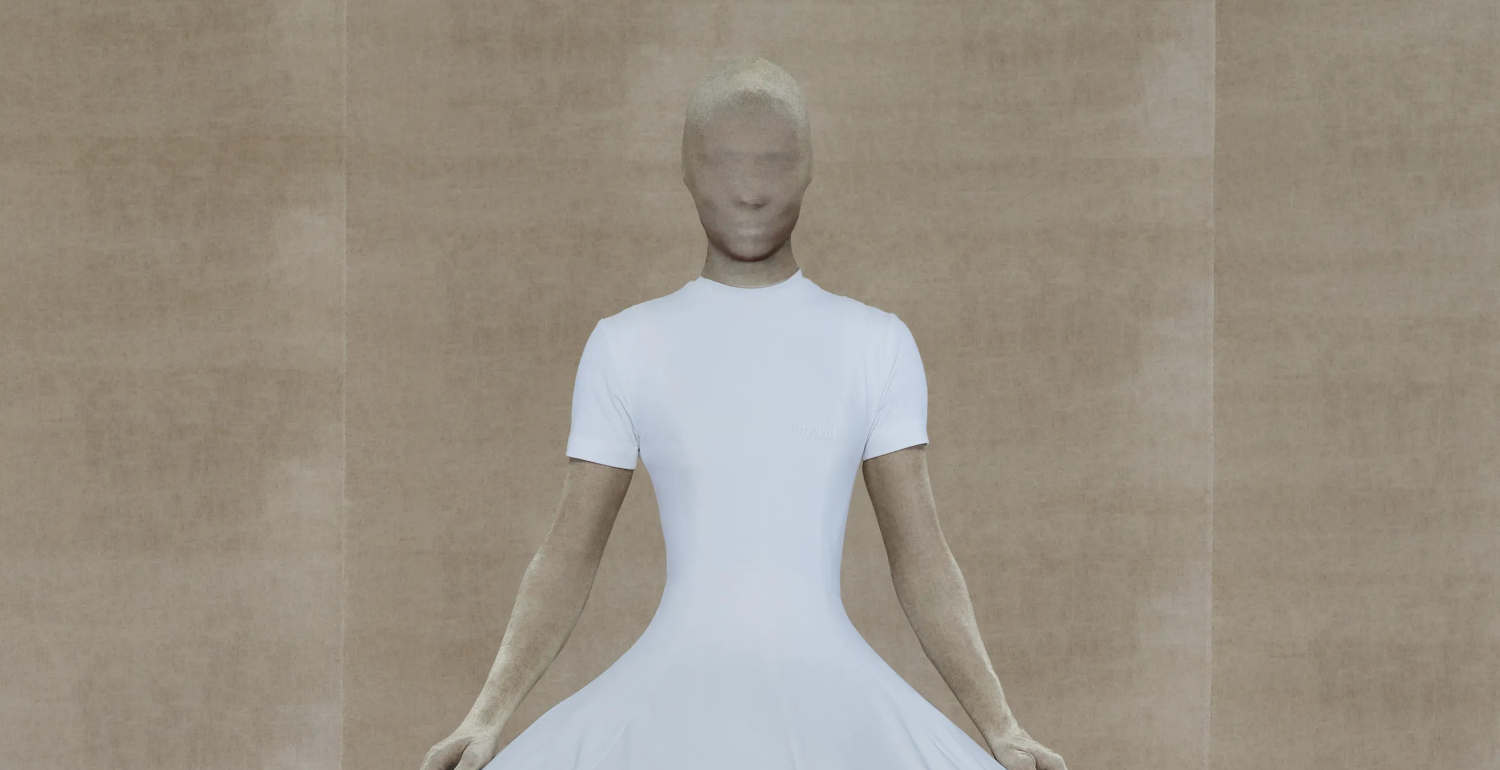 |
| Why the Met in New York Wants to Turn Jeans, Down Jackets, and Everyday Clothes into Museum Pieces |
Warning: the translation into English of the original Italian article was created using automatic tools. We undertake to review all articles, but we do not guarantee the total absence of inaccuracies in the translation due to the program. You can find the original by clicking on the ITA button. If you find any mistake,please contact us.