



by Redazione 21/07/2026



Categories: Exhibitions / Disclaimer
From October 17, 2026, to January 10, 2027, the Crema and Cremasco Civic Museum is presenting an exhibition dedicated to female artists who, between the 19th and 20th centuries, chose woodcut as the medium for their artistic exploration.

In Crema, the Civic Museum of Crema and the Cremasco region is dedicating an exhibition to the history of women’s woodcut art through the “Xilografe” project, scheduled from October 17, 2026, to January 10, 2027. Curated by Edoardo Fontana in collaboration with Chiara Degetto, Livia Fasolo, and Silvia Scaravaggi, the exhibition explores a still little-known area of art history: that of the female artists who, between the second half of the 19th century and the 1930s, adoptedwoodcut as a means of expression.
Sponsored and produced by the City of Crema, through the Department of Culture and the Department of Equal Opportunity, the exhibition examines the presence of women in woodcut printing, a technique long considered marginal and often associated with craftsmanship. Woodworking, particularly through the use of gouges and knives, had traditionally been perceived as an activity requiring physical strength and therefore unsuitable for women. However, the spread of end-grain woodcut helped change this perception, bringing tools such as the burin and chisel into alignment with a new concept of artistic exploration.


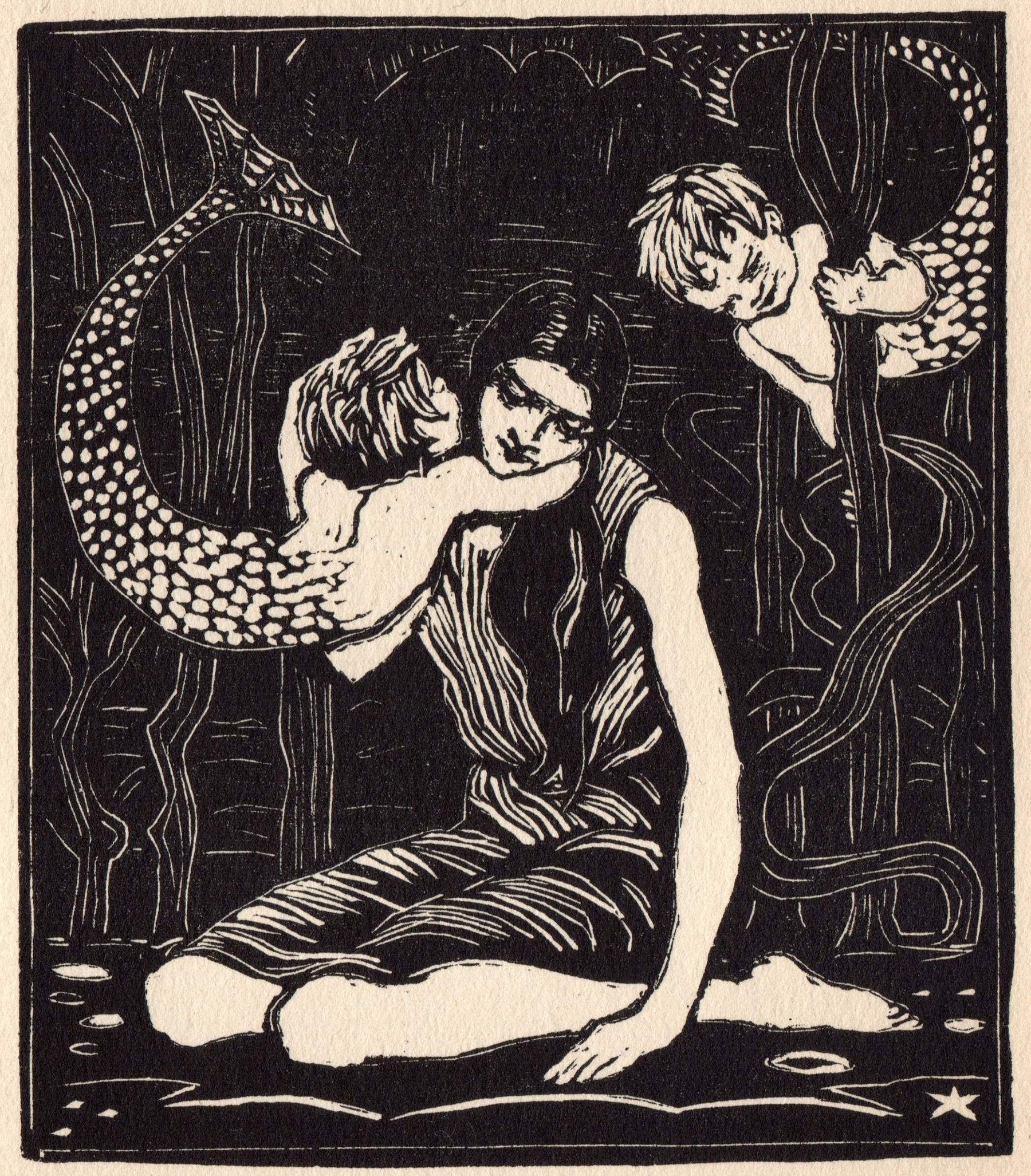
The exhibition traces a phenomenon that developed in parallel with the processes of women’s emancipation and the gradual establishment of women in the art world. Alongside well-known figures such as Elisabetta Cattaneo, Girolama Cagnucci, and Veronica Fontana, the exhibition features female artists who played a leading role in the rebirth of European printmaking between the 19th and 20th centuries.
Among the artists featured are the German Käthe Kollwitz, whose works are characterized by a strong social component, and Gabriele Münter, whose Expressionist work helped foreshadow certain themes in contemporary art. The exhibition also explores the contributions of female artists from the Vienna Secession and the Wiener Werkstätte, including Elena Luksch-Makowsky, Broncia Koller-Pinell, and Marianne Hitschmann-Steinberger, as well as the British artists Gwendolen Raverat and Clare Leighton, who were involved in the renewal of book illustration.
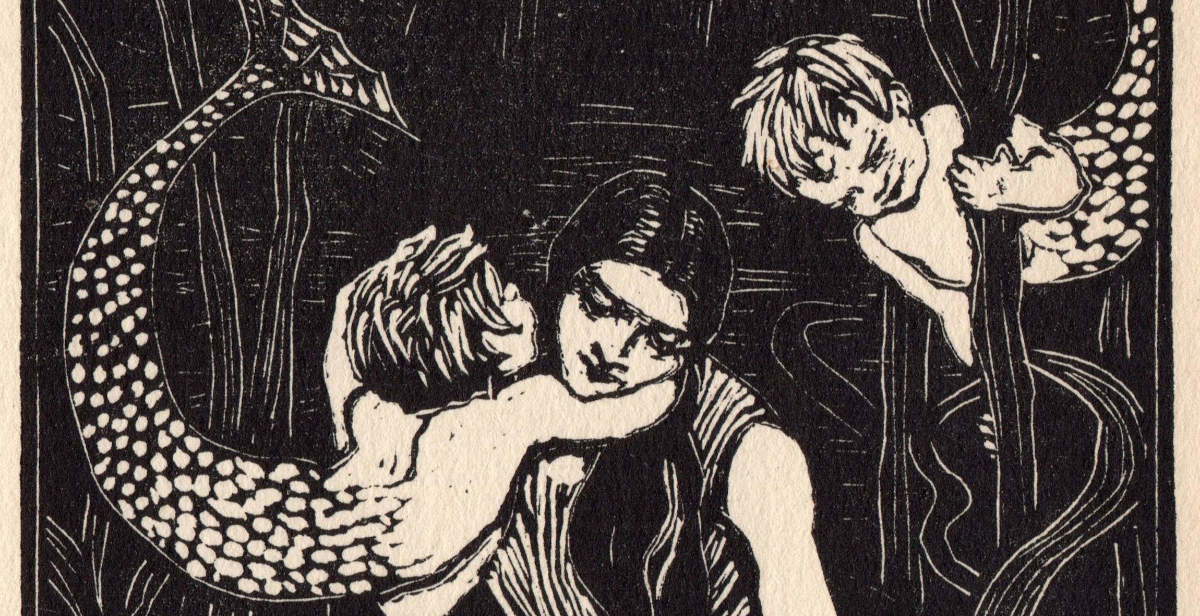
The project also highlights Italian developments linked to the revival of graphic design in the early 20th century, featuring figures such as Emma Dessau Goitein, Irma Pavone Grotta, Mimì Buzzacchi Quilici, and the students of Adolfo De Carolis, including Donella De Carolis, Anna Maria Masi, and Hortensia Morici Rossi. The exhibition also highlights the Danish artist Ebba Holm, a contributor to Francesco Nonni’s magazine *Xilografia*, as well as international artists such as Ellen Thesleff, Amelie Meeter De Zorn, Marguerite Burnat-Provins, and Annabel Kidston, from whose works the exhibition’s lead image was selected.
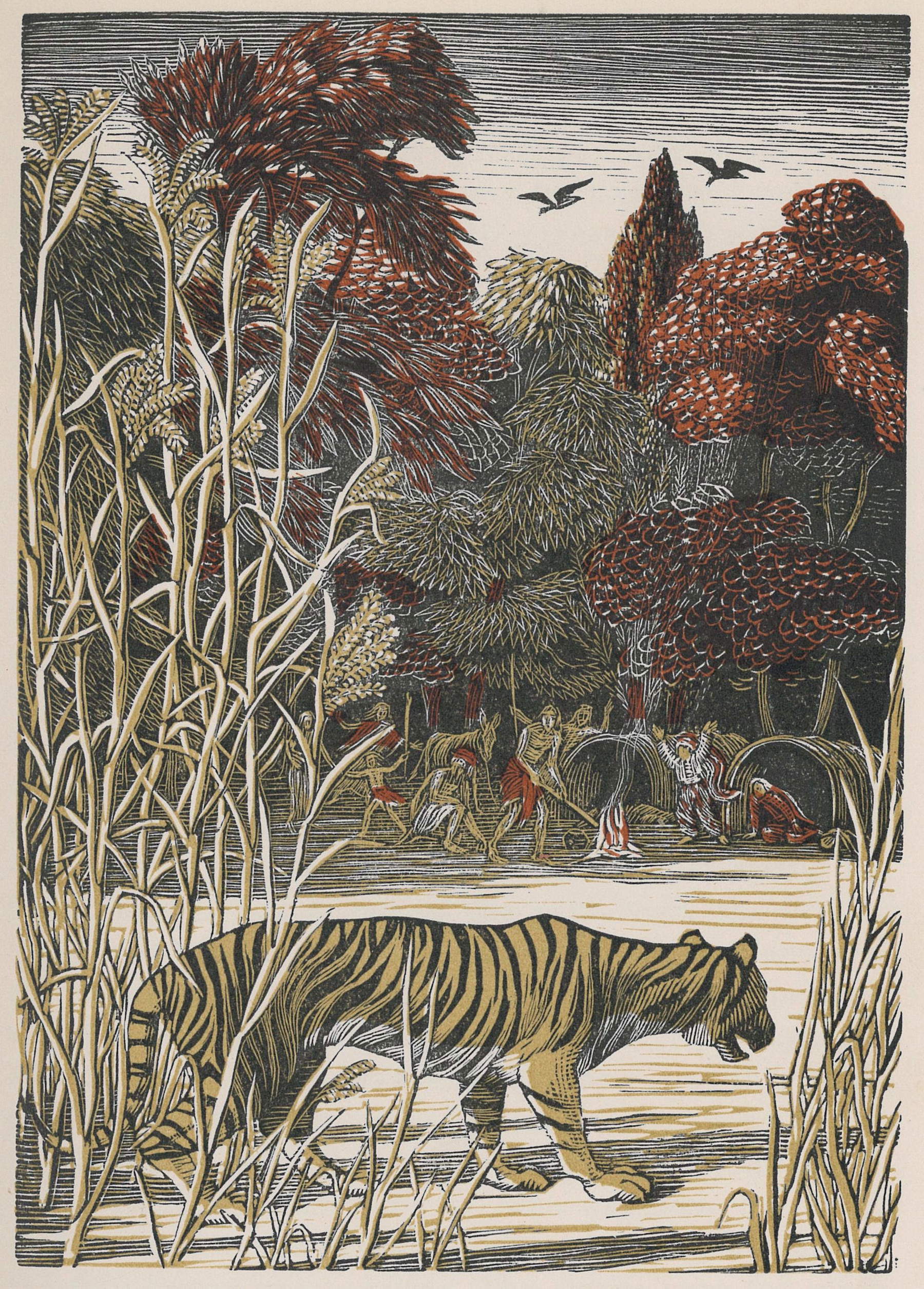
One section is dedicated to the experiments of the group associated with the Grosvenor School in London and the Vorticist movement, featuring linoleum engravings by artists such as Edith Lawrence, Sybil Andrews, and Eileen Mayo. The exhibition also explores the relationship between woodcut printing and the applied arts through figures such as Esther Bensusan Pissarro, who, together with Lucien Pissarro, was a leading figure at the Eragny Press, one of the most important English private presses of the 20th century, and Margaret Dalziel, who worked on adapting Pre-Raphaelite illustrations for Tennyson’s *Poems *.
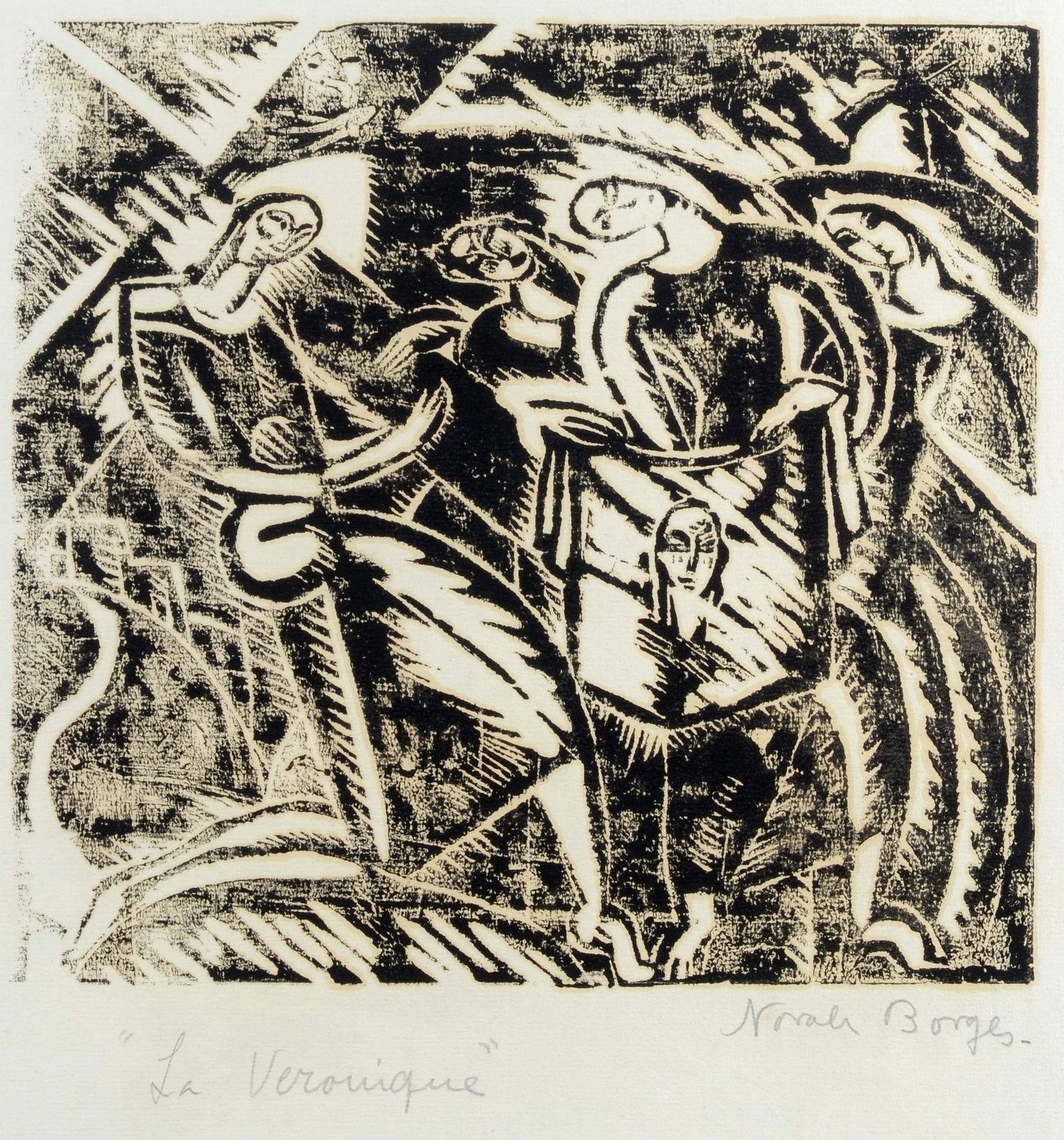
The exhibition also includes examples from Belgium, Japan, and Latin America, featuring works by Marie De Keyser, Nele Van de Velde, Kawanabe Kyosui, and Norah Borges. Representing Italy are the Milanese artists Anna Beatrice D’Anna, Rosa Menni, and Gemma Pero, who in the early 20th century founded a shared studio dedicated to illustration, drawing, and teaching.
The exhibition concludes with a look at the decline of woodcut printmaking after the world wars and at the artists who continued to use this medium as a testament to their times, including Regina Lichter-Liron, creator of a dramatic series depicting the reality of concentration camps.
The exhibition will be accompanied by a catalog published by the Crema Civic Museum, featuring critical essays and artist profiles by Emanuele Bardazzi, Francesca Cagianelli, Cosimo Calvelli, Antonio Castronuovo, Cristina Chiesura, Chiara Degetto, Livia Fasolo, Edoardo Fontana, Paolo Linetti, Roberto Lunelio, Anna Mazzanti, Chiara Nicolini, Silvia Scaravaggi, Luca Scarlini, and Raf Steel. The opening is scheduled for Saturday, October 17, 2026, at 5:30 p.m., while the press preview will take place on Friday, October 16, at 11:00 a.m.
 |
| Woodcut Artists: An Exhibition on Women Woodcut Artists at the Crema Civic Museum |
Warning: the translation into English of the original Italian article was created using automatic tools. We undertake to review all articles, but we do not guarantee the total absence of inaccuracies in the translation due to the program. You can find the original by clicking on the ITA button. If you find any mistake,please contact us.