



by Redazione 20/10/2026


Categories: Museums / Disclaimer
A new corporate museum has opened in Bologna: the DEISA Ebano Museum, a space that chronicles over a century of industrial history through more than 300 sketches, posters, photographs, and vintage artifacts.


The history of a company can also become the history of a country—of its social changes and the way it has learned to tell its story through images, advertisements, and everyday objects. This is the perspective behind the DEISA Ebano Museum, which opened on October 16, 2026, at the company’s historic headquarters at Via Edoardo Collamarini 27 in Bologna, as part of its centennial celebrations.

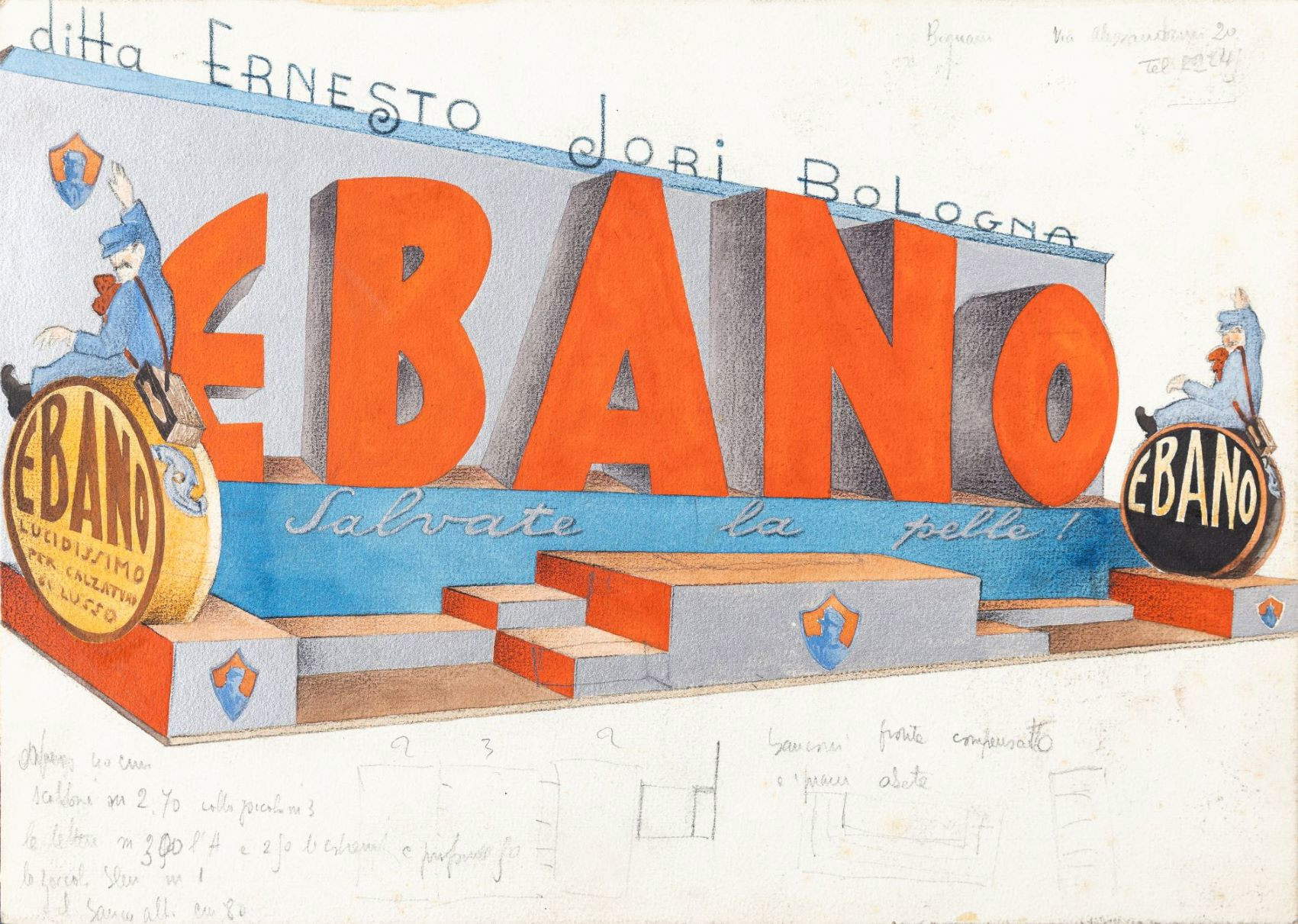
The protagonist of this story is DEISA Ebano, a historic company in the chemical sector that, through brands such as Ebano, Zig Zag, Voilà, Aquila, and Calzanetto, has been a part of the lives of generations of Italians, accompanying the evolution of household habits and customs. Founded in the 1920s and led by the Rossi family since 1939, the company—which specializes in shoe and leather care, household cleaning products, and insecticides—has maintained its headquarters and manufacturing operations in Bologna, distinguishing itself through entrepreneurial continuity, a focus on employee welfare, and the ability to innovate, even in the field of communication. The new museum transforms this heritage into an exhibition dedicated to the intersection of art and business, showcasing how commercial advertising helped shape the collective imagination of the 20th century.


Over 300 posters, sketches, and vintage objects
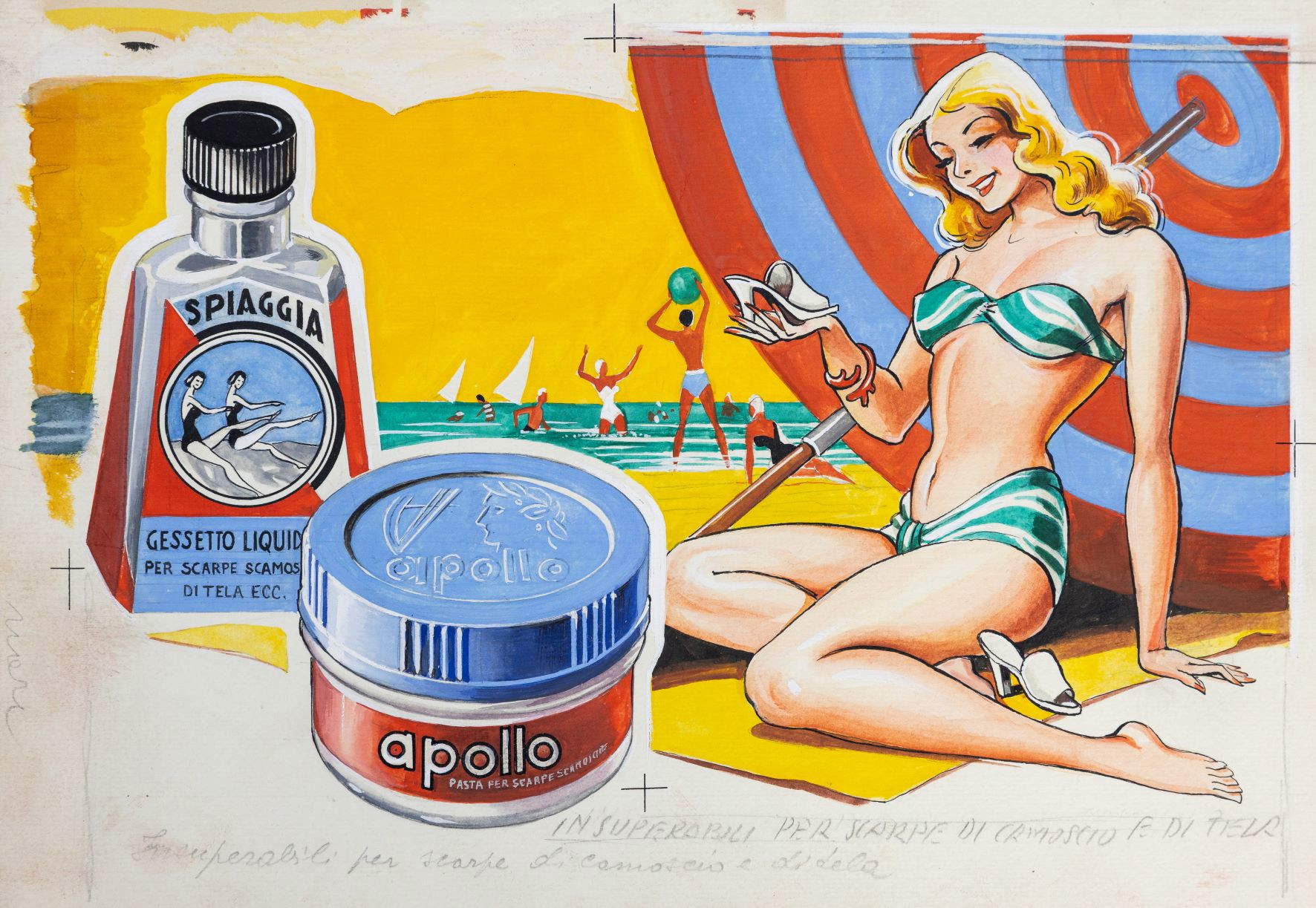
The exhibition brings together more than three hundred sketches, drawings, large-format posters, photographs, window-display designs, prototypes, historic machinery, and production tools. A collection that spans various eras of graphic design and visual communication, from Art Deco to rationalist geometries, from the exotic influences of the early decades of the century to the economic boom, all the way to contemporary photography.

The curatorial concept and exhibition design were overseen by art historian Francesca Sinigaglia, director of the Museo Ottocento Bologna, who also supervised the production of the inaugural catalog. The result is a sort of gallery of the Italian 20th century, in which advertising communication becomes an artistic and social testament, as well as a commercial one.
From Marcello Dudovich to Franco Fontana: The Great Names in the Collection
One of the museum’s most significant sections is dedicated to Giovanni Mingozzi (1891–1975), who collaborated with the company for over thirty years and created the character of the diligent shoeshine boy “Sor Ebano,” who became one of the brand’s symbols.
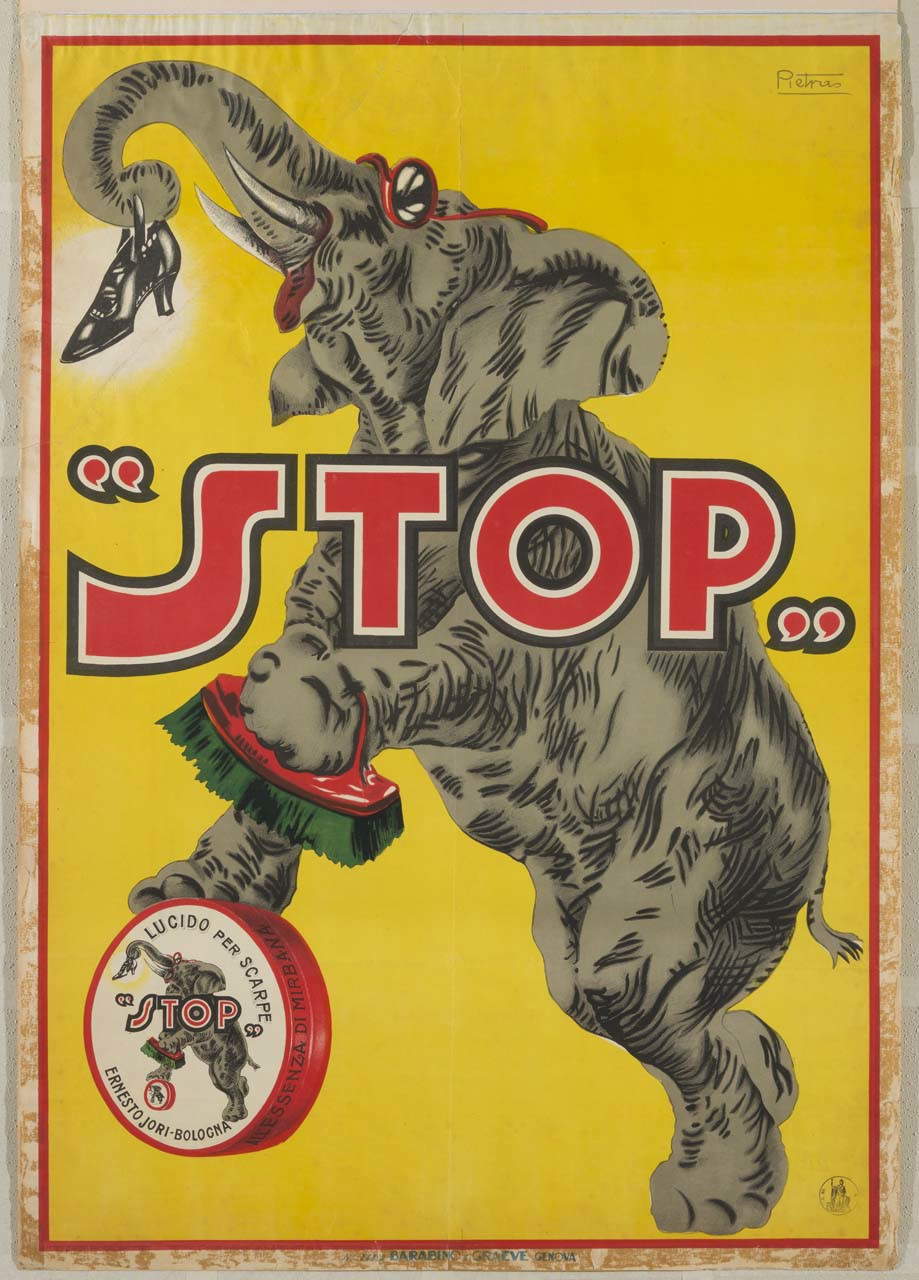
The collection also includes posters byAchille Luciano Mauzan (1883–1952) and works by Aurelio Craffonara (1875–1945), one of Emilio Salgari’s earliest illustrators, who created the iconic black-coated seal. Alongside them is Pietro Pietra (1885–1956), creator of the elephant polishing its own foot, while Marcello Dudovich (1878–1962) brought the elegance of a dynamic and modern style to the company’s communications.
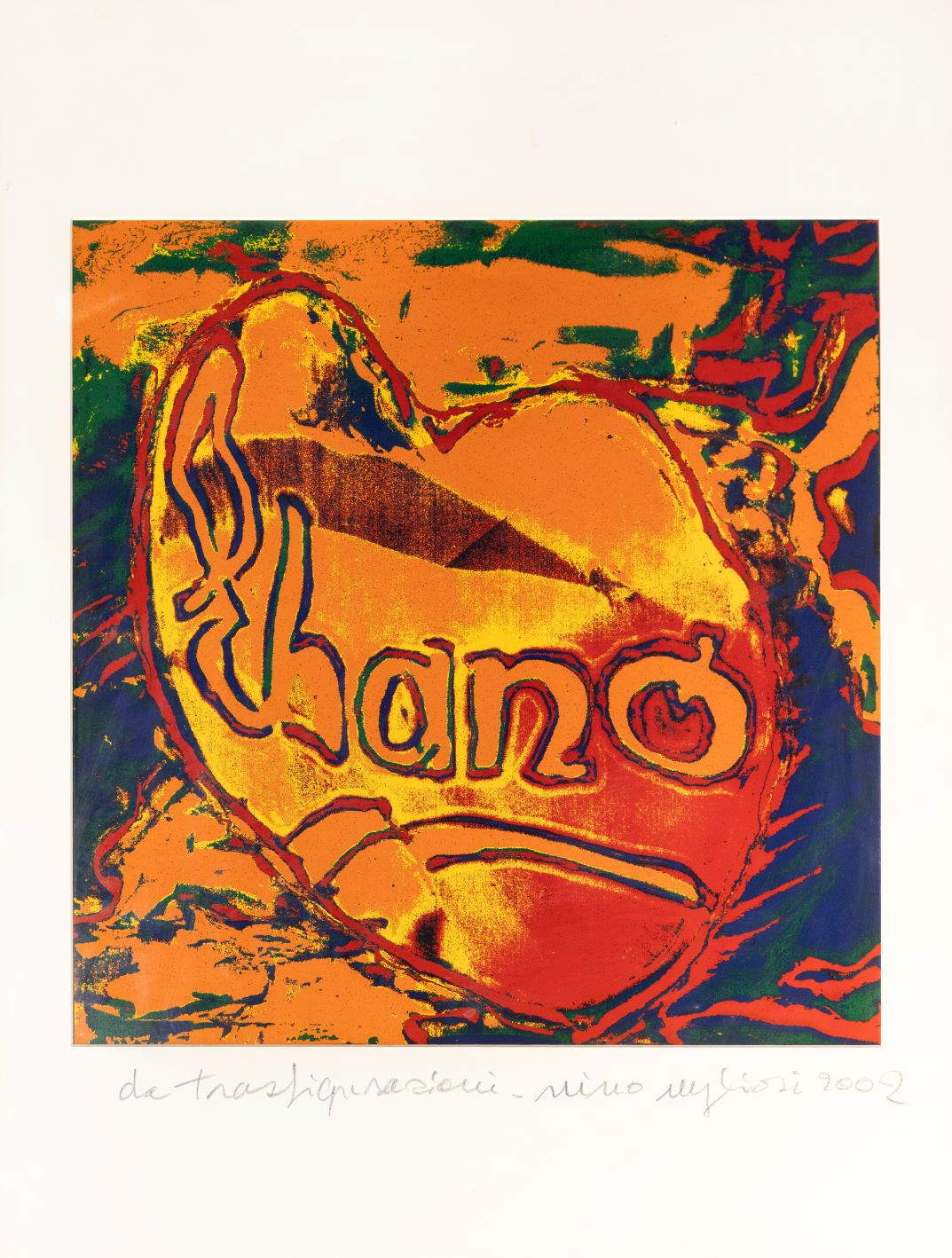
Since the 1990s, the narrative has increasingly embraced photography. Among the key figures are Franco Fontana (1933–2026), with his vividly colored images, and Nino Migliori, who in 2002 dedicated a work from his “Trasfigurazioni” series to the brand.
The museum does not, however, limit itself to celebrating the best-known artists. The collection also aims to restore value to numerous lesser-known figures in commercial graphic design, whose contributions were fundamental to building a visual language that reached a wide audience. Their works engage in a dialogue with the experiments of Fortunato Depero and Bruno Munari, with humorous comics, and with the atmospheres of cinema, demonstrating just how much advertising has served as fertile ground for the cross-pollination of artistic languages.
From Futurist cans to advertising vehicles of the 1960s
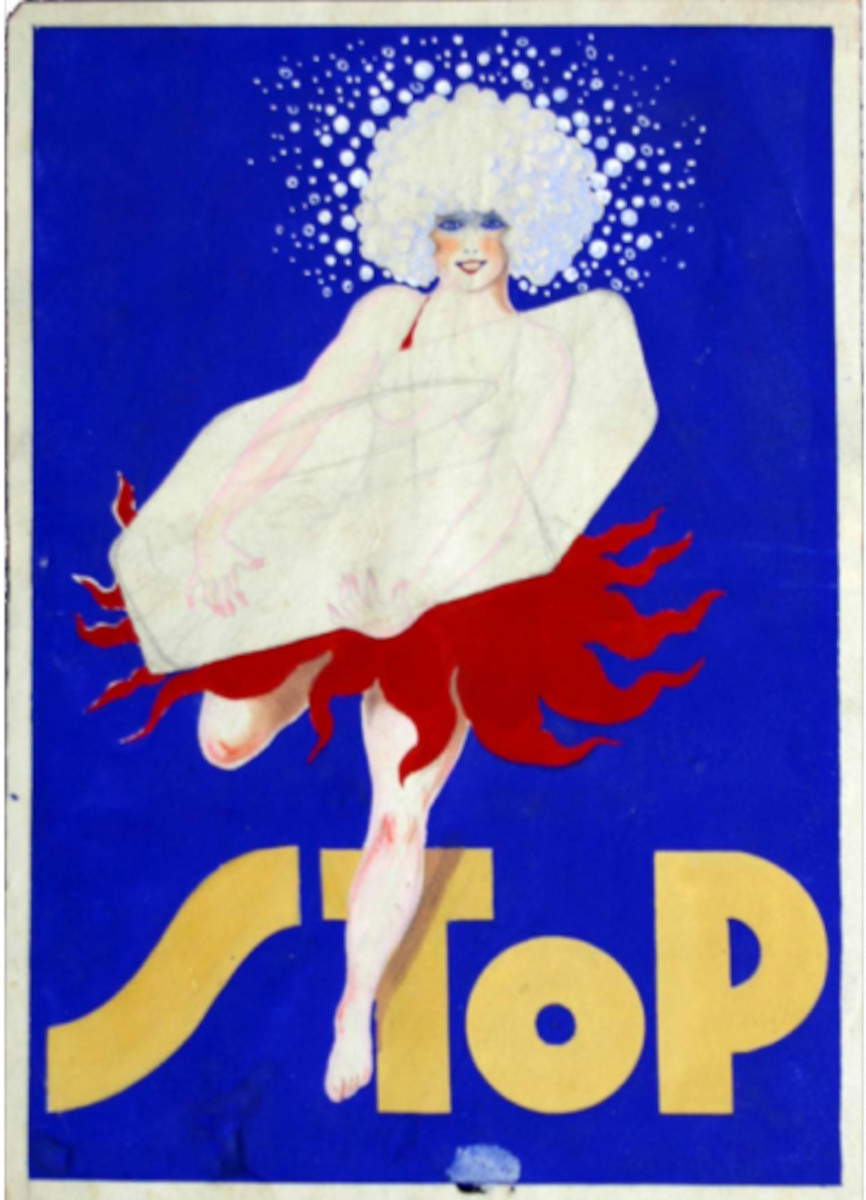
Among the images and objects that illustrate the evolution of DEISA Ebano’s communication are the cans of Zig Zag insecticide, characterized by an aesthetic reminiscent of Futurist experiments, and the summer scenes of the 1950s, with sun-drenched beaches and female figures evoking the new imagery of leisure time.
A special place is reserved for the advertising vehicles of the 1960s—mechanical and bodywork creations designed to bring brands directly onto the streets and into the squares. These vehicles, now once again showcased in corporate spaces, bear witness to an era when advertising moved beyond posters to become an urban spectacle and a tangible presence in everyday life. The museum aims to chronicle not only the evolution of brands but also that of consumption, habits, and the desires of Italians throughout the 20th century.
New research reveals the company’s origins
The museum project is accompanied by the book *Un sogno lucido. DEISA Ebano: storia, bozzetti, manifesti e Museo*, published by Pendragon and edited as part of the scientific research directed by Francesca Sinigaglia.
It was precisely the study of the company archives that brought to light a previously unknown detail about the company’s origins. The earliest documented traces of the firm date back to 1922, predating by four years the date of 1926 traditionally handed down by the company’s internal history as its year of founding.
“By chronicling the evolution of communication throughout the 20th century,” explains curator Francesca Sinigaglia, “the museum and the book reconstruct a history that serves as a universal example.” Specifically, the book is conceived not only as a work of historical and artistic research but also as the founding catalog of the Museum itself, providing its critical, documentary, and interpretive framework. It is certainly the result of a fascinating project, but above all a scholarly tool to support future research on the history of Italian advertising graphics and a contribution to the development of museological practices related to art archives and corporate memory.”
“Creating a museum within the factory,” says Luca Rossi, President of DEISA Ebano, “means affirming that our history is not a memory, but a part of our daily work. A hundred years of ‘Made in Italy’ are measured by the longevity and quality of our products, but also by the way a company has been able to interpret changes in society, combining traditional techniques with a vision for the future. We believe that sharing our industrial and cultural heritage with the city—and with the entire country—is the best way to celebrate our centennial.”
“In this museum,” emphasizes Maddalena Rossi, Sales and Marketing Director at DEISA Ebano, “we tell the story of a family-owned business that has shaped the collective imagination of Italians. A company that has known how—and chosen—to speak the language of art to express craftsmanship, responsibility, and care. Together with all our employees, we’ve come a long way. We hope to go even further in the future, with new strategies and the promise to preserve and promote a creative legacy—one built on identity and prestige—that we now consider a shared heritage.”
The DEISA Ebano Museum is located at the company headquarters at Via Edoardo Collamarini 27 in Bologna and can be visited free of charge by appointment. For information and reservations, please email museo@ebano.com.
The initiative is sponsored by the Museo Ottocento Bologna, the Museo Nazionale Collezione Salce in Treviso, and the City of Bologna.
|
| A new corporate museum opens in Bologna: the DEISA Ebano Museum opens its doors to showcase 100 years of advertising and “Made in Italy” |
Warning: the translation into English of the original Italian article was created using automatic tools. We undertake to review all articles, but we do not guarantee the total absence of inaccuracies in the translation due to the program. You can find the original by clicking on the ITA button. If you find any mistake,please contact us.