



by Redazione 22/11/2026


Categories: Museums / Disclaimer
After two years of closure for renovations, the Giuseppe Cortesi Geological Museum in Castell’Arquato is reopening to the public. Housed in the historic Santo Spirito Hospital, the museum holds important fossil specimens from the Gulf of the Po, the ancient sea that once covered what is now the Po Valley.


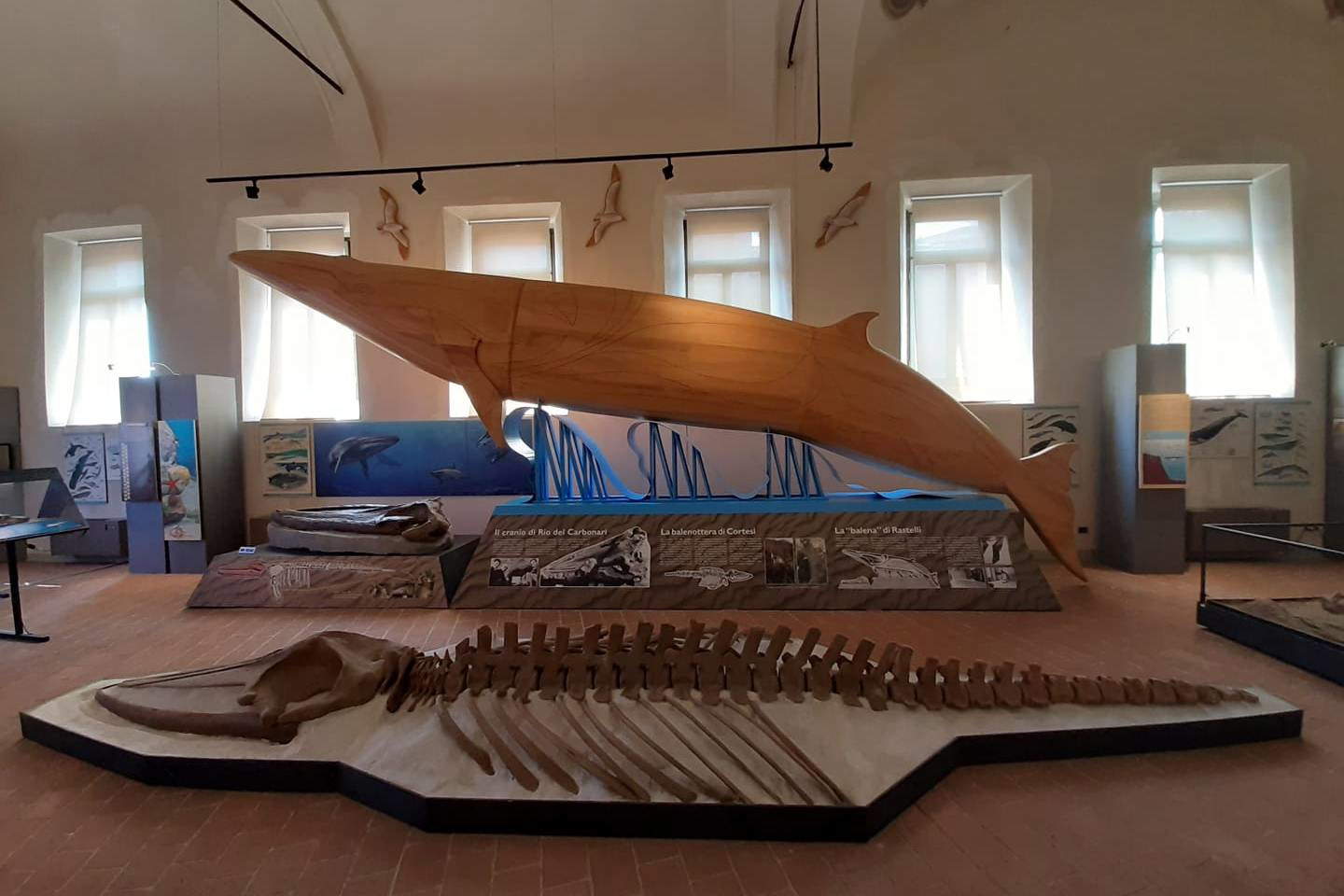
Fossils of sharks, cetaceans, mollusks, and corals that once inhabited the ancient Po Valley are once again on display at the Giuseppe Cortesi Geological Museum in Castell’Arquato, in the province of Piacenza. On Sunday, November 22, 2026, the museum will reopen to the public after having been closed since the fall of 2024 to allow for urgent safety work on the roof and renovation of the building.

The museum is located in the historic Santo Spirito Hospital, a building of great historical value founded in 1272 to provide shelter for pilgrims traveling to Rome along the Via Francigena. The building preserves the only remaining example of arcades along the street still present in the village and features rooms of particular architectural interest, including a hall with a partially frescoed vaulted ceiling and the fireplace room, characterized by a fine 16th-century coffered wooden ceiling. From this room, visitors can access a loggia offering a picturesque view all the way to the Po River.
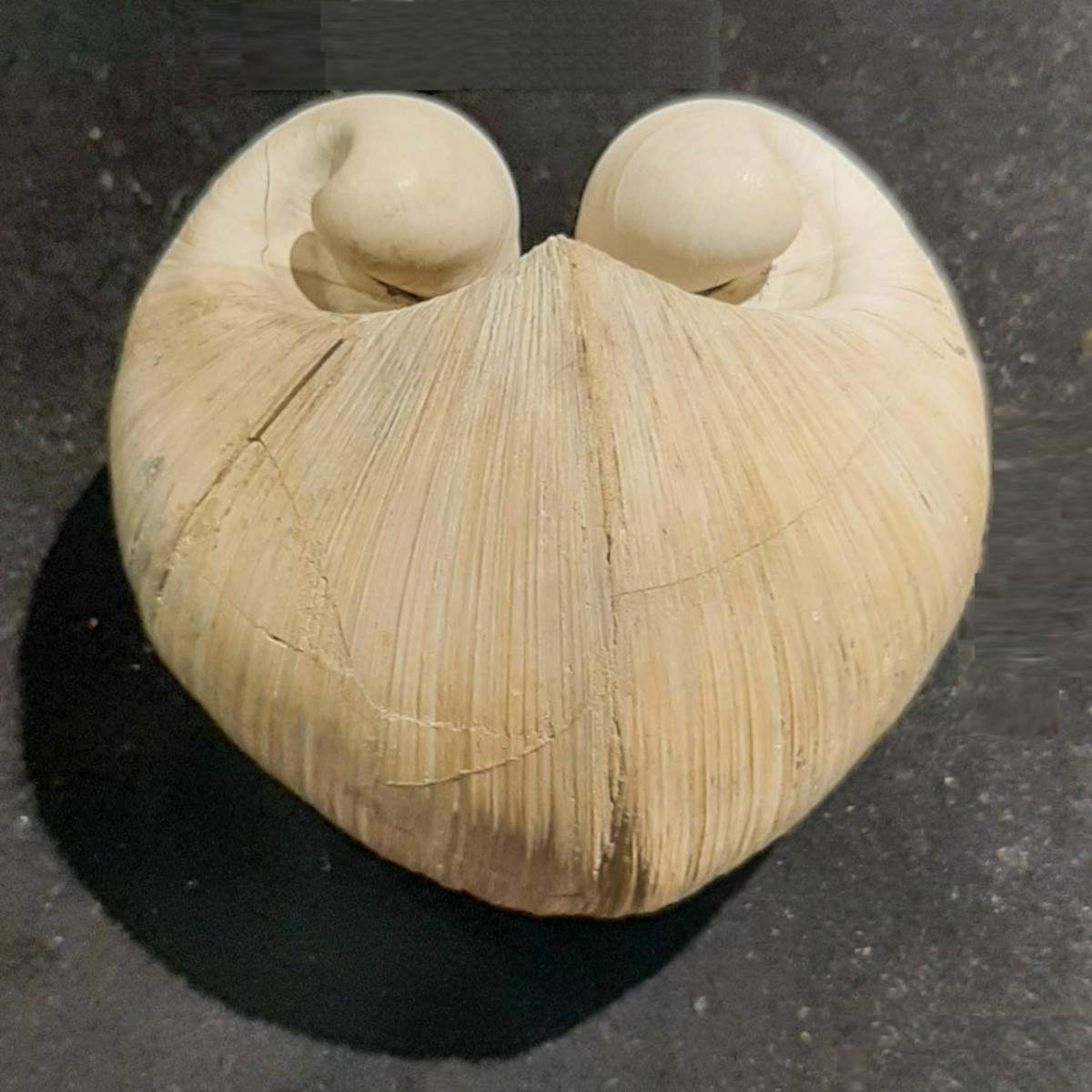
The museum tour takes visitors on a journey through the history of life on Earth, with a particular focus on the paleontological evidence from the so-called Po Gulf. Until about one million years ago, this ancient arm of the sea stretched from the Adriatic Sea to the foothills of the Western Alps, covering much of the territory of today’s Po Valley. Numerous remains of the organisms that inhabited these waters—including mollusks, corals, sea urchins, sharks, and cetaceans—have been discovered in the fossil deposits of the hills between the Val d’Ongina and the Val Chero. This extraordinary paleontological wealth has made the Castell’Arquato area renowned even on an international level.




The Giuseppe Cortesi Geological Museum is also closely linked to the Stirone and Piacenziano Regional Park, managed by the Ente Parchi del Ducato, which protects and promotes the fossil-bearing outcrops in the area. The museum serves as a key resource for learning about the local geological heritage and delving deeper into the study of the Piacenzian, the geological stage that takes its name from this very region.
The reopening was made possible by a renovation project with a total cost of approximately 138,000 euros. The Emilia-Romagna Region contributed 100,000 euros through an agreement signed with the municipality, under Regional Law No. 7/2020. In addition to the work needed to secure part of the roof, the project also included improving the building’s energy efficiency and upgrading its systems, including the replacement of the heat generator and distribution terminals.
During the closure period, restoration work was also carried out on the paleontological artifacts, thanks to collaboration between the Superintendency and local authorities committed to the protection and promotion of cultural heritage. The work was funded through grants from the Ministry of Culture for the 2025–2026 biennium.
With the reopening of the Giuseppe Cortesi Geological Museum, Castell’Arquato once again offers the public a vital space for learning about the geological history of the region and the extraordinary evidence of a prehistoric sea that, millions of years ago, covered the Po Valley.
|
| After two years, the Geological Museum of Castell’Arquato reopens: the museum of fossils from the ancient Po Sea |
Warning: the translation into English of the original Italian article was created using automatic tools. We undertake to review all articles, but we do not guarantee the total absence of inaccuracies in the translation due to the program. You can find the original by clicking on the ITA button. If you find any mistake,please contact us.