



by Redazione 05/11/2026


Categories: Museums / Disclaimer
The “Museum for Everyone” project, conceived by L’abilità ETS and carried out with the support of the KPMG Italia ETS Foundation, involves the Etruscan Museum of Populonia, the Museum of Mediterranean Masks in Mamoiada, and the Pulcinella Museum in Acerra. The project will provide materials in easy-to-read language, Augmentative and Alternative Communication (AAC) tools, and training

Making museums accessible means not only allowing everyone to visit them, but also enabling every person to understand their collections, artifacts, and traditions. This is the goal of the initiative involving three Italian institutions as part of “Museo per tutti” (Museum for Everyone), a project launched in 2015 by L’abilità ETS to promote access to culture for people with intellectual disabilities. Thanks to a grant from the KPMG Italia ETS Foundation, the initiative has been expanded to include the Etruscan Museum of Populonia – Gasparri Collection, in Piombino (Livorno), the Museum of Mediterranean Masks in Mamoiada (Nuoro), and the Pulcinella Museum of Folklore and Peasant Culture in Acerra (Naples).


The project operates on multiple levels and includes the development of visitor support tools, training for museum staff, and the involvement of third-sector organizations active in these areas. The goal is to ensure that accessibility is not merely an additional service but becomes an integral part of the visitor experience, helping people navigate the spaces and understand the significance of what is preserved and displayed.
Based on the characteristics of each collection, “Museo per tutti” has developed guides in ETR (Easy to Read) language, accompanied by AAC (Augmentative and Alternative Communication) symbols, in-depth content, and new informational tools. The materials were developed with the specific characteristics of the three museums in mind, featuring different approaches to presenting their respective collections.



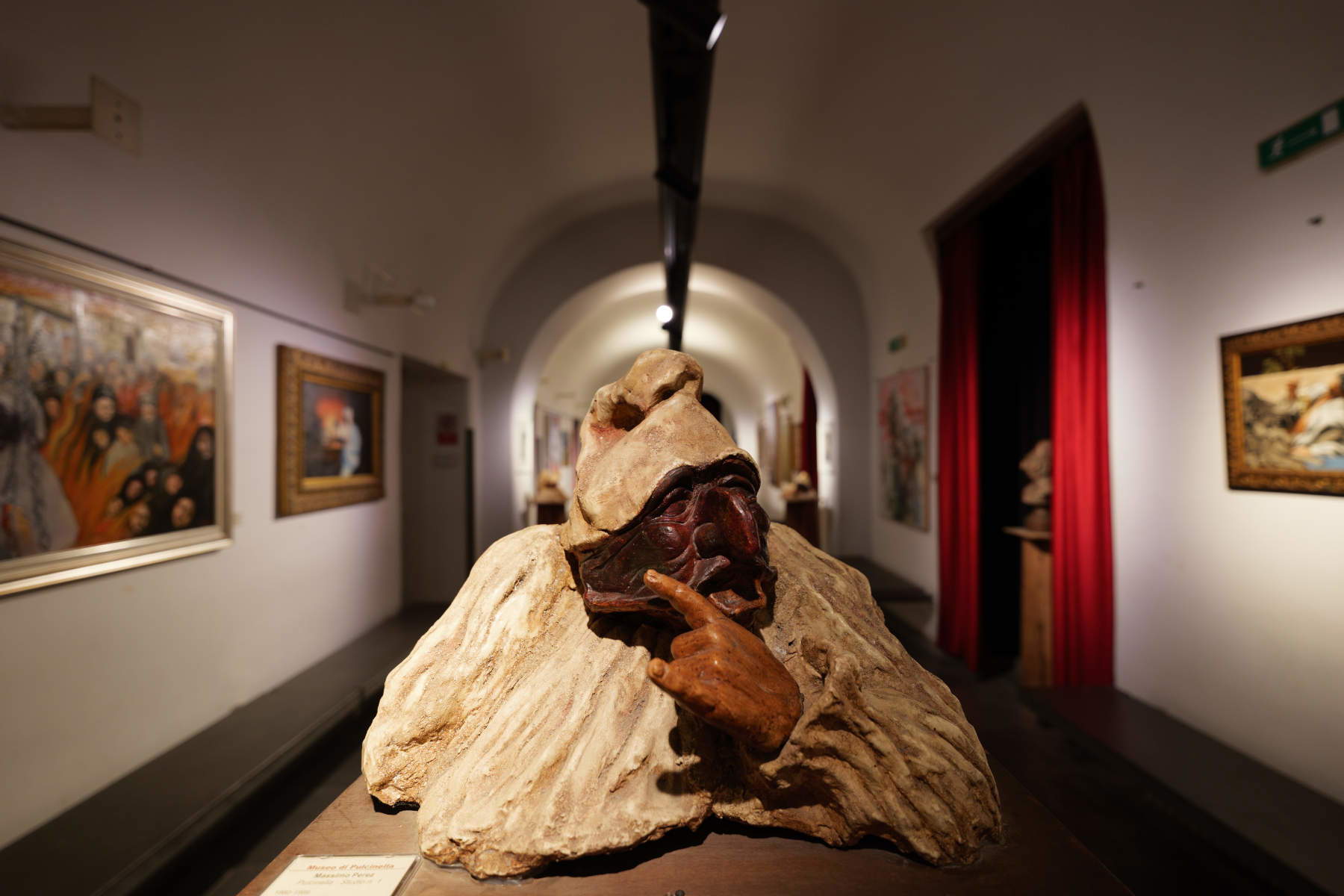
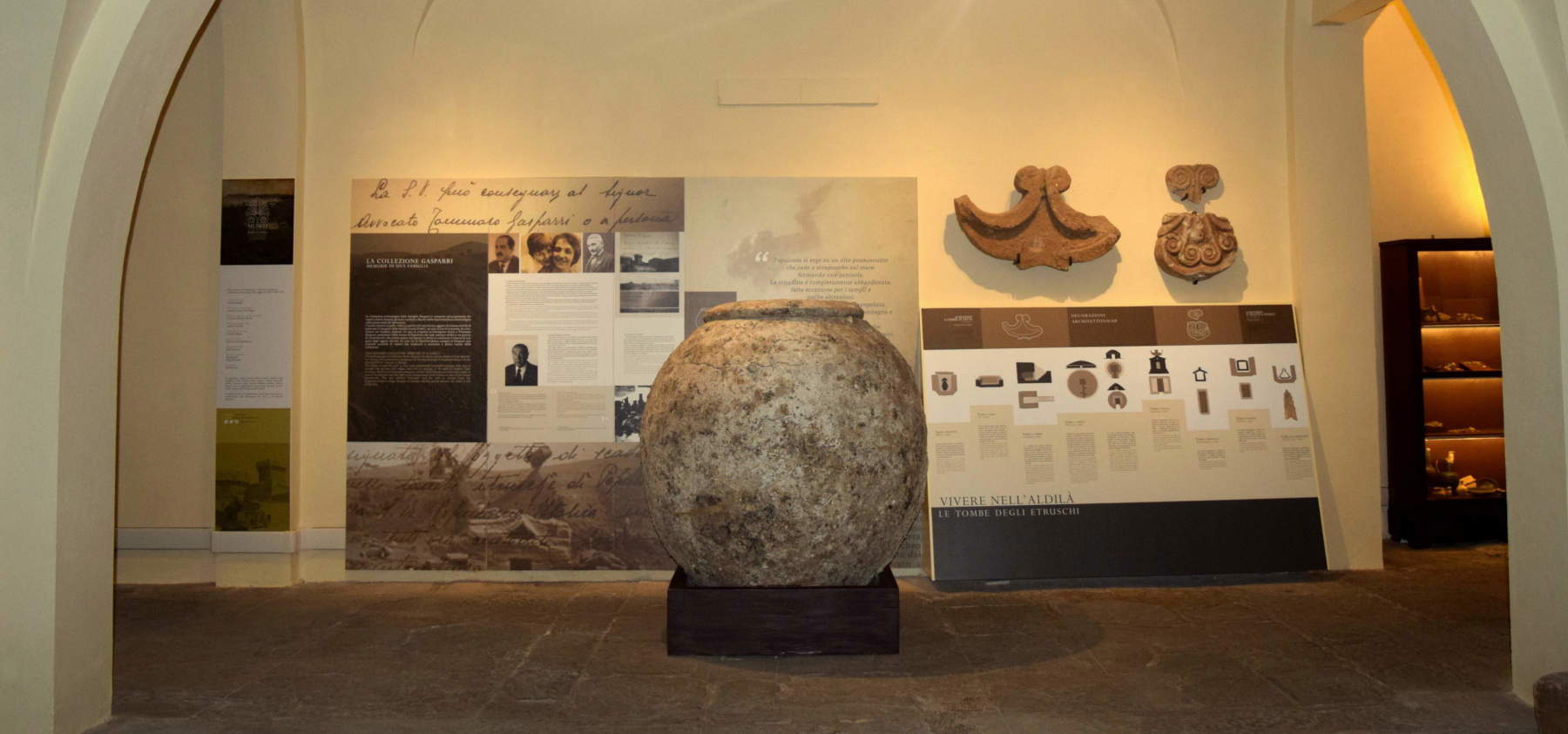
At the Etruscan Museum of Populonia, in the Piombino area, a narrative approach never before used in the project was tested. The accessible tour begins with a typical day in the life of Venel, an Etruscan child, and his family: a story that offers insight into daily life in antiquity through the experiences of specific characters. This is the first material of its kind created as part of the “Museum for Everyone” initiative. The narrative is complemented by a collection of more technical fact sheets dedicated to the main objects used by the story’s protagonists, which are on display in the museum’s galleries.
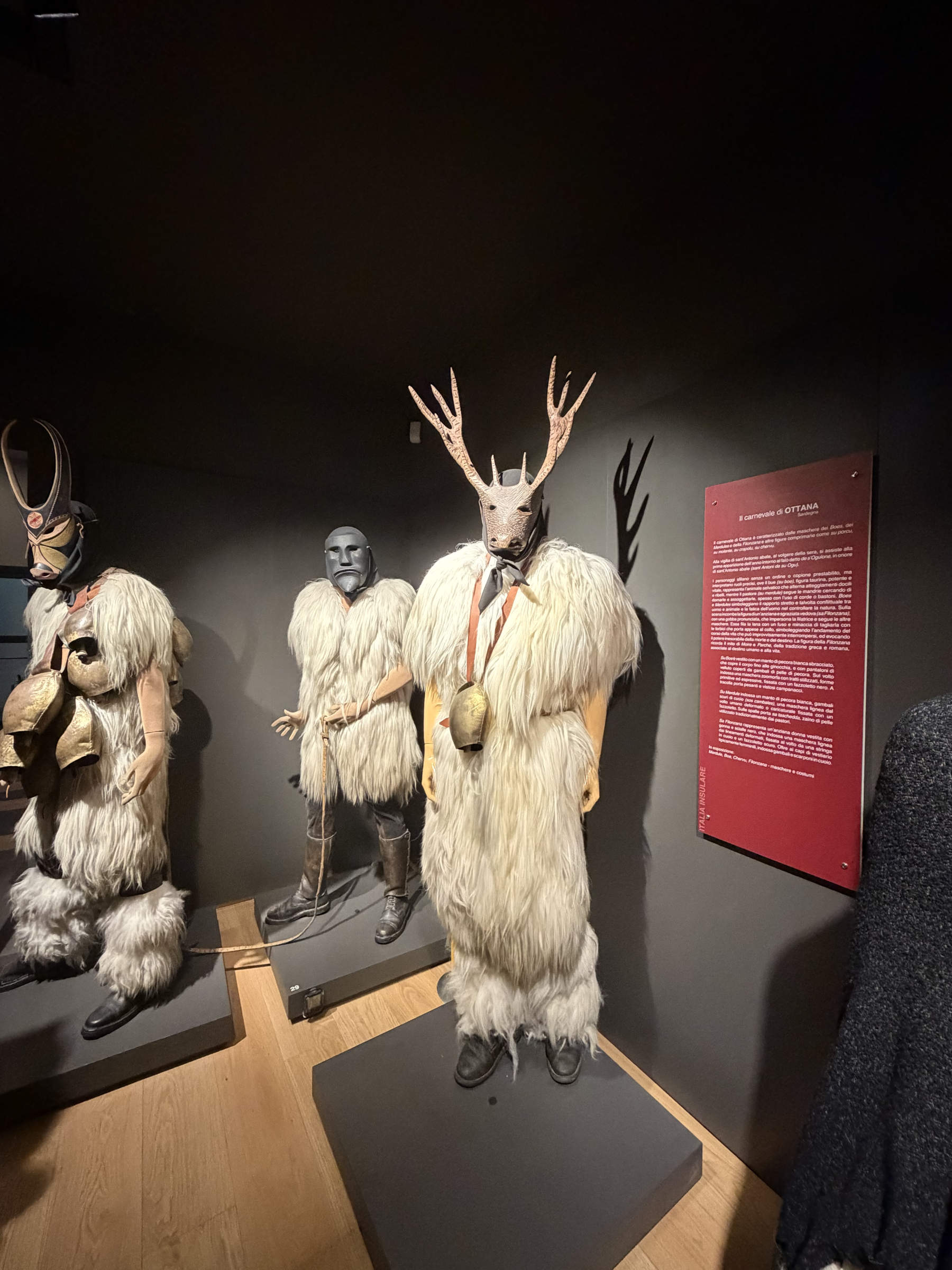
At the Museum of Mediterranean Masks in Mamoiada, on the other hand, guides lead visitors on a journey to discover carnival rituals linked to rural and agro-pastoral culture. Local traditions are also presented in relation to similar events in other parts of Europe, through a journey that connects the Sardinian hinterland to a broader cultural context. The materials include descriptive fact sheets on the main masks and simplified maps, designed to help visitors identify the places of origin and understand the relationships between the various traditions.
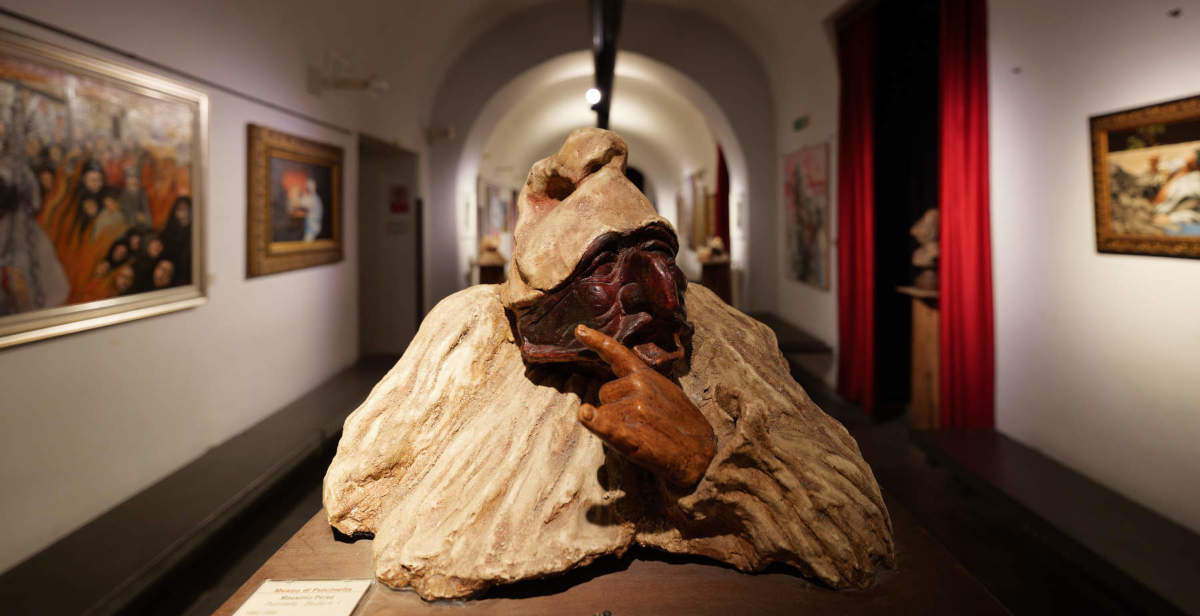
In Acerra, the project focuses on the Pulcinella Museum of Folklore and Peasant Culture. Here, the exhibition focuses on the various representations of the mask and its role in Neapolitan history and culture. The guides are organized into thematic sections dedicated to various aspects of the tradition, including food, religion, and theater. Their creation involved an inclusive team, with the active participation of people with intellectual disabilities.
The involvement of local communities is another key element of the project. In addition to producing the materials, the “Museum for All” team organized training sessions for staff at the three museums, with the goal of providing them with useful tools to welcome and assist visitors based on their varying comprehension needs.
A survey of third-sector organizations in the area was also conducted to encourage their involvement in validating the guides. In Acerra, in particular, a partnership was launched with the Il Tulipano Social Cooperative in Naples, which enabled several young people with autism who are members of the association to participate directly in the creation of accessible materials for the museum.
Guides and materials: museopertutti.org/elenco-musei
Statements
“This project stems from a corporate volunteer initiative that brought KPMG and Museo per tutti together,” explains Laura Borghetto, general director of L’abilità ETS. “From that first step, a deep synergy emerged, fueled by the KPMG Italia ETS Foundation’s commitment to cultural accessibility. This vital support has allowed us to work with three very different museums, highlighting their unique characteristics through tools designed to facilitate the enjoyment and understanding of the works. For us, making culture accessible means exactly this: enabling every person to engage with cultural heritage, understand it, and feel part of the experience.”
“Cultural engagement is a necessity and a right that belongs to all of us, each with our own unique characteristics—which allow us to live and thrive in our community,” says Lorenzo Pestellini, Secretary General of the KPMG Italia ETS Foundation. “The L’abilità ETS project fits perfectly and consistently with our mission to foster educational enrichment: widespread cultural access, consideration for vulnerabilities, and a focus on places far from metropolitan areas—places that are sometimes lesser-known yet beautiful—all elements we consider fundamental to building a cohesive and equally open community.”
 |
| From Populonia to Acerra, three museums are rethinking accessibility: accessible tours and trained staff |
Warning: the translation into English of the original Italian article was created using automatic tools. We undertake to review all articles, but we do not guarantee the total absence of inaccuracies in the translation due to the program. You can find the original by clicking on the ITA button. If you find any mistake,please contact us.