



by Redazione 02/11/2026


Categories: Museums / Disclaimer
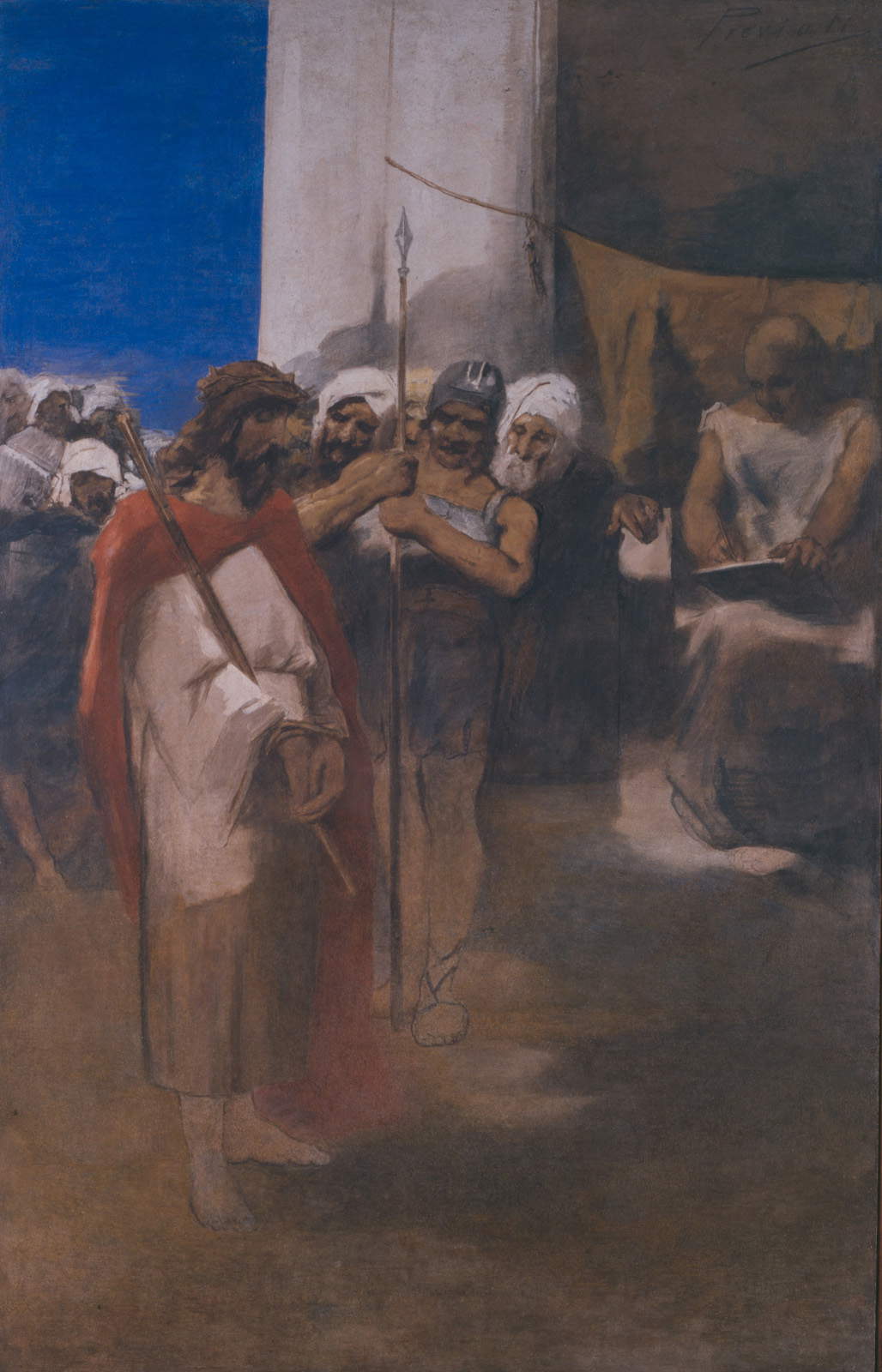
In March 2027, the Carlo Maria Martini Diocesan Museum in Milan will open a new gallery entirely dedicated to Gaetano Previati’s *Via Crucis*. It is the flagship project among the initiatives to mark the 25th anniversary of the Milanese museum, which is celebrating the occasion with restorations, exhibitions, and new projects.

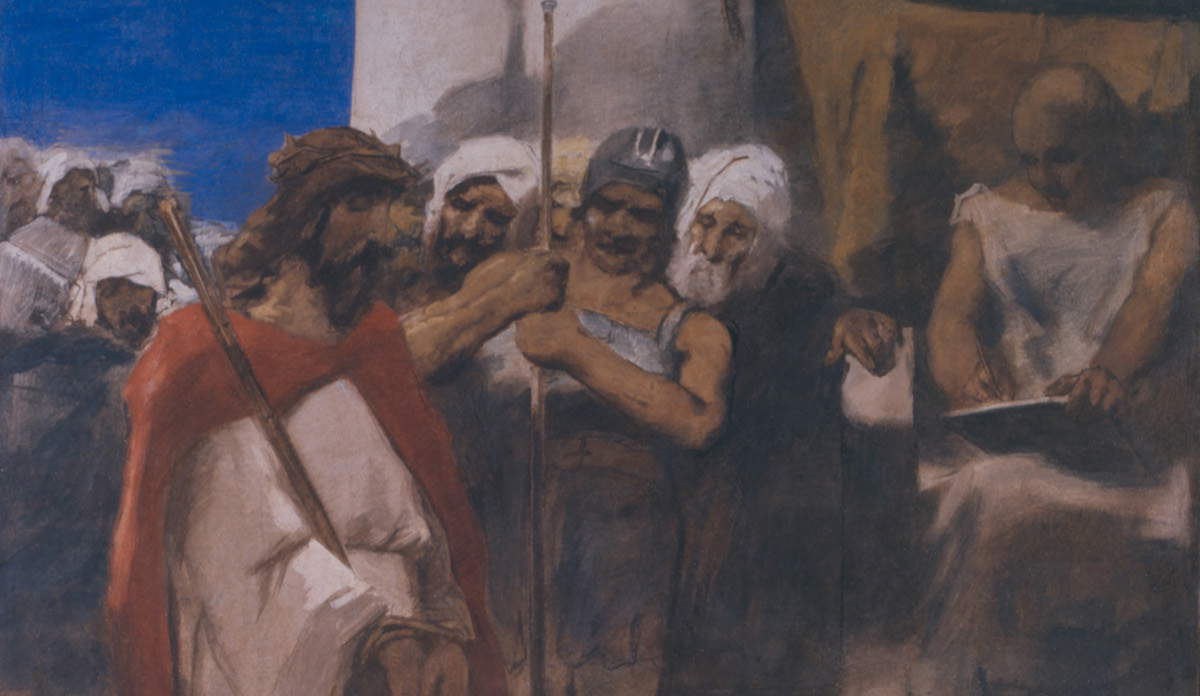
The return of Gaetano Previati’s *Via Crucis* to Milan marks one of the highlights of the celebrations for the 25th anniversary of the Carlo Maria Martini Diocesan Museum. In March 2027, the museum will inaugurate a completely renovated gallery specially designed to house the monumental cycle of fourteen frescoes, created by the artist between 1882 and 1888 for the cemetery in Castano Primo (Milan). The work, which will enter the permanent collection through a long-term loan, will thus be on display again in Milan following restoration.


The new gallery is the flagship project of the program of events organized to celebrate the institution’s first quarter-century, which was inaugurated in 2001 at the behest of Cardinal Carlo Maria Martini. This anniversary will also be celebrated with a free admission day for the public, scheduled for Thursday, November 5, 2026, from 10 a.m. to 8 p.m., accompanied by special guided tours led by museum staff. The initiative is made possible thanks to the support of Gi Group Holding.
The celebrations also include numerous new features: from the website’s new design, created by VIVA!, to the publication of a guide to the collection published by Dario Cimorelli Editore, and the restoration of two particularly significant works, “St. Joseph with the Child” by Guido Reni (1575–1642) and “Sola!” by Emilio Longoni (1859–1932).



Rounding out the calendar is an exhibition program that will run through spring 2027, featuring shows dedicated to Artemisia Gentileschi, Federico Garolla, the tradition of paper nativity scenes, and the dialogue between Beato Angelico and Adrian Paci.
Gaetano Previati’s *Via Crucis*: Fourteen Frescoes in a New Gallery
Created between 1882 and 1888 for the Castano Primo cemetery, Gaetano Previati ’s (Ferrara, 1852 – Lavagna, 1920) consists of fourteen large frescoes, each measuring 258 x 167 centimeters. The works, which were removed and transferred to canvas in 1969, were conceived by the artist as a single narrative sequence, in which the various stations follow one another without interruption. The simplicity of the forms, together with the intensity of the characters’ gestures and expressions, helps convey the full drama of the episodes from the Passion of Christ. The cycle had already been on display at the Diocesan Museum for several years, following its inauguration, before returning to Castano Primo. Now, following restoration, it returns to the Lombard capital and occupies a specially designed space on the museum’s first floor.
The project was made possible thanks to the collaboration of the City of Castano Primo and the support of PwC Italia.
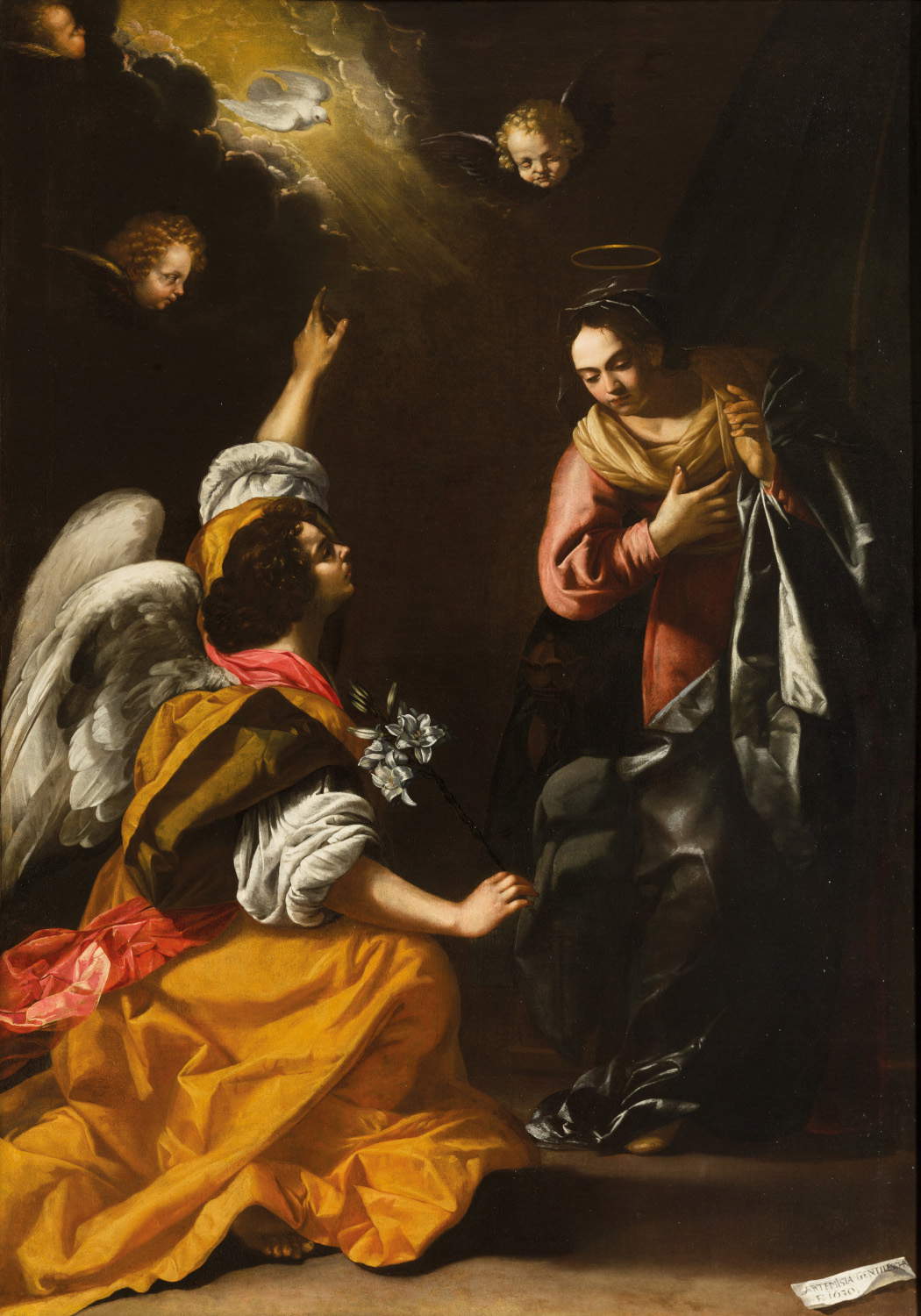
Artemisia Gentileschi’s Annunciation for “A Masterpiece for Milan 2026”
Through January 31, 2027, the Diocesan Museum is hosting Artemisia Gentileschi’s *The Annunciation*, on loan from the Capodimonte Museum and Royal Park in Naples. The work is the centerpiece of the 2026 edition of “A Masterpiece for Milan,” with an exhibition curated by Mario Epifani and Nadia Righi. The exhibition is made possible thanks to the support of the Bracco Foundation, the Main Partner, which has also supported the project by funding scientific research on the painting; the results of this research are presented throughout the exhibition. The Monte di Lombardia Foundation and Eni are also participating as sponsors, while Gi Group Holding, the Rocca Foundation, Manageritalia Lombardia, Perelli Consulting, and BSTC Law Firm are among the supporters. Trenord is the travel partner.
To coincide with the exhibition, the museum will organize three in-depth seminars in January dedicated to the historical, artistic, evangelical, and iconographic aspects of the work, as well as a series of short guided tours during the lunch break.
A New Guide to Discovering 80 Masterpieces at the Diocesan Museum
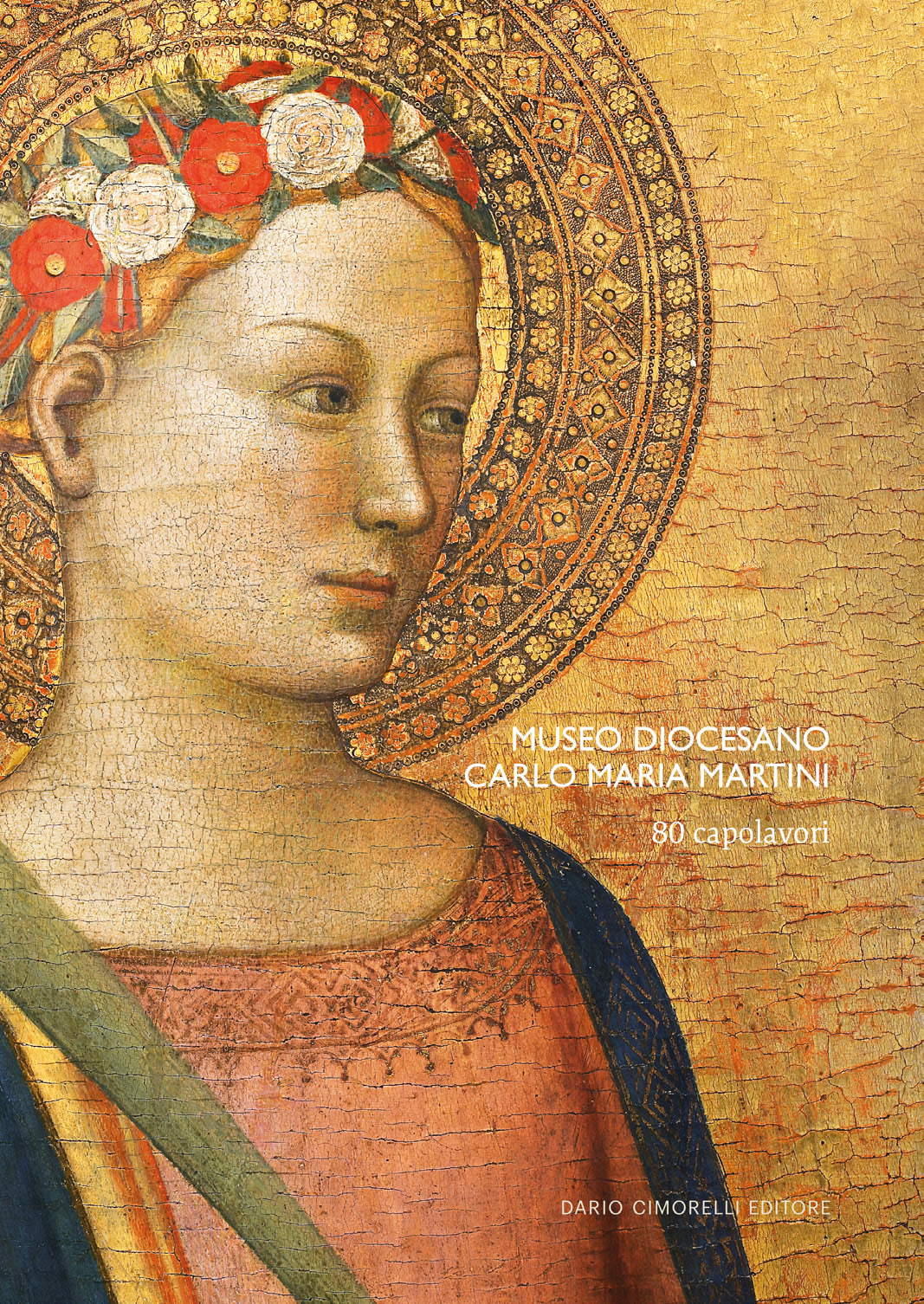
Among the initiatives for the 25th anniversary is the publication of the book *Museo Diocesano Carlo Maria Martini: 80 Masterpieces*, edited by Alessia Devitini and published by Dario Cimorelli Editore. This publication was made possible thanks to the contribution of Renée Bormioli, in memory of her parents, the Association of Volunteers of the Carlo Maria Martini Diocesan Museum, and BPER Banca. The guide takes readers on a journey to discover the collections housed within the monumental complex of the Chiostri di Sant’Eustorgio, a site of particular importance in the history of Ambrosian Christianity. The permanent collection comprises over a thousand works, dating from the 3rd to the 21st century, and traces a long journey through Lombard and Italian art, from works related to the figure of Saint Ambrose to contemporary artistic expressions. Through a selection of 80 works—including paintings, sculptures, tapestries, drawings, goldsmith’s artifacts, and illuminated manuscripts—the volume illustrates the richness of the collections, the diverse origins of the artifacts, and the contributions of the artists who have shaped the museum’s history.
The New Website: The Museum Gets a Makeover Online, Too
As of November 2, 2026, the new website of the Carlo Maria Martini Diocesan Museum is live and can be accessed at museodiocesano.it. Developed by VIVA!, the project was supported by Edison and Gi Group Holding and introduces a revamped digital platform designed to make it easier to access information and explore the artworks.
The new website launches just in time for the museum’s 25th anniversary and features a more intuitive structure, contemporary graphics, and streamlined navigation. It is conceived as an extension of the exhibition spaces: the works can be explored using various search criteria, including artist, historical period, technique, and location within the museum’s layout. In this way, visitors planning a trip can learn the location of the works in advance, while those who are far away can explore the collection directly from home. Practical information is easily accessible, and the content can be viewed on computers, tablets, and smartphones.
The Restorations of Guido Reni and Emilio Longoni
The twenty-fifth anniversary also provided an opportunity to restore full visibility to two important paintings in the permanent collection: *St. Joseph with the Child* by Guido Reni and *Sola! * by Emilio Longoni. The restoration work was entrusted to Studio Luigi Parma. Originating from the archiepiscopal collections and belonging to the Monti Collection, *Saint Joseph with the Child* is a painting originally intended for private devotion. Dated between 1625 and 1630, it belongs to Reni’s artistic maturity, as evidenced by the expansive volumes—evoking Raphael—and the luminous, delicate color palette. The work, painted in oil on silk, exhibited numerous areas of color loss, abrasions, and surface deposits, while the oxidized varnish had impaired its legibility. The restoration made it possible to recover the original pictorial quality and bring to light highly refined details, such as the brushstrokes rich in white lead that define St. Joseph’s beard and hair. The project was supported by the Volunteers’ Association of the Carlo Maria Martini Diocesan Museum.
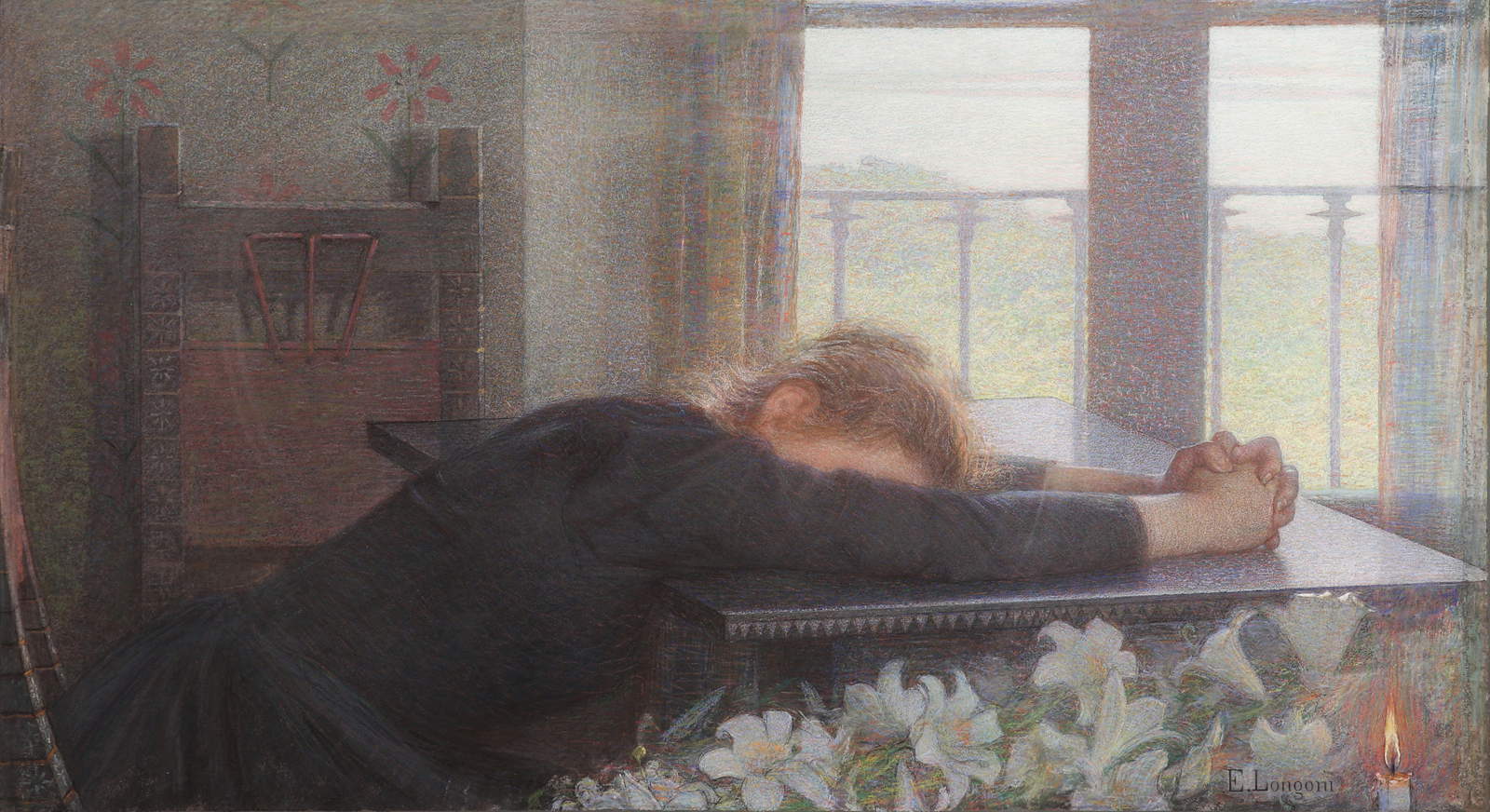
*Sola!*, painted by Emilio Longoni in 1901, also underwent major conservation work. In the painting, the artist addresses a mother’s grief over the loss of her son, transforming individual suffering into a broader reflection on death and the human condition. The painting’s surface exhibited signs of color disintegration and small, widespread losses. The restoration made it possible to restore the chiaroscuro balance and the distinctive qualities of the Divisionist technique, returning luminosity and intensity to the composition. Supported by BPER Banca, the painting is currently on view in the exhibition *Vanitas. Flowers and Symbols, from Hayez to Casorati, running through January 31, 2027, at Palazzo Brabantini-Koch in Ferrara.
Federico Garolla chronicles postwar Italy through photography
From November 19, 2026, to April 4, 2027, the Diocesan Museum presents “Federico Garolla. People of Italy. Photographs 1949–1968, an exhibition dedicated to one of the leading figures in Italian photography of the 1950s and 1960s. Curated by Isabella Garolla and Uliano Lucas, the exhibition brings together approximately one hundred black-and-white photographs taken in Italy during the two decades following World War II. Born in Naples in 1925 and who passed away in Milan in 2012, Federico Garolla was a journalist and photojournalist; beginning in the 1940s, he produced hundreds of photo essays for major Italian and international publications.
Through his lens, landscapes, scenes of daily life, and the faces of ordinary people are captured alongside figures from the worlds of culture and entertainment. Among the subjects of his photographs are painters such as Renato Guttuso and Massimo Campigli, writers such as Elsa Morante and Giuseppe Ungaretti, as well as fashion designers, musicians, and actors and actresses from film and theater. His work paints a portrait of a country that, in the wake of the devastation of war, was striving to regain confidence and vitality, moving toward a period of growth that would come to be known as the “Italian Miracle.” His attentive and discreet eye also captured the social and cultural changes of those years.
The exhibition is organized in collaboration with Suazes and made possible thanks to the support of Fondazione Fiera Milano, Fondazione Beta 80, and Fondazione Grana Padano. Trenord is participating as a travel partner.
Paper Nativity Scenes by Londonio and Dalmine for Christmas 2026
From December 1, 2026, to January 31, 2027, the museum renews its Christmas tradition with an exhibition of the paper nativity scene by Francesco Londonio (1723–1783), part of the permanent collection. Thanks to the support of the Association of Lombardy Regional Councilors and Comieco, with Trenord as the travel partner, the work will be presented alongside several paper nativity scenes in the form of miniature theaters from the Nativity Scene Museum in Dalmine, in the province of Bergamo. This comparison offers insight into the spread and popularity of the models designed by the Milanese painter, whose innovations helped introduce paper nativity scenes to Italy and numerous European countries beginning in the second half of the 18th century.
Alongside the most refined examples, productions aimed at a broader audience also became widespread over time; these were characterized by simpler craftsmanship but were equally interesting from a historical and artistic perspective. Paper, being inexpensive and easy to work with, made it possible to create not only Nativity figures but also entire scenes, including architecture, backdrops, theatrical wings, and landscapes.
Beato Angelico and Adrian Paci: A Dialogue Between the Past and the Present
From February 16 to May 16, 2027, during Lent and Easter, the Diocesan Museum will present a comparison between Beato Angelico ’s *Lamentation over the Dead Christ* and a work by the contemporary artist Adrian Paci. The panel painting by the Florentine artist, housed at the Museum of San Marco in Florence, depicts a group of figures gathered around the body of Christ, against the backdrop of the city walls. The work is by Fra Giovanni da Fiesole, known as Beato Angelico (Vicchio di Mugello, c. 1395 – Rome, 1455), one of the leading figures of the early Italian Renaissance.
Engaging in a dialogue with the painting will be *The Bell Tolls Upon The Waves*, a triptych video installation by Adrian Paci (Shkodër, 1969), one of the best-known artists on the international scene. The juxtaposition of the two works aims to connect different artistic languages and sensibilities, offering a reflection on the meaning of Christ’s Passion and Resurrection and their relevance today. The exhibition, organized with Unipol as the main sponsor and Enel, also serves as an opportunity for discussion on topics of social interest. The project involves the Creative Writing and Reading Workshop at the Milano-Opera Correctional Facility, promoting a shared reflection on the value of art as a tool for dialogue, inclusion, and participation. The exhibition is the result of a collaboration with Casa Testori and the Museo di San Marco in Florence, where it will subsequently be on view from May 21 to October 31, 2027.
“Celebrating the twenty-fifth anniversary of the Carlo Maria Martini Diocesan Museum,” says Nadia Righi, director of the Diocesan Museum, “means celebrating an important milestone and reflecting on the journey we’ve taken since its opening in 2001, thanks to the vision of Cardinal Martini and the great dedication of the first president, the late Monsignor Luigi Crivelli, and the first director, Paolo Biscottini, who persevered to bring it to fruition. Over the years, the museum has grown and opened itself more and more to the city, showcasing its collection, enriching its programming with events eagerly anticipated by the people of Milan, and forging relationships with cultural institutions and museums across our country. This anniversary program encapsulates all of this: a new website, a new guidebook, the unveiling of major restorations, new installations, and exhibition projects in collaboration with Italian museums—all with the aim of becoming, more and more, a place people are happy to return to. A milestone like this, however, would not have been possible without the many people who, over the years, have believed in the Museum and supported it. I would therefore like to extend a special thank you to our partners and sponsors, whose loyalty and support make a tangible contribution to the preservation and promotion of our heritage, and to the many volunteers who give their time and passion every day.”
“The ‘Carlo Maria Martini’ Diocesan Museum,” says Monsignor Luca Bressan, Vicar for Culture, Charity, Mission, and Social Action of the Diocese of Milan and President of the Carlo Maria Martini Diocesan Museum, “is located within the Cloisters of Sant’Eustorgio (the Basilica, the early Christian cemetery, and the Portinari Chapel). In this unique setting in Milan, the Diocesan Museum is called to breathe life and vitality into the witness of the Christian faith that generations of artists—particularly those from Lombardy—have offered over the centuries. This is not merely a matter of preservation, but of inspiration: offering visitors a genuine experience of beauty, entering into the aesthetic and symbolic space of the work of art to grasp the religious significance and openness to the transcendent contained within it. By naming it after Cardinal Carlo Maria Martini, the Diocese sought to reinforce this mission, inviting the Diocesan Museum to preserve and re-present the unique experience of beauty that saves. The collections, events, and exhibitions: everything is conceived as an anthropological training ground that brings to light—not only through logical pathways but precisely through those linked to the senses and emotions—the primacy of love and its capacity for the future. “The beauty that saves the world,” Cardinal Martini said, “is love that shares in suffering; an incredible yet gentle love, an attractive love that draws us in and captivates us.”
 |
| Previati’s *Via Crucis* Returns to Milan: To Mark Its 25th Anniversary, the Diocesan Museum Opens a Gallery Featuring the Fresco Cycle |
Warning: the translation into English of the original Italian article was created using automatic tools. We undertake to review all articles, but we do not guarantee the total absence of inaccuracies in the translation due to the program. You can find the original by clicking on the ITA button. If you find any mistake,please contact us.