



by Redazione 05/09/2026



Categories: Museums / Disclaimer
In 2026, eight Tuscan museums were granted the status of museums of regional significance and, at the same time, were admitted to the Ministry of Culture’s National Museum System: from the Fattori Museum in Livorno to the Museum of Stele Statues in Pontremoli.


In 2026, eight museums in Tuscany were granted the status of museums of regional significance and, at the same time, were admitted to the Ministry of Culture’s National Museum System. This new recognition brings the number of accredited museums and eco-museums in the region to 128, within a network that includes over 700 non-governmental, nonprofit museums and cultural sites.
From major urban centers to smaller villages, Tuscany’s cultural heritage continues to expand its network of recognized institutions. The eight new additions are very diverse in terms of history, collections, and type, but they share the common achievement of having completed the necessary process to meet the required standards. The institutions that have received this recognition are the Palazzo Pretorio – “Ranuccio Bianchi Bandinelli” Archaeological Museum in Colle di Val d’Elsa, the Civic Straw Museum in Signa, the Museum of Roman Massaciuccoli in Massarosa, the “Giovanni Fattori” Civic Museum “Giovanni Fattori” in Livorno, the MAD’ Museo dell’Albero d’Oro in Lucignano, the A. C. Ambrosi Museum of Lunigiana Stele Statues in Pontremoli, the Artistic Doll Museum in Suvereto, and the Civic Archaeological Museum in Sarteano.
For some of these institutions, this recognition comes at the conclusion of renovations that have profoundly transformed or modernized their facilities; for others, it marks the culmination of a longer journey of growth and enhancement.


In Colle di Val d’Elsa, the Archaeological Museum named after Ranuccio Bianchi Bandinelli has regained its regional status after having been recognized in the past. The new certification comes after a long period of closure and the subsequent reopening in a renovated facility. The museum thus rounds out the town’s cultural offerings alongside the Crystal Museum and the San Pietro Museum.
A process of transformation has also taken place at the Museo Civico della Paglia in Signa, which is now part of the network of museums of regional significance following the relocation and reorganization of the facility.
The path taken by the Museum of Massaciuccoli Romana, in Massarosa, is different; here, the recognition rewards a long-term enhancement project. Archaeological activities have gradually expanded the museum’s exhibited collection, strengthening the relationship between the museum and the Massaciuccoli Romana Archaeological Site, which is now an integral part of the visitor experience.
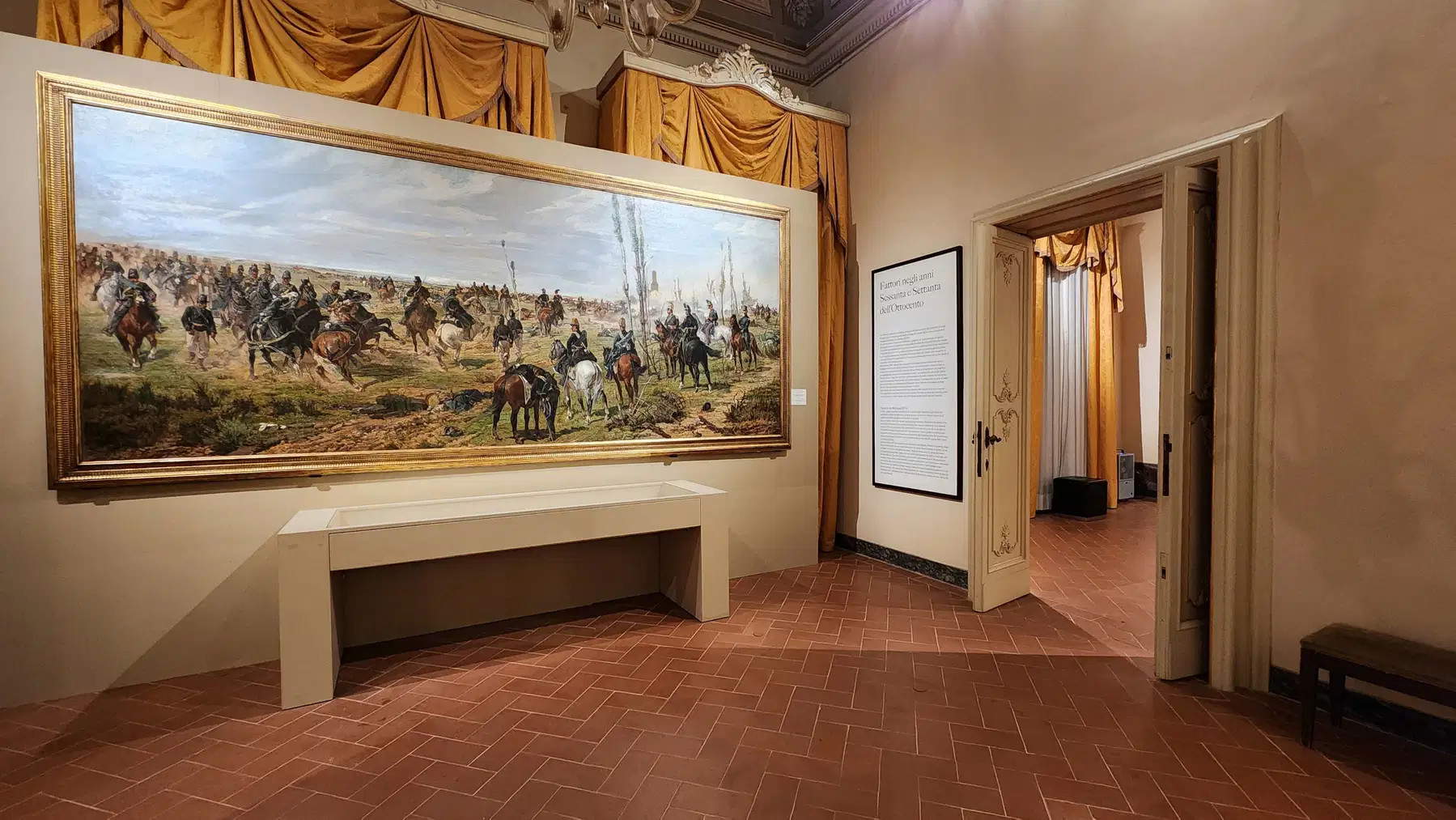
Among the new additions is also one of Livorno’s leading cultural institutions: the “Giovanni Fattori” Civic Museum. The regional designation highlights an institution characterized by significant collections and housed within a prestigious historic building that has recently been completely refurbished.
One of the most significant aspects of the new designations concerns the presence of museums located in small towns. This is the case of Lucignano and its MAD’ Museo dell’Albero d’Oro: the museum is housed in a medieval building featuring frescoed rooms and preserves one of the town’s most precious artifacts: the Albero d’Oro, an exquisite reliquary whose creation began in 1350 and was completed in 1471.
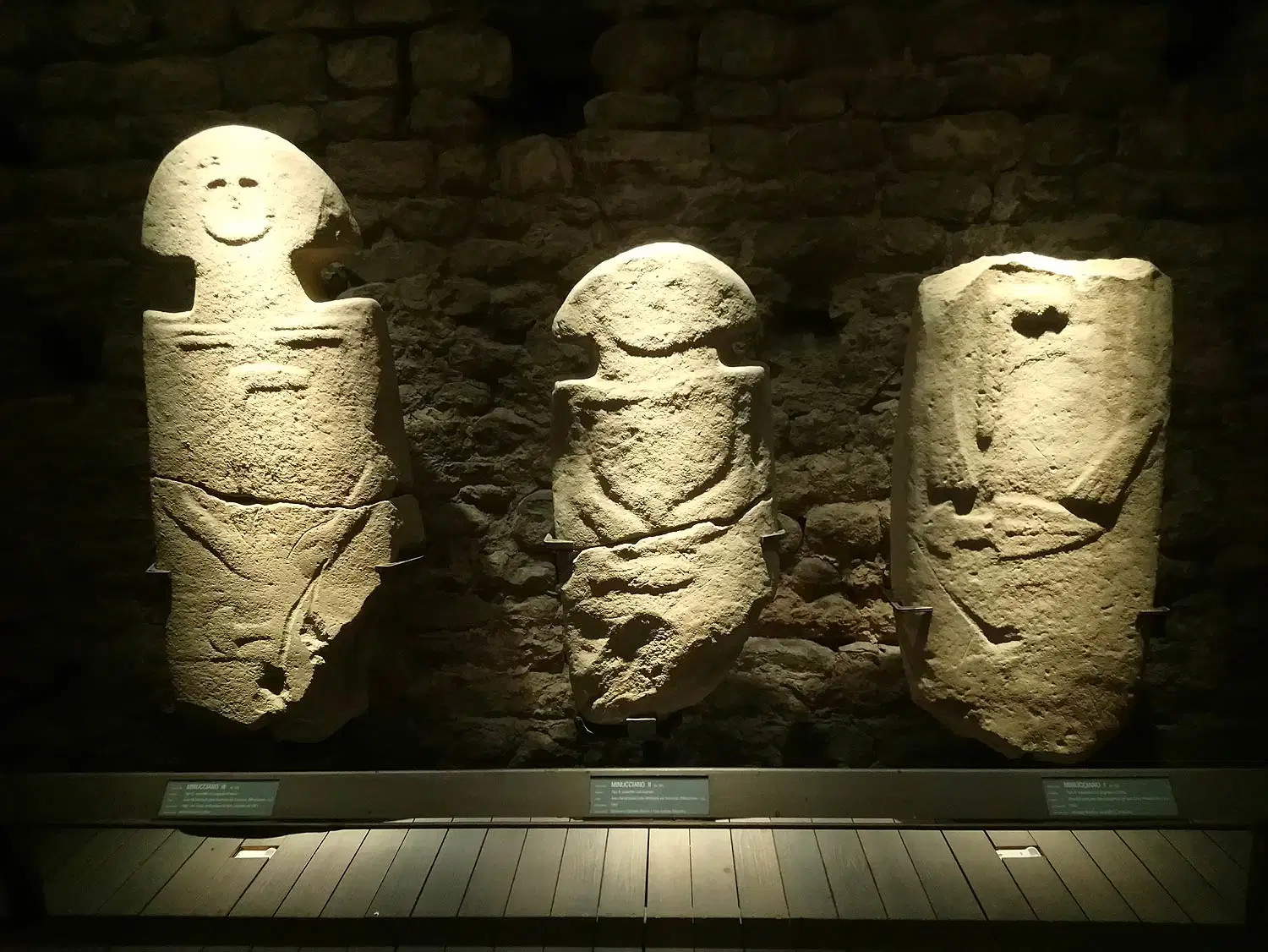
The Museum of Stele Statues in Pontremoli takes us even further back in time. Inside the Piagnaro Castle is housed the largest existing collection of stele statues from the Lunigiana region, artifacts that bear witness to a history spanning from the Copper Age to the Iron Age.
The new list also includes the Artistic Doll Museum of Suvereto, part of a broader project through which the town aims to consolidate its cultural offerings and further promote the region. In Sarteano, meanwhile, regional recognition has once again been granted to the Civic Archaeological Museum, which has completed the work required to bring it into compliance with fire safety standards. The museum houses important archaeological collections and also offers visitors the chance to view a life-size reconstruction of the famous painted tomb. A visit to the museum is both conceptually and physically linked to the Pianacce Archaeological Site, where the Etruscan Tomb of the Infernal Quadriga is located.
The inclusion of these eight museums in the National Museum System brings the total number of regionally recognized museums and ecomuseums in Tuscany to 128, strengthening a network capable of representing the region’s diverse cultural heritage—from art collections to archaeological finds, from local traditions to the memories of the territories.
“These eight new designations beautifully illustrate the extraordinary richness and variety of Tuscany’s cultural heritage,” stated Regional Councilor for Culture Cristina Manetti. “There are museums in major cities and institutions in small towns, archaeological and artistic collections, and artifacts deeply rooted in the history and identity of these territories. This is precisely one of the most significant aspects: cultural excellence is not limited to major centers but permeates our entire region. These museums are essential guardians of the broader Tuscan landscape—places capable of preserving our heritage, making it accessible, fostering knowledge, and strengthening the bond between communities and their history.” “Reaching 128 museums of regional significance,” the councilor continued, “means we have built an increasingly strong and high-quality network. Behind every recognition lie investments, hard work, professionalism, and often a great deal of commitment on the part of municipalities, even the smallest ones. As a region, we want to continue supporting this effort, because investing in museums means investing in culture, in the identity of our territories, and in their ability to be attractive and vibrant.”
|
| Tuscany: Eight Museums Join the National Museum System Network |
Warning: the translation into English of the original Italian article was created using automatic tools. We undertake to review all articles, but we do not guarantee the total absence of inaccuracies in the translation due to the program. You can find the original by clicking on the ITA button. If you find any mistake,please contact us.