


by Redazione 01/11/2026


Categories: Museums / Disclaimer
The Venice Civic Museums Foundation is launching a redesign of two rooms on the museum’s first floor, dedicated to the home of Teodoro Correr and the institutional history of the Serenissima. The project is part of the renovation of seventeen rooms, which is also supported by the Comité Français pour la Sauvegarde de Venise.

The Correr Museum in Venice is beginning the redesign of two first-floor galleries, dedicated to the domestic life of Teodoro Correr and to the history of the Serenissima as a city-state.The project is supported by the Comité Français pour la Sauvegarde de Venise, chaired by François Pignol, as part of a broader renovation program promoted by the Fondazione Musei Civici di Venezia with the support of the City of Venice. Following the reopening of the Royal Galleries in 2022, the project marks a new phase of investment in the museum, with a comprehensive redesign of seventeen rooms on the first floor.


The Comité’s commitment was reaffirmed at the gala dinner celebrating the organization’s 60th anniversary, held on Thursday, October 8, at the Italian Cultural Institute in Paris. In attendance at the event were French Foreign Minister Jean-Noël Barrot, Minister of Culture Catherine Pégard, and Paris Mayor Emmanuel Grégoire. Representing the Venice Civic Museums Foundation were President Mariacristina Gribaudi, Organizational Secretary Mattia Agnetti, and Scientific Director Chiara Squarcina, along with the Mayor of Venice, Simone Venturini.


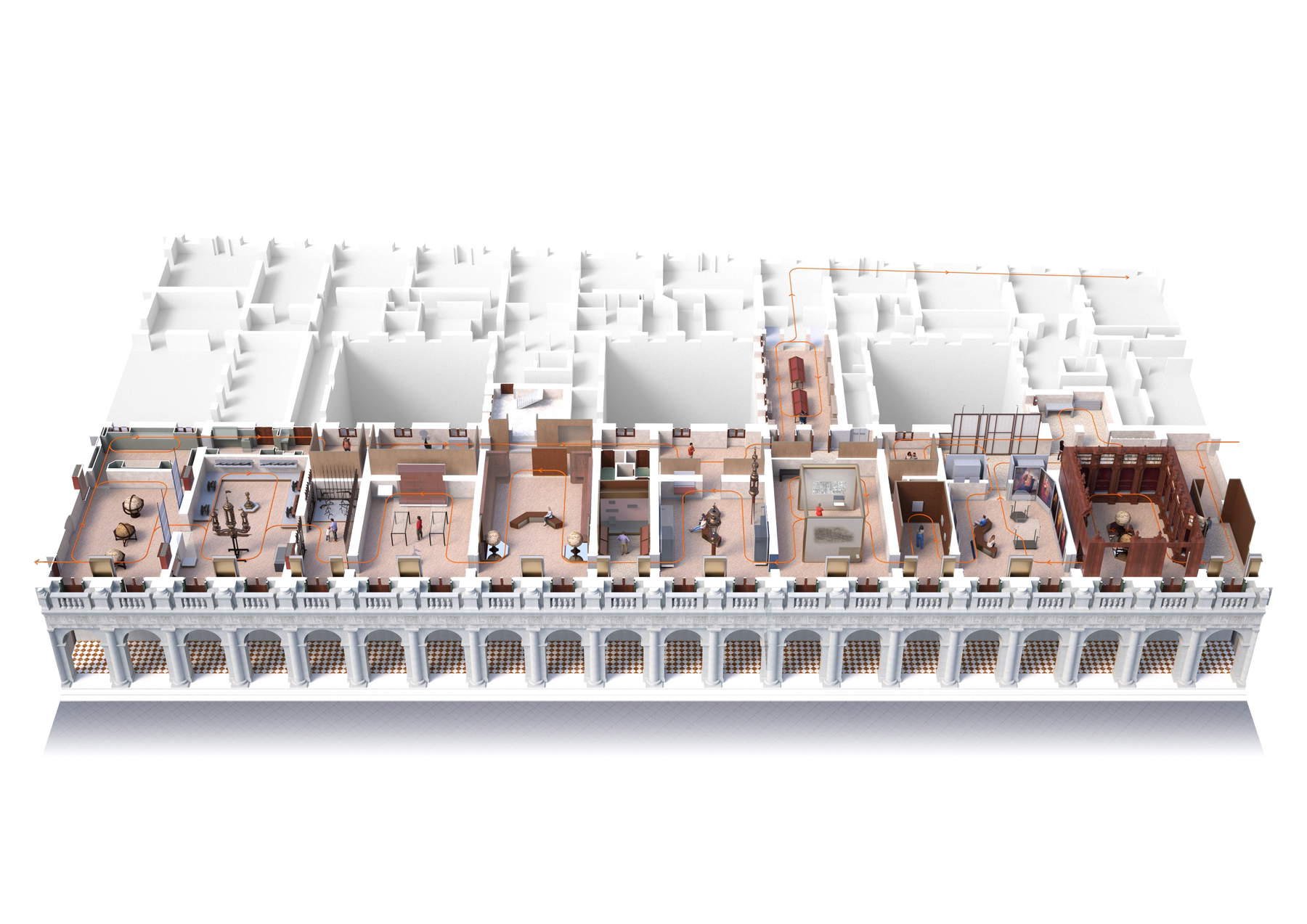
The project calls for a new thematic and exhibition layout, accompanied by architectural interventions, restorations, upgrades to the facilities and lighting, and a revision of the strategies for presenting the collections. Each gallery will be equipped with updated museographic, scientific, and communication tools, with a particular focus on accessibility and inclusion. The exhibition itinerary aims to tell the story of Venetian history and civilization through the state, institutions, the city, and the arts, highlighting the museum’s collections and reinforcing its role as a place for study, encounter, and the sharing of knowledge.

Room 7, titled “Inside Casa Correr,” will be dedicated to the collector’s domestic spaces. Building on the theme of Room 50, the exhibition will feature a large-scale reproduction of Lazzari’s drawing, which will be used to reconstruct the house’s original interior. The objects depicted—which are still preserved in the museum—will be displayed in front of the image, establishing a connection between the illustration and the actual artifacts. Among the paintings recognizable in the drawing are the Portrait of Doge Andrea Contarini, the Family Portrait, and Saint Mark the Evangelist, displayed alongside historical furnishings, including a Baroque piece of furniture and an object with mother-of-pearl inlay that belonged to Correr. A high-quality facsimile of Vittore Carpaccio’s *Two Venetian Ladies *, originally housed in the room, will also recreate the work’s historical presence, alongside a reproduction of *The Temptation of Saint Anthony*. The works will be accompanied by multilingual explanatory texts and specific conservation interventions.
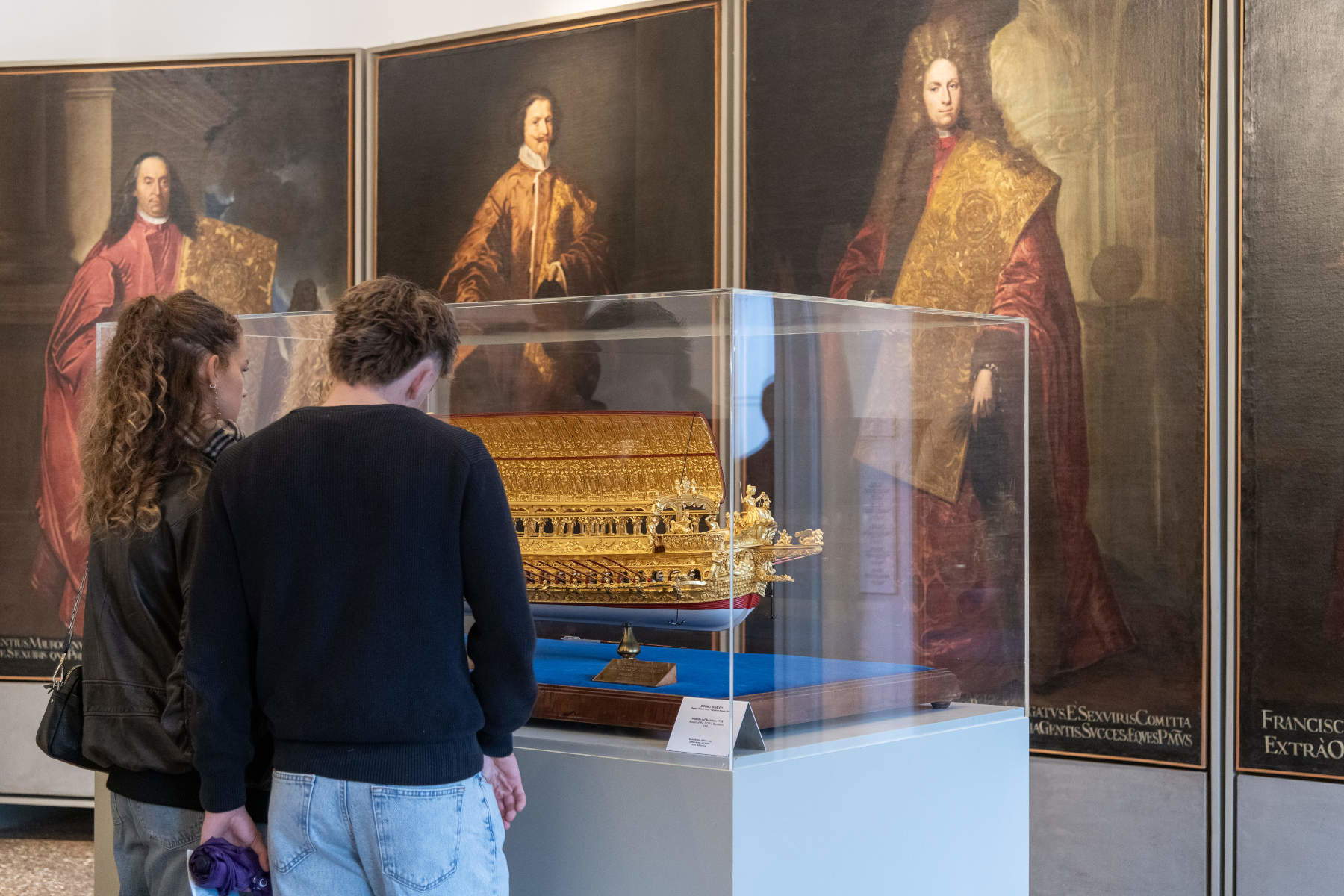
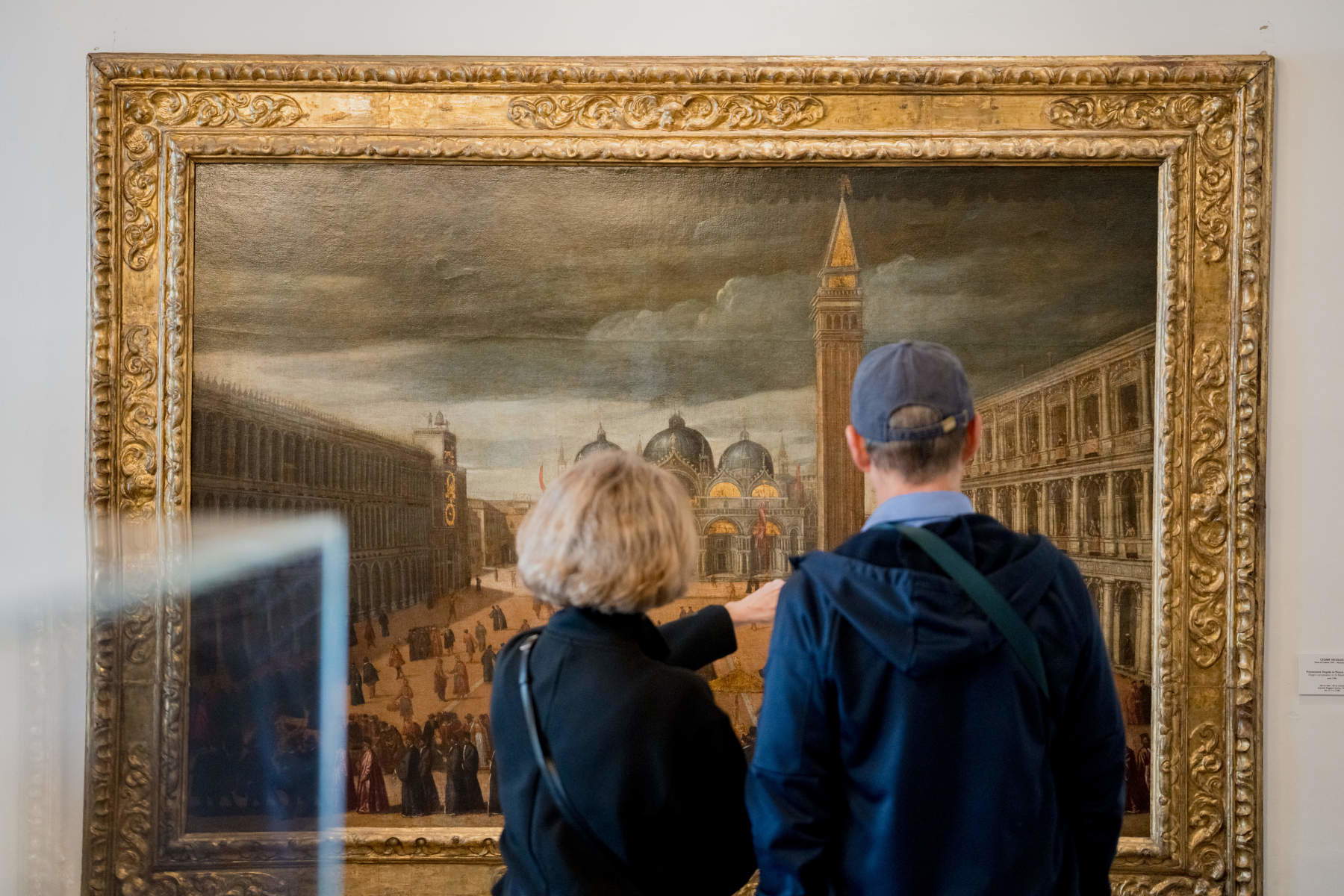
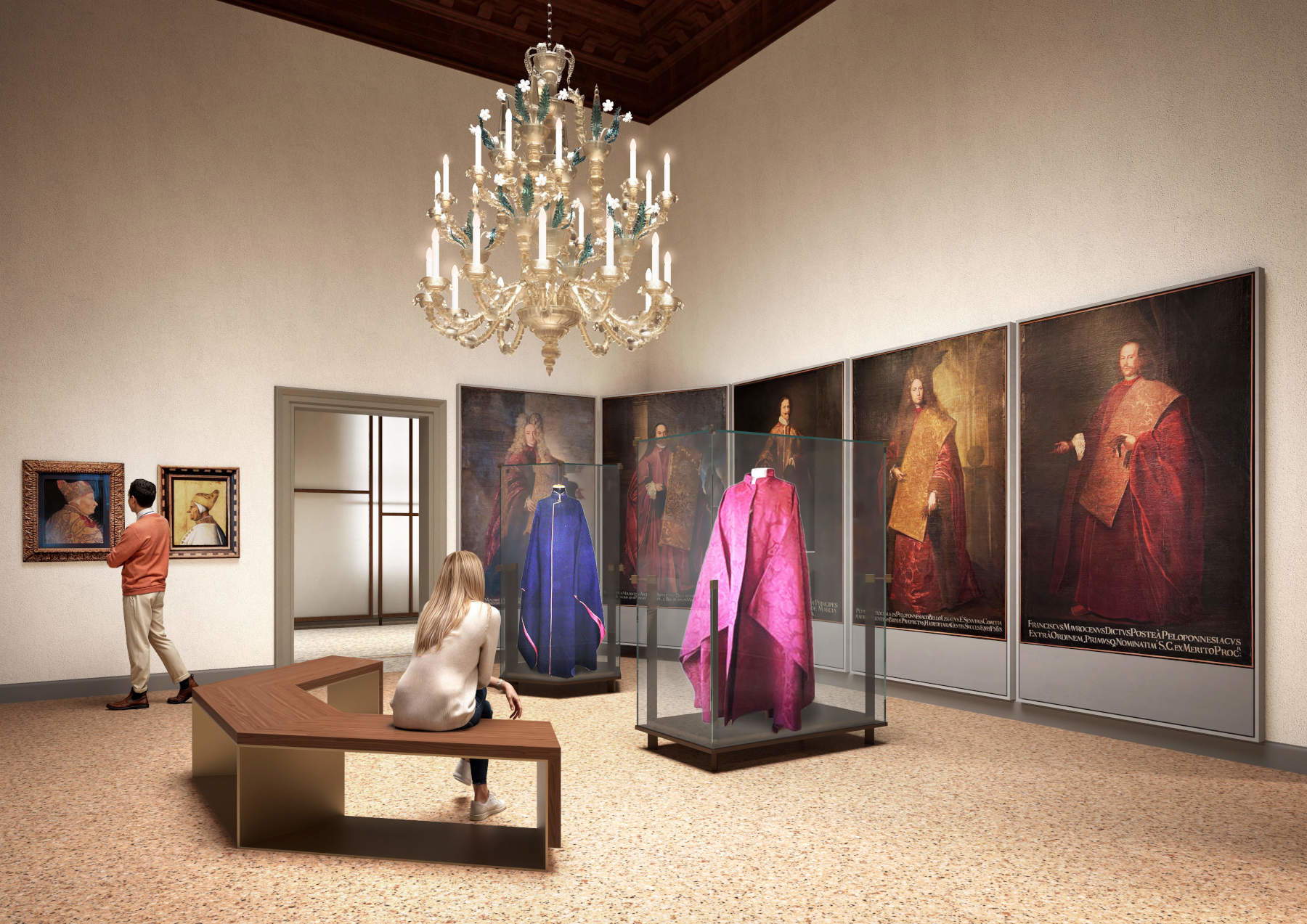
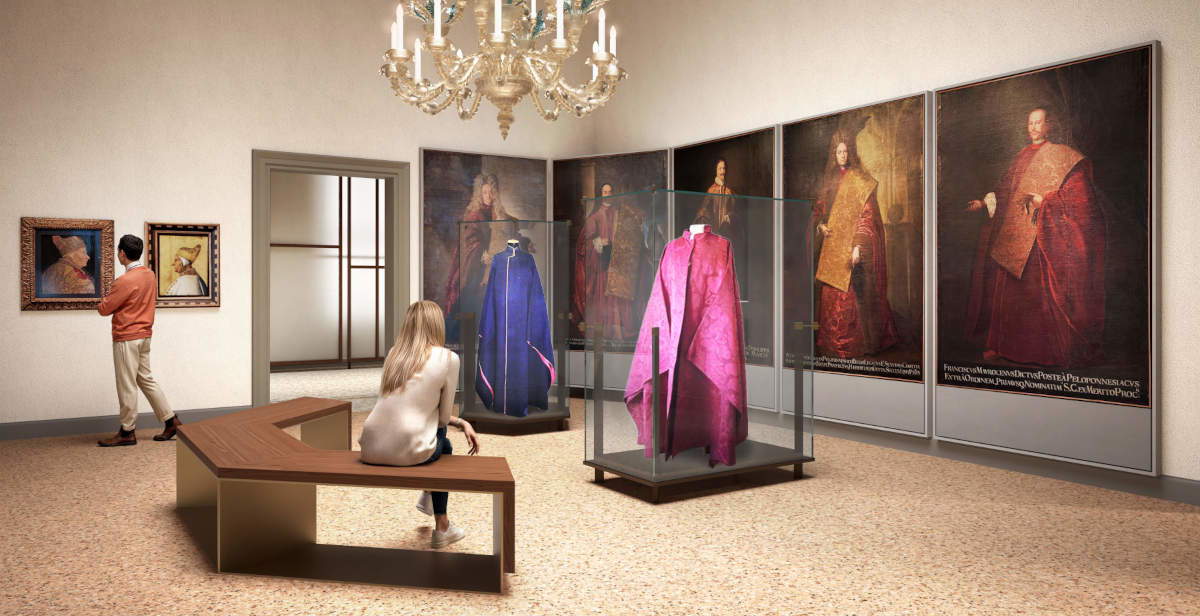
Room 9, “Venice as a City-State,” will open the second section of the new exhibition itinerary and explore the symbols and institutions of the Republic of Venice. The 17th-century portraits of the Procurators of St. Mark will be displayed alongside the original ceremonial robes. The narrative will center on works by Lazzaro Bastiani, Gentile Bellini, and Vittore Carpaccio, featuring depictions of the doges Francesco Foscari, Giovanni Mocenigo, and Leonardo Loredan, alongside Cesare Vecellio’s *The Ducal Procession in St. Mark’s Square *.
The new exhibition design also reinterprets the renovation carried out by Carlo Scarpa in 1952–1953, considered one of the most significant examples of modern Italian museography. The room, originally called the Sala dei Procuratori, will restore some central elements of the architect’s design: the portraits will once again interact with the historical garments, which will be returned to their restored original display cases. New furnishings with clean, simple lines will be integrated into the space, with the aim of combining the preservation of the historic layout with a contemporary presentation of the collections. The project has been entrusted to Studio Guicciardini Magni in Florence.
Statements
“The renewed collaboration with the Comité Français pour la Sauvegarde de Venise represents, for the Fondazione Musei Civici di Venezia, a valuable example of commitment, shared goals, and, not least, friendship,” states Mariacristina Gribaudi, President of the Fondazione Musei Civici di Venezia. “The Comité’s support is part of a sixty-year history of attention and care for Venice, which today finds a new and important expression in its commitment to the Correr Museum. Returning to care for the city’s museum, following the major renovation of the Sale Reali, means preserving a fundamental part of Venice’s identity, but also returning it to the public through tools and languages capable of speaking to the present and the future. We are particularly pleased to renew this partnership, which demonstrates how the preservation of Venice is a collective responsibility and how dialogue between Italy and France can translate into concrete projects for culture and for the city.”
“After the 1966 high water that devastated Venice, another wave of solidarity, friendship, and international responsibility arose,” says Simone Venturini, Mayor of Venice. “France was among the first nations to heed our city’s call, and since then, the Comité Français pour la Sauvegarde de Venise has transformed that solidarity into a concrete and ongoing commitment to our heritage. From the Royal Halls to the new projects that will enhance the Correr Museum, this story continues to write new and valuable chapters even today. Sixty years later, Venice is a different city: today we can defend ourselves against exceptional tides with tools and technologies that did not exist back then, starting with the MOSE system. But safeguarding Venice also means preserving its history, restoring its heritage, and thus passing it on to future generations—and from this perspective, international committees play a leading role. I thank President François Pignol and the entire Committee for the affection they demonstrate through their actions, and I remember Jérôme Zieseniss with gratitude. Venice knows it has a faithful friend in France.”
“The Comité Français de Sauvegarde de Venise is pleased to open a new chapter in its fruitful collaboration and partnership with the Fondazione dei Musei di Venezia by contributing to the restoration and renovation of the three galleries as part of the Grand Correr project,” states François Pignol, President of the Comité Français de Sauvegarde de Venise.
 |
| Venice: The Correr Museum Revamps Its Exhibition Layout; the Comité Français Supports Two New Galleries |
Warning: the translation into English of the original Italian article was created using automatic tools. We undertake to review all articles, but we do not guarantee the total absence of inaccuracies in the translation due to the program. You can find the original by clicking on the ITA button. If you find any mistake,please contact us.