



by Redazione 20/10/2026


Categories: Museums / Disclaimer
On October 22, 2026, the Jewish Museum of Venice will reopen to the public following a major restoration and expansion project. Three historic synagogues in the heart of the world’s oldest Jewish ghetto will also be open to visitors again.


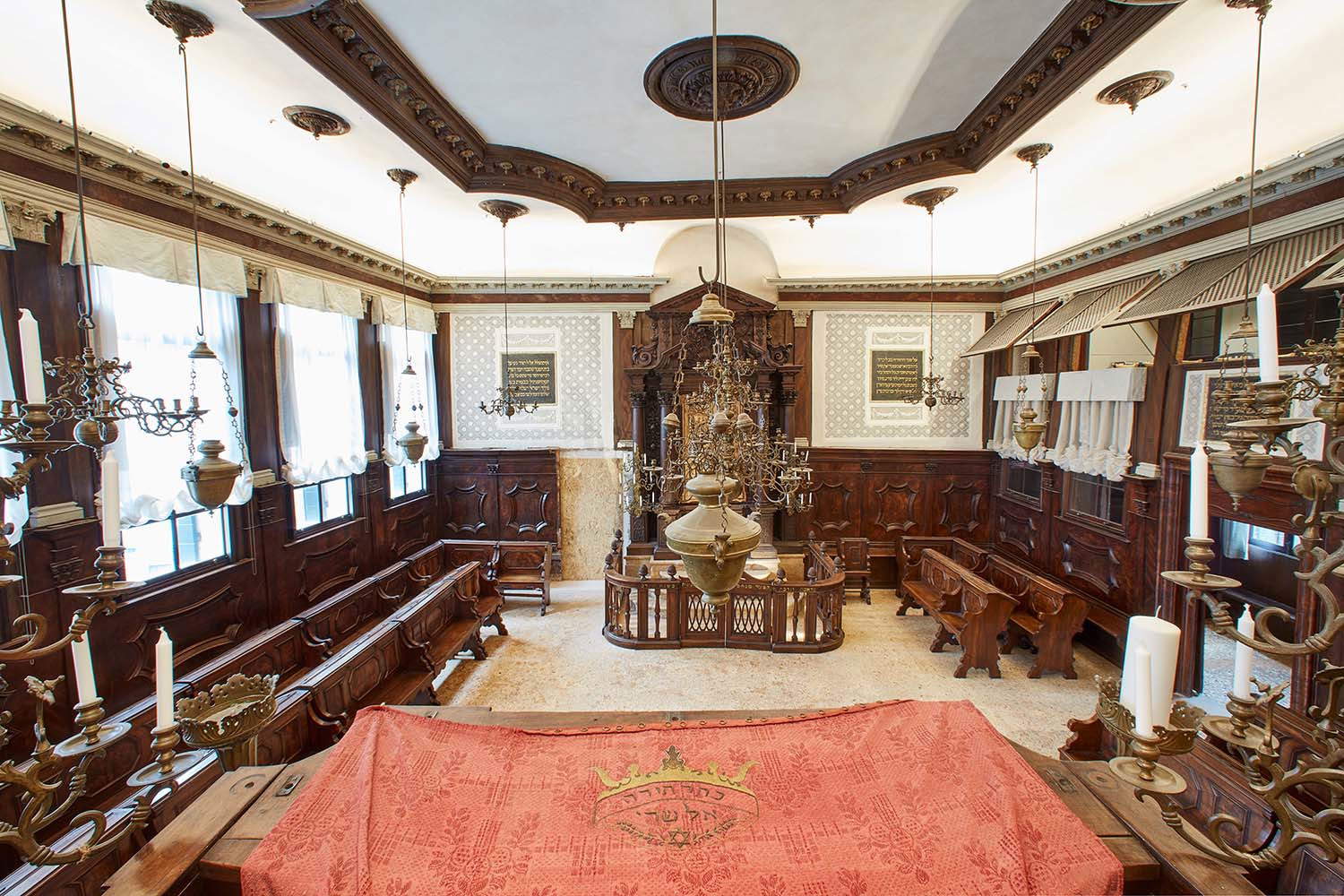
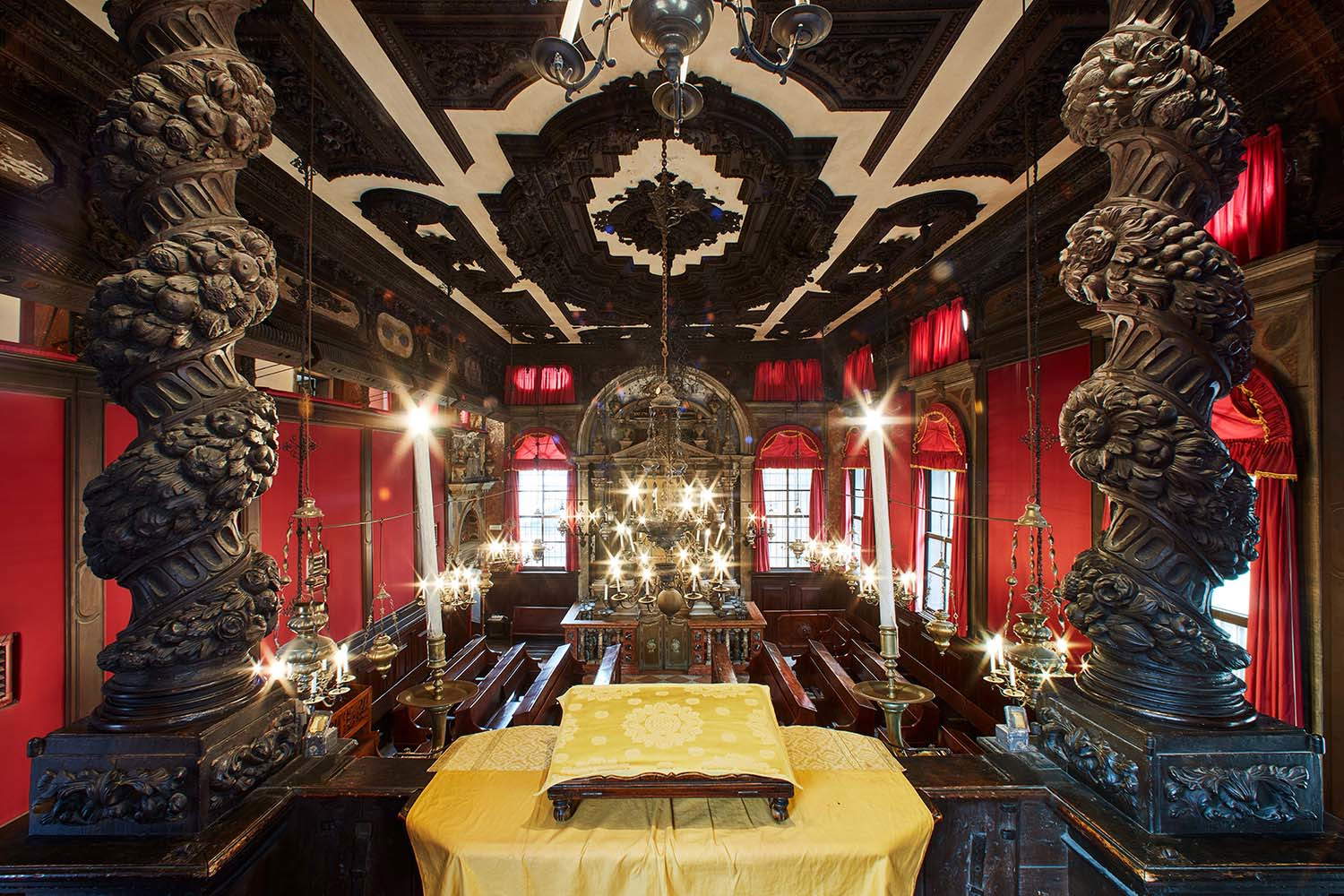
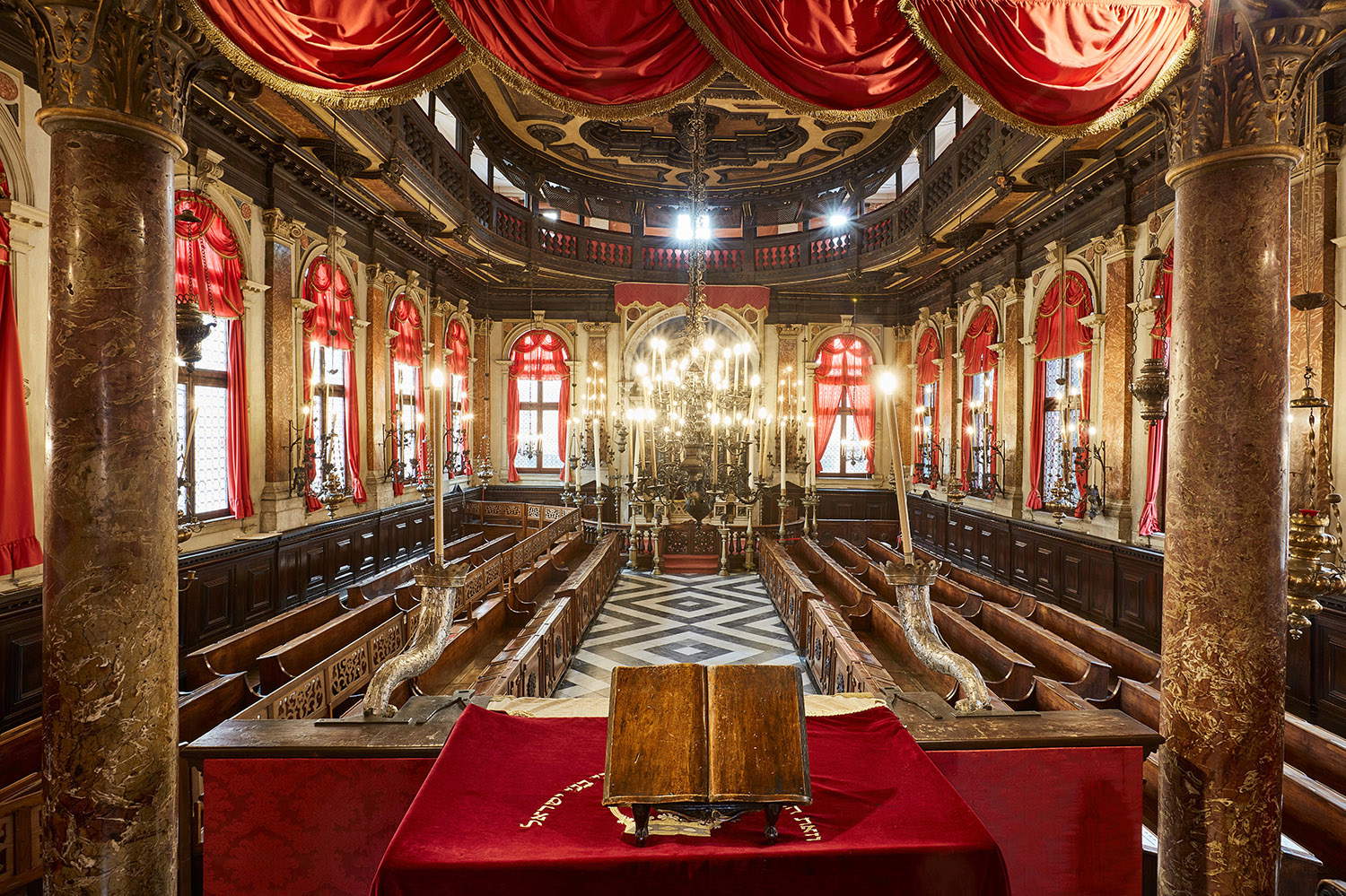
After seven years of closure and an extensive restoration project, the Jewish Museum of Venice will reopen to the public on October 22, 2026. Located in the heart of the Venetian Ghetto— the oldest in the world—the MEV will once again be accessible to the public, featuring renovated spaces, a redesigned exhibition layout, and greater integration with the historic synagogues, restoring to the public one of the most significant sites of Jewish memory and culture in Italy. The project encompassed the museum spaces and three of the five synagogues in Venice: the Scola Tedesca, the Scola Italiana, and the Canton, located in Campo del Ghetto Novo. Incorporated into the new visitor itinerary, the synagogues will engage in a dialogue with one another and with the other two historic synagogues of the Ghetto Vecchio—the Levantina and the Spagnola—without losing their identity as places of worship that are still active today.

The goal is to overcome the fragmented nature of the previous itinerary and restore unity to a singular complex, where architecture, art, religion, and daily life have been intertwined for centuries.
A Larger, More Accessible, and Immersive Museum
Founded in 1954 by the Jewish Community of Venice, the Museum houses a collection of extraordinary value, comprising ritual silverware, goldsmith’s works, sacred textiles, ancient books, and manuscripts. These objects bear witness to the richness of the Venetian Jewish tradition and the continuity of a cultural and religious presence deeply rooted in the city’s history.


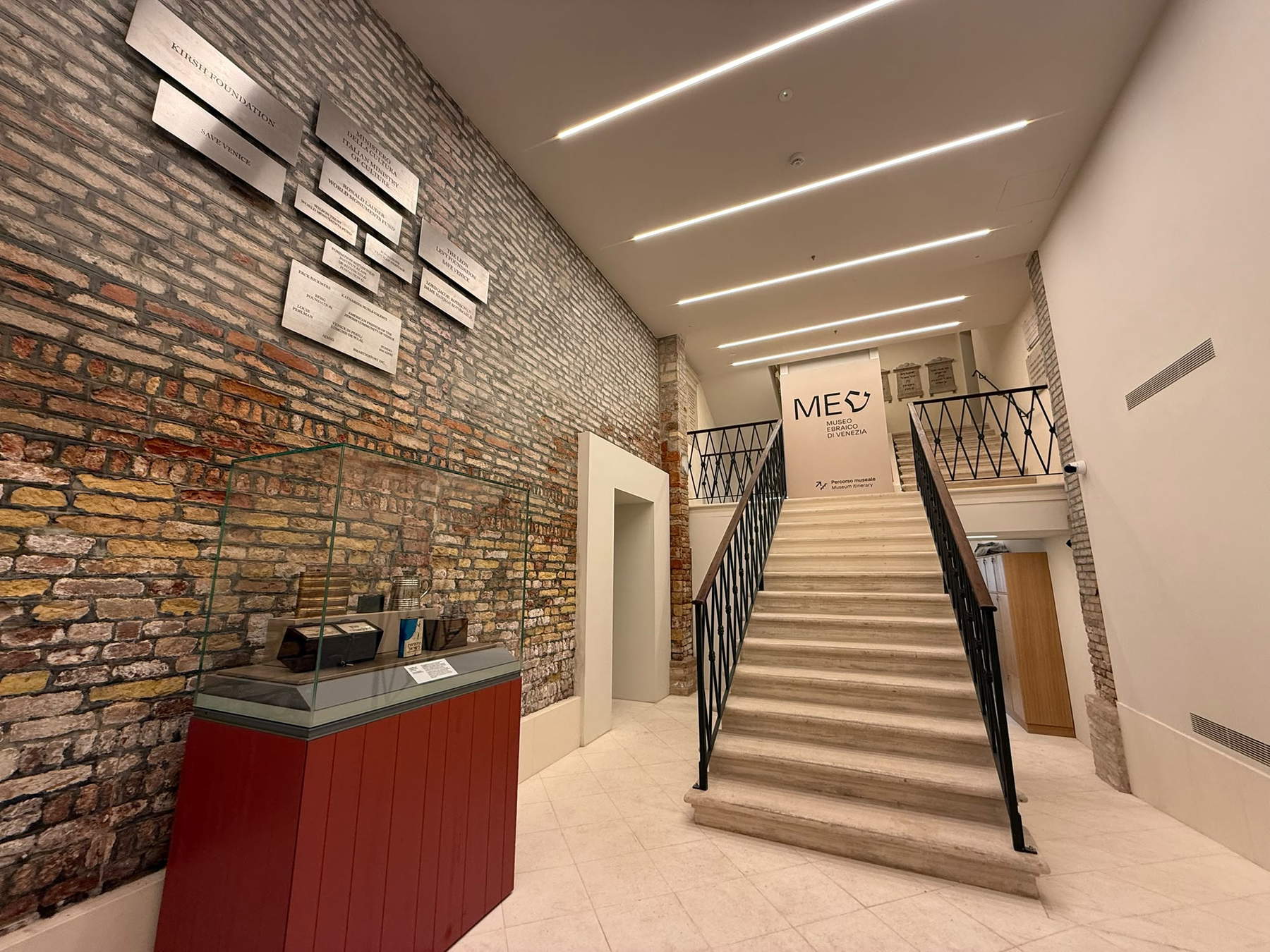
With the new renovation, the museum’s floor space has expanded from approximately 1,290 to over 1,700 square meters, thanks to the integration of additional spaces previously owned by the Jewish Community. The museum layout includes a renovated entrance, reception and ticket office areas, permanent and temporary exhibition halls, a bookshop, a library, and an archive also available to scholars and researchers, as well as spaces dedicated to educational activities and school groups.
Particular attention has been paidto accessibility, through new vertical and horizontal connections that allow for easier navigation of the spaces, while respecting the architectural characteristics of the historic buildings. The museum also embraces contemporary forms of expression, with multimedia installations and immersive content designed to engage visitors of all ages and backgrounds. The narrative extends beyond the religious dimension to explore the customs, crafts, traditions, and living conditions of the community over the centuries.
Inside a 16th-Century Home: Daily Life in the Ghetto
Among the new features of the exhibition is the reconstruction ofa traditional Jewish home, set up in an apartment that retains its original 16th-century structure. The rooms, characterized by low ceilings and compact spaces, convey the living conditions of those who inhabited the Ghetto during the centuries when its gates were closed every evening. Simple furnishings, some of which belonged to people who once lived here, help bring to life a domestic dimension that is often less well-known than the community’s religious and institutional history.
The tour also explores the relationship between the various Jewish “Nazioni” and the Venetian Republic, the permitted occupations, and the organization of community life, leading up to the construction of the three Renaissance synagogues, which today take center stage during the visit. There is also a space designed specifically for children. Some rooms, which have retained their original 16th-century proportions, are transformed into child-friendly spaces where history becomes a game of discovery through the story of Noah in a gondola and a puppet theater featuring marionettes made of lampwork glass.
The historic synagogues return to the center of the narrative
The restoration of the synagogues is one of the project’s central aspects. Conservation work focused on surfaces, furnishings, and decorative elements, with the aim of enhancing the architectural and artistic heritage without compromising the spaces’ religious function.
The new itinerary connects these sites with the museum’s collection, offering a more comprehensive understanding of the community’s history and its relationship with Venice. Visitors will thus be able to grasp not only the significance of the ritual objects but also the context in which they were used and the traditions they continue to preserve. The focus on the relationship between the museum and its urban surroundings is another distinctive feature of the exhibition design. Opening the windows, where possible, maintains a visual connection with the Ghetto and allows visitors to constantly recognize the historical context in which the visit takes place.
A 5.5-million-euro project
The project, with a total estimated investment of approximately 5.5 million euros, required extensive planning and fundraising efforts, in addition to obtaining permits from the relevant authorities. The Ministry of Culture provided financial support for the project following an initial phase funded by private donations, recognizing the complex’s historical and cultural value. The new interior design was created by Opera Laboratori based on the design by the firm Guicciardini & Magni Architetti, while the museum’s visual identity was developed by the Florence-based firm Rovai Weber. The architectural design was also developed in collaboration with the firm AMPL Pedron - La Tegola, with particular attention paid to the interplay between the interior spaces and the urban landscape of the Ghetto.
Opera Laboratori, already involved in managing and enhancing visitor experiences at synagogues and other community sites, has also supported the Jewish Community of Venice in cultural initiatives, exhibitions, and activities aimed at diverse audiences.
From 1954 to the Present
The origins of the Jewish Museum date back to the postwar period, when several members of the community who had survived the Holocaust promoted its founding to bear witness to the bond between Venetian Jews and the city, as well as the community’s contribution to civil society. The first museum occupied a single room—now integrated into the new exhibition layout—where ritual silverware and precious sacred textiles formed the core of the collection.
Since then, the museum has undergone several transformations, including the 1970s redesign by architect Ugo Camerino and the expansion in the early 2000s overseen by Lamberto Dehò. Even while the museum spaces were closed, the Community continued to welcome visitors, keeping other sites in the Ghetto—as well as the Levantine and Spanish synagogues—open to the public. The reopening now marks a new stage in this journey: the Jewish Museum once again serves as a point of reference for learning about a history that spans the centuries—from the 15th century to May 1945—and continues to live on in the present.
“We are particularly proud,” emphasizes Giuseppe Costa, president and CEO of Opera Laboratori, “to have been able to contribute to such an important project. Our collaboration with the Jewish Community of Venice stems from a well-established partnership in the management and promotion of the Ghetto, which now finds a further milestone in the new museum. The goal is to help make this universal heritage increasingly accessible, understandable, and vibrant, without losing the connection to its identity and to the Venetian community that still preserves it today.”
The MEV will open to the public on October 22, from 10 a.m. to 6 p.m.
Tickets: 18 euros (full price); 14 euros (reduced price); 11 euros (reduced price for Venice residents).
|
| Venice: The Jewish Museum Reopens After Seven Years of Closure in the World’s Oldest Ghetto |
Warning: the translation into English of the original Italian article was created using automatic tools. We undertake to review all articles, but we do not guarantee the total absence of inaccuracies in the translation due to the program. You can find the original by clicking on the ITA button. If you find any mistake,please contact us.