



by Redazione 09/11/2026


Categories: Museums / Disclaimer
Launched in 2025, NG Citizens is a five-year project by the National Gallery in London that involves citizens from across the United Kingdom in shaping the museum’s strategies. The first assembly has already brought together 50 participants, who were asked to develop recommendations on the institution’s future.


What if the future of a museum were decided not only by its directors, curators, or experts, but also by the people who visit it every day? This is the question that inspired NG Citizens, the new five-year project launched in 2025 by the National Gallery in London, which has chosen to involve citizens from across the United Kingdom in shaping its future strategies. The goal is to rethink the relationship between the museum and the public, giving the latter an active role in decisions about how to welcome visitors, share the collection, and envision the institution in the years to come.


The initiative begins with a question posed to citizens: What do they expect from the National Gallery, and how can the institution connect people and paintings in authentic and meaningful ways, both now and in the future? The project is based on the principle that the National Gallery’s collection belongs to everyone and that the public should play an active role in shaping the institution’s strategies.
According to the museum, this is the first initiative of its kind undertaken by a gallery or museum in the United Kingdom. The program consists of two phases: the first, which has already been completed, involved a national Citizens’ Assembly; the second involves the formation of a smaller group, the Citizens’ Panel, which will continue to collaborate with the National Gallery through 2030.





The first phase brought together 50 people aged 16 and older from various parts of the United Kingdom. Participants were selected through a civic lottery from among 15,000 invited households. Between November 2025 and March 2026, five meetings were held, during which citizens listened to presentations, discussed, and exchanged views, ultimately developing a series of recommendations and a shared vision for the gallery’s future.
The guidance emerging from the assembly will help shape how visitors are welcomed, how the collection is shared, and the planning of future activities. The full report detailing the assembly’s findings and recommendations is available on the National Gallery’s official website.
The second phase of the project will be entrusted to the NG Citizens’ Panel, a smaller group that will work alongside the institution through 2030. Its task will be to help implement the recommendations developed during the first phase and to participate in defining the museum’s future direction.
Through NG Citizens, the National Gallery is thus experimenting with a form of public participation that aims to make citizen engagement an integral part of the institution’s decision-making processes, with the goal of building an institution that is increasingly attentive to the needs and expectations of the communities it represents.
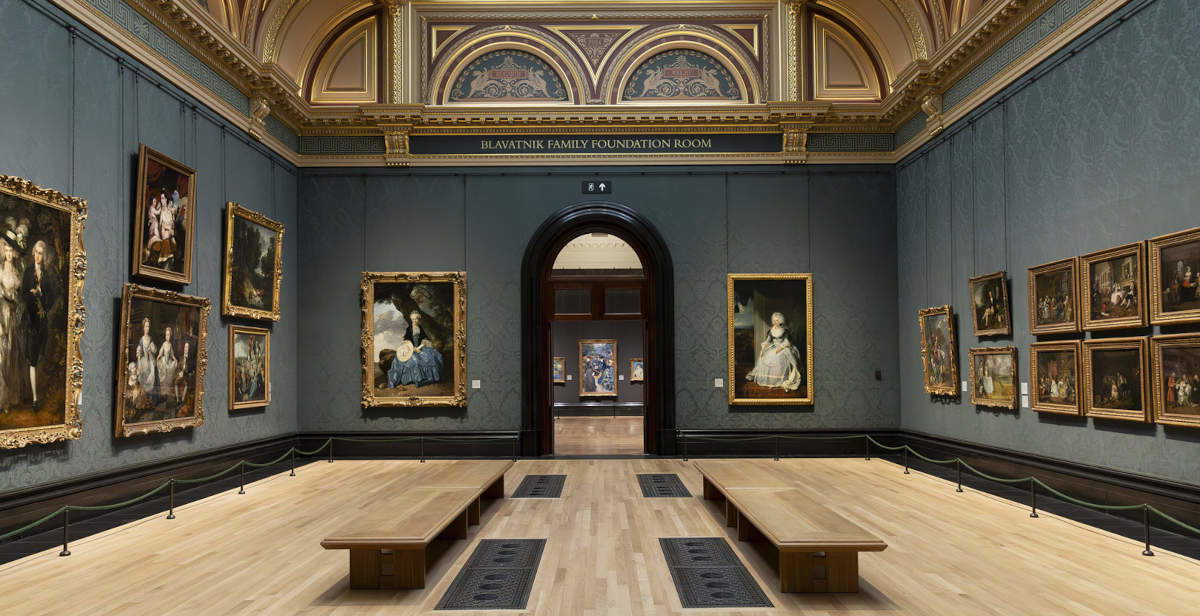 |
| What if the public had a say in a museum's decisions? The National Gallery in London's experiment |
Warning: the translation into English of the original Italian article was created using automatic tools. We undertake to review all articles, but we do not guarantee the total absence of inaccuracies in the translation due to the program. You can find the original by clicking on the ITA button. If you find any mistake,please contact us.