



by Redazione 03/11/2026


Categories: Museums / Disclaimer
Texts that are too long, empty rooms, confusing layouts: In Vienna, a study of 1,269 visitors to the Sigmund Freud Museum and the Kunsthistorisches Museum measures for the first time just how bored people get at museums, why this happens, and what it costs in terms of learning.


“My boredom kept growing during my visit to the museum. After the audio section, there was a large hall with even more information to read, and it was just too much. That’s when I decided to leave.” These are the words of a museum visitor interviewed by a group of psychologists who set out to study a feeling that’s rarely discussed when it comes to museums: boredom. A feeling that, at first glance, might seem almost out of place. People go to museums out of interest, usually by choice, and everyone is free to linger wherever they want and to walk right past what doesn’t speak to them. Yet people get bored there too, and when that happens, the consequences are clear: they enjoy the visit less and learn less.


This is the conclusion of a study published on October 27 in the journal *Scientific Reports*, authored by Thomas Goetz, Lukas Kraiger, Jonathan Fries, Takuya Yanagida, Louisa Grandjean, Monika Pessler, and Reinhard Pekrun. The authors begin with an observation: over the past fifteen years, scientific interest in boredom has grown significantly, mainly because evidence has accumulated regarding its negative effects on health, nutrition, motivation, and performance. However, research has almost always focused on schools and universities, neglecting settings of informal learning. Museums are one such setting, and the literature on the subject is surprisingly scarce: a systematic search conducted by the authors on December 9, 2025, in major databases yielded 137 results, of which only nine studies were actually dedicated to boredom in a museum context—and even those produced conflicting results.


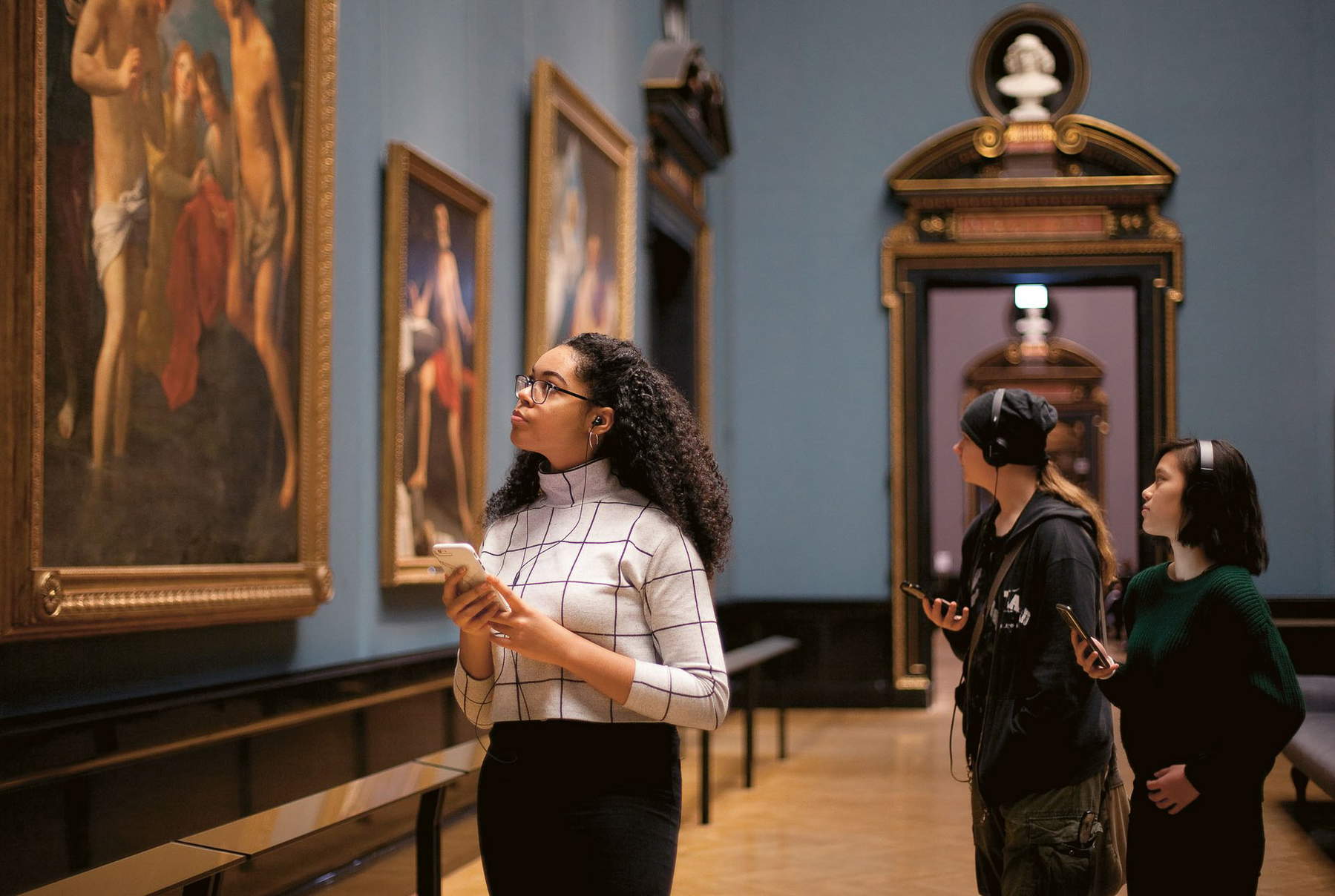
Two Very Different Museums
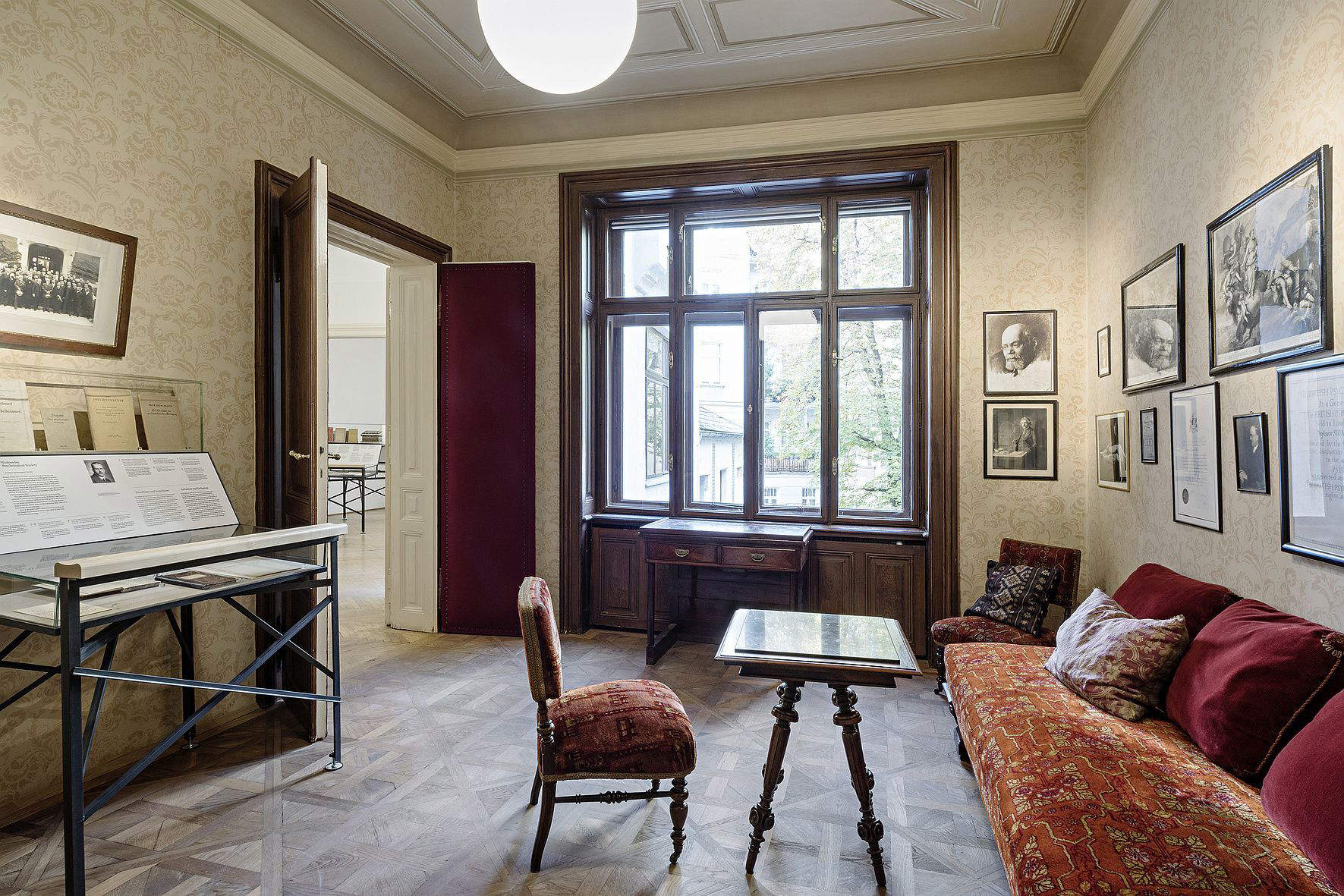
To fill this gap, the researchers chose to conduct their study at two museums in Vienna, which are polar opposites in terms of size and subject matter. The first is the Sigmund Freud Museum, housed in the rooms where the founder of psychoanalysis lived for 47 years and wrote most of his works, a short distance from the city center. The museum includes Freud’s former practice and his private apartment; it covers approximately 550 square meters and welcomes about 130,000 visitors a year. There is one distinctive feature that sets it apart: relatively few original objects remain there, because Freud took most of his belongings with him when he emigrated to London in 1938. The famous couch, for example, is located at the Freud Museum in London. In addition to Freud’s work and writings, the exhibition devotes considerable space to the role of National Socialism, particularly in relation to his emigration.


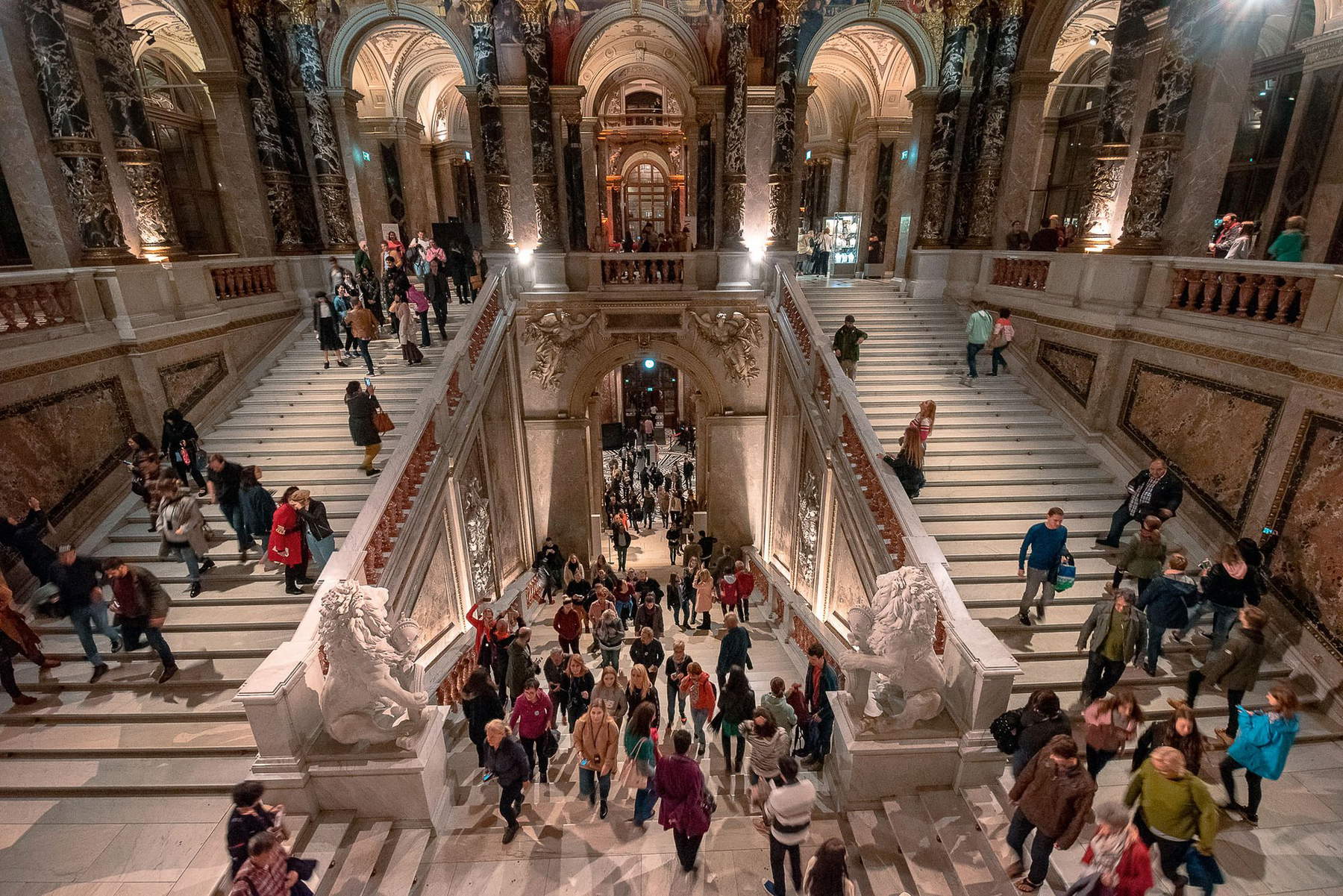
The second is the Kunsthistorisches Museum, one of the world’s most important art museums: approximately 12,000 square meters near the historic center, around one million visitors a year, a vast collection of European paintings featuring masterpieces by artists such as Bruegel, Vermeer, and Caravaggio, as well as ancient artifacts, sculptures, and decorative arts. The choice of two such disparate institutions served to verify whether the results would hold up across different contexts.
The three surveys took place between May 2023 and December 2024. In the first two—one at the Freud Museum and one at the Kunsthistorisches Museum—trained staff randomly stopped visitors immediately after they finished their tour and asked them to complete a brief, anonymous questionnaire lasting about ten minutes, in German or English, either on paper, on their own smartphone, or on a tablet. The third study, again at the Freud Museum, consisted of semistructured interviews conducted at a secluded table in the museum’s café, lasting between 8 and 22 minutes. The audio recordings were deleted after transcription. Participants had to be at least 18 years old, and no compensation was provided. A total of 1,269 people between the ages of 18 and 91 participated.
Just How Bored Are We, Really?
Participants in the quantitative surveys were asked to rate, on a scale from 1 (not at all) to 5 (very strong), the intensity of eleven emotions experienced during the visit: curiosity, boredom, confusion, surprise, frustration, nervousness, joy, sadness, disappointment, anger, and wonder. In the interviews, however, the question was direct: Did you feel bored during your visit? The responses were then rated on the same scale by five independent evaluators.
The good news for museums is that boredom remains low. The average score was 1.69 in the first survey at the Freud Museum, 1.81 at the Kunsthistorisches Museum, and 1.64 in the interviews; combining the two quantitative studies, the overall average stands at 1.74. Positive emotions—namely curiosity, joy, surprise, and wonder—were significantly more intense. But there is a downside: among the seven negative emotions identified, boredom ranked third at the Freud Museum and second at the Kunsthistorisches. According to the authors, therefore, even with relatively low absolute values, boredom is a negative emotion that is far from marginal in the museum experience. Not only that: the sample completely lacked mandatory visits, such as those by school groups, in which the value attributed to the visit might be lower and boredom, the researchers hypothesize, significantly higher.
Too Much or Too Little
The theoretical framework of the study is the so-called control-and-value theory, developed by Reinhard Pekrun, one of the study’s authors. According to this theory, boredom arises when the sense of control over an activity is very low—that is, when one feels overwhelmed—or very high, when the activity seems too easy; in both cases, it is accompanied by the perception that what one is doing has little value or meaning. Designed for the school setting, the theory aims for a certain universality, and the museum lent itself well to testing it: precisely because visitors must regulate the pace, depth, and order of their visit on their own, there is a real risk of an imbalance between the challenge presented and their own skills.
The data confirm this framework. Boredom increases both when the visit is perceived as too demanding and, to a greater extent, when it appears unstimulating: the combined correlation is 0.23 in the first case and 0.35 in the second. The authors propose a possible explanation for this difference: when people feel overwhelmed, boredom may be confused with other negative emotions such as frustration or anger, which would diminish its statistical significance. At the same time, boredom decreases the more the visit is considered important to the individual (correlation of -0.34) and the more, in general, museum visits are considered important (-0.28).
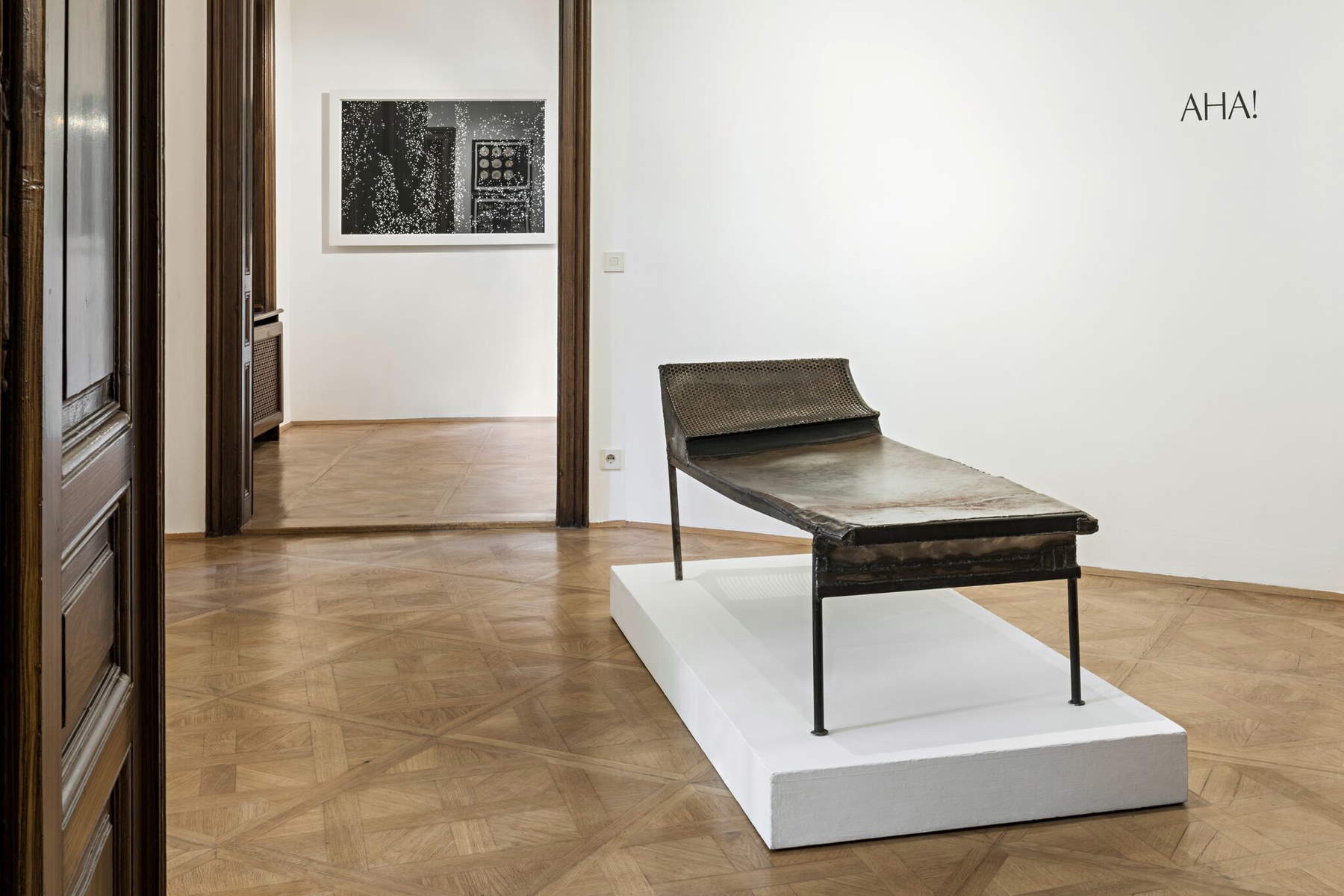
However, it is the interviews at the Freud Museum that give a concrete face to these numbers. The researchers identified seven different forms of overload, three of understimulation, and seven factors related to value. Visitors feel overwhelmed for reasons related to the museum’s layout—such as the absence of a predetermined route—the content—with too much information and too much text—the conditions at the time—such as crowds or heat—and the visitor’s state of mind, for example, when they are emotionally overwhelmed. On the other hand, visitors feel under-stimulated when faced with a white, bare exhibition space, a sense of emptiness, or the videos on display. Some of these aspects, the authors note, are specific to the Freud Museum—such as the lack of a defined route—while others, such as the volume of content, likely apply to many other museums as well.
Value, too, has different facets. What matters is interest in the museum’s themes—that is, psychology, psychotherapy, and Freud himself; what matters is the museum’s ability to make those themes tangible, for example by displaying objects used by Freud; personal reasons also matter—ranging from the significance of the visit to one’s own life journey to connections with partners, friends, family members, or therapists, all the way to studies in psychology or current or future work in psychotherapy. There were also those who stated that the visit held no personal value for them, perhaps because it stemmed from a passing suggestion.
The Price of Boredom
The second part of the study focuses on the effects. To measure visitors’ assessments of the museum’s quality, the researchers used a tool borrowed from economics: they asked whether the ticket price was too low, appropriate, or too high. Those who were most bored tended to consider the price less justified, with a combined correlation of -0.18. According to the authors, evaluations of this kind influence a person’s willingness to return, the recommendations they give to others, and online reviews—and thus the institution’s audience and reputation.
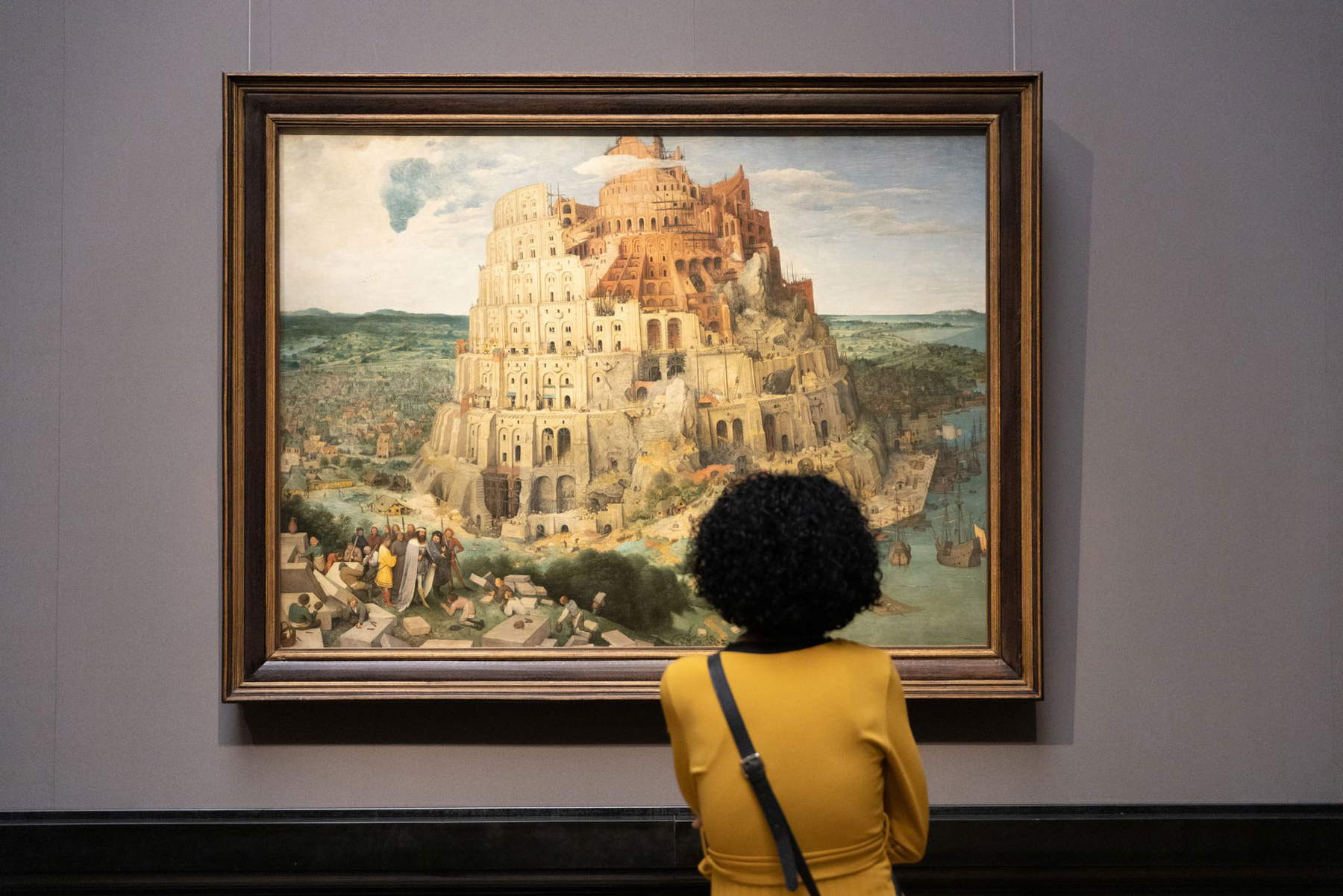
At the Kunsthistorisches Museum, visitors also took a short knowledge quiz: ten multiple-choice questions about the museum’s exhibits. One question, for example, asked which detail in the painting *The Tower of Babel* illustrated the unfinished nature of the structure: the sky, the workers on the tower, the tower next to the river, or the unfinished floors—the latter being the correct answer. The result: the higher the level of boredom, the lower the score (correlation of -0.23). The link remains significant even when accounting for how much visitors reported knowing before entering (-0.19), a sign that it does not simply depend on differences in prior knowledge. The authors acknowledge that this is a moderate effect, but one that should be viewed over the long term: those who visit more museums could enter a vicious cycle in which boredom reduces learning, the diminished learning experience lowers the value attributed to the visits, and this, in turn, fuels further boredom during subsequent visits. The researchers also point out that boredom is often considered a “silent” emotion, whereas their findings indicate that it is anything but—neither in terms of prevalence nor impact—and that the notion that being bored is beneficial is, in their view, unsupported by empirical evidence.
What Museums Can Do
The authors draw some practical recommendations from the findings. The main problem is that visitors differ greatly in their interests, motivations, and knowledge, and a single level of detail risks being too much for some and too little for others. One solution could be to offer customizable texts: using barcodes or augmented reality, visitors could choose on their smartphones from texts of varying length, difficulty, and depth. Another is to offer itineraries of varying levels of engagement, ranging from a quick tour to a narrative journey to a comprehensive exploration. The researchers also note that the optimal level of challenge depends on a museum’s objectives, and that sometimes an institution may deliberately want to create moments of quiet reflection or intense engagement—for example, to encourage contemplation.
There is, however, one point the authors emphasize. Reducing boredom must not become an end in itself, nor should it turn museums into places of pure entertainment: it must be subordinate to their educational, cultural, and reflective mission. And boredom should not be confused with rest or quiet contemplation. The former is an unpleasant experience, in which time seems to slow down and one wants to leave; the latter is pleasant and invites one to stay. Spaces dedicated to quiet reflection, therefore, are by no means at odds with the goal of making the public feel less bored.
The Limitations of the Research
The authors also candidly list the study’s limitations. The measurements are based on self-reports and should be supplemented in the future by more objective indicators, such as physiological ones. The study identifies associations but does not allow for the establishment of cause-and-effect relationships, which would require experiments—for example, in virtual museums. The Freud Museum’s audience is highly selective, consisting largely of people who arrive already interested in Freud and psychoanalysis, while that of the Kunsthistorisches Museum is more diverse. A visitor who does not answer a test question may simply not have seen that part of the museum. And factors such as the sensory and spatial characteristics of the environments—from the cozy rooms of Freud’s house to the large galleries of the Kunsthistorisches—have not been examined. For this reason, they caution, the results should not be overgeneralized: natural history museums, maritime museums, design museums, contemporary art museums, virtual museums, and other learning venues such as libraries, zoos, memorials, and guided city tours still need to be investigated.
The authors’ conclusion, however, is clear: boredom represents a concrete obstacle to the visitor experience, linked to harsher judgments about the quality of the visit and reduced learning; reducing the sense of overload or emptiness—while reinforcing the perception of the value of what is seen—is a viable way to counteract it.
|
| Why Do We Get Bored at Museums? A Study Seeks to Find Out |
Warning: the translation into English of the original Italian article was created using automatic tools. We undertake to review all articles, but we do not guarantee the total absence of inaccuracies in the translation due to the program. You can find the original by clicking on the ITA button. If you find any mistake,please contact us.