



by Redazione 05/11/2026


Categories: News / Disclaimer
Founded in 2020 by the Ghanaian-American artist Rita Mawuena Benissan, Si Hene is now a space dedicated to preserving Ghana’s cultural heritage, featuring a library, a digitization lab, exhibitions, and community-focused activities.

Accra, Ghana. A digital archive that began on Instagram to collect images of traditional Ghanaian culture has evolved into a cultural center open to the city. This is the story of Si Hene, a project founded in 2020by Ghanaian artist Rita Mawuena Benissan and now a foundation dedicated to heritage preservation, research, and education. The headquarters in Accra houses a library, an archiving and digitization lab, exhibition spaces, and areas for meetings and community activities.


The initiative arose from a challenge Benissan encountered during her research: finding images of the regalia and objects associated with Ghana’s traditional authorities. Photographs of ceremonial umbrellas, royal stools, and items related to the institutions of royalty and chieftaincy—the traditional system of authority among local leaders—were, in fact, difficult to access. The artist therefore began collecting and sharing materials through an Instagram page, with the aim of bringing together scattered visual records and making them accessible.
The name Si Hene means “enthronement” in the Twi language and refers to the ceremony through which a king, a chief, or a queen mother assumes authority. Over time, however, the project has broadened its scope, moving beyond the documentation of traditions related to royalty. The archive now also includes depictions of daily life in Ghana, ranging from photographs of markets and families to images of clothing, religious practices, and work activities.




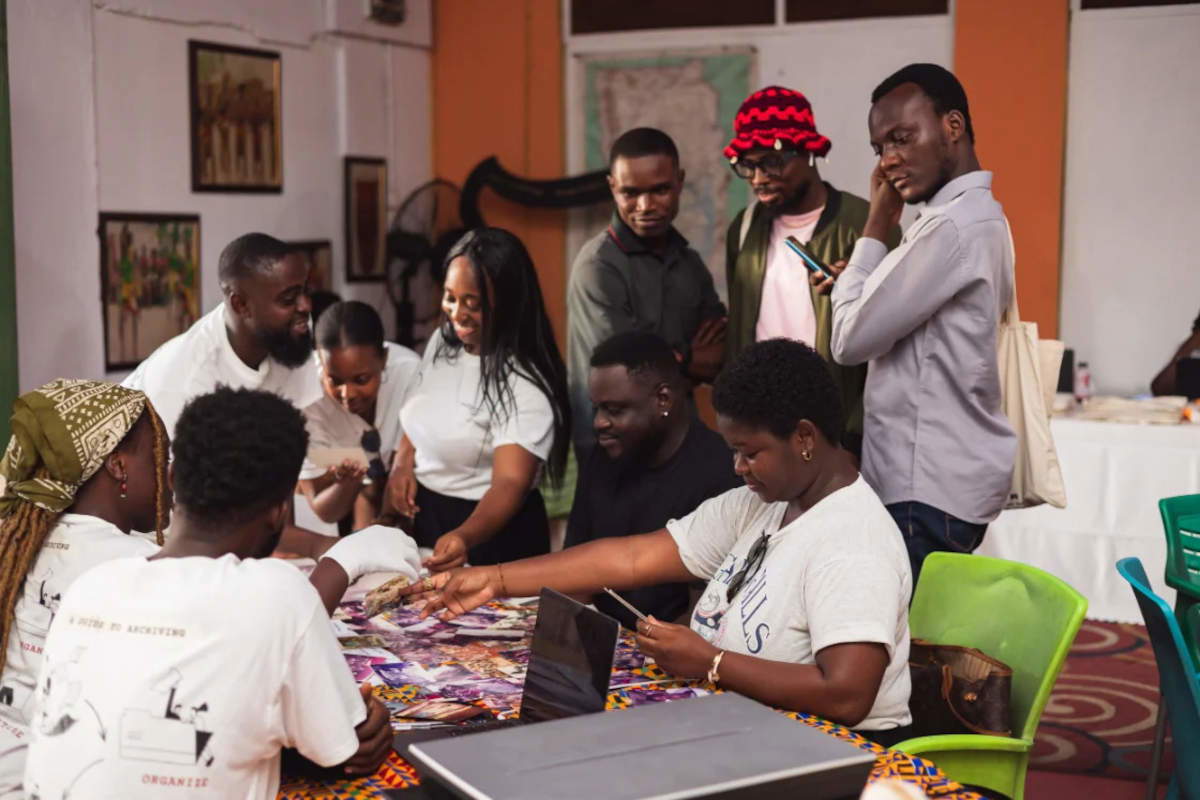
The foundation has thus made the transition from the digital to the physical realm, establishing the Si Hene Cultural Center. The Accra location is organized into several spaces with complementary functions: a reading room, an exhibition space, a research and digitization lab, an area for meetings and group activities, and a courtyard for outdoor events. The center also houses a studio reserved for artists-in-residence at Gallery 1957.
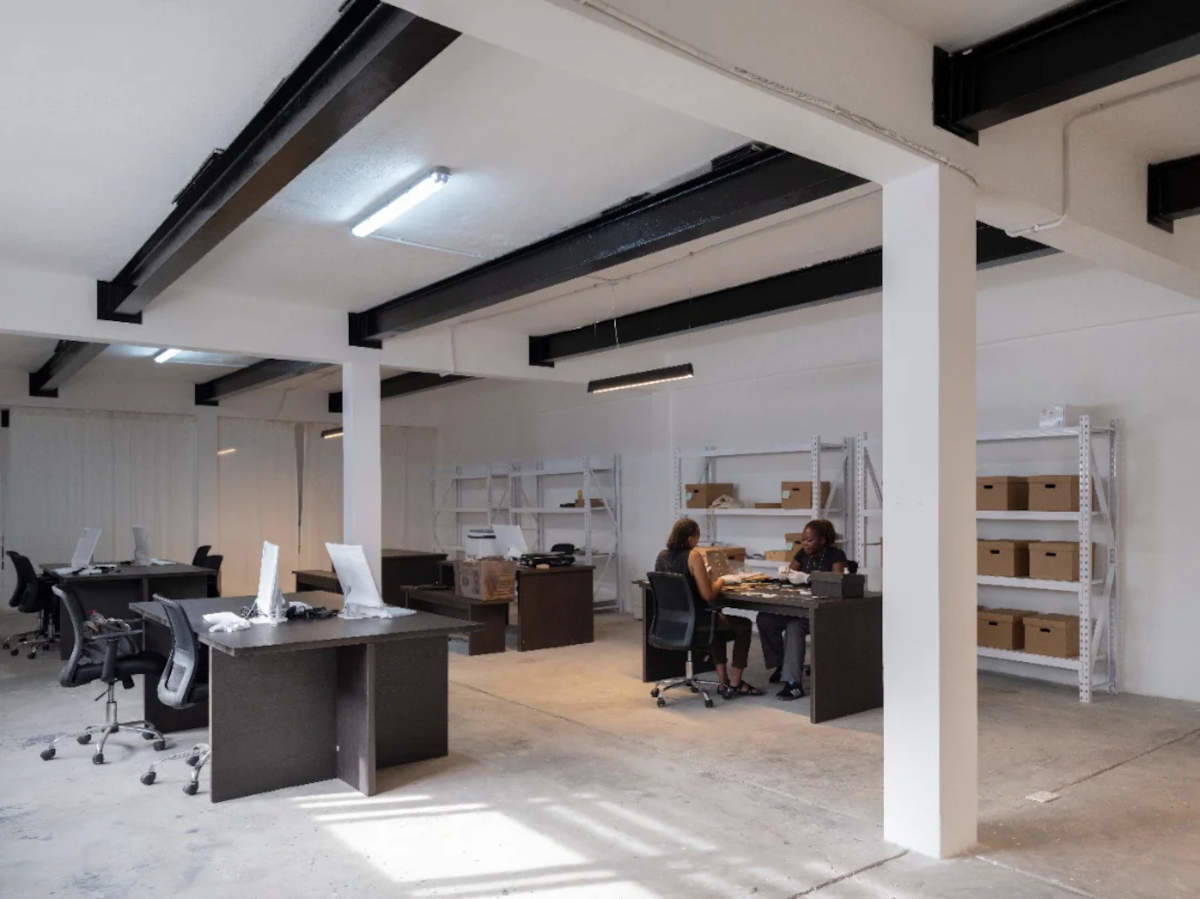
Among the main spaces is the ARCHIVE Lab, an acronym for Access and Repository for Cultural Heritage Information and Visual Exploration. The lab is designed as a consultation and work space accessible to scholars, researchers, and visitors interested in the materials preserved by the foundation. The workstations include computers, work tools, and scanners that can be used to digitize documents, photo albums, negatives, and books. Those wishing to consult the originals in the collections can also schedule an appointment, during which they are assisted by an archivist.
The ARCHIVE Lab’s activities are not limited to the preservation and consultation of materials. In fact, Hene organizes workshops and training initiatives on archiving practices, with the goal of sharing expertise and tools that can also be used by other organizations. To this end, the Digital Toolkit was developed—a collection of guides, templates, and practical resources for those who wish to start or manage an archive within their own community.
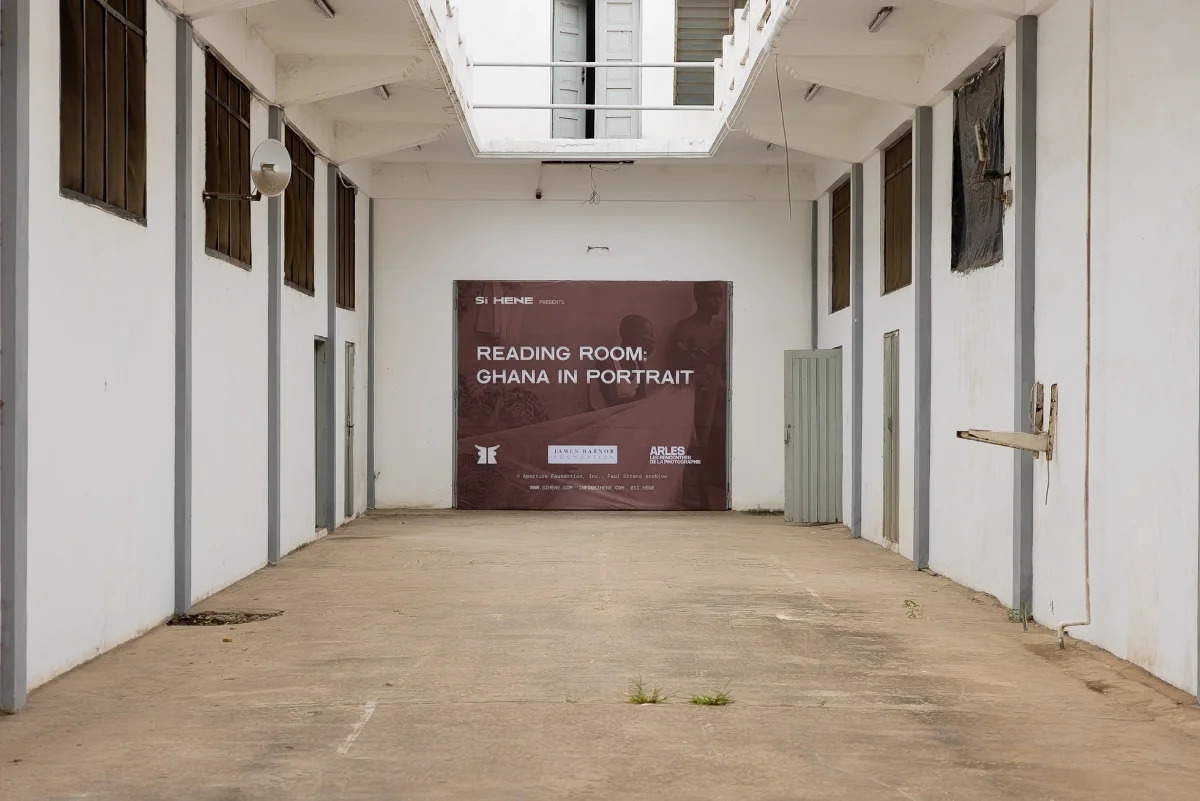
Adjacent to the workshop is the Reading Room, a reference library with books and exhibition catalogs dedicated to the history, art, and culture of Ghana, the African continent, and the Black diaspora. The Forum, on the other hand, is the space dedicated to collaborative work and public initiatives: it can host small exhibitions, conferences, screenings, and workshops. Rounding out the facility is the courtyard, used for meetings and outdoor activities.
Engagement with local communities is another key aspect of the foundation’s work. Si Hene offers free consultations to anyone who owns family albums, photographs, documents, or other materials and would like guidance on how to preserve and organize them. The center also welcomes school groups, offering research programs, access to the archives, and in-depth exploration of traditions through oral history.
Access to the facility is governed by a membership system organized by age group and is also open to organizations and institutions. Admission is included with membership, but visitors can also enter by purchasing a single-entry ticket for 35 Ghanaian cedi (approximately 2.70 euros). On Fridays, admission is free for everyone. The center is open Tuesday through Saturday, from 10 a.m. to 5 p.m.
The foundation aims to keep cultural heritage accessible and connected to the people who preserve and pass it on. The perspective adopted by Si Hene views culture as a heritage that continues to manifest itself in customs, relationships, languages, and everyday practices. In this vein, the archive takes on a role that goes beyond that of a mere repository of documents: it becomes a space for research, sharing, and the construction of a shared memory.
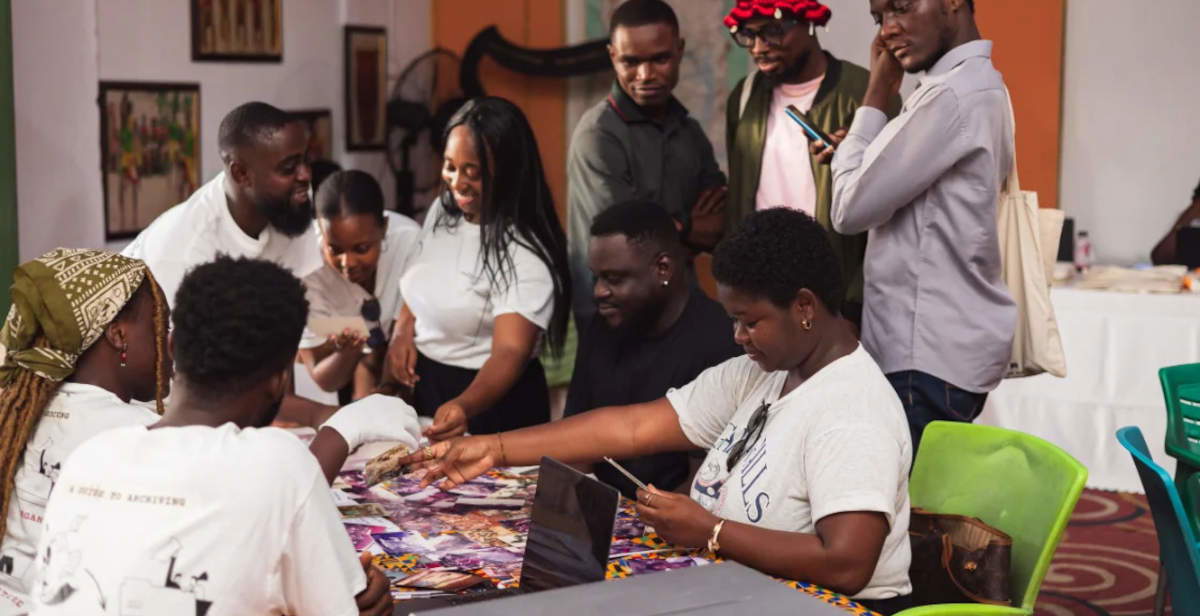 |
| In Ghana, an archive that started on Instagram has become a cultural center: here's how they did it |
Warning: the translation into English of the original Italian article was created using automatic tools. We undertake to review all articles, but we do not guarantee the total absence of inaccuracies in the translation due to the program. You can find the original by clicking on the ITA button. If you find any mistake,please contact us.