



by Redazione 05/09/2026



Categories: News / Disclaimer
The State Property Agency has ordered the closure of the Library of Archaeology and Art History at the Palazzo Venezia location effective September 7, 2026, to prepare for the move to its new location at Palazzo Sanfelice; however, the document reproduction service will remain available.

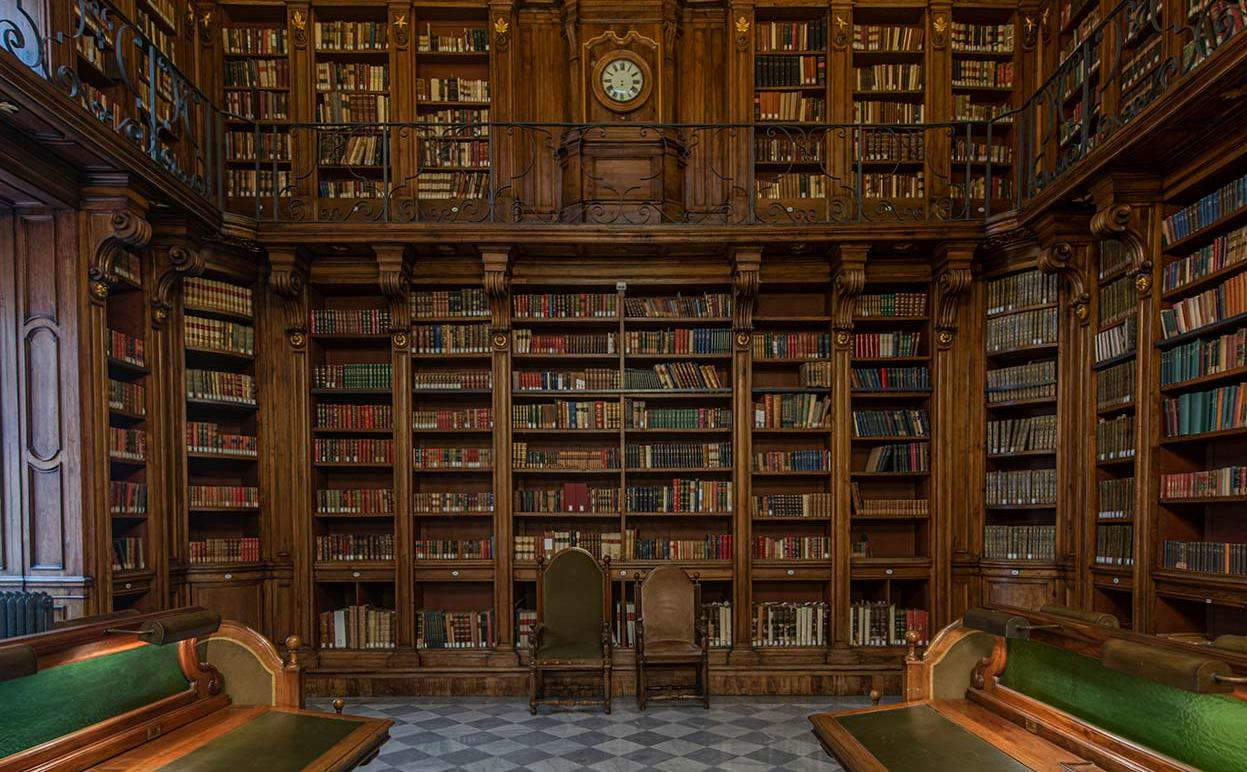
In Rome, the Library of Archaeology and Art History—better known by the acronym BiASA—will close its Palazzo Venezia location effective September 7, 2026. The decision was madeby the State Property Agency and concerns the preliminary steps necessary for the institute’s relocation to its new headquarters at Palazzo Sanfelice. The administration has announced that it will promptly disseminate information regarding the reopening dates as soon as they are made public by the State Property Agency.

During the closure period, to ensure that the work of students and scholars is not interrupted, the service for reproducing and sending documents will remain active and may be expanded as needed, within the limits established by current regulations. Requests may continue to be submitted, as usual, to the email address vi-ve.biasa.ricerca@cultura.gov.it.


The move became necessary due to a lack of available space. The library’s new location will be Palazzo Sanfelice on Via della Dataria, a building made available by the Presidency of the Republic and currently undergoing extensive restoration. Within the new building, the library will operate as a public foundation, with an expected duration of twenty-five years.
BiASA is the only national public specialized library for the study of archaeology and art history, and is freely accessible to all citizens. Its origins date back to 1875, when an initial library collection was established in Piazza della Minerva, originally intended for use by officials of the General Directorate of Antiquities and Fine Arts. The library later found its permanent home in the rooms on the mezzanine level of Palazzo Venezia, where it was entrusted to the National Institute of Archaeology and Art History, founded by Corrado Ricci in 1922. Since then, the institute has gradually opened its doors to an ever-wider audience, coming to include not only scholars but also students, enthusiasts, and the simply curious. Following the events of World War II, the library returned to Palazzo Venezia in 1947, and over the years its collection has been enriched through the acquisition of important historical collections, including that of the archaeologist Rodolfo Lanciani.
From an institutional standpoint, the Library of Archaeology and Art History is a public institution dedicated to research and study, and it is the most important among those of the Ministry of Culture specializing in the disciplines of archaeology, architecture, art, and art history. Founded in 1875 as a simple book collection for the use of officials at the General Directorate of Antiquities and Fine Arts, BiASA has expanded its role over time, becoming a resource center open to university students and the general public as well.
Among the documentary and graphic collections held by the library, one of the most significant is the collection of archaeologist Rodolfo Lanciani, currently on deposit from the National Institute of Archaeology and Art History. At BiASA, professional scholars—both Italian and foreign—can consult books, scholarly journals, and bibliographic resources essential to their research. University students and any other interested users can also turn to the staff in the study rooms, who are described as highly qualified and willing to provide support during the initial stages of research.
Currently, the library is divided between two locations, Palazzo Venezia and the Palazzo del Collegio Romano, but for several years now it has been at the center of a major international revitalization project. This renewal process involves the transfer of the library’s collections to the new Palazzo Sanfelice location, situated at the foot of the Quirinal Hill and currently undergoing restoration according to a design by architect Mario Botta.
The closure of the historic Palazzo Venezia location, therefore, does not represent a permanent interruption of the library’s activities, but rather a transitional phase leading up to the move to a facility designed to overcome the space constraints that have limited the institution’s full accessibility over the years. In the meantime, the administration has sought to ensure the continuity of remote access services by keeping active—and enhancing, where necessary—the system for reproducing and sending materials requested by users, so as not to hinder the research activities of students and scholars during the period when the library is closed to the public. The official announcement from the State Property Agency and the Ministry of Culture also assured that all information regarding the reopening of the current location—or the opening of the new location at Palazzo Sanfelice—will be released promptly as soon as it becomes available, thereby allowing those who regularly use BiASA’s services to plan their study and research activities well in advance.
The move to Palazzo Sanfelice is part of a long-term vision, considering both the nature of the restoration project—oversee by an internationally renowned architect such as Mario Botta—and the decision to establish the library as a public foundation for an extended period of twenty-five years. These factors demonstrate the commitment to giving the new location a stable and enduring role within the landscape of Italian cultural institutions, capable of carrying forward the historical legacy of BiASA, which was founded 150 years ago as a small specialized collection and has grown to become the leading national reference point for studies in archaeology and art history.
|
| Rome: The Library of Archaeology and Art History Closes Its Branch at Palazzo Venezia |
Warning: the translation into English of the original Italian article was created using automatic tools. We undertake to review all articles, but we do not guarantee the total absence of inaccuracies in the translation due to the program. You can find the original by clicking on the ITA button. If you find any mistake,please contact us.