



by Redazione 23/10/2026


Categories: News / Disclaimer
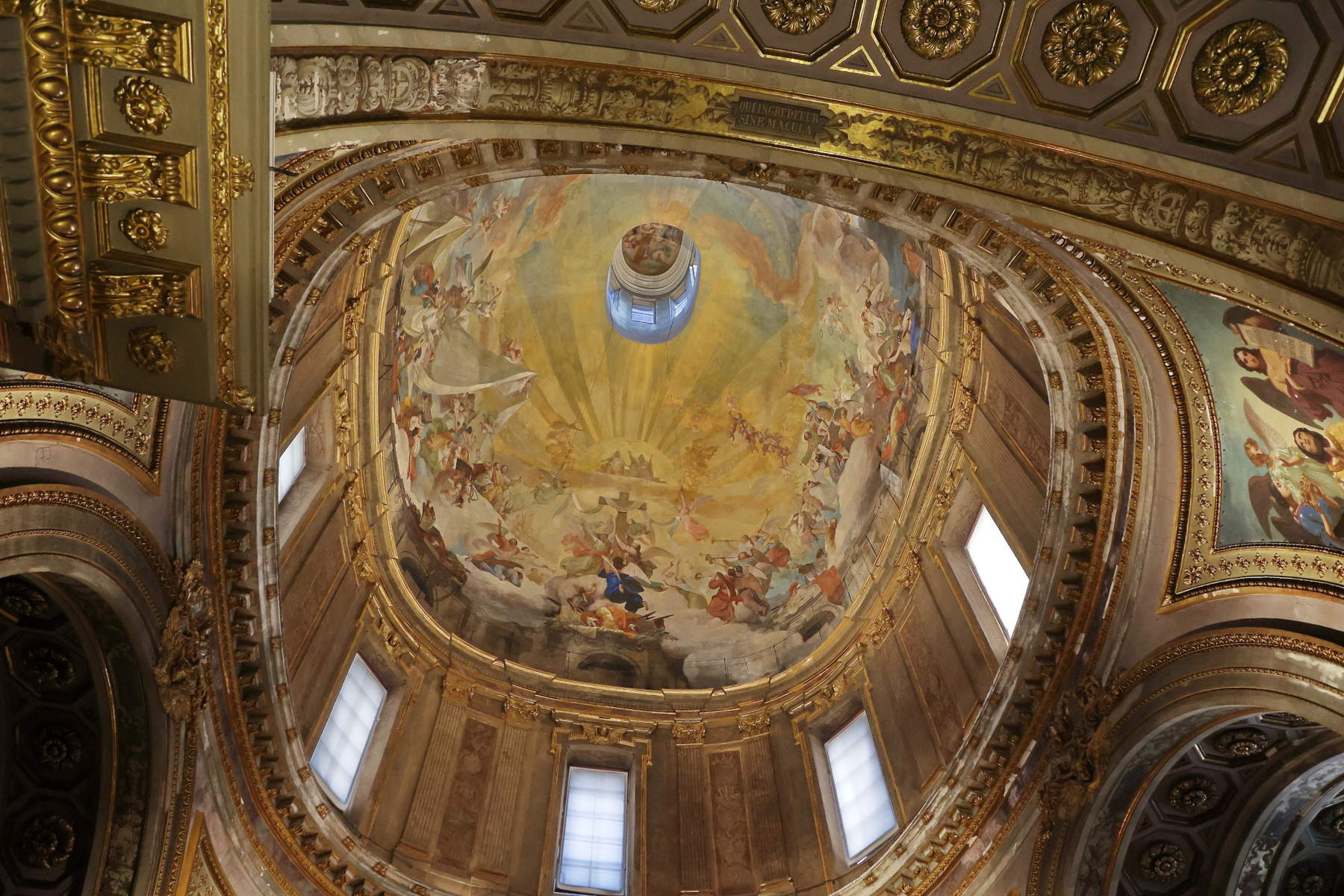
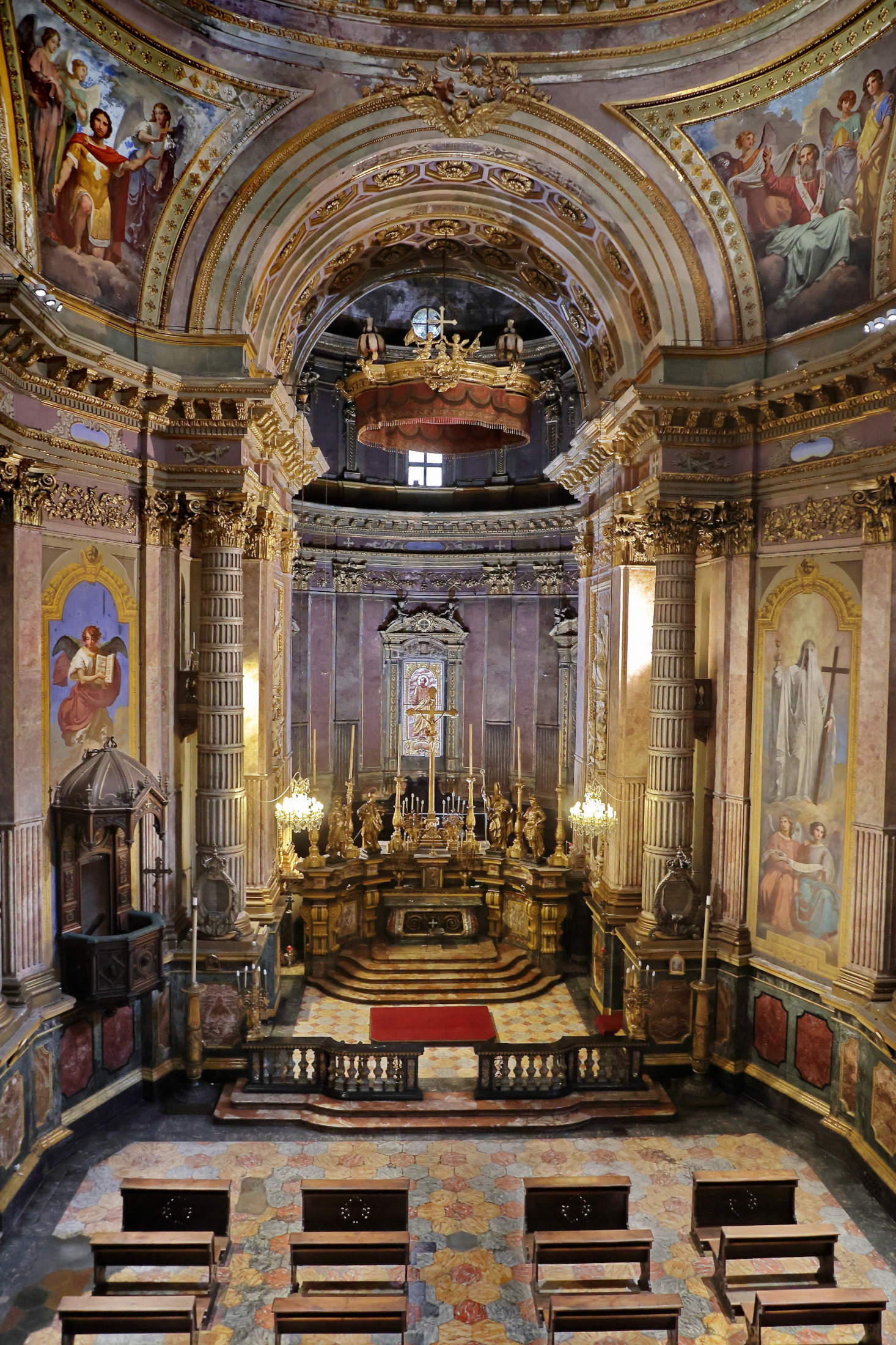
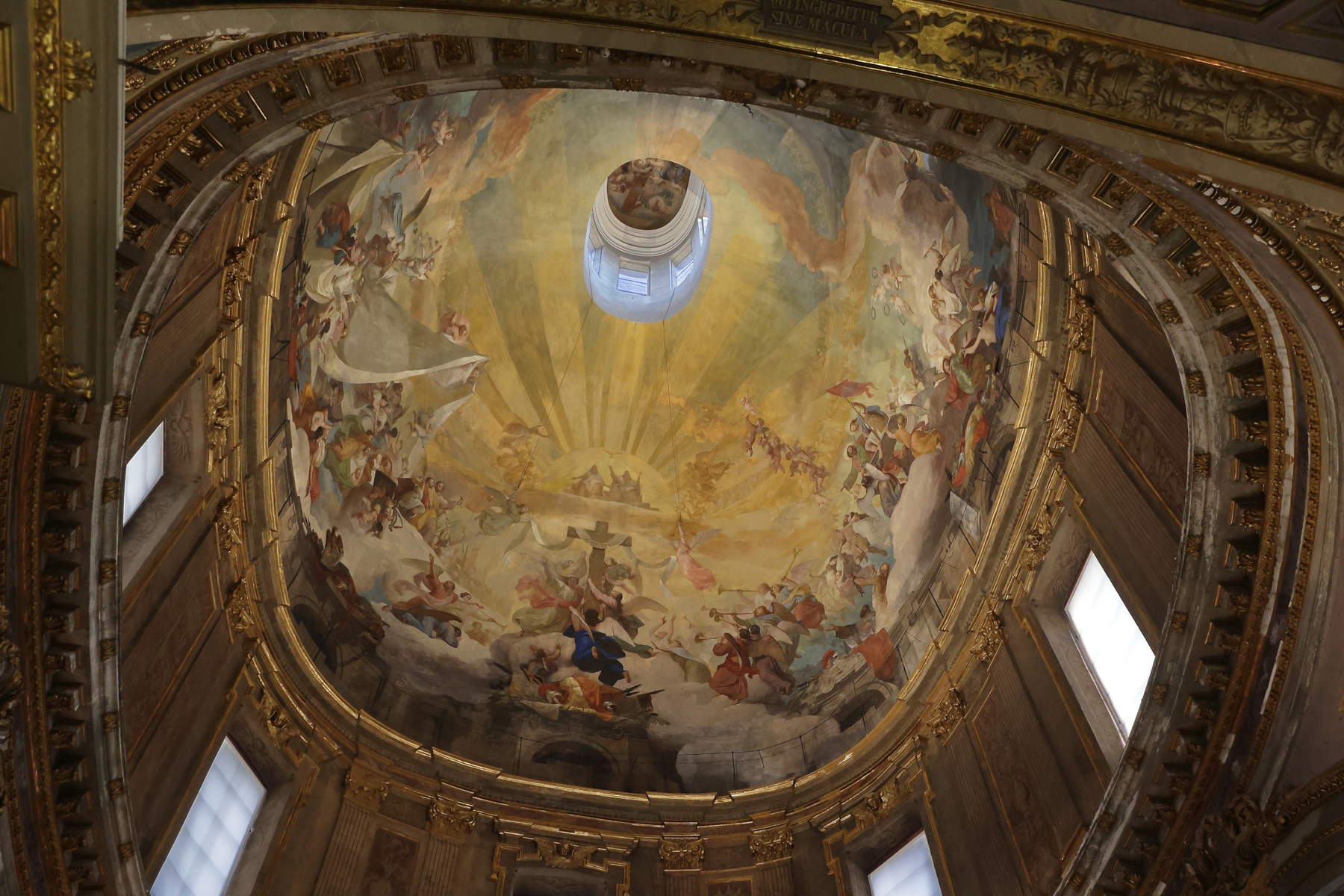
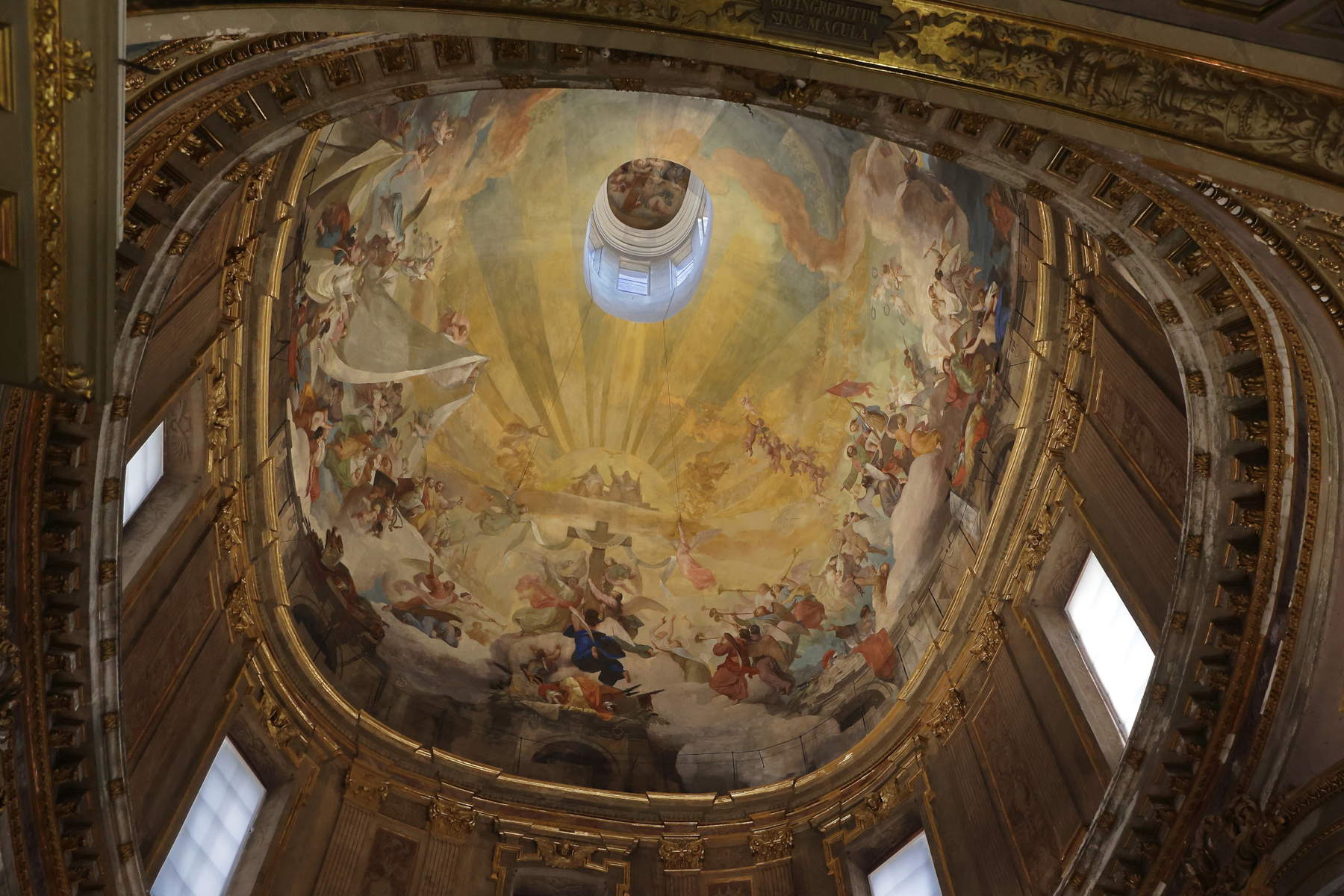
On Sunday, October 25, the Basilica Mauriziana in Turin will reopen to the public after seven years of closure and a restoration project costing over 619,000 euros. The focus of the restoration was the dome, which features a fresco depicting the “Triumph of the Cross,” a monumental composition featuring over three hundred figures.


After seven years of closure and renovation work at a height of about forty meters, the Basilica Mauriziana in Turin will reopen to the public on Sunday, October 25, 2026, restoring one of the city’s most significant architectural and decorative treasures. At the heart of the restoration project is the dome, frescoed by Paolo Emilio Morgari between 1858 and 1859 with *The Triumph of the Cross*: a monumental work featuring over three hundred figures, which once again reveals the richness of its composition and colors. Located at the intersection of Via Milano and Via della Basilica, in the heart of the historic center, the Magistral Basilica of Saints Maurice and Lazarus is closely linked to the historyof the Mauritian Order and the House of Savoy.

The Restoration of the Dome: A Construction Site Forty Meters Above Ground
The work focused on the dome and the drum of the nave, which had been compromised by severe deterioration that had made it necessary to close the basilica. The restoration has made Morgari’s fresco more legible and provided deeper insight into his technique, characterized by a blend of fresco painting, dry finishes, refined hatching, and multi-material elements in relief.


Among the distinctive features revealed during the investigation, the use of numerous wooden elements crafted in an unusual manner stands out. Also of particular interest is the system used to shield the light coming from the skylight at the top of the dome: long ropes held by angels supported a large cloth, described in historical sources as “in the form of a canopy,” designed to diffuse the light without obstructing the view of the painting. To the best of our knowledge, there are no known comparable examples of this solution.

Research in the Historical Archives of the Mauritian Order has also made it possible to reconstruct the timeline of the fresco’s creation with greater precision. The project spanned 21 months, from April 9, 1858—the date the contract was signed—to the end of 1859. This duration was significantly longer than the eight months celebrated by journalist Giuseppe Bertoldi in the chronicles of the time.
Alongside the large “Triumph of the Cross,” the dome’s decoration includes the figures of Saints Maurice and Lazarus and those of the Blessed Amadeus IX and Umberto III of the House of Savoy, painted by Francesco Gonin in the spandrels between the four arches. These sections, however, have not yet been restored.
A project costing over 619,000 euros
The total cost of the work amounts to 619,381.23 euros. The Mauritian Order Foundation covered 60% of the expense with its own funds, while the project is eligible for capital grants from the Ministry of Culture.
The project was coordinated by the Mauritian Order Foundation and the DE.ARCH, with Milone, Maiocchi, and Fenoglio, and involved the School of Specialization in Architectural and Landscape Heritage at the Polytechnic University of Turin, the “La Venaria Reale” Conservation and Restoration Center Foundation, the Superintendence of Archaeology, Fine Arts, and Landscape for the Metropolitan City of Turin, and the Archconfraternity of Saints Maurice and Lazarus.
The History of the Mauritian Basilica
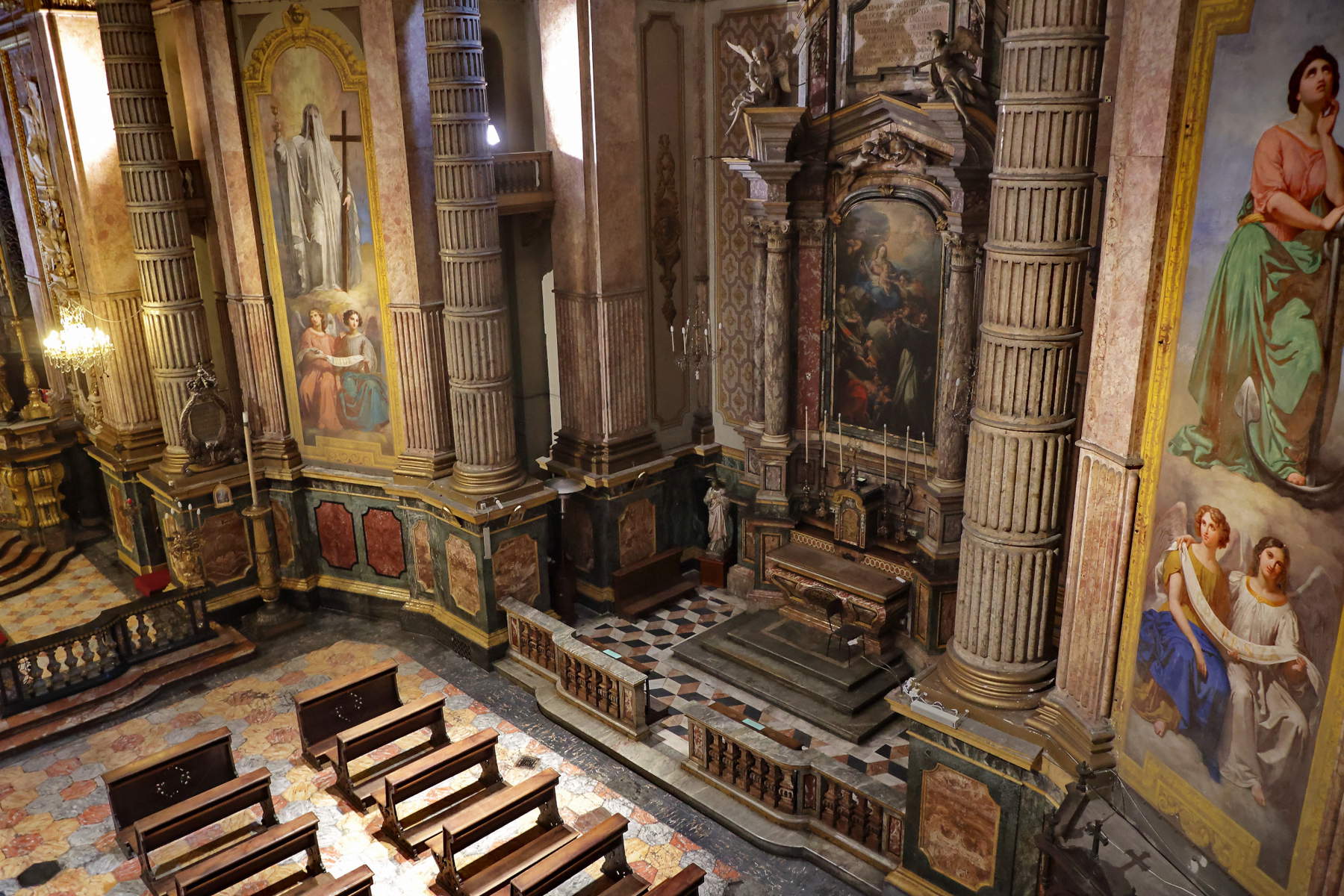
The Magistral Basilica of Saints Maurice and Lazarus stands on the site of the ancient Church of St. Paul, a Romanesque building dating back to 1207, and is linked to the history of the Confraternity of Santa Croce—considered the oldest in Turin—and the Mauritian Order. In 1572, the confraternity obtained the use of the ancient parish church, which was subsequently renovated in 1678 based on a design by architect Antonio Bettino, a former collaborator of Guarini on the construction site of the Chapel of the Shroud and of Amedeo di Castellamonte. In 1703, Antonio Bertola created the high altar. A decisive turning point came in 1729, when Vittorio Amedeo II ordered the transfer of the church to the Order of Saints Maurice and Lazarus, with the aim of making it the Order’s Magistral Basilica and creating a large architectural complex by connecting it to the adjacent hospital. In the same context, the Royal Archconfraternity of Saints Maurice and Lazarus was established, born from the merger of the confraternities of the Holy Cross and Saint Maurice.
The construction and decoration of the building continued over the following centuries. The neoclassical façade, designed by Carlo Bernardo Mosca and completed in 1836, features a tetrastyle pronaos with Corinthian columns and a triangular pediment, preceded by a semicircular staircase of five steps. On either side of the main entrance, between the columns, stand the statues of Saints Maurice and Lazarus.
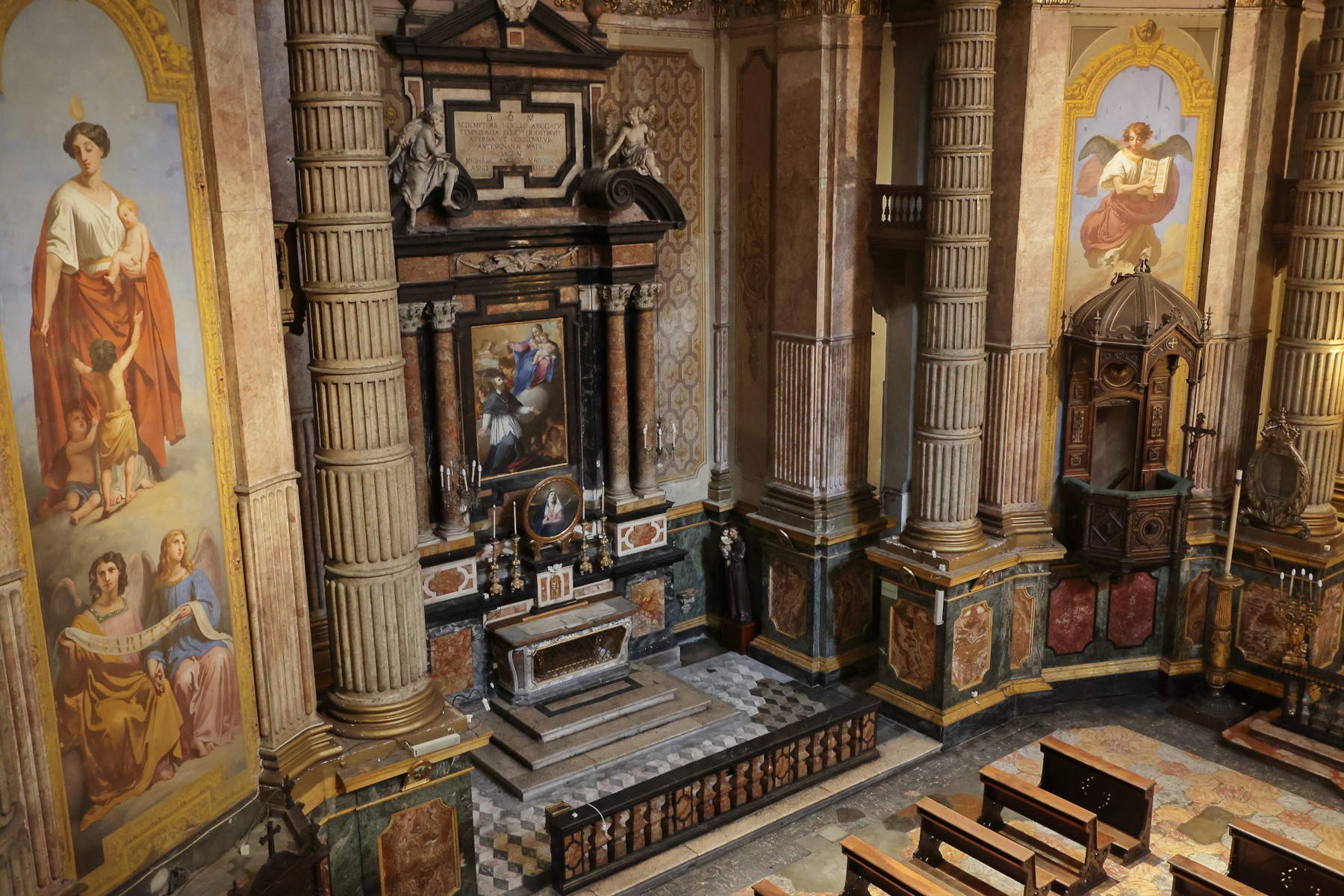
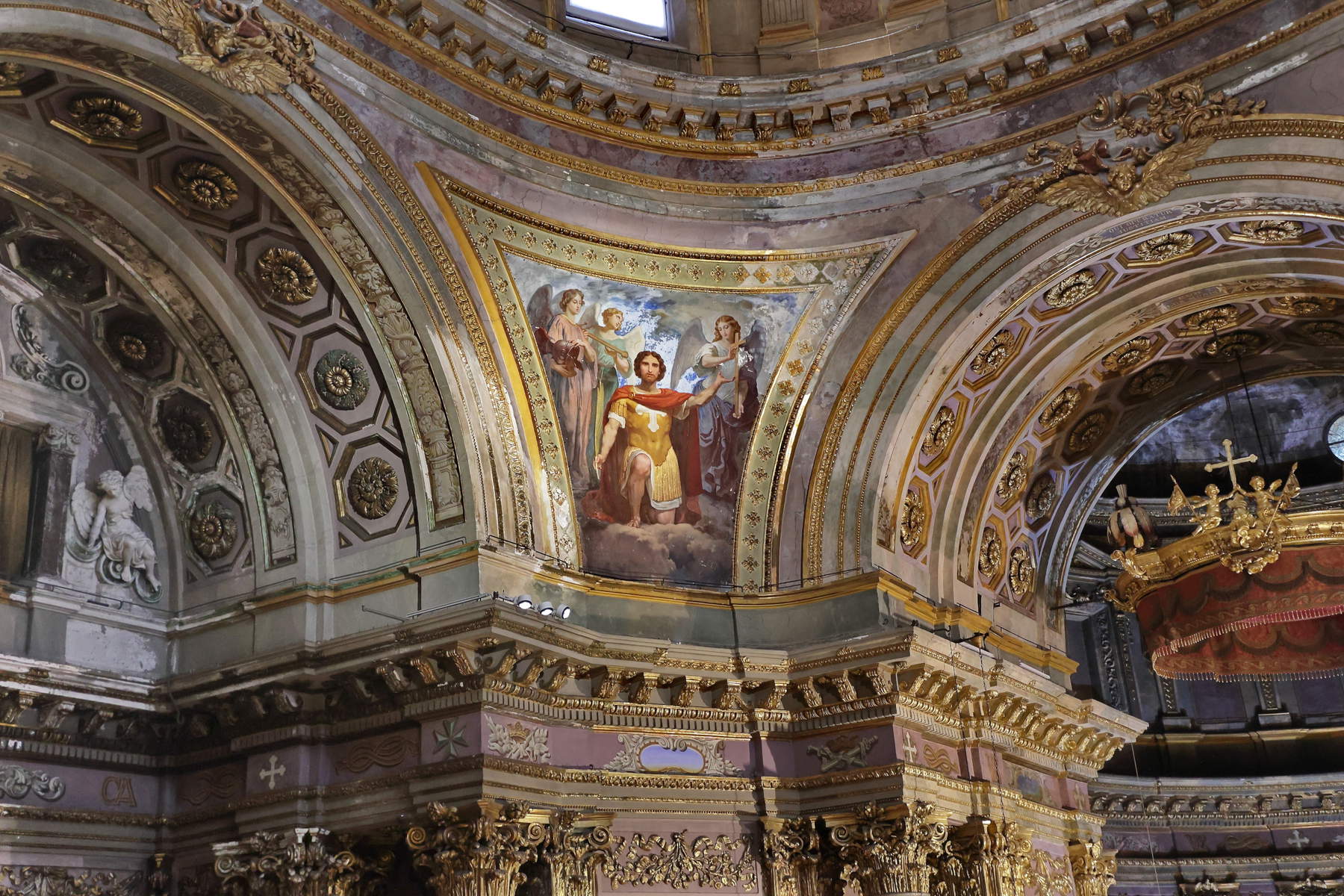
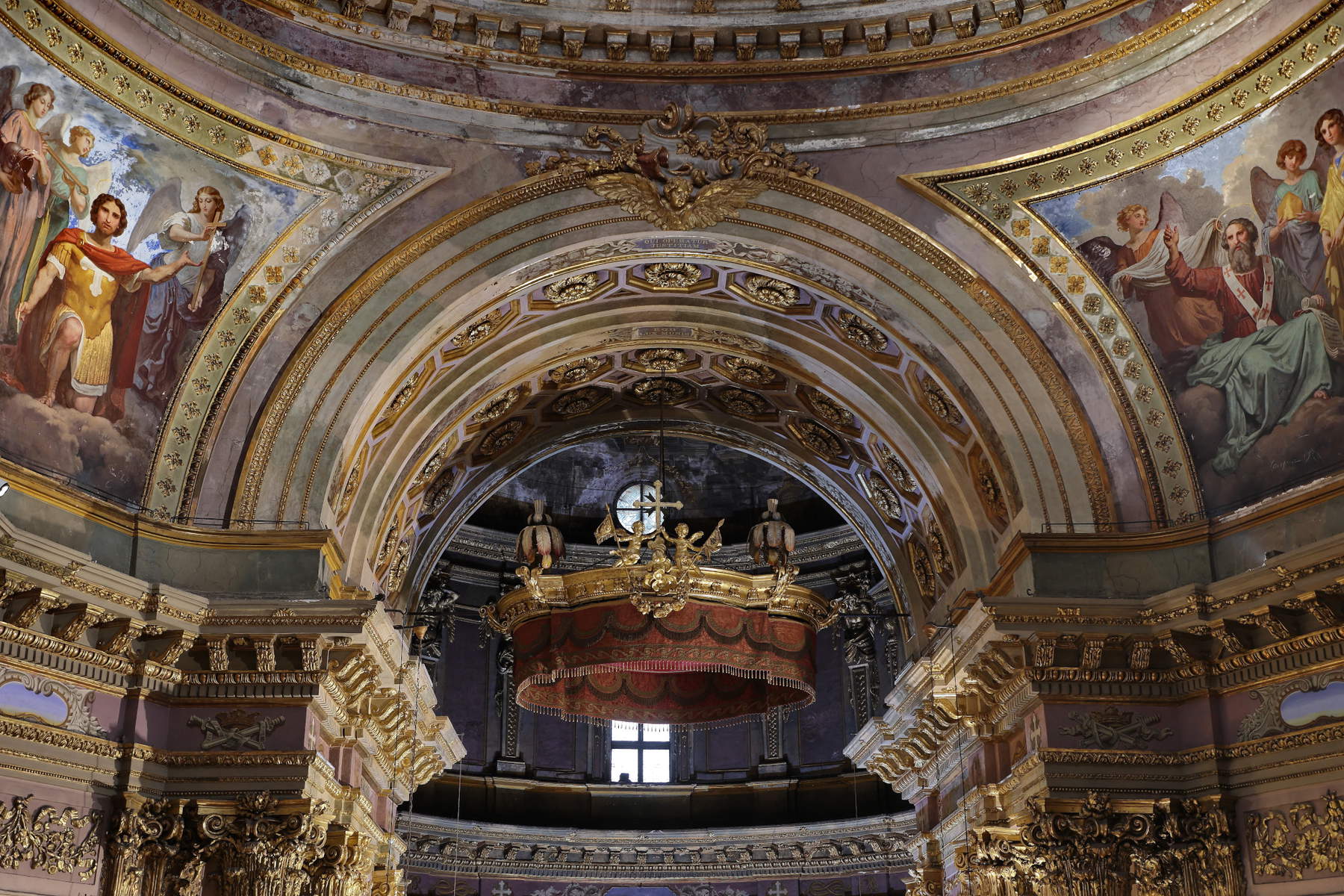
The interior is distinguished by its central plan and large elliptical dome, while the short presbytery leads to the circular choir, which is also surmounted by a frescoed vault. Eight fluted columns made of Gassino stone mark the main nave. The crypt includes a circular chapel and a vast three-nave hall, with columns and cross vaults, which echoes the layout of the original Church of St. Paul. The remains of generals and officials of the Savoy state are interred here. The basilica also housed numerous relics of particular importance for the devotion of the faithful. Historical sources mention, among others, the bodies of Saint Theodore and Saint Juvenal, a hand of Saint Dalmatius, an arm of Saint Ursula and Saint Columba, the remains of Saint Maurice and Saint Francis de Sales, as well as a fragment of the True Cross, displayed for veneration every Friday in March.
The reopening will be accompanied on Sunday, October 25, by “Armonie in Basilica.” A dialogue between restored heritage and living heritage, this free event connects the architectural restoration with the musical tradition of 18th-century European courts. At 4:00 p.m., a guided tour titled “Memory and Contemporaneity: The History and Soul of the Basilica Mauriziana in the Heart of the City” is scheduled—it is already sold out. At 5:00 p.m., the restoration work and plans for the building’s enhancement will be presented. At 5:30 p.m., the Baroque Orchestra of the Accademia di Sant’Uberto will perform the concert “Music at the Court of the Palatinate.” Johann W. A. Stamitz and the Mannheim School. The program includes four symphonies by Johann Wenzel Anton Stamitz, Franz Xaver Richter, and Ignaz Holzbauer, performed with string instruments and two hunting horns. The day will conclude at 7:00 p.m. with Sunday Mass, presided over by Paul Ndè, rector of the Archconfraternity of Saints Maurice and Lazarus.
Starting October 25, the Basilica Mauriziana will once again be open for religious services. Beginning in 2027, the “Passepartout” guided tours will also begin, designed to help visitors discover the building’s history and artistic heritage. The tour will allow visitors to explore the basilica’s spaces, from the church to the sacristy—where vestments and processional regalia are kept—all the way to the choir and the frescoed dome.
 |
| Turin: The Basilica Mauriziana Reopens After Seven Years; Fresco Featuring Over 300 Figures Has Been Restored |
Warning: the translation into English of the original Italian article was created using automatic tools. We undertake to review all articles, but we do not guarantee the total absence of inaccuracies in the translation due to the program. You can find the original by clicking on the ITA button. If you find any mistake,please contact us.