




by Redazione 11/08/2026



Categories: News / Disclaimer
The U.S. Court of Appeals for the District of Columbia has upheld the injunction suspending construction of the 8,000-square-foot ballroom the president wants built on the site of the former East Wing. Trump has announced he will appeal to the Supreme Court.


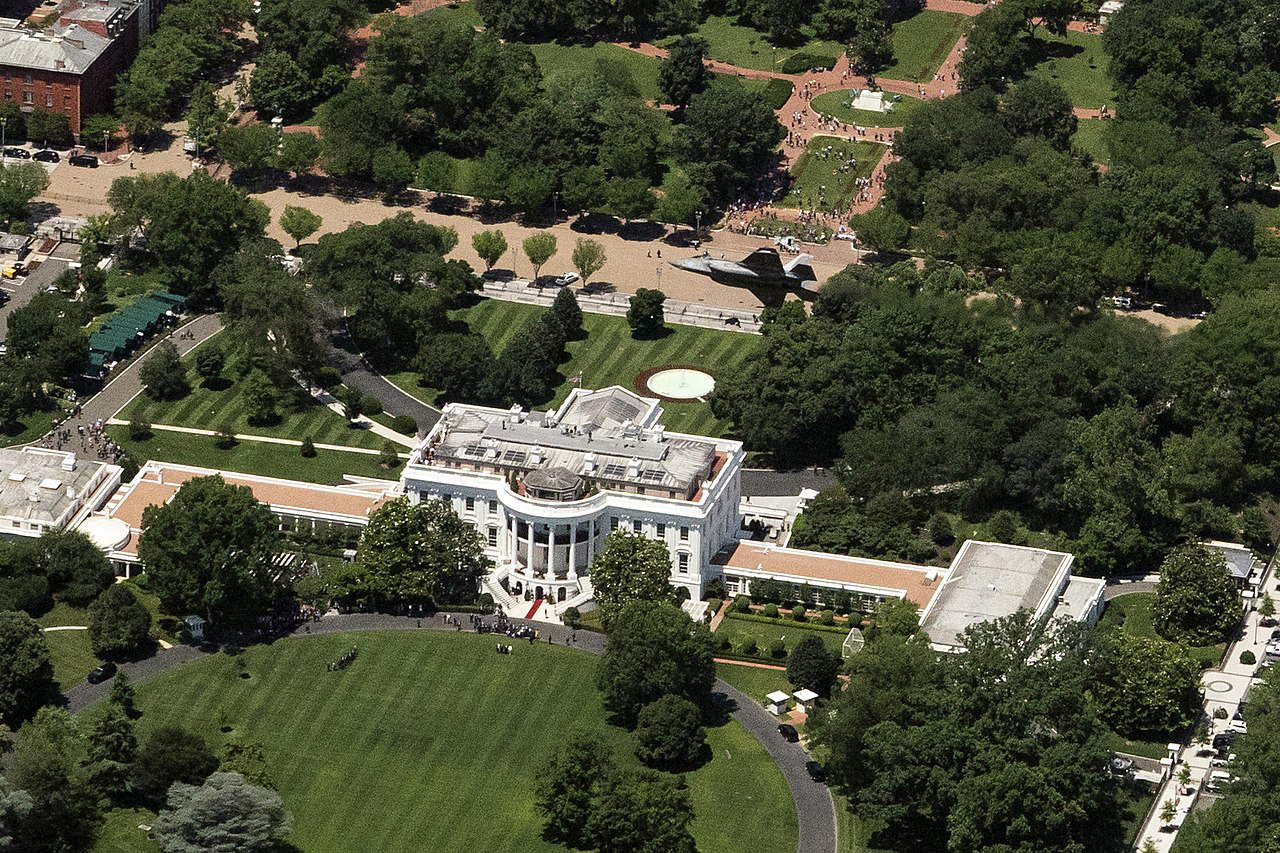
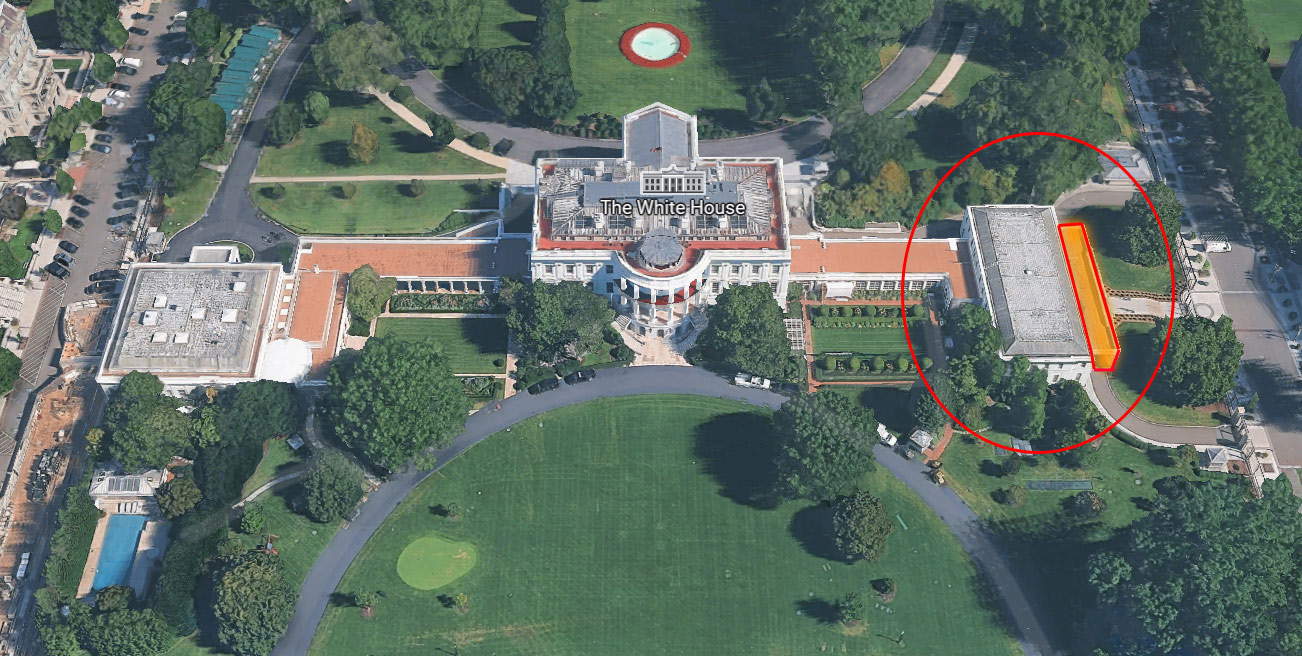
, a federal appeals court—the U.S. Court of Appeals for the District of Columbia Circuit—ruled last Friday that U. S. President Donald Trump, does not have the authority to build the $400 millionballroom within the White House complex without congressional approval. The decision represents one of the harshest legal setbacks suffered so far by the Republican administration regarding one of the Trump administration’s most ambitious and controversial architectural projects, which involves the construction of a massive reception hall spanning approximately 8,000 square meters in the area occupied until last fall by the East Wing of the presidential residence.

The U.S. Court of Appeals for the District of Columbia sided with historic preservation groups that had filed a lawsuit to halt the construction. The three-judge panel ruled by a majority of two votes (Patricia Millett and Bradley Garcia) to one (Neomi Rao), upholding a lower court’s decision that the White House lacks the necessary authority to proceed with the ballroom project. In their opinion, the judges wrote that Congress has full constitutional control over federal property and the funding of its maintenance and development, emphasizing the absence of any authorization—explicit or implicit—that would allow the executive branch to proceed independently with a project of this magnitude.


The case arose following the demolition of the entire East Wing of the White House, which took place over the course of just three days in October 2025. According to the facts established during the legal proceedings, the operation was carried out without the promised prior consultations and without obtaining congressional approval. Instead, the administration began construction of a grand ballroom financed with private funds and lacking any congressional oversight. The judges noted that this type of action is unprecedented in American history: never before had a president unilaterally demolished—using privately raised funds—substantial portions of a building that Congress had authorized and that U.S. taxpayers had paid for.


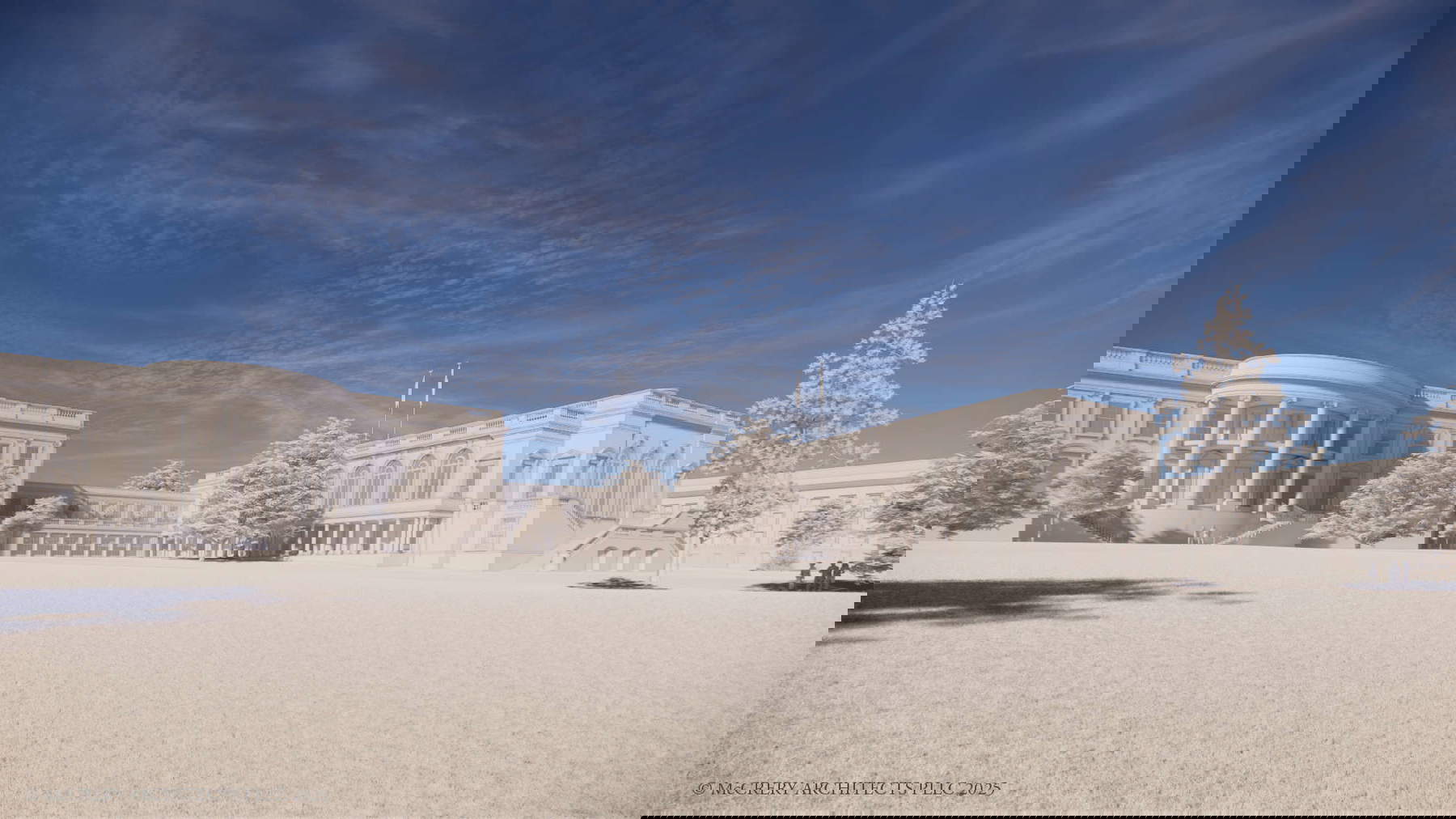
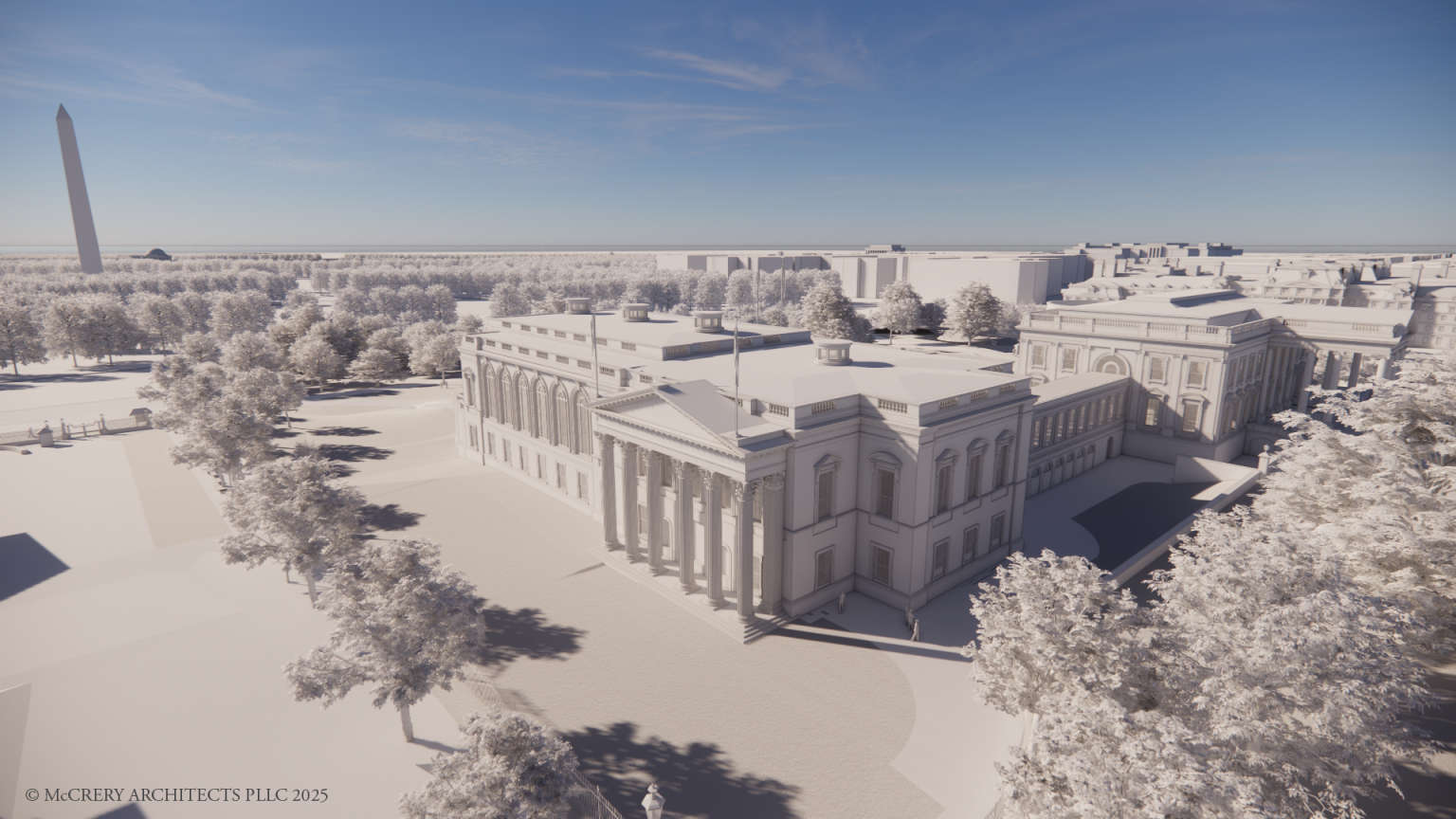
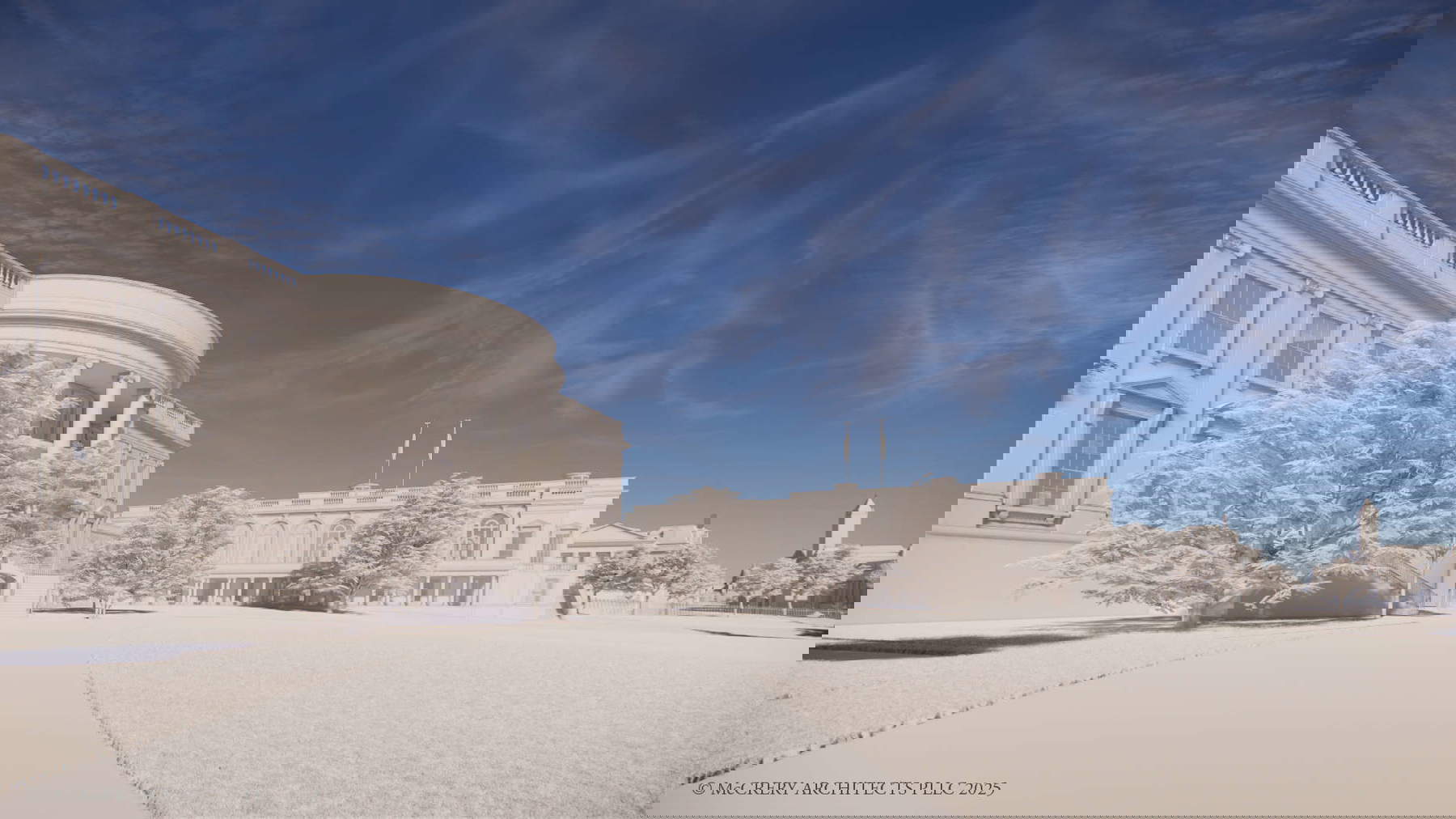
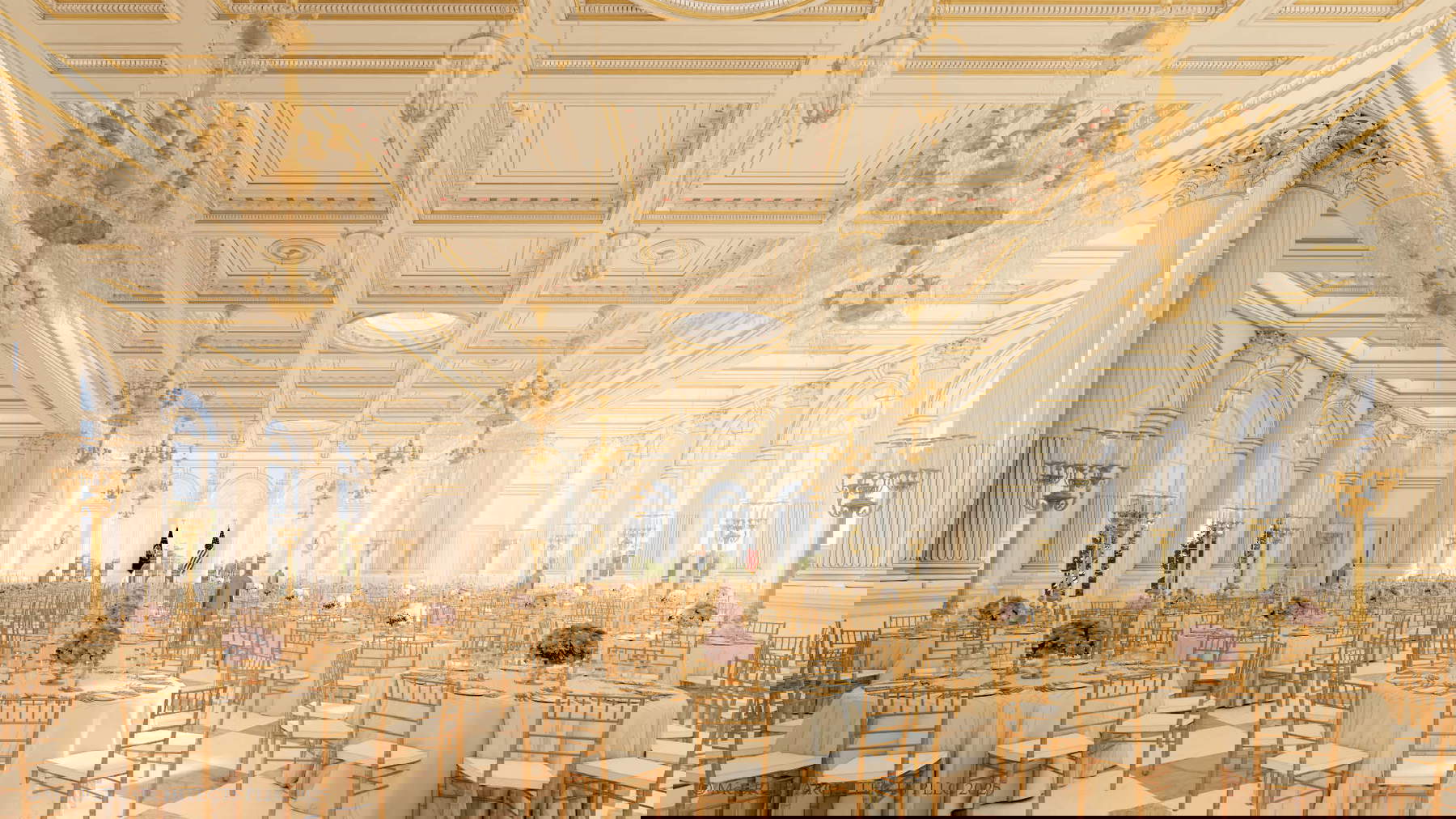
In the text of the ruling, Justices Millett and Garcia reaffirmed a principle that has been at the heart of the entire legal case: “Every president is a temporary tenant, not the owner, of the White House” (as stated in the text). The head of state neither possesses nor claims any constitutional authority over that property, which was conceived and is maintained for the use of all presidents—present and future—and for the American people. The administration itself, through the National Park Service, has in the past defined the White House as property belonging to the American people, managed in trust by the federal government, emphasizing that it is much more than the president’s residence: a symbolic site for protests and for the national debate on what it means to be American.
The ruling also highlights the complex’s historical and architectural significance. As the oldest public building in the District of Columbia, the White House is the centerpiece of the Lafayette Square National Historic District, listed on the National Register of Historic Places. The justices cited the urban planning of the capital’s founding architect, Pierre Charles L’Enfant, who conceived the city’s layout by placing the Capitol, the seat of Congress, at the symbolic center of democratic power, in contrast to the simplicity of the presidential residence.
The panel also noted that, throughout history, it has always been Congress that has allocated the necessary funds for both the maintenance of the White House and the physical expansions of the building. It was Congress that authorized the reconstruction of the White House after British troops attempted to set it on fire during the War of 1812, through a law passed in 1815. Similarly, it was also Congress that specifically allocated the funds used to construct the building’s original East and West Wings, through a law passed in 1902. This historical precedent, according to the justices, reinforces the argument that decisions of this magnitude fall within the purview of the legislative branch and cannot be made unilaterally by the executive branch.
A central element of the decision concerns the concrete effects of the construction. According to the administration itself, as indicated in the environmental assessment regarding the East Wing modernization project and the construction of the ballroom, the construction of the ballroom will have permanent negative impacts on the cultural context. The document acknowledges that the work will disrupt the historical continuity of the White House grounds and will adversely alter, in the long term, the design, setting, and overall atmosphere of the gardens and the building.
It should be emphasized that the injunction upheld by the Court of Appeals does not apply to all ongoing work. The original order from the district court had blocked only the above-ground construction of the ballroom, explicitly excluding from its scope all underground work, including the construction of bunkers, bomb shelters, and military and medical infrastructure, as well as the above-ground structures strictly necessary to cover, secure, and protect such facilities, to ensure the personal safety of the President and his staff, and to safeguard the security and structural integrity of the White House, its grounds, and the underground construction site. The Court of Appeals fully upheld this ruling, rejecting as unfounded the administration’s request to suspend the order pending the outcome of the appeal.
According to the judges, the administration failed to demonstrate any constitutional authority—whether explicit or implicit—to justify its actions, and most likely also lacks a sufficient legal basis to proceed with the construction of the ballroom—both because of the full constitutional oversight that Congress exercises over federal property, the absence of specific authorizations, and the presence of explicit statutory limitations that the project would violate.
The judges clarified that their ruling does not addressthe political appropriateness of the ballroom, nor does it definitively establish that the project can never be carried out. What the ruling affirms is that the administration cannot proceed with above-ground construction work while the legal proceedings are ongoing without first obtaining authorization from Congress, as required by the Constitution and applicable laws. At present, according to the Court, the plaintiff organizations have convincingly demonstrated that Congress has never granted the executive branch unlimited authority to redesign, remodel, and rebuild the White House based on the wishes of a single president.
The panel therefore upheld the district court’s ruling granting the modified preliminary injunction, while at the same time revoking the administrative stay granted by the same Court of Appeals on April 17. The judges, however, decided to stay the enforcement of their decision for fourteen days, thereby giving the administration the opportunity to appeal, if it deems it appropriate, to the U.S. Supreme Court.
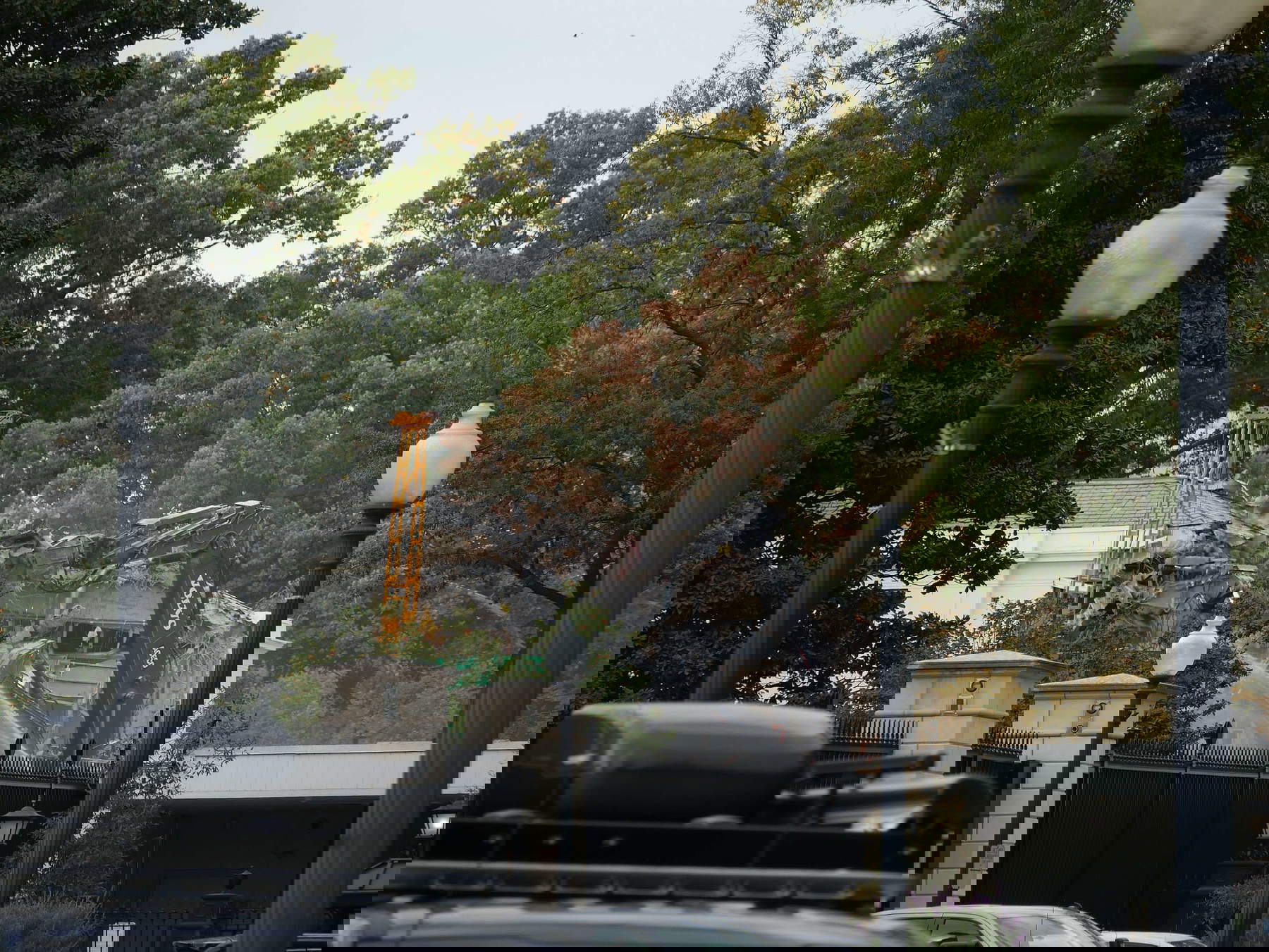
Judge Neomi Rao opposed the decision in a very harsh dissenting opinion, a position that was later echoed and highlighted by Trump himself in a post on his social media platform, Truth. In her opinion, Rao called the majority’s decision an “abuse of discretion,” arguing first and foremost that the district court lacked jurisdiction because the plaintiff organization did not have standing to block the work at the White House. The judge further argued that the balance of interests at stake clearly favors the government, criticizing the court for prioritizing the aesthetic discomfort of a single passerby over the government’s security interests related to the ballroom and the risks of leaving a construction site open within the president’s residence and office. According to Rao, these errors in judgment should have led tothe injunction’s dismissal, and the majority’s decision constitutes a form of judicial overreach into a matter that should remain outside the jurisdiction of federal courts.
Trump’s reaction was swift. On his Truth Social account, the president announced that he would immediately appeal to the U.S. Supreme Court, calling the ruling “horrible, politically motivated, and illegitimate.” In his statement, Trump extensively quoted from Judge Rao’s dissenting opinion to support his position, emphasizing that the two judges who voted against the order were appointed during the Obama and Biden administrations.
The president also argued that the decision would endanger the lives and well-being of people who work—and will work in the future— at the White House, including those of all future U.S. presidents and their families, as well as heads of state, foreign dignitaries, and all Americans who wish to visit what he called the historic residence. According to Trump, the problem stems from the fact that the ballroom is part of a single integrated project, which would also include bomb shelters, state-of-the-art hospital and medical facilities, military installations and structures, columns, missile-resistant steel roofs and beams, drone-proof ceilings and roofs, military-grade ventilation systems, and glass resistant to bullets, explosions, and ballistic attacks. The president described the entire complex as a single, large, expensive, and highly complex project, indispensable for national security and U.S. military operations. He argued that much of the structure has already been built, manufactured, and paid for, with materials either already on-site or in the process of being delivered, and reiterated that there will be no cost to American taxpayers. Trump also criticized the timing of the legal challenge, questioning why it was not filed long before construction began, and claimed that the ballroom—built ahead of schedule and under budget—represents a personal gift from him and other supporters to the country.
It is important to note, however, that the Court of Appeals’ ruling explicitly leaves intact the possibility of proceeding with the construction of the presidential bunker—a project that had already been excluded from the scope of the district court’s original injunction and is therefore still authorized to move forward.
Friday’s decision marks the second legal setback in a single week for the president’s construction plans. A few days earlier, an assessment by the National Park Service had concluded that another project strongly supported by Trump—the triumphal arch—would risk compromising the historical integrity of dozens of monuments located within the Memorial Avenue Corridor, the area connecting some of Washington, D.C.’s most important memorial sites. Among the risks identified by the federal agency is the potential disruption of the symbolic alignment between the Lincoln Memorial, the Memorial Bridge, and Arlington House—a visual and historical axis considered of great value to the site’s identity.
The legal battle began last March, when U.S. District Judge Richard Leon harshly rejected the arguments presented by the Trump administration in support of the legality of building the ballroom on the site of the former East Wing. In his opinion—which contained at least seventeen exclamation points, underscoring the firmness of his position— the judge concluded that the National Trust had a good chance of prevailing on the merits of the case, since no law even remotely conferred upon the president the authority he claimed to possess.
The legal battle over the future of the White House and its historic grounds is therefore set to continue in the coming weeks, with the Trump administration having already announced its intention to take the matter to the highest court in the United States, the Supreme Court, while, for the time being, the halt on above-ground construction work on the disputed presidential ballroom remains in effect.
|
| U.S.: Federal Appeals Court Halts Trump's Ballroom Project at the White House |
Warning: the translation into English of the original Italian article was created using automatic tools. We undertake to review all articles, but we do not guarantee the total absence of inaccuracies in the translation due to the program. You can find the original by clicking on the ITA button. If you find any mistake,please contact us.