




by Redazione 13/10/2026



Categories: Travel / Disclaimer
From Giotto to Raphael, from the Carracci to Guido Reni and Guercino: the National Art Gallery of Bologna chronicles centuries of encounters, rivalries, and artistic revolutions. A journey through the history of painting in Bologna, Emilia, and Italy, uncovering masterpieces, key figures, and surprising stories.


Along the roads that cross the Po Valley, Bologna has always been much more than just a stopover: since ancient times, the city can be considered a sort of living hinge, a restless crossroads where people, ideas, and artistic visions have continually intersected, clashed, and merged. To imagine the city in past centuries is to picture a perpetual construction site, a battleground of arms and ingenuity where the visceral, passionate drive of local painters was pitted, generation after generation, against the sudden arrival of masters from outside. That is, those whom the chronicles of the time referred to with both respect and suspicion as “the outsiders.” And it is within this dynamic—a dynamic typical of a crucial crossroads—that Bologna’s artistic history has unfolded over the centuries: on the one hand, that raw, earthy style, which in 1970 a great Bolognese scholar, Francesco Arcangeli, summed up with the apt phrase “Nature and Expression”; and on the other, a vocation for purity. What is certain is that no form of artistic expression in Bologna has ever bowed to autarchy of any kind: quite the contrary, Bologna has always been a fundamental center for the Italian arts. There you have it: this, in broad strokes, is the history encapsulated within the halls of the National Art Gallery of Bologna. Stepping through the portal of the complex on Via delle Belle Arti is not merely a matter of passing through a series of abstract rooms or consulting an illustrated manual, but to enter a sculptural and dramatic theater of painting, where every work is the result of an exchange, a figurative short circuit, a cultural revolution.


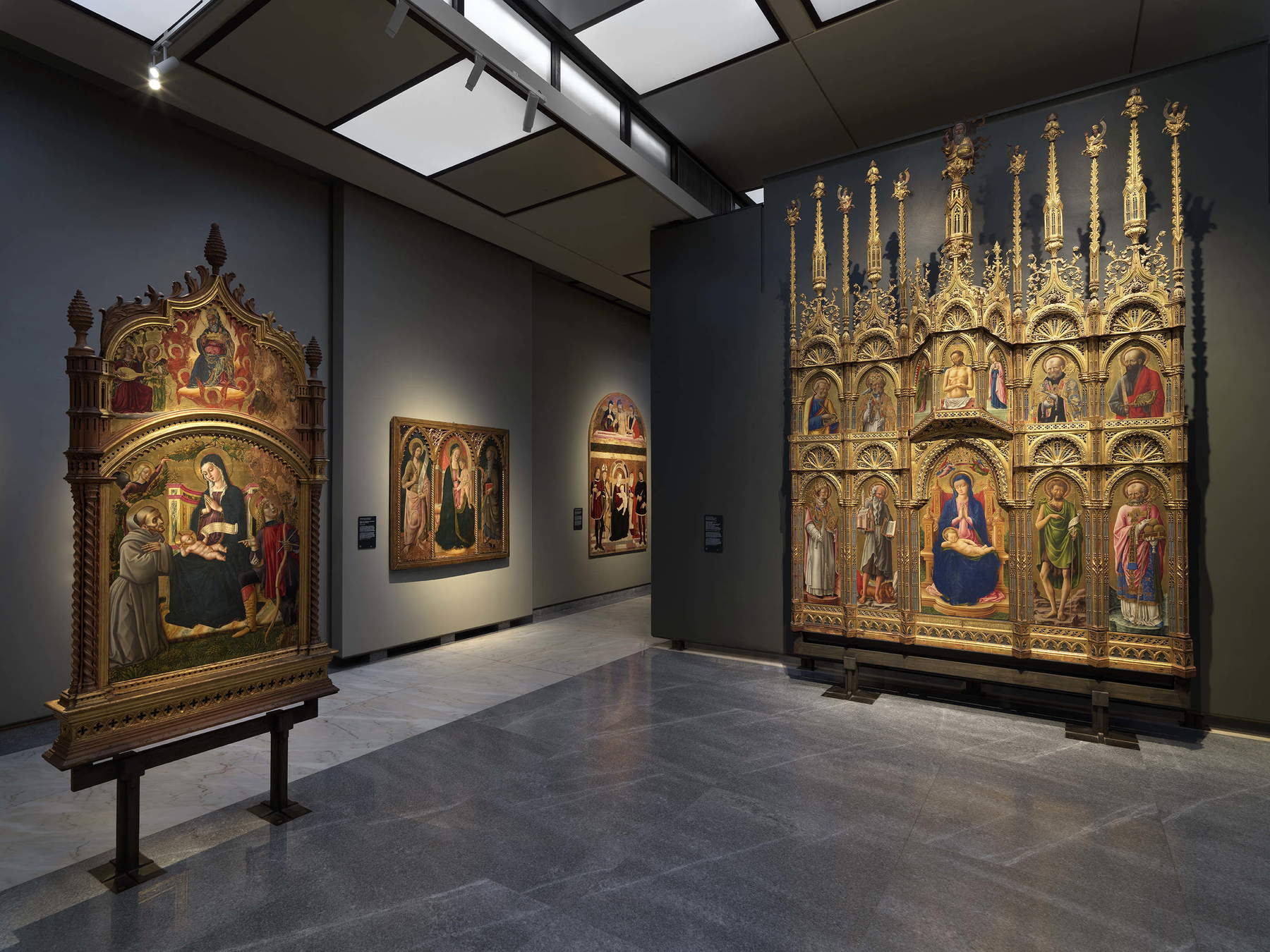
Interaction with the outside world has always marked the turning points in the city’s history of figurative art. When, around 1330, Giotto had the solemn polyptych delivered to Bologna—intended for the altar of the Cappella Magna in the Apostolic Palace, built near Porta Galliera to house the pope upon his return from Avignon and destroyed shortly thereafter (the polyptych remains the only work signed by the Florentine master preserved in the city, and ranks among the fundamental masterpieces of the National Art Gallery), local painters found before their very eyes a new and monumental conception of space. But the Emilian response was not one of passive submission: fourteenth-century Bolognese painting proudly asserted its own dramatic, narrative, and popular voice, as evidenced by the expressive power and dynamic energy of Vitale da Bologna’s *St. George and the Dragon*, another of the museum’s iconic works, which greets visitors from the very start of their tour, as well as the complex compositions of Pseudo-Jacopino, capable of breaking the rigid abstractness of sacred depictions with a vivid and engaging narrative.


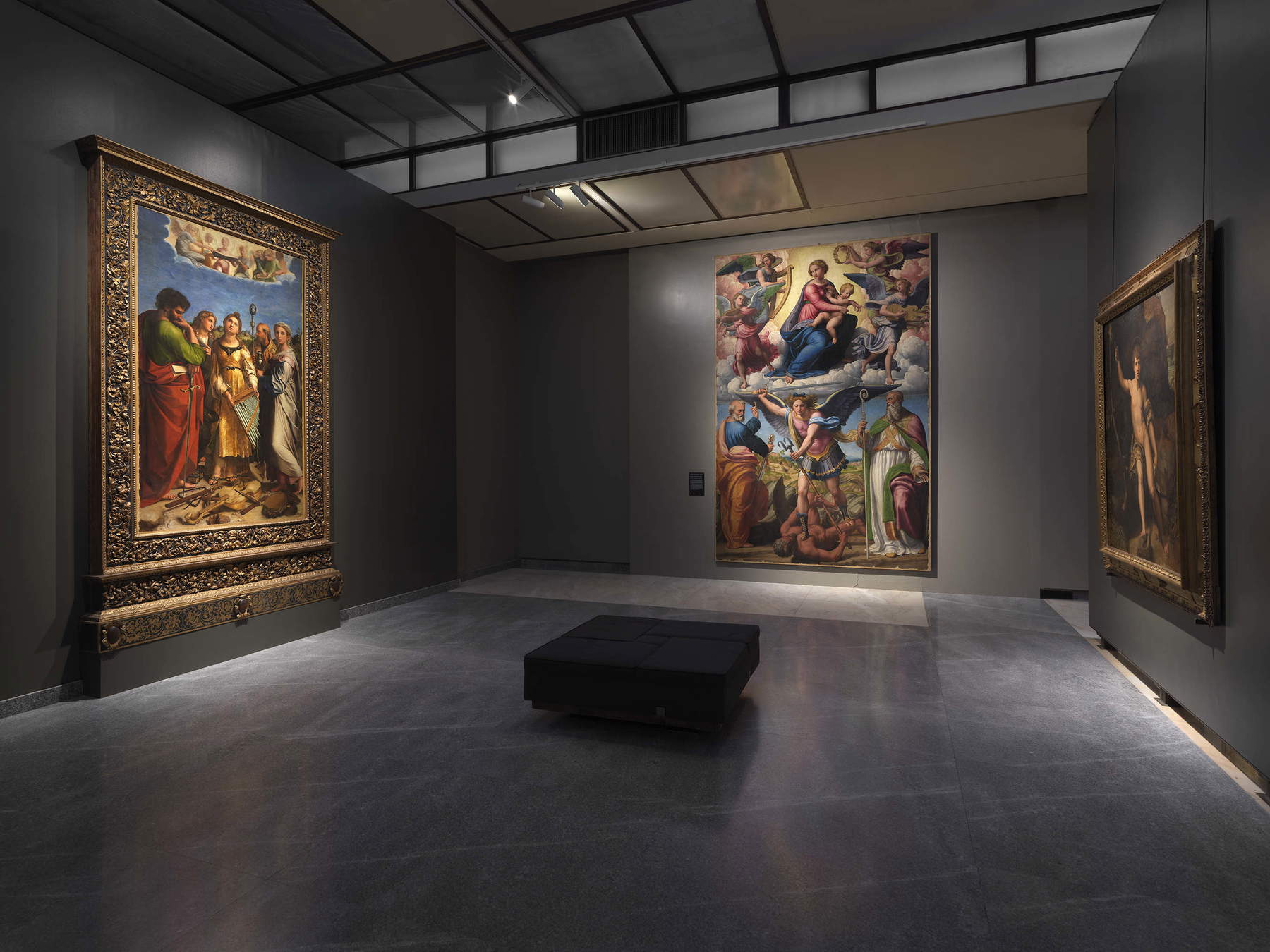
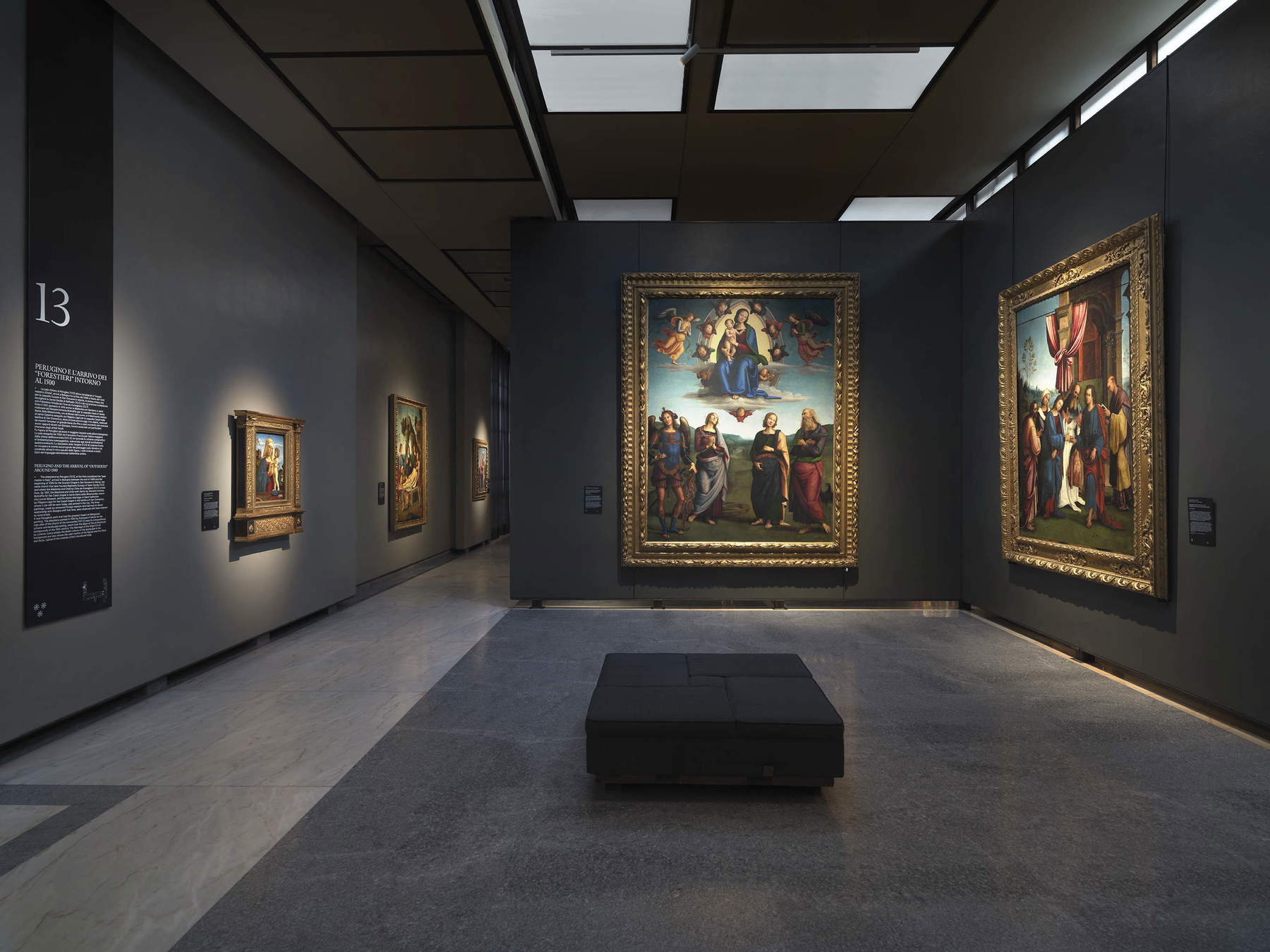
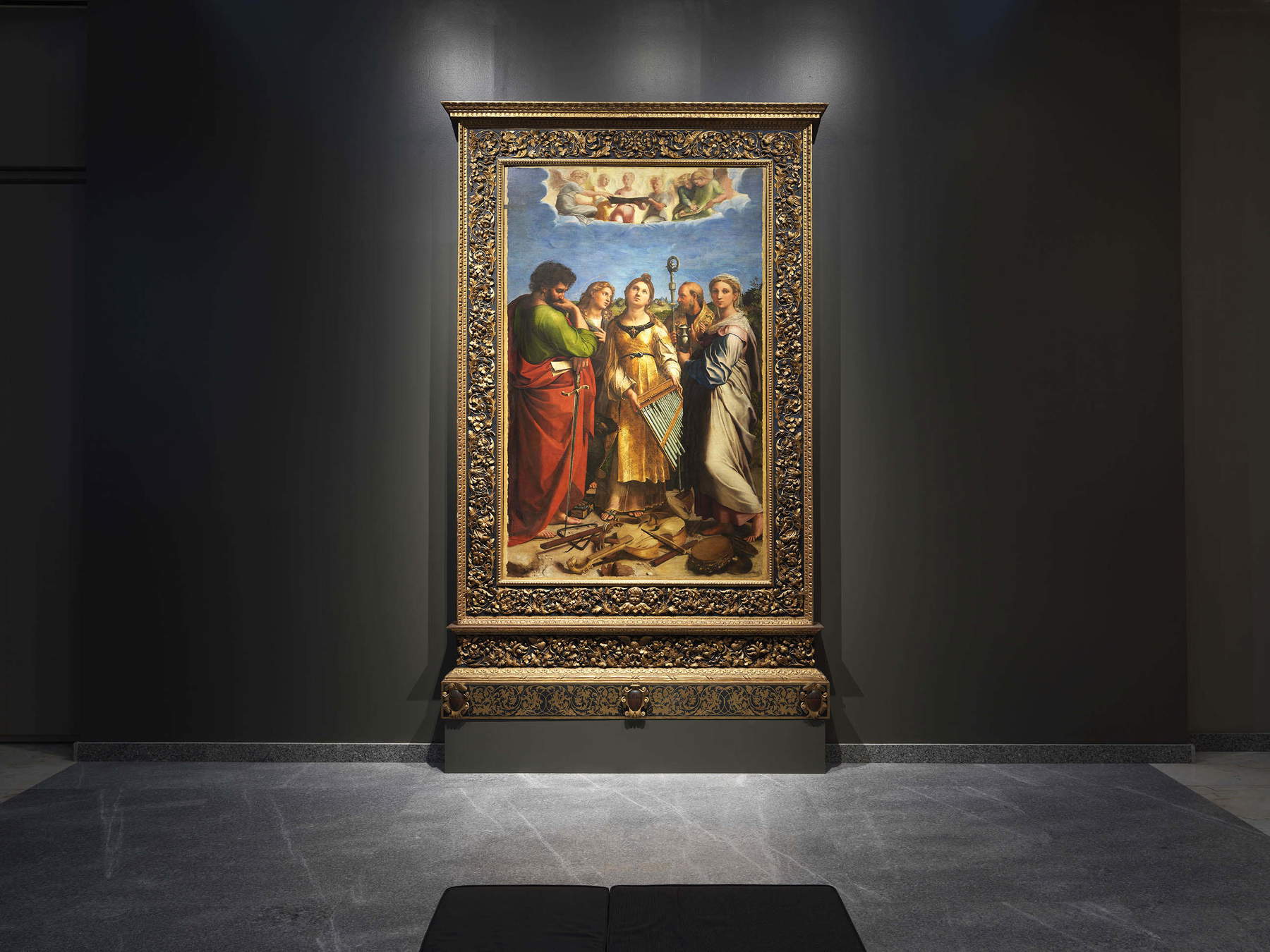
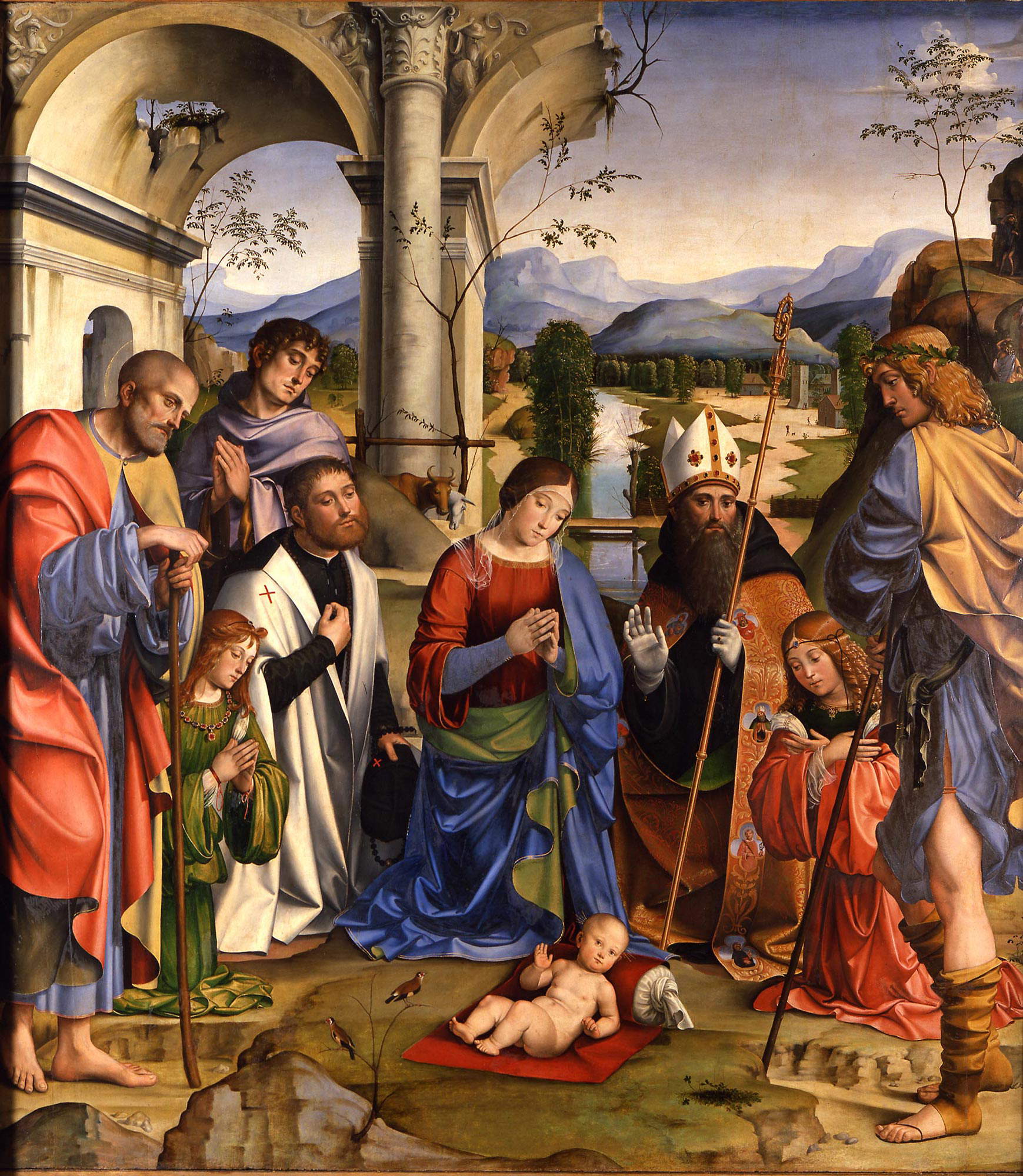
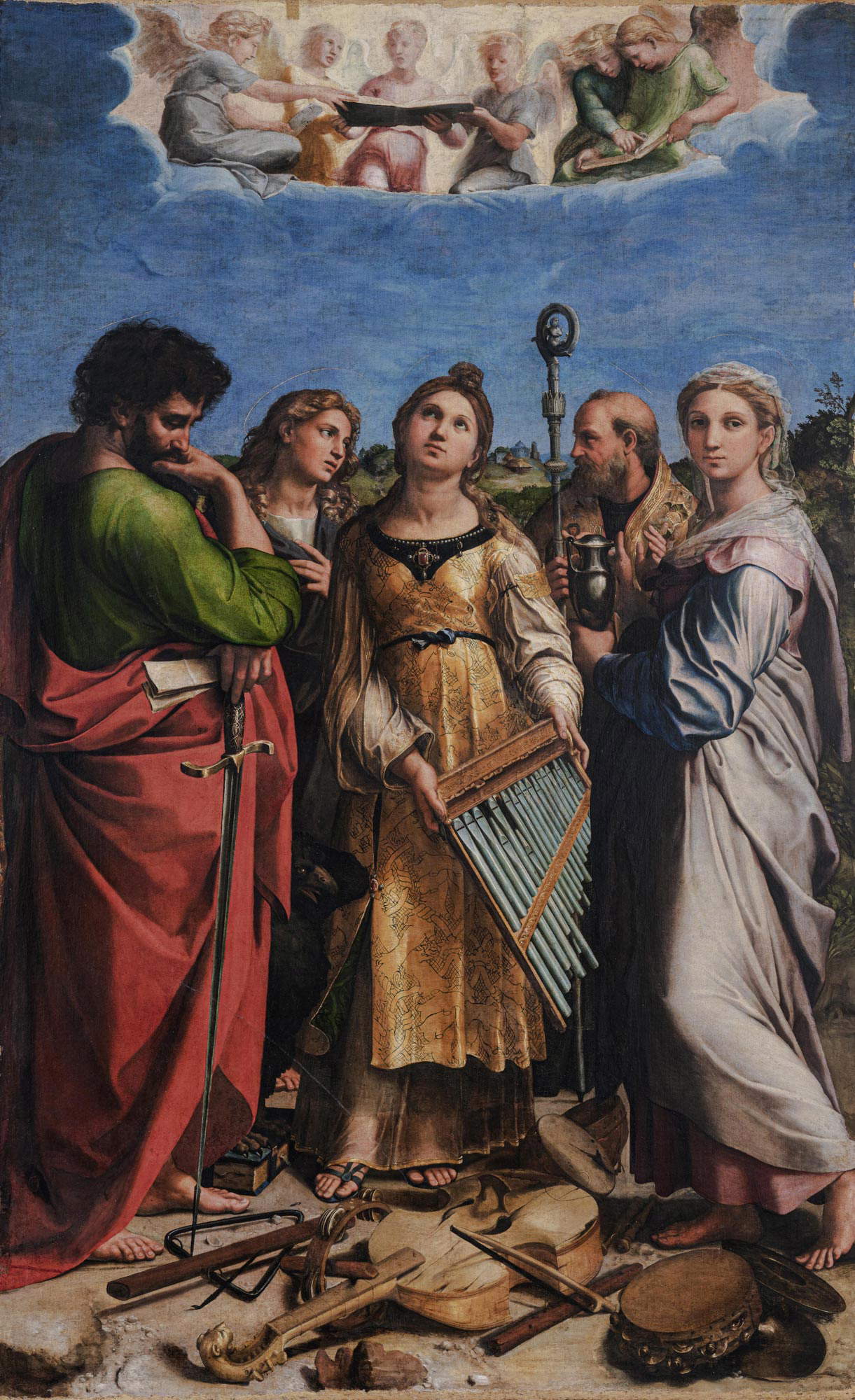
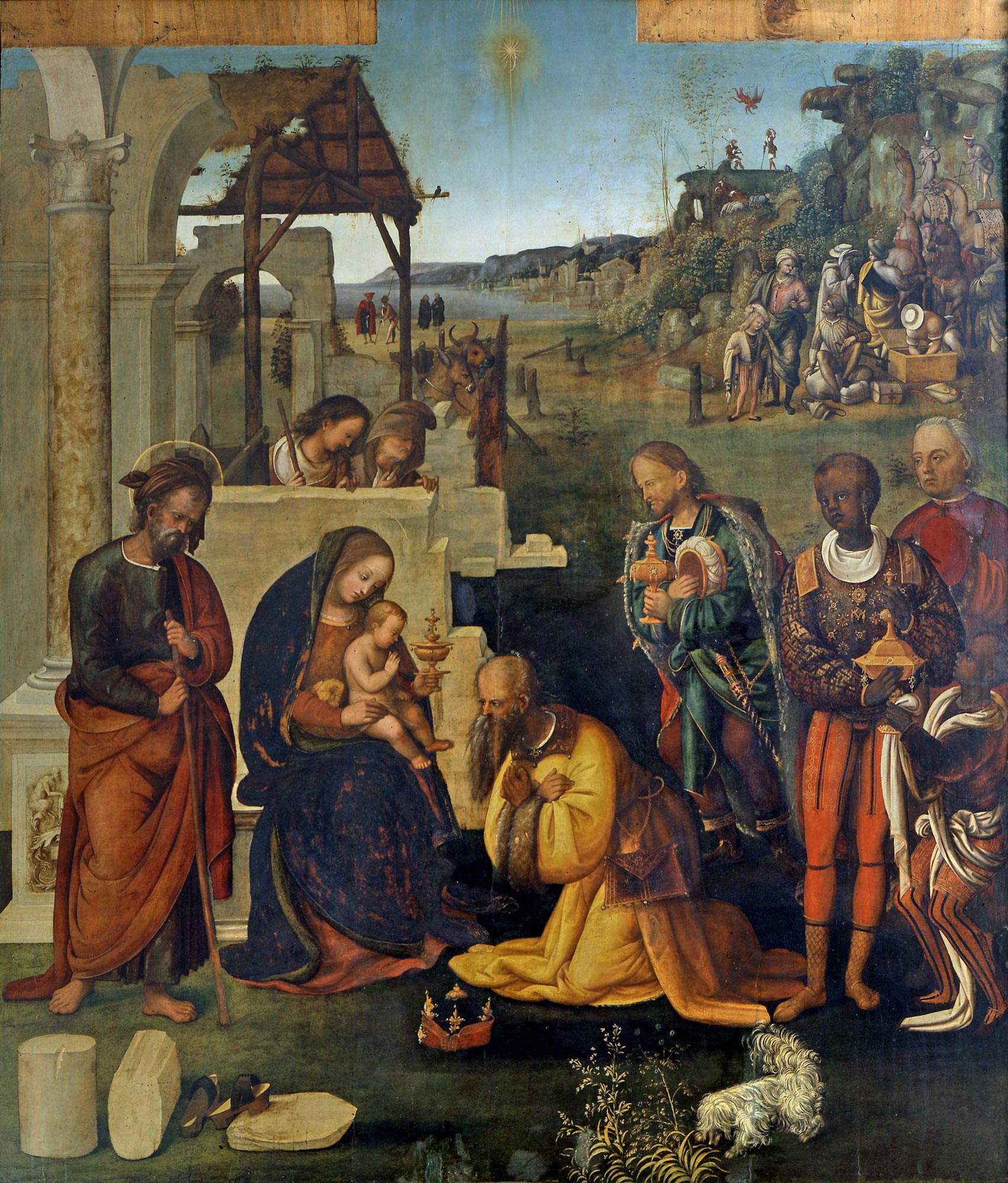
A second, groundbreaking turning point occurred around the year 1500, when the city became a magnet for the leading figures of the Central Italian Renaissance. The arrival of the great altarpiece sent by Perugino for the Scarani Chapel in the church of San Giovanni in Monte (joined in those same years by the panels that had arrived in Bologna from the hands of Cima da Conegliano, Filippino Lippi, and Giovanni Antonio Boltraffio) made a revelatory impact on the local art scene. Pietro Vannucci, hailed by his contemporaries as “the finest master in Italy,” displayed a clear, luminous use of color and a serene rhythm in his figures set against infinite landscapes—a style that Bolognese masters such as Francesco Francia (one of the leading artists of the Bolognese Renaissance, whose most significant surviving body of work is preserved in the Pinacoteca Nazionale) and Lorenzo Costa quickly embraced, integrating those Umbrian subtleties into their own workshops. However, the point of no return for Bolognese figurative art was yet to come, and it coincided with the arrival, in 1514, of Raphael Sanzio’s legendary *Ecstasy of Saint Cecilia*, commissioned for Elena Duglioli’s chapel in San Giovanni in Monte. Legendary in the truest sense of the word: for legend has it—though we may regard this more as a historiographical device by Giorgio Vasari than a real event—that Francesco Francia stopped painting after seeing that masterpiece, overwhelmed by such unattainable perfection, and fell into such a state of depression that he died as a result. Vasari’s tale, though untrue, fully conveys the awe of an artistic community forced to come to terms with Raphael, and as you walk through the Pinacoteca’s galleries dedicated to the Renaissance—the result of one of the most recent reorganizations of the museum’s layout (dating back to 2023), the radiance of Raphael’s style is almost palpable: Innocenzo da Imola explicitly referenced the pose of Saint Paul for his Saint Peter in the Altarpiece of San Michele in Bosco, while Girolamo da Cotignola, in The Marriage of the Virgin, orchestrated a solemn architectural composition directly inspired by the Vatican’s School of Athens.


Yet, even in the face of the authority of the Raphaelesque canon, Bologna maintained its spirit of independence and nonconformity. Amico Aspertini stands as living proof of this; branded by Vasari as “a capricious man of bizarre intellect,” he possessed a vast knowledge of antiquity accumulated in Rome by copying ancient marbles and reliefs, Aspertini rejected the affected harmonies of the prevailing style to immerse himself in a subversive, grotesque, and dramatic language, of which the capricious *Pala del Tirocinio* (1504–1505) stands as the proudest assertion of his autonomy.
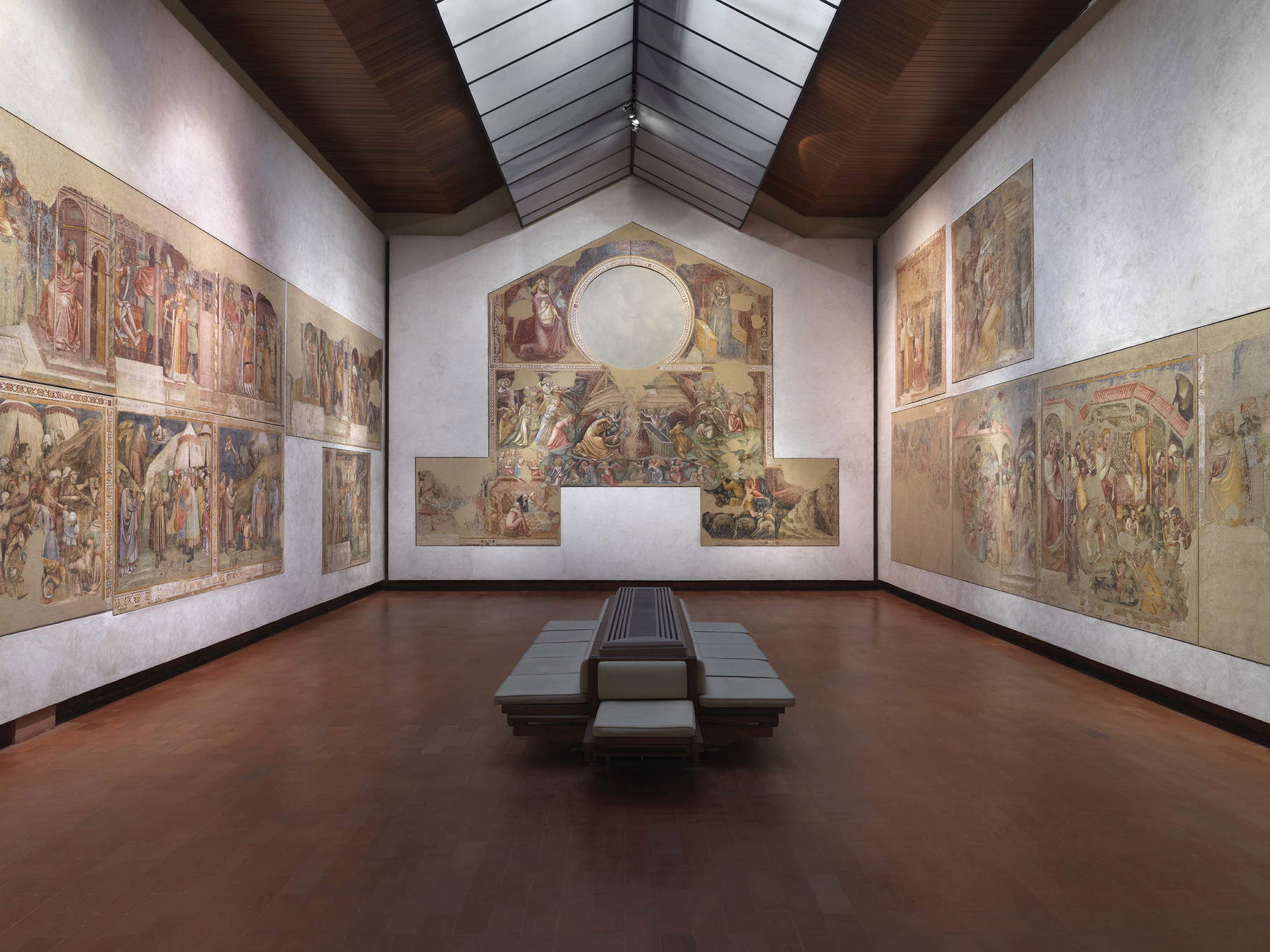
Amid this dense interplay of gazes lies one of the most fascinating and painful episodes of the Italian Renaissance: when the young Michelangelo Buonarroti passed through Bologna, he was, in fact, struck by the fresco cycle that Francesco del Cossa and Ercole de’ Roberti had completed between 1477 and 1485 in the Garganelli Chapel inside the Cathedral of San Pietro, going so far as to describe the work as “half of Rome in goodness.” Of that extraordinary decorative achievement—which was swept away in the early 17th century due to the collapse of the building that housed the paintings—only a single, priceless fragment has survived: it is the famous “Face of the Weeping Virgin ” by Ercole de’ Roberti, cut out as a single block by Count Alessandro Tanari before the demolition and eventually acquired by the Pinacoteca’s collections. The archaic, petrified sorrow of that detail encapsulates not only the story of one of the great masters of the 15th-century Ferrara school but also, one might say, perhaps the museum’s most intimate mission—that which makes it not merely a place for displaying masterpieces, but a sanctuary preserving memory and a figurative civilization swept away by time.
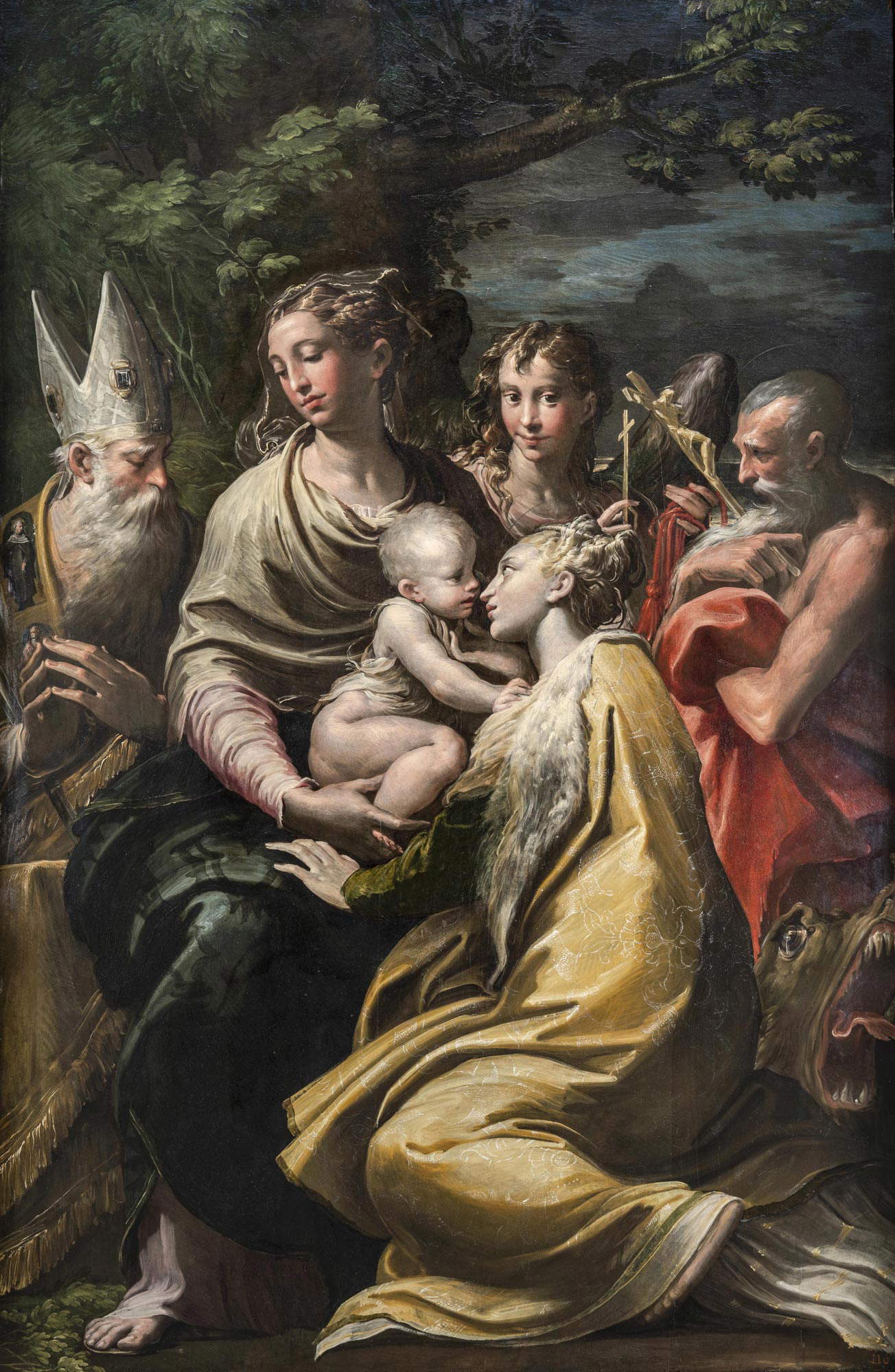
Further on, after passing through the 16th-century galleries (where Parmigianino stands out—the Pinacoteca houses his Altarpiece of Saint Margaret —along with works by Titian and Tintoretto, which , together with El Greco, conclude the Renaissance section), we arrive at the end of the century, when Bologna once again asserted its central role by becoming the cradle of an epochal revolution: in the 1580s, in fact, the three cousins Ludovico, Annibale, and Agostino Carracci founded the Accademia degli Incamminati (originally known as the Accademia del Naturale, then the Accademia dei Desiderosi), a private school whose goal was subversive for its time: to do away with academic conventions and return to the “natural”—a sort of unfiltered representation—by blending life drawing with the chromatic lessons of Correggio, Titian, and Veronese. In the museum’s spacious galleries dedicated to the three cousins—which were also part of a complex renovation completed in 2025—the scope of their reform is revealed in all its clarity. Ludovico Carracci, in particular, proved to be an unrivaled master of Counter-Reformation religious sensibility and everyday emotion, as evidenced by some of his masterpieces such asthe Annunciation and The Sermon of John the Baptist. Furthermore, in the *Portrait of the Tacconi Family*, Ludovico stripped official portraiture of all its artificial trappings to place the subjects in a domestic and spontaneous atmosphere, thereby marking the dawn of the era of modern portraiture.
Annibale Carracci, before moving to Rome in 1595 at the invitation of Cardinal Odoardo Farnese to paint the frescoes in Palazzo Farnese, laid the groundwork in Bologna for a reinvention of landscape painting. In small, dense experimental works such as *St. John the Baptist in the Desert* and *Landscape with a Hunter*, nature ceased to be a mere scenic backdrop and became a living, measured, and autonomous space, destined to influence artists throughout Europe through the work of pupils such as Domenichino and Francesco Albani. Agostino Carracci, a learned theorist of the Academy and a highly refined engraver, left behind a work of solemn monumentality in *The Communion of Saint Jerome*, for which the Department of Drawings and Prints preserves the famous preparatory sheets.
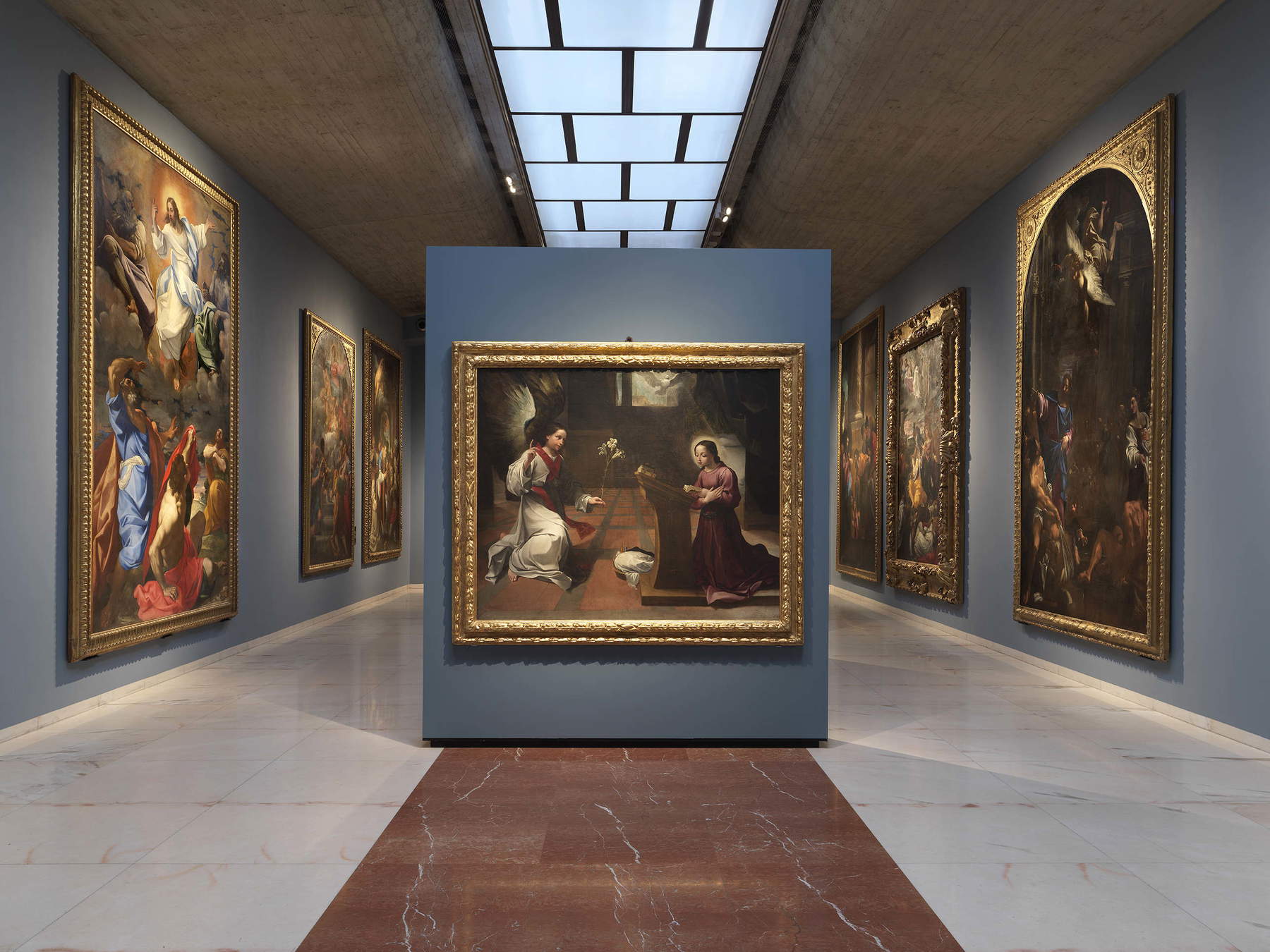
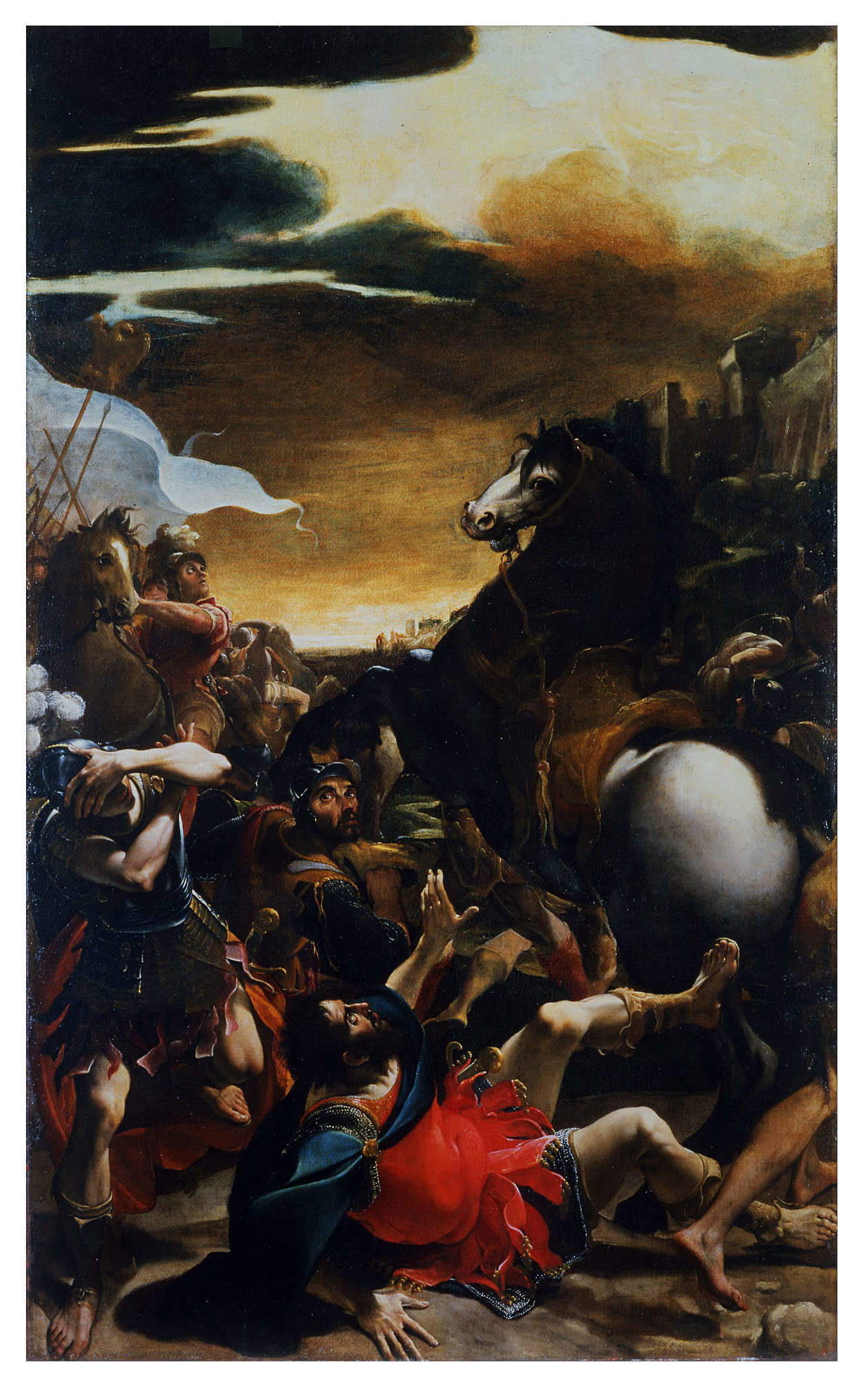
From the ranks of the Accademia dei Carracci would later emerge the golden age of Bolognese painting, dominated by the titanic figures of Guido Reni and Giovan Francesco Barbieri, known as Guercino, but where the presence of women was also strong; in this regard, Lavinia Fontana stands out with her monumental *Portrait of the Gozzadini Family * (located in the room adjacent to the Carracci gallery, where the masterpieces of late Mannerism are displayed) and Elisabetta Sirani, who is credited with founding a painting school exclusively for women in 17th-century Bologna.
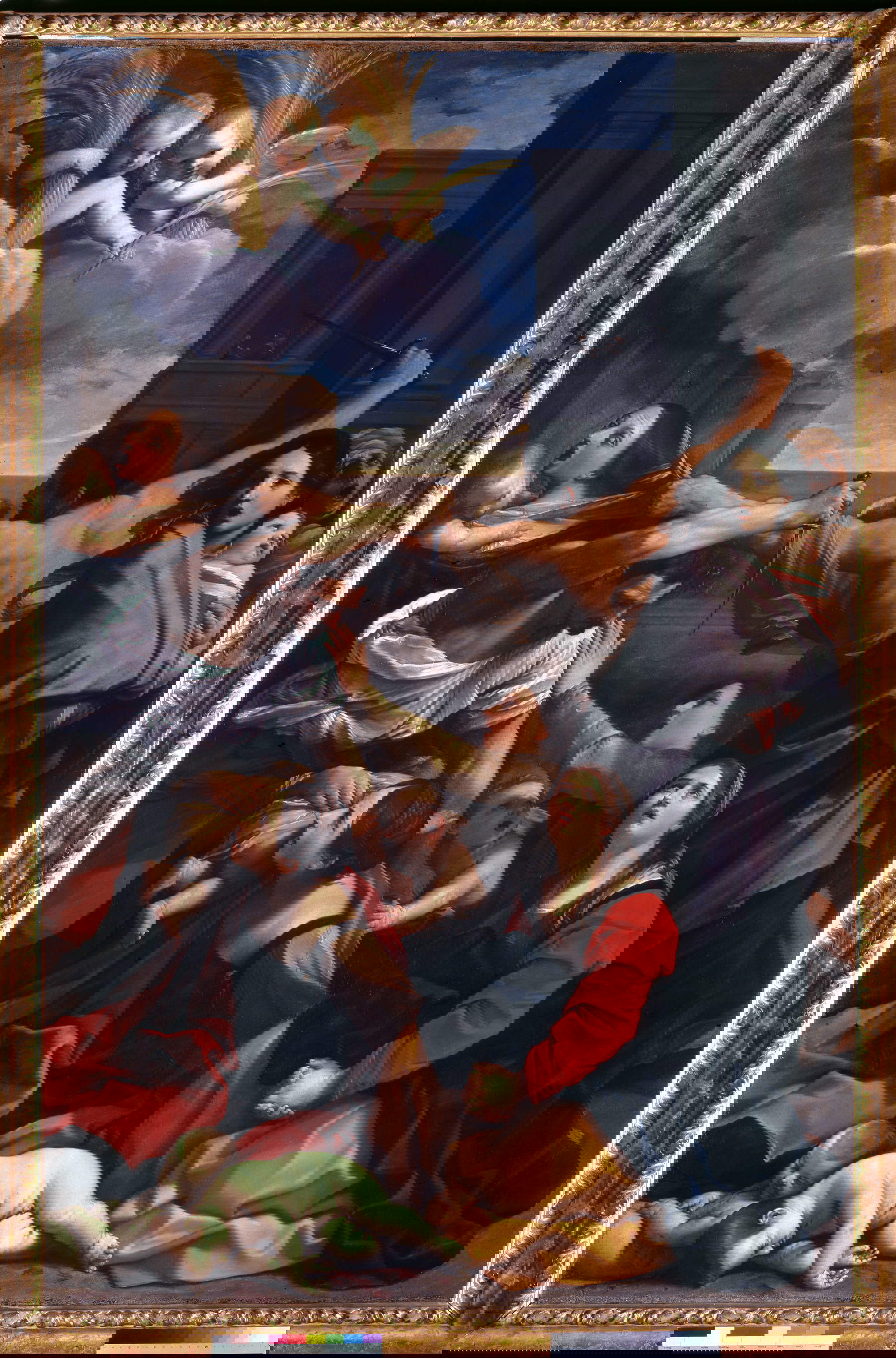
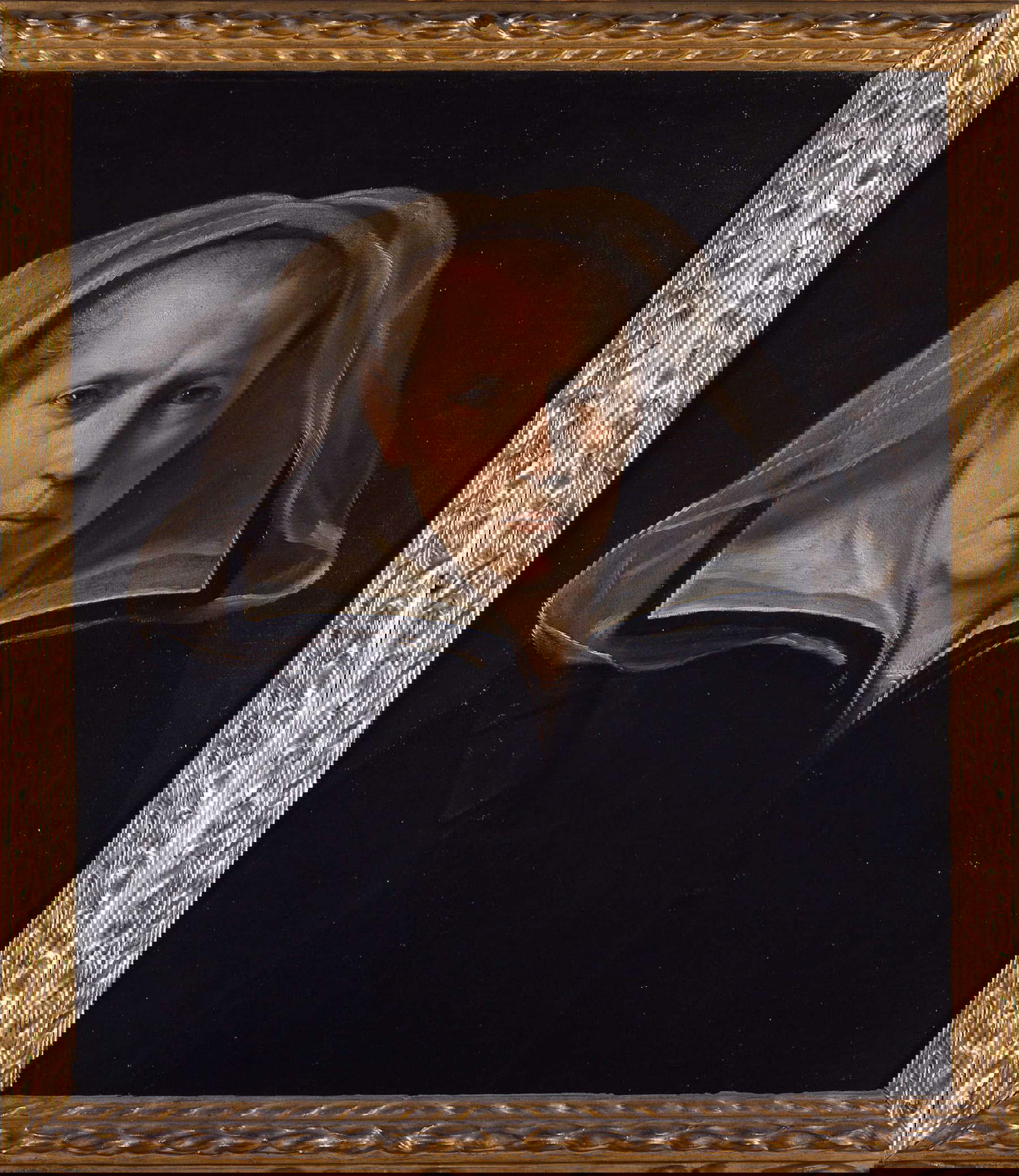
Guido Reni, who trained in the workshop of the Flemish painter Denys Calvaert before joining the Incamminati and then moving to Rome, became a sort of priest of “ideal beauty.” His famous “Massacre of the Innocents,” preserved here, is a masterclass in tragic harmony, with the violence of the massacre recomposed into a geometric structure of infallible balance, while in the hall dedicated to him, large altarpieces stand out, such as the *Pietà dei Mendicanti* and the *Pala della Peste*, both commissioned from the painter by the city (the former by the Bolognese Senate in 1613, and the latter by the City Regiment in 1630), works in which the paint gradually dematerializes until it becomes pure, diaphanous light, almost devoid of material weight. But Reni was also able to reach heights of poignant intimacy in private paintings such as the portrait of his mother, Ginevra Pucci, where filial affection is combined with a realistic and almost ruthless depiction of the elderly woman’s wrinkles.
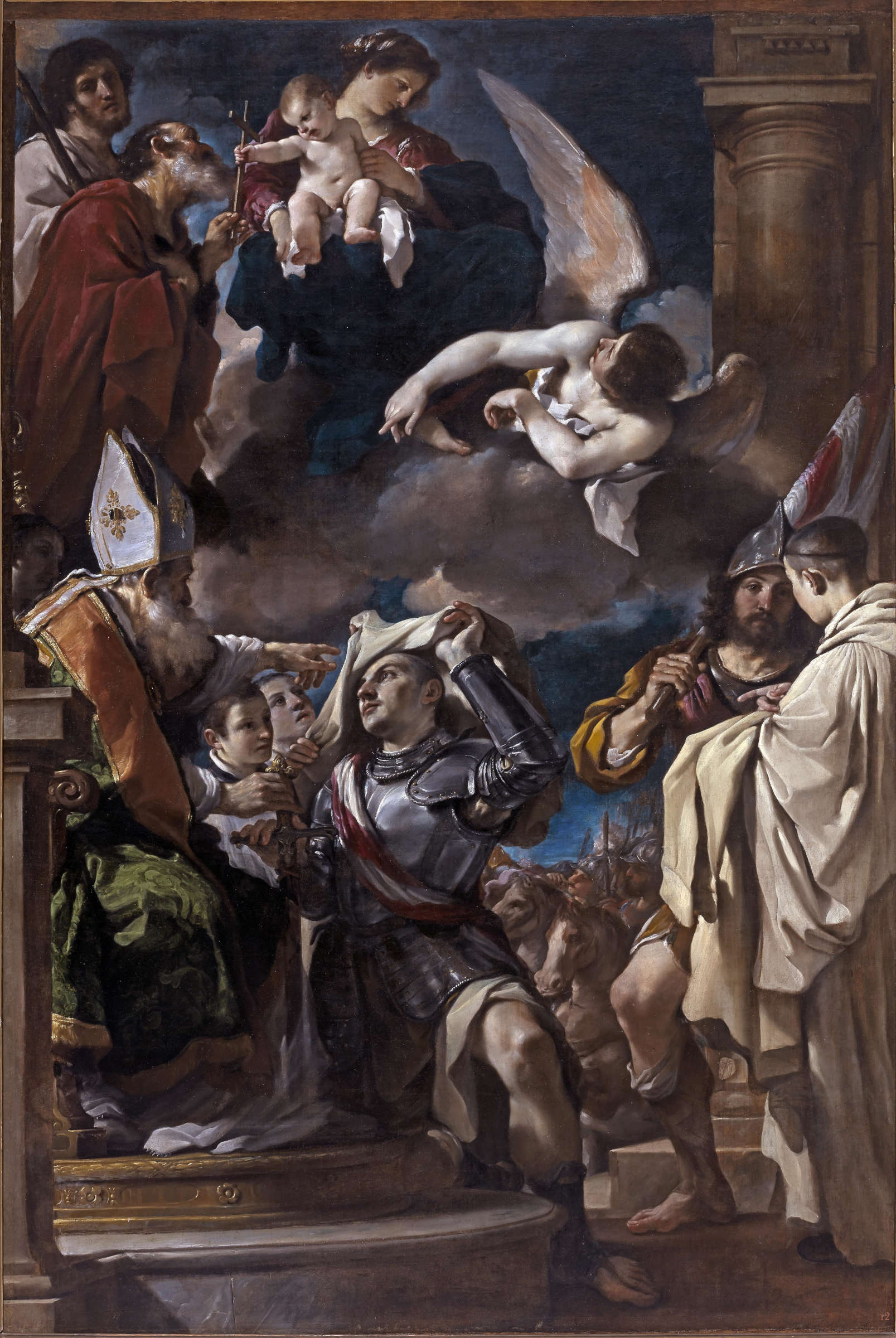
At the opposite end of the spectrum stands Guercino: with no fewer than thirteen autograph paintings, the master from Cento forms one of the museum’s cornerstones, thanks in part to donations from the British art historian Sir Denis Mahon, who led the artist’s critical rediscovery beginning in 1968, establishing himself as the foremost expert on Guercino. When the young painter from Cento arrived in Bologna, Ludovico Carracci was struck by his talent, describing him as “a great draftsman and a master of color [...] a prodigy of nature and a miracle that amazes all who see his works.” Ludovico recognized the extraordinary technical confidence of an artist capable of painting “alla prima”—that is, directly on the canvas—without the need for preparatory drawings (a fact evident not only to the naked eye but also confirmed by modern diagnostic analyses conducted by the University of Bologna). The exhibition spans Guercino’s entire artistic career, from the fresh immediacy of his early *Madonna del Passero* to the dynamic power of *The Vesting of Saint William* (1620), and on to the mature composure of *Saint Bruno in Adoration of the Madonna and Child* (1647).
In the 17th-century galleries— rearranged in 2024 along with those from the 18th century—the altarpiece stands out as the true queen of the museum, so to speak. In Bologna, this genre attained proportions and dignity unknown to other schools, as demonstrated by Alessandro Tiarini’s moving *Lamentation over the Dead Christ*, the canvases by Giacomo Cavedone, tinged with Titianesque hues, and the three monumental altarpieces by Domenichino on display in the Cesare Gnudi Hall, where the tour concludes: the *Martyrdom of Saint Agnes*, the *Madonna of the Rosary*, and the *Martyrdom of Saint Peter of Verona*. This panorama is further enriched by extraordinary works and female perspectives: Artemisia Gentileschi’s *Susanna and the Elders* (a late work by the Tuscan-born artist, dating from 1652) contrasts classicism with a burst of Caravaggesque realism, while the works of Elisabetta Sirani and Simone Cantarini’s austere *Saint Jerome* (a rebellious pupil of Guido Reni and the creator of the famous portrait of his master) confirm the variety of an inexhaustible 17th century.
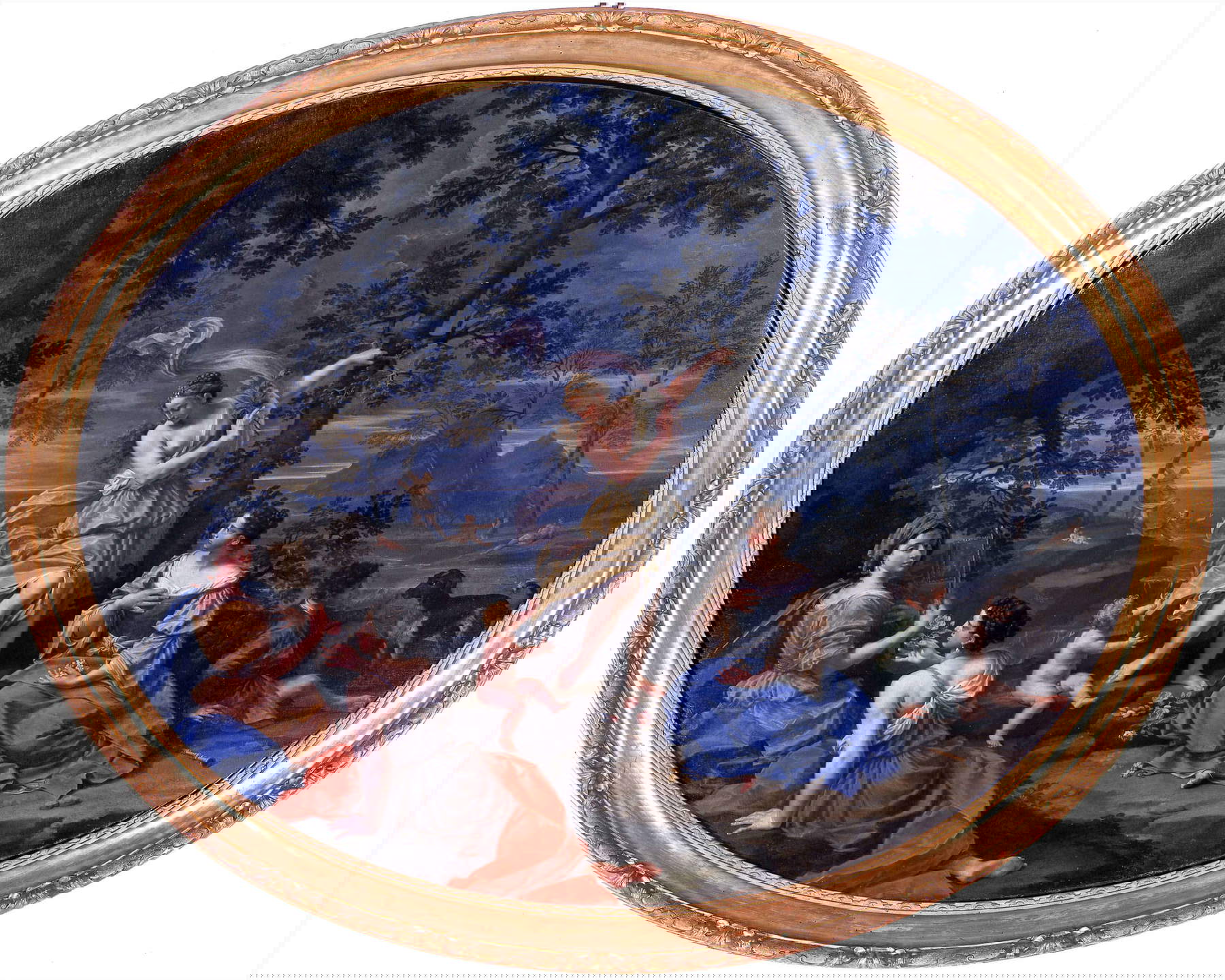
In the 18th century—the period with which the tour of the Pinacoteca concludes (though the museum frequently features in-depth explorations of the 19th and 20th centuries as well as contemporary art)—Bolognese painting split into two distinct and complementary currents: the popular chronicle of everyday life and the figurative escape into the Arcadian idyll. The leading figure of realist painting was Giuseppe Maria Crespi: rejecting academic constraints, Crespi turned his gaze to the working classes with a breadth of composition and a swiftness of brushstroke imbued with human truth: this is evidenced by masterpieces such as *Scene in a Courtyard*, the *Portrait of a Gentleman Known as “The Hunter”*, and the delightful *Girl with a Cat*. This immediate adherence to reality is counterbalanced by the pursuit of grace and tranquility championed by the Accademia d’Arcadia. Marcantonio Franceschini, with his *Four Seasons*, and Donato Creti, with his mythological ovals, embody an ideal of suspended and highly refined beauty. Room 28 also holds the surprise of the Allegorical Tombs, a series conceived by the Irish impresario Owen McSwiny for the residence of the Dukes of Richmond at Goodwood House to celebrate the heroes of English history (including the Duke of Marlborough, John Locke, and Thomas Sydenham), involving a team of specialists such as Creti, Francesco Monti, the Mirandolese, and Nunzio Ferraiuoli. The journey through the century concludes with the scenic backdrops by Vittorio Maria Bigari and the great era of the Gandolfi brothers (Gaetano, Ubaldo, and Mauro), whose monumental masterpiece, Gaetano’s “The Wedding at Cana,” greets visitors as they ascend the grand staircase.
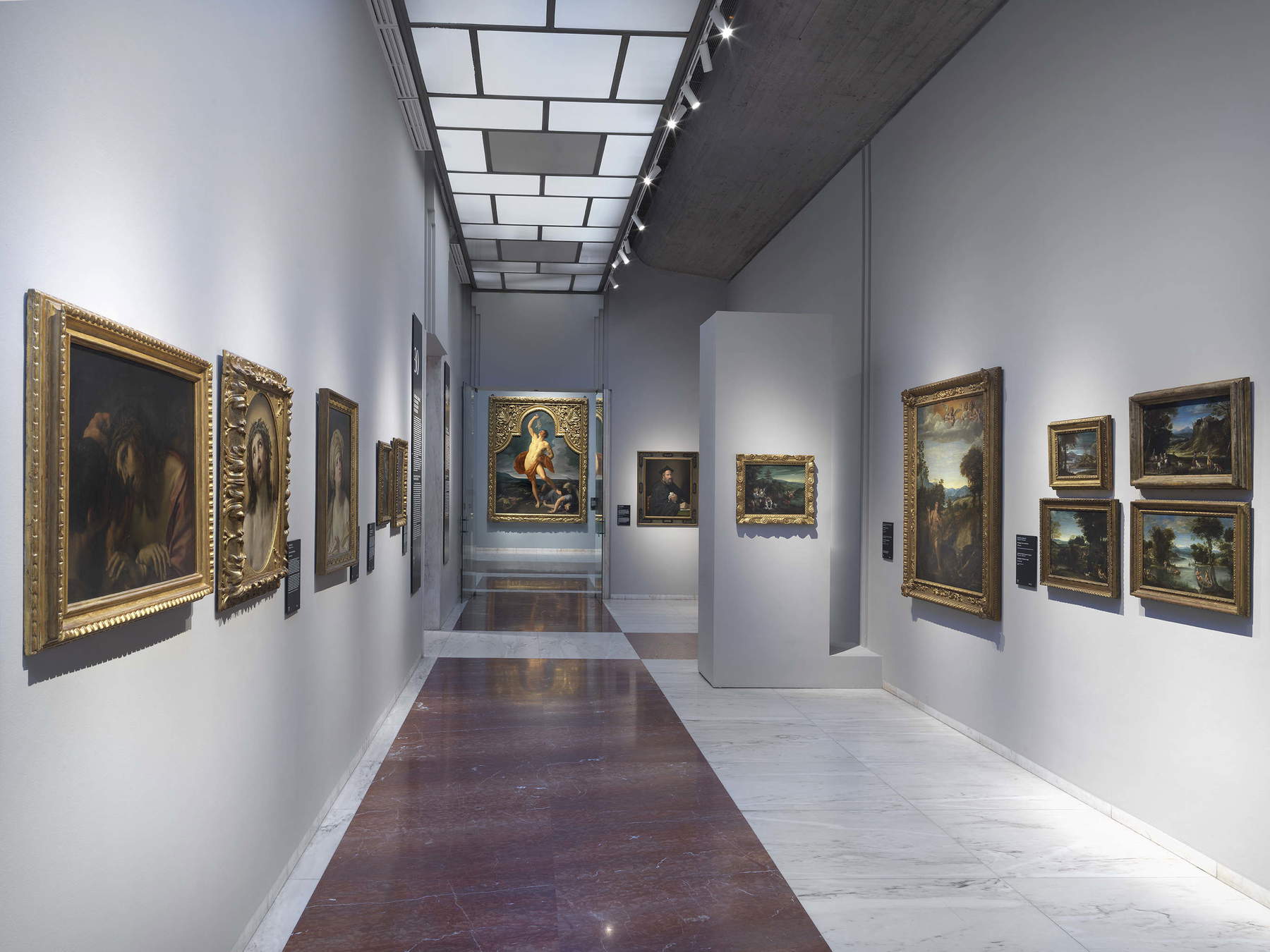
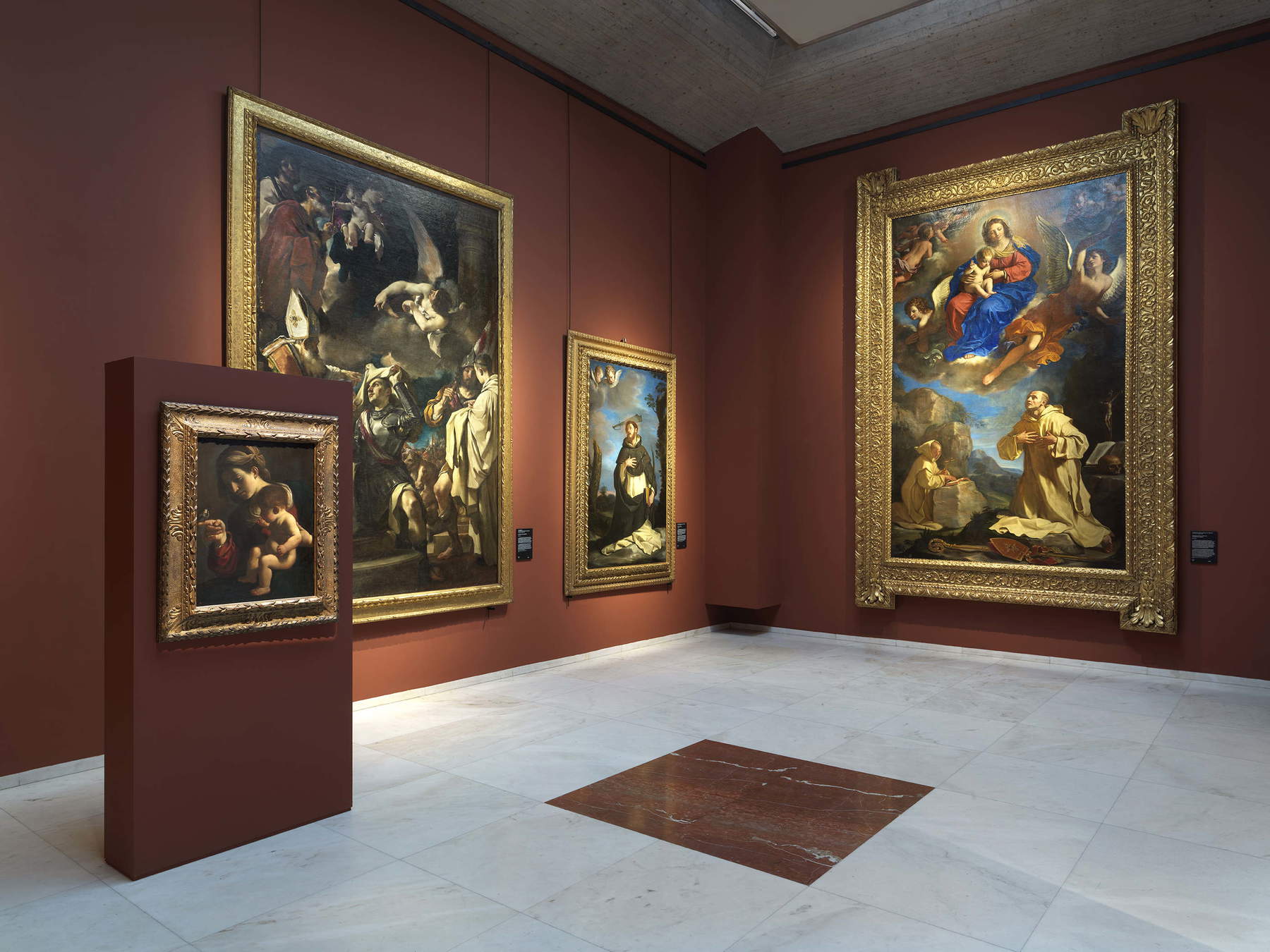
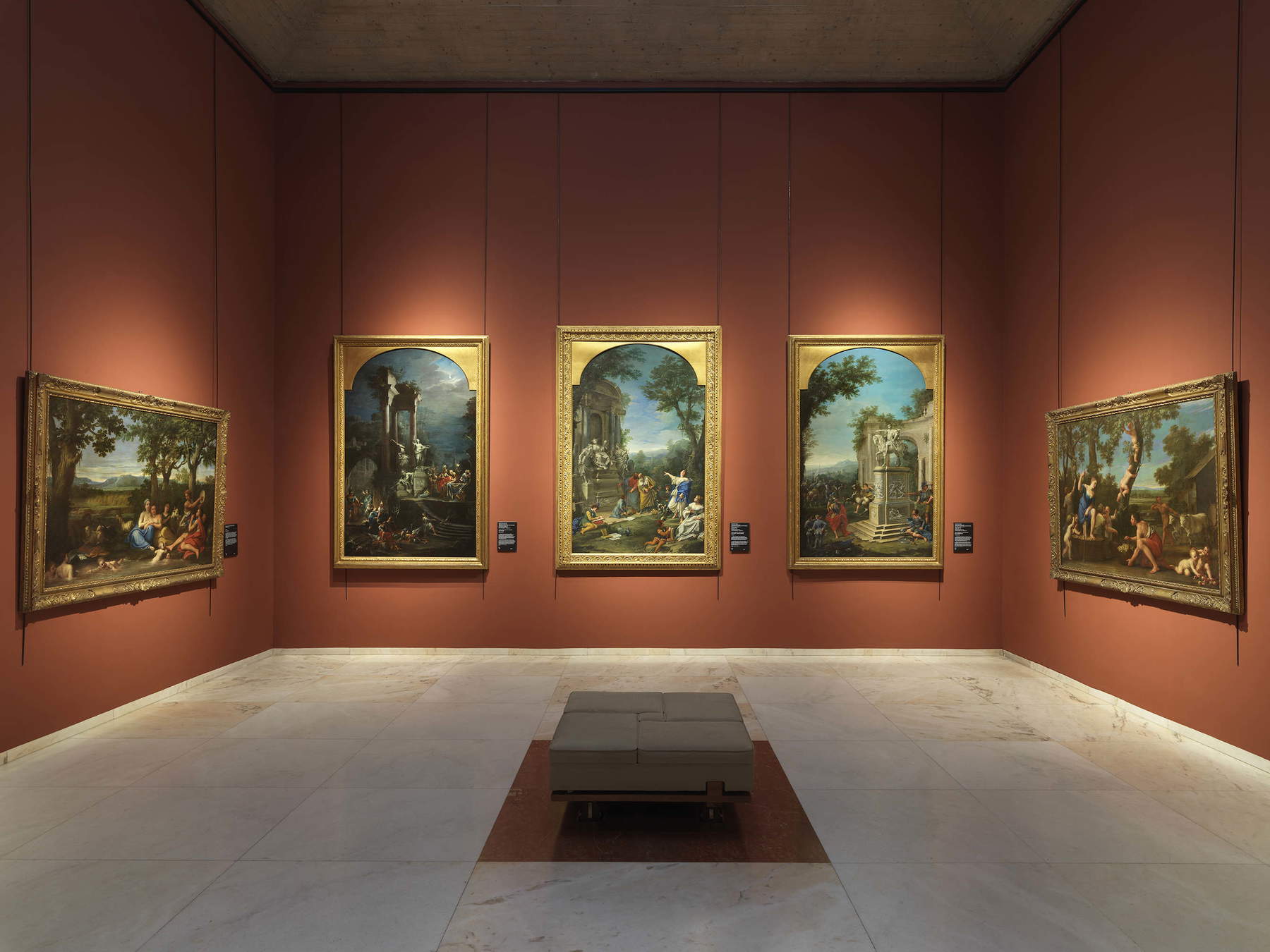
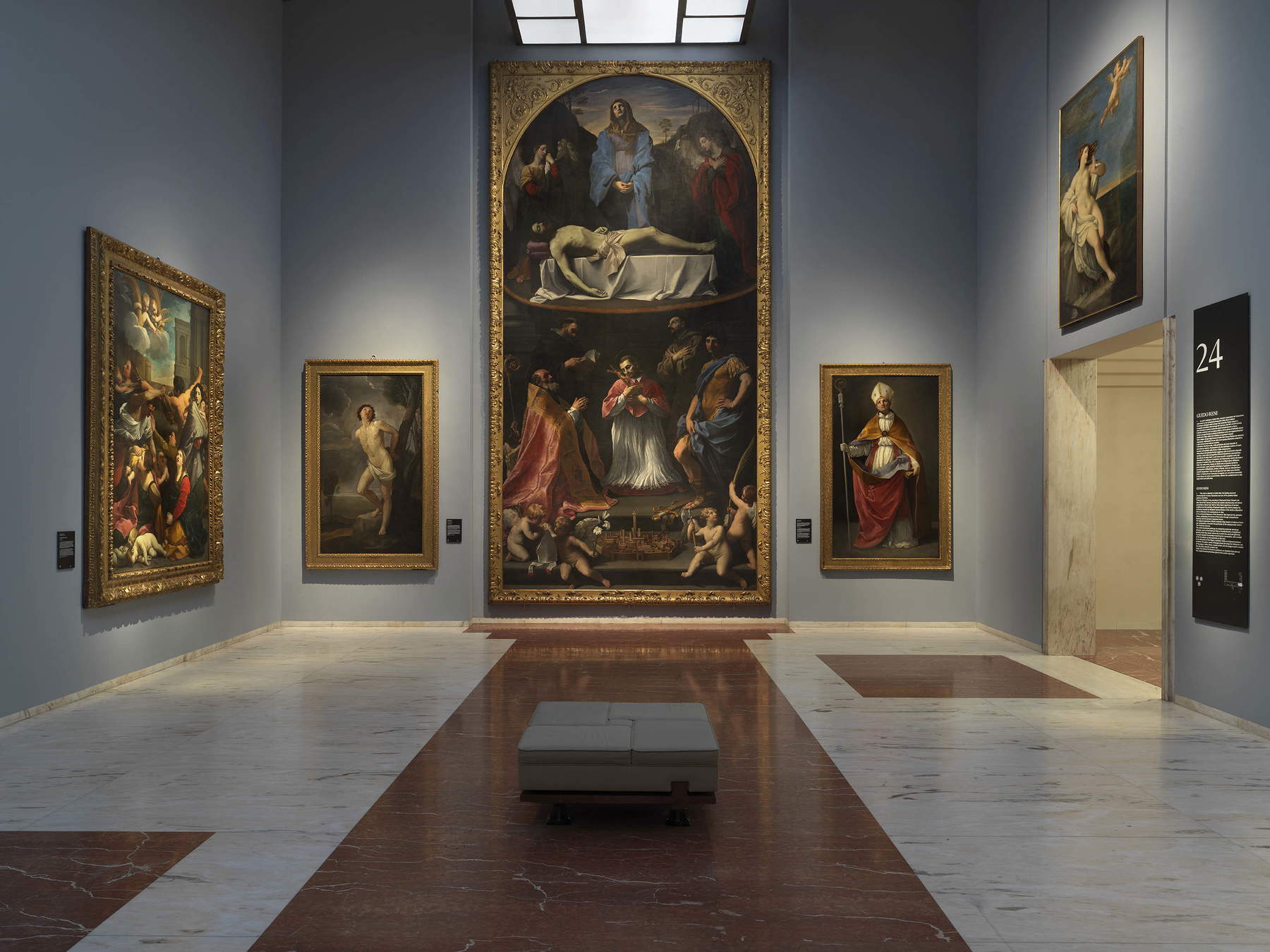
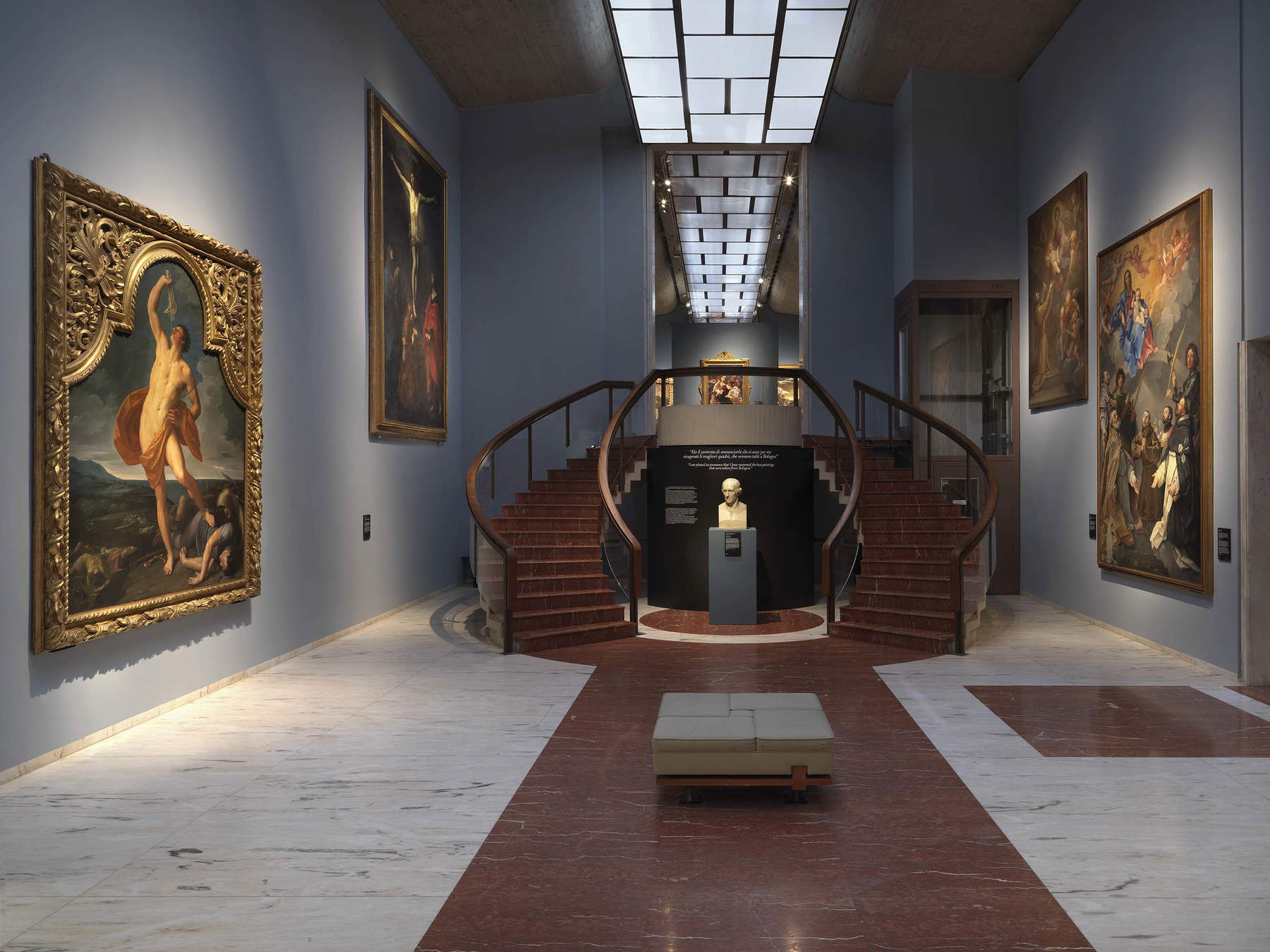
Finally, understanding the Pinacoteca also means tracing the historical journey of the building that houses it. The building on Via delle Belle Arti began as a Jesuit novitiate dedicated to Saint Ignatius, constructed between 1728 and 1735 based on a design by architect Alfonso Torreggiani. In 1796, with the arrival of Napoleon’s troops and the suppression of religious orders, the 18th-century Accademia Clementina was transformed into the Academy of Fine Arts and began to collect paintings confiscated from the city’s churches; thereafter, in 1803, the institution moved into the former novitiate, and in 1808 the picture gallery was officially established; its collection was later expanded through the confiscation of state-owned assets in 1866 until it gained autonomy in 1882. After a long period during which the Pinacoteca operated as a museum under the Bologna Superintendency, with the Franceschini reform of 2014 it first became a museum affiliated with the Emilia-Romagna museum network, and subsequently, in 2019, it became one of the autonomous museums under the Ministry of Culture.
The museum spaces reflect a layered history of significant renovations: between 1914 and 1920, Edoardo Collamarini built the Octagonal Hall, while between the 1960s and 1974, architect Leone Pancaldi, in collaboration with the long-time director Cesare Gnudi, redesigned the exhibition layout by creating the grand staircase in the former Novitiate Chapel, where visitors can admire Giuseppe Barbieri’s fresco *The Glory of Saint Ignatius *. In the inner courtyard, the sandstone cistern stands out—carved in 1587 by Francesco Morandi, known as “il Terribilia,” and originally located in the Town Hall.
Of the highest order isthe exhibition in Room 8, where—a unique case in the national museum landscape— an entire cycle of 14th-century frescoes, those removed from the church of Santa Maria di Mezzaratta, has been reassembled. Begun by Vitale da Bologna withThe Annunciation, The Nativity, and The Virgin’s Dream, the frescoes have been reinstalled to replicate the interior space of the oratory, while the adjacent Room 7 houses the preparatory sinopias.
The collection is rounded out by the Department of Drawings and Prints, which houses over 9,000 sheets (from Agostino Carracci to Vasari, from Andrea Appiani to the Galliari notebooks) and a collection of graphic art enriched in 2002 by the acquisition of the Luciana Tabarroni collection, containing 1,948 engravings by 20th-century European masters such as Cézanne, Picasso, Schiele, Klee, Boccioni, Morandi, and Bacon.
Today, the Pinacoteca looks to the future: in addition to the works on display at its Via delle Belle Arti location, the museum holds nearly 1,000 paintings in its storage facilities. This hidden treasure will soon be accessible in the galleries of Palazzo Pepoli Campogrande, the museum’s second location on Via Castiglione, which is scheduled to reopen to the public following restoration work between late 2026 and the very first months of 2027, as part of the four-year plan promoted by Director Luigi Gallo to make the museum increasingly integrated into the vibrant fabric of the city.
Warning: the translation into English of the original Italian article was created using automatic tools. We undertake to review all articles, but we do not guarantee the total absence of inaccuracies in the translation due to the program. You can find the original by clicking on the ITA button. If you find any mistake,please contact us.