



by Redazione 21/10/2026


Categories: Ancient art / Disclaimer
The Friends of the Uffizi purchased a tondo by Luca Giordano, dated circa 1685 and depicting Christ and the Samaritan Woman, at TEFAF Maastricht 2026 and donated it to the Uffizi. The work was created in Florence using a special fresco technique on a removable wicker panel.


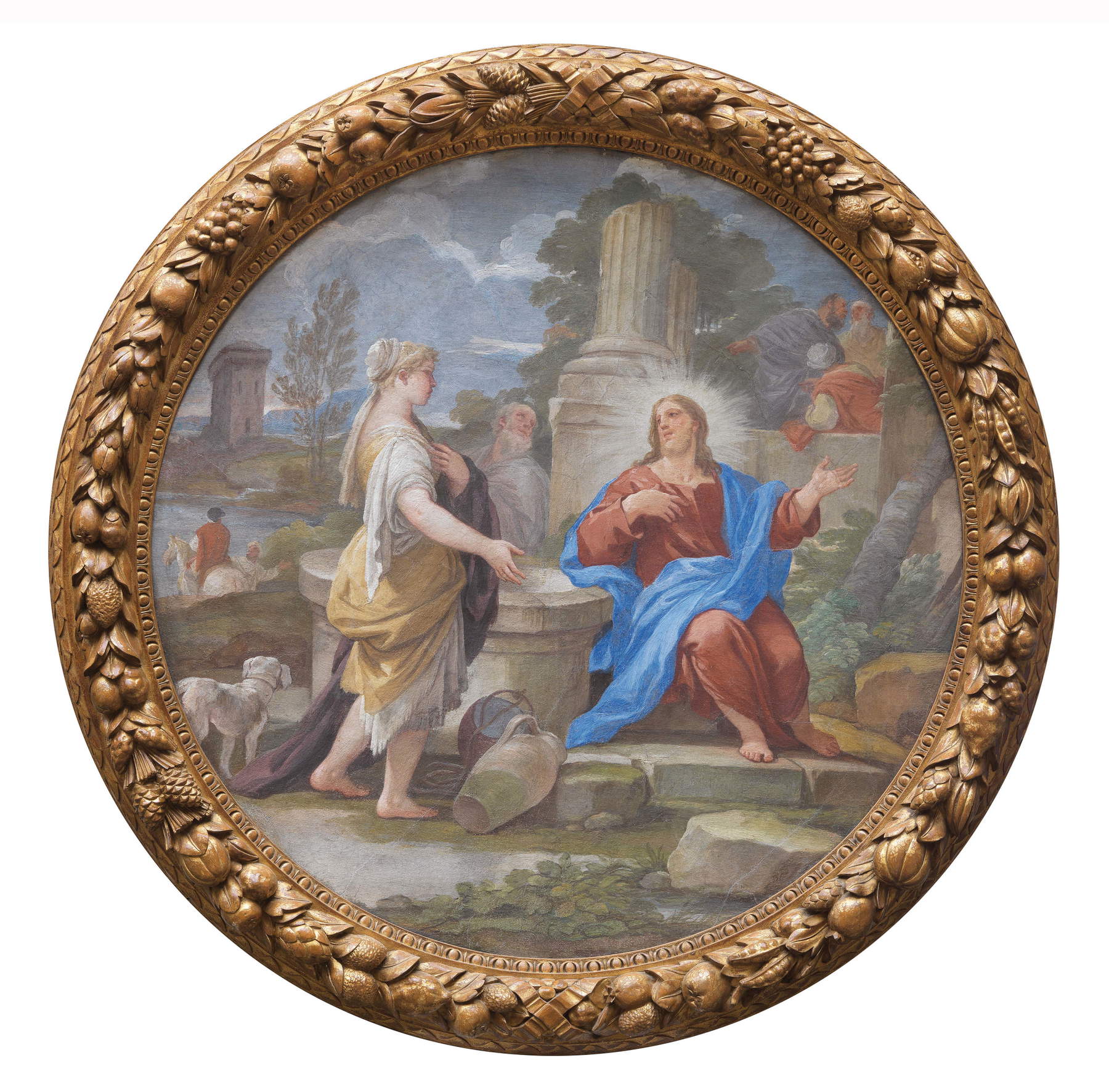
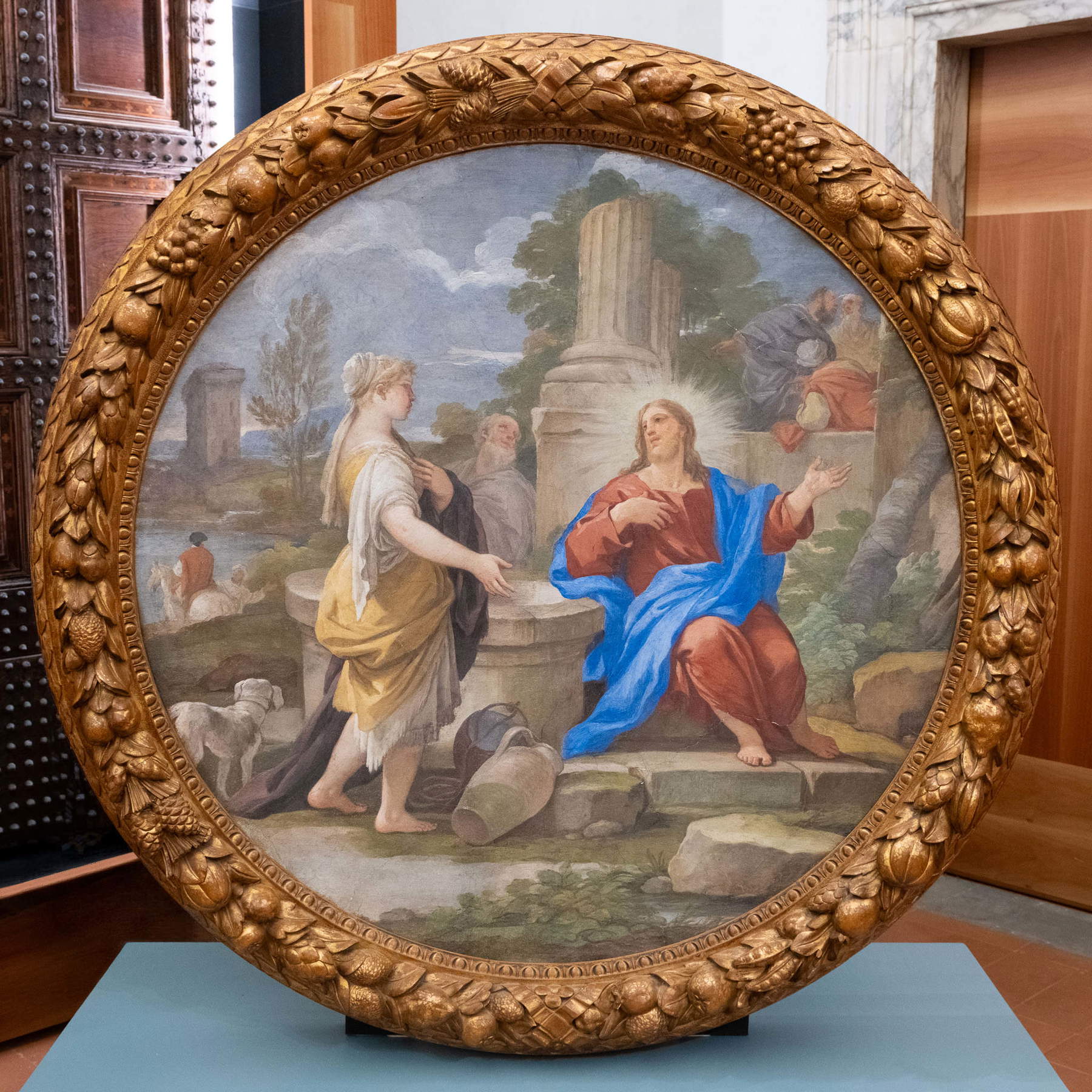
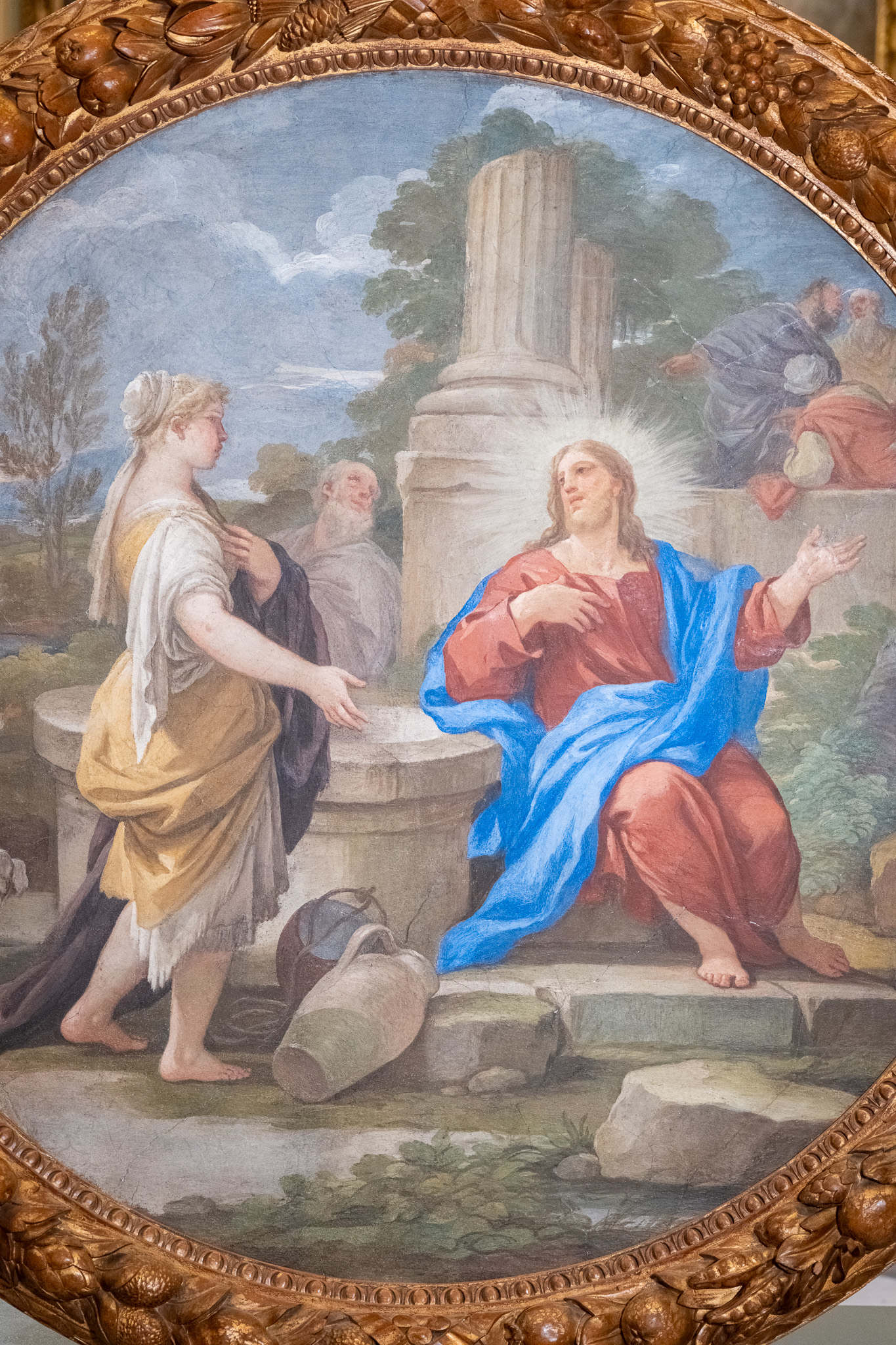
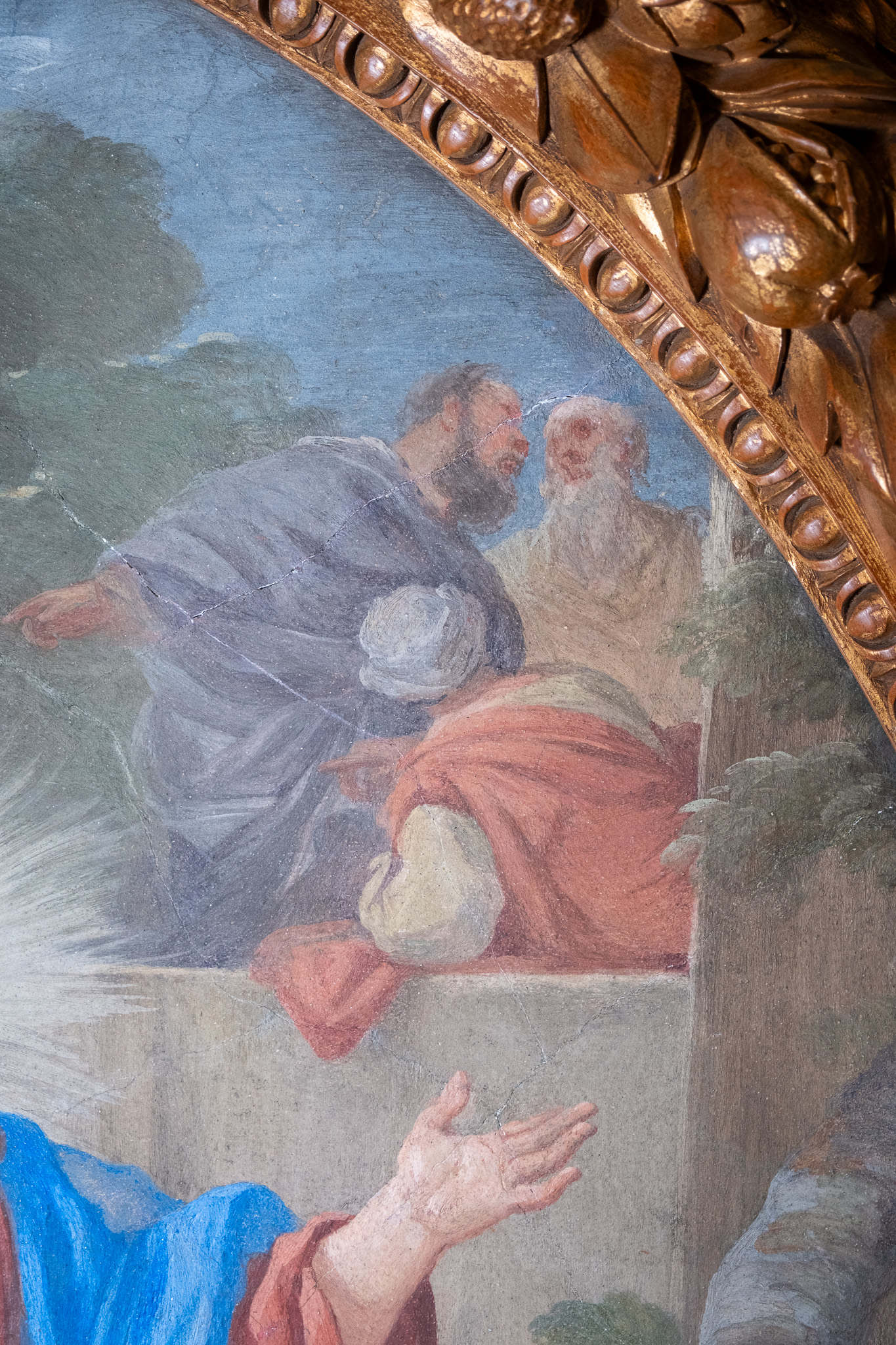
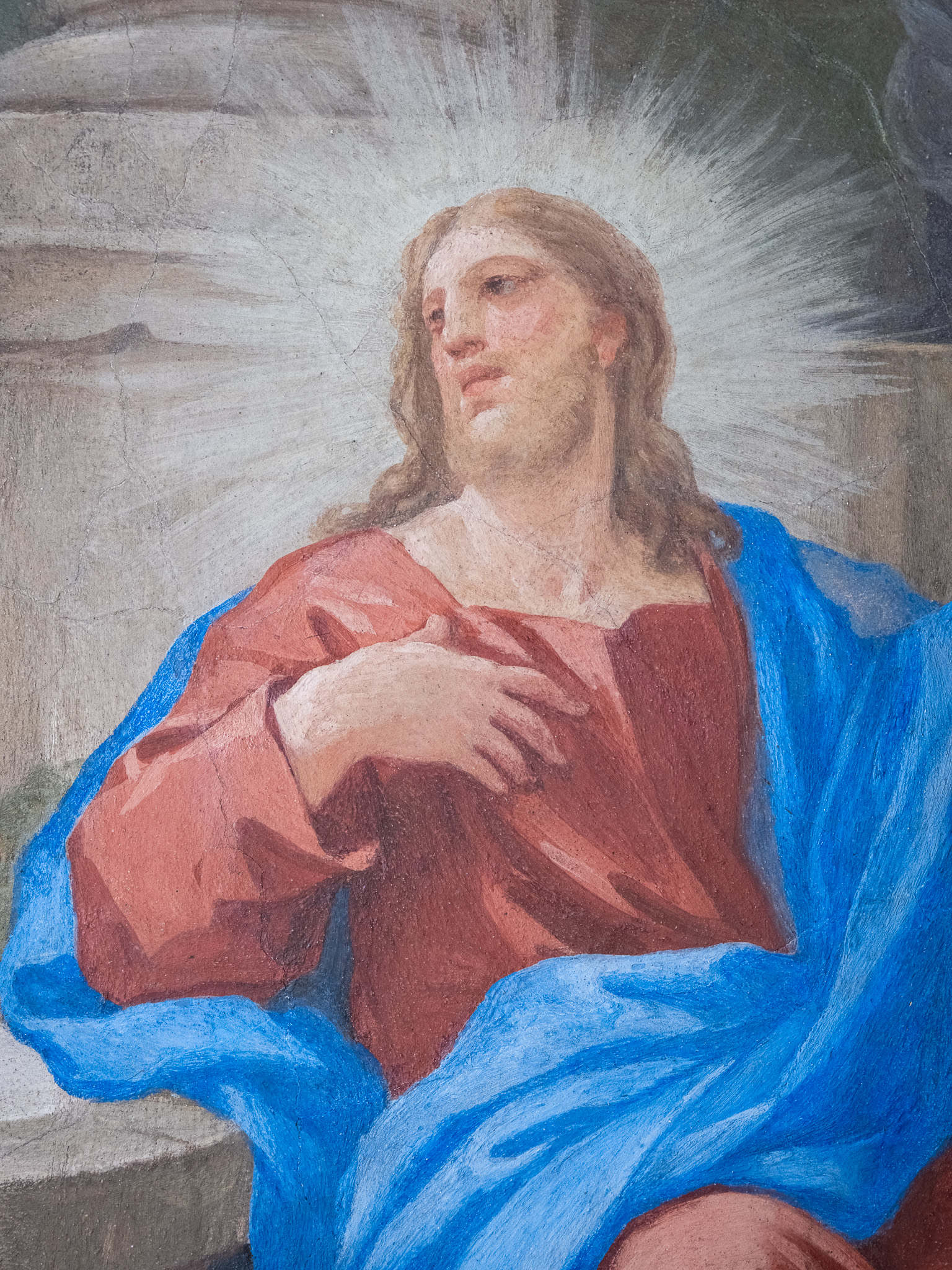
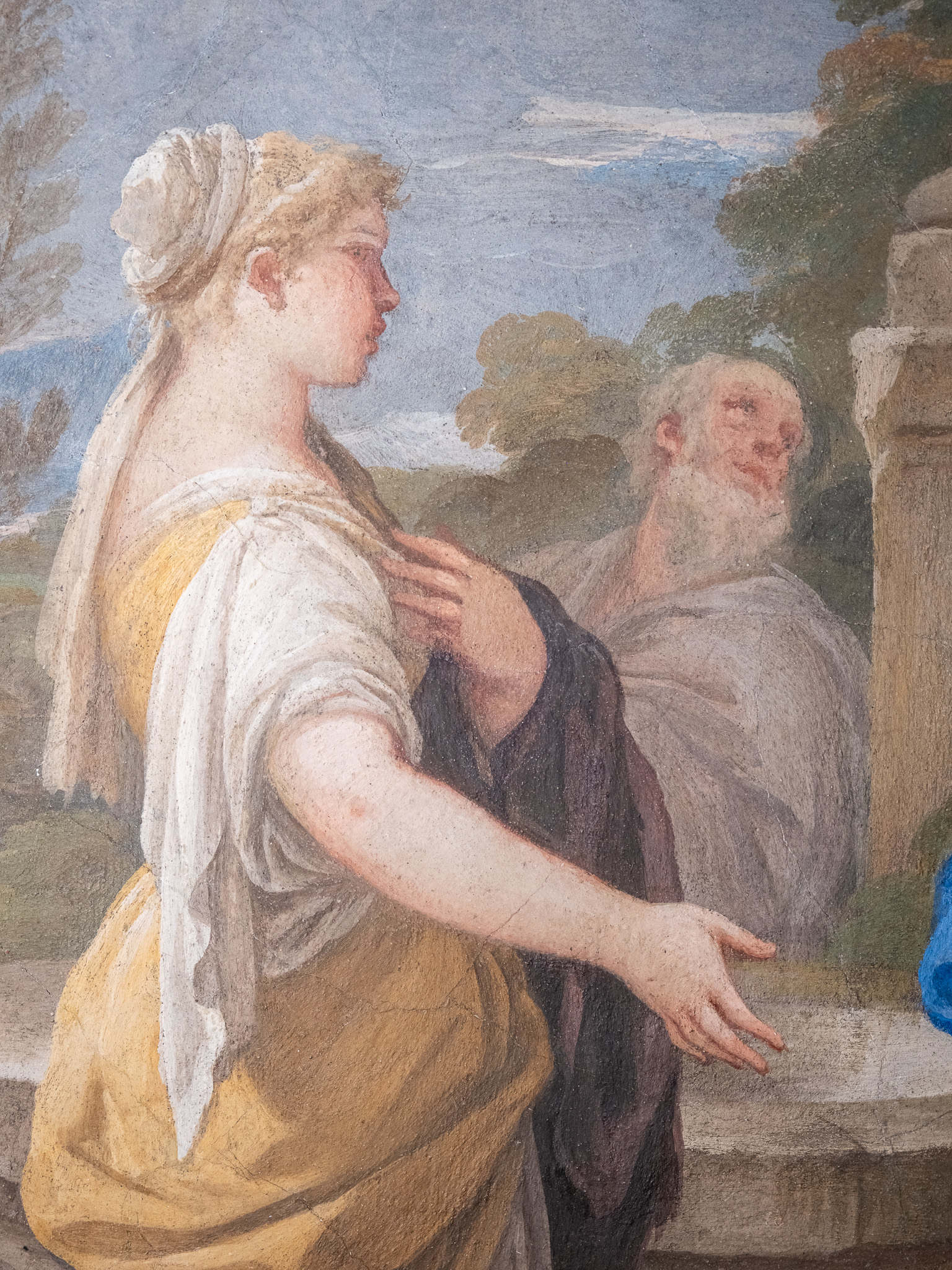
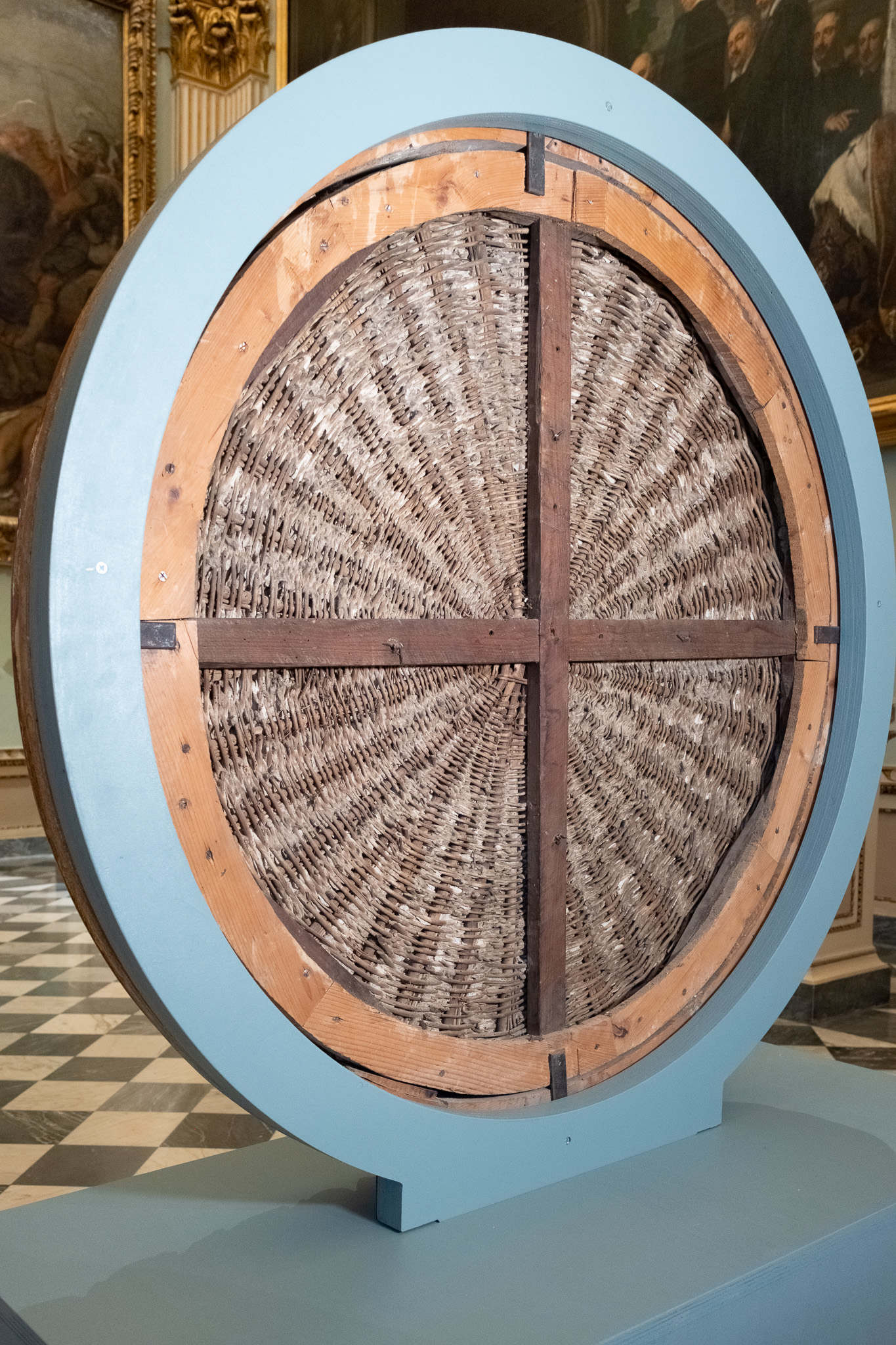
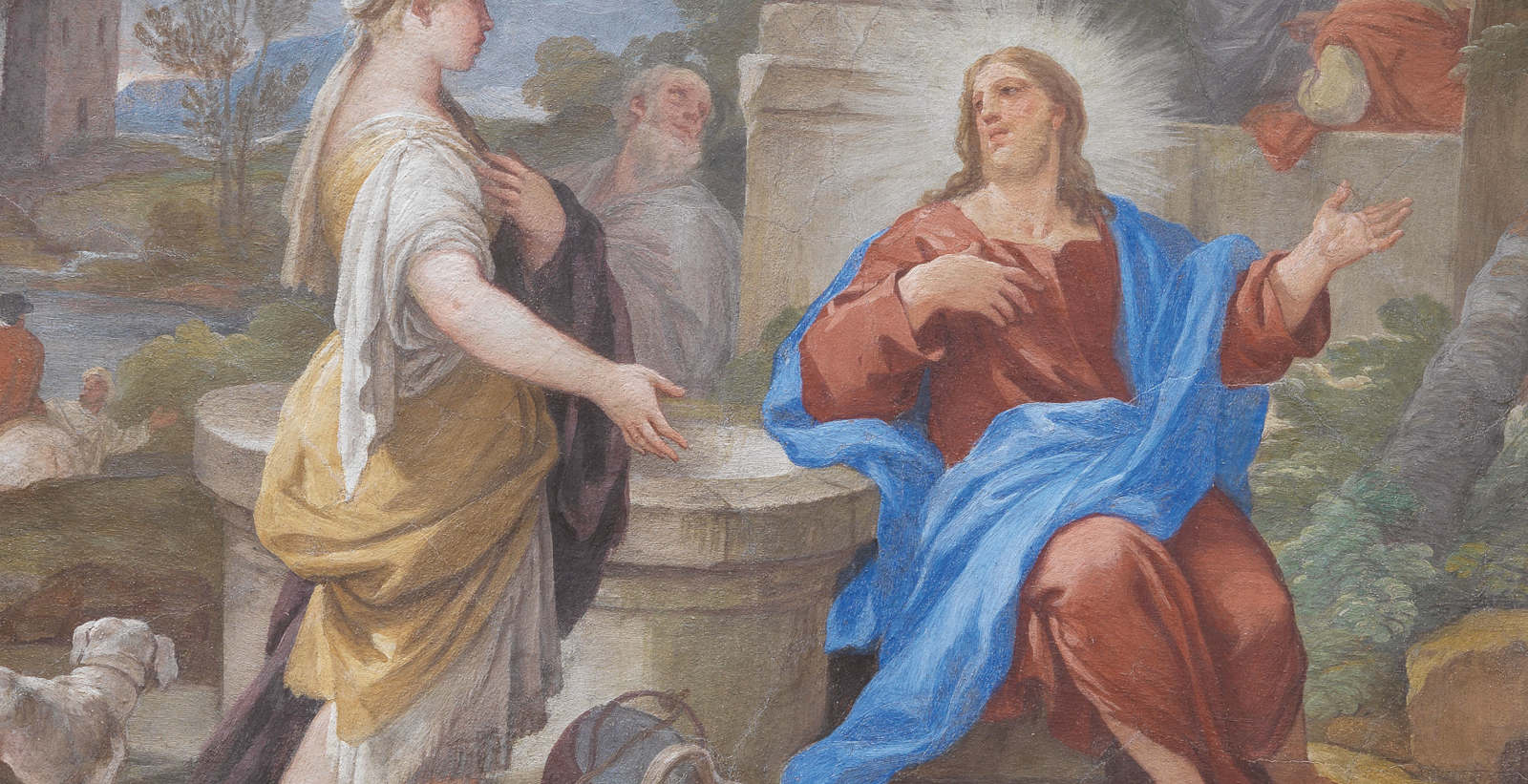
A rare fresco painted on a round wicker mat, rather than on a wall, canvas, panel, or any other traditional support: this is what makes *Christ and the Samaritan Woman*, a work by Luca Giordano (Naples, 1634 –1705), which is now part of the Uffizi Galleries’ collection thanks to a donation from the Amici degli Uffizi – Friends of Uffizi Galleries. The tondo, with a diameter of 111 centimeters, was painted in Florence around 1685, during the Neapolitan painter’s stay in the city, and was acquired by the association at the 2026 edition of TEFAF in Maastricht.

The work, which depicts the encounter between Christ and the Samaritan Woman at Jacob’s Well, bears witness to the relationship between Giordano and Florence in the second half of the 17th century. Its uniqueness lies not only in the technique used: the painting is in fact part of a series of four tondos commissioned from the artist by Andrea Del Rosso, a member of a noble Florentine family, and created during the painter’s stay at Palazzo Del Rosso. Another work from the same series, *Christ Among the Scribes*, is now housed at the Institute of Art in Minneapolis.
This donation enriches the Uffizi’s collection with a work that documents the presence in Tuscany of one of the leading figures of 17th-century Neapolitan painting. The painting will be displayed in the first-floor galleries dedicated to 17th-century painting, which are set to open soon, where it can be viewed alongside works by artists active in Florence during the same period.


*Christ and the Samaritan Woman* was part of a series of four circular paintings commissioned from Andrea Del Rosso, a member of a noble Florentine family, who entrusted Giordano with their execution during the artist’s stay in the city. The cycle was executed at Palazzo Del Rosso itself, and the painting donated to the Uffizi is one of the examples known today. Another tondo from the series, *Christ Among the Scribes*, is housed at the Institute of Art in Minneapolis. The presence of works attributable to the same series in different collections makes it possible to reconstruct, at least in part, the story behind a commission linked to Florentine aristocratic patronage.
The “paniera” technique and Luca Giordano’s speed
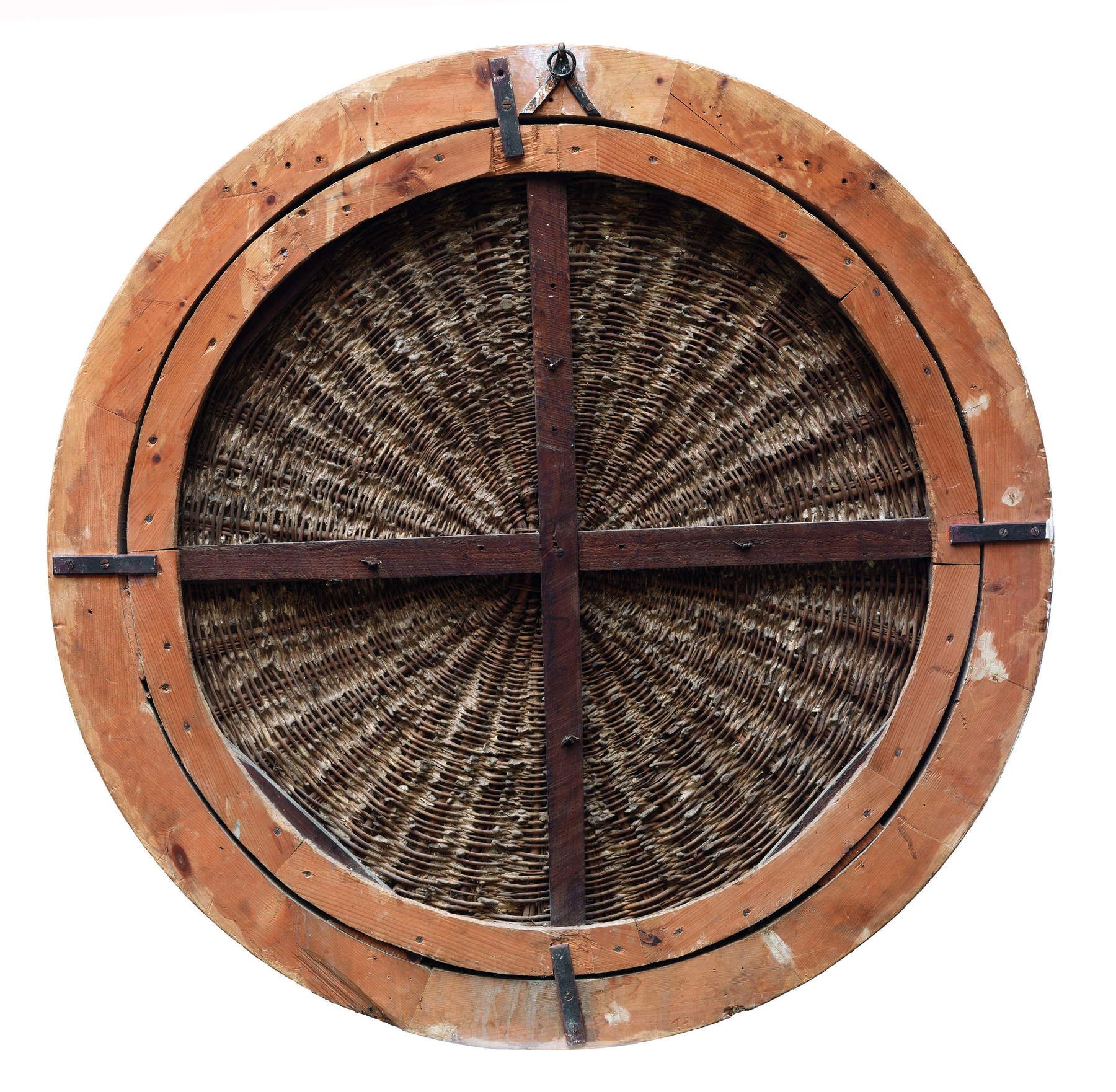
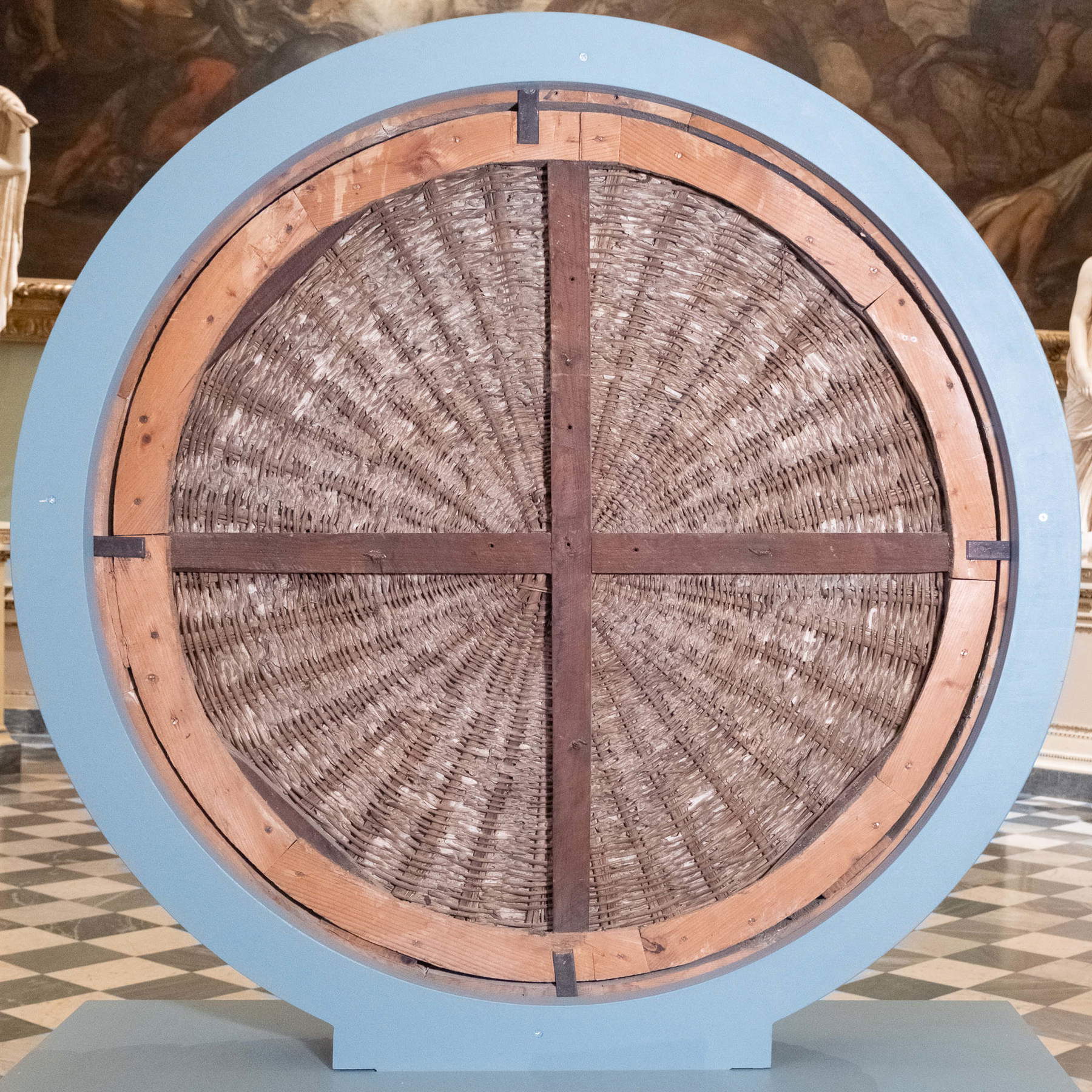
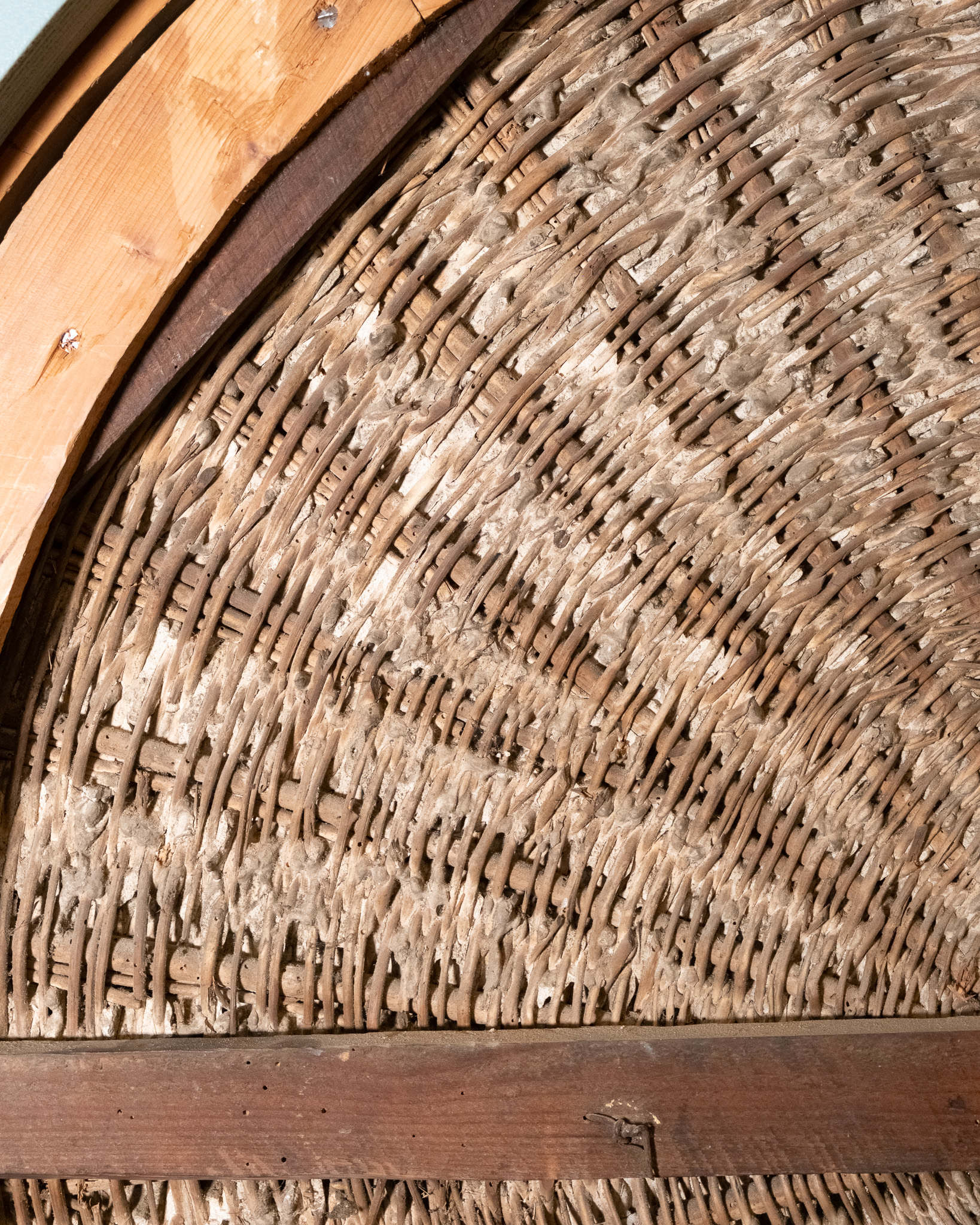
As mentioned earlier, the painting’s distinctive material characteristic lies in the support on which it was created. It is a so-called “paniera, ” a circular wicker mat on which the fresco painting was executed. This lightweight, portable support made it possible to transfer the decoration without having to apply it directly to a wall. The technique had been used in Florence by Giovanni da San Giovanni and other masters and was also adopted by Giordano during his stay in the city.
The Neapolitan artist was known for the speed with which he was able to execute his works, so much so that he was nicknamed “Luca fa presto” (according to tradition, even *Christ and the Samaritan Woman* was completed in just two days: the painting stands out for its spontaneous composition and its bright, luminous tones, which recall the style of Pietro da Cortona).
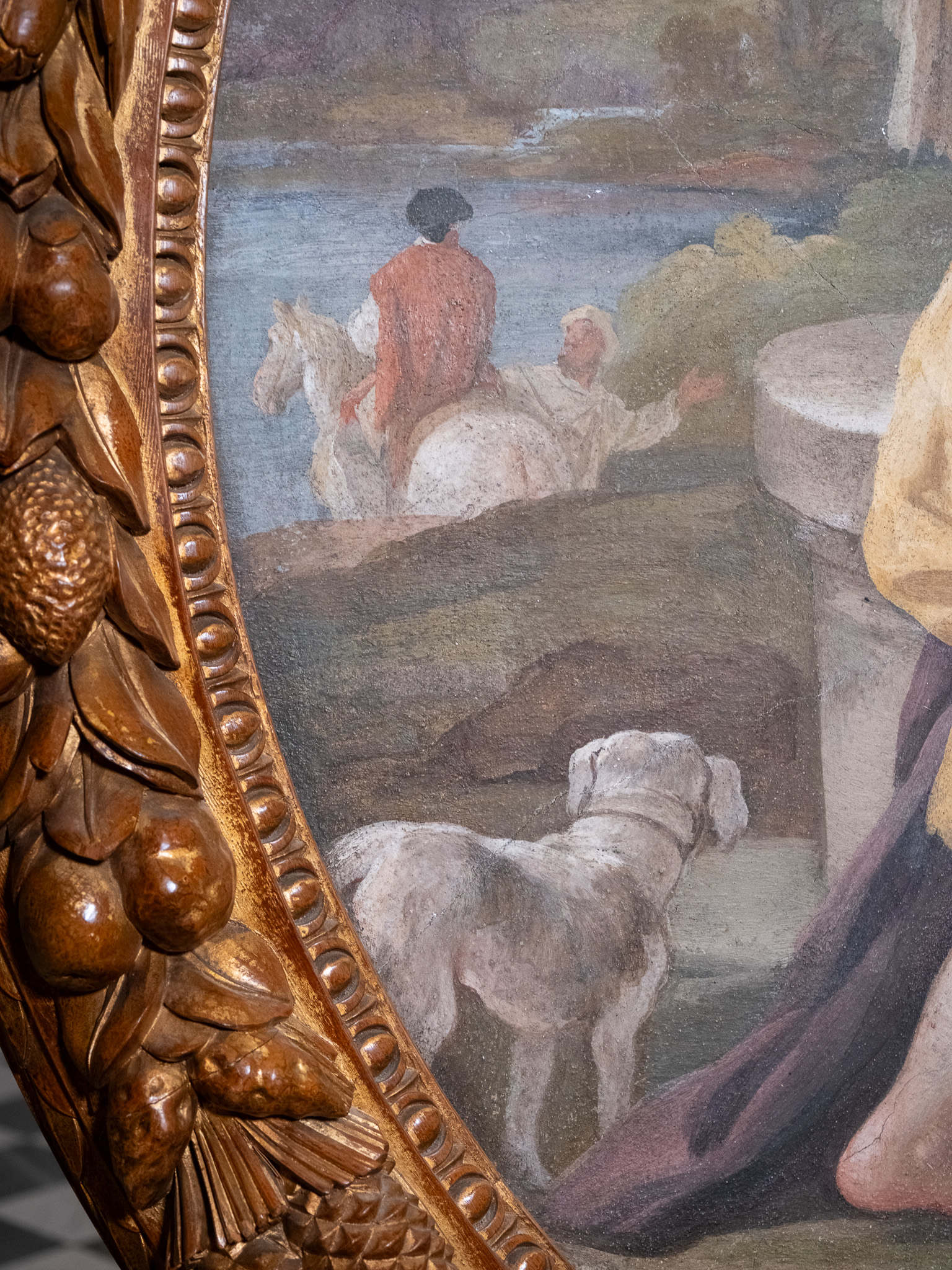
The subject of the work is drawn from the Gospel of John and depicts Jesus’ encounter with the Samaritan woman near Jacob’s well. The scene, rendered through a composition of great freshness, reveals Giordano’s ability to approach sacred painting with a dynamic and luminous style.
His Connection to Florence and the Frescoes at Palazzo Medici Riccardi
The addition of this tondo to the Uffizi’s collections is particularly significant due to its connection to one of Luca Giordano’s major Florentine commissions: the decoration of the hall on the piano nobile of Palazzo Medici Riccardi, a masterpiece by the Neapolitan painter. In this space, the artist created a cycle of frescoes in which the scenes unfold in a continuous narrative, following an approach reminiscent of that adopted by Pietro da Cortona in the Stanze dei Pianeti at Palazzo Pitti.
The cycle at Palazzo Medici Riccardi represents a significant milestone in the history of monumental decoration, as it is the first example of a large-scale decorative work without a painted architectural framework, and the tondo depicting Christ and the Samaritan Woman was executed precisely during the final phase of work on the palace: its acquisition thus allows the Uffizi collection to be linked to an important moment in the artist’s Florentine career.
Giordano quickly gained the favor of the city’s nobility and also worked on the Corsini Chapel at the Carmine. The Uffizi already holds one of his Self-Portraits, and in 2015 it acquired the sketch for the chapel’s frescoes on the occasion of the Palazzo Corsini Antiques Biennial.
The new work thus forms part of an effort to document the presence in Florence of artists from other Italian cities, helping to shed light on the relationships between the local painting tradition and the internationally influenced Baroque style. When it is exhibited in the new first-floor galleries dedicated to 17th-century painting, the tondo can be compared with works by artists active in Florence during the same period and will help illustrate the exchanges and influences that characterized Italian Baroque painting.
 |
| A rare painting by Luca Giordano—a fresco on a wicker mat—acquired by the Uffizi |
Warning: the translation into English of the original Italian article was created using automatic tools. We undertake to review all articles, but we do not guarantee the total absence of inaccuracies in the translation due to the program. You can find the original by clicking on the ITA button. If you find any mistake,please contact us.