





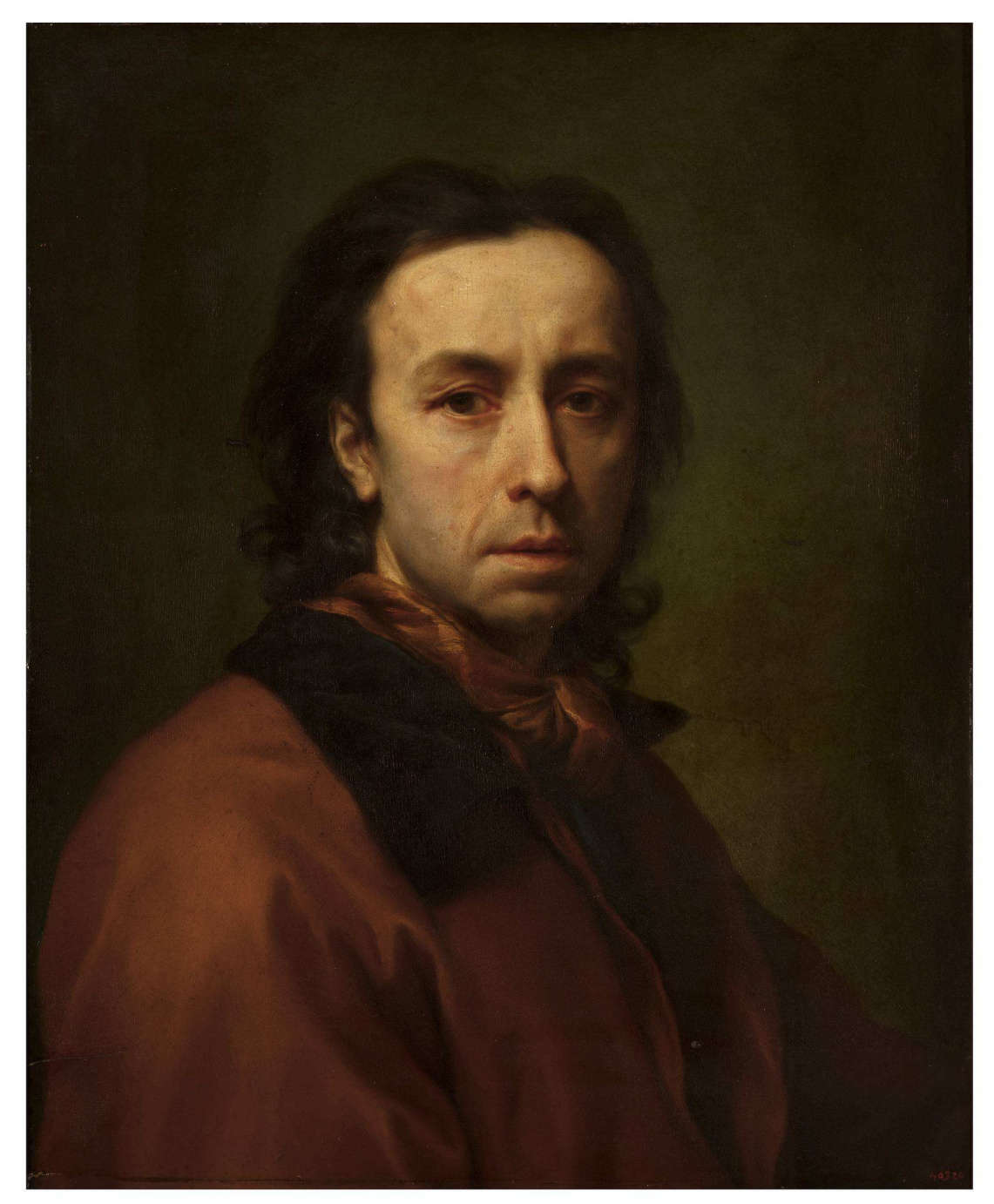
Two major acquisitions for the Museu Nacional d’Art de Catalunya in Barcelona: The Department of Culture of Catalonia has acquired two particularly valuable paintings for its collections: *Bodegón del molinillo de chocolate* ( “Still Life with a Chocolate Grinder”), painted by Juan de Zurbarán (Llerena, 1620 – Seville, 1649) in 1640, and a Self-Portrait by Anton Raphael Mengs (Aussig, 1728 – Rome, 1779), painted around 1775. The two works have been added to the public collections through a dation (a mechanism that allows for the settlement of a debt or tax liability through the transfer of assets) valued at 1.6 million euros, enriching the Catalan collections with two significant works.
The acquisition holds particular significance, especially for the painting by Juan de Zurbarán, which originally belonged to the collection of Francesc Cambó, one of the great historical collections in Catalan art history. In fact, *Bodegón del molinillo de chocolate* had been donated by Cambó to his lawyer, Josep Bertran i Musitu, as a token of gratitude for services rendered. The work thus comes from the Bertran family collection, an important Catalan private collection specializing in Hispanic art and European Baroque, built up over several generations.
The painting’s return to the public collection thus restores to Catalonia’s cultural heritage a work that had been part of a fundamental core of the region’s collecting history. The *Bodegón del molinillo de chocolate* will also be integrated into the group of works from the Cambó Collection already held at the Museu Nacional d’Art de Catalunya, strengthening the presence of that historic collection within the museum.
The two works were selected and studied by the Museu Nacional d’Art de Catalunya, which proposed their inclusion in Catalonia’s collections based on their quality, their uniqueness, and their ability to enrich Catalonia’s public collections. The technical reports prepared by the museum and those from the Service of Museums and Protection of Movable Property of the General Directorate of Cultural Heritage have also highlighted the exceptional significance of the two paintings for Catalonia’s cultural heritage.
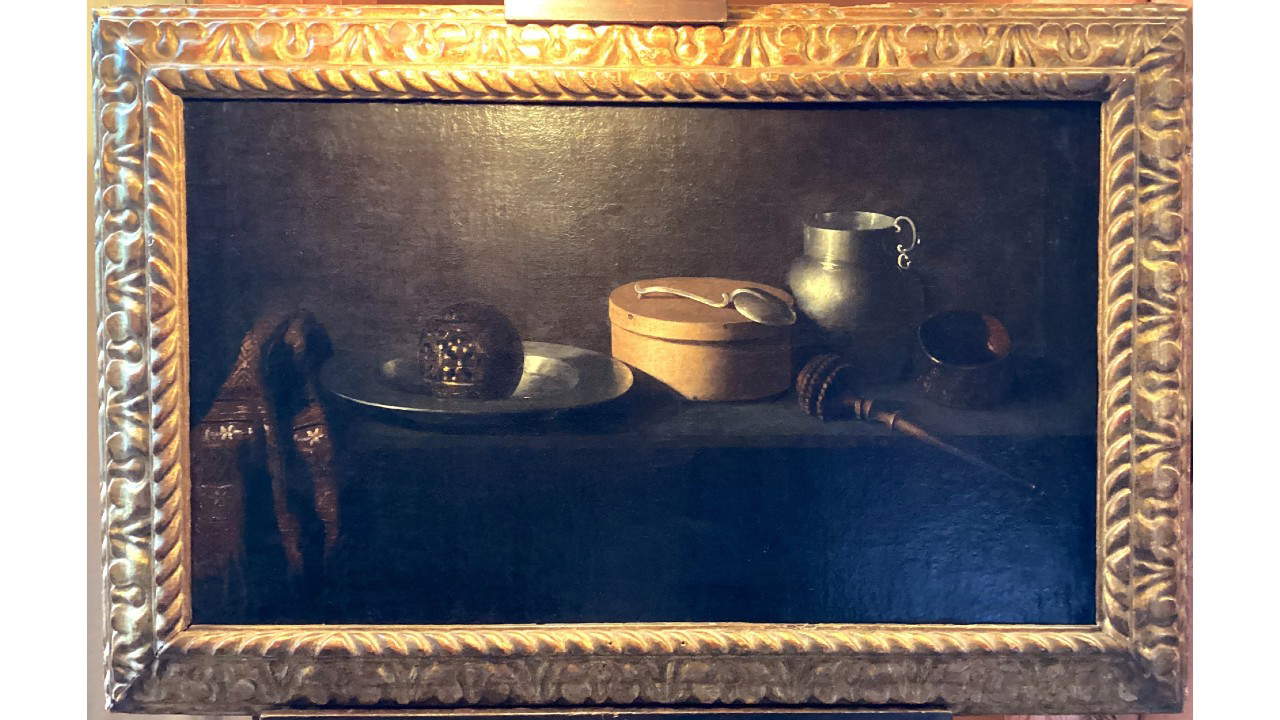
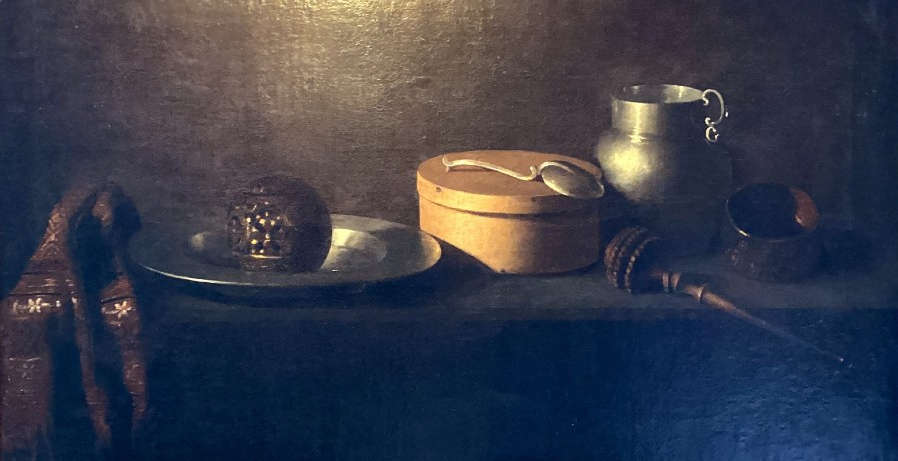
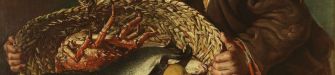
Juan de Zurbarán’s *Still Life with a Chocolate Grinder * is one of the two main highlights of this new acquisition. Painted in 1640, the work stands out for the quality of its execution and the distinctive choice of the chocolate grinder as a subject—an object rarely depicted in still lifes of this genre. The presence of this utensil lends the work significance that extends beyond the strictly artistic realm, offering insights into the customs, everyday objects, and material culture of 17th-century Spanish society. The painting is, in fact, part of the body of work by Juan de Zurbarán, a leading figure in 17th-century Sevillian still-life painting. The artist’s known catalog is, however, very limited, a circumstance that makes the presence of one of his works in public collections particularly significant. According to the Catalan Department of Culture, the addition of *Bodegón del molinillo de chocolate* represents a qualitative leap in Zurbarán’s presence within national collections.
The painting also offers an opportunity to observe the unique relationship established in Spanish Baroque art between painting and material culture. Through the depiction of objects and food, still life could become an extremely precise record of everyday reality. In the case of Juan de Zurbarán’s work, the chocolate grinder takes on a specific role precisely because of its rarity and allows us to connect the painting’s artistic quality with the history of the objects and customs depicted.
The second painting acquired isthe Self-Portrait by Anton Raphael Mengs, painted around 1775. This, too, is a work of great quality by an artist who was central to the European art scene of the 18th century. Mengs is considered one of the leading figures of European Neoclassicism and played a decisive role in the development of 18th-century academic art. His influence, in fact, extended far beyond his own paintings. Mengs played an important role in defining the principles of 18th-century academic art and was particularly influential in the field of portraiture, specifically self-portraiture. The work now acquired by the National Collection is a significant example of this body of work.
The Self-Portrait has also been documented almost continuously since the time of its creation. The continuity of the documentation regarding the work has contributed to the dissemination of Mengs’s image through biographies and studies spanning more than a century. The painting is therefore of particular interest from the perspective of the history of the artist’s reception and the construction of his public image.
More recently, the work was part of a major exhibition dedicated specifically to Anton Raphael Mengs. Between November 2025 and March 2026,the Self-Portrait was in fact featured in the monographic exhibition dedicated to the artist at the Museo Nacional del Prado in Madrid. The painting’s inclusion in that exhibition further underscored its significance within Mengs’s body of work and the history of 18th-century European art.
The addition of these two paintings to the Catalan collections thus strengthens the presence of two seminal artists from different periods in the history of European art. Juan de Zurbarán is represented by a still life from 1640, part of the Sevillian Baroque tradition, while Anton Raphael Mengs joins the National Collection with a self-portrait from the second half of the 18th century, an expression of the artistic culture that would contribute to the emergence of Neoclassicism. According to the Department of Culture, the two works constitute a major acquisition for the Museu Nacional d’Art de Catalunya’s Renaissance and Baroque collections. Their inclusion strengthens the representation of two significant figures in the history of European art and, at the same time, broadens the variety of works available in Catalonia’s public collections.
 |
| Catalonia Acquires Masterpieces by Juan de Zurbarán and Mengs for Its Collections |

Warning: the translation into English of the original Italian article was created using automatic tools. We undertake to review all articles, but we do not guarantee the total absence of inaccuracies in the translation due to the program. You can find the original by clicking on the ITA button. If you find any mistake,please contact us.














 IT
IT FR
FR DE
DE ES
ES CN
CN


