



by Redazione 16/11/2026


Categories: Archaeology / Disclaimer
In the cave at the Sorano Hot Springs (Grosseto), which was already inhabited as early as the middle of the 5th millennium B.C., archaeologists have found an intact, unused eclogite axe that originated in the Western Alps. The location of the find suggests it was a ritual offering placed near the hot springs.


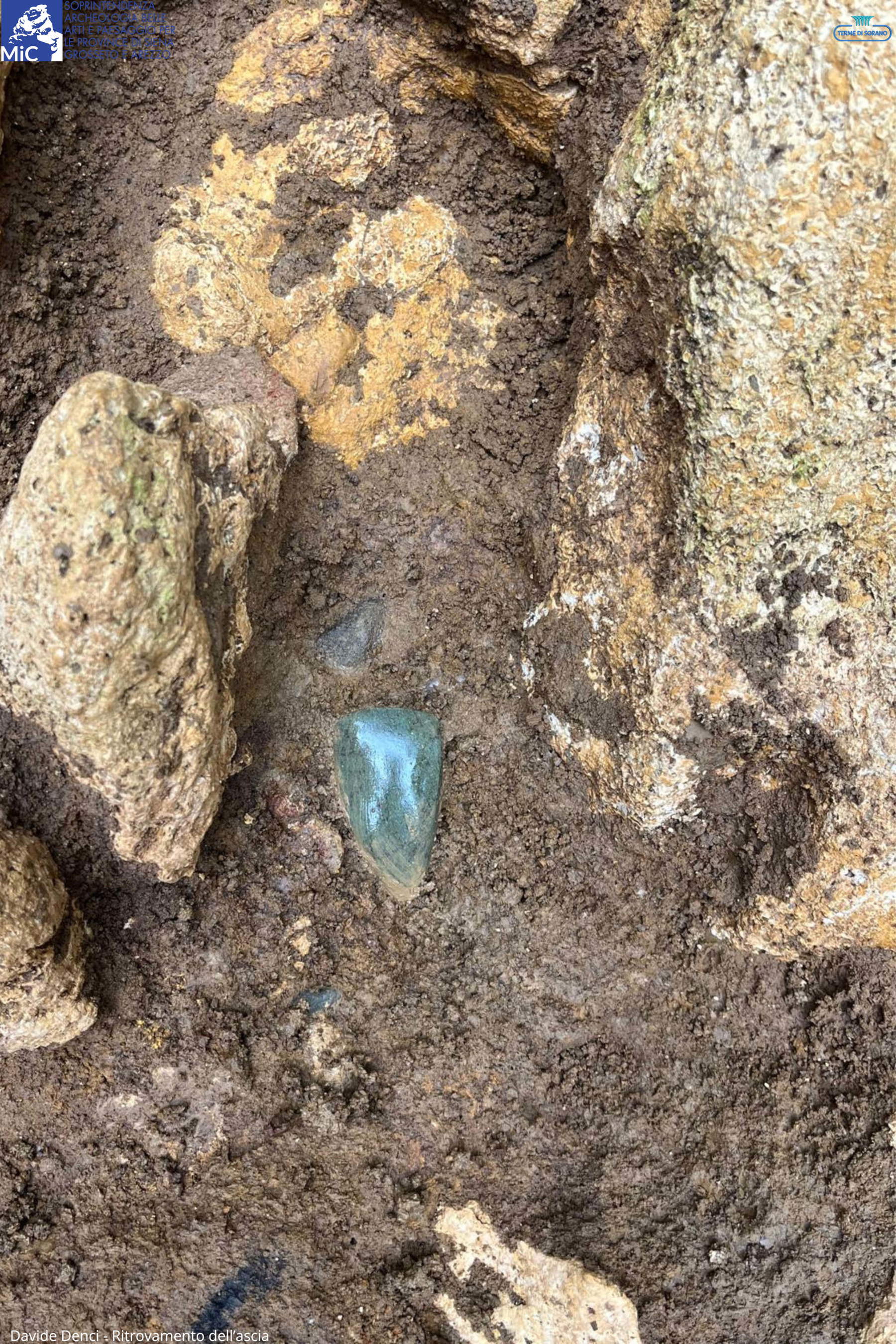
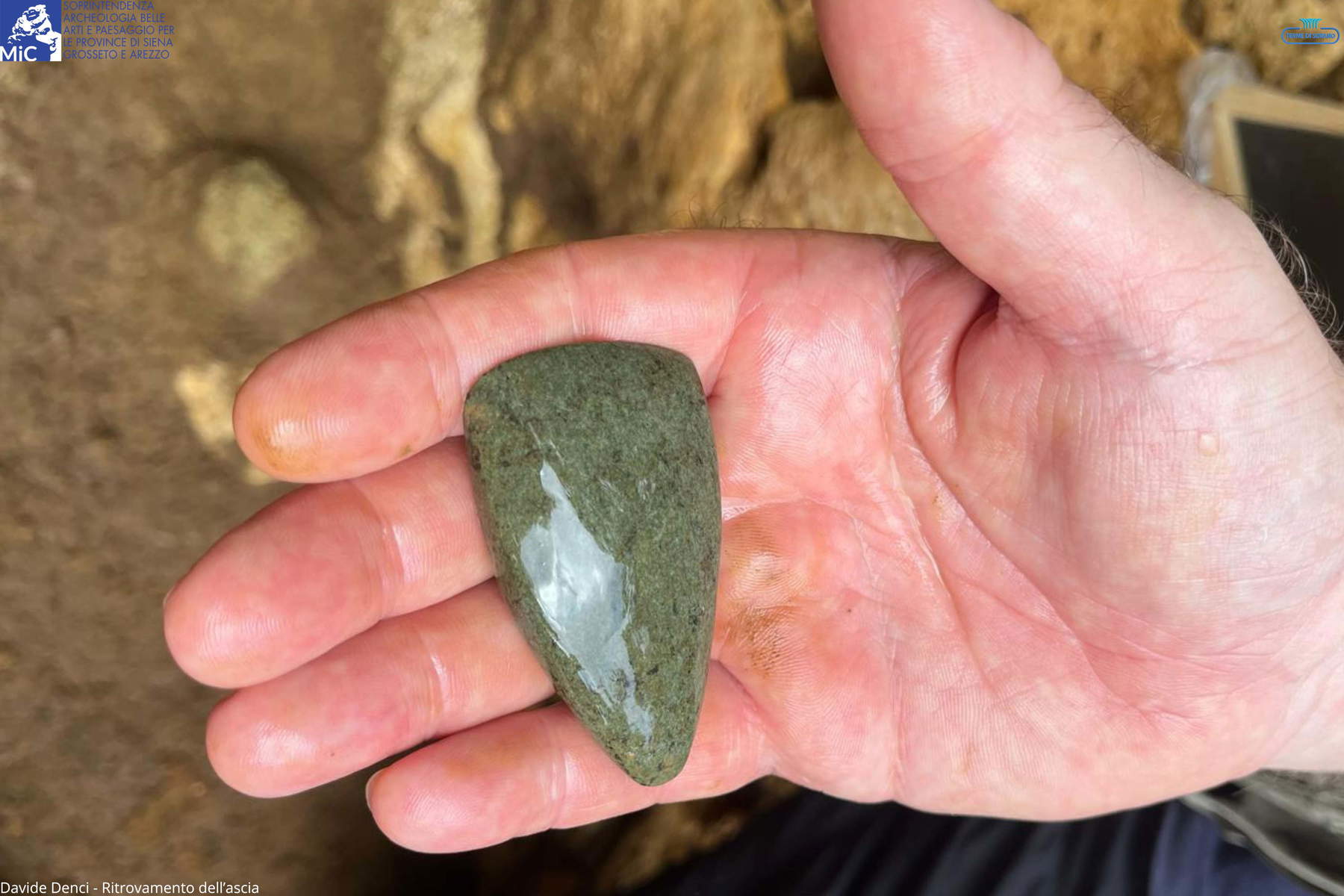
It is small, smoothed, polished, and sharpened, and that edge has never been used. It is a green stone axe found intact in a cave carved into travertine, where the water from a hot spring once flowed thousands of years ago. Analyses using an optical microscope and a scanning electron microscope, conducted by Pasquino Pallecchi in the diagnostic laboratory of the Superintendence of Archaeology, Fine Arts and Landscape in Florence, have identified the material: it is eclogite, a rock that almost certainly originates from the Western Alps, where it was quarried both at high altitudes and from fluvial and morainic deposits. The object therefore traveled hundreds of kilometers before reaching the inland Maremma. It was found at the Terme di Sorano, in the province of Grosseto, during the third excavation campaign at a site that archaeologists increasingly consider exceptional.

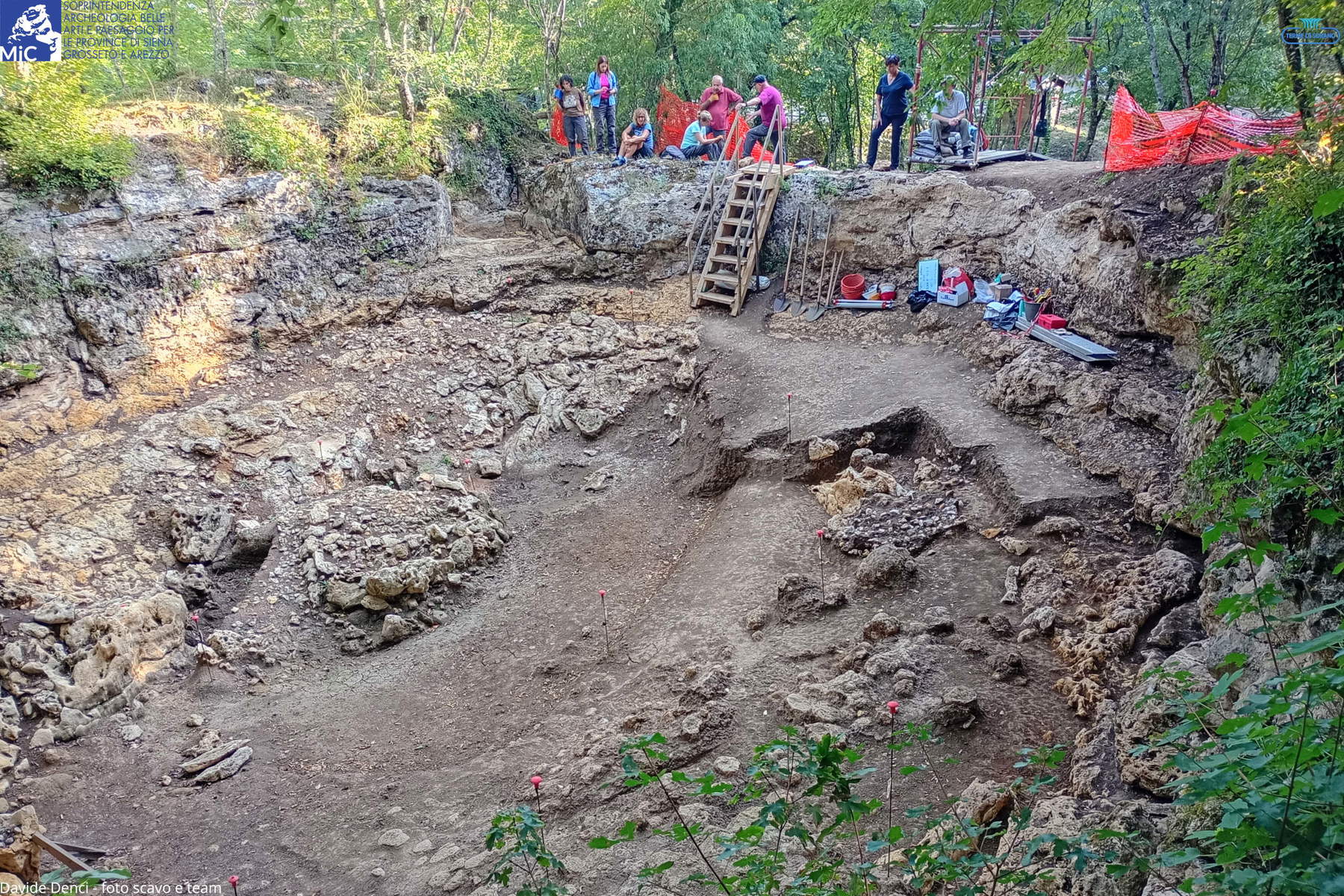
The context is unique: the excavation is taking place inside a large cavity measuring approximately 320 square meters, carved out of a travertine bank. Already during the first excavation campaign, the site had revealed the original point of emergence of an ancient thermal spring. Radiocarbon analyses date human occupation of the site to the middle of the 5th millennium B.C. According to archaeologists, it is the only known evidence of the use of hot springs for therapeutic purposes—and likely for religious rituals—dating back to the Neolithic period. The cave was accessed through an entrance carved into the rock, with a few steps. Inside, man-made stone structures have been uncovered; these are still being studied, and their function and chronology are not yet fully understood.


There are already several indications that this is a unique site. Compared to the excavated area, there are few stone and ceramic artifacts. For archaeologists, this could mean that the cave did not house a true permanent settlement—which may have been located nearby—but was instead used for specific activities related to the spring. The ceramics are all fragments of vessels made of coarse and semi-refined clay, sometimes decorated in relief, and so far no vessel can be fully reconstructed. The stone tools consist mainly of manufacturing waste and parts of flint and jasper cores, with few finished objects. However, they share a common characteristic: their surfaces show signs of alteration due to temperature fluctuations. Both the stone tools and the pottery are consistent with a Neolithic date.


The animal bones also reveal something. They were studied by Chiara A. Corbino of the University of Basilicata, who identified numerous species. Domestic animals predominate: in order of importance, oxen, pigs, and sheep, with a few fragments of equids and canids. Notably, there are many cattle that died while still young or subadult. Wild animals—namely deer, roe deer, and foxes—are few in number. For now, it is not possible to say whether these remains are linked to rituals or daily life: the answer, the archaeologists explain, can only come from further research.
In this context, the eclogite axe takes on special significance. The director of the excavation, archaeologist Stefano Giuntoli, explains that eclogite and jadeite are the primary raw materials used for this type of axe, which was widespread throughout Europe for nearly three thousand years during the Neolithic period. They could vary in size and may or may not have been used as tools. The specimen from Sorano shows no signs of use and retains its original sharpness intact. For archaeologists, this is an indication of its strong symbolic value and the importance the site must have held in antiquity. What makes the discovery even rarer is its distant origin, the value of the raw material, and the scarcity of axes of this type in Tuscany.
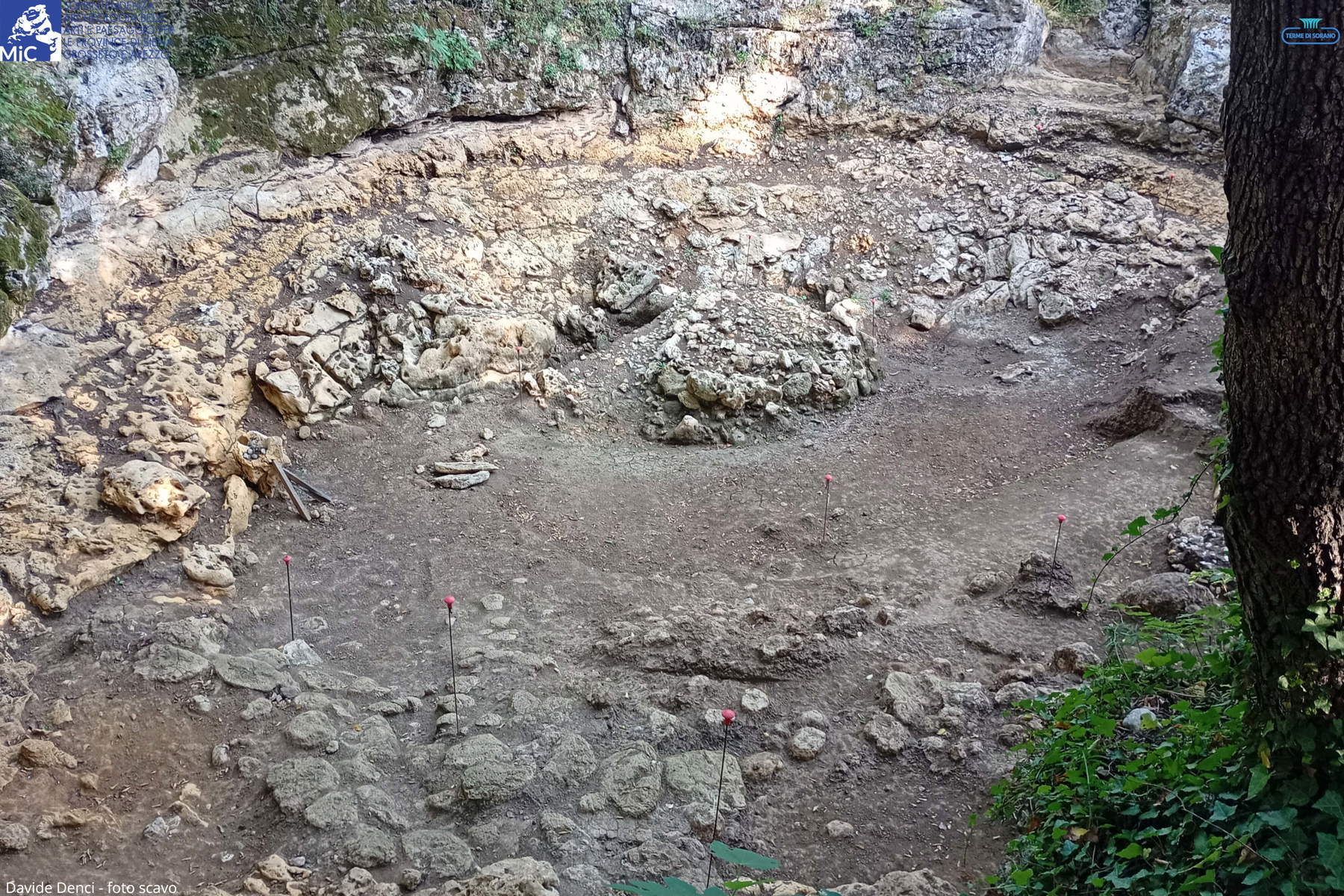
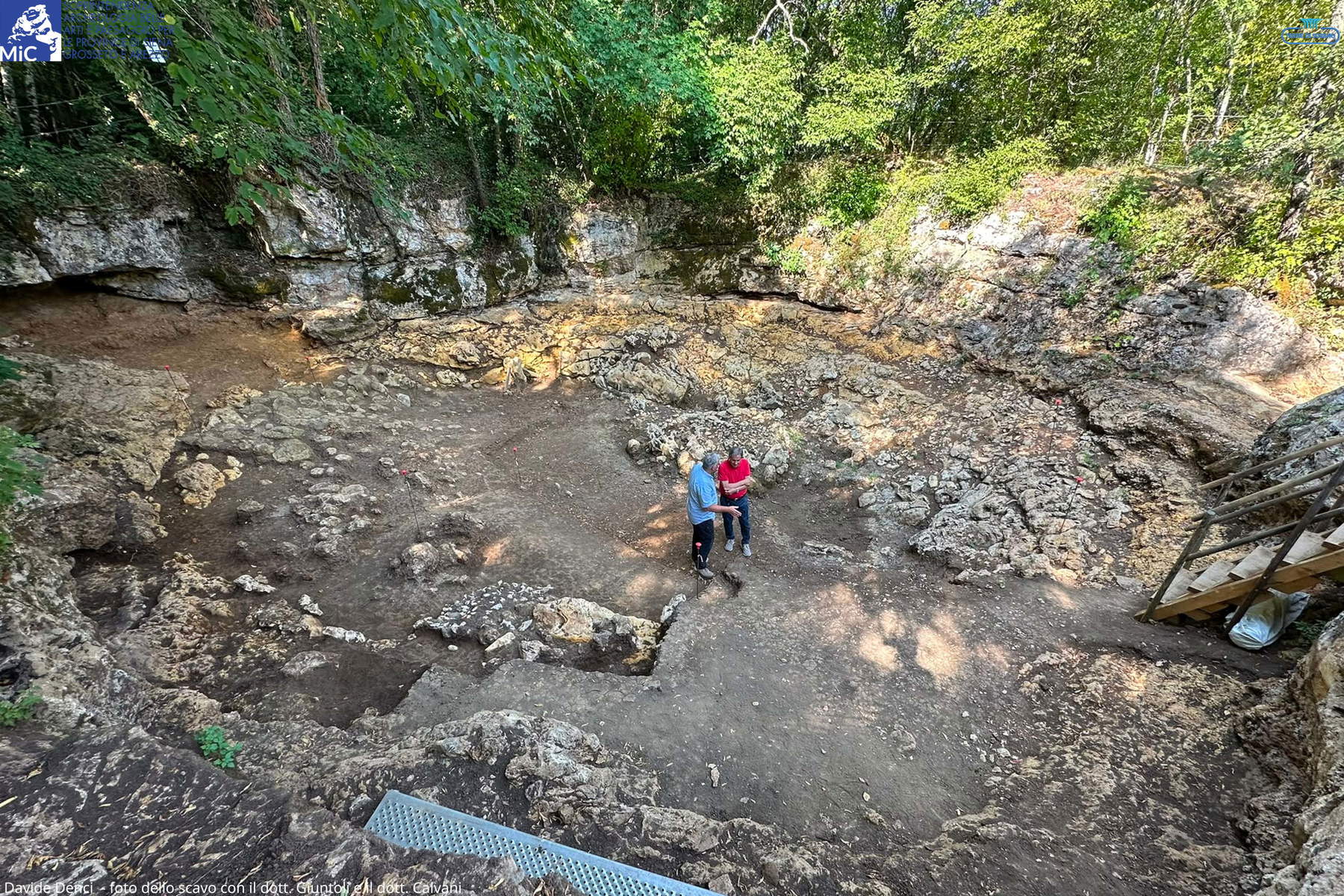
In Neolithic communities, these axes could have had different meanings, always linked to gender identity and the social, political, and religious power of their owners. The very stone from which they were made imbued them with strong symbolic value, connected to the supernatural. Axes like this one have been found in the graves of high-ranking men and in places of worship, where they were ritually buried in the ground, especially at sites considered to be boundaries between different worlds. Many of these sites were associated with water: springs, waterfalls, and marshes. A hot spring gushing from the rock fits perfectly into this picture, and the discovery at Sorano, according to archaeologists, is entirely consistent with this interpretation.
The investigations are being conducted under a concession granted by the Ministry of Culture. The concession holder and sponsor of the excavation is the company Antiche Terme Acqua di Sorano, chaired by Luciano Calvani. A team of collaborators and specialists from various disciplines is working on the excavation directed by Giuntoli. Geological, environmental, and anthropological data help reconstruct the ancient context, and the excavation is accompanied by conservation and restoration work on the artifacts and structures. 3D documentation and photogrammetry are being handled by Tommaso Mori, curator of the Museum of Anthropology and Ethnology within the University of Florence Museum System, and Davide Denci.
The work is being carried out in collaboration with the ABAP Superintendency of Siena, Grosseto, and Arezzo. “The site is gradually distinguishing itself for its uniqueness and significance,” states official Jacopo Francesco Tulipano. “The work of the archaeologists has proven fundamental in protecting the remains that have been uncovered. Continuing the work will allow us to gather new data and, once the excavations are complete, to plan the enhancement of the area as part of an initiative aimed at research, preservation, and the return to the community of an exceptional historical record that we hope will continue to be studied and explored in the years to come”.
Many questions remain unanswered, starting with the significance of the stone structures and the relationship between the artifacts and the activities that took place near the spring. Future excavation campaigns and the analysis of the materials should shed light on these questions. For now, the Sorano Thermal Baths show that the relationship between people and thermal water in this corner of Tuscany dates back to the Neolithic period.
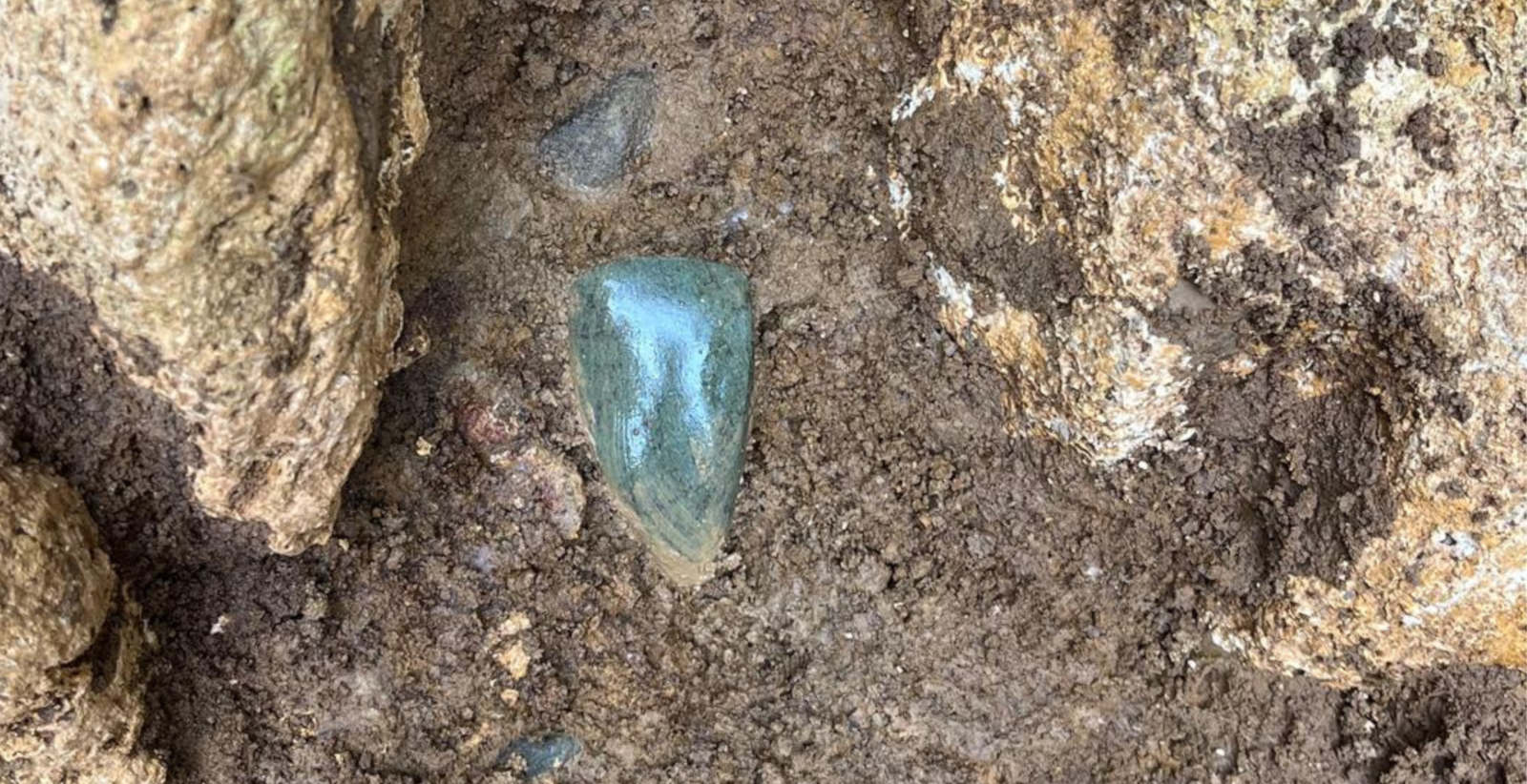 |
| A green stone axe from the Alps was discovered in a hot spring in Tuscany |
Warning: the translation into English of the original Italian article was created using automatic tools. We undertake to review all articles, but we do not guarantee the total absence of inaccuracies in the translation due to the program. You can find the original by clicking on the ITA button. If you find any mistake,please contact us.