


by Redazione 31/10/2026


Categories: Archaeology / Disclaimer
A tomb featuring painted decorations and two inscriptions in the Messapian language has been discovered in the Messapian Walls Archaeological Park in Manduria; these inscriptions may refer to a priestess associated with the cult of Demeter.
A sanctuary key, a thymiaterion, and two inscriptions in the Messapian language: these are some of the elements that make a tomb unearthed during excavations at the Archaeological Park of the Messapian Walls in Manduria, in the province of Taranto, particularly interesting. The burial, identified as Tomb 17, features a remarkable series of paintings and may have belonged to a woman who held important priestly functions related to the cult of Demeter. For now, this is an interpretive hypothesis that will need to be verified through further epigraphic and iconographic studies.


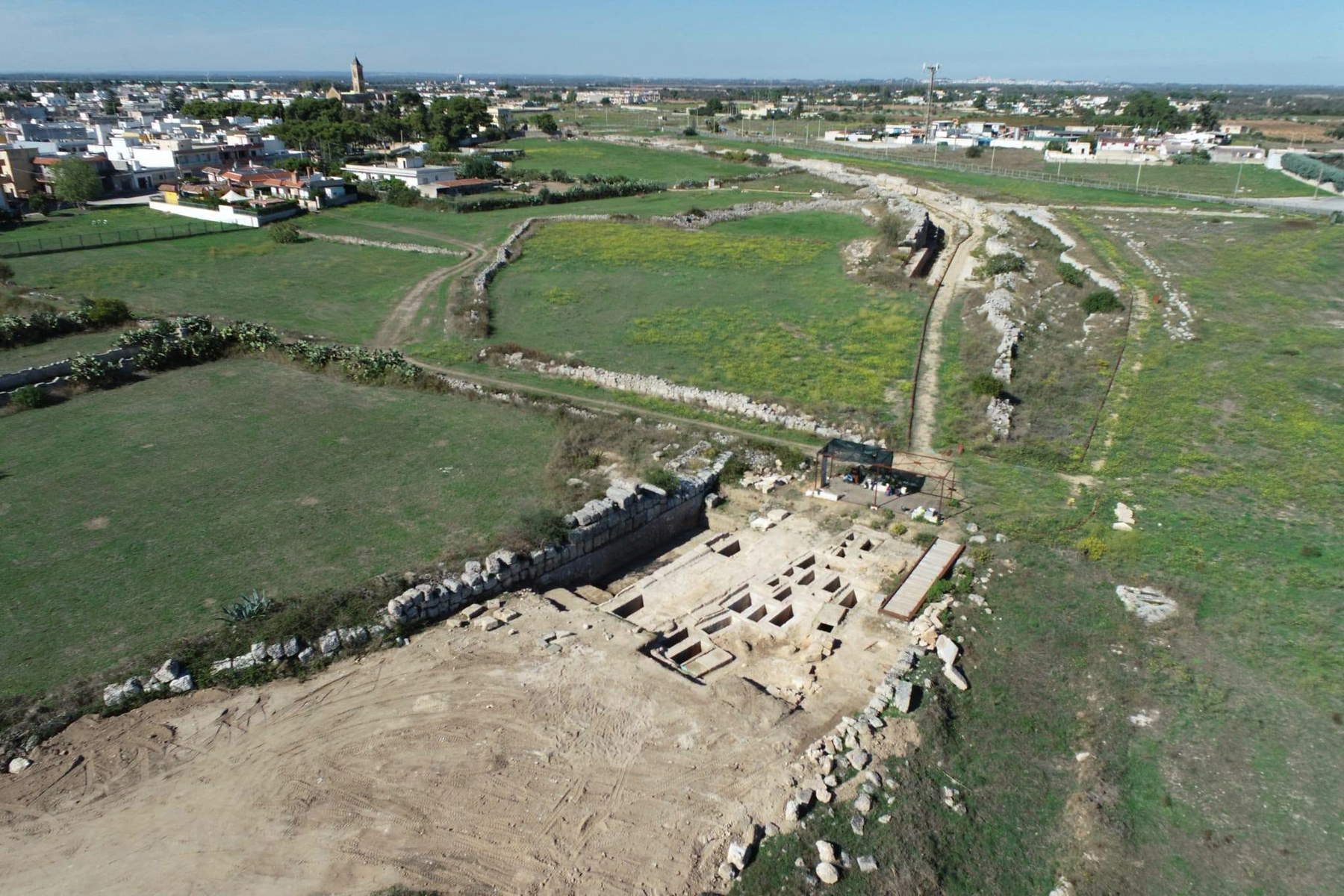
The results of the recent archaeological investigations were presented on October 29, 2026, at the headquarters of the Superintendence of Archaeology, Fine Arts, and Landscape for the provinces of Brindisi, Lecce, and Taranto. The research, funded by the Ministry of Culture, focused on two sectors of the park: the East Gate area and the southern sector. In addition to providing new insights into the defensive system and urban layout of the ancient Messapian city, the excavations documented an ancient road and allowed for the investigation of a total of twenty-four burials, dating from the 4th to the 3rd century B.C.


However, it is Tomb 17 that has captured the archaeologists’ attention. Carved directly into the bedrock, it was originally sealed by three large stone slabs. It was precisely on these slabs that an inscription in the Messapian language was identified. Inside the tomb, there is also a painted decoration featuring meander motifs and depictions that can be interpreted as a sanctuary key and a ritual incense burner, the so-called thymiaterion. A second inscription, painted in red and blue, is found on the inner surface of one of the stone slabs.

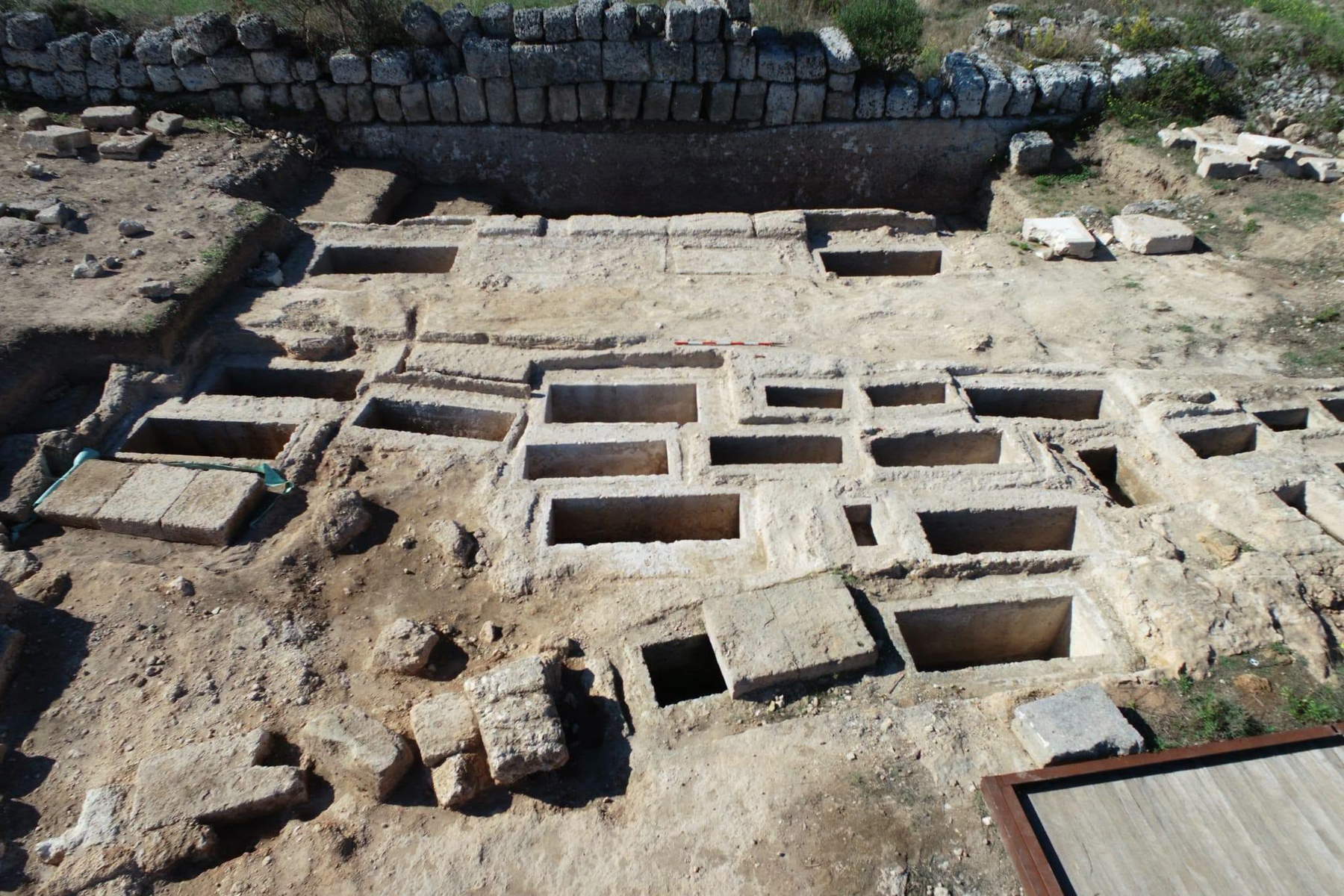
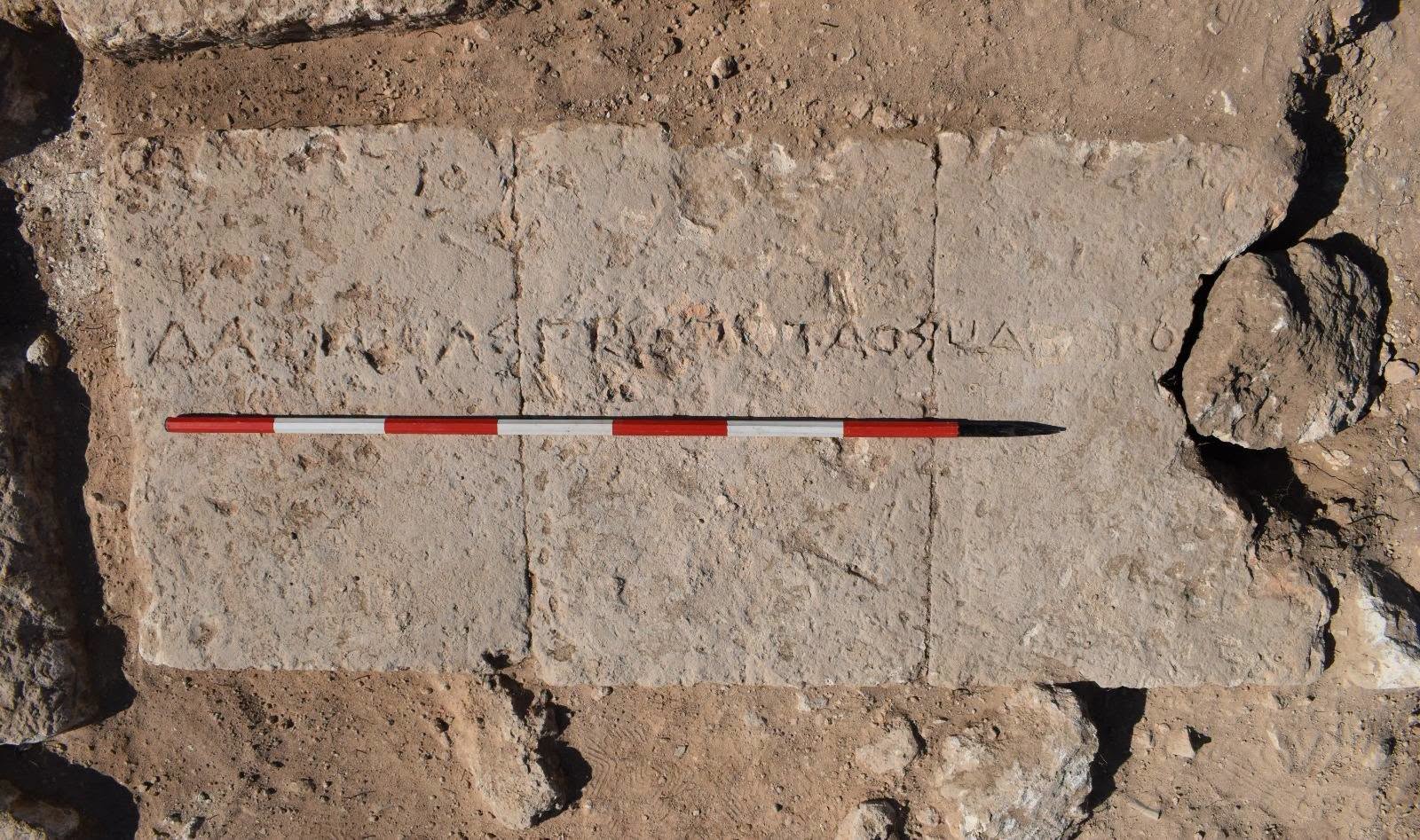
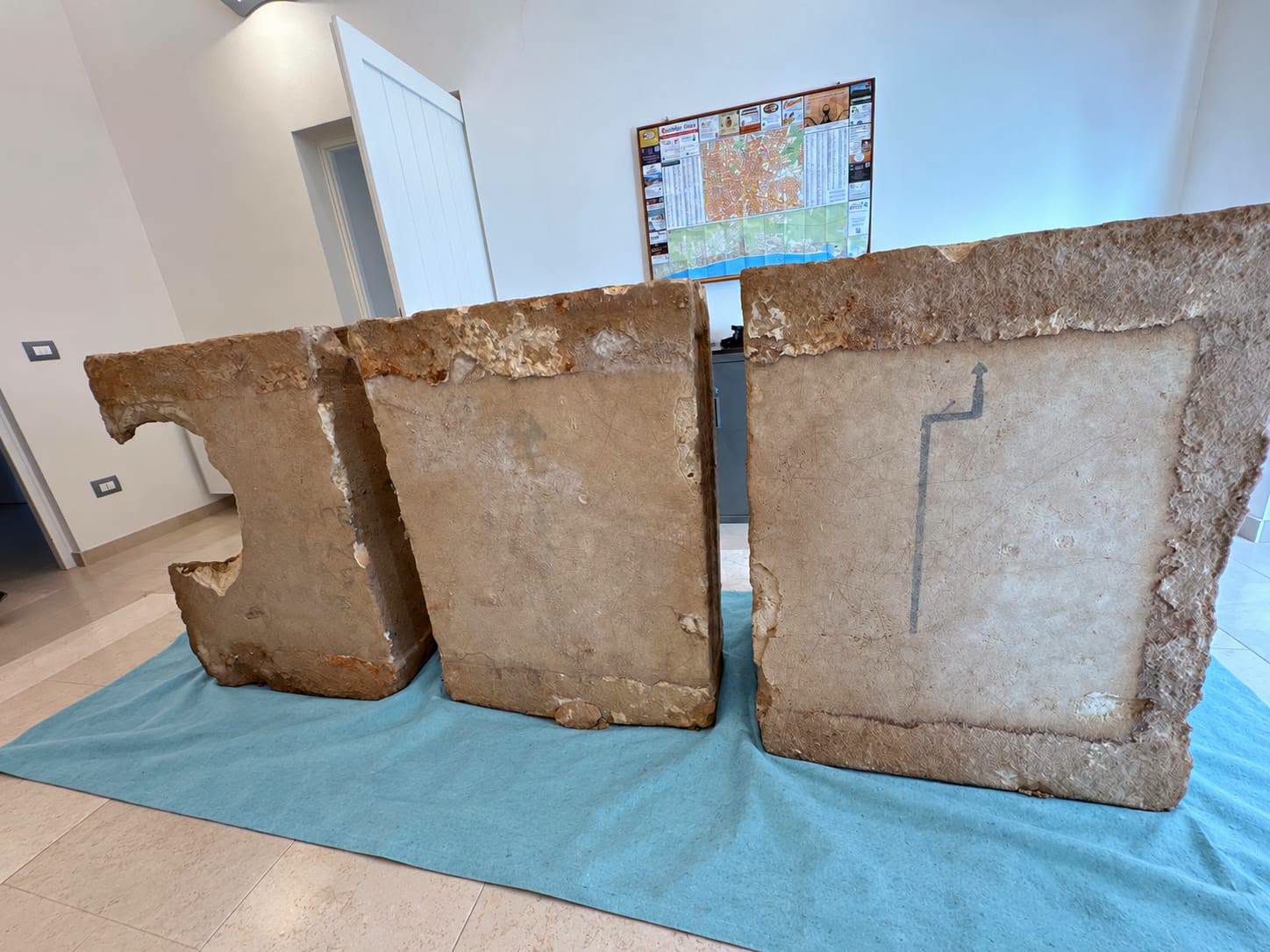
The presence of the two inscriptions, together with the figurative elements, offers new avenues for research into the funerary and religious practices of the Messapian community. Initial epigraphic and iconographic analyses suggest that the burial may have belonged to a female figure who held a priestly role connected to the cult of Demeter, a deity associated with fertility, the earth, and agricultural cycles. This is still a preliminary interpretation, which will require an in-depth examination of the inscriptions and decorations.
The project will not conclude with the excavation phase. Specialized studies, restoration work, and further scientific analysis are planned to ensure the preservation of the discovered artifacts and clarify their significance. Among the hypotheses under consideration is the possibility of a future exhibition dedicated to the finds at the Manduria Archaeological Museum.
Superintendent Antonio Zunno and Manduria’s Deputy Mayor Giuseppe Antonio Mazza spoke at the presentation of the results. The findings were also presented by Vincenzo Ria, the archaeologist in charge of the Manduria area, and Stefania Montanaro, an expert archaeologist from Ales S.p.A.
|
| Manduria: A painted tomb with inscriptions in the Messapian language has been discovered; it may have belonged to a priestess of Demeter |
Warning: the translation into English of the original Italian article was created using automatic tools. We undertake to review all articles, but we do not guarantee the total absence of inaccuracies in the translation due to the program. You can find the original by clicking on the ITA button. If you find any mistake,please contact us.