




by Redazione 18/08/2026



Categories: Archaeology / Disclaimer
Archaeological excavations will resume in September at San Pietro Mandurino, one of the most significant sites in Manduria’s historical and religious heritage. New technologies and scientific analyses will provide deeper insights into the history of the complex and the surrounding area.


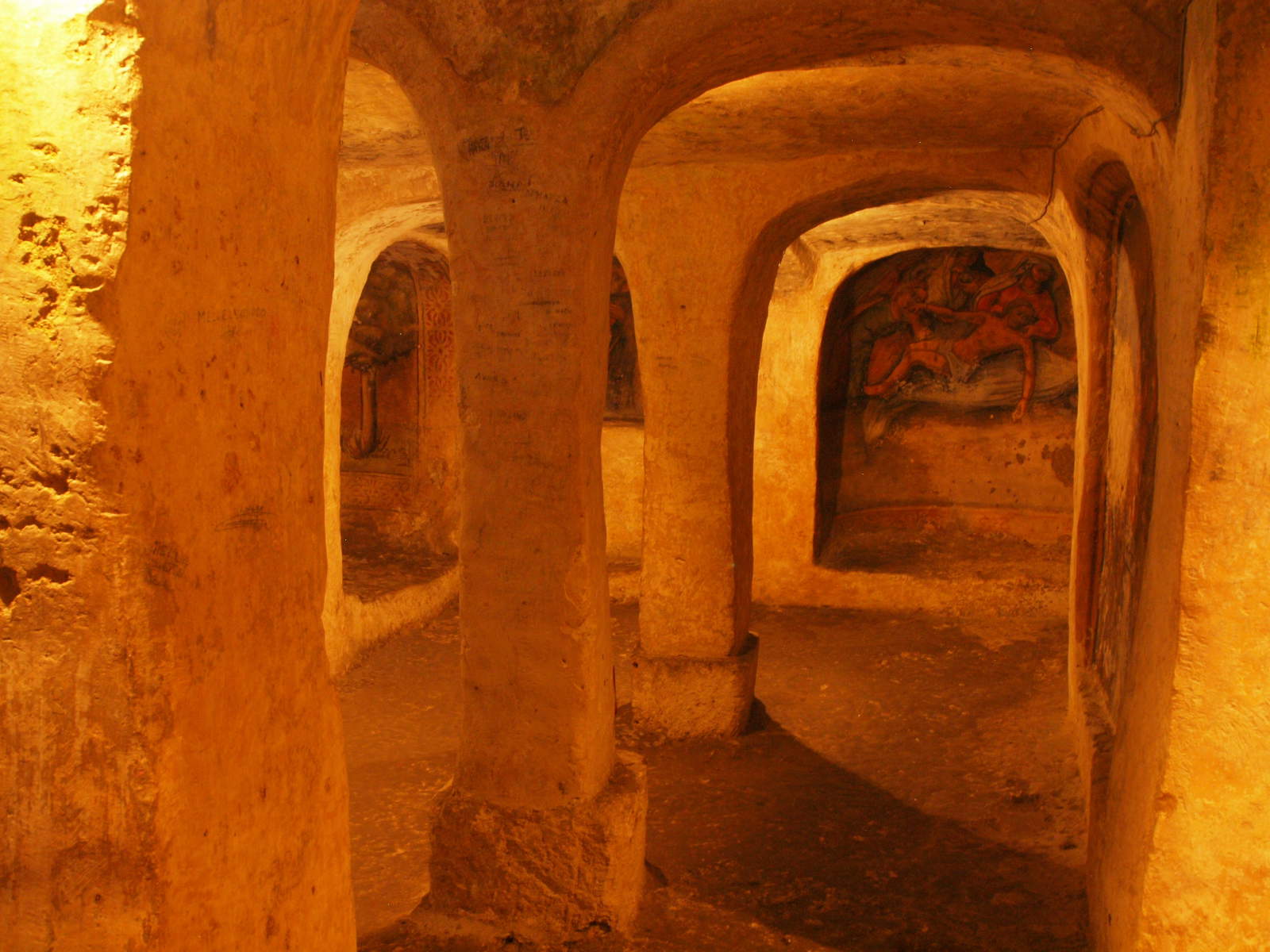
Archaeological excavations will resume in September at San Pietro Mandurino, in the Manduria area (Taranto), a site of great historical, archaeological, and religious interest that is part of the larger Manduria City Walls Park. The complex preserves an extraordinary stratification of artifacts spanning different eras and illustrating the deep connection between this place and the Mandurian community. The site includes the upper church, dating from the 10th to the 12th century A.D. and rebuilt in 1724 after a long period of neglect, and the underground church, dating from the 7th–8th century A.D. The latter is accessible via a striking staircase that originally served as the dromos of a Hellenistic-era Messapian chamber tomb. The funerary structure was subsequently reused and integrated into the early Christian crypt. Above it lies an early medieval burial ground.

The concentration of historical, archaeological, religious, ritual, and anthropological elements makes San Pietro Mandurino a particularly complex site, where various findings are still awaiting interpretation and integration into a unified historical framework. The goal of the new research is also to reconstruct the network of relationships that once connected the rural community of ancient Casale Mandurino to the surrounding territory, breathing new life into a history that is now difficult to decipher due to the monument’s long isolation.


The first person to break the centuries-long oblivion that had shrouded the site was the archaeologist Cosimo D’Angela, who, together with the Institute of Classical and Christian Studies at the University of Bari, conducted the first—and so far only— systematic excavation campaign at San Pietro Mandurino in 1972. That pioneering research yielded valuable information but also raised numerous questions that remain unanswered to this day. The new investigations, carried out as part of the “Smart in – The Shape of Water” project, will focus precisely on these unresolved issues.
The campaign will be led by a team of archaeologists under the scientific direction of Valentino Desantis and Giovanni Stranieri of the Laboratoire ArTeHis in Dijon, University of Burgundy, France. Specialists in medieval architecture will also participate in the activities, alongside medieval archaeologist Paola Tagliente and architect Gianpaolo Vacca.
The launch of systematic excavations is part of a broader program dedicated to the enhancement and public access to the San Pietro Mandurino area. In fact, the project also includes restoration work on the church, as well as educational programs and workshops, continuing the path begun with recent work carried out by the former Regional Secretariat of the Ministry of Cultural Heritage (MiC) for Apulia in the eastern sector of the park. The new research will focus primarily on evidence from the past, based on the belief that analyzing this evidence will yield key insights for reinterpreting the history of the region.
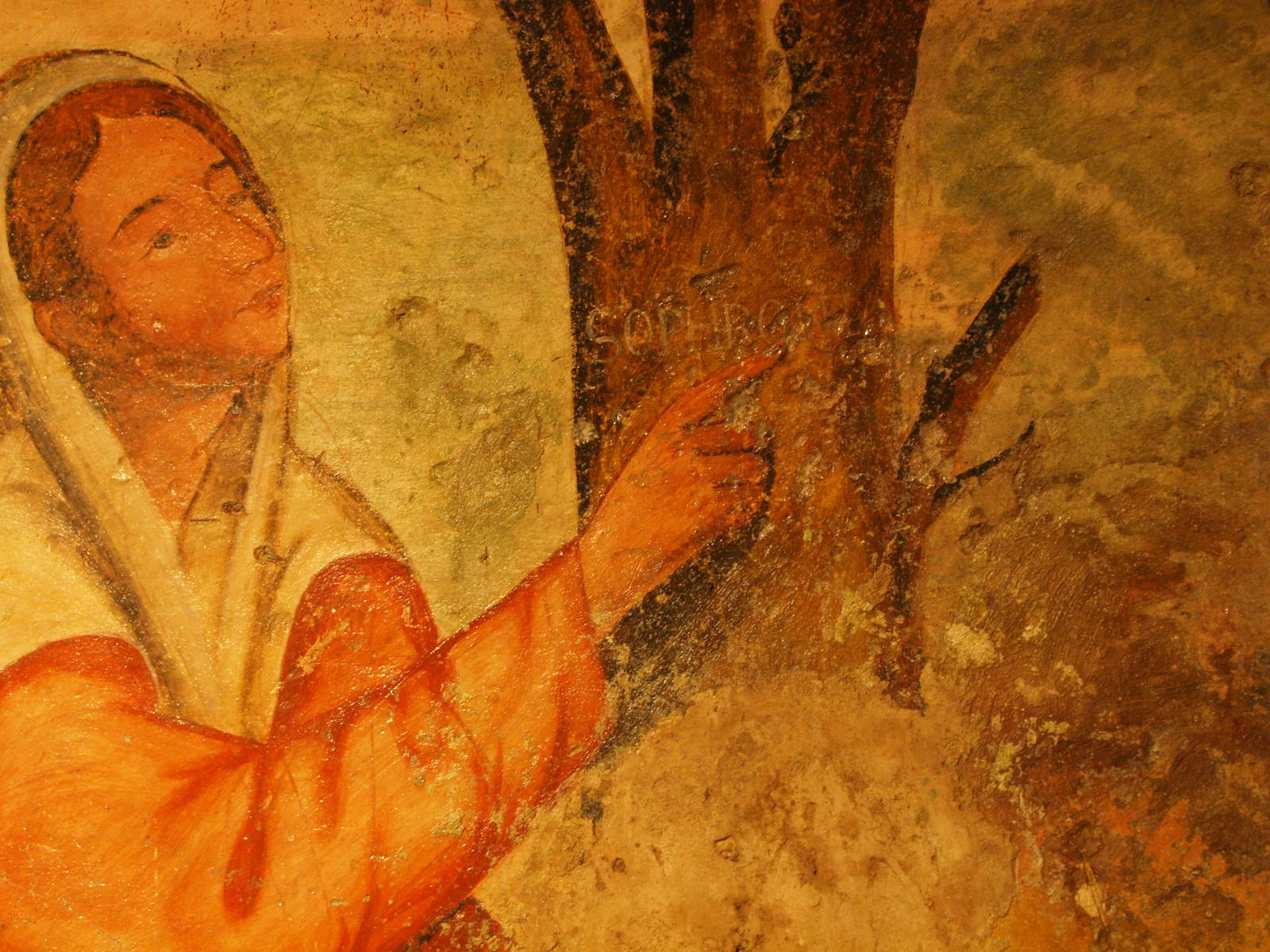
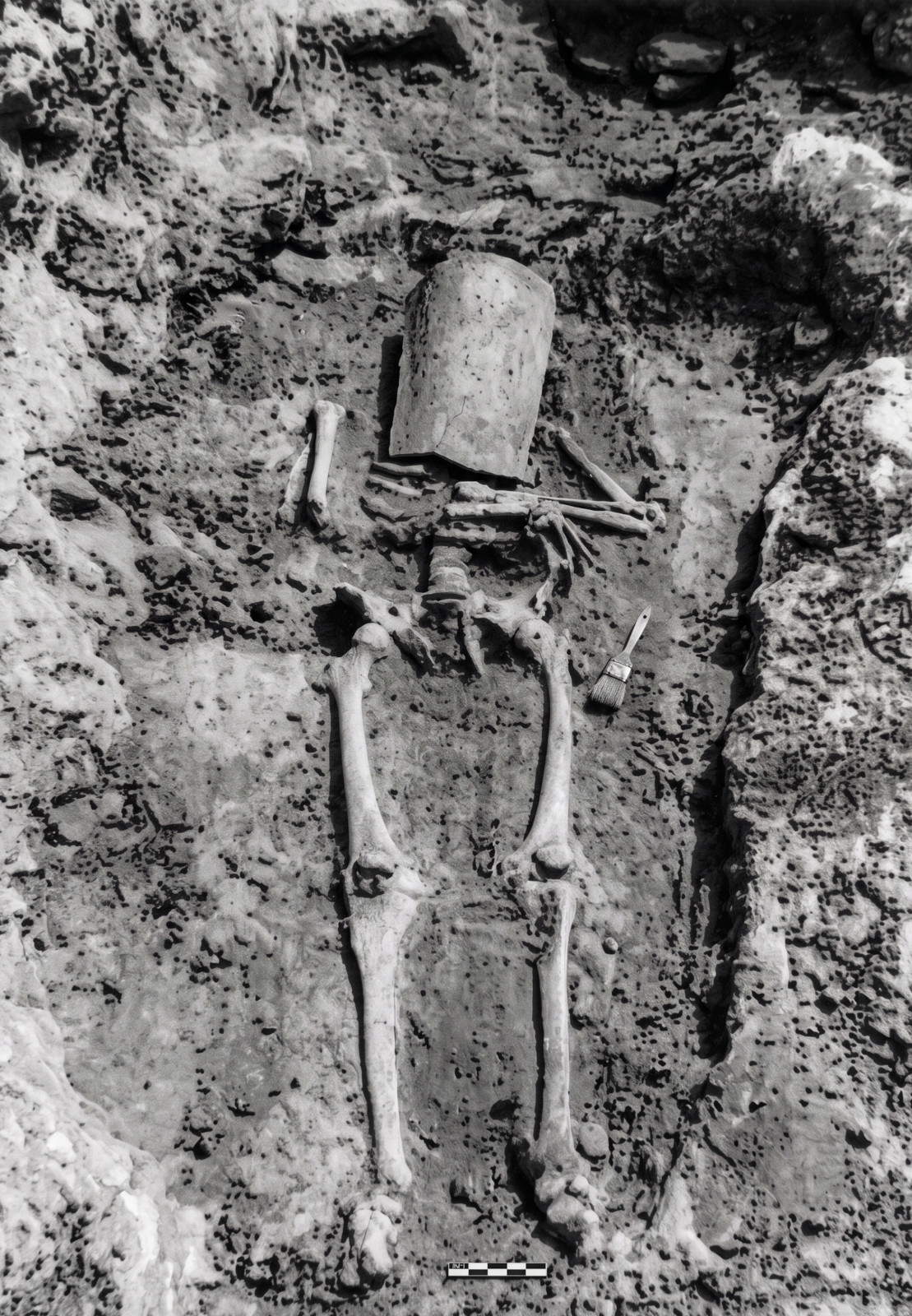
Alongside the scientific aspects, the site also retains an element of mystery and folk traditions, fueled by ancient legends and customs linked to the cult of St. Peter. Among the questions left unanswered by previous excavation campaigns is, for example, the ritual significance of the faces of the deceased being covered with a roof tile, as observed in some medieval burials identified in 1972. Other questions concern the only fresco depicting Saint Sofronia, the anchorite saint of Taranto, and the liturgical practices that took place in the crypt. The coexistence of Greek-Byzantine and Latin traditions, in fact, leaves open the possibility that different religious rites were practiced sequentially—or perhaps even simultaneously—at this place of worship.
The new archaeological investigations will be supported by state-of-the-art technologies for data documentation and analysis, at both the structural and microscopic levels. The program includes numerous sampling efforts aimed at reconstructing not only the history of the monument but also the ancient environment and landscape in which San Pietro Mandurino developed. Anthracological and carpological analyses, dendrochronological studies, and zoo-osteological and osteo-anthropological investigations of human bones will be conducted. These will be supplemented by C14 dating, which is essential for establishing an absolute chronology of the artifacts and the various phases of occupation at the site.
The archaeological project has been authorized through a permit issued by the Ministry of Culture (MiC), Department for the Protection of Cultural Heritage, Directorate General for Archaeology, Fine Arts, and Landscape – Service II, and will be carried out under the supervision of SABAP BR/LE/TA, the Superintendence of Archaeology, Fine Arts, and Landscape for the provinces of Brindisi, Lecce, and Taranto.
The new research could therefore help piece together a history that remains fragmented, restoring San Pietro Mandurino’s role as an important testament to the long archaeological, religious, and cultural evolution of Manduria.
|
| Manduria: New Archaeological Excavations Begin in San Pietro Mandurino |
Warning: the translation into English of the original Italian article was created using automatic tools. We undertake to review all articles, but we do not guarantee the total absence of inaccuracies in the translation due to the program. You can find the original by clicking on the ITA button. If you find any mistake,please contact us.