





In the municipality of Monteleone Sabino, in the province of Rieti, an important pre-Roman aqueduct has been explored and documented. The investigation was conducted under the scientific direction of the Superintendence of Archaeology, Fine Arts, and Landscape for the Rome metropolitan area and the province of Rieti—which announced the discovery—by the Vespertilio Speleological-Archaeological Group, in collaboration with the municipal administration.
The water conduit, approximately 100 meters of which can now be inspected, has an ogival cross-section and is entirely carved out of conglomerate beds alternating with marly-clayey layers dating to the Pliocene-Pleistocene epoch. The construction methods reveal a complex excavation technique, based on the preliminary digging of transverse tunnels at regular intervals, followed by parallel excavation along the ridge of the hill, where the structure’s entrance is located.
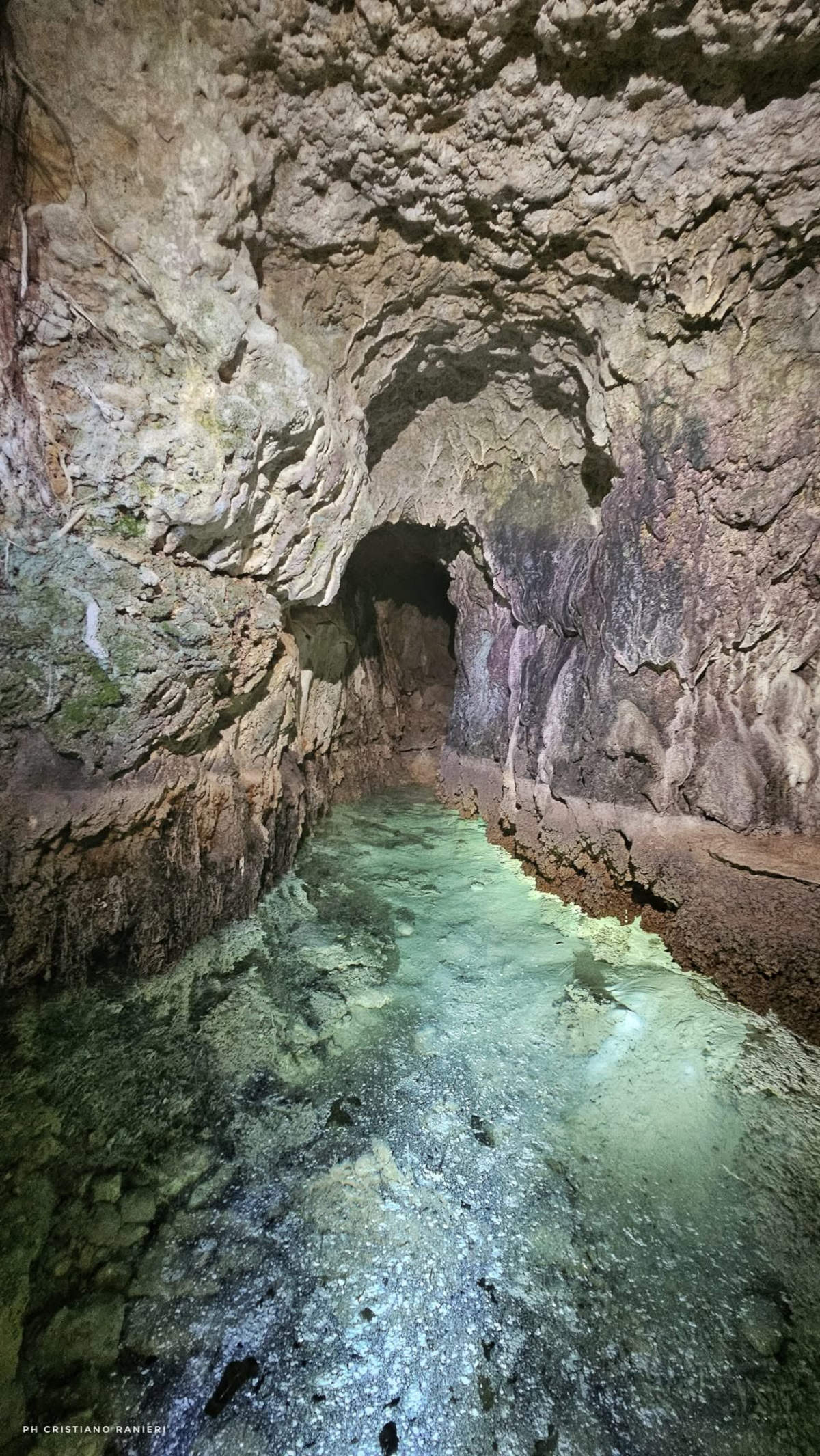
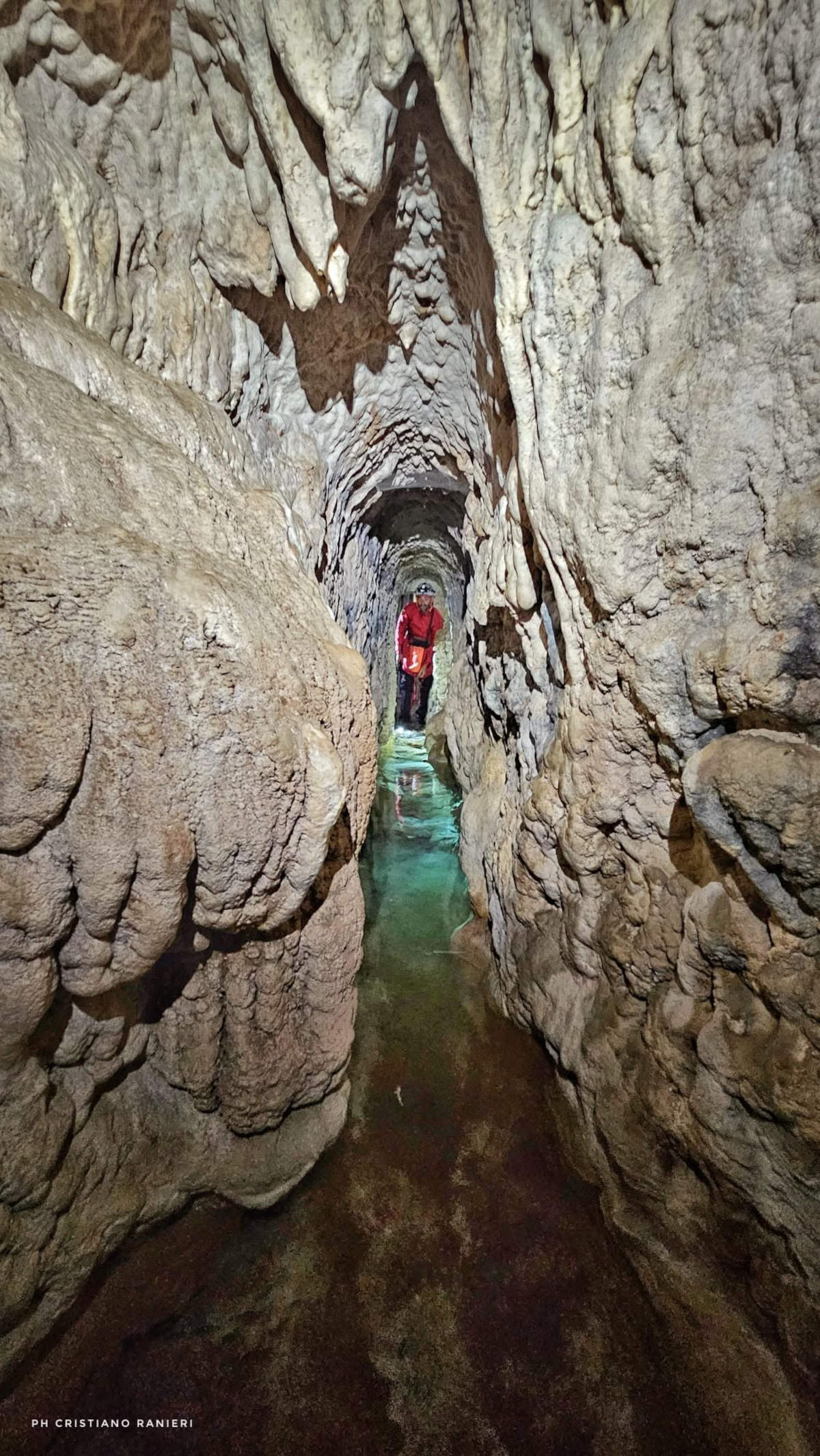
The discovery adds new insights to the reconstruction of the settlement system in Sabina during the period preceding Romanization. The infrastructure is in fact characteristic of a territory marked by early and planned human settlement, featuring a network of small settlements—the vici—connected by a strategic road axis linking the inland Apennine areas with the Tiberine Sabina region.
The channeling of water was likely intended primarily for agricultural activities, including drainage, soil improvement, and water regulation. According to interpretations based on the research, the construction of a project of this complexity presupposes an organized central power structure, as well as the availability of economic resources and technical expertise. The stable, structured settlements are attributed to the pagus (rural territorial district) of the Mutuesci.
Research in the area continues using a methodology that combinesarchaeological and speleological approaches, enabling the identification and interpretation of the still-preserved evidence of these forms of territorial organization, which often date back to the pre-Roman period. The preliminary results had already been presented during the fifteenth Lazio and Sabina Studies Conference in 2026, held at the Superintendency’s headquarters.
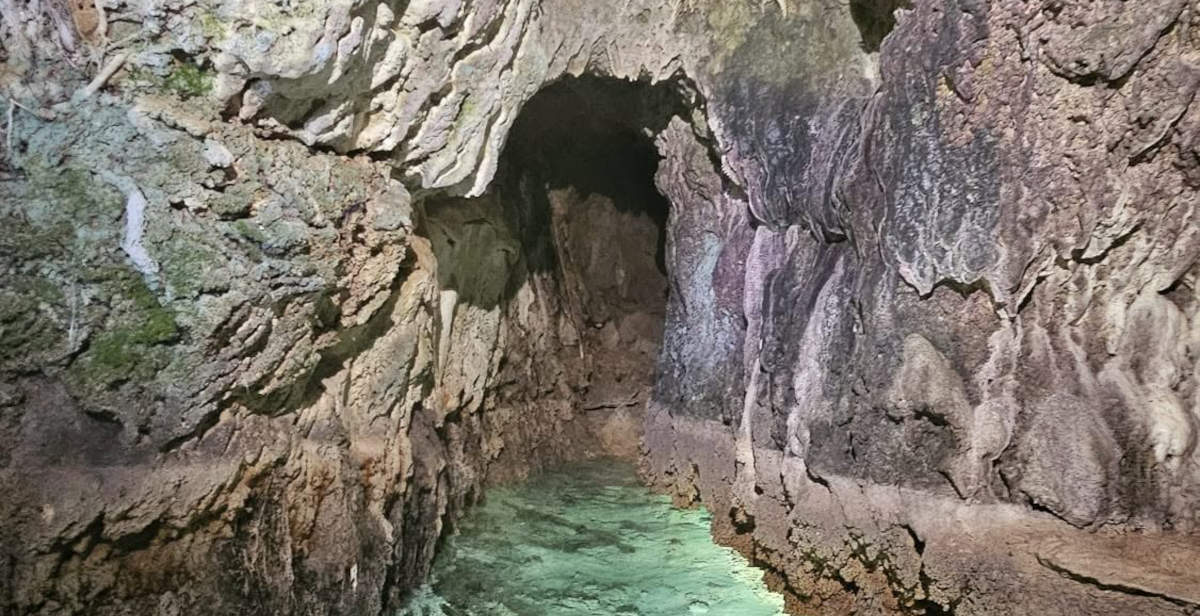 |
| Monteleone Sabino (Rieti): A pre-Roman aqueduct carved into the rock has been discovered |

Warning: the translation into English of the original Italian article was created using automatic tools. We undertake to review all articles, but we do not guarantee the total absence of inaccuracies in the translation due to the program. You can find the original by clicking on the ITA button. If you find any mistake,please contact us.



























 IT
IT FR
FR DE
DE ES
ES CN
CN


