




by Redazione 23/11/2026



Categories: Archaeology / Disclaimer
The National Association of Archaeologists has weighed in on the 2027 Budget Bill and is calling for fairer tax measures, a tax-free zone for those under 35, greater maternity support for self-employed women, and equal access to incentives for the digital transition.


Self-employment accounts for the majority of the archaeological profession, but the tax measures and support tools provided for self-employed professionals do not always meet the needs of those at the beginning of their careers. This is the focus ofthe National Association of Archaeologists (ANA), which, during the review of the 2027 Budget Bill, is calling for greater protections for young professionals, fairer tax conditions, and specific support measures for self-employed women.


The association, which is a member of Confprofessioni, welcomes some of the proposals put forward by the Confederation, including raising the IRPEF exemption threshold to 8,500 euros, bringing it in line with that for salaried employees. It also views favorably a potential increase in the threshold for accessing the flat-rate tax regime to 100,000 euros, a measure that could benefit a wide range of professionals. However, ANA draws attention to the risk that the tax system could end up discouraging the growth of professional practices, penalizing those who, having exceeded the threshold, find themselves facing a higher tax burden. Alongside measures for established practices, the association argues that specific measures are therefore needed for those just starting their careers.


In support of this position, Confprofessioni estimates that new participants in the flat-rate tax regime could achieve, once fully implemented, an average annual savings of 7,400 euros. This figure is more than sixteen times the average 450 euros projected for beneficiaries of the extension of the 33% IRPEF tax rate up to 55,000 euros—a measure valid exclusively for 2027. According to ANA, these figures highlight the need for a more balanced system of tax incentives, capable of supporting not only professionals with medium-to-high incomes and well-established practices, but also those with more modest incomes who face greater difficulties entering and remaining in the labor market.


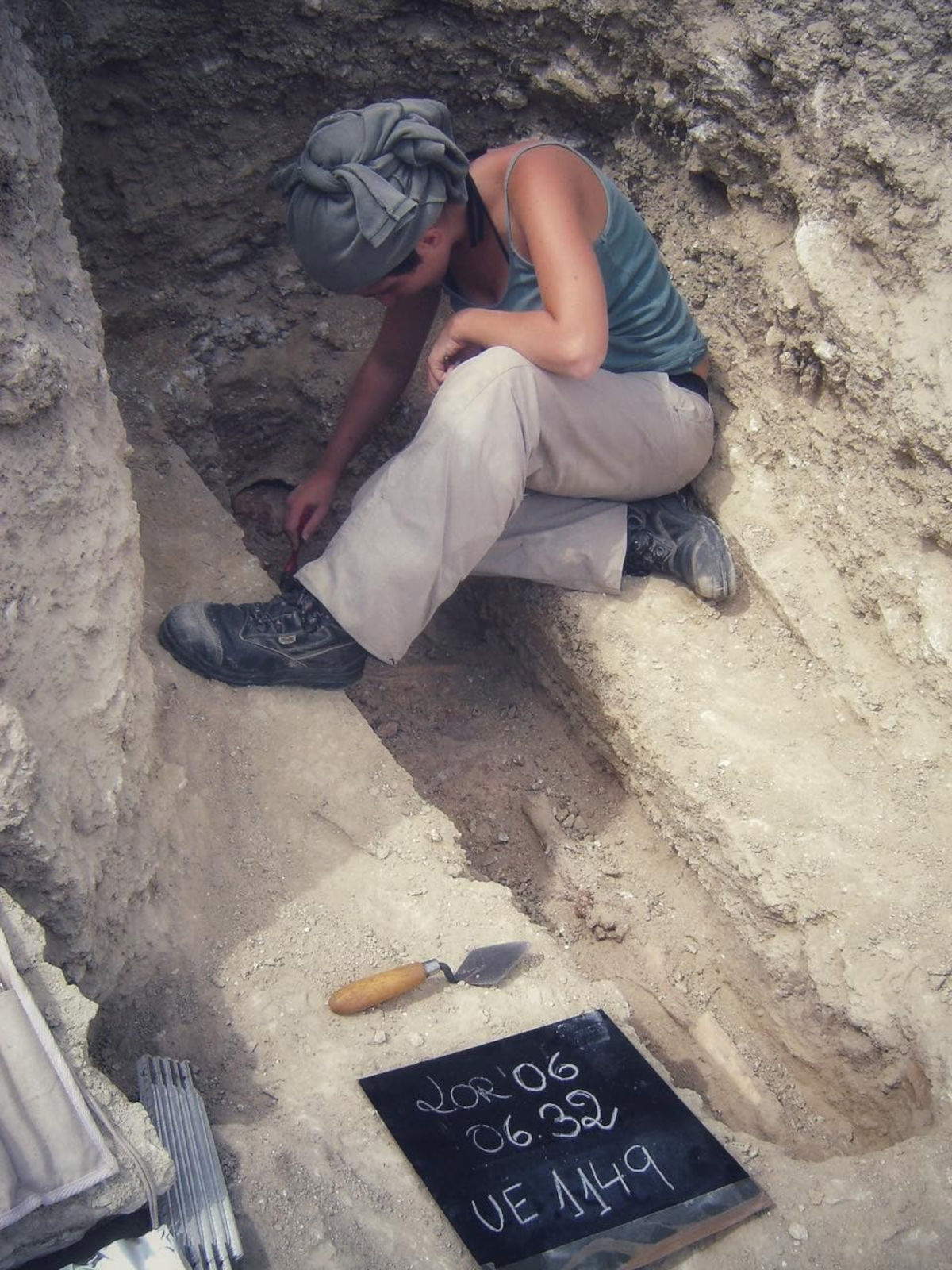
Among the proposals supported by the association is the creation of a tax-free allowance of 1,500 euros per month for people under 35 who choose self-employment or freelance work. The association therefore calls for moving beyond an approach that continues to favor salaried employment, while also recognizing the economic and social role of self-employment.
This issue closely affects the archaeological sector. According to data from the ANA 2025 Questionnaire, archaeologists with a VAT number account for 53% of professionals in the sector, and the majority of them are under forty years of age. Currently, those operating under the flat-rate scheme pay a 15% substitute tax, reduced to 5% during the first five years of activity for those who meet the requirements set forth by the regulations. The introduction of a “no tax area” applicable to the substitute tax under the flat-rate scheme could therefore lead to a significant reduction in the tax burden for young archaeologists working as self-employed professionals.
Another issue raised by the association concerns the conditions faced by working mothers who are VAT-registered. ANA welcomes the attention given to maternity in the draft Budget Law but emphasizes the need for measures that take into account the specific nature of self-employment. For freelance female archaeologists, in fact, the birth of a child can result not only in an interruption or reduction in income but also in the loss of assignments, professional relationships, and job opportunities. Support measures should therefore assist these professionals both during the period when their work is suspended and during the subsequent phase of re-entry into the labor market.
Finally, ANA calls for the full implementation of the Incentives Code, so that self-employed professionals can access the benefits provided for businesses. The request specifically concerns measures aimed at digital transition and the tax credit for cloud services. The association therefore urges effective recognition of self-employment within innovation policies as well, so that professionals are not excluded from the investment and technological upgrading opportunities available to other economic actors.
“Many incentives aimed at young people are designed for those hired as employees, whereas an archaeologist under 30 who registers for a VAT number—usually under the flat-rate scheme—does not automatically benefit from the same incentives,” explains Marcella Giorgio, ANA’s national president. “Self-employment must also be recognized as a pathway into the labor market worthy of public support. An archaeologist under 35 who works as a self-employed individual may have relatively low income, high travel expenses, and periods without assignments. A tax break of this kind could increase disposable income and make it less burdensome to launch a professional practice. However, it would not solve problems such as insufficient daily rates, the irregular nature of assignments, and social security costs—difficulties that affect both young archaeologists and those who have been in business for some time. We therefore call for fairer and more progressive tax measures capable of supporting even professionals with lower incomes, fostering the growth of self-employment, and incentivizing forms of professional collaboration. In archaeology, women make up 63% of the workforce, and most of them work as self-employed professionals. Stronger protections are therefore needed for those who, during maternity leave, must reduce or suspend their work, as excessive disparities in protection between salaried and self-employed women still persist today. Our priorities remain the strengthening of welfare and social security guarantees, and training that is more closely aligned with the demands of the workplace—one that encompasses both a high level of theoretical knowledge and solid practical training, including in digital technologies ranging from communication to artificial intelligence. Finally, there is a need for a comprehensive revision of the 2004 Code of Cultural Heritage and Landscape, beginning with the full implementation of the principles contained in the European Convention on the Protection of the Archaeological Heritage. Understanding the local areas before breaking ground helps protect our heritage, improve project design, and reduce the risk of construction delays.”
 |
| More than half of archaeologists are self-employed: ANA calls for measures to support young people |
Warning: the translation into English of the original Italian article was created using automatic tools. We undertake to review all articles, but we do not guarantee the total absence of inaccuracies in the translation due to the program. You can find the original by clicking on the ITA button. If you find any mistake,please contact us.