



by Redazione 21/10/2026


Categories: Archaeology / Disclaimer
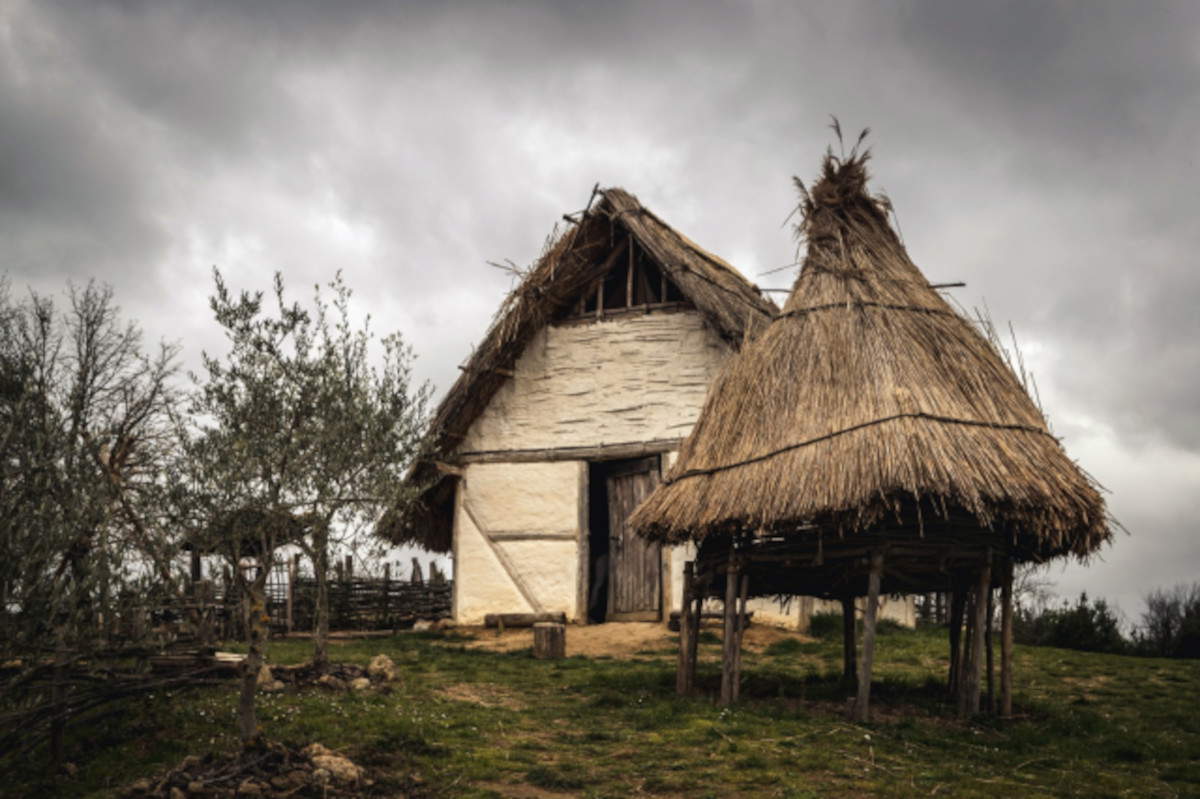
The new Archeodromo di Poggio Imperiale, Italy’s largest open-air museum dedicated to the Early Middle Ages, is opening in Poggibonsi. Fifteen structures recreate a Carolingian village from the 9th–10th centuries, offering a glimpse into daily life during the time of Charlemagne.


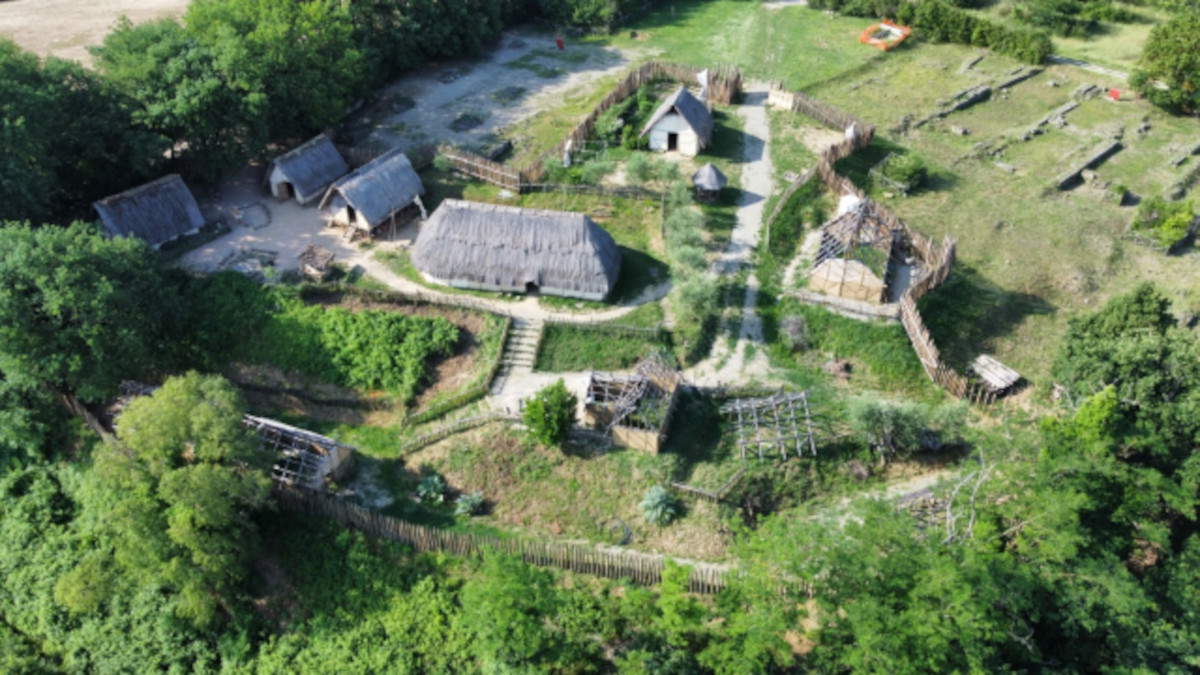
A village from the time of Charlemagne comes to life again in Poggibonsi, where visitors can explore the past through buildings, tools, crafts, and scenes of daily life. On October 24, 2026, the new Archeodromo di Poggio Imperiale will open— Italy’s largest open-air museum dedicated to the Early Middle Ages, which today features fifteen full-scale reconstructions surrounded by a large palisade. The opening celebrations will continue on October 25 with events dedicated to exploring a rural community that lived between the 9th and 10th centuries.

The project recreates the Carolingian-era village identified by archaeologistsfrom the University of Siena on the hill of Poggio Imperiale. Dwellings, artisan workshops, and production facilities bring to life the layout of a medieval settlement, transforming the findings of the research into a hands-on experience accessible to the public.
Archeodromo di Poggibonsi: From Archaeological Research to an Open-Air Museum
The Archeodromo di Poggibonsi is an Archaeological Open-Air Museum, conceived as a place for research, experimentation, and public outreach. Its unique feature lies in linking the traces uncovered during excavations with reconstructions that allow visitors to gain a closer understanding of the spaces, construction techniques, and activities of an early medieval community. Born out of a collaboration between the Municipality of Poggibonsi and the Chair of Medieval Archaeology at the University of Siena, with contributions from Archeotipo srl and the associations Started and Arché, the project reconstructs, on a full scale, the Carolingian-era village of huts discovered at Poggio Imperiale.


The initial opening in October 2014 marked the launch of a museum conceived as a permanent construction site, destined to grow and evolve based on new discoveries. The structures are, in fact, built through the study of archaeological evidence, comparison with other historical sources, and experimentation with Early Medieval construction techniques.
In January 2016, the second phase was inaugurated, expanding the spaces for visits, educational activities, and experimentation. In the years that followed, thanks to public investments, professional collaborations, and the commitment of local organizations, the village developed further, enriched with residential and workshop buildings as well as structures for food preparation, resource storage, and daily activities, thereby recreating the social and economic landscape of a rural community from the time of Charlemagne.
With the new inauguration on October 24, 2026, the Archeodromo reaches another milestone in its growth. The village now comprises fifteen structures, including huts, craft buildings, and spaces for service activities, all protected by a large perimeter palisade. Each building helps reconstruct an aspect of the settlement’s social and economic organization: from domestic life to artisanal production, from food preparation to the preservation of resources necessary for the community. The result is a reconstruction of the Carolingian rural landscape that does more than simply showcase the forms of dwellings; it allows visitors to imagine the activities, trades, and relationships that characterized the daily life of a community over a thousand years ago.
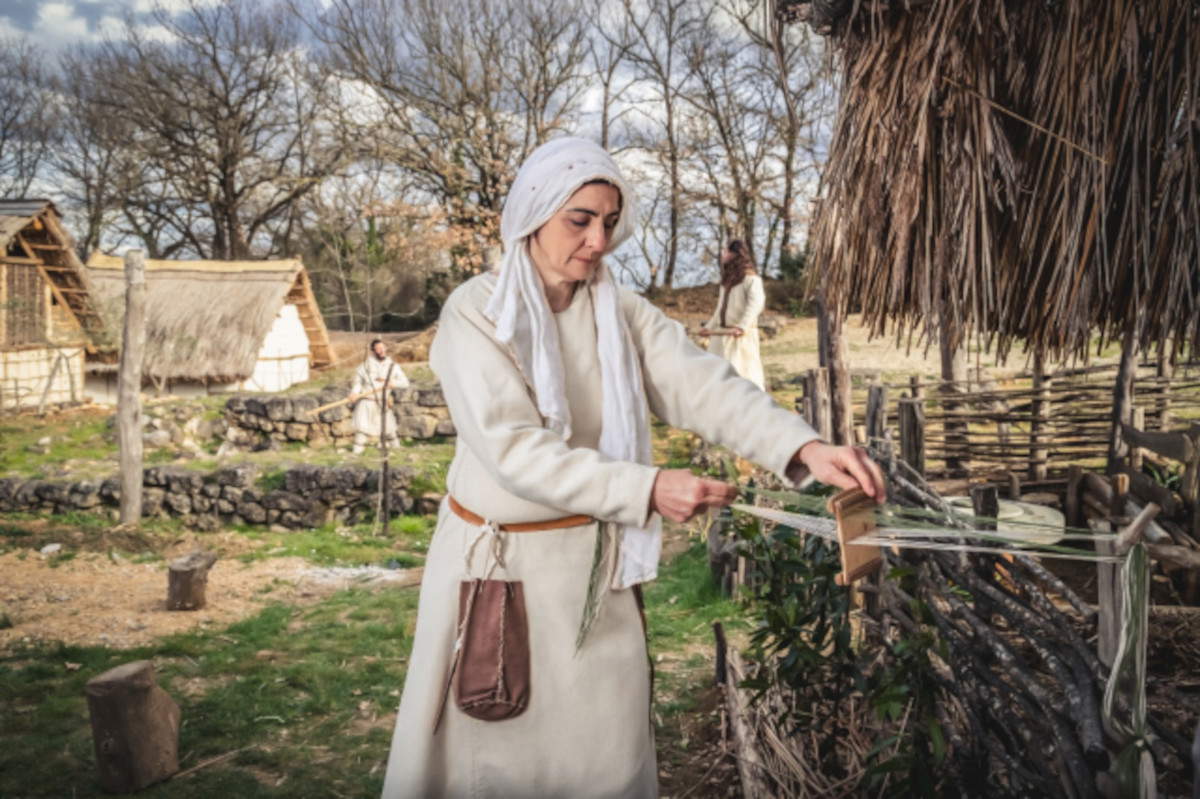
Living History: Experiencing Archaeology Firsthand
At the Archeodromo, a visit becomes an opportunity to engage with archaeology through hands-on experience. Archaeologists and specialized guides lead visitors on a discovery of the village through living history activities, linking clothing, tools, gestures, and daily practices to the findings of scientific research. Direct observation of the reconstructed environments serves as the starting point for explaining how the settlement’s inhabitants lived, what activities they engaged in, and what techniques they used. This approach distinguishes information supported by archaeological evidence from hypotheses still under debate, while maintaining the rigor of research at the core. Interaction with visitors, their questions, and the sharing of experiences help make the exploration more engaging, offering new opportunities for deeper understanding to audiences of different ages and interests.
“One Village, a Thousand Stories”: The Opening Days on October 24 and 25
“One Village, a Thousand Stories” is the title chosen for the opening days on October 24 and 25, 2026, and it encapsulates the Archeodromo’s mission: to tell the story of the Middle Ages through the people, activities, and relationships that brought past settlements to life. Behind every reconstructed building lies a research process that begins with the traces preserved in the ground and seeks to transform them into knowledge accessible even to those encountering archaeology for the first time. Each structure thus becomes a starting point for exploring a different story—one of work, domestic life, community organization, and artisanal techniques. The new opening also marks the beginning of a new phase for a project whose defining feature is the convergence of university research and public participation. In Poggibonsi, the Carolingian village continues to grow and tell its many stories, offering visitors the opportunity to engage with the past through a tangible and immersive experience.
|
| Poggibonsi Unveils the New Archeodromo: A Carolingian Village Featuring 15 Full-Scale Reconstructions |
Warning: the translation into English of the original Italian article was created using automatic tools. We undertake to review all articles, but we do not guarantee the total absence of inaccuracies in the translation due to the program. You can find the original by clicking on the ITA button. If you find any mistake,please contact us.