





Pompeii and the Renaissance might seem like two historical realities that are worlds apart and difficult to connect. Recent discoveries made inthe Insula Meridionalis area, however, seem to tell a different story. Certain materials and ceramic artifacts dating from the 15th and 16th centuries appear to attest to the presence of and continued use of the ancient city even many centuries after the eruption of Vesuvius in 79 A.D. These findings help paint a picture of a “Pompeii after Pompeii,” revealing a place whose memory never completely faded over the centuries.
In the popular imagination, the history of Pompeii is often divided into two clearly distinct periods. On the one hand, there is the Roman city, which remained buried following the eruption of Vesuvius in 79 AD; on the other, its second life, which officially began in 1748 with the start of excavations carried out during the Bourbon era. Between these two periods lie nearly seventeen centuries that were long considered a time of complete abandonment and oblivion. New archaeological evidence, however, suggests a far more complex reality.
Excavation, restoration, and stabilization work on the Insula Meridionalis—a neighborhood located in the southern part of ancient Pompeii—have unearthed artifacts dating to the 15th and 16th centuries. These findings are particularly significant because they appear to document a human presence in the area during a period when, according to traditional views, the buried city was thought to have been completely forgotten.
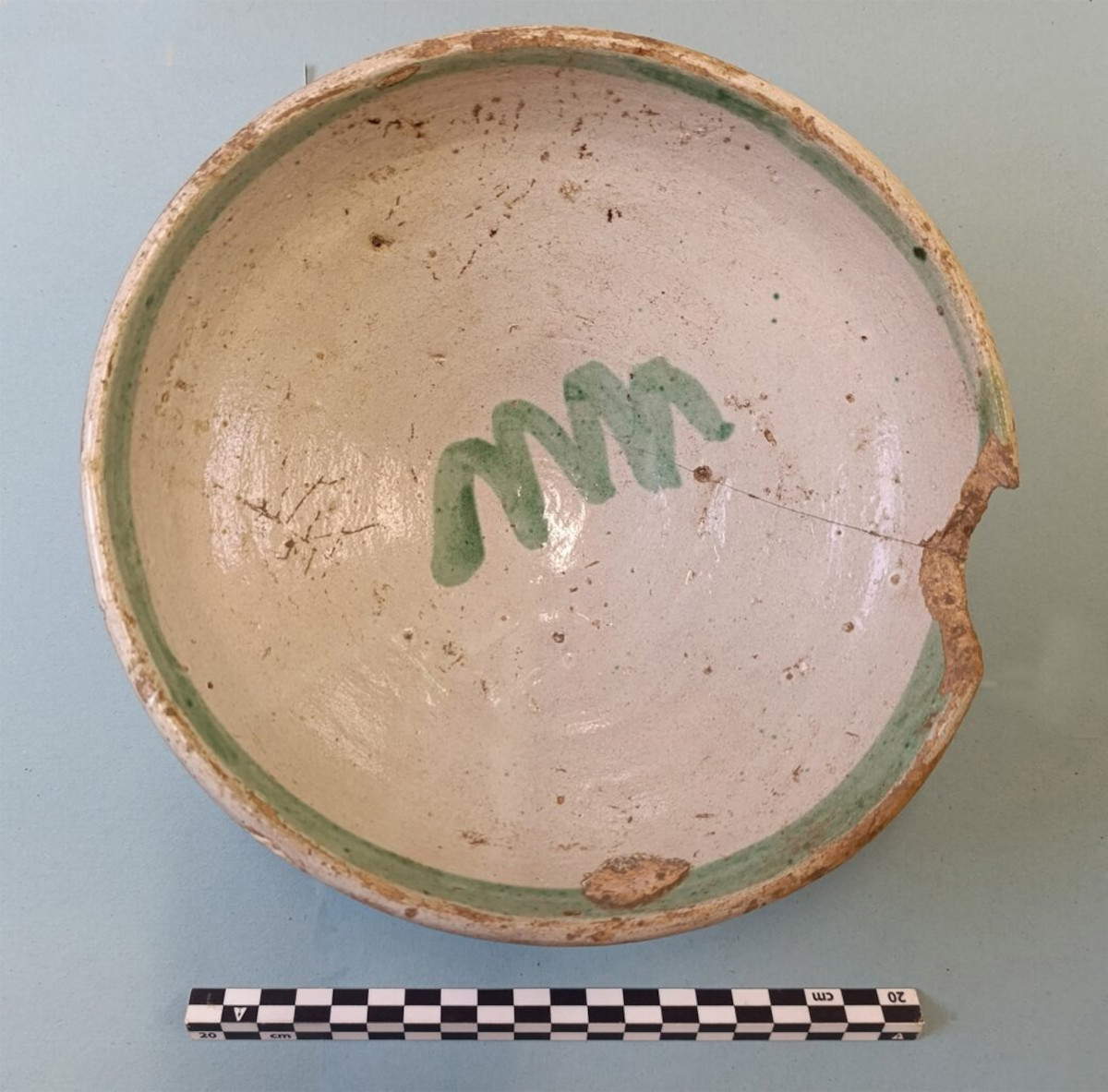
The findings suggest that the area continued to be frequented and inhabited, opening up new perspectives on the history of post-eruption Pompeii and on the persistence of the memory of the ancient site. The new evidence demonstrates how the perception and presence of the site have evolved over the centuries through various forms of engagement, preservation, and the transmission of memory. Research on “Pompeii after Pompeii” thus opens up a new perspective: that of a territory which, despite the destruction of the ancient city, was never completely abandoned and where the memory of the past continued to survive, preserved in part by rural communities that had maintained a connection to those places.
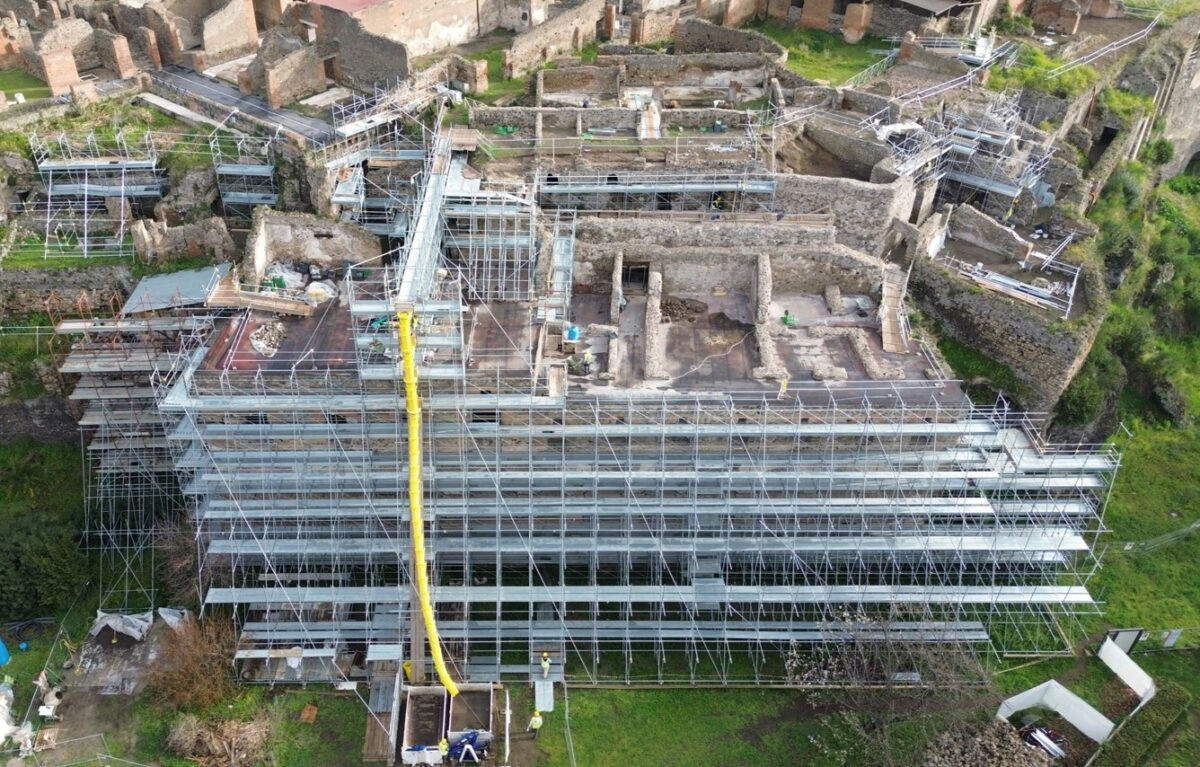
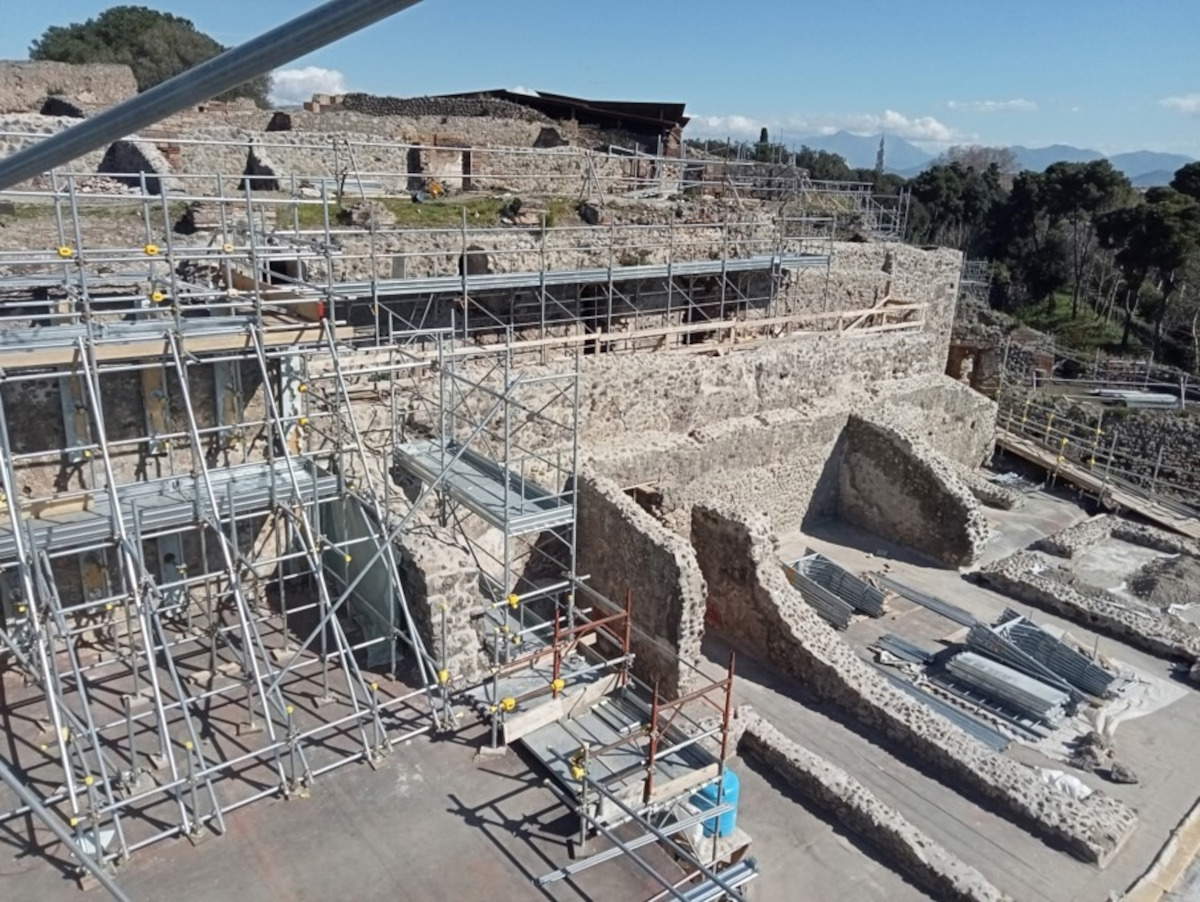
“Without taking anything away from researchers such as Gioachino Alcubierre, who came from Spain and spearheaded the first archaeological excavations in Pompeii in 1748,” stated the director of the Archaeological Park of Pompeii, Gabriel Zuchtriegel, “we must acknowledge that a local community existed here that, from the very day after the eruption, continued to live in Pompeii and preserve its memory. This is evident not only from archaeological discoveries but also from the place name ‘Civita,’ which attests to the local memory of a buried city. Of course, the farmers and shepherds who lived among the ancient ruins did not have the means to convey their knowledge of antiquity in a scientific manner, but this does not mean that such knowledge did not exist. Pompeii is and has always been a true heritage community, and if it bears the name of the ancient city today, it is not because Pompeii rose from nothing, but because it has always been part of the collective memory of this region.”
You can visit the Insula Meridionalis excavation site alongside the archaeologists and conservators working there by appointment every day from Monday through Friday from 11 a.m. to 12 p.m. by calling 327 2716666.
|
| Pompeii: Ceramic Artifacts May Indicate That the Ancient City Was Visited During the Renaissance |

Warning: the translation into English of the original Italian article was created using automatic tools. We undertake to review all articles, but we do not guarantee the total absence of inaccuracies in the translation due to the program. You can find the original by clicking on the ITA button. If you find any mistake,please contact us.



























 IT
IT FR
FR DE
DE ES
ES CN
CN


