




by Redazione 09/09/2026



Categories: Archaeology / Disclaimer
At the Taşköprü archaeological site in Turkey, excavations have uncovered a 4th-century mosaic floor. A 2nd-century head of Eros was also discovered.

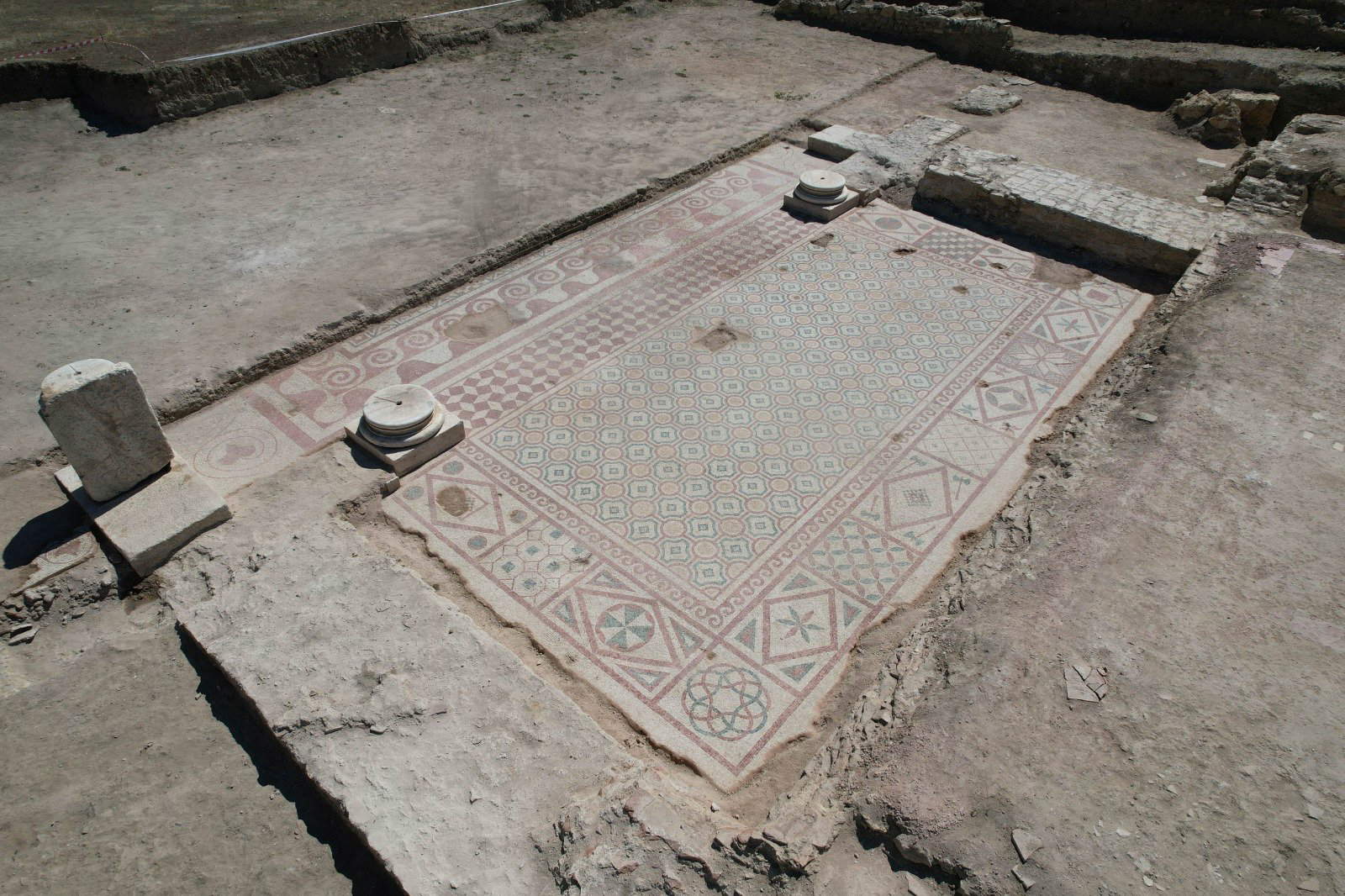
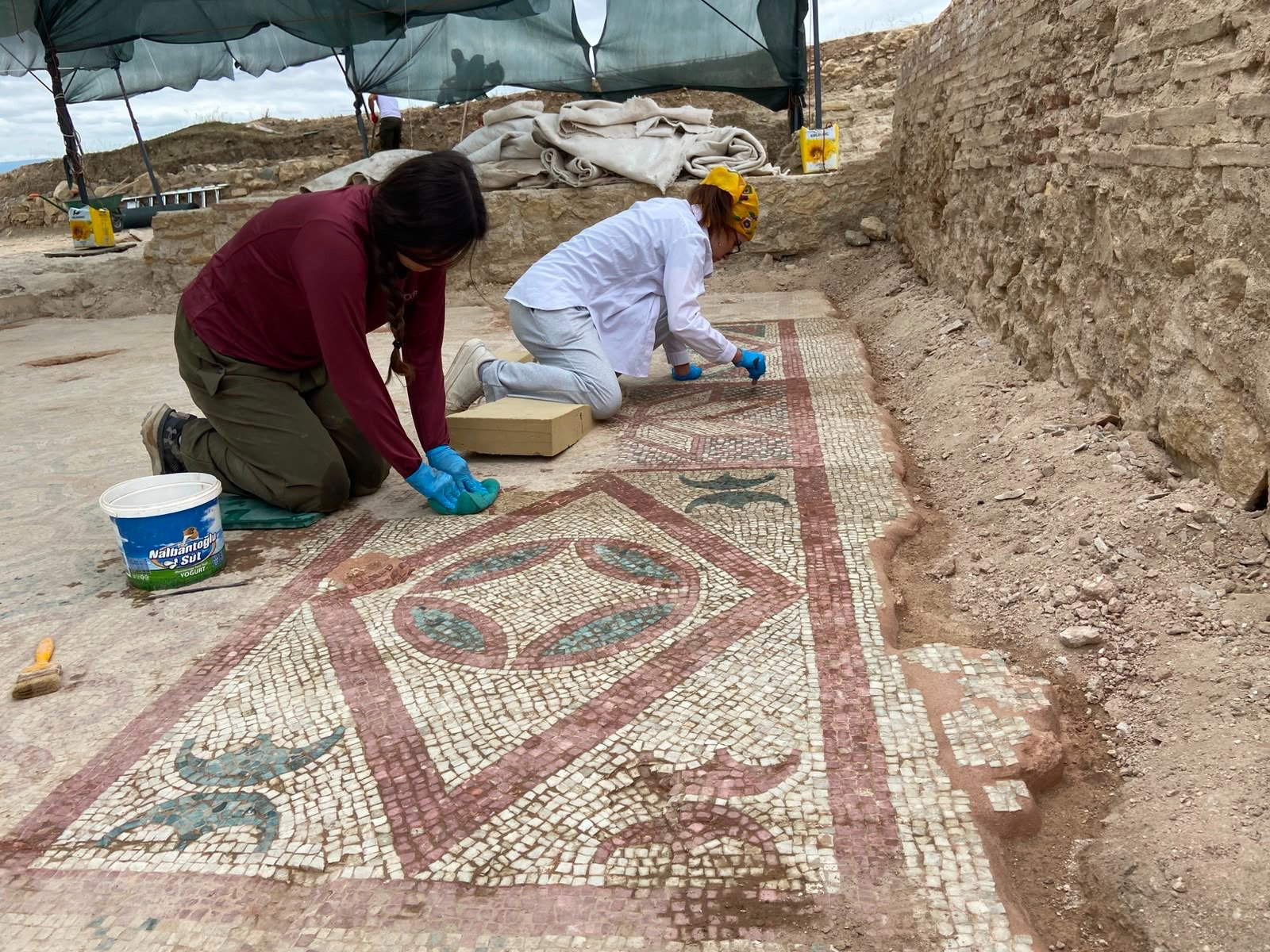
A floor mosaic measuring approximately 105 square meters, dating to the 4th century A.D., has been unearthed in the basilica of Pompeiopolis, in what is now the Taşköprü district of the Turkish province of Kastamonu. The discovery was made during excavation, documentation, and conservation efforts conducted in 2026 at the site of the ancient city, an important center in the region of Paphlagonia and a provincial capital during the Roman Imperial period.

The discovery was announced by Turkish Minister of Culture and Tourism Mehmet Nuri Ersoy, who reported on the results of the work carried out in the basilica. The mosaic floor, composed of various geometric patterns, is in particularly good condition and was found in the building’s central nave. The area unearthed so far covers approximately 105 square meters, but the excavation has not yet allowed for the full extent of the decoration to be documented: investigations to identify the continuation of the mosaic are still underway.


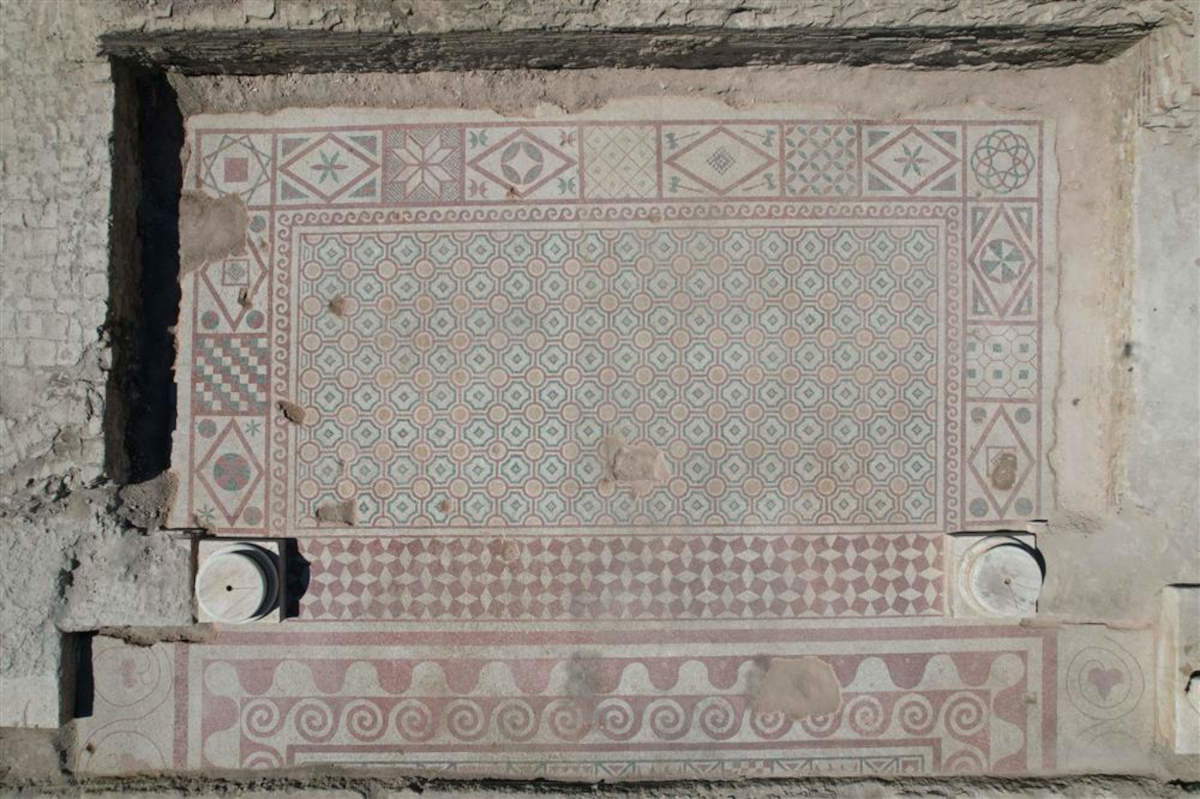
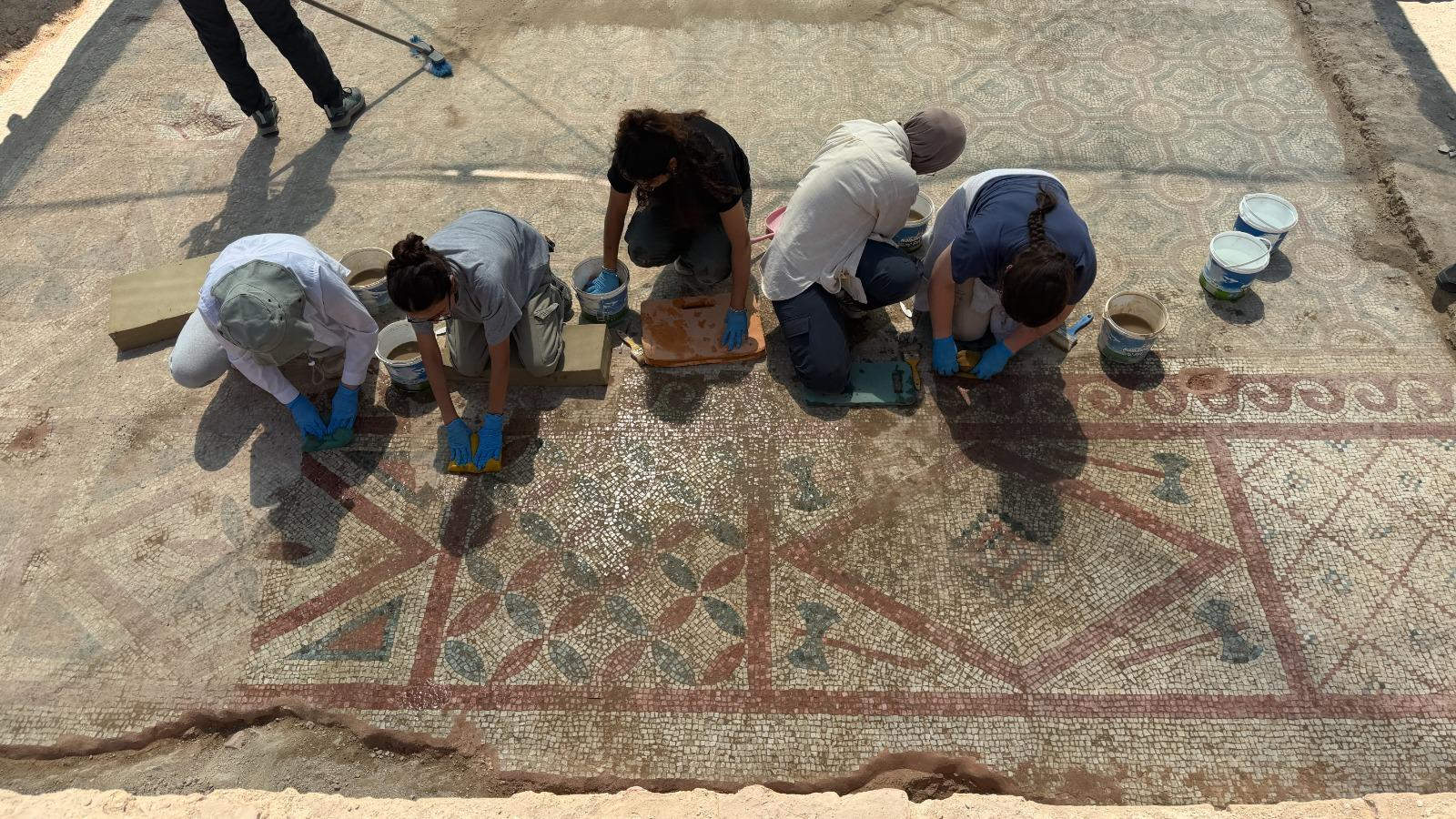
“We have unearthed approximately 105 square meters of floor mosaics dating back to the 4th century A.D., consisting of geometric compositions and extraordinarily well-preserved,” says Ersoy.


Conservation work on the sections already uncovered has been completed, with measures taken to ensure their preservation. The new findings also contribute to reconstructing the various phases in the basilica’s history, which, according to architectural, stratigraphic, and archaeological evidence, is believed to have undergone its initial construction phase in the second half of the 2nd century A.D., around 150–160. The building subsequently underwent significant architectural and functional transformations.
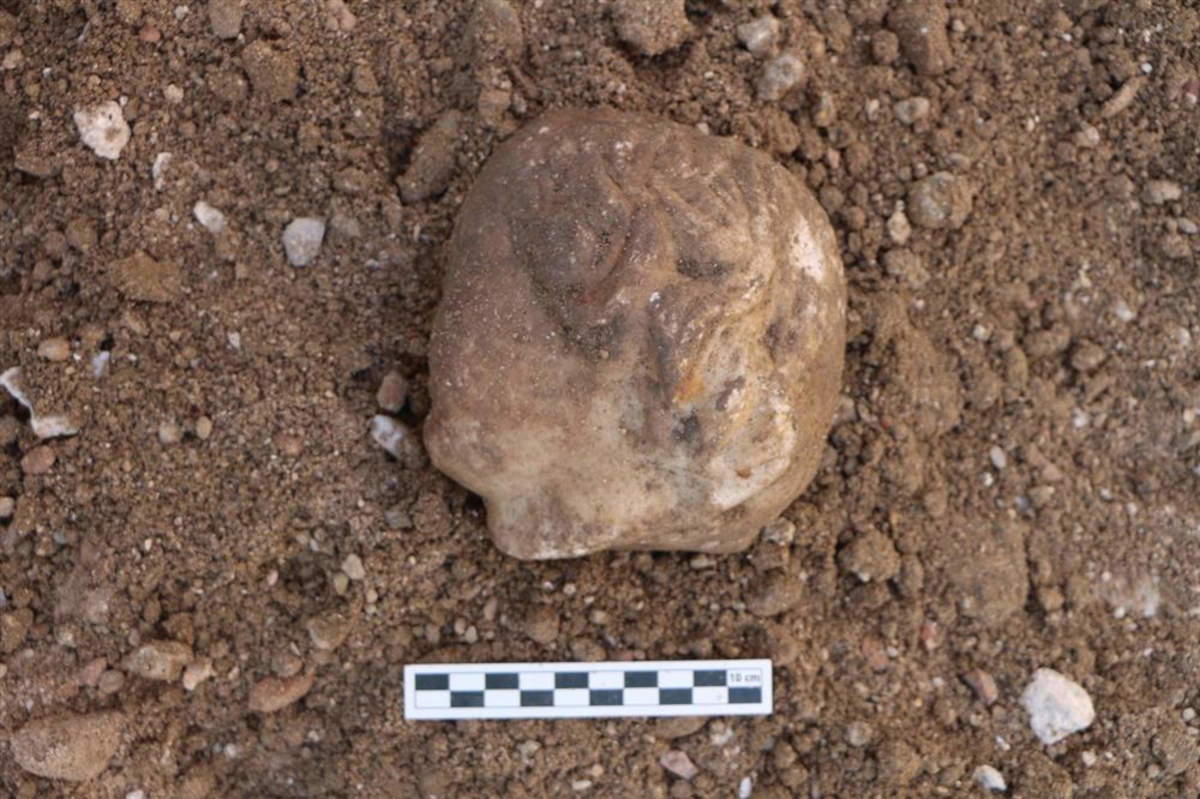
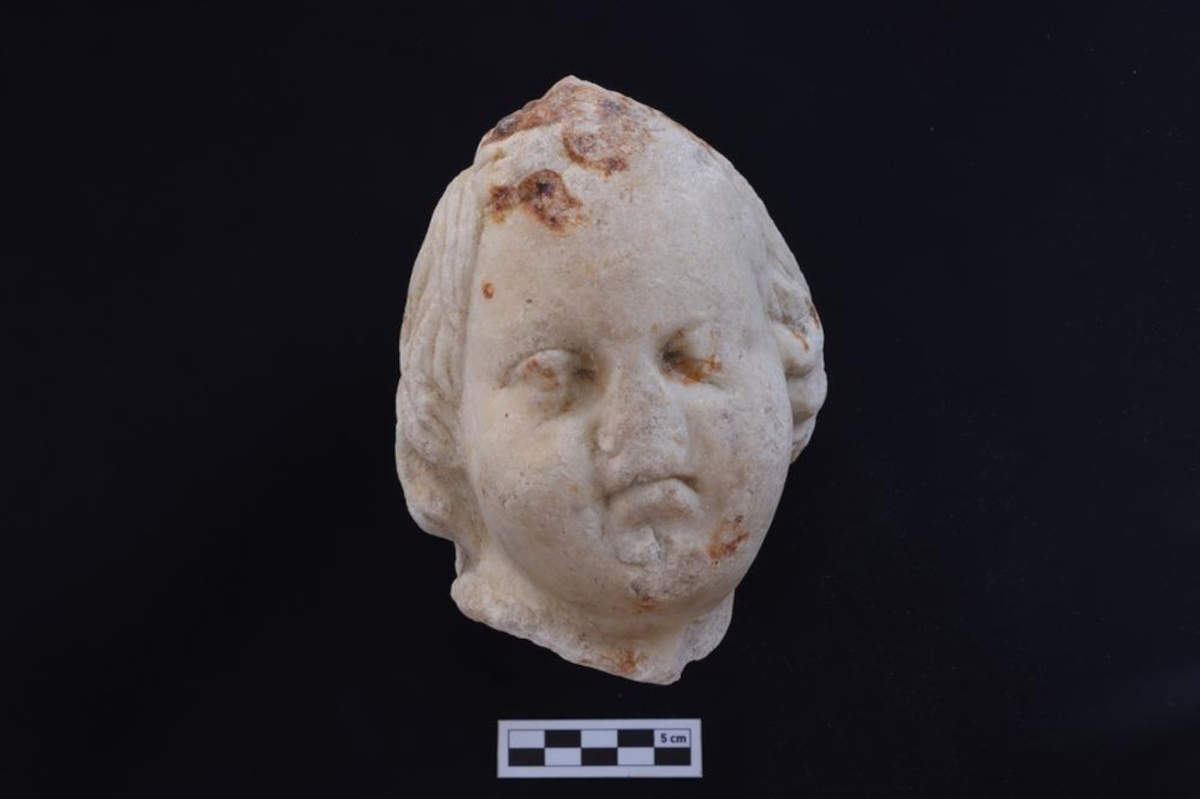
During the 2026 excavations, a head of Eros, also dating to the second half of the 2nd century A.D., was discovered in the Pastoforion area. The find adds new insights into the artistic and cultural environment of Pompeiopolis during the Roman Imperial period.
The history of the basilica also documents the changes that took place in the city during late antiquity. In the 5th century AD, Pompeiopolis became an episcopal center, assuming new religious and administrative significance. The subsequent modifications to the building, along with the decorative elements and mosaic floors, can in fact be traced to the period when the city underwent the process of Christianization and consolidated its episcopal function.
Excavations of the basilica, which began in 2025, are therefore continuing with the goal of more fully reconstructing the building’s floor plan and its various phases of use. The excavation, documentation, and conservation efforts also aim to uncover the entire mosaic decoration and ensure its preservation. The research is being conducted by teams from the General Directorate of Cultural Heritage and Museums of the Turkish Ministry of Culture and Tourism in collaboration with the archaeological mission.
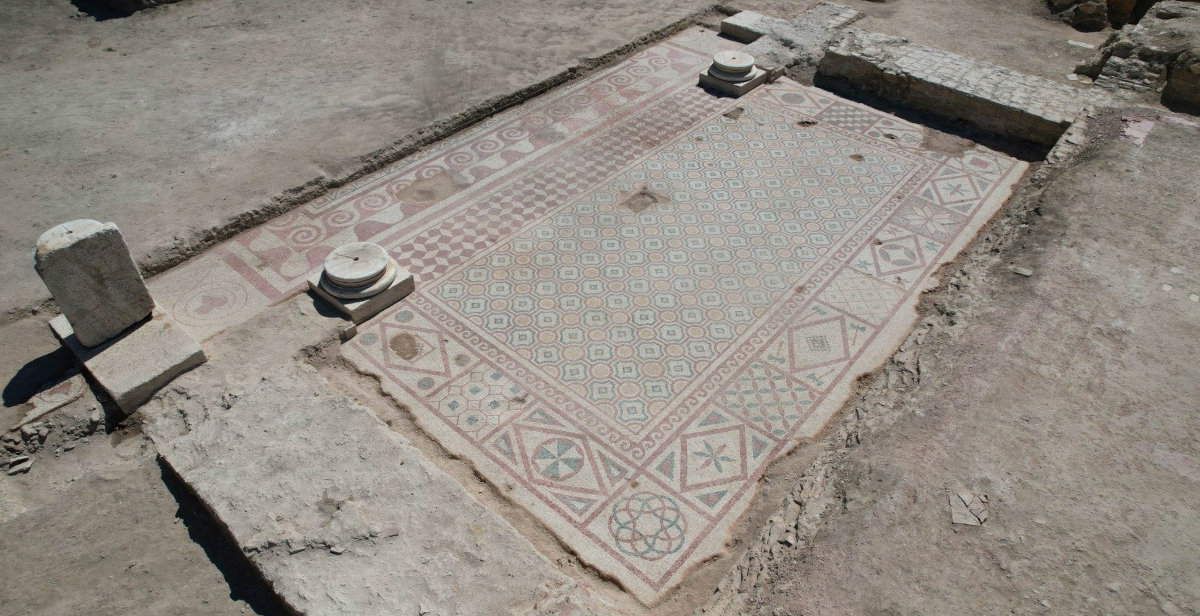 |
| Turkey: A 105-square-meter Roman mosaic discovered in Pompeiopolis |
Warning: the translation into English of the original Italian article was created using automatic tools. We undertake to review all articles, but we do not guarantee the total absence of inaccuracies in the translation due to the program. You can find the original by clicking on the ITA button. If you find any mistake,please contact us.