



by Redazione 02/11/2026


Categories: Contemporary art / Disclaimer
On October 2, 2026, Virgilio Villoresi’s work *Babele Fantasma* joined the collection of the Labirinto della Masone. A zoetrope inspired by the Tower of Babel, it combines early cinema, fantastical imagery, and visions inspired by Alberto Martini.

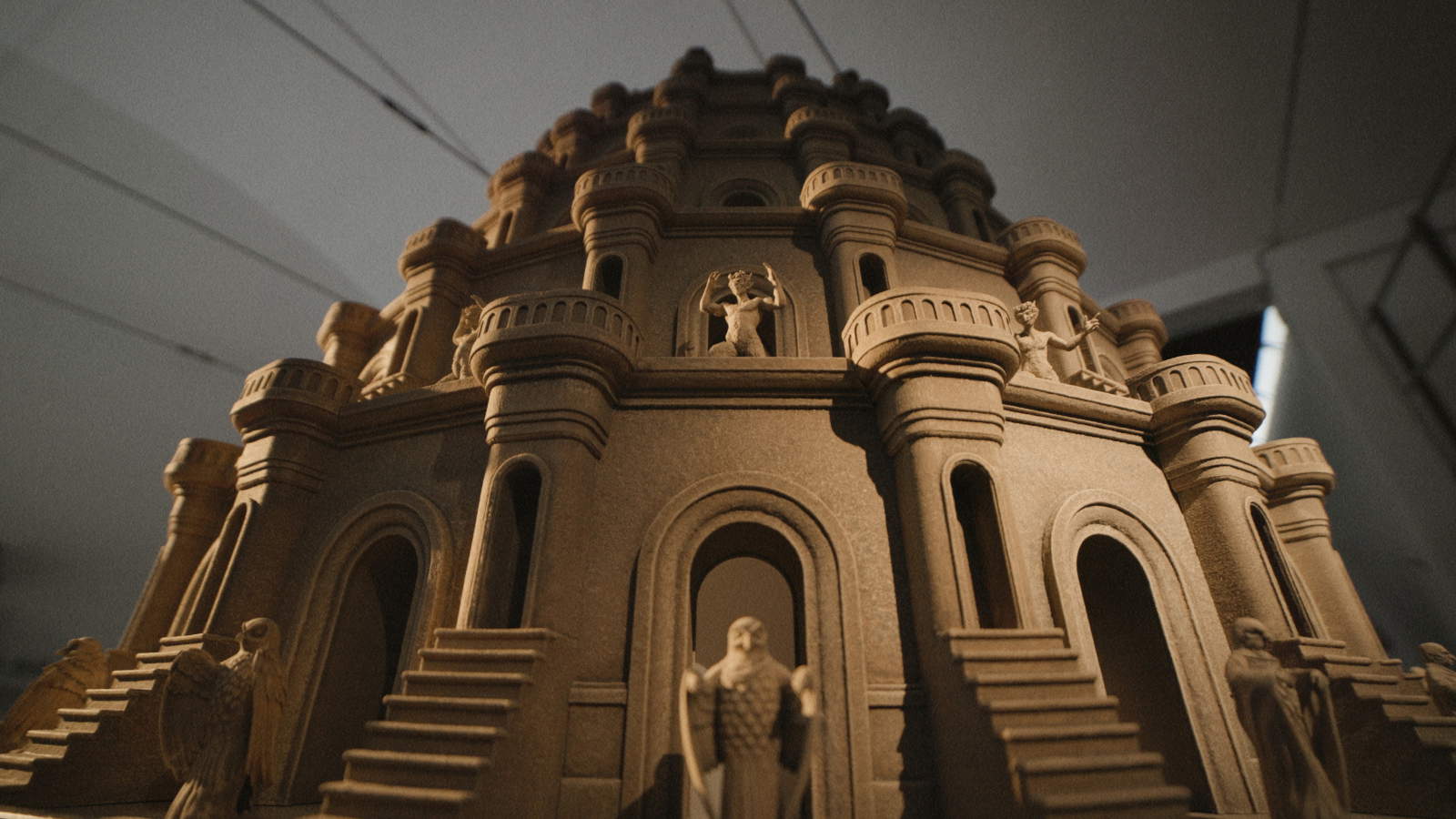
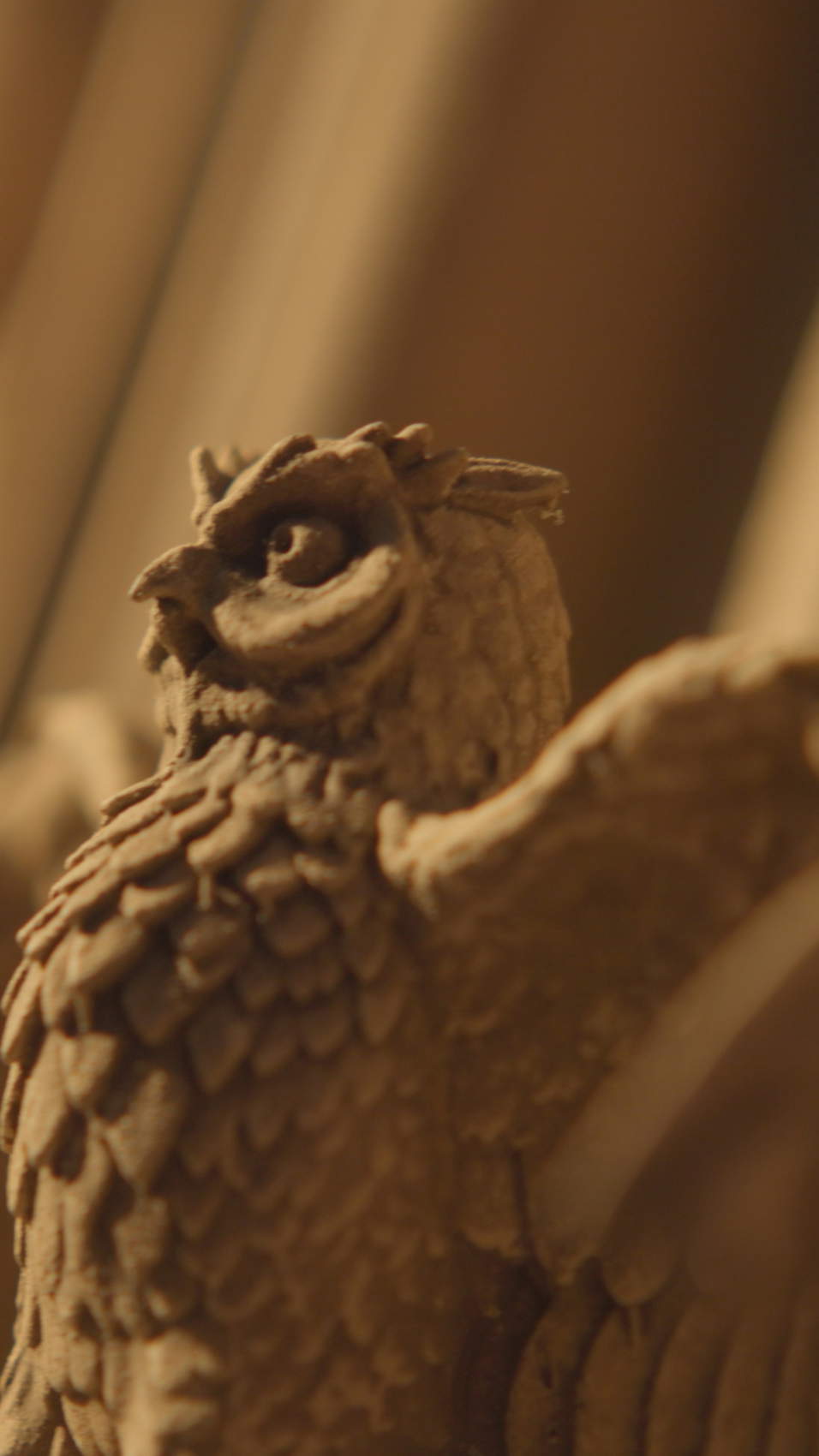
Mysterious figures come to life amid the architecture of the Tower of Babel, transforming a static sculpture into a visionary world of apparitions and optical illusions. This is the experience at the heart of *Babele Fantasma*, the work by Virgilio Villoresi that joined the collection of the Labirinto della Masone on October 2, 2026—the institution that commissioned and produced it. It is a zoetrope that , through movement and light, brings to life a structure inspired by one of the most evocative symbols in Franco Maria Ricci’s imagination.


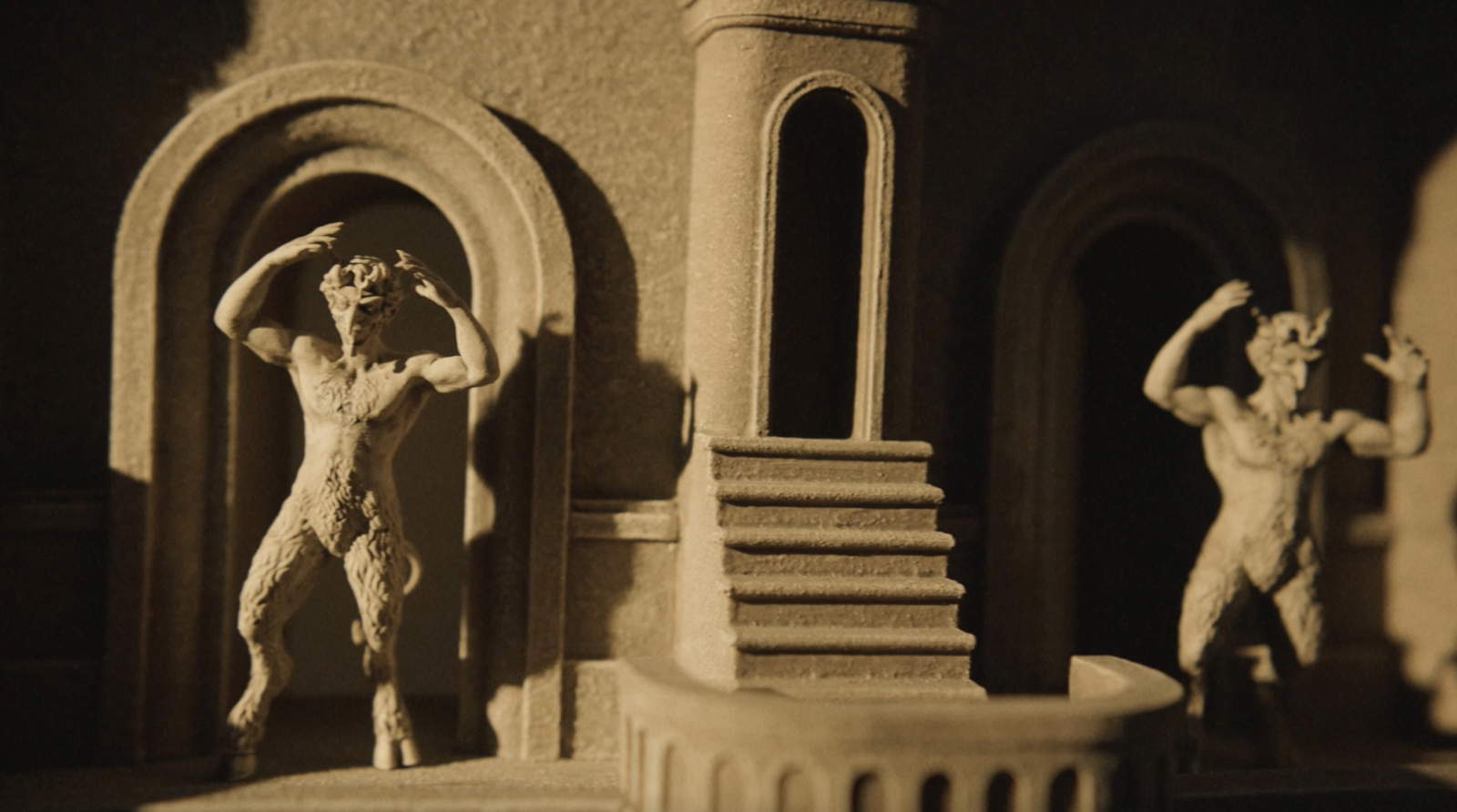
The installation takes the form of a small theater of the fantastic, in which the figures seem to suddenly come to life and inhabit the spaces of the Tower, leading the viewer on an enigmatic and unsettling journey. The result is a work that recaptures the wonder of early cinematic experiments, when movement, light, and the mechanisms of vision made it possible to create surprising apparitions and render visible what seemed impossible. With this new acquisition, the Labirinto della Masone enriches its collection with a work that combines artistic research, technical experimentation, and imagination, fully in tune with Ricci’s interest in beauty, the curious, and architecture that defies the ordinary.


The zoetrope is an optical device invented in the 19th century to create the illusion of movement through a succession of static images. In its original form, it consisted of a rotating cylinder with a series of slits and a strip of drawings arranged inside it. By observing the images through the slits as the cylinder rotated, it was possible to perceive them as an animated sequence. Over time, these devices have evolved, moving from simple two-dimensional illustrations to increasingly complex structures, featuring three-dimensional sculptures and stroboscopic lighting systems. It is precisely on these possibilities that *Babele Fantasma* is based—a sculpture designed to come to life through the combination of movement and light.


The figures, which appear motionless, thus take on a new dimension and seem to move within the Tower, creating a visual experience that oscillates between reality and illusion. The work evokes the origins of cinema and the tradition of phantasmagoria, an optical spectacle that utilized projections, light effects, and stage devices to conjure spectral presences and evoke wonder.
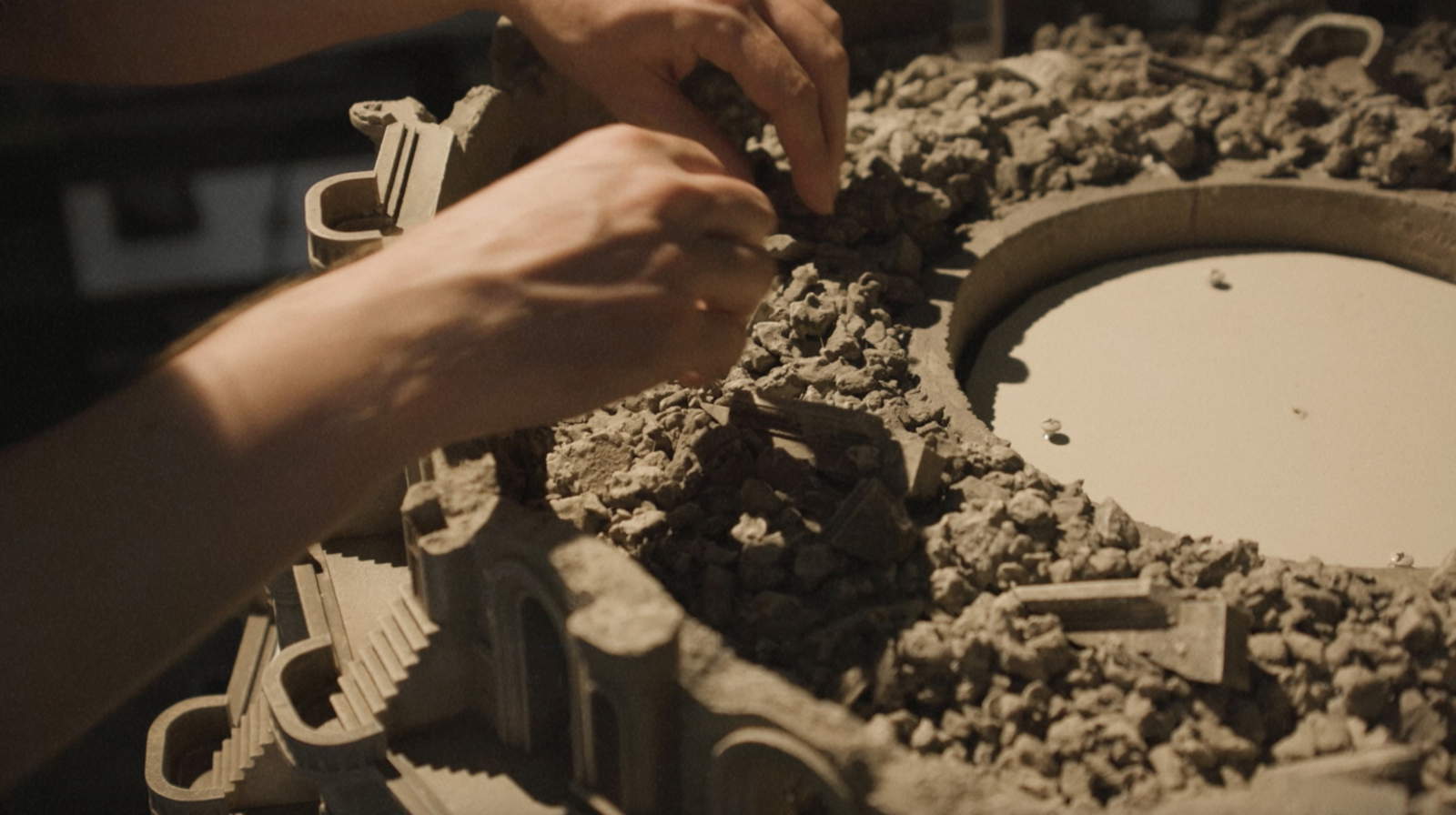
An artist and filmmaker born in 1979, Virgilio Villoresi has developed a personal visual language characterized by the fusion of different artistic media and the rediscovery of analog techniques. Stop-motion, animated collage, optical effects, pre-cinematic devices, and handcrafted techniques are some of the tools through which he constructs imaginary worlds, in which matter and movement are transformed into narrative elements. His conception of cinema goes beyond the purely technological dimension: film becomes a space for experimentation where craftsmanship, memory, and invention converge, giving shape to visions that retain the charm of early animation and ancient optical spectacles. In 2025, his first feature film, *Orfeo*, was selected for the Venice International Film Festival, confirming his interest in a cinema that engages with the visual arts and traditional techniques. *Babele Fantasma* fits seamlessly into this trajectory, bringing the relationship between image, movement, and perception back to the center of his exploration and demonstrating how devices from the past can generate new forms of expression in the contemporary landscape.
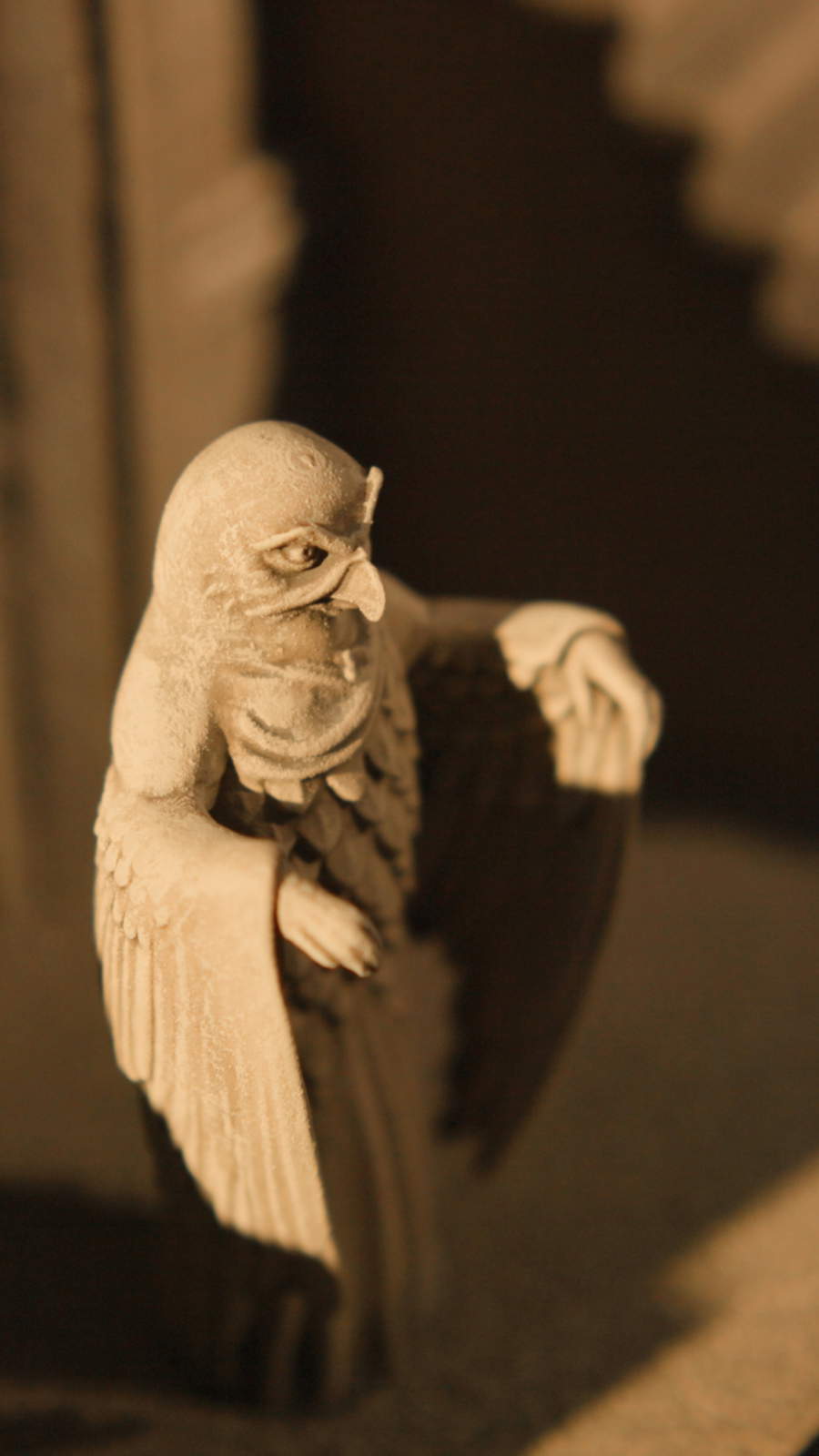
At the heart of *Babele Fantasma* lies the Tower of Babel, deeply rooted in Franco Maria Ricci’s imagination and his fascination with labyrinths, impossible architectures, and fantastical visions. The figures that animate the Tower are inspired by the visionary universe of Alberto Martini, an artist particularly cherished by Ricci. The characters move as if through the spaces of the architecture, appearing as ghostly presences that accompany the viewer on an ever-deeper descent into the work’s mystery. The combination of the architectural structure, the figures, and the optical effects creates a story without a conventional narrative, in which each apparition contributes to fostering a sense of wonder and estrangement. The Tower thus becomes a place to explore with the eye, a device capable of evoking images and sensations through movement and light.
With the addition of *Babele Fantasma* to its collection, the Labirinto della Masone reaffirms its commitment to showcasing works where aesthetic exploration, experimentation, and intellectual curiosity converge. Villoresi’s creation resonates with the identity of the venue and with the sensibility of Franco Maria Ricci, who has always been drawn to the interplay between art, visual culture, and surprising imagery. The work looks to the past without merely recreating it: it draws upon the optical techniques that preceded cinema and transforms them into a contemporary experience that engages the viewer through the illusion of movement and the evocative power of the images.
|
| A Tower of Babel that comes to life: Villoresi’s “Babele Fantasma” is the Labirinto della Masone’s latest acquisition |
Warning: the translation into English of the original Italian article was created using automatic tools. We undertake to review all articles, but we do not guarantee the total absence of inaccuracies in the translation due to the program. You can find the original by clicking on the ITA button. If you find any mistake,please contact us.