


by Redazione 31/10/2026


Categories: Contemporary art / Disclaimer
The 33rd edition of Artissima has announced nine of the twelve awards for artists and galleries. Two new awards have been introduced, dedicated to the relationship between art and design and to publication as part of artistic research. “The Curators’ Choice” also makes its debut, with a selection curated by international curators.
Artissima 2026 has announced the winners of nine of the twelve awards presented as part of its 33rd edition. Alongside its established awards, this year the Turin fair is introducing two new initiatives: the Seletti Wonder Award, which bridges artistic research and design, and the Archivorum Unwritten Award, dedicated to the editorial dimension of artistic practice. Also making its debut is The Curators’ Choice, a program supported by Fondazione Arte CRT that entrusts international curators with the task of identifying the most interesting galleries among those participating in the fair. The winners of the awards that include an acquisition by the partner organization—namely, the Tosetti Value Prize for Photography, the Matteo Viglietta Award, and the Ettore and Ines Fico Prize—will be announced at a later date.


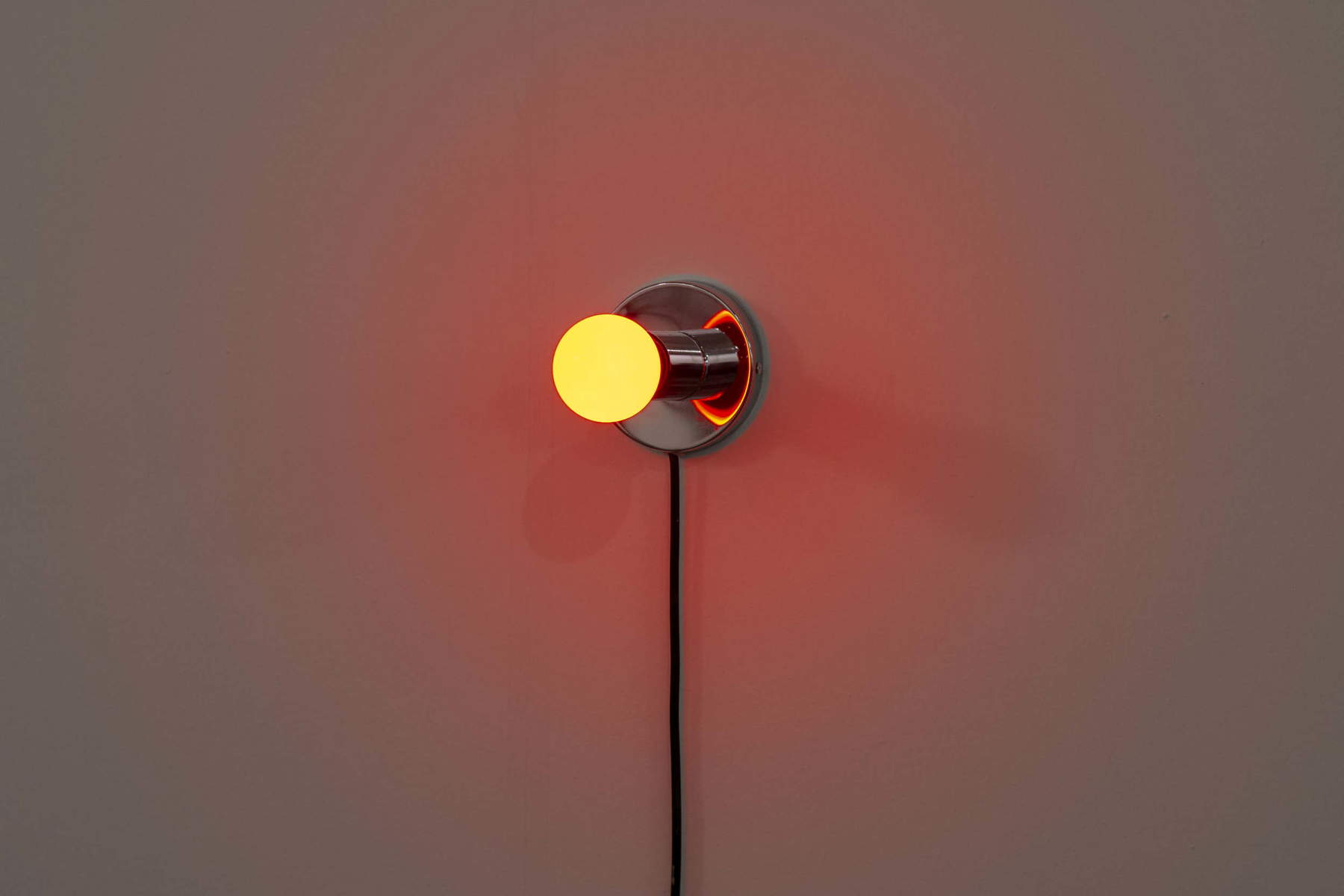
The first Seletti Wonder Award was presented to Vadim Fishkin ( Penza, 1965), represented by the Gregor Podnar Gallery in Vienna. The award, sponsored by Seletti, aims to support artistic research that offers an original perspective on reality through innovative and interdisciplinary approaches. Fishkin will receive a grant for his research and will collaborate with the company to develop a special project, which will be presented at Artissima 2027.


“The jury of the 2026 Seletti Wonder Award,” composed of artists Eva and Franco Mattes, Ilenia Paneghini, president of RETI Spa and collector, Marisa Passera, radio host, and Maria Chiara Valacchi, art journalist and curator, “awards the prize to Vadim Fishkin, represented by the Gregor Podnar Gallery, for the work *Lighthouse*. At an art fair that overwhelms us with visual stimuli, it is the flickering of a lightbulb that captures our attention. At a time in history when the impact of artificial intelligence on our lives compels us to question what remains profoundly human, art offers us an answer. For years, Vadim Fishkin’s work has explored the relationship between technology and the fragility of life, observing and documenting it with disarming simplicity. His practice transforms everyday phenomena into extraordinary experiences, weaving art and science together with a sideways glance at reality—one capable of revealing what often eludes us. Here, science is at the service of poetry. And perhaps it is precisely there, in this encounter, that something deeply human beats. *Lighthouse* is a work that, with a simple flash of light, reminds us that wonder is something deeply alive.”

The illy Present Future Award, sponsored by illycaffè since 2001 and aimed at emerging artists in the Present Future section, went to Juliana Frontin (Rio de Janeiro, 1990), represented by the Yehudi Hollander Pappi Gallery in São Paulo. The award will enable her to stage a solo exhibition at the Fondazione Sandretto Re Rebaudengo during Artissima 2027.
“The jury,” composed of Yilmaz Dziewior, director of the Ludwig Museum in Cologne; Mariam Elnozahy, artistic director of Konsthall C in Stockholm; Patrizia Sandretto Re Rebaudengo, president of the Sandretto Re Rebaudengo Foundation; Toleen Touq, director of the Cultural Program at the AM Qattan Foundation in Ramallah; and Nicole Yip, director of Spike Island in Bristol, “awards the illy Present Future Prize to Juliana Frontin, represented by Yehudi Hollander-Pappi, São Paulo, for her exploration of the materiality of sound and the possibilities of expanding its boundaries. Through installations that give form to frequencies and sonic matter, the artist explores the limits of sound and the possibility of translating it into spatial forms and configurations. As a representative of a generation of Brazilian artists investigating the potential of sound within exhibition spaces, Frontin combines her experience as a DJ with her studies in visual poetics and fuses these fields into the language of the visual arts. The jury recognizes her practice as a particularly fertile ground for experimentation and believes that the award will offer her the opportunity to further explore the potential of sound as a mediator of social relationships.”
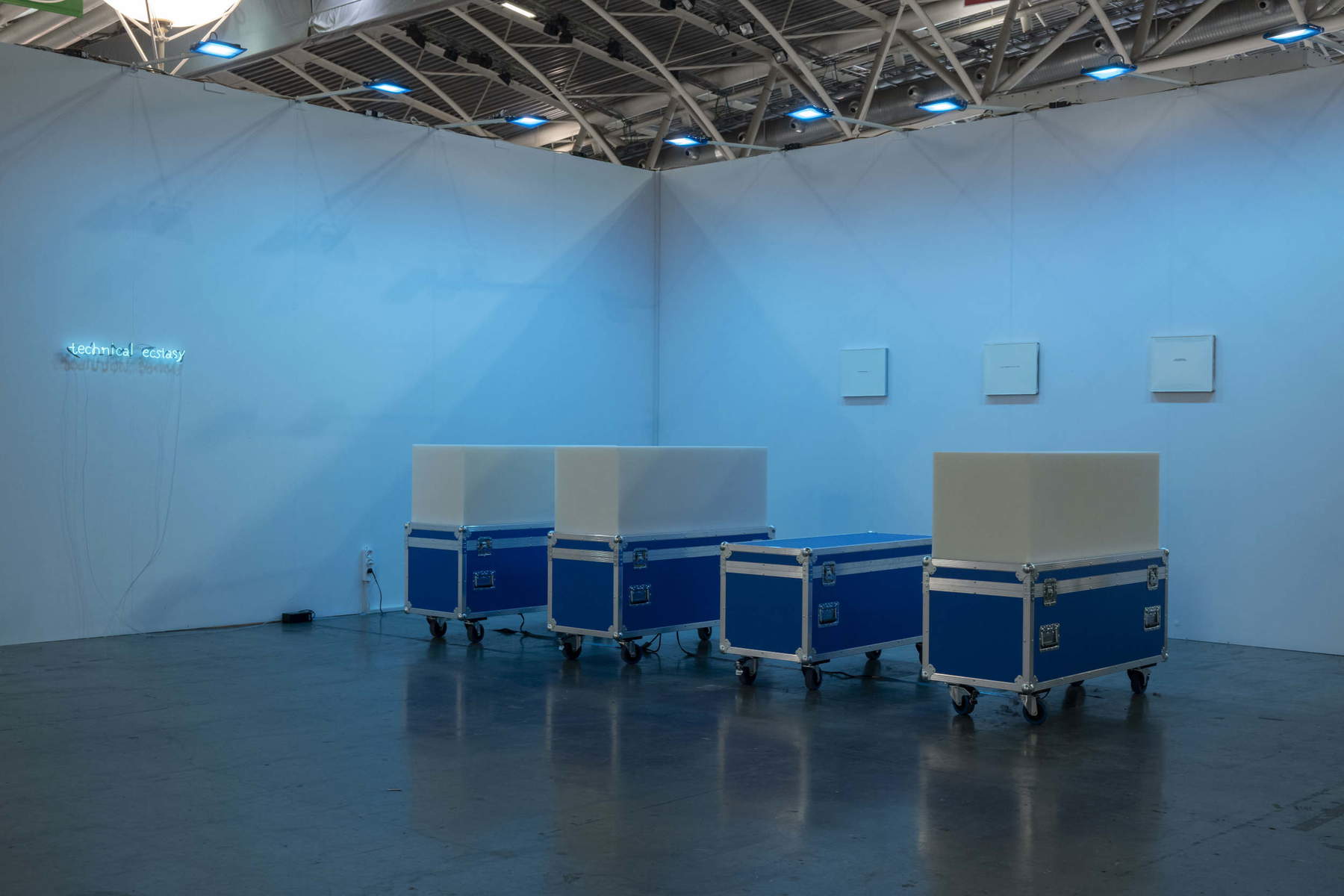
The Orlane Prize for Art was awarded to the Lehmann Gallery, “for presenting an artistic vision that explores the theme of time through a complex and layered body of work, in which video and embroidery engage in a dialogue. These are two languages intrinsically linked to duration, which find a perfect correspondence in the artist’s practice, built around the motif of Goya’s *Saturn Devouring His Children*. The presentation navigates a subtle tension between the scatological and the sublime. On the one hand, there are exquisitely crafted knitted works that evoke the digestive process. On the other, there is the video *O Prado*, in which a hypnotic and convivial conversation among friends unfolds around the table and the sudden appearance of a Goya stolen from a restaurant,” according to the jury composed of Stefano Collicelli Cagol, general director of the Luigi Pecci Center for Contemporary Art in Prato; Chris Dercon, managing director of the Fondation Cartier pour l’Art Contemporain in Paris; and Andreja Hribernik, director of the Kunsthaus Graz. Now in its third edition, the award sponsored by Orlane includes a grant of 10,000 euros to support the gallery’s research and development.
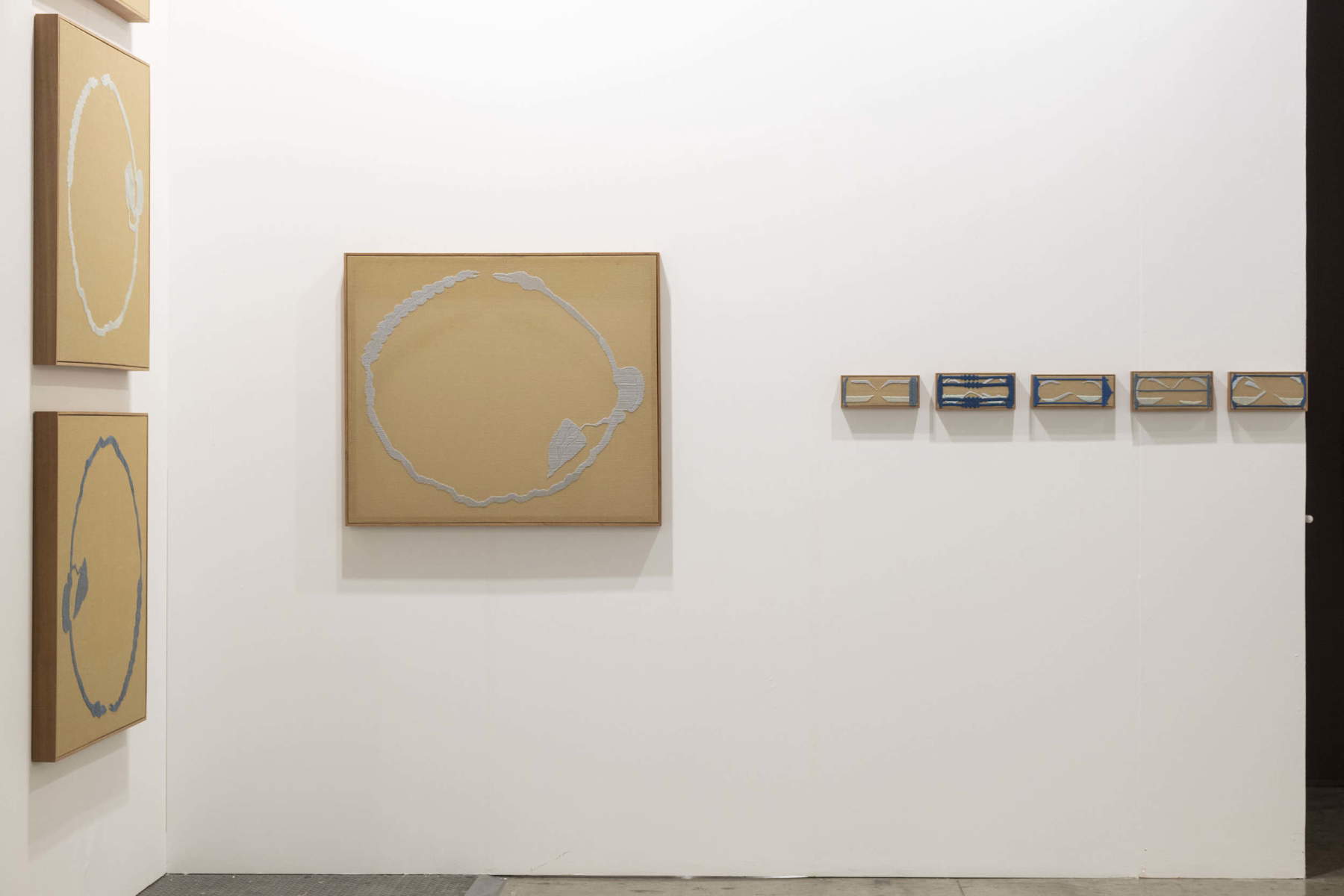
Among the new features for 2026 is the Archivorum Unwritten Prize, awarded for the first time to Ben Stanwix (Durban, 1986) and Xhanti Zwelendaba ( Alice, 1992), presented by the Reservoir Gallery in Cape Town. The award, introduced in the Monologue/Dialogue section, provides a total grant of 20,000 euros for the creation of a publishing project developed by the artists in collaboration with Archivorum. The publication is considered an integral part of the research: a space in which to give shape to a project, a personal archive, or a journey still in progress. The citation reads: “The Archivorum Unwritten Prize is awarded to Ben Stanwix and Xhanti Zwelendaba for a collaborative practice that intertwines territory, memory, and representation. Their research explores the legacies of colonialism and apartheid in contemporary South Africa, bringing archival images, personal experiences, and everyday materials into dialogue. Through these transformations, the artists question the construction of historical narratives and bring to light the tensions between official memory and individual experience. The jury recognizes in their work strong editorial potential, capable of finding new possibilities for expression and transmission through publication. The award supports the book as an autonomous space for research, in which sources, images, and voices can generate new shared interpretations.”
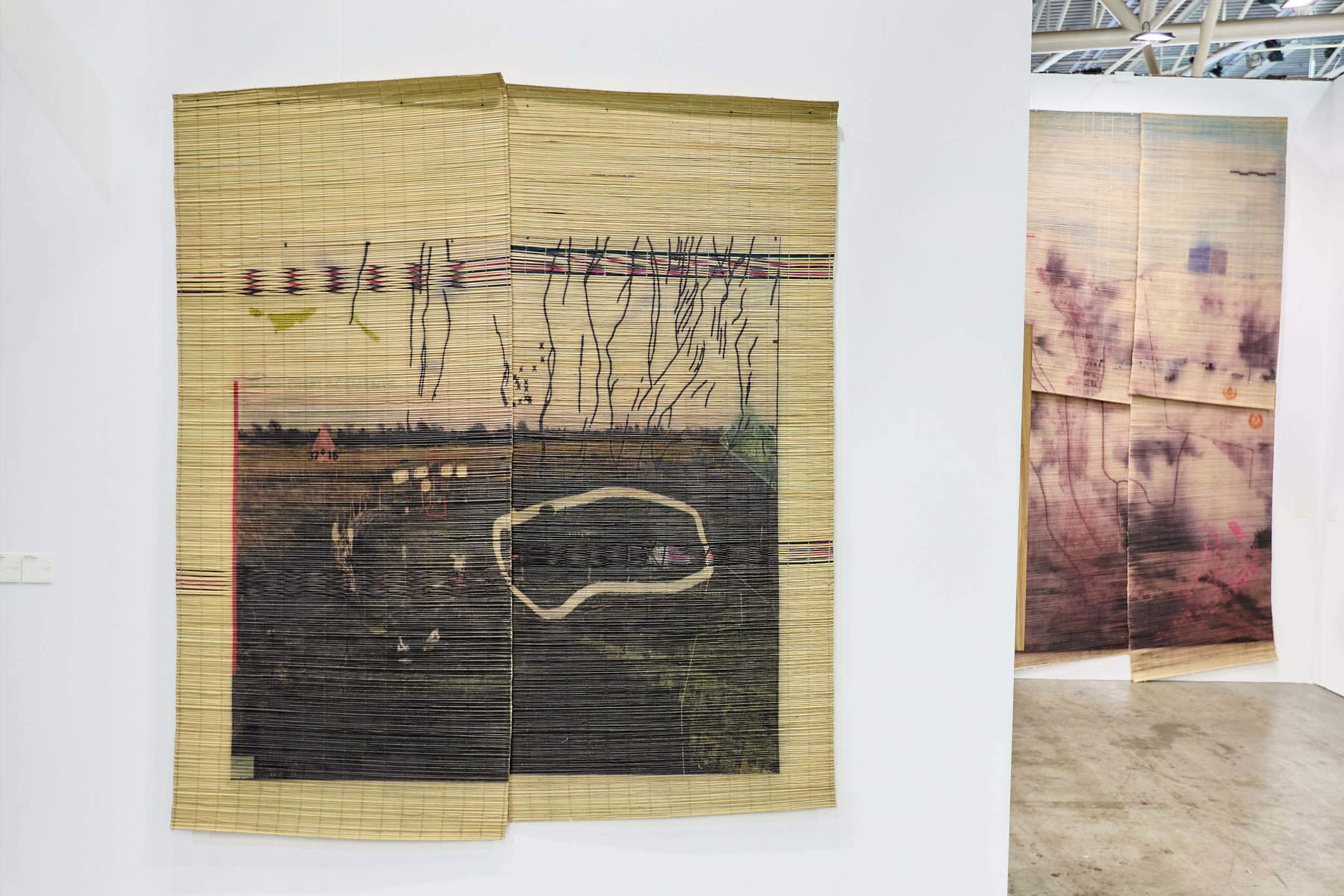
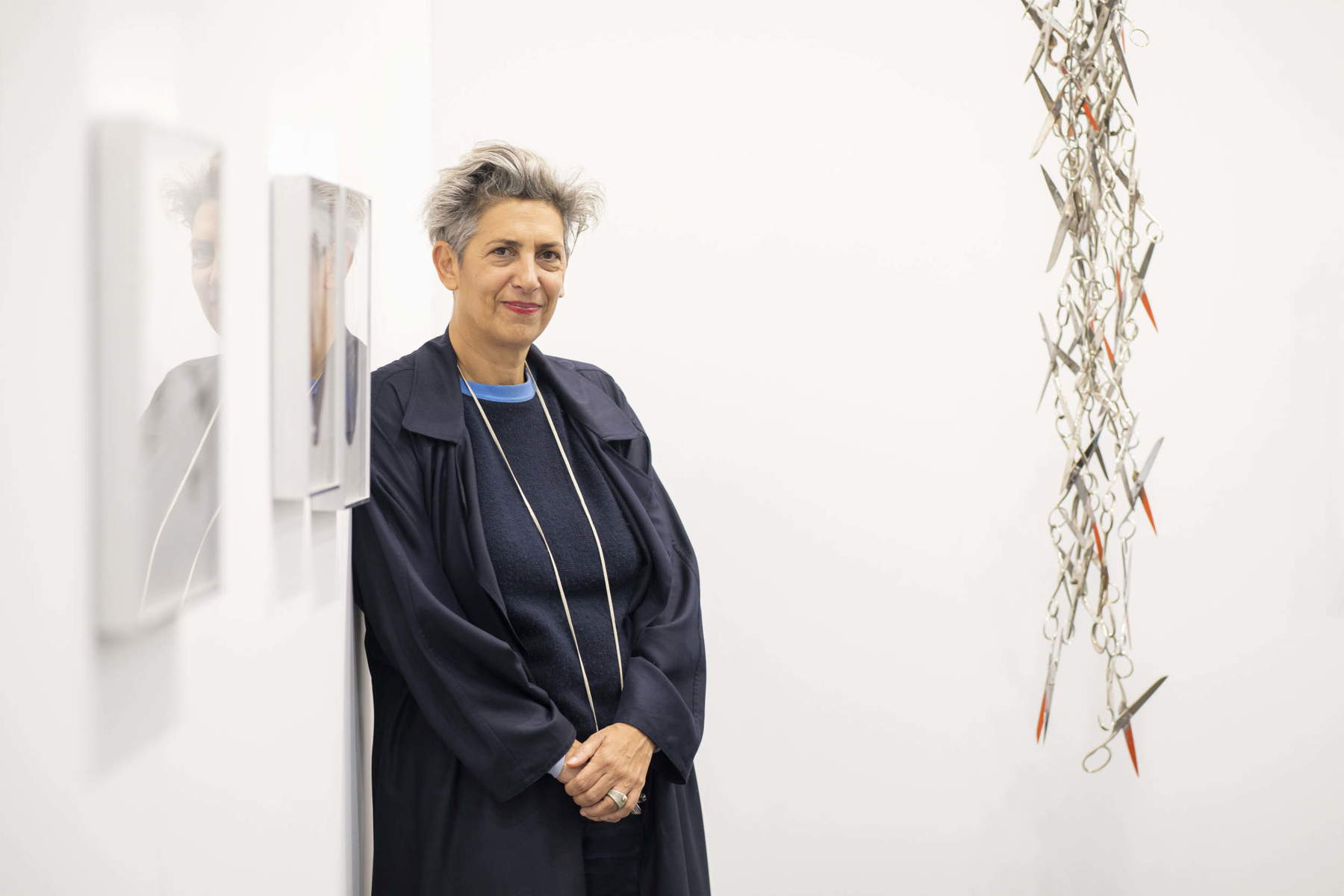
The Diana Bracco – Imprenditrici ad Arte Award was presented to Martina Simeti, founder and director of the Milanese gallery bearing her name, “for her ability to build lasting relationships with artists of different generations, transforming a cultural legacy into a solid entrepreneurial reality, founded on research, experimentation, and the construction of a recognizable identity. For the rigor of her presentation at the fair and for her sensitivity in bringing together two radical artists who, while working in different languages and media—from collage to assemblage—share a profound poetic affinity.” Sponsored by the Bracco Foundation in collaboration with the Roberto De Silva Foundation and Diana Bracco, the award aims to highlight the role of the gallery owner as an entrepreneur and her ability to combine research, artistic quality, and professional initiative. The award includes a cash prize of 10,000 euros. The jury consisted of Nicoletta Fiorucci, philanthropist, collector, and founder of the Nicoletta Fiorucci Foundation in London; Lorenzo Giusti, director of GAMeC in Bergamo; and Marta Papini, independent curator and artistic director of Radis.
The Oelle Prize – Ancient Mediterranean, sponsored by the Oelle Foundation, was awarded to Sofía Salazar Rosales ( Quito, 1999), presented by the ChertLüdde gallery in Berlin. Established in 2022, the award focuses on contemporary artistic practices from the so-called “Global South” and encompasses various media, ranging from the visual arts to photography, from video to sound art, and even literature. The artist will have the opportunity to participate in a residency in Sicily to develop a project exploring the interplay between contemporary Mediterranean artistic languages and cultures. The result will subsequently be presented at one of the Foundation’s exhibition venues. “Sofía Salazar Rosales’s work focuses on how objects can reveal and embody social, political, and economic contexts, particularly those linked to the movement of people and goods. The artist’s works present a synthesis of different meanings and histories, without neglecting her own roots. Given these characteristics, we believe that Sofía Salazar Rosales is the ideal artist for the Oelle Ancient Mediterranean Award and for a period of research in Sicily,” stated the jury, composed of Caterina Riva, director of MACTE in Termoli, and Alberto Salvadori, director and founder of the ICA Foundation in Milan.
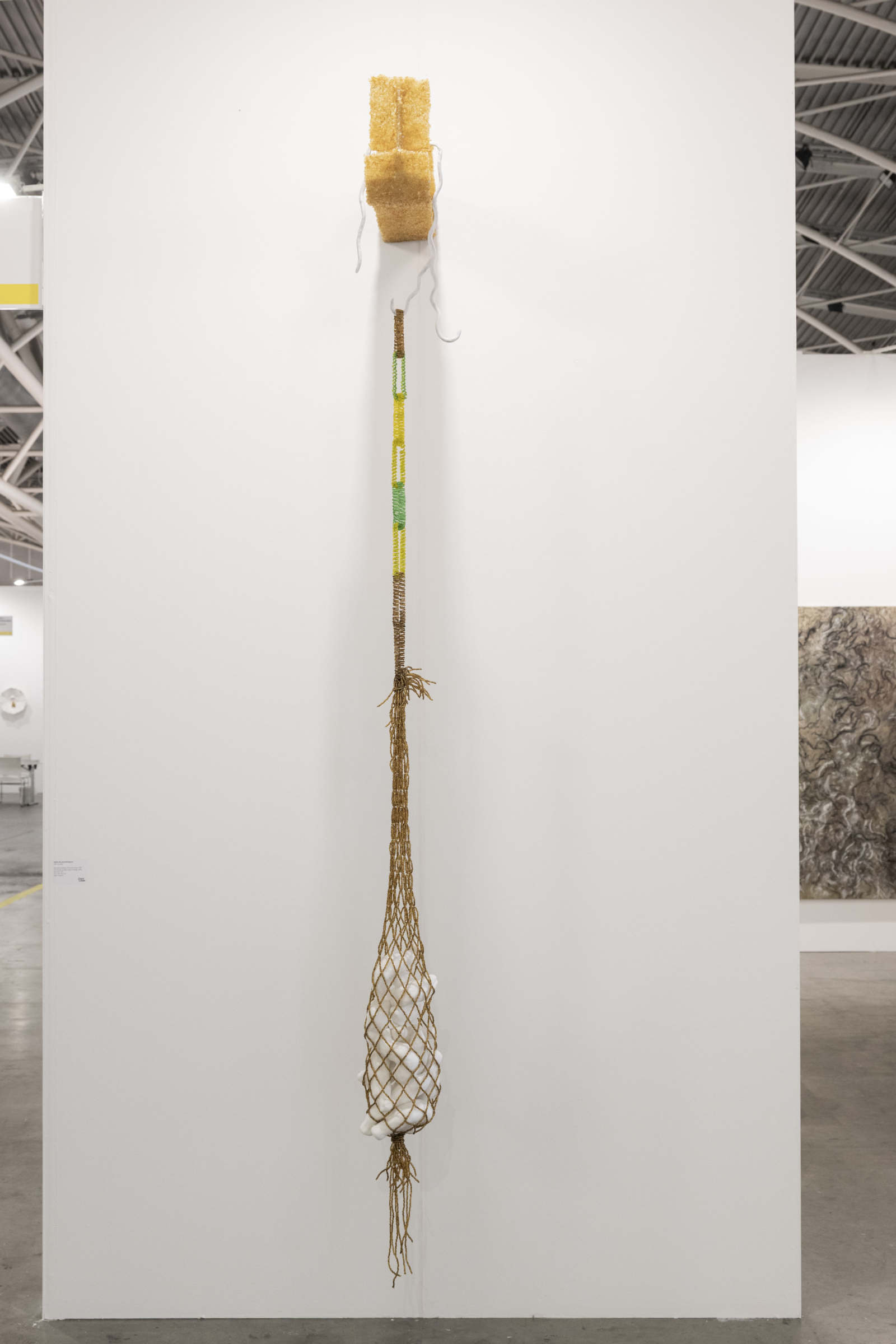
Paz Errázuriz ( Santiago, Chile, 1944), represented by the mor charpentier gallery in Paris and Bogotá, was awarded the Pista 500 Prize, created through a collaboration between Artissima and the Pinacoteca Agnelli. The artist will create a work for the permanent billboard at Pista 500, the former automobile test track on the roof of the Lingotto in Turin. The installation will be unveiled during Artissima 2027. The jury—composed of Pietro Rigolo, chief curator and head of the Pinacoteca Agnelli Collection; Nicola Trezzi, curator at the same institution; and Alison Gingeras, curator at large at the Museum of Modern Art in Warsaw—stated: “The jury unanimously selected Paz Errázuriz, an 82-year-old Chilean photographer represented at the fair by mor charpentier. We are proud to award her this year’s Pista 500 Prize. Self-taught, Errázuriz began working in photography in the 1970s, in the aftermath of Pinochet’s 1973 coup d’état. Throughout the dictatorship, her images gave visibility to those fellow citizens whom the regime marginalized, criminalized, and even sought to erase. Under the constant threat of violence and arrest, she roamed the streets of Santiago, building a relationship of trust and intimacy with her subjects. As she herself said about working under fascism: “I managed to learn how to criticize the government without risking my life. You learn to navigate the situation.” The Pinacoteca Agnelli is delighted to pay tribute to this courageous artist, whose life and work offer a model of solidarity in the darkest of times. Errázuriz will create a work that will be displayed on the Pista500 billboard next year. Her deeply humanistic images expand the range of artistic practices we have welcomed in Turin over the years.”
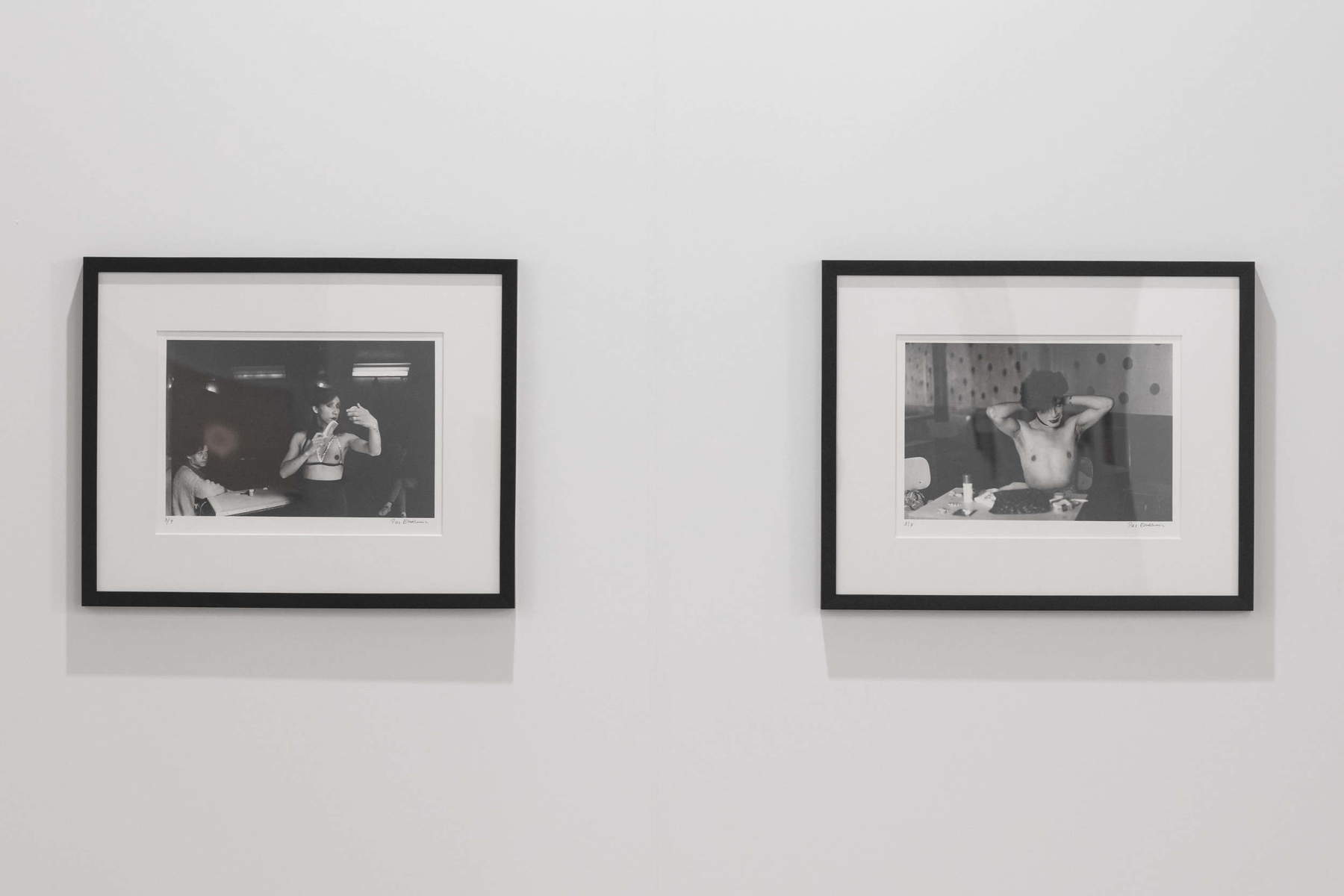
The “ad occhi chiusi...” Award, sponsored by the Merz Foundation, was instead awarded to Hu Yun (Shanghai, 1986), presented by the A+ WORKS of ART gallery in Kuala Lumpur. Inspired by Marisa Merz’s research and her invitation to look beyond the surface of images, the award supports artistic practices capable of questioning the present, with a particular focus on social and political issues. For 2026, on the occasion of the major exhibition dedicated to the Turin-born artist, the award offers the opportunity to realize an exhibition or performance project during the next edition of the fair. The prize was awarded to Hu Yun “for the relevance and coherence of her research on mineral ecology, labor, migration, extractivist policies, and contamination.” The jury appreciated the clarity of the artistic and formal methods through which this research translates into works, and the installation-based intelligence with which the works are brought into dialogue—so eloquently—within the format of the art fair booth. In her sensitive critique of extractivist policies, the artist weaves together geographical resonances between distant places around the world: Lake Tabuye in Tibet, the world’s second-largest reserve of lithium for batteries, and Lake Ohrid, on the border between Albania and North Macedonia, as well as Nepal and Croatia. She invites us to look into the cracks of the system in which we live, with an eye toward the future that brings to light all the invisible work hidden within it. Finally, she asks us to become active witnesses to the ecological impact of our hyper-digitized practices.” The jury consisted of Beatrice Merz, president of the Merz Foundation; Övül Ö. Durmuşoğlu, director of Index – The Swedish Contemporary Art Foundation in Stockholm; Alya Sebti, senior curator at Haus der Kulturen der Welt in Berlin; and Giulia Turconi, assistant curator at the Merz Foundation.
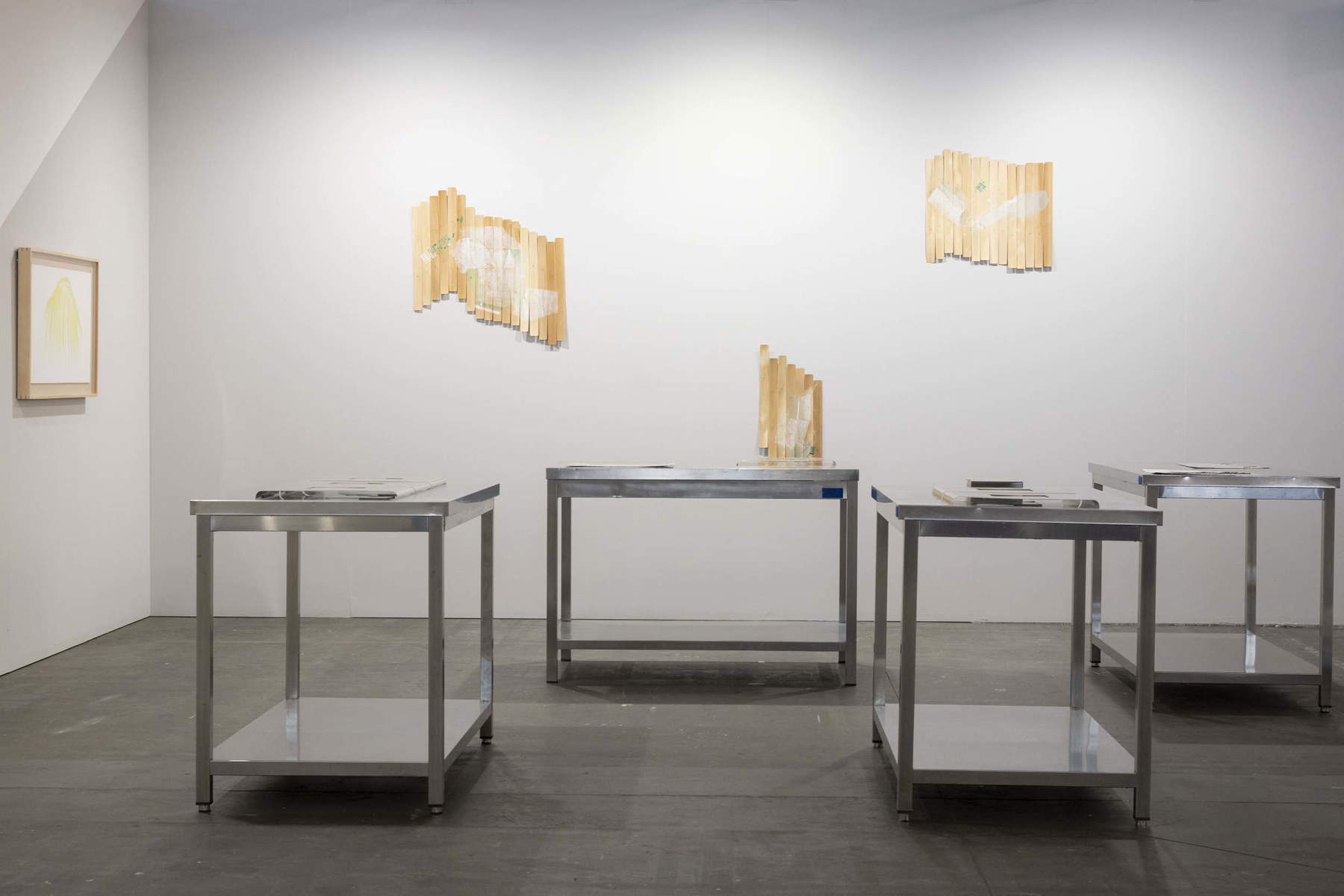
The ninth award isthe Artissima New Entries Fund, directly supported by the fair and intended to encourage the participation of emerging international galleries in the New Entries section. For the fourth edition, WHOISPOLA from Warsaw, Lutnița from Chișinău, and Clauda from Prague were selected. The jury, composed of Sandro Droschl, director of Halle Für Kunst Steiermark in Graz, Lauriane Gricourt, director of Les Abattoirs Musée – Frac Occitane in Toulouse, and Damien Zhang, director of the Aranya Art Center, “expresses its appreciation for the quality and boldness of the curatorial proposals from the three participating galleries: Lutnița presented a balanced and thoughtful project dedicated to emerging artists from different generations. The artists from WHOISPOLA demonstrated how contemporary practice can draw inspiration from tradition with sensitivity and awareness. Finally, Clauda presented an extraordinary solo exhibition by Tereza Kalousová, which perfectly interpreted Artissima’s theme: ‘Fancy: A Flexible, Acrobatic Body’.”
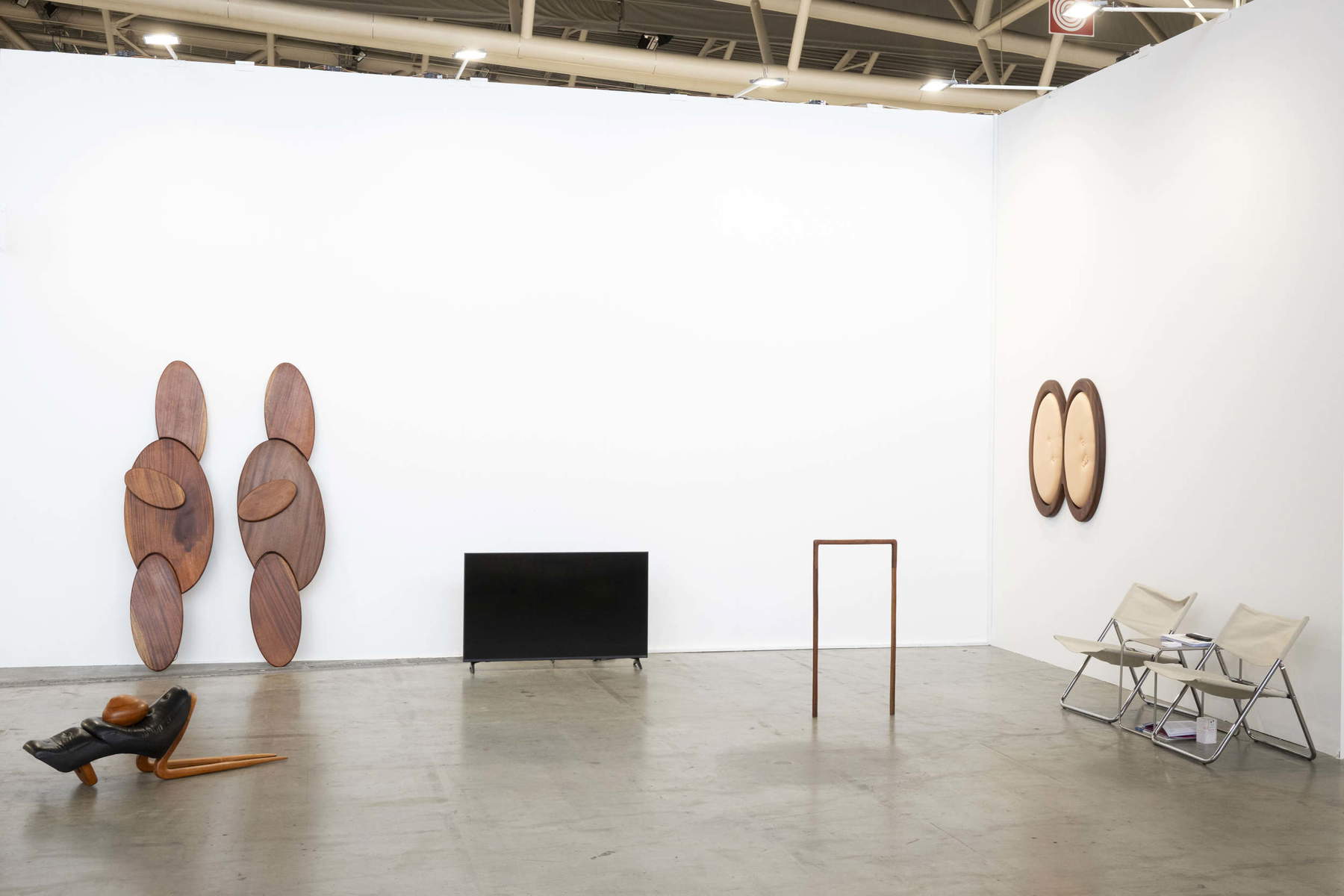
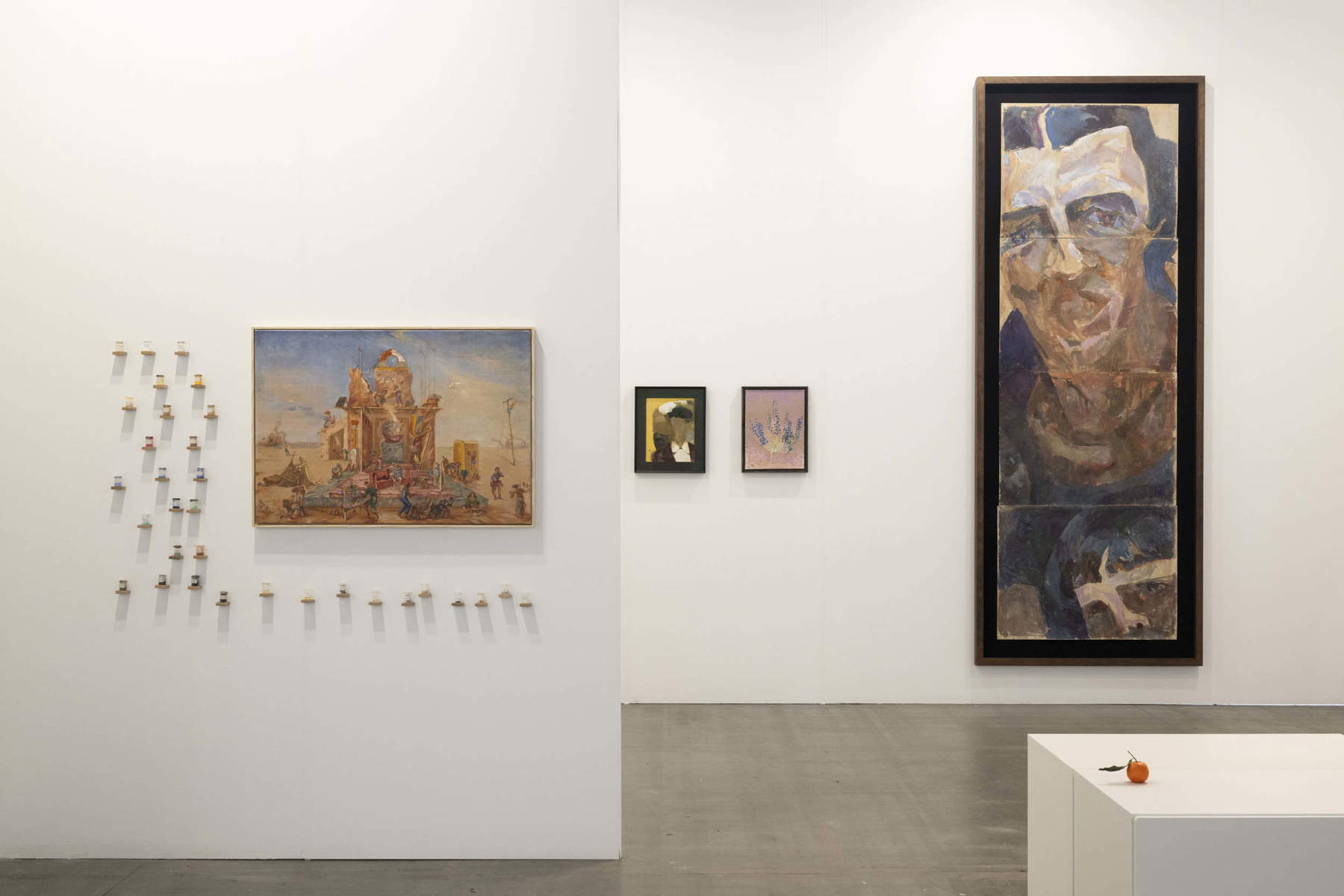
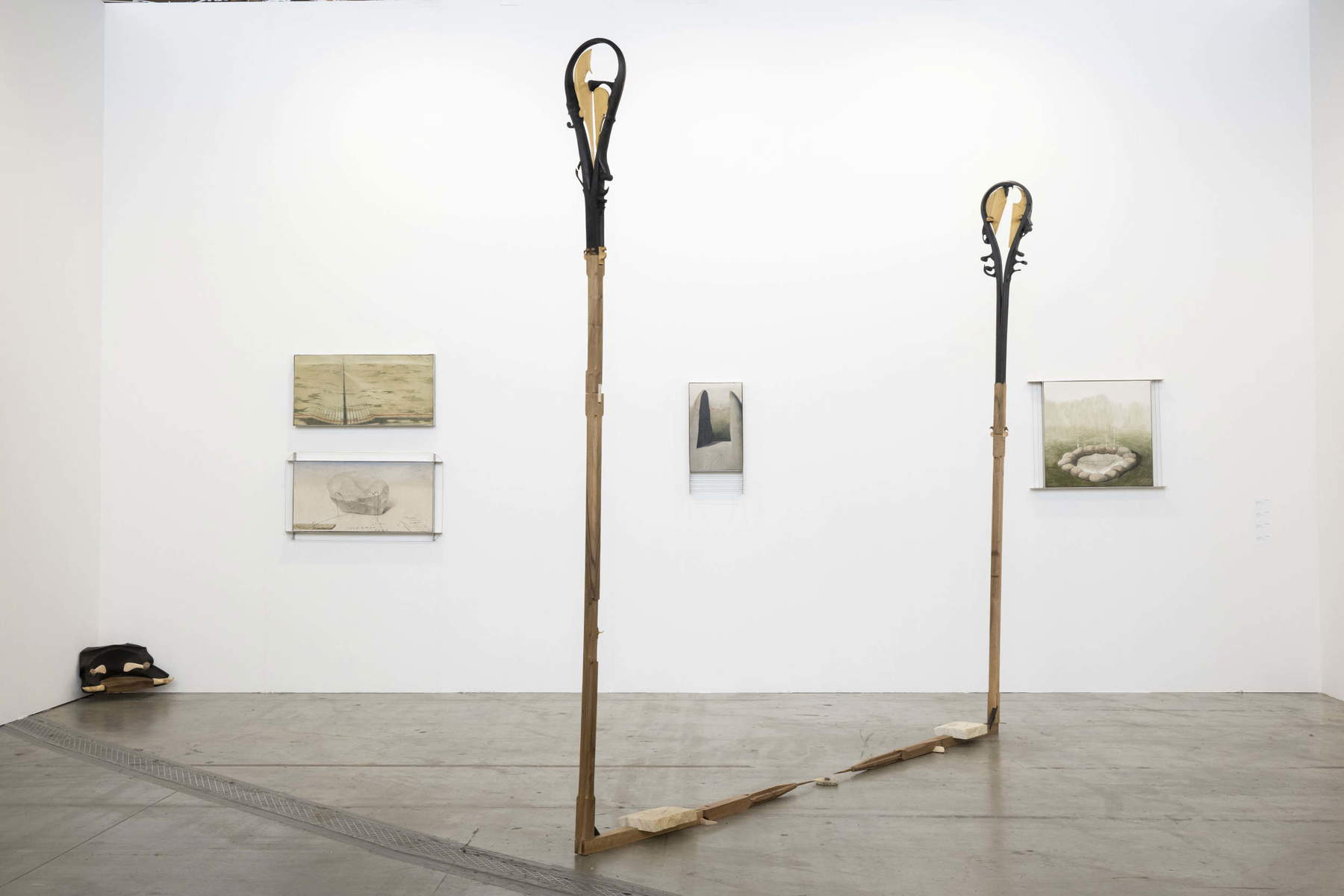
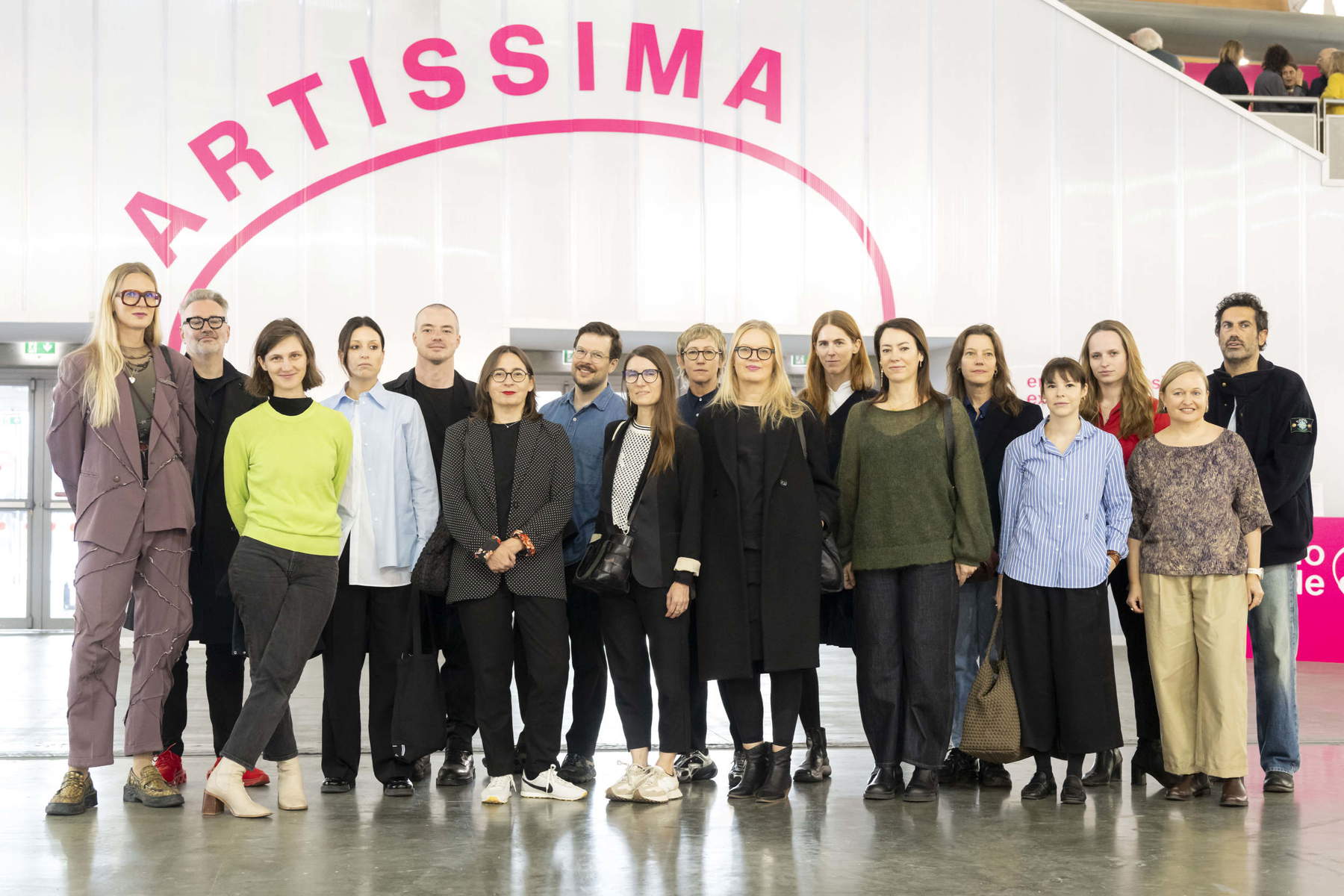 The Curators’ Choice: Maria Arusoo, Tevž Logar, Yana Foqué, Inês Grosso, Tom Engels, Irene Calderoni, Robert Leckie, Hélène Guenin,Tominga O’Donnell, Branka Benčić, Beatrice Hilke, Lekha Hileman Waitoller, Annette Amberg, Marianne Dobner, Carina Bukuts, Anni Venäläinen, Luca Lo Pinto, Artissima 2026, © Perottino-Piva-Castellano-Bergadano / Artissima
|
| Artissima 2026: Nine of the Twelve Awards Have Been Presented—From Vadim Fishkin to Juliana Frontin, All the Winners |
Warning: the translation into English of the original Italian article was created using automatic tools. We undertake to review all articles, but we do not guarantee the total absence of inaccuracies in the translation due to the program. You can find the original by clicking on the ITA button. If you find any mistake,please contact us.