


by Redazione 22/10/2026


Categories: Contemporary art / Disclaimer
In Brussels, after three years of renovation work, the former Atoma notebook factory—a landmark in the history of Belgian design—has been transformed into the Atoma Art Center, a 4,500-square-meter space featuring exhibition halls, artist studios, and coworking spaces. The first exhibition, “Embodied Practices,” explores the relationship between the body, matter, and memory.


In Brussels, a 1920s factory—where Atoma notebooks, a staple of Belgian design history, were once produced—has been reborn as a center for contemporary art. The industrial building, which had stood vacant since the company moved to a more modern facility in Dilbeek, is located in the municipality of Forest, on the outskirts of the Belgian capital, and has been renovated to house exhibition spaces, studios, and coworking spaces. The new center is called the Atoma Art Center and launched its exhibition program on October 6 (opening to the public on October 7) with *Embodied Practices*, a group exhibition exploring the relationship between the body, gesture, and matter, alongside the 22nd edition of the ArtContest (an annual competition for Belgian artists under 35), which brought together works by ten artists (and will conclude on November 22 with the announcement of the winner), and an exhibition featuring another award, the Prix Carré sur Seine, with works by three artists. Three exhibitions, then, to kick off the season.

The building’s history is linked to that of one of the most recognizable objects in Belgian design: the Atoma notebook became famous after the Mottart paper mills acquired the patent for ring-bound notebooks in 1948. The factory thus underwent decades of production, becoming part of the industrial heritage of the town of Forest, in the Brussels suburbs. The renovation sought to preserve its architectural character while restoring a purpose to a complex that had lost its original function.


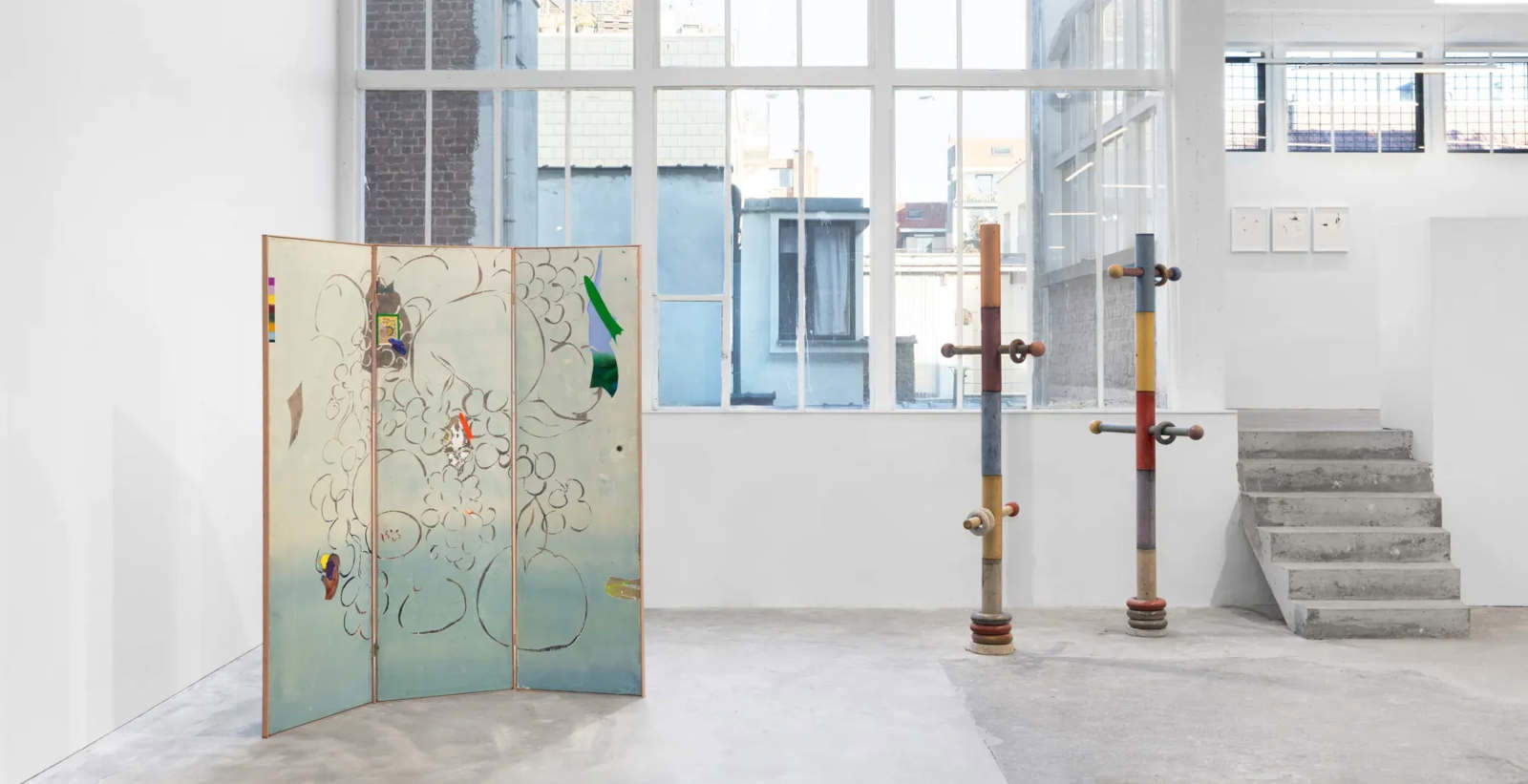
The Atoma Art Center project, founded in 2024 by Gilles Dehareng and Nina Anduiza, was developed over three years of restoration work, with a stated focus on sustainability. The spaces, characterized by large glass roofs and abundant natural light, are designed to bring together under one roof activities that normally take place in separate locations: artistic production, exhibitions, research, and professional exchange.
The ground floor houses exhibition halls, designed to host a program that brings together emerging artists and international collectives. The upper floor will feature fifteen artist studios and coworking spaces, designed to foster collaboration across different disciplines. The center also aims to create opportunities for exchange between the Belgian and international art scenes, opening itself up to independent projects carried out with artists, curators, scholars, cultural institutions, and public and private organizations. There are also plans to open a café, subject to obtaining the necessary permits.
The entire project was conceived by the architectural firm Una|a, with an approach that sought to respect the logic, character, and identity of the original building. The renovations utilize environmentally friendly materials, such as bio-based insulation, lightweight and removable partition walls, and building blocks whose production process absorbs CO2 rather than emitting it. The glass roofs and metal structures have been restored, with the glazing replaced with high-performance vacuum-insulated double-pane windows and the reinforced concrete structural elements restored. The building is equipped with sustainable technical systems that prioritize renewable energy, and the interior design makes extensive use of recycled materials, particularly for furnishings, certain lighting fixtures, and textile coverings.
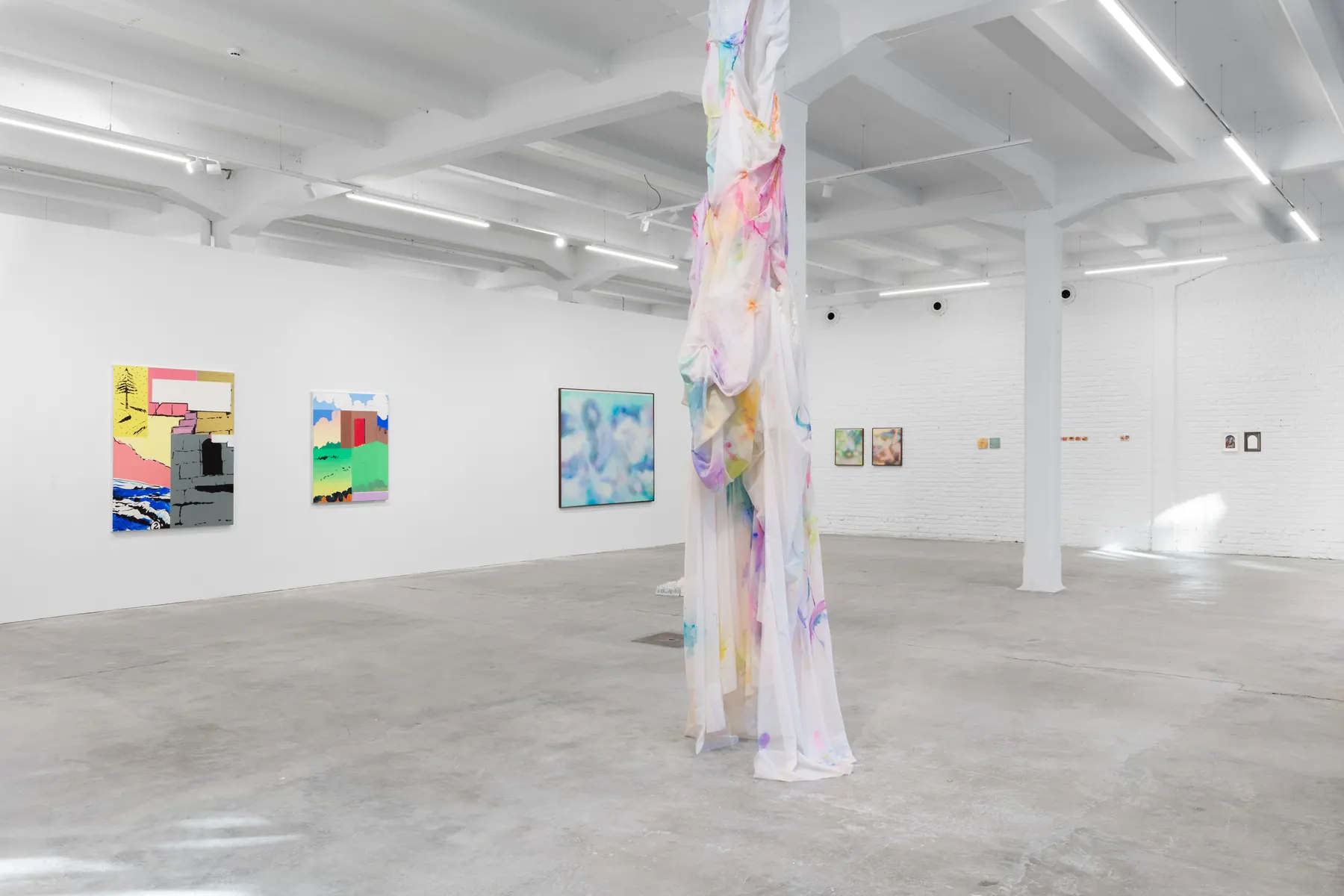
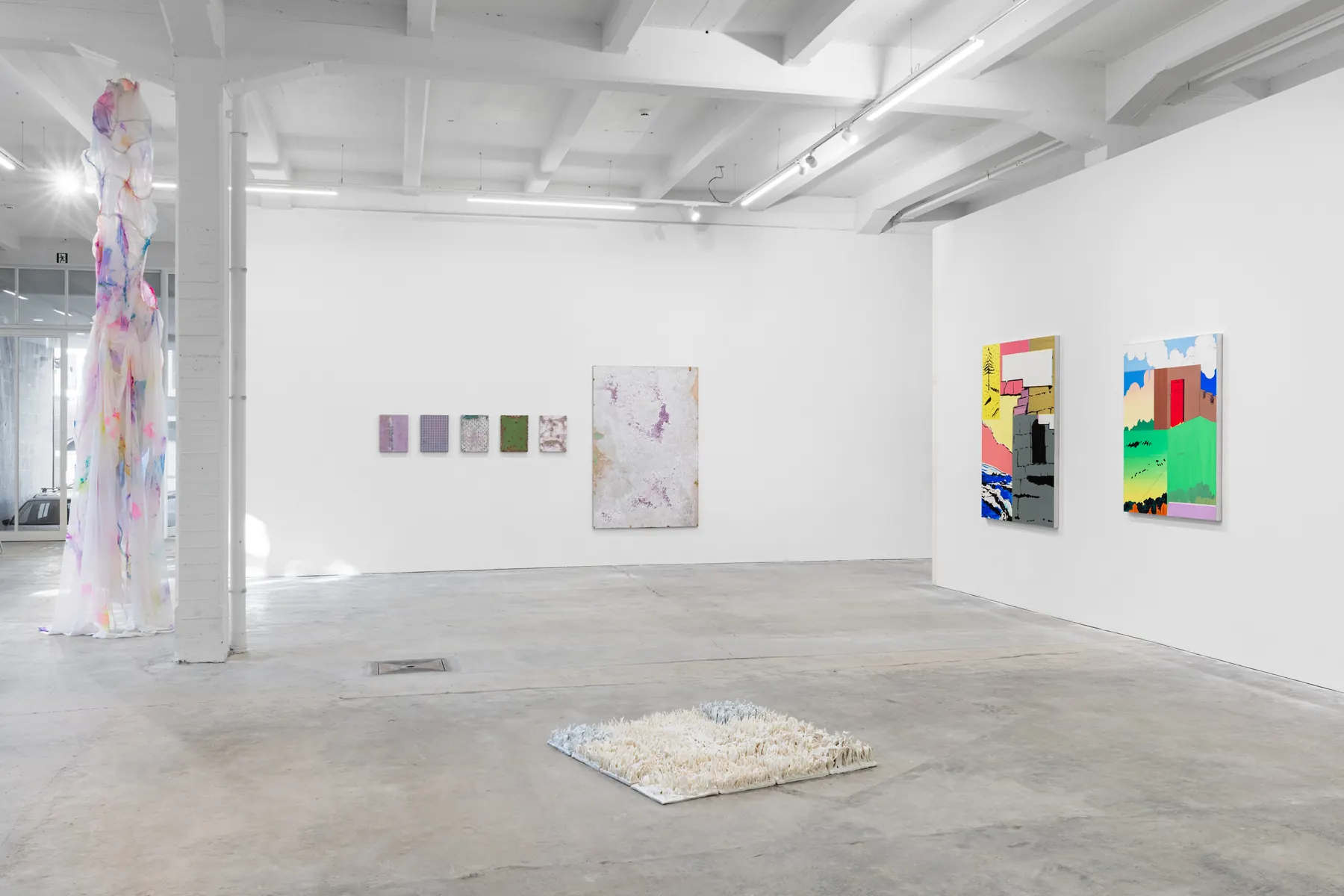
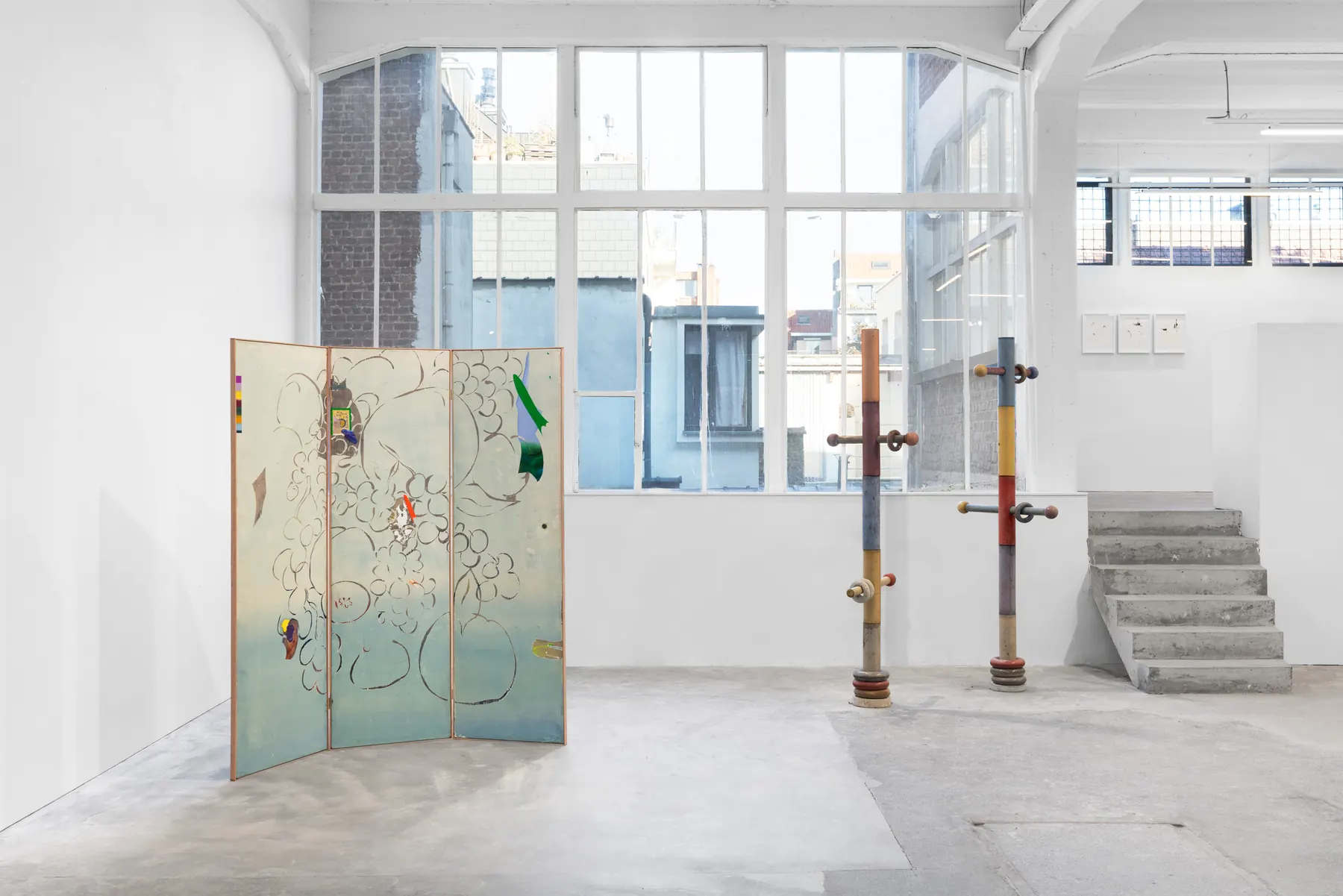
The Inaugural Exhibition, “Embodied Practices”
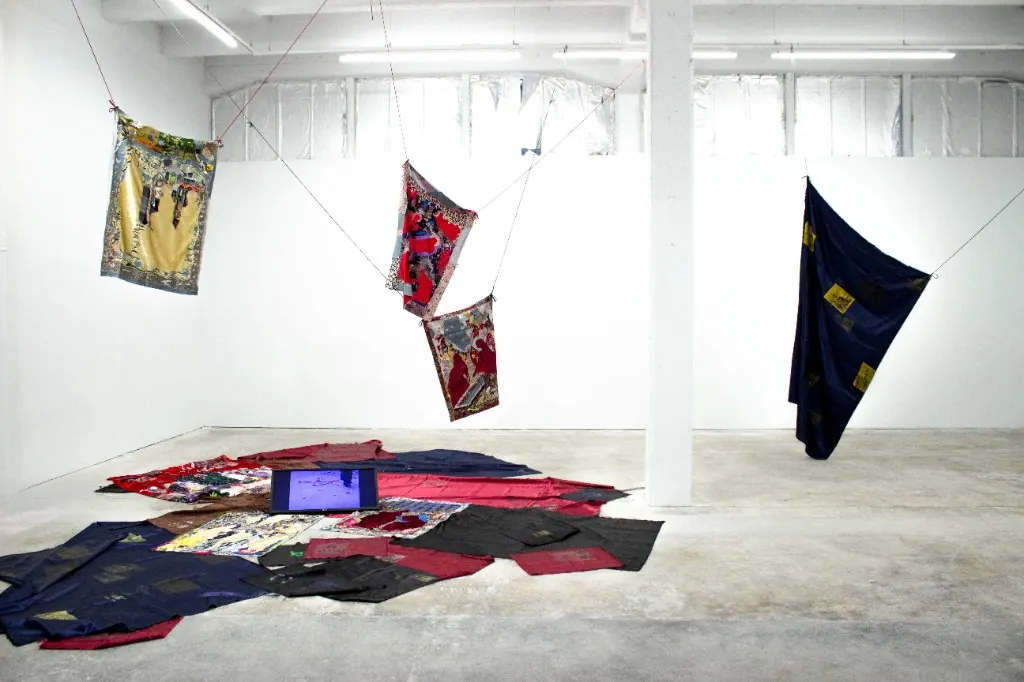
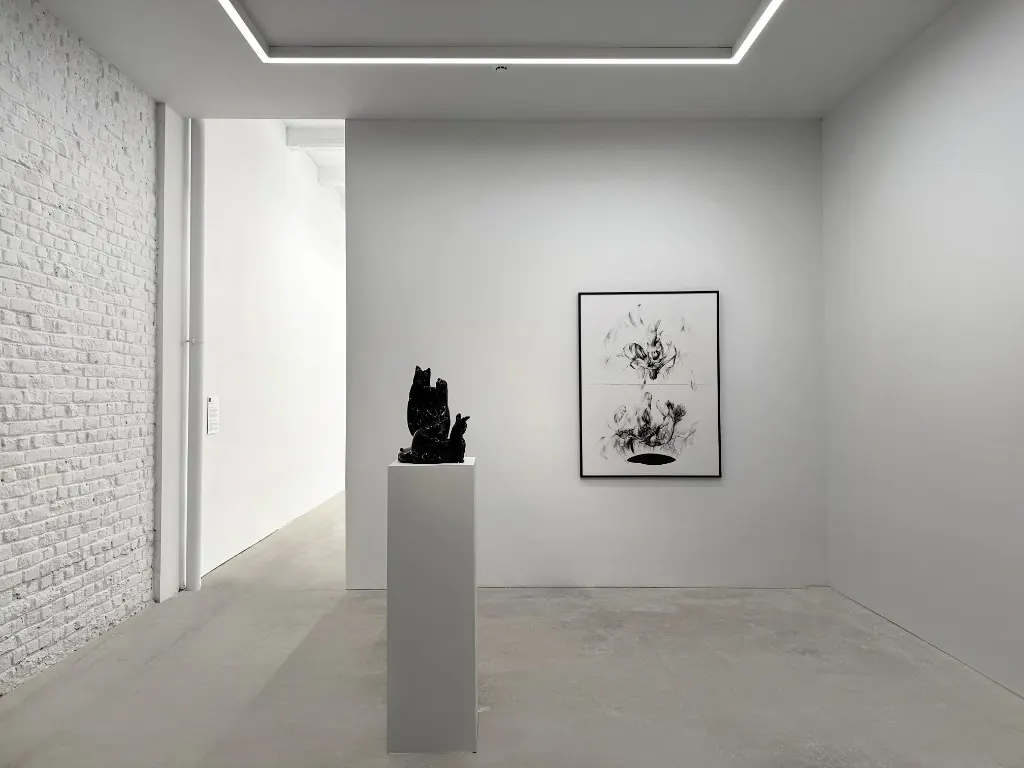
The center’s first exhibition, “Embodied Practices,” is curated by Yasmin Van’t Veld and will run through December 13, 2026. The project brings together fourteen artists: Raf Thienpont, Justine Taillard, Maaike Leyn, Marina Gasparini, Felicien Umbreit, Besnike Saraishta, muesli collective, Agathe Egret, Lucien Lyon, Juliette Kovacs, Johan Dussart, Juana F. Bustamante, Léa Belooussovitch, and Nina Anduiza. The starting point is the relationship between the body and the object. The body is considered a site of knowledge, while the object can preserve the traces of an experience and, in turn, take on a sort of bodily consistency. Technique, repetition, contact, and gesture thus aim to become tools through which thought takes shape in matter.
The exhibition also explores how the body alters that with which it enters into a relationship, while simultaneously being transformed itself: pain, illness, and nostalgia can find a counterpart in materials and forms, which are linked to themes such as loss, identity, language, and perception. A painting can evoke memories without directly depicting them; a landscape can become the vehicle for an inner experience; a sculpture can retain the trace of a movement even after the artist’s hand has moved away. The creative gesture is thus understood not merely as a physical action, but as a process through which experiences and thoughts are translated into signs, surfaces, and volumes. In some works, the body’s energy is transferred directly onto the paper through drawing, in a process that is partly unconscious. In others, the sculptures invite touch and play through movable elements, suggesting a relationship with the work that goes beyond mere contemplation.
A question runs through the exhibition: what remains of the body when it is no longer visible? Does the absence of a human figure or a recognizable gesture truly imply the body’s disappearance from the creative process? Or does its presence continue to manifest itself, even indirectly, through forms and matter? “Embodied Practices” seeks to position itself precisely in this intermediate space—between the visible and the invisible, between the gesture and its trace, between technical know-how and thought. The artwork thus becomes an object capable of preserving something of the time and experience that produced it.
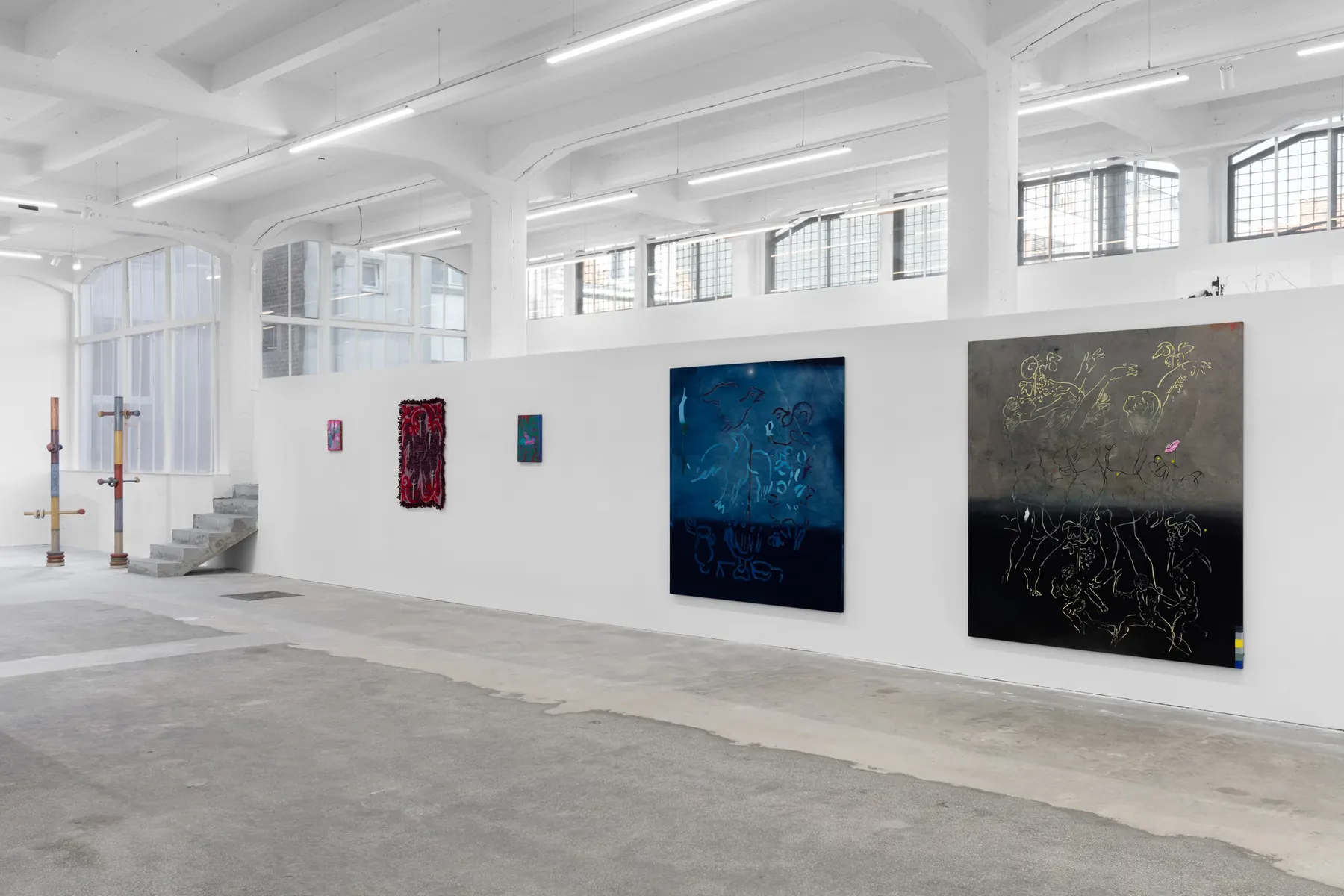
A New Art Center
With this new center, the former Atoma factory is part of the transformation of a portion of the Belgian capital’s industrial heritage into spaces dedicated to cultural production. Its proximity to WIELS, an institution dedicated to contemporary art, places the project in an area where industrial heritage meets new artistic functions: the founders’ stated goal is to make the Atoma Art Center not only an exhibition space but also a platform for dialogue between artists and industry professionals, open to interdisciplinary initiatives from Belgium and abroad.
“October 6 marked the official opening of the Atoma Art Center. One space, three exhibitions, and a first artistic connection forged together,” stated Gilles Dehareng and Nina Anduiza. “Our heartfelt thanks go to everyone who shared this pivotal moment with us, who came to support contemporary art, and who made this opening night unforgettable. To the artists, curators, partners, teams, and everyone who was with us—whether in person or in spirit—thank you for being part of this first chapter. You are, deep in our hearts and forever, the founding members of our community.”
 |
| In Brussels, a defunct notebook factory is being transformed into a center for contemporary art |
Warning: the translation into English of the original Italian article was created using automatic tools. We undertake to review all articles, but we do not guarantee the total absence of inaccuracies in the translation due to the program. You can find the original by clicking on the ITA button. If you find any mistake,please contact us.