





There is a word that, in Savona, between September 18 and 26, 2026, will once again be used with a meaning that is the opposite of what is usually attributed to it. That word is “fragility,” and it is the heart, the pretext, and at the same time the lens through which to view the fourth edition of Connexxion, the widespread contemporary art festival conceived and curated by Livia Savorelli. The title chosen for the 2026 edition, “Elegy of Fragility,” is not just a slogan thrown together to accompany the program: it is the key that binds every venue, every artwork, and every event of the festival, to the point that it can be considered the true common thread—indeed, the sole thread—along which the entire event unfolds.
Before even delving into the venues and artists, it’s worth pausing to consider what the curator means when she speaks of fragility, because it is from this that every other choice of the festival stems. In her presentation of this edition, Savorelli explains that she began with a personal unease—a sense of disorientation born from observing a present in which politics and economics seem to operate according to logic of domination that is increasingly less tempered by international law. From that disorientation arose the need to respond with a cultural gesture: to bring words and works together to construct imaginaries capable of reaching as many people as possible. This is a decisive shift, because it moves fragility from the realm of individual weakness to that of collective responsibility, transforming it into an act of resistance even before it becomes an exhibition theme.
The curatorial rationale explicitly draws on the book *Theory of Fragility: In Search of a Hidden Power* by physician and essayist Roberto Gramiccia, published in 2026 by Diarkos, which serves almost as a reference text for the entire exhibition. Gramiccia identifies three forms of fragility ( individual, social, and existential) and recognizes two possible manifestations for each: a passive, resigned one, which endures its condition without reacting; and an active, rebellious one, which transforms weakness into a lever for change. It is precisely this second possibility—fragility that becomes a source of strength rather than allowing itself to be crushed—that gives its name and meaning to the entire edition of Connexxion.
The festival thus distances itself from a consolatory interpretation of fragility, proposing instead a political one: to be fragile, the curator essentially argues, does not mean being marginalized relative to a standard of efficiency that contemporary capitalism imposes on everyone, but rather belonging to a condition shared by all of humanity—one that can become a starting point for rethinking power relations. It is no surprise, then, that the curatorial program also devotes space to the ambivalent relationship between technology and human fragility: while the digital revolution promised to overcome humanity’s physical and cognitive limits, it has also ended up generating new forms of dependence, isolation, and the commodification of personal experience, replicating on a different level the very fragility it promised to resolve. The artists are called upon to grapple with this very paradox, examining so-called “techne” as a tool that both liberates and imprisons.
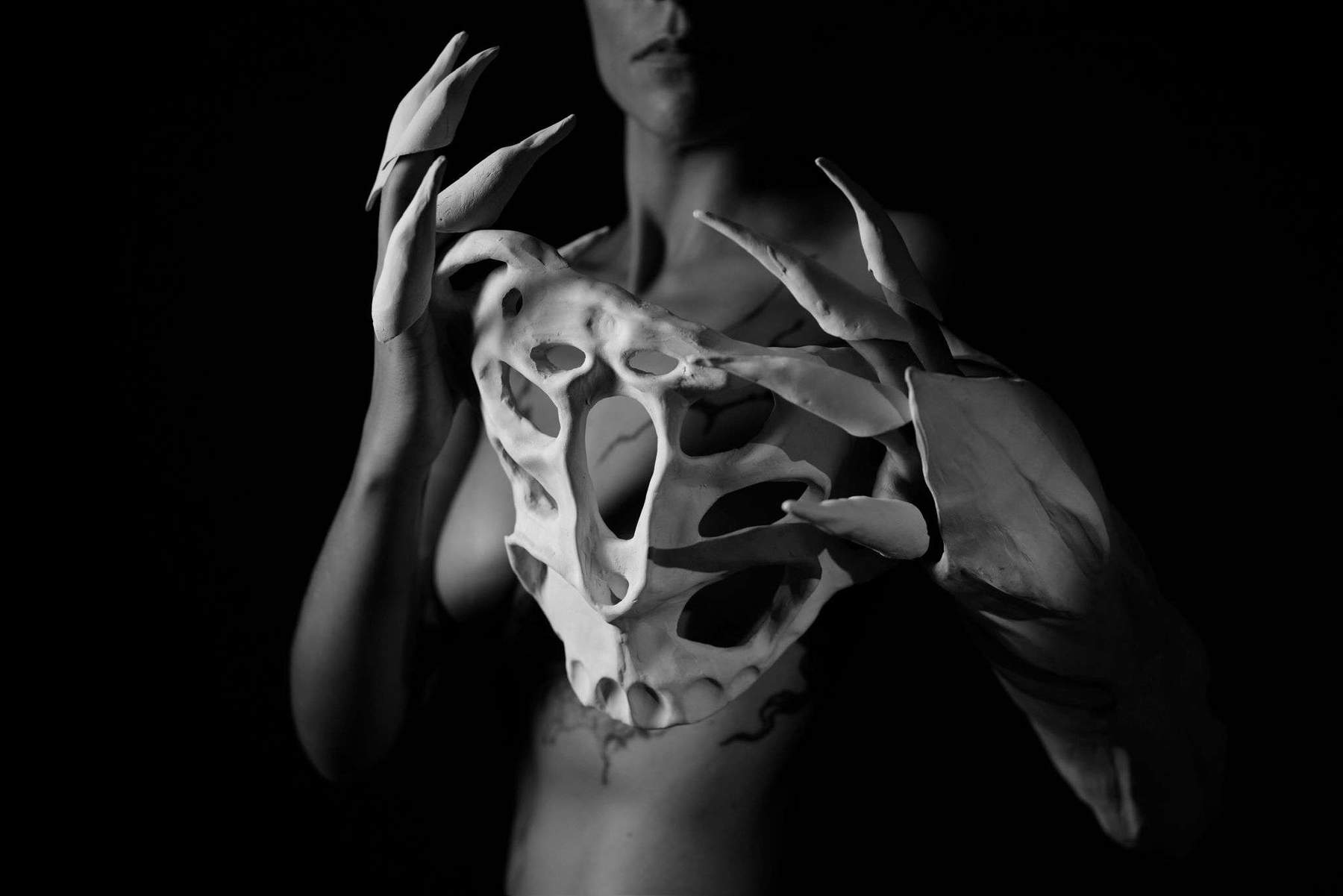
It is within this conceptual framework that the choice of festival venues should be understood; each one carries with it—even before the artists’ arrival—its own history of physical, social, or institutional fragility. The “distributed festival” format is therefore not merely an organizational approach that leads the audience to move from one end of the city to the other, but a sort of narrative device: each stop along the itinerary adds a different piece to the discourse on fragility.
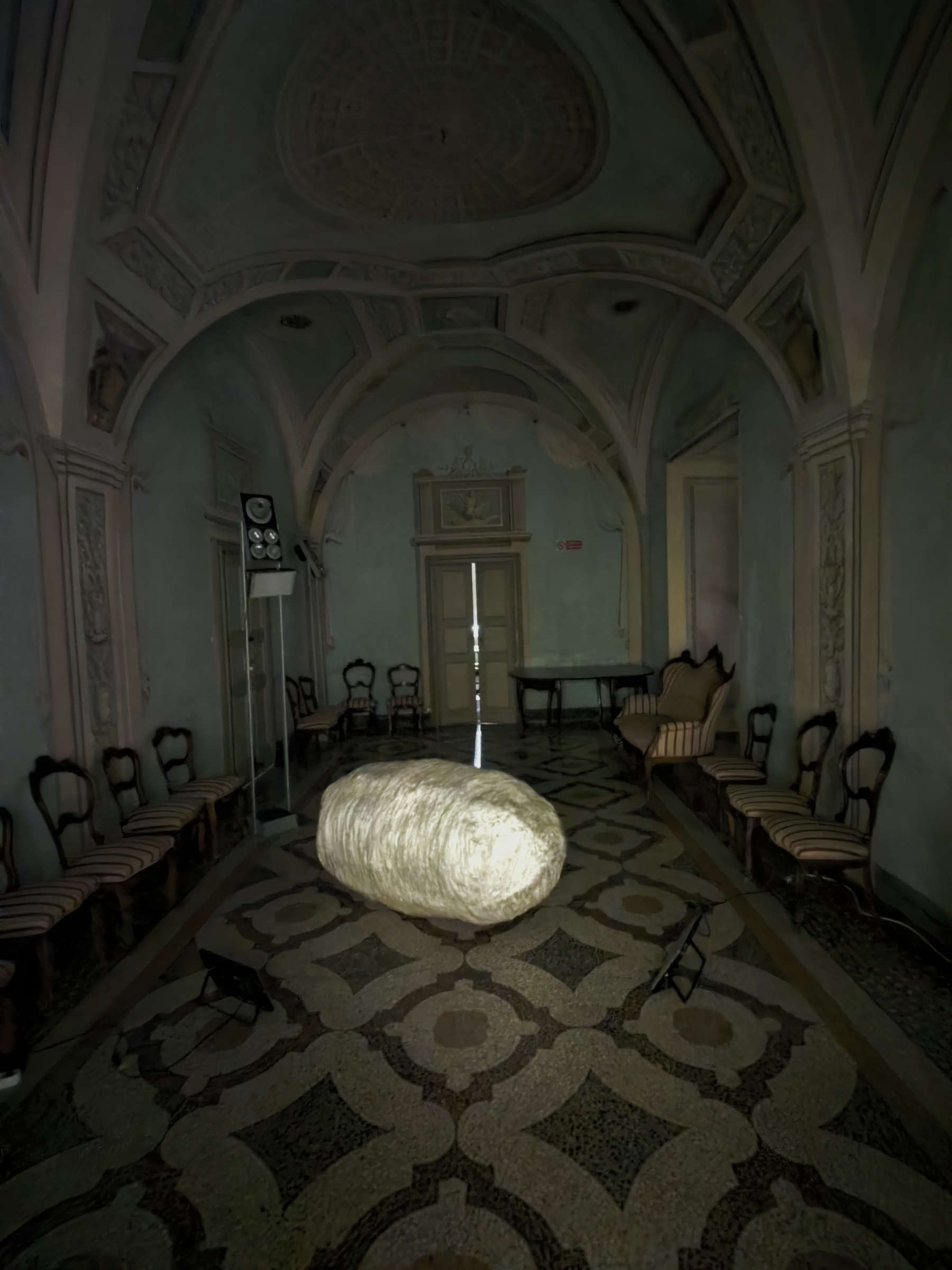
The Sanctuary of Savona, where it all began with a preview on September 3, is perhaps the place where the word “fragility” takes on its most literal and immediate meaning. Next to the Basilica of Our Lady of Mercy, built in the 16th century following a Marian apparition, stands a residential care facility for the elderly who are no longer self-sufficient, managed by Opere Sociali. It was within those rooms that *Moire* by Martina Fontana came to life—the first of the festival’s two participatory projects, created together with some of the facility’s residents in the days leading up to the festival’s official opening and presented on September 3 in the Sala dei Protettori, where it remained on view until September 16. In this case, fragility is not a metaphor to be illustrated, but a real condition—that of old age and lack of self-sufficiency—which the project chooses to make an active protagonist in the creative process, rather than relegating it to a passive object of representation.
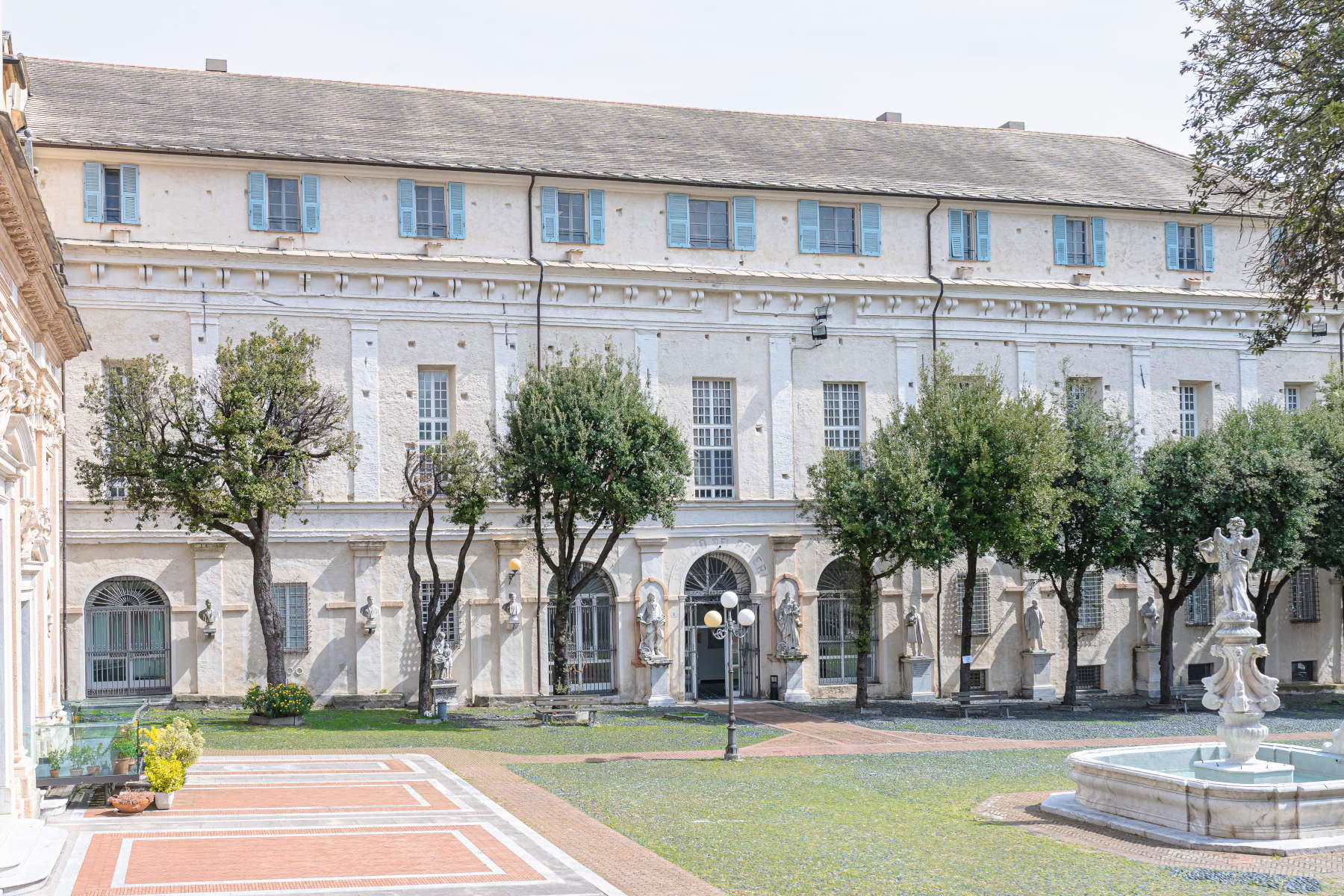
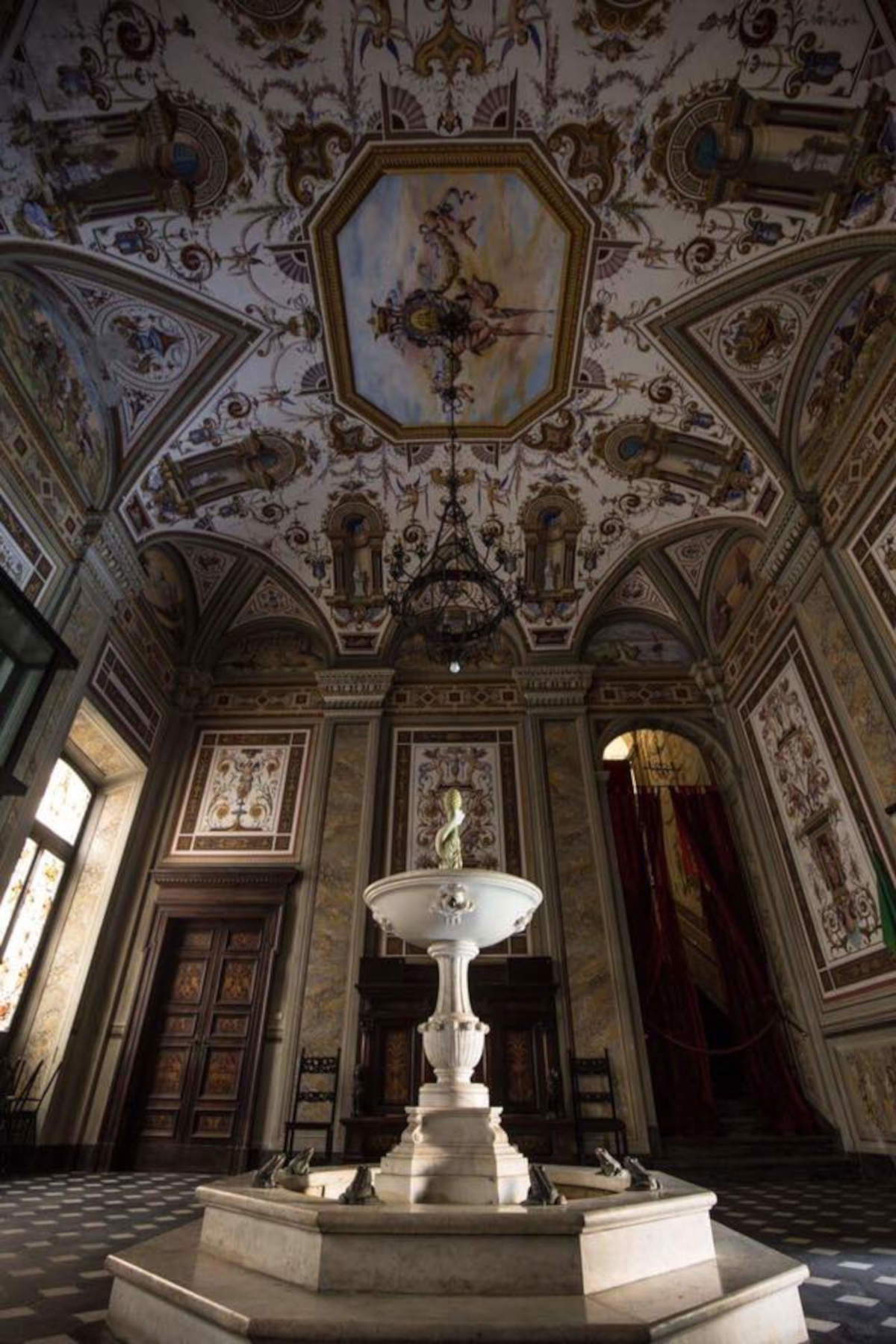
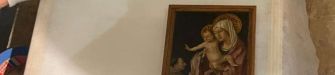
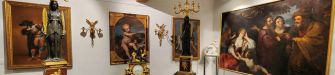
With the official opening on September 18, the festival’s focal point will shift to the Pinacoteca Civica di Savona, one of the two new venues for the 2026 edition, housed within Palazzo Gavotti in Piazza Gilbert Chabrol. Here, fragility takes on another nuance—that of memory at risk of being lost, which art seeks to preserve: the building, which over the centuries has served as a noble residence, City Hall, and public library, has housed Savona’s civic collections since 2003, along with the Milena Milani donation, in an exhibition that spans seven centuries of painting and sculpture, eventually intertwining with the contemporary Milani-Cardazzo collection. The opening night, at 6:00 p.m., opens with Clarissa Falco’s performance *Ceramoprosthesis*, continues with the festival presentation and a tour of the works by Matteo Mandelli and Martina Fontana (the latter resulting from the participatory project launched with the Santuario nursing home), and concludes with Mandelli’s performance *The Contact *. The following day, the Pinacoteca’s conference room will host a talk curated by Simone Sensi titled *The Right to Be Forgotten: The Fragility of What Remains*, featuring Max Magaldi and Matteo Mandelli: here, too, the theme is explicitly addressed, focusing on the fragility of collective and digital memory.
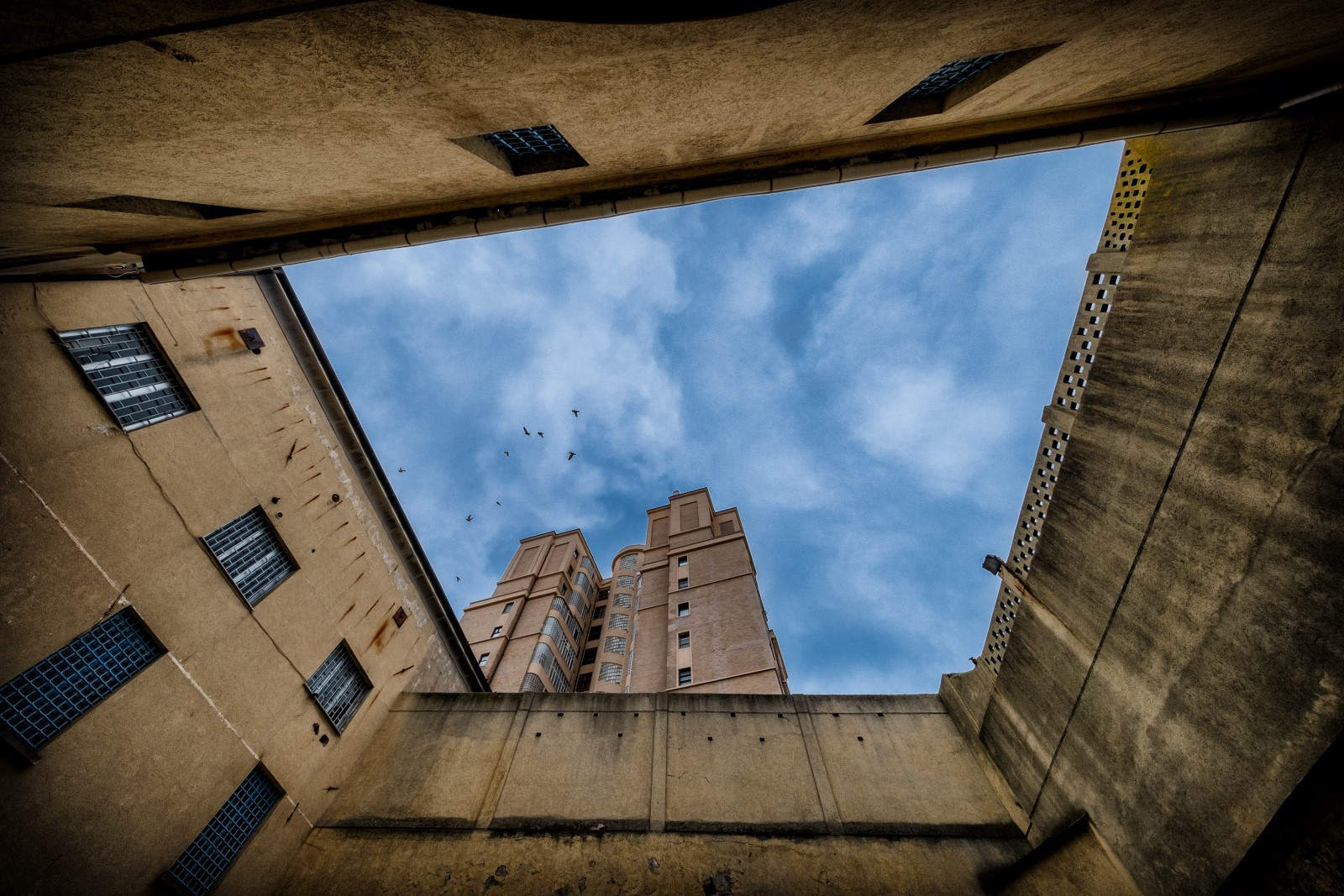
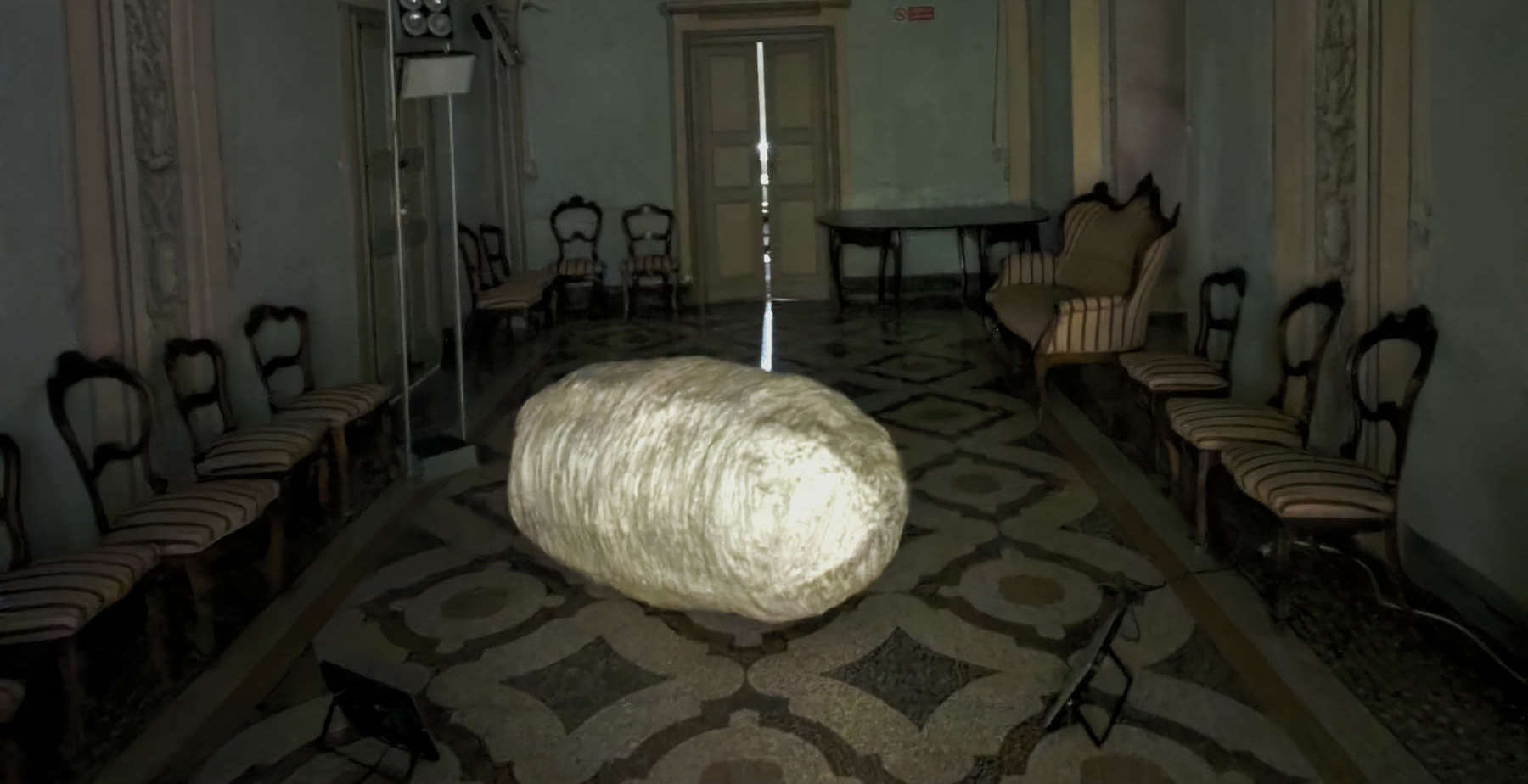
On the afternoon of September 19, the festival moves to the former Sant’Agostino Prison in Piazza Monticello, which in recent years has become the beating heart of the event and which, in a certain sense, embodies fragility in both urban and social terms. The complex, once an Augustinian convent and later a prison for two centuries, stands on the hill of Monticello, an area that 20th-century urban transformations have progressively isolated from the rest of the city: first the opening of Via Paleocapa, then the new road to Genoa, severed its ties with the surrounding medieval fabric, while wartime bombings and postwar reconstruction ultimately relegated the neighborhood to the margins. Its function as a prison, which remained unchanged until recently, was abolished by a ministerial decree in December 2015, and the building was permanently decommissioned in September 2017: since then, the building—which would otherwise remain closed and inaccessible—has found in Connexxion one of the few opportunities to once again be traversed by the public. This is where the installations by all the artists involved in the project are concentrated; they can be viewed through September 26 with free admission, while on September 20, the FAI Giovani Savona Group will offer a guided tour recounting the history of this place, which has been literally marked by centuries of confinement and marginalization.
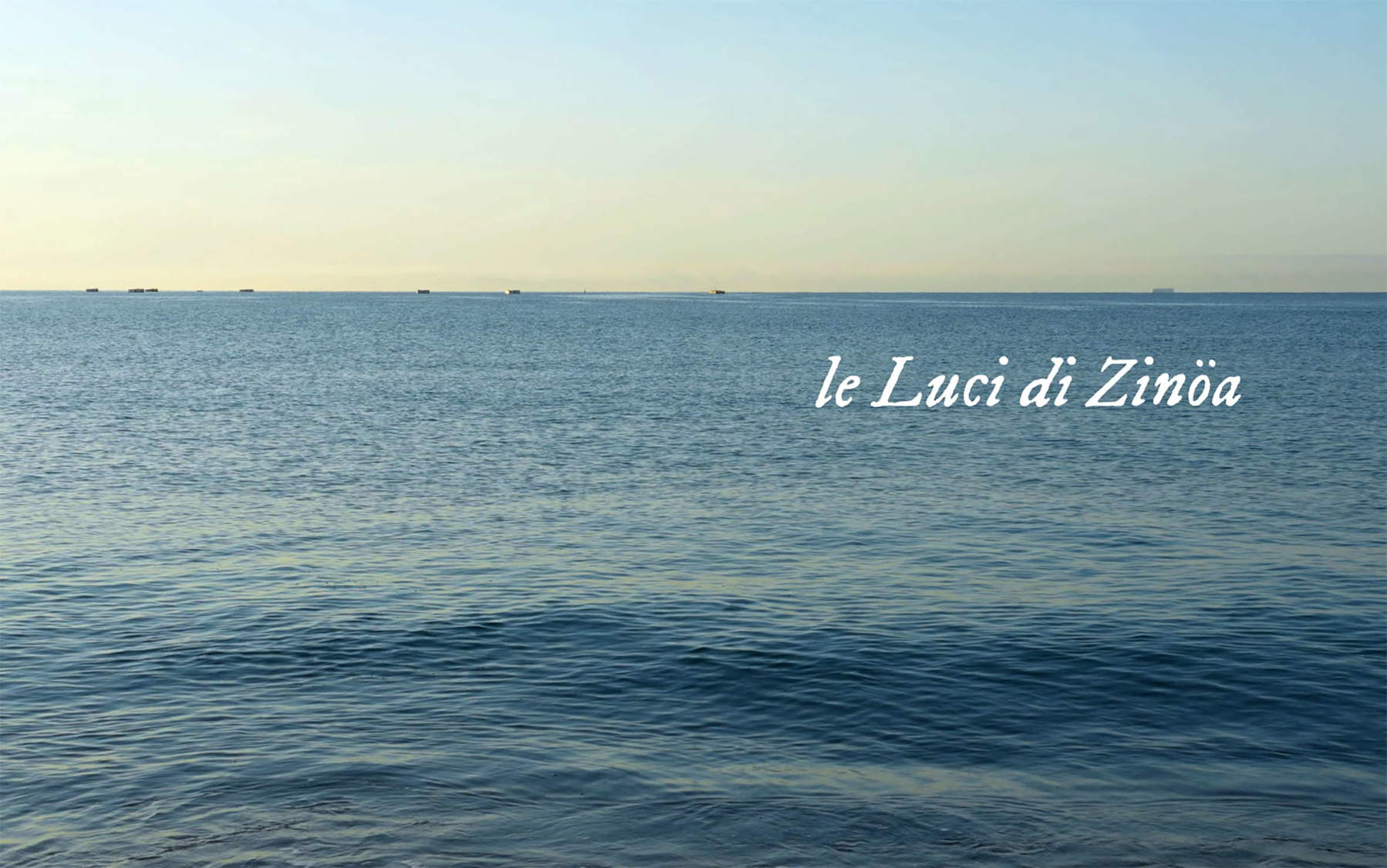
The final stop, on September 26, is Villa Cambiaso, another new addition to this year’s edition, where the festival concludes with the closing event. Here, too, fragility takes on a different form—that of a neighborhood’s memory and the lives of its residents: in the afternoon, following a talk organized by Banca Generali Private on the relationship between artificial intelligence and the future in the villa’s Sala Rossa, *Le Luci di Zinöa* by Francesca Catellani—produced in collaboration with the Zinöa22 association—will be presented. This is the festival’s second participatory project—an audio-visual podcast built around the voices of long-time residents of Savona’s Zinola neighborhood—that weaves together a mosaic of memories and testimonies about a community in transition. The video version is accompanied by footage shot on film and a static shot of the sea. Here, too, fragility is not depicted from the outside but is allowed to speak through the voices of those who experience that fragility—that of a neighborhood in flux, and thus of a memory at risk of being lost—firsthand. The day concludes with an invitation-only party reserved for industry professionals and festival supporters.
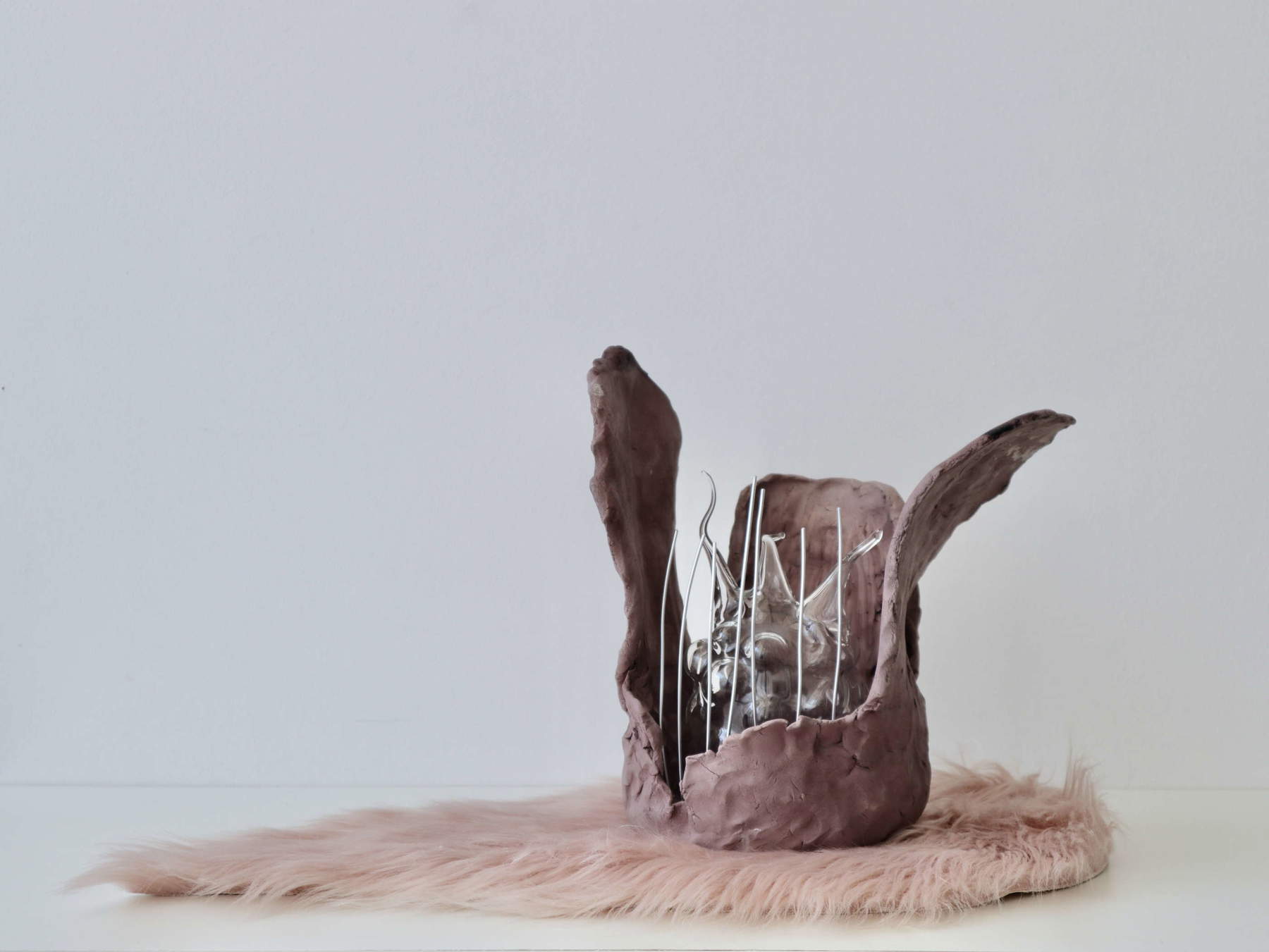
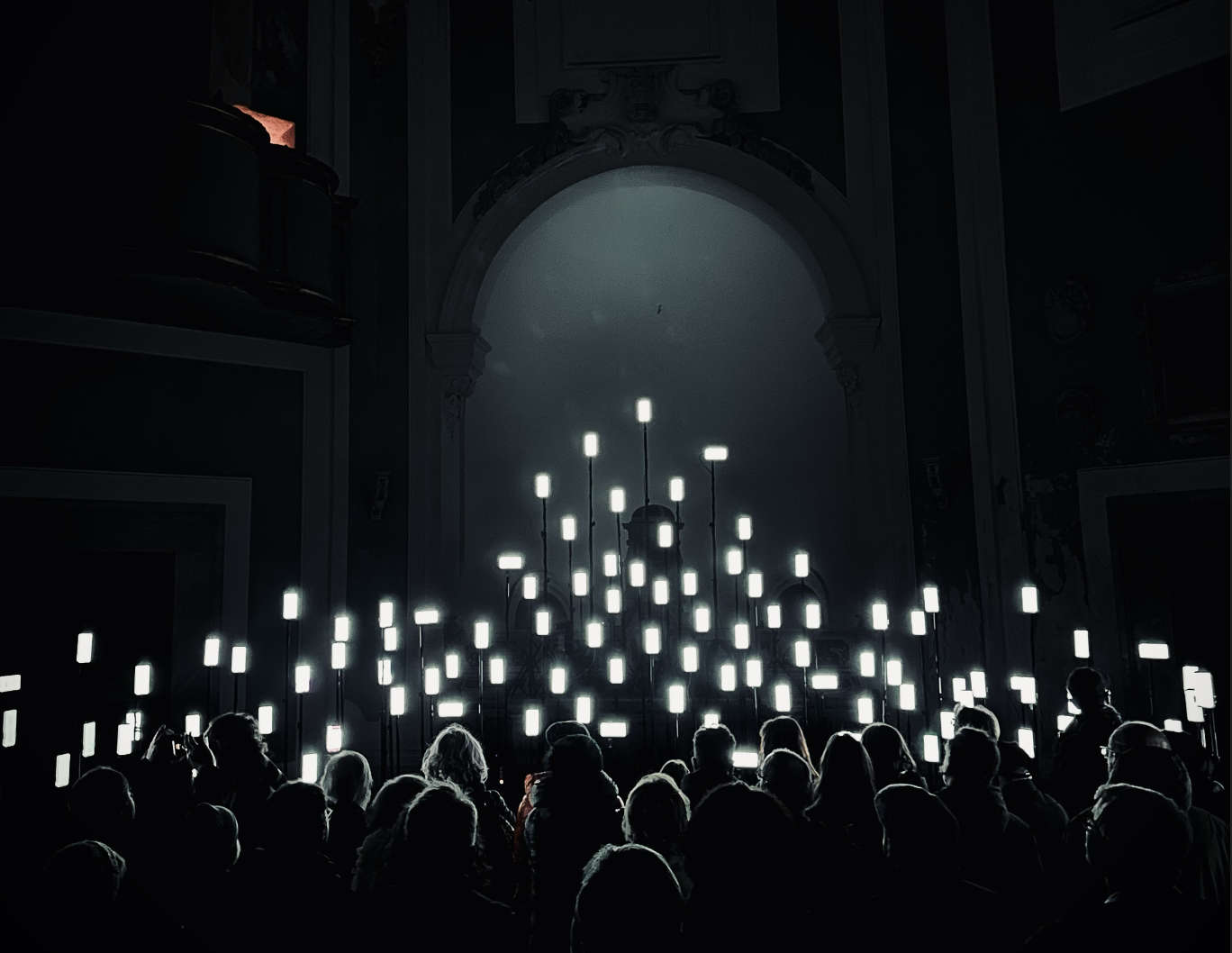
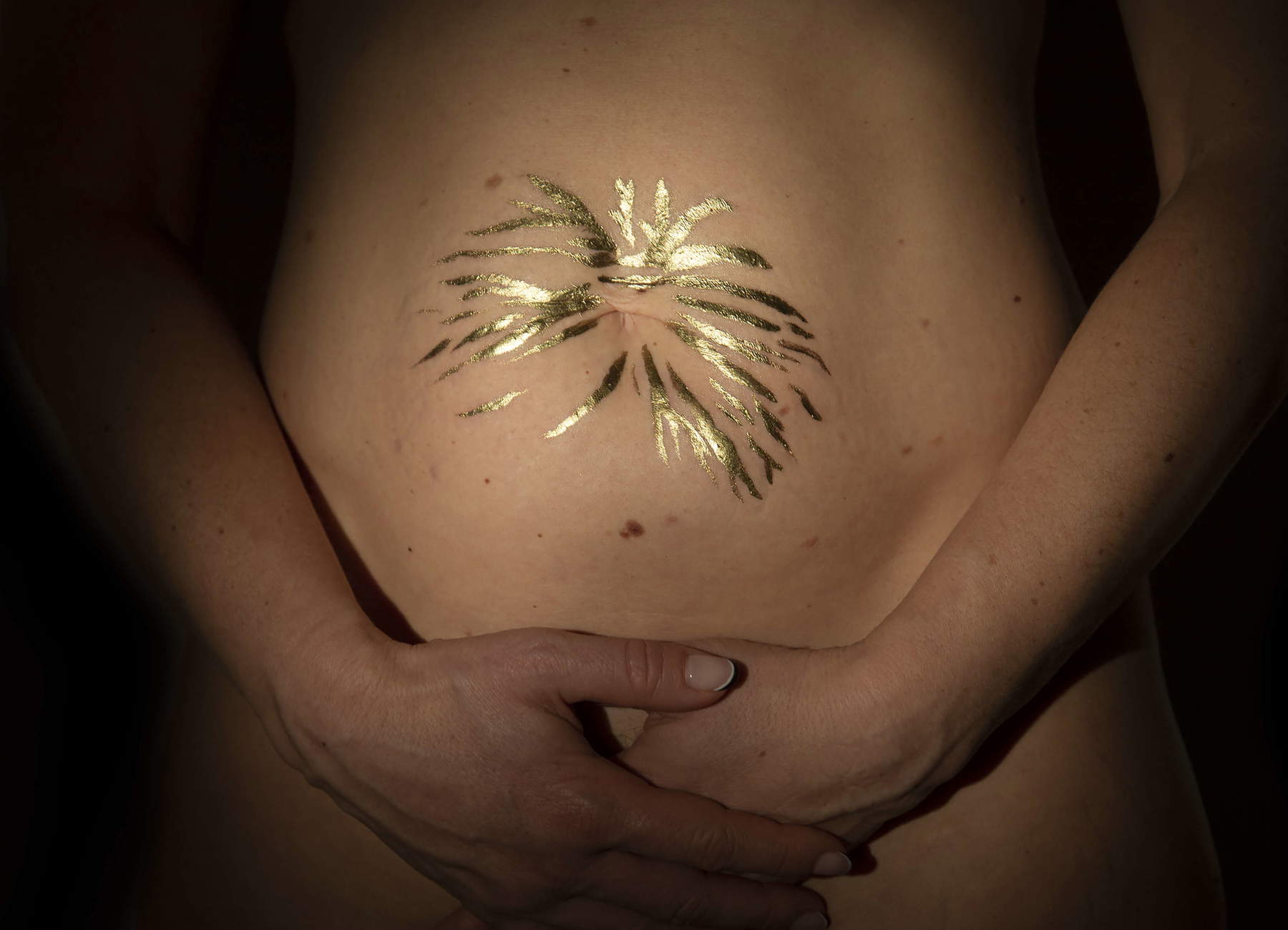
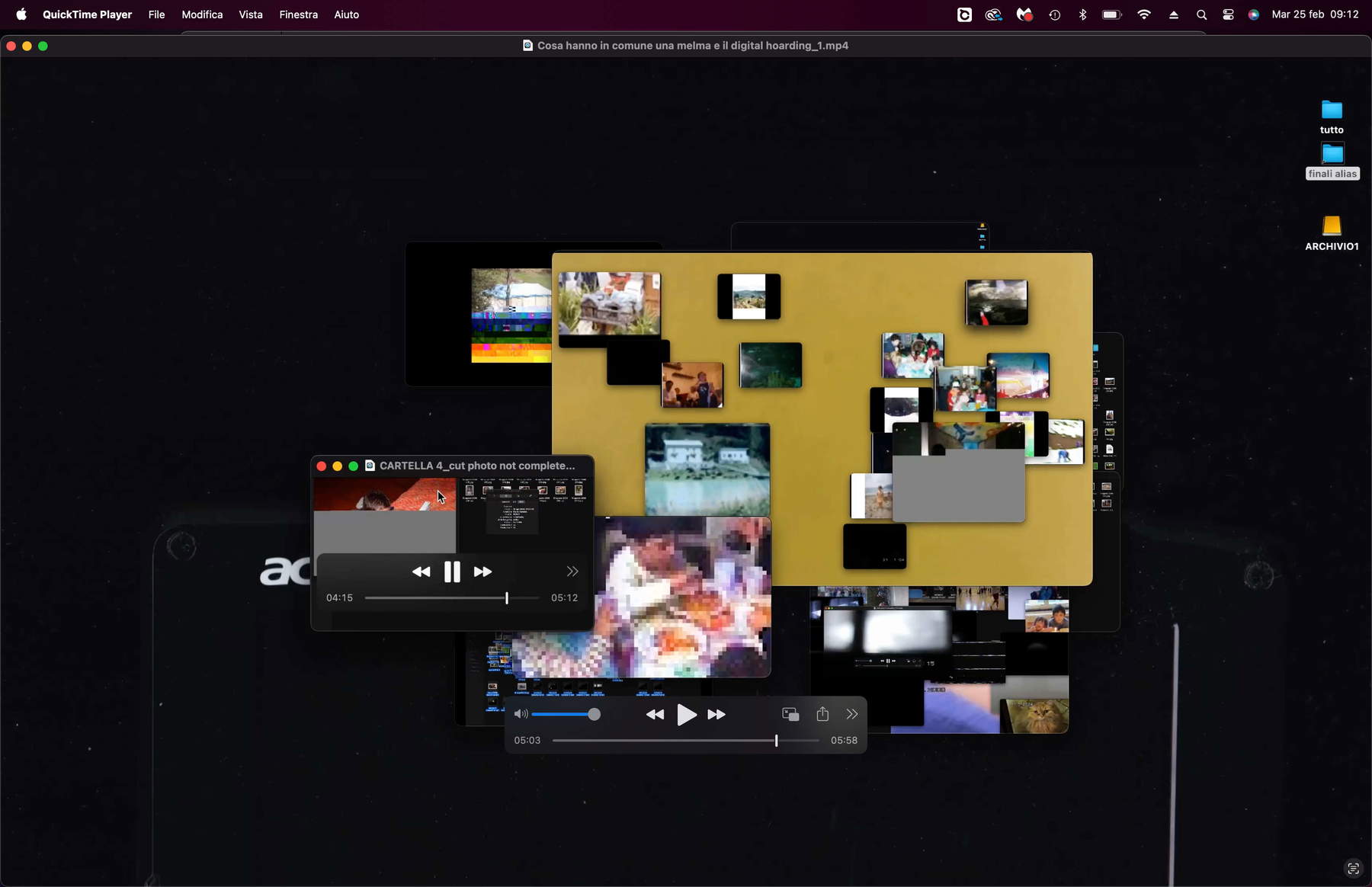
Fourteen artists selected by the curator are participating in the fourth edition of Connexxion: Riccardo Bandiera, Veronica Benedetti, Fabio Bix, Luca Carlevarino, Monica Carrera, Francesca Catellani, Elisabetta Di Sopra, Clarissa Falco, Martina Fontana, Fatma Ibrahimi, Stefania Loreto, Max Magaldi, Matteo Mandelli, and Camilla Marinoni. Although they work with very different artistic languages and techniques, they are all called upon to grapple with the same fundamental question posed by the curator: how does fragility—that of the body, of memory, of community, and of technology—transform into a resource capable of generating change, rather than a condition to be hidden or pitied? Their works, distributed primarily among the installations at the former Sant’Agostino Prison and the interventions at other venues, thus form a cohesive mosaic—unified more by the underlying concept than by formal uniformity.
The two side events of the exhibition also fall within the same thematic framework. On September 17, the Pinacoteca Civica will host Camilla Marinoni’s “Blooming” workshop, reserved for Auser members, while on September 21, the Aula Magna of the Liceo Classico will host Max Magaldi’s workshop “Io digitale / Real Me,” aimed at local schools: a title that, on its own, aptly sums up the tension between real fragility and screen-mediated fragility that runs through the entire edition.
Behind the organization of Connexxion lies a fairly broad network of public and private entities, a sign that the theme of fragility—understood as a collective issue rather than a cultural niche—is able to bring together very diverse stakeholders. The festival is produced by the Arteam association under the patronage of the City of Savona and the Savona 2027 Committee, with funding from the City of Savona, the Industrialists’ Union of the Province of Savona, the De Mari Foundation, and Banca Generali Private. Added to these is the support of the Compagnia di San Paolo Foundation, which has included the event among the projects funded through the “Participatory Festivals 2026” call for proposals, dedicated to initiatives capable of broadening cultural participation to audiences typically less reached by traditional offerings—a choice that, not coincidentally, specifically recognizes the participatory nature of the projects launched at the Sanctuary and in Zinola.
Among the partners are also local organizations directly involved in the two participatory projects, such as Opere Sociali and Opere Sociali Servizi, the Villa Cambiaso Museum Association, Auser Savona, Zinöa22, the FAI Giovani Savona Group, the Tempo Uguale Arte Cultural Association, Sorelle di corpo, and Flat farfalle libere: their inclusion is no coincidence, as many of these organizations work daily on the very issues of care, disability, and social vulnerability that the festival places at its center. The exhibition catalog will be published by Vanillaedizioni, while communications are handled by Espoarte and Segno as media partners.
Admission to the Pinacoteca Civica di Savona requires a ticket; it is open to the public on Thursdays and Fridays from 10 a.m. to 7 p.m., on Saturdays from 10 a.m. to 6 p.m., and on Sundays from 10 a.m. to 2 p.m.; For information on ticket sales, please call 019 8310256 during opening hours or email musei@comune.savona.it. The former Sant’Agostino Prison, which offers free admission, will be open to visitors on Sunday, September 20, from 10 a.m. to 1 p.m. and from 3:30 p.m. to 7:30 p.m., from Monday, September 21, through Friday, September 25, from 3:30 p.m. to 7:30 p.m., and on Saturday, September 26, with the same two sessions as on the holiday. The complete program for the event, including all times and booking procedures for individual events, is available on the official Connexxion website.
 |
| Savona Reveals Its Vulnerable Side Through Connexxion, the Widespread Contemporary Art Festival |

Warning: the translation into English of the original Italian article was created using automatic tools. We undertake to review all articles, but we do not guarantee the total absence of inaccuracies in the translation due to the program. You can find the original by clicking on the ITA button. If you find any mistake,please contact us.



















 IT
IT FR
FR DE
DE ES
ES CN
CN


