


by Redazione 22/10/2026


Categories: Events / Disclaimer
From November 18 to 24, 2026, the festival conceived and curated by Andrea Speziali and organized by the Italia Liberty association will make its debut. The program includes guided tours and seven online academic conferences focused on architecture, the decorative arts, painting, and travel culture. The seashell is the theme of the first edition.


From November 18 to 24, 2026, the first edition of Art Déco Week will take place, an event dedicated to the evolution of taste and artistic styles in the first half of the 20th century. Conceived and curated by Andrea Speziali and organized by the Italia Liberty association, the festival will feature forty guided tours across nineteen Italian regions and seven online academic conferences, with the aim of exploring the relationship between architecture, the decorative arts, painting, objects, and travel culture. The central theme of the inaugural edition will be the seashell, a natural motif reinterpreted through the geometric forms and ornamental codes of Art Deco.

The project stems from the experience of Art Nouveau Week, an event that will reach its eighth edition in 2026, and broadens its scope by shifting the focus to trends that emerged between the two world wars. The first edition focuses on Italy’s heritage, placing it within an international context through a comparison of works, architecture, and visual styles.
The program explores the connections between Art Deco, lingering influences of Art Nouveau, eclecticism, the Novecento movement, and Rationalism, offering itineraries to identify similarities and differences among the stylistic languages that helped transform public spaces, hotels, entertainment venues, and domestic environments. The tours, led by certified tour guides, aim to document how new forms of modernity entered daily life, thereby also changing the way people live, travel, and communicate.


The shell, the theme chosen for this first edition, allows visitors to trace the transition from the observation of nature to decorative synthesis through fans, radial patterns, symmetries, and geometric patterns. The motif spans various fields of artistic production, from ceramics to glass, from ironwork to furnishings, from graphic design to fashion, and even the construction of the modern image of women.
“Art Deco Week was created to take a step forward in history,” explains Andrea Speziali. “After years dedicated to understanding Art Nouveau, it was natural to ask what came immediately after. Art Deco is not simply Art Nouveau stripped of its decoration. It is another vision of modernity. Women, cities, speed, advertising, the way we travel, furnish our homes, communicate, and even imagine luxury—all of these things changed. We want to begin telling the story of this transformation by starting with the places themselves.”
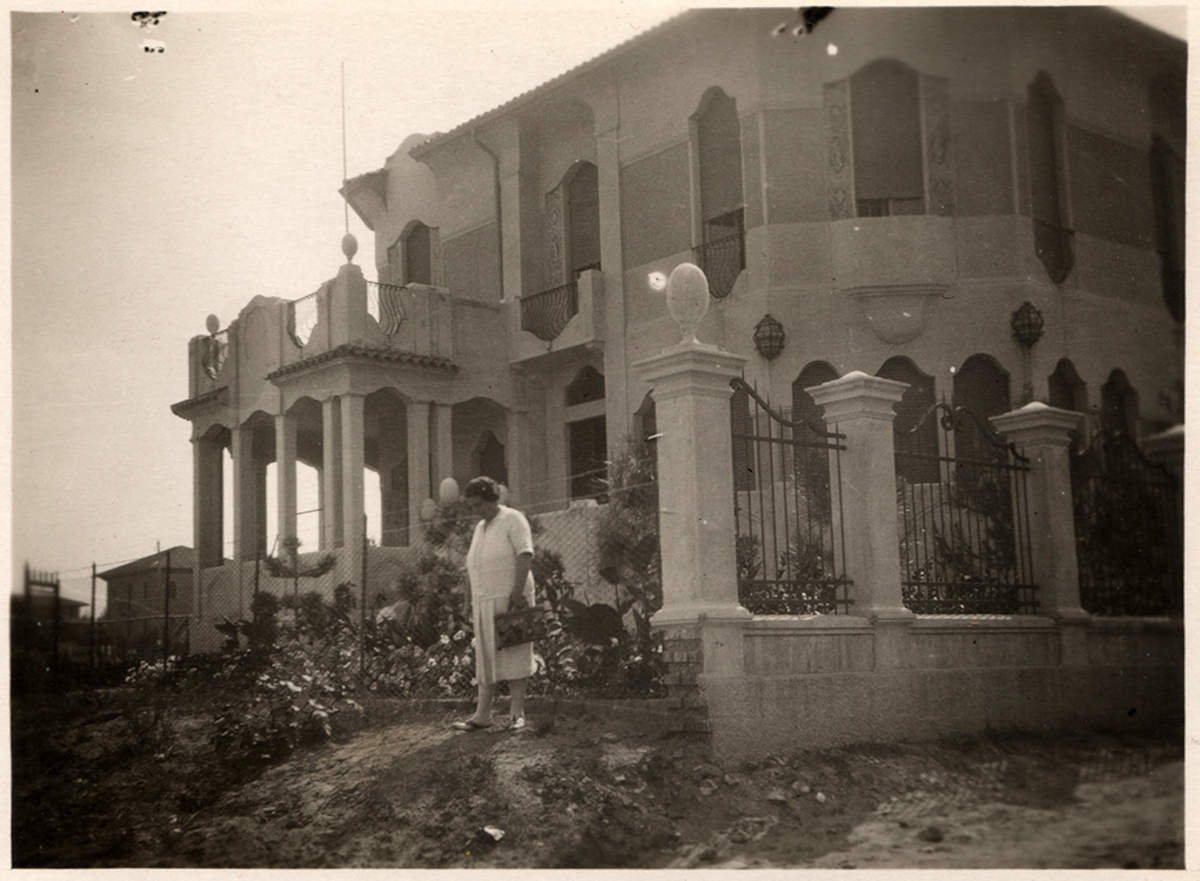
Forty itineraries to discover Italian Art Deco
The event encompasses major cities, provincial towns, and vacation destinations. Veneto features five itineraries; Emilia-Romagna, Marche, and Sicily each offer four; Friuli-Venezia Giulia, Liguria, and Lombardy, three; and Tuscany and Trentino-Alto Adige, two. Rounding out the map are Abruzzo, Calabria, Campania, Lazio, Molise, Piedmont, Apulia, Sardinia, Umbria, and the Aosta Valley.
On Wednesday, November 18, the festival kicks off in Pescara, Reggio Calabria, Naples, Ferrara, Forlì, and Salsomaggiore Terme. The itineraries include venues such as the Aurum in Pescara, the Stazione Marittima in Naples, Palazzo Panfilio in Ferrara, and the Terme Berzieri in Salsomaggiore. The events explore the relationship between decoration, monumentality, and urban transformation; in the Emilian spa town, the theme of the “spa dream” introduces the work of Galileo Chini and the role of the decorative arts.
On Thursday, November 19, the tours will visit Sogliano al Rubicone, Gorizia, Trieste, Udine, and Rome. The itineraries in Friuli-Venezia Giulia compare Art Nouveau, Art Deco, and 1930s architecture. In the capital, the starting point is the Hotel Mediterraneo, from which a tour dedicated to hotels, movie theaters, and luxury spaces unfolds.
On Friday, November 20, the program focuses on Liguria and Lombardy, with events in Genoa, Imperia, La Spezia, Brescia, Busto Arsizio, and Milan. In Genoa, the tour examines Villa Canali Gaslini, while in Imperia, the spotlight is on Villa Grock. La Spezia offers an itinerary dedicated to Bibbiani; in Brescia, the focus shifts to Piazza della Vittoria, while in Busto Arsizio, the transition from Art Nouveau to geometric design in the work of Silvio Gambini is explored in depth. In Milan, the former Albergo Diurno Venezia hosts a tour dedicated to Piero Portaluppi and the underground city.
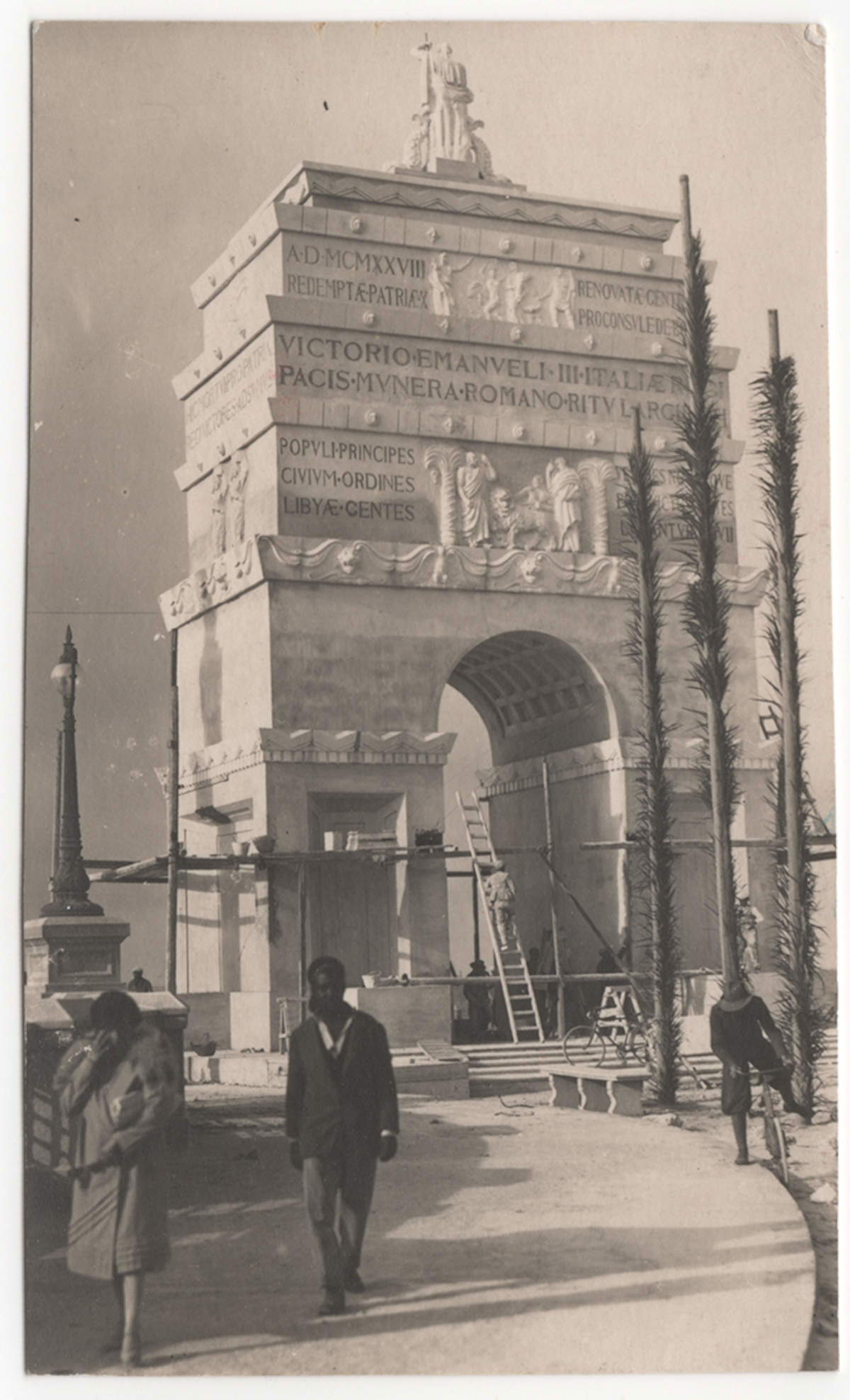
On Saturday, November 21, the spotlight is on the Marche region—featuring Ancona, Ascoli Piceno, Pesaro, and Senigallia—along with Campobasso and Turin. Day hotels, public buildings, and metropolitan urban designs serve as the starting points for exploring the urban culture of the period. In Senigallia, the Rotonda a Mare offers a deeper look into the seaside modernism of the 1930s.
On Sunday, November 22, the festival continues in Bari, Cagliari, Catania, Messina, Palermo, and Trapani. Key venues include the Kursaal Santalucia, the Palazzina Scano, and the Galleria Vittorio Emanuele III, through which the festival explores the relationships between architecture, the performing arts, and the applied arts. In Palermo, the itinerary begins at the Palazzo delle Poste and explores the dialogue between Futurism, Art Deco, and public art.
On Monday, November 23, events will take place in Florence, Viareggio, Bolzano, Merano, and Perugia. The Odeon Cinema in Florence and Villa Argentina in Viareggio will respectively introduce the culture of the performing arts and the relationship between Galileo Chini, Art Nouveau, and the aesthetic tastes of the 1920s. In South Tyrol, the tours explore modernist architecture, while in Perugia the itinerary is dedicated to the Sala Lippi and the applied arts.
On Tuesday, November 24, the event concludes in Aosta and the Veneto region, with five tours at the Lido di Venezia, Padua, Venice, Verona, and Vicenza. From the Palazzo del Cinema on the Lido to the architecture and arts of the interwar period, the final day revisits the themes of travel, high society, and new communal spaces.
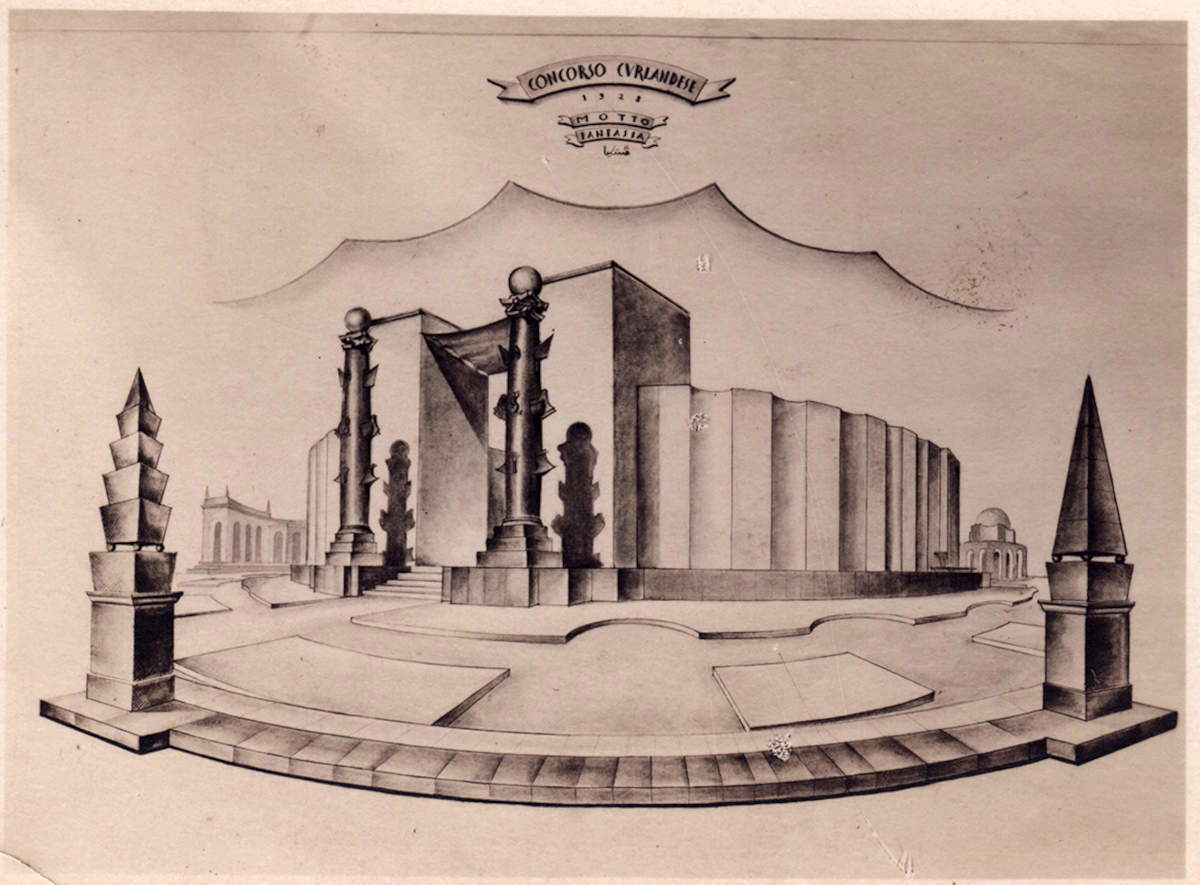
Seven Online Academic Conferences
In addition to guided tours, Art Déco Week features seven academic lectures—one per day from November 18 to 24—all scheduled online from 11:00 a.m. to 12:30 p.m. The sessions explore architecture, ceramics, sculpture, and painting, while also examining the international circulation of images and designs.
Wednesday, November 18, kicks off with “Piero Portaluppi and the Geometries of Art Deco,” dedicated to the architect’s buildings and interiors, materials, and decorative innovation. From the experiments of the 1920s to Villa Necchi Campiglio, the lecture traces the continuity and transformations in his work.
Thursday, November 19, features “Chini: Between Art Nouveau and Art Deco,” which traces the family’s ceramic production, from the “Arte della Ceramica” to the “Fornaci San Lorenzo.” The focus is primarily on Galileo and Tito Chini, with in-depth discussions of the contributions of Chino and Augusto. Andrea Speziali will also present the discovery and attribution to Galileo Chini of the lustre majolica pieces at Villa Lydia in Viserba di Rimini. The session extends to other Tuscan artists and manufacturers, comparing the Richard-Ginori production with the innovations of Gio Ponti.
On Friday, November 20, “The Masters and Art Deco Sculpture Between Italy and New York” connects Fortunato Depero, Libero Andreotti, Umberto Bellotto, and Gio Ponti with the research of Alessandro Mazzucotelli and Silvio Gambini. The analysis of the sculpted figure extends to the American context through Paul Manship’s *Prometheus* at Rockefeller Center, exploring the relationships between myth, modern energy, and architecture.
On Saturday, November 21, “Gio Ponti: Between Architecture and Decorative Invention” examines the relationship between building, interior, and object, beginning with the ceramics created for Richard-Ginori. The lecture addresses the themes of living spaces and furnishings, demonstrating how decoration becomes part of the design process and how Ponti’s work continued beyond the Art Deco period.
On Sunday, November 22, *From Paris to the World in the Roaring Years of Art Deco* takes its starting point from the 1925 International Exhibition of Modern Decorative and Industrial Arts. Posters, illustrations, typefaces, fashion, and objects allow us to reconstruct the spread of a visual culture linked to new consumer trends. The seashell reemerges as a key to understanding the geometric transformation of natural motifs.
On Monday, November 23, “Art Deco America and Tourism: From Miami Beach to Italy” is dedicated to the architecture of leisure and hospitality. Hotels, signage, lobbies, and furnishings are analyzed to understand the role of Art Deco in shaping the identity of cities and the experience of travelers. The discussion includes Rome’s Hotel Mediterraneo, the Casa del Passeggero, and Milan’s Diurno Venezia.
On Tuesday, November 24, “Tamara de Lempicka and the Painting of Modernity” concludes the series with an in-depth exploration of portraits, figures, and the construction of the public image. Volumes, surfaces, and light become tools for analyzing the relationship between the legacy of classical painting, modern simplification, fashion, and photography.
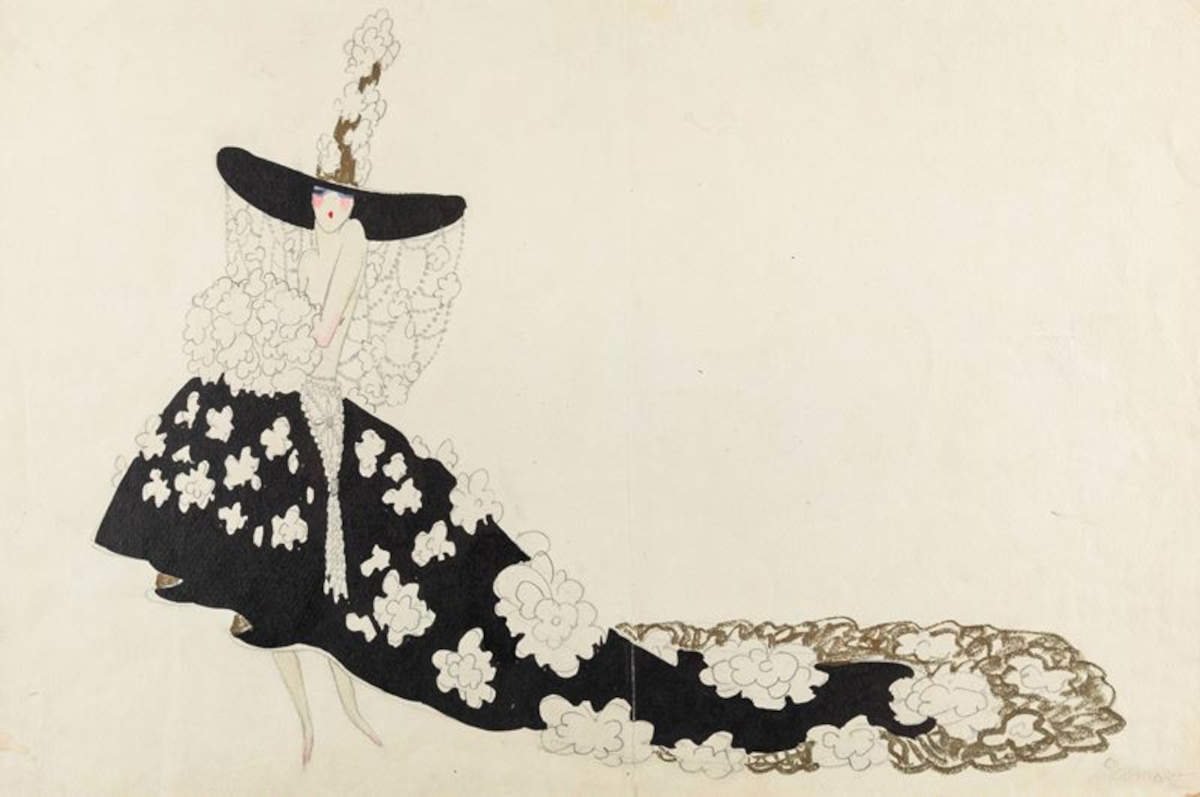
20th-Century Heritage and Preservation
The first edition of Art Déco Week combines public outreach with a reflection on the conservation of 20th-century heritage. Identifying a building, reconstructing the history of a manufacturer, and documenting a collection are activities that help create the conditions for the preservation of works. From this perspective, Italia Liberty focuses on public and private collections, archives, and cultural institutions with limited resources.
A key example is the collections and documentary materials at Palazzo Marcosanti, in the Sogliano al Rubicone area, which are featured as part of the project. Magazines and illustrated covers offer insight into the spread of this aesthetic in popular culture, while inventories, photographic campaigns, and digital catalogs facilitate the understanding and study of these materials. Preservation also requires addressing issues related to lighting, environmental conditions, maintenance resources, and the risk of collection loss.
The event’s technical-scientific committee consists of Daniela Brignone, Veronica De Maria, Emanuele Gaudenzi, Elisabetta Pasqualin, Sara Santella, Ettore Sessa, Andrea Speziali, Claudia Taibez, Roberto Tissino, Carla Tocchetti, and Ulisse Tramonti.
Information and Participation
Guided tours: The participation fee is 25 euros per person for each tour, led by a certified tour guide. Requests must be submitted by November 14 via the online form, by email to info@italialiberty.it, or by text message to +39 320 0445798, indicating the tour code and the number of participants. For the tour of Villa Grock in Imperia, please use the dedicated email address museiimperia@italialiberty.it.
Confirmation of tours is expected by 10:00 PM on November 15. If no confirmation is received by that time, the tour will be considered canceled due to failure to reach the minimum number of participants or due to force majeure. Payment must be made only after confirmation and in any case by November 16, via PayPal at info@italialiberty.it or by instant bank transfer to the account details provided by the organization. In the event of cancellation due to inclement weather, a refund will be issued within twenty business days.
Online Conferences. Participation is reserved for Italia Liberty members holding a valid “supporter” or “supporting organization” membership card, which requires an annual membership fee of 100 euros. To attend the entire series, an additional fee of 80 euros per person is required; the two fees are separate.
Reservations must be submitted by November 15 to info@italialiberty.it or via text message to +39 320 0445798, indicating first name, last name, email address, membership card number, and the code ADW_CONF. Confirmation will be sent by 10:00 PM on the same day, and payment must be made by November 16. The link to access the sessions will be sent via email after verification of your membership card and payment.
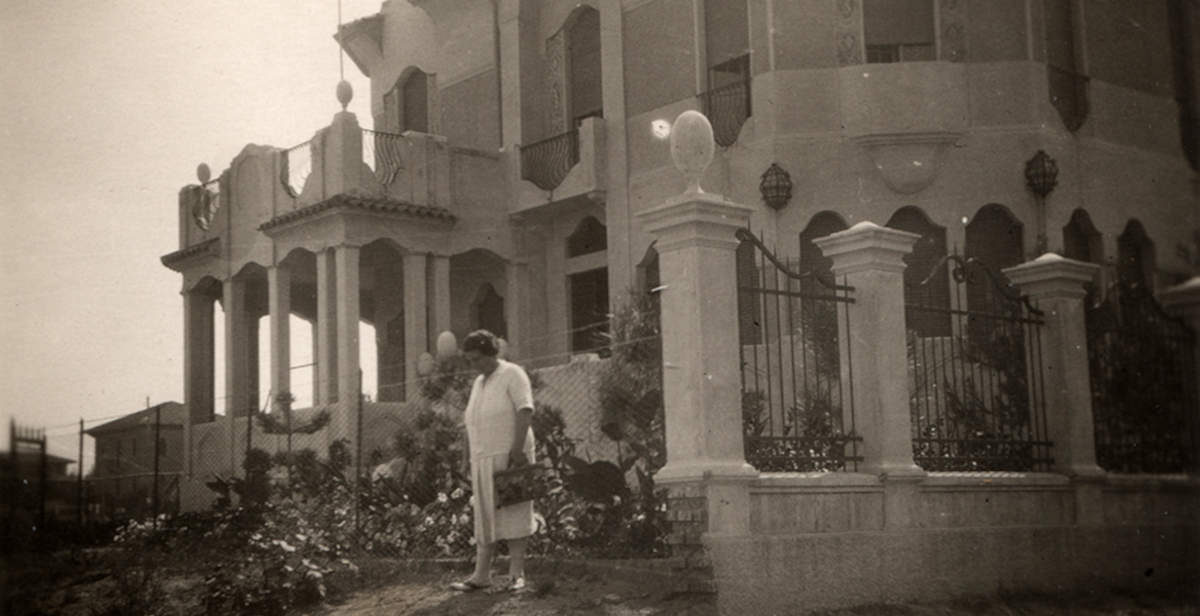 |
| Art Déco Week is here: 40 itineraries across 19 regions showcasing 20th-century modernity |
Warning: the translation into English of the original Italian article was created using automatic tools. We undertake to review all articles, but we do not guarantee the total absence of inaccuracies in the translation due to the program. You can find the original by clicking on the ITA button. If you find any mistake,please contact us.